What’s Bringing Walking Sticks Onto Tennessee Porches This Time Of Year
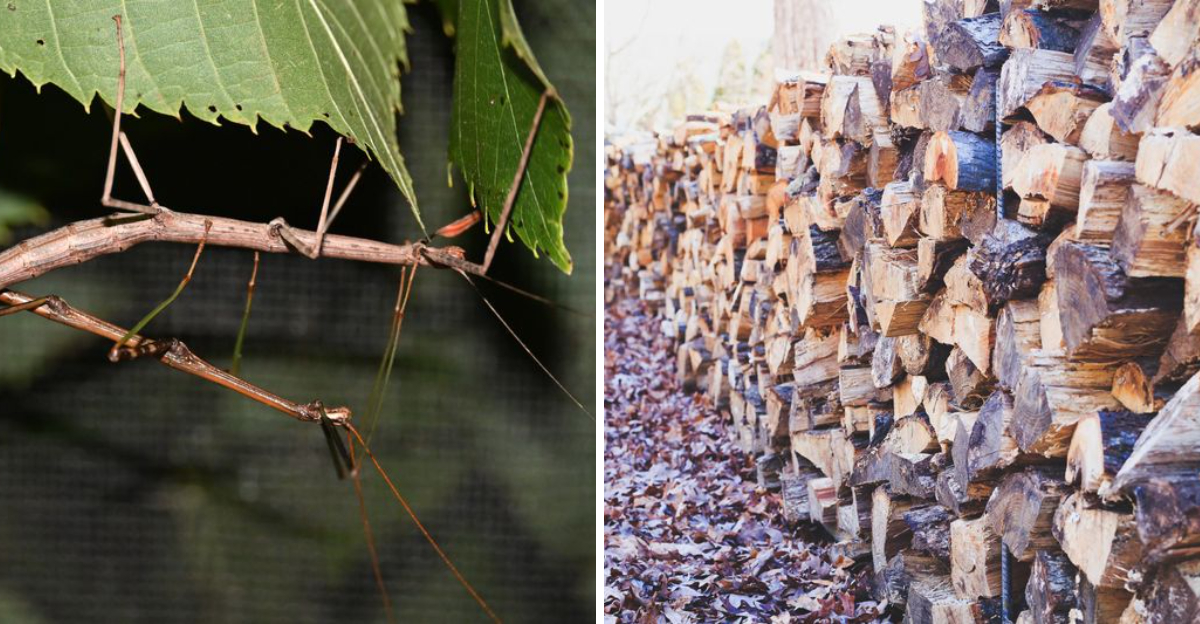
That twig on your railing just moved again. Walking sticks arrive on Tennessee porches each fall, uninvited and unbothered. Cooler nights push these insects toward warmth and light. Porch bulbs pull them in with startling reliability.
Their bodies mimic bark so precisely you might miss them entirely. Tennessee humidity and shifting winds shape their sudden appearance. You grab a broom, they hardly flinch. Appetite drives much of this behavior, more than pure instinct alone.
Mating season adds urgency, pushing males into open, lit spaces. Gaps near doorframes offer shelter from dropping temperatures. Curiosity aside, biology explains far more than folklore does. Science behind these visits reveals surprising, specific patterns.
Wind direction also plays a role, nudging travelers toward glowing windows. Temperature drops trigger a rush for shelter, not confusion. Certain porches attract more visitors than others do. Your porch light will not feel ordinary again once you truly understand why.
1. Cool Nights Send Them Toward Warm Walls
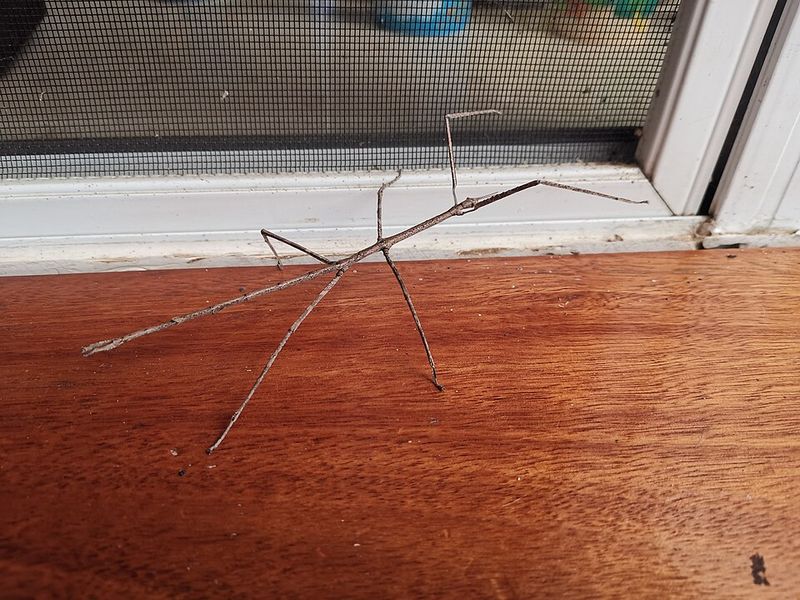
Ask anyone in East Tennessee about October evenings and you will hear the same thing: the porch feels warmer than the yard. Brick, vinyl siding, and painted boards soak up sunshine all afternoon and release it slowly once the sun drops.
Walking sticks are cold-blooded, so their whole day runs on borrowed heat. When the thermometer slides into the fifties overnight, a sun-baked wall becomes the coziest real estate around.
That is why you often spot them clinging to the south or west side of a house, right where the last light hit. They tuck in near door frames, window trim, and the underside of railings where warmth lingers longest.
The behavior picks up sharply after the first cool snap, usually late September through early November across the state. Before then, they stay high in the trees where daytime temperatures suit them fine.
Homeowners on the Cumberland Plateau and around Knoxville tend to notice the pattern first, since higher elevations chill faster. Middle and West Tennessee see the same thing a week or two later.
If you would rather not share your railing, switch porch fixtures off an hour earlier and let the boards cool naturally. A gentle nudge with a stick or a piece of cardboard moves a visitor back toward the shrubs without harming it.
Here is a fun bit of trivia: these insects can hold still for long stretches, so a chilly one on your siding may look like a twig glued in place. Warm it slightly and it strolls away on its own.
2. Porch Lights Turn The Front Steps Into A Stage
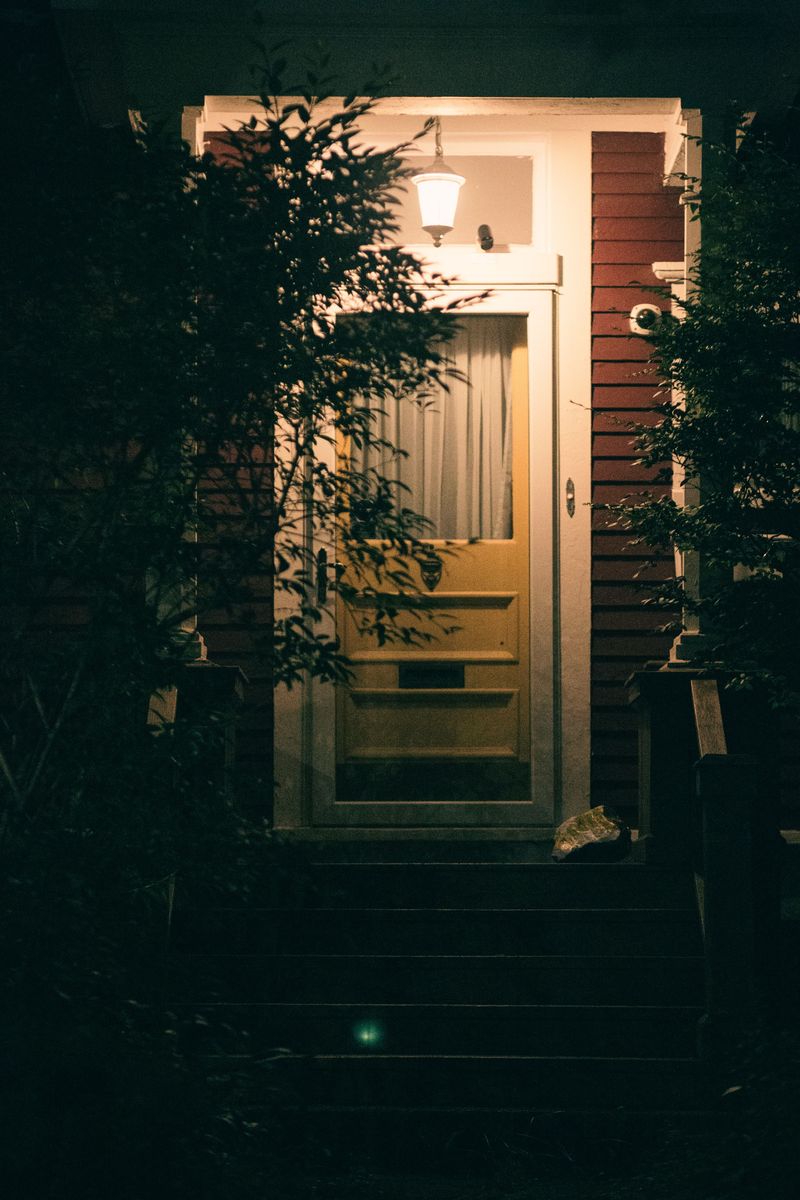
Leave a porch bulb burning past dusk and you have built a lit area that draws insects. Moths arrive first, then beetles, and eventually a long skinny shape that seems to have wandered in from a different show.
Walking sticks are not pulled toward light the way moths are, at least not strongly. What draws them in is the crowd and the warmth a fixture throws against nearby siding.
Your Tennessee Garden Changes Every Week. Your Plan Should Too.
Gardening in Tennessee changes quickly throughout the season. Every Friday you’ll receive a simple weekly plan showing exactly what to plant, prune, fertilize, harvest, and protect so you never miss the right timing.
Glass globes and older incandescent bulbs give off real heat, which spreads across trim boards and creates a warm patch a few inches wide. A chilled insect climbing your wall will settle right there and stay for hours.
Swapping to warm-toned LED bulbs cuts the heat and the insect traffic at the same time. Yellow bug bulbs help too, and they keep the porch usable for people.
Motion-sensor fixtures are another easy fix, since they only run when someone walks up. Fewer hours of light means fewer wandering guests parked by the front door.
Position matters as well. A light aimed away from the house, or shielded so the glow points down at the steps, keeps the wall itself dark and far less inviting.
Folks who love a lit porch can simply plan for company and check the door frame before pushing the screen open. A quick scan saves you the surprise of a six-inch twig riding inside on your shoulder.
Neighbors in wooded subdivisions near Nashville and Chattanooga notice the pattern soon after Labor Day, when evenings start cooling off quickly.
3. Mating Season Has The Males On The Move
Late summer increases insect movement across the canopy. Males go looking for females, and looking means walking, sometimes for surprising distances.
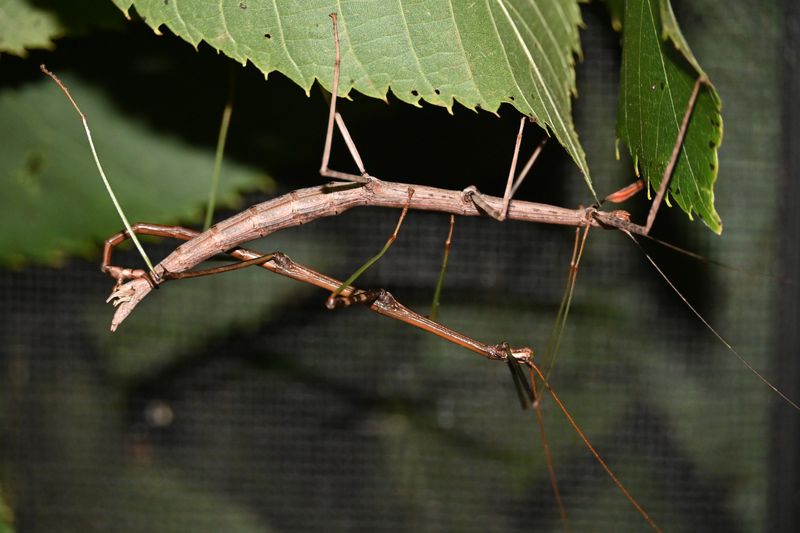
Male walking sticks are smaller and thinner than females, and they are the ones usually found roaming siding and window screens. A female may sit on one branch for days while the males cover ground.
Peak wandering tends to run from late summer into fall in Tennessee, often lining up with cooler porch weather. Warm afternoons and cool evenings keep them moving at odd hours.
Pairs sometimes travel together, with the smaller male perched on the female’s back for days at a time. Spotting that double-decker arrangement on a porch column is a common autumn sight in the Smokies foothills.
All that travel means they cross driveways, climb steps, and end up in spots with no food at all. A porch rail is simply a road they happened to take.
There is no biting or stinging involved, since these insects have no defenses beyond looking like a twig. They may sway gently to mimic a branch in the breeze, a trick some homeowners find interesting.
If a wanderer shows up, let it be or move it to a nearby oak or hickory branch. Handle it by the body rather than the legs, because those slender limbs detach easily under pressure. Give it a minute and it will resume its patient search, one careful step at a time.
4. Egg-Laying Pulls Heavy Females Down Low
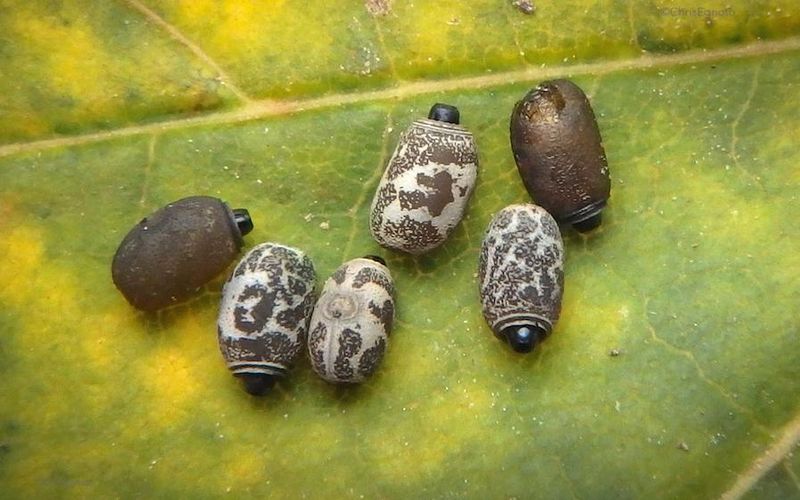
Here is a detail that surprises people: female walking sticks drop their eggs one at a time, letting them fall to the ground like tiny seeds. In a heavy year, eggs falling can be audible.
A single female can release dozens to over a hundred eggs across a season, scattering them through leaf litter during late summer and fall. The eggs rest through winter and hatch in spring.
Females carrying eggs often move lower in the canopy, and lower can mean your porch roof, your gutters, or the shrubs beside the steps. Big, heavy females are the ones homeowners tend to spot.
Gutters and porch corners collect leaves, which is exactly the sort of spot the eggs need. Clearing debris in late fall reduces the number of hatchlings hanging around your foundation come April.
The eggs themselves look like small seeds, dark and slightly polished, roughly the size of a pinhead. Some ants gather them and carry them underground, which shelters them and helps them hatch.
Because hatching happens in spring, whatever settles near your house this fall shapes what you see next year. A quick raking under favorite trees goes a long way.
Mulch beds pressed against the house are another favorite landing zone. Turning that mulch once before winter breaks up the habitat without any harsh treatments.
Natural predation helps reduce numbers. Birds, mice, and ground beetles work through the leaf layer all winter, keeping numbers in check, and your porch simply sits at the edge of that busy little world.
5. Tough Autumn Leaves Push Them Hunting For Softer Bites
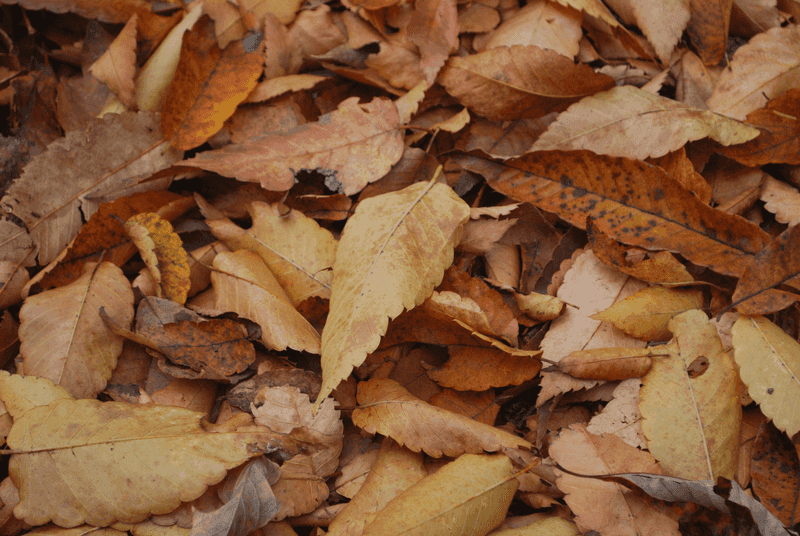
Trees change their menu as the season winds down. Oak and hickory leaves grow tough, dry, and loaded with tannins by September, which makes them far less appealing to a leaf-chewing insect.
Walking sticks feed on foliage from black cherry, oak, hickory, and a handful of other hardwoods common across Tennessee. When the best leaves harden, the insects wander in search of tender growth.
Tender growth in autumn tends to sit low: sprouts at the base of a trunk, fresh shoots on shrubs, and the leafy plants people keep near the house. That search brings them down to eye level.
Porch plantings often stay greener and softer than the woods because they get regular water and fertilizer. Your hydrangea can look more appealing than drier foliage elsewhere.
Feeding damage is light and largely cosmetic, showing up as ragged notches along leaf edges. Trees shrug it off, especially this late in the year when growth has already slowed.
Chemical sprays are rarely worth the trouble for a handful of visitors. A stiff spray of water or a hand-pick and toss into the brush line settles the matter for the season.
Gardeners who want fewer visits can keep sprouts trimmed off tree trunks and pull weedy saplings along fence lines. Those young, soft leaves are exactly what a hungry stick insect is hunting.
Worth remembering: Tennessee hardwoods have shared the woods with these insects for a very long time. A season of nibbling barely registers on a mature oak.
6. Boom Years Run On Their Own Quiet Schedule
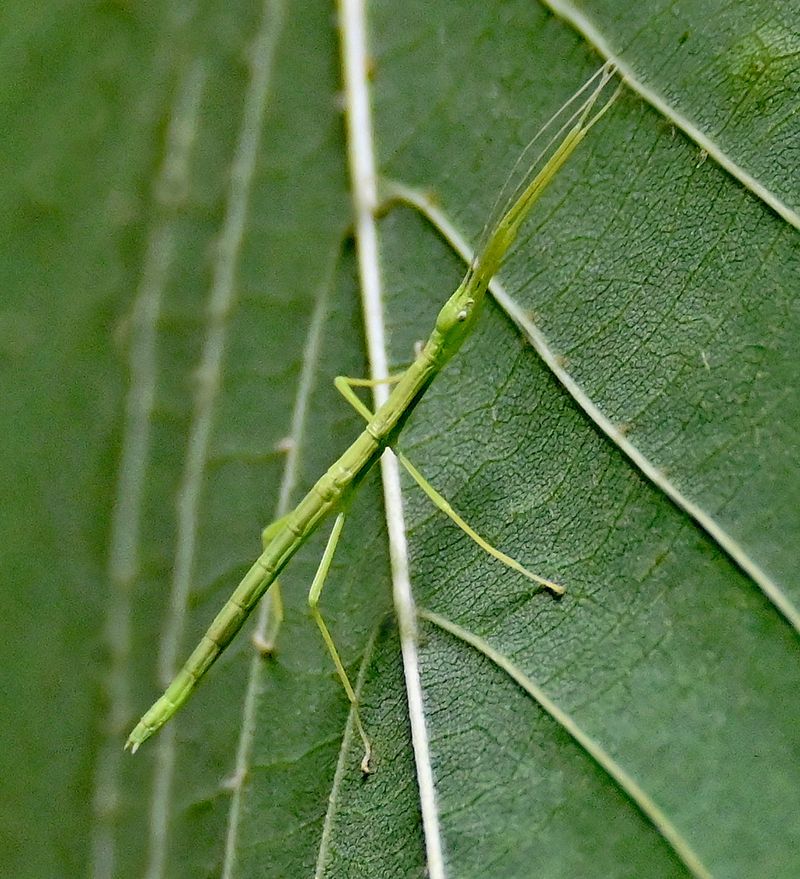
Some autumns you see one. Other autumns you see a dozen on the same wall, and the difference is not your imagination.
Walking stick numbers rise and fall in cycles, partly because eggs laid in fall can take two winters to hatch in cooler spots. That staggered timing creates heavier years followed by quieter ones.
Weather plays a role too. Mild winters and damp springs help more eggs come through, so a gentle season often shows up as extra activity the following autumn.
Ridge-top neighborhoods and homes backed by mature hardwoods feel these swings the strongest. Open subdivisions with young landscaping usually see only the occasional traveler.
During peak years, oak stands in the eastern part of the state can show noticeable leaf loss. Those trees leaf out again the next spring without much trouble.
For homeowners, a busy year mainly means extra sweeping and a few more surprises by the mailbox. Numbers settle back down as predators catch up and food gets scarce.
Keeping a rough note of what you see each fall is oddly satisfying. Neighbors compare tallies the way they compare tomato harvests in July.
Wrens, jays, and titmice work through the population steadily, along with spiders and paper wasps. That natural pressure is the main reason the cycle turns back downward.
So if your porch feels busier than last October, chalk it up to timing rather than something you did wrong. Give the calendar a year and numbers typically decrease.
7. Mums, Ferns, And Pumpkins Set The Table

Picture the classic Tennessee front porch in October: pumpkins on the steps, a fern in the corner, and a row of mums in orange and burgundy. To a leaf eater strolling past, that display appears especially inviting.
Container plants stay lush late into the season because they get watered and sheltered. Ferns in particular hold moisture and offer dozens of hiding spots between the fronds.
Walking sticks tuck into that greenery during the day and come out along the railing after dark. Plenty of homeowners find one only when they move a pot or water the fern.
Plants carried indoors before the first frost sometimes bring a passenger along. A quick shake and a look under the leaves saves you from finding a six-inch twig crossing the kitchen ceiling.
Hanging baskets near a porch light pull double duty, offering both warmth and cover. Rotating those baskets a quarter turn now and then makes them less appealing as a long-term rental.
Damage to mums and ferns stays minor, usually a few chewed edges here and there. The plants are heading toward dormancy anyway, so the nibbling costs you very little.
Gardeners who prefer a clear porch can set containers a foot or two away from walls and railings. That small gap breaks the bridge between plant and siding.
Rinsing foliage with a hose before bringing pots inside knocks off hitchhikers of several kinds. Aphids and spiders go along for the ride too, so it is a smart habit either way.
8. Raking, Blowing, And Firewood Stacking Stir Them Loose
Fire up a leaf blower on a Saturday morning and the yard reveals its hidden insects. Insects that spent weeks tucked into branches suddenly find themselves airborne and hunting for a new perch.
Pruning, raking, and hauling brush all shake the canopy right when walking sticks are moving around the tree line. The nearest vertical surface tends to be a porch post or a garage door.
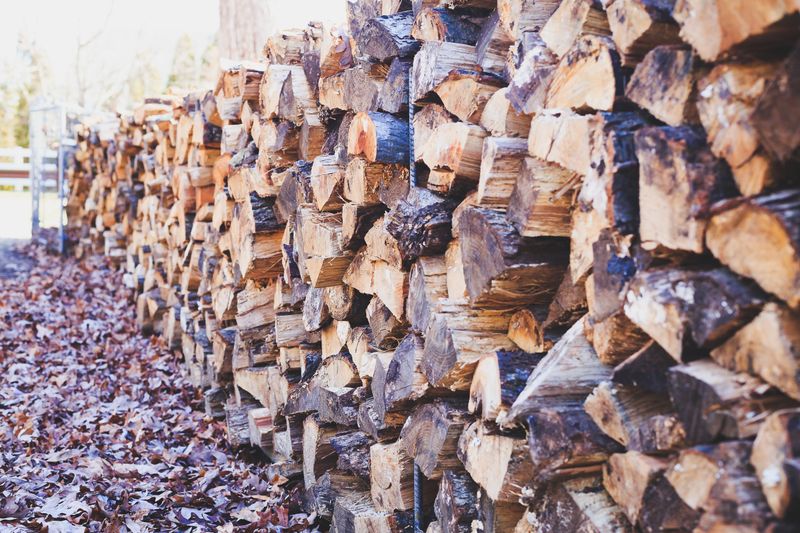
Stacking firewood does the same thing on a smaller scale, since bark and leaf debris hide plenty of travelers. A wall of split oak beside the back steps becomes a place insects can climb from.
Timing your yard work for midday helps, because cool mornings and evenings are when these insects wander along your walls. Warm afternoons keep more of them up in the branches.
Set firewood a few feet from the house and up off the ground on a rack. That gap discourages a long list of critters, not only stick insects.
If one lands on you, stay relaxed and let it walk onto your hand or a leaf. There is no bite, no sting, and no interest in you beyond finding something upright to climb.
Carry it to a hardwood at the edge of the yard and set it on a low branch. It will grip the bark and start climbing within seconds.
Sweeping the porch after yard work clears the strays before evening arrives. A soft broom and a dustpan handle the job with no fuss, and kids tend to love the routine.