A Native Fruit Almost Nobody Recognizes Is Ripening Right Now Across Tennessee Backyards
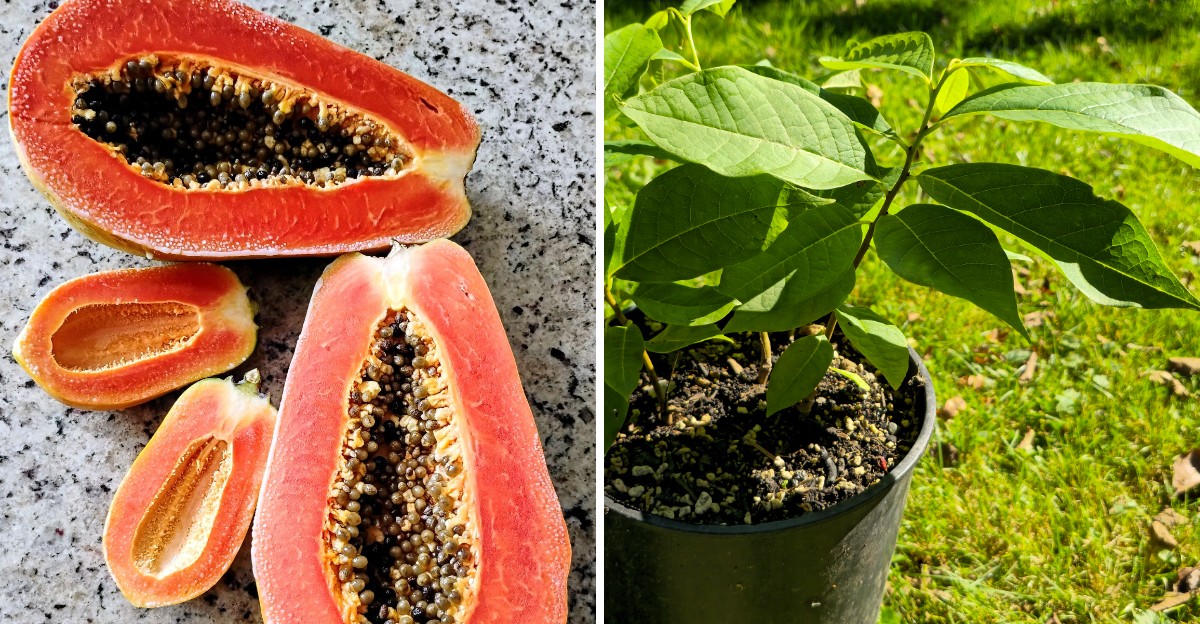
You catch a sweet, tropical smell before you spot its source. Something soft and lumpy waits hidden beneath the fallen leaves. Tennessee hides this secret along its shadiest creek banks.
Broad leaves hang overhead like they wandered from a jungle. Locals often mistake it for a stray wild mango tree. Few realize this fruit ranks among the sweetest treats in the entire region. Its flavor blends rich banana custard with a mango edge.
Raccoons already know this, and they move fast. September gives you a narrow window before it disappears. Creek banks throughout Tennessee stretch this treasure from Memphis to the Smokies.
Act quickly, because the fruit softens within days. Foragers who wait too long often find only empty ground.
Curiosity pulls you closer, and instinct tells you to look again. Patience rewards you, but hesitation costs you the prize. This fruit will not let you walk past it again.
The Backyard Tree Hiding In Plain Sight
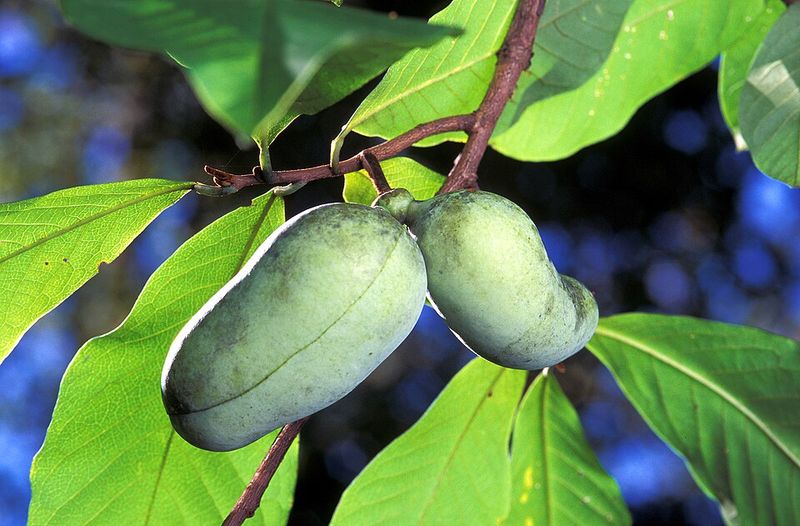
Picture a small tree with leaves nearly a foot long, hanging down like tired flags. That is the pawpaw, Asimina triloba, and it is the largest edible fruit native to North America.
Tennessee sits right in the heart of its range. You will find it along creek bottoms, at the edges of old fence rows, and in the shady corners of yards where nobody bothered to mow.
The tree rarely grows taller than 25 feet, and it often leans toward whatever light it can find. Its bark is smooth and gray, easy to mistake for a young beech until you notice those oversized leaves.
Crush a leaf between your fingers and you get a sharp, slightly unpleasant smell, sort of like green bell pepper mixed with asphalt. That odor is a handy clue when you are trying to confirm what you have found.
Pawpaws spread by root suckers, which means they usually appear in small groves rather than as lone specimens. If you spot one, scan the ground around it and you will likely find three or four more.
The fruit itself is green, oblong, and roughly the size of a potato. It hides under the leaves, which is a big reason so many Tennesseans have walked past these trees for years without noticing.
Early September is when ripening begins. Fruit begins to soften, the smell gets stronger, and suddenly the tree you ignored all summer becomes one of the more noticeable trees in your yard.
Why The Flavor Surprises Everyone Who Tries It
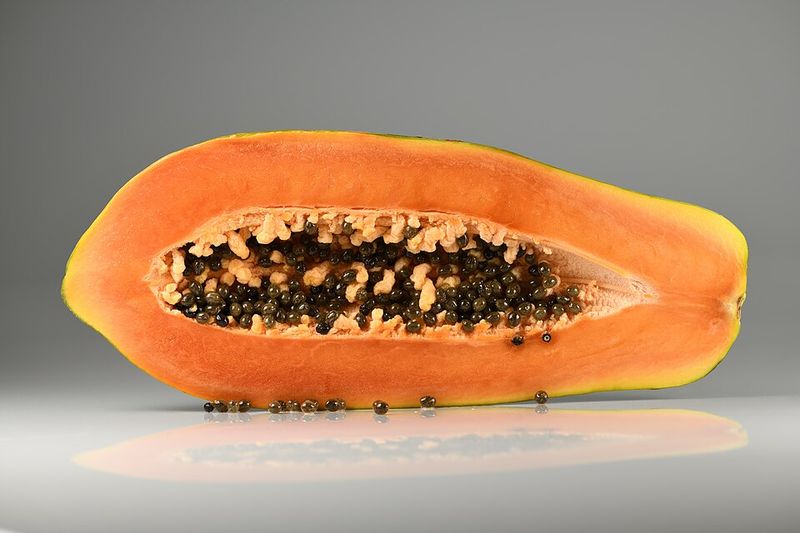
First bite reactions tend to sound the same. People blink, chew slowly, then say something like banana pudding with a splash of pineapple.
The flesh is pale yellow to soft orange and has the texture of thick custard. There is no crunch, no snap, just a spoonable richness that feels closer to dessert than to fruit picked off a tree.
Flavor varies quite a bit from tree to tree. Some pawpaws lean heavily banana, others carry mango or melon notes, and a few have a faint caramel finish that people remember for years.
Your Tennessee Garden Changes Every Week. Your Plan Should Too.
Gardening in Tennessee changes quickly throughout the season. Every Friday you’ll receive a simple weekly plan showing exactly what to plant, prune, fertilize, harvest, and protect so you never miss the right timing.
Ripeness matters more here than with almost any other fruit. Underripe pawpaw tastes green and slightly bitter, while overripe fruit turns musky and can taste faintly fermented.
The sweet spot is short, often just two or three days per fruit. Fans learn to check their trees daily once September arrives.
Nutritionally, pawpaws hold their own. They’re generally considered richer in vitamin C, magnesium, and iron than apples or bananas, plus they offer a solid dose of potassium.
Historically, the fruit fed a lot of people through lean seasons. Native communities harvested it for centuries, and Lewis and Clark leaned on pawpaws when supplies ran short on their return trip east.
A small warning worth mentioning. Some folks get an upset stomach from pawpaw, especially if they eat a lot at once, so a modest first serving is the smart move.
Spotting Ripe Fruit Before The Wildlife Does
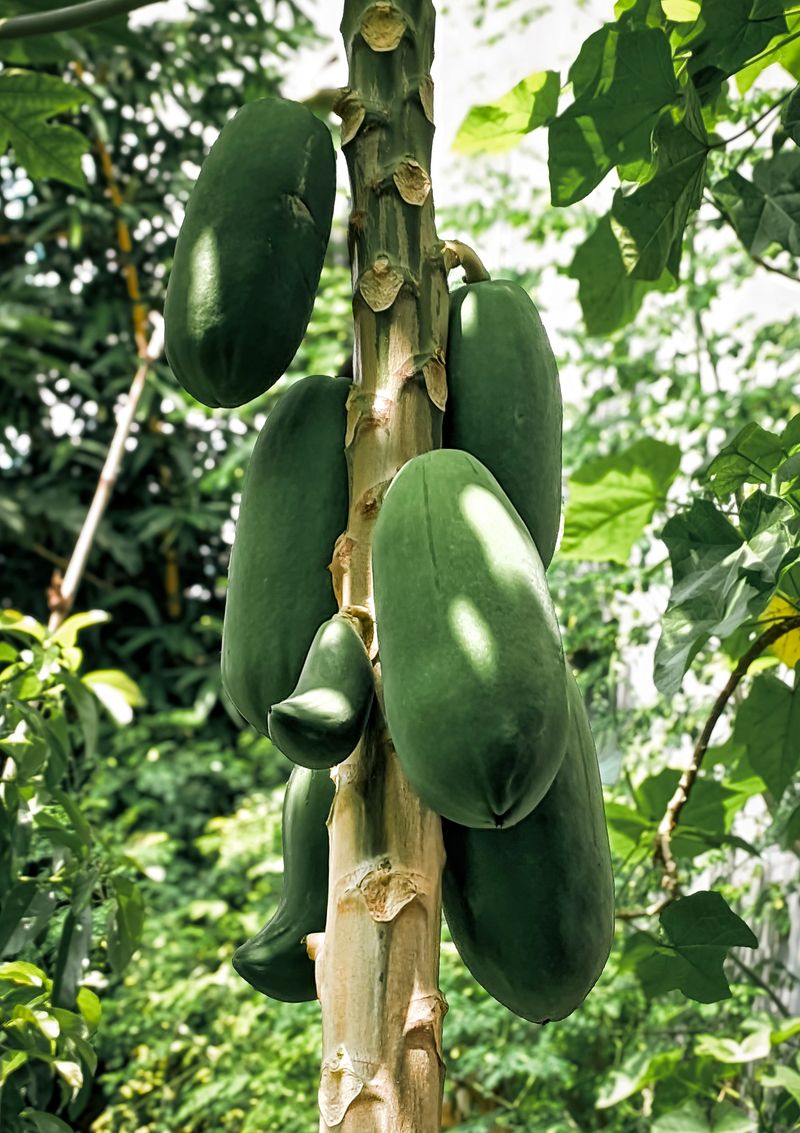
Raccoons, opossums, and foxes have been tracking these trees since long before you noticed them. They work the night shift, which means a groundfall you planned to grab tomorrow may be gone by sunrise.
Your best tool is your nose. Ripe pawpaws throw off a strong, sweet, tropical perfume that carries several feet, and you will often smell the fruit before you see it.
Gentle pressure is the next test. A ready pawpaw gives slightly under your thumb, the way a good avocado or a soft peach does.
Skin color shifts too, moving from bright green toward a duller yellow-green, sometimes with brown or black splotches. Those dark patches look alarming but usually mean the inside is at peak sweetness.
Try the shake method on small trees. Give the trunk a firm nudge and any truly ripe fruit will let go and thump onto the ground.
Bring a soft basket or a bucket lined with a towel. Ripe pawpaws bruise if you toss them around, and bruised spots turn brown within hours.
Timing across Tennessee runs roughly from late August through early October. Lower elevations near Nashville and Memphis tend to ripen first, while trees up in the East Tennessee hills run a week or two behind.
Check your patch every single day during the peak. Miss three days and you may find nothing but seeds and skins where the harvest used to be.
Where To Look Around Tennessee This Month
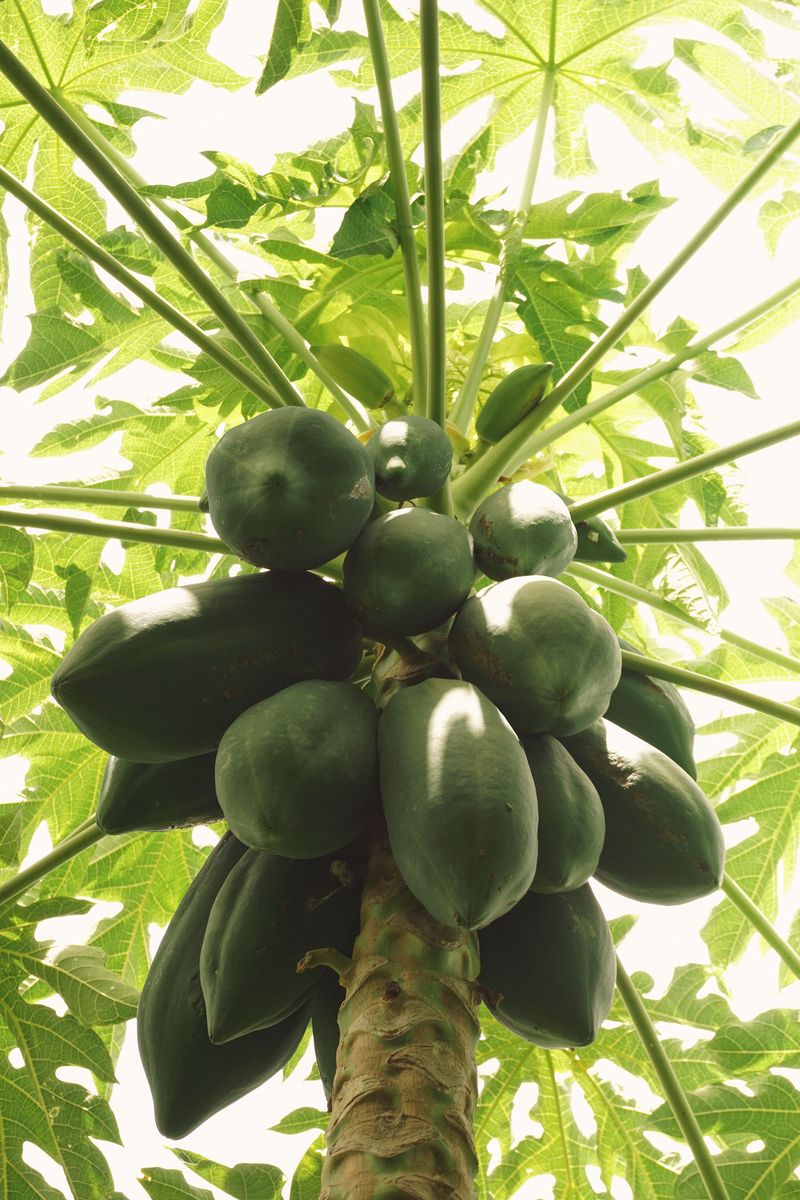
Creek bottoms are the classic hunting ground. Pawpaws love moist, rich soil and partial shade, so the low ground along a stream is where groves tend to thicken up.
Check the shady edges of your own property first. Plenty of Tennessee homeowners have a patch behind the shed or along a back fence and simply never looked closely.
Wooded parks and greenways are another reliable bet. Trails around Nashville, Knoxville, and Chattanooga run through bottomland forest where pawpaws grow as understory trees beneath oaks and sycamores.
Look for the leaf shape rather than the fruit. Those long, tapered, downward-hanging leaves stand out in a forest full of smaller foliage, and once your eye locks onto the pattern you will spot groves everywhere.
State parks and public land often have rules about foraging, so check before you fill a bucket. Some allow personal harvest of fruit, others do not, and a quick call to the ranger station saves trouble.
Private land needs permission, plain and simple. Many rural landowners are happy to let you gather fruit they consider a nuisance dropping in their pasture.
Fall festivals are worth putting on the calendar too. Several Tennessee and Kentucky towns run pawpaw celebrations in September where you can taste varieties and talk to growers.
Bring bug spray. Creek bottoms in September still hold mosquitoes, and chiggers do not care how excited you are about native fruit.
Turning A Short Harvest Into Something That Lasts
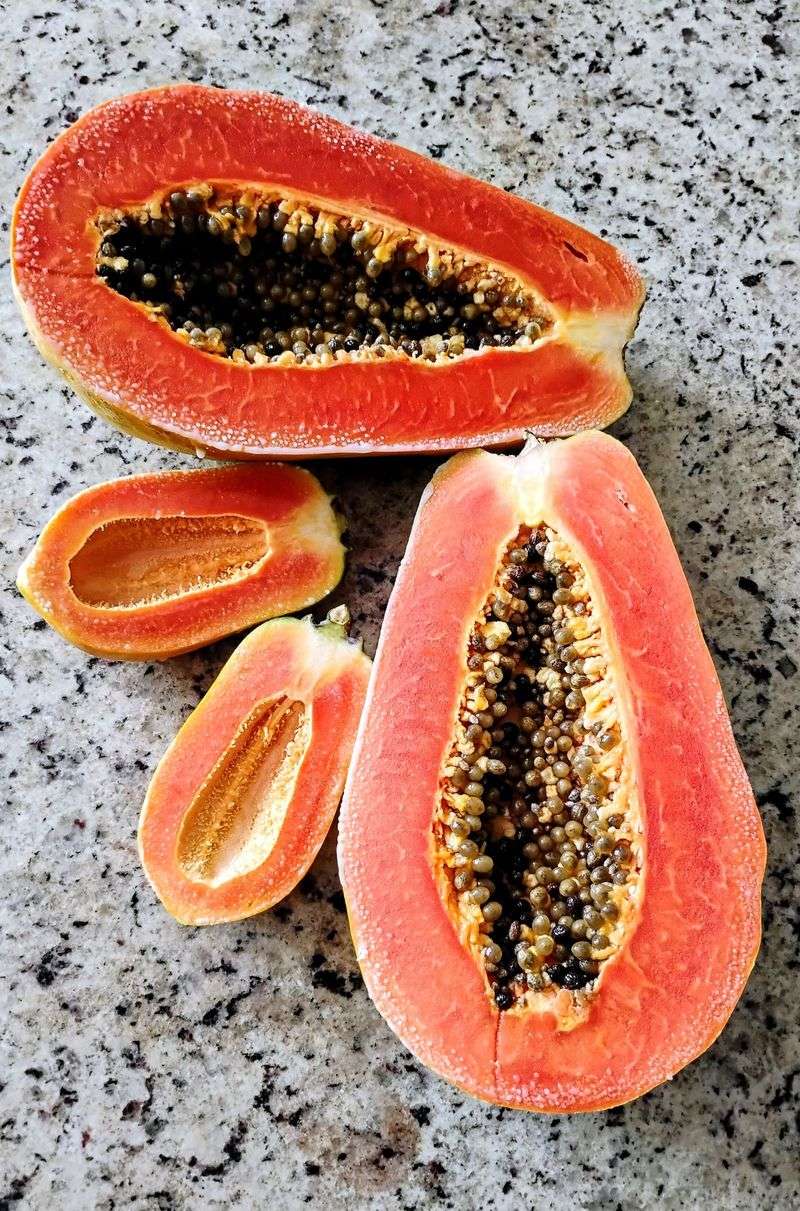
One challenge worth noting is this. A ripe pawpaw holds up on the counter for two or three days and in the fridge for maybe a week, which is not long when a tree drops forty fruit at once.
Freezing the pulp is the standard fix. Cut the fruit in half, scoop the flesh with a spoon, pull out the big brown seeds, and press the pulp through a colander to catch any stringy bits.
Pack it into freezer bags or containers in one-cup portions. Frozen pawpaw pulp keeps its flavor well for six months or longer.
Baking with it is where things get fun. Swap pawpaw pulp for mashed banana in quick bread, muffins, or pancakes and you get a richer, more tropical result.
Ice cream fans swear by it. The natural custard texture blends beautifully with cream, and pawpaw ice cream has become a favorite among enthusiasts across Appalachia.
Smoothies are the lazy option and honestly one of the best. Pulp, milk or yogurt, a little honey, and ice blended together tastes like a milkshake made with fruit from a tree in your backyard.
Skip the canning. Pawpaw does not respond well to high heat and loses much of its character, so freezing stays the better path.
Save a few seeds in damp paper towels in the fridge if you want to try growing your own. They need cold, moist storage over winter before they will sprout.
Growing Your Own Patch For Future Septembers
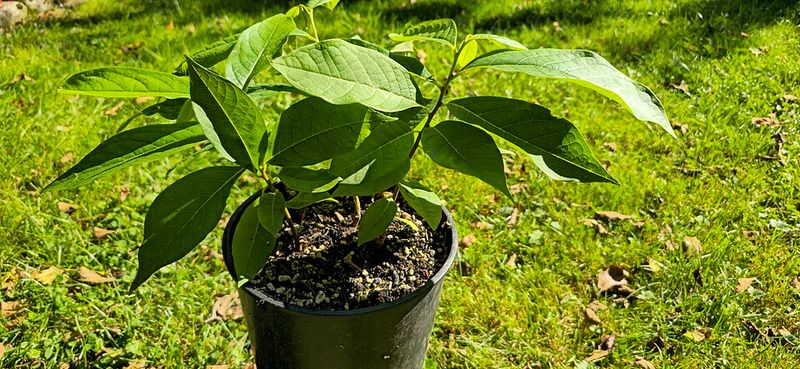
Patience is the price of admission. A pawpaw grown from seed takes roughly five to eight years to fruit, while a grafted nursery tree can produce in three or four.
Plant at least two genetically different trees. Pawpaws will not pollinate themselves, so a lone tree may flower beautifully every spring and give you nothing.
Pollination is quirky in the best way. The deep maroon flowers smell faintly of rotting meat and are visited by flies and beetles rather than bees.
Some growers hang a bit of meat scrap or a fish head near the blooms to draw in more flies. Others hand-pollinate with a small paintbrush, moving pollen from one tree to another.
Young seedlings want shade for their first two years. Older trees, however, produce far more fruit in full sun, so a shade cloth that comes off later works well.
Soil should be rich, slightly acidic, and well drained but able to stay moist. Mulch generously and water through dry Tennessee summers.
Deer usually leave pawpaw foliage alone thanks to natural compounds in the leaves. That alone makes it one of the easier native fruit trees to establish here.
Named varieties like Shenandoah, Susquehanna, and Mango offer bigger fruit and fewer seeds than wild trees. Order from a reputable nursery in winter for spring planting.
Plant this fall or next spring and future Septembers become something you genuinely look forward to.