What Small Holes In Your North Carolina Lawn Could Really Mean
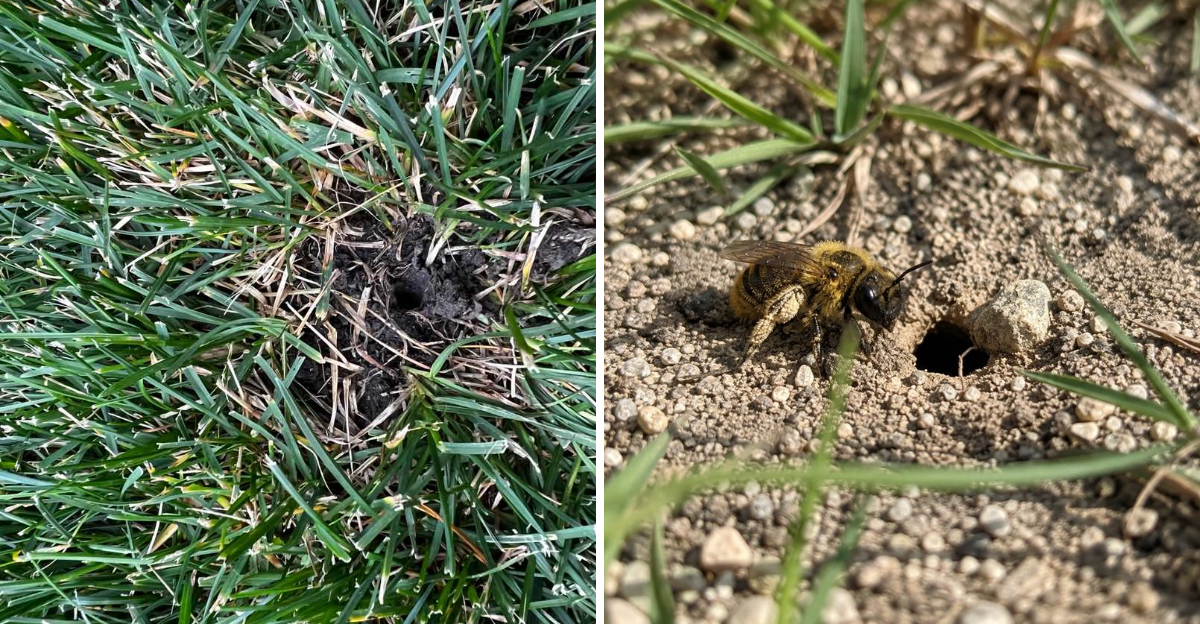
Have you ever stepped outside, looked down at your lawn, and noticed a scattering of small holes that definitely weren’t there yesterday?
Across North Carolina, these mysterious little openings have a habit of appearing almost overnight, leaving plenty of homeowners standing in their yards feeling puzzled and more than a little concerned.
It’s a strange thing to find, especially when you can’t immediately tell what caused it or whether it’s something to worry about.
Here’s the reassuring part, though: every single hole is actually giving you information, and once you know how to interpret it, the mystery starts to make a lot more sense.
Some holes point to harmless visitors just passing through, while others hint at issues worth addressing before they spread further across your lawn. Learning to tell the difference is easier than most people expect.
Once you get the hang of reading these clues, you’ll be able to protect your grass and keep your yard looking green, healthy, and worry-free all season long.
1. Moles Digging For A Snack
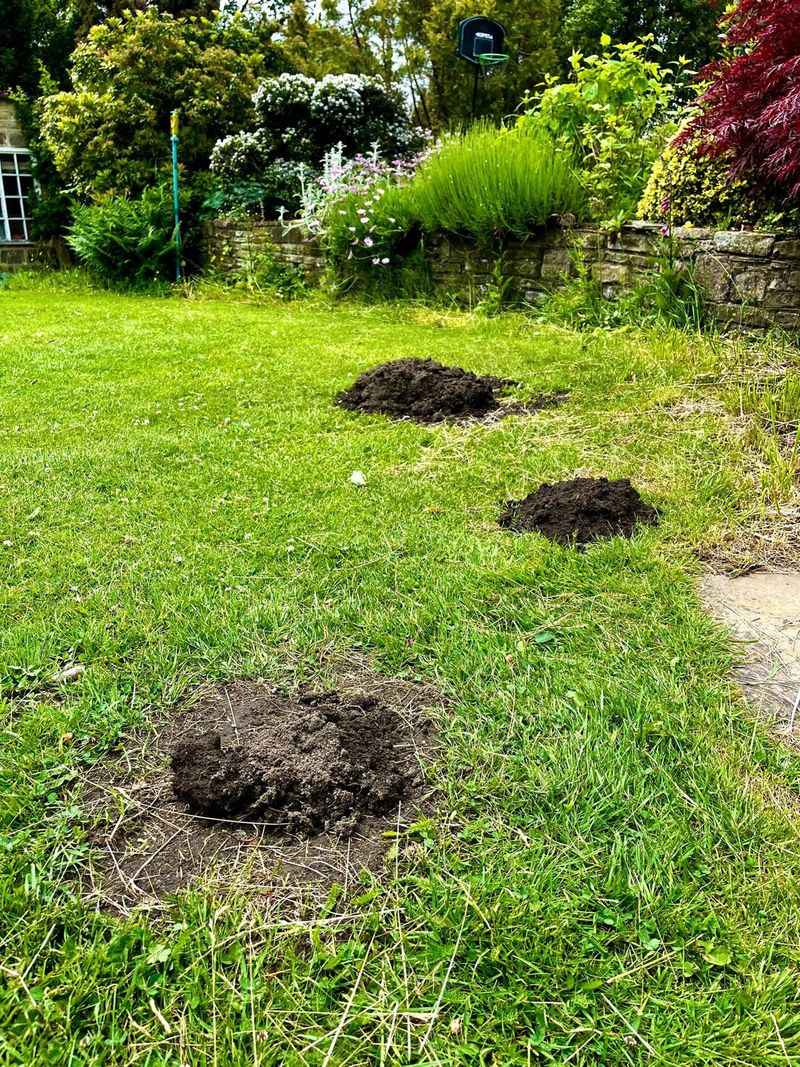
Ever seen raised ridges of soil snaking across your yard along with small holes here and there? Moles are often the culprits, and they cause quite a stir among North Carolina homeowners.
These small, furry diggers spend nearly all their time underground, hunting for grubs, worms, and insects. Their tunnels push up the soil, creating bumpy trails and openings where they poke to the surface.
Moles are not eating your grass, which surprises a lot of people. They are actually after the bugs living in the dirt, so their real problem is the mess they leave behind while they search.
Their tunnels can lift grass roots away from the soil, causing patches to turn brown and weak. That is why fixing mole damage early helps keep your lawn looking its best.
One smart move is to control the grubs in your soil, since fewer bugs means less reason for moles to visit. You can use natural treatments or beneficial nematodes to shrink the food supply.
Pressing down raised tunnels with your foot or a roller also helps the grass settle back into place. Water the area afterward so the roots can reconnect with the soil.
If moles keep returning, humane traps and mole-repelling plants like daffodils may steer them elsewhere. With a little patience and steady effort, you can guide these underground visitors away and enjoy a smooth, even lawn once again.
2. Voles Making Runways Through Grass
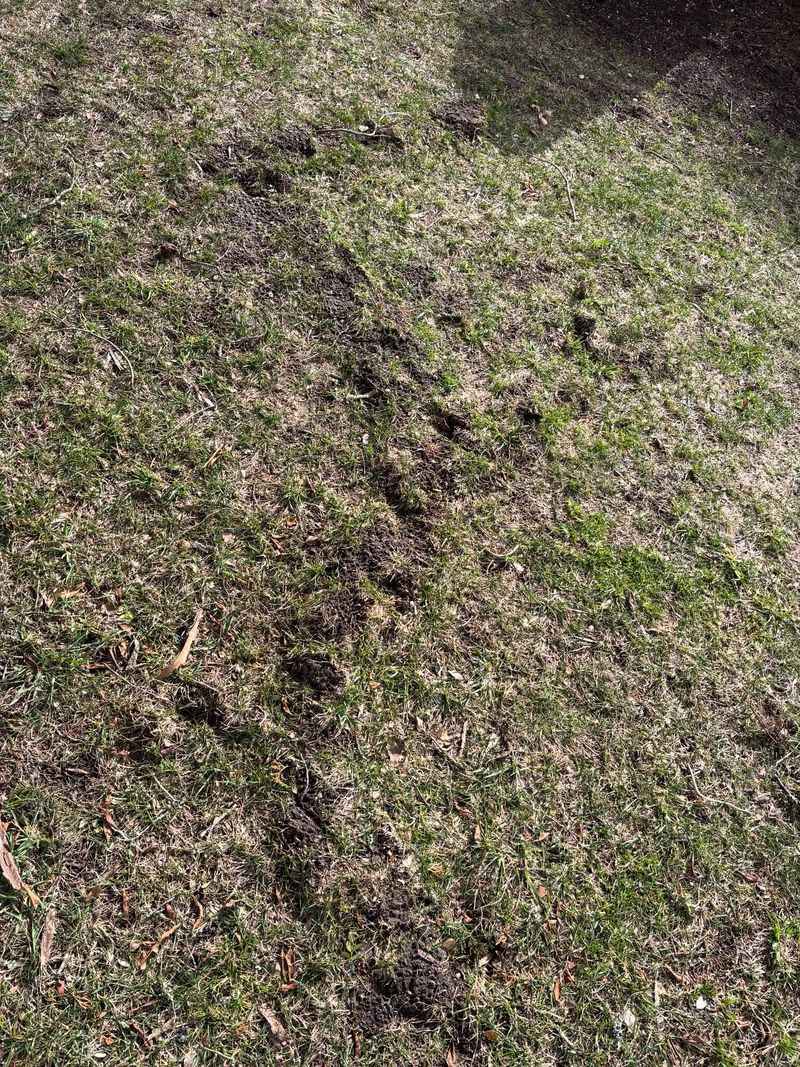
Small, round holes about the size of a quarter, often connected by narrow paths across the grass, usually point to voles. These little rodents can be sneaky guests in North Carolina yards.
Voles look a bit like chubby mice with short tails, and they love to munch on grass, roots, and bulbs. Their holes are clean and open, without the raised mounds that moles leave behind.
What sets voles apart is the trail of flattened grass leading to each hole. These runways act like tiny highways that voles use to travel while staying hidden from hawks and other predators.
Your North Carolina Garden Changes Every Week. Your Plan Should Too.
Gardening in North Carolina changes quickly throughout the season. Every Friday you’ll receive a simple weekly plan showing exactly what to plant, prune, fertilize, harvest, and protect so you never miss the right timing.
They are most active in fall and winter, especially when tall grass or thick mulch gives them cover. A messy yard is basically an open invitation for these hungry visitors.
The best defense starts with cleaning up. Keep your grass mowed short, clear away leaf piles, and pull mulch back from tree trunks and garden beds.
Voles dislike open spaces because they feel exposed, so a tidy lawn discourages them from settling in. Trimming shrubs and removing hiding spots makes a big difference.
Wrapping young trees with hardware cloth protects them from vole nibbling near the base. This simple guard keeps your plants safe through the colder months.
If the population grows large, humane traps can help reduce their numbers. Stay consistent with cleanup, and your yard will become far less welcoming to these busy little tunnelers.
3. Skunks And Raccoons Hunting Grubs
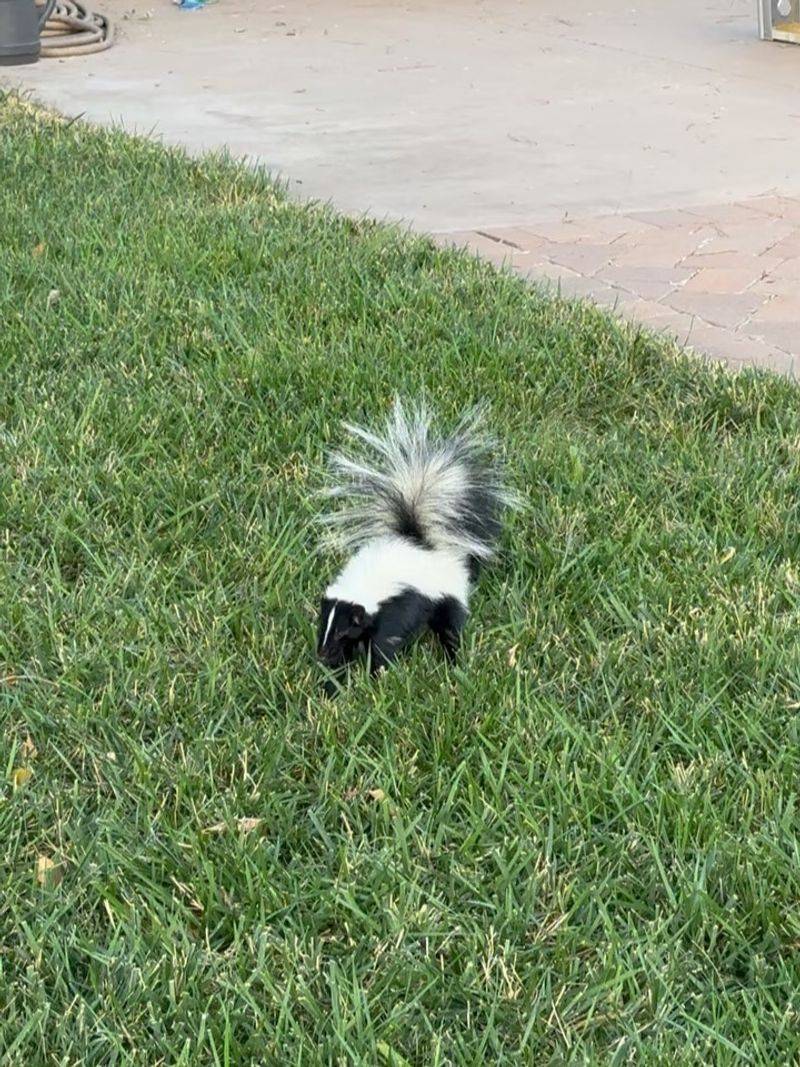
Waking up to a lawn dotted with small holes and torn-up patches can be frustrating, and nighttime diggers are often to blame. Skunks and raccoons love to hunt for grubs hiding just below the grass.
These animals have a keen sense of smell and can sniff out beetle larvae under the surface. When they find a tasty spot, they dig cone-shaped holes and flip up chunks of turf.
The damage usually appears overnight, since both animals do their searching after dark. You might see the mess in the morning without ever spotting the guilty visitor.
The real key to stopping them is dealing with the grubs they crave. Fewer grubs means less reason for hungry critters to tear apart your yard.
Applying beneficial nematodes or a natural grub treatment in late summer can shrink the food supply. A healthy, well-watered lawn with strong roots also resists this kind of damage.
Motion-activated sprinklers can startle animals and encourage them to move along. Many homeowners find these gentle scare tactics work well without harming any wildlife.
Keeping trash cans sealed and pet food indoors removes other snacks that draw these visitors close. A less inviting yard sends them searching elsewhere.
Press torn turf back into place and water it so the roots can settle again. With steady grub control and a few smart habits, your lawn can bounce back and stay smooth through the seasons.
4. Ground-Nesting Bees Setting Up Home
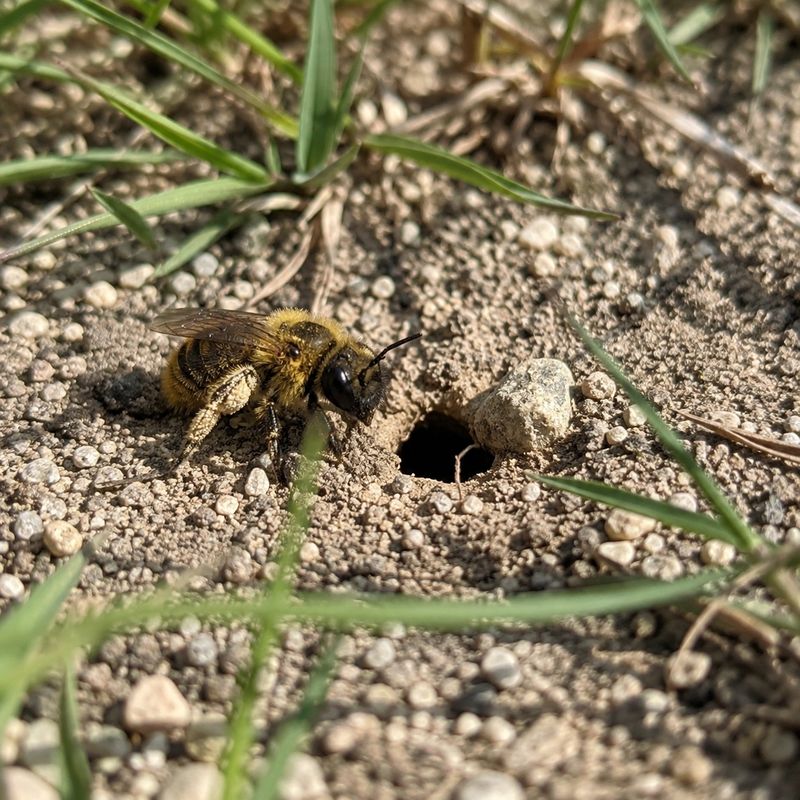
Picture a warm spring afternoon when you notice small mounds of dirt with a hole right in the center. Those tidy little openings often belong to ground-nesting bees, and they are far more helpful than scary.
Unlike bees that live in big hives, these solitary bees dig private burrows in dry, sandy soil. Each female makes her own tunnel to lay eggs and store food. You will often find them in sunny spots where the grass grows thin.
North Carolina is home to many of these gentle pollinators, and they rarely sting unless you grab them. They spend their busy days visiting flowers, which helps fruits and vegetables grow all around your neighborhood.
The holes usually show up in early spring and disappear once the bees finish their season. Because these insects are so good for gardens, most experts suggest leaving them alone whenever possible.
If you truly want fewer bee holes, the best trick is to grow thicker grass. Water your lawn deeply and add seed to bare patches, since bees prefer open, dry ground over lush turf.
Avoid spraying chemicals, because pollinators are already facing tough times and every bee counts. A healthy yard with a few bee burrows is a sign that your little patch of earth is buzzing with life.
Watch them for a while and you might enjoy the show. These hardworking bees put on a fascinating display as they zip in and out of their sandy front doors.
5. Cicadas Emerging From Underground
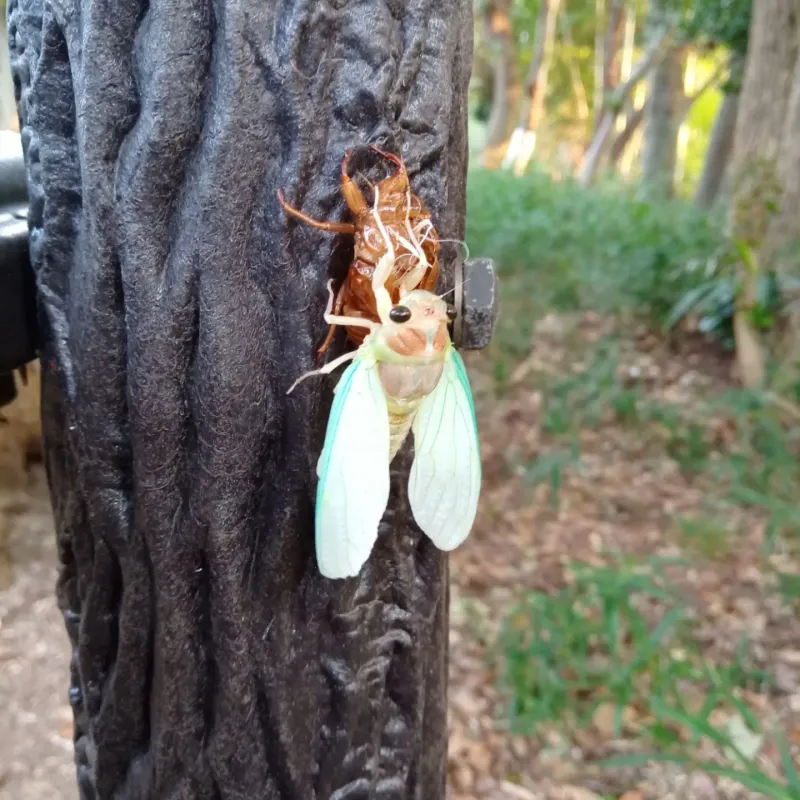
During certain summers, North Carolina yards fill with the loud buzz of cicadas, and their holes are part of that noisy arrival. These openings are about the width of a pencil and appear in large numbers.
Cicadas spend years underground as young insects, feeding quietly on tree roots. When the time is right, they tunnel up to the surface and leave behind neat, round holes all across the lawn.
You might also spot empty crunchy shells clinging to trees and fences. Those are the outer coverings the cicadas shed once they climb out and grow their wings.
Some cicadas appear every year, while special groups called broods show up only once every thirteen or seventeen years. North Carolina sees these big events now and then, and they turn yards into buzzing wonderlands.
The holes may look strange, but they cause almost no harm to your grass. In fact, they help air reach the soil, working a bit like natural lawn aeration.
There is no need to treat or fill these holes, since cicadas finish their surface visit within a few weeks. Once mating season ends, the yard grows quiet again.
Young trees can be gently protected with netting if you worry about egg-laying on thin branches. Mature trees usually handle cicadas just fine without any help.
Enjoy the spectacle while it lasts, because a cicada summer is one of nature’s most amazing and memorable shows to witness right in your own backyard.
6. Crawfish Building Mud Chimneys
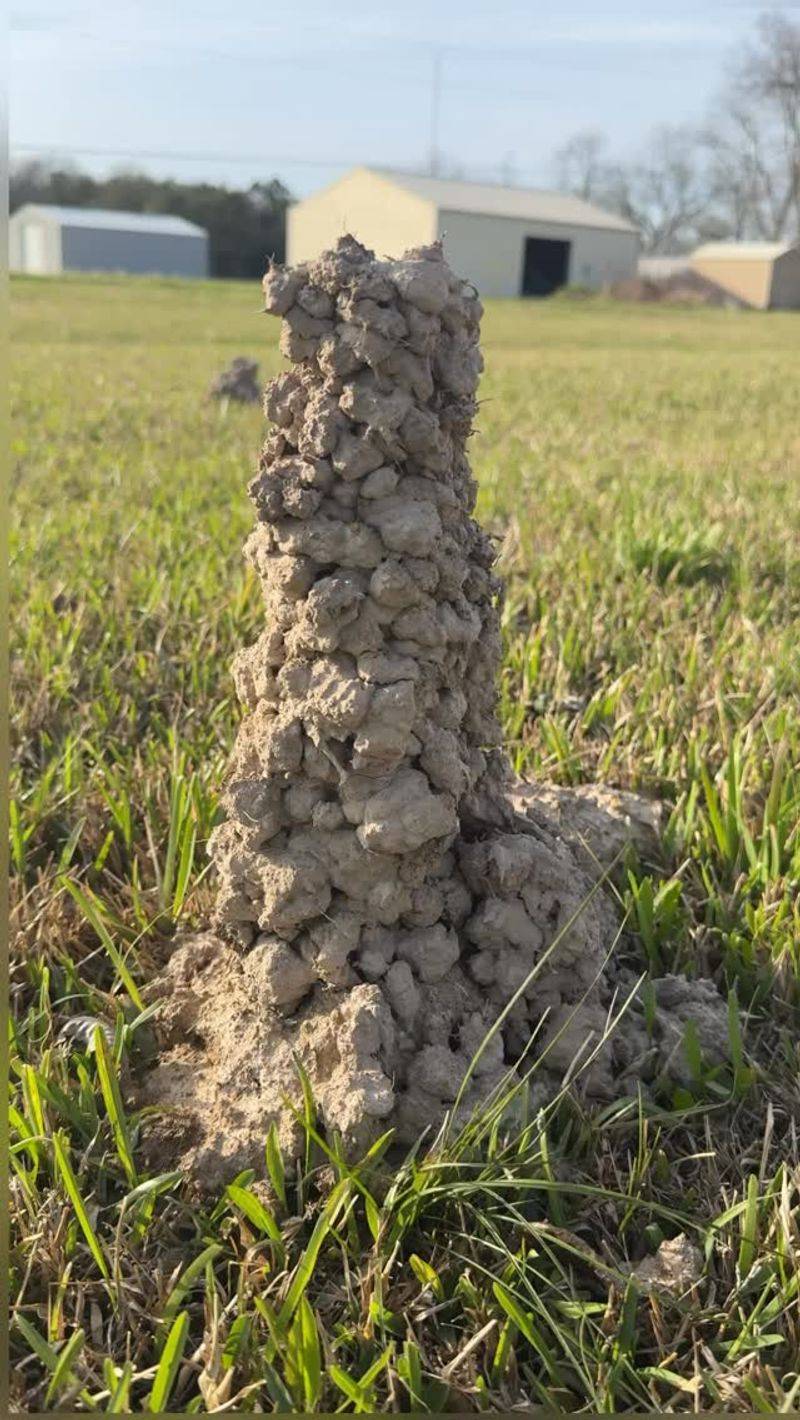
In wet, low areas of North Carolina yards, you may find odd little towers of mud with a hole right in the middle. These strange structures are the work of crawfish, sometimes called crayfish or crawdads.
Crawfish live in soggy soil where water sits close to the surface. They dig deep burrows to reach moisture, and the leftover mud gets stacked into small chimneys around each opening.
These holes usually appear in spots that stay damp, like near ditches, ponds, or places where rain pools after a storm. If your yard has a wet corner, crawfish may move right in.
While the chimneys look unusual, the crawfish themselves are harmless and stay mostly hidden. They come out at night and rarely bother people or pets.
The best way to reduce their burrows is to fix the drainage problem that draws them. Filling low spots and directing water away from your yard makes the ground less appealing.
Improving soil with sand or leveling wet areas helps water drain faster instead of pooling. Drier ground gives crawfish little reason to dig.
You can flatten the mud chimneys with a rake, though they may return until the moisture issue is solved. Steady drainage work brings lasting results.
Think of these muddy towers as a signal from your yard, telling you that water is collecting where it should not. Solve the wetness, and both the crawfish and their curious chimneys will quietly disappear over time.
7. Earthworms Building Their Tunnels
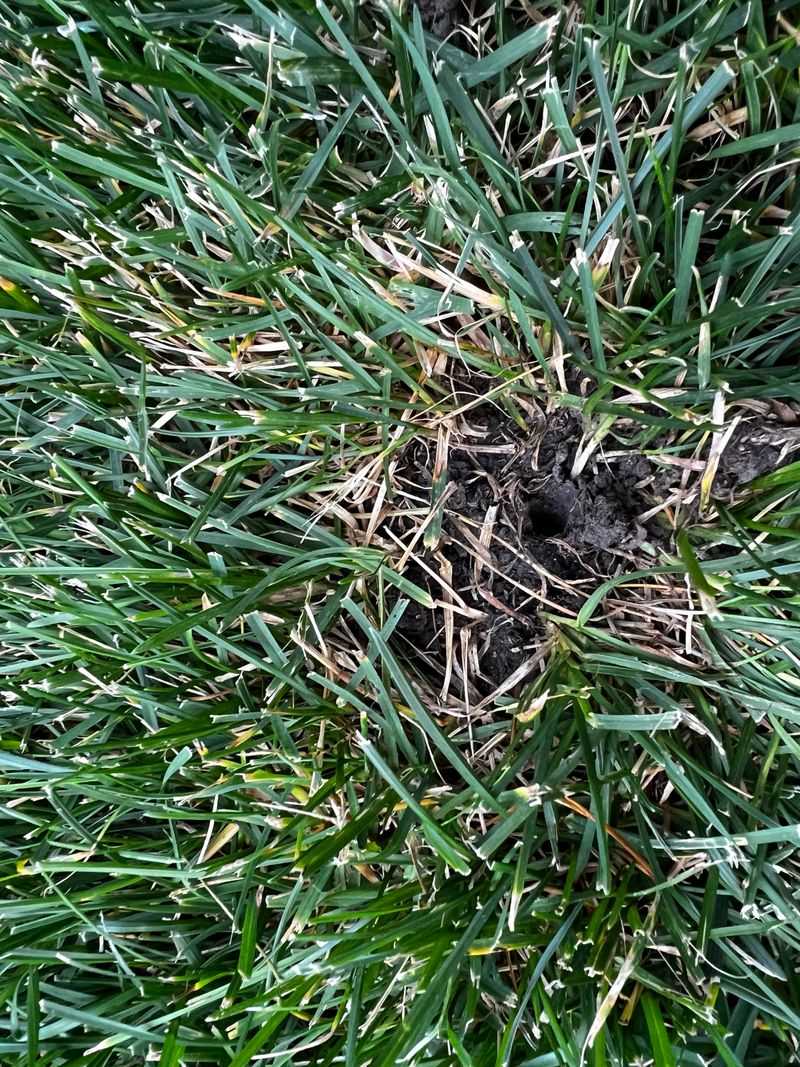
Believe it or not, some of the smallest holes in your yard come from one of nature’s most helpful creatures. Earthworms move through the soil day and night, and their tunnels often reach the surface as tiny openings.
You might notice little bumps of soil next to these holes. Those bumps are called castings, and they are actually worm waste that makes your grass grow better. Gardeners across North Carolina love earthworms because they mix and loosen the dirt naturally.
When worms dig, they create paths that let air and water reach deep into the ground. Roots follow those paths and grow stronger, which means your lawn becomes healthier over time. Think of worms as tiny farmers working for free.
The holes usually appear after a rainy stretch, since worms come closer to the surface when the ground is wet. Spring and fall are the busiest times, thanks to North Carolina’s mild and damp weather during those months.
There is really no reason to worry about worm holes. In fact, having lots of worms is a sign that your soil is rich and full of life. If you want more of them, add compost or leaf mulch to feed them well.
Should the castings bother you, simply rake them lightly or mow over the area. Your grass will look smooth again, and the worms will keep doing their quiet work below the surface, helping your yard thrive year after year.