Why You Should Stop Fertilizing Your Texas Crape Myrtle In September
There’s a bag in your garage that wants to help.
Fertilizer feels like an act of care. The summer was brutal, the tree looks worn out, and doing something beats doing nothing.
Except in September, doing nothing is the actual advice.
Not out of laziness. Out of timing.
Your crape myrtle is running a process right now that has nothing to do with growing. Something else is happening inside the wood and the roots, and it operates on a schedule the calendar sets, not you.
Interrupt it and the consequences show up weeks later, usually the first night a cold front sweeps through.
Here’s the frustrating part. Almost every symptom that makes people reach for fertilizer in September turns out to be caused by something else entirely.
Heat. Water. Insects. Soil that already has plenty.
Feeding treats none of those, and it adds a new problem on top.
So what should Texas gardeners actually do this month, and what does the tree do on its own if you leave it alone?
1. Let Crape Myrtle Prepare For Cooler Weather
September fools gardeners because the days still feel like summer while the tree has moved on.
Growth slows as daylight shortens, and that happens across much of Texas regardless of the temperature outside.
Fertilizer arriving now works against that rhythm. It signals continued growth at the point when the plant should be winding down.
Late summer functions something like a bedtime routine. Roots stay active while the top of the tree needs calm conditions so wood can harden and tissues mature.
Nutrients delivered late get spent on fresh leaves rather than on the structural strength that carries a tree through cold weather.
Texas complicates the picture, since warm spells can run deep into autumn. A cold front can still arrive before new growth has hardened off.
Sudden freezes matter more than gradual cooling here. The 2021 winter storm damaged crape myrtles across the state, and plants carrying unhardened growth generally fared worse.
Stopping fertilizer in September lets the tree follow a steadier schedule.
The alternative plan is straightforward. Deep watering when needed, a mulch layer, and a quick look for stress.
Backing off is not neglect. Sometimes the most useful thing a gardener does all month is close the shed door.
2. Avoid Pushing Fresh Growth Too Late
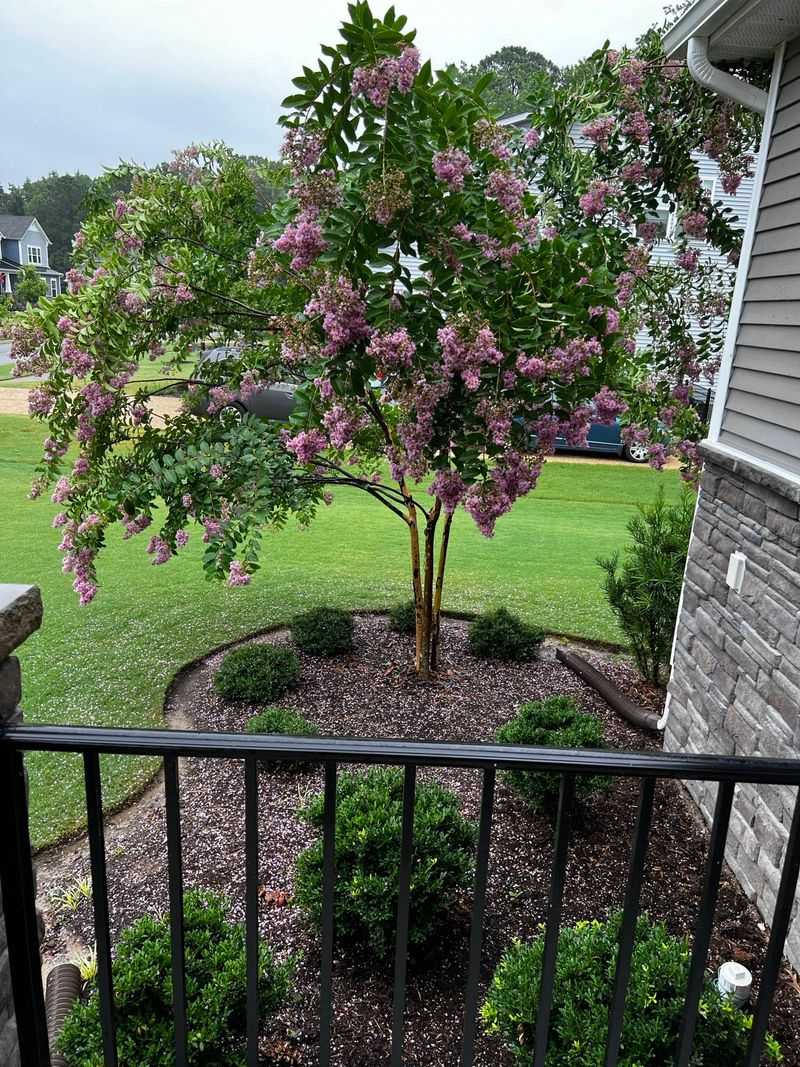
Fresh green shoots look encouraging. In September they often signal a problem rather than progress.
Fertilizer this month can trigger a flush of soft stems and leaves with limited time to mature.
Cooler nights eventually arrive, and that tender growth handles them poorly. Damage tends to show up right after the first serious cold snap.
Motivation is understandable. Gardeners want one more round of beauty before the season turns.
Crape myrtle responds better to balanced timing than to encouragement at the wrong moment. Strong branches, mature bark, and steady roots outrank new leafy tips right now.
The weakness has nothing to do with plant health. New growth is vulnerable because it’s young, and the later it appears, the less time it gets.
Your Texas Garden Changes Every Week. Your Plan Should Too.
Gardening in Texas changes quickly throughout the season. Every Friday you’ll receive a simple weekly plan showing exactly what to plant, prune, fertilize, harvest, and protect so you never miss the right timing.
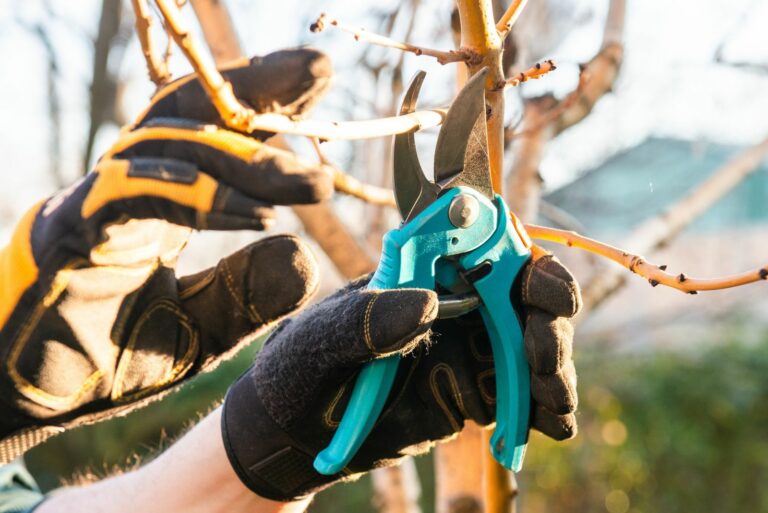
Pruning follows similar logic. Heavy cuts also stimulate growth, so light work only until the plant is dormant.
Late winter is the standard window for structural pruning, and it happens to be when the branch pattern is easiest to read.
Worth mentioning while we’re here. Cutting main trunks back to stubs, sometimes called crape murder, produces weak regrowth and damages the form the tree spent years building.
Skip the fertilizer, skip the heavy pruning, and let the season finish quietly. The tree has done this before without supervision.
3. Understand What Healthy Crape Myrtle Growth Looks Like
Not every pale leaf means your crape myrtle is hungry.
Healthy plants in Texas often slow noticeably after their main bloom cycle, particularly as days shorten and summer stress accumulates.
That normal seasonal shift gets misread as a nutrient problem constantly.
Crape myrtles are not heavy feeders compared with annual flowers or vegetables. Decent soil, full sun, and correct watering during dry spells cover most of their needs.
Excess fertilizer produces large leafy growth at the expense of the balanced form and sturdy branching that make these trees appealing.
Observation beats reaction. Look at flower production, bark color, bud development, leaf drop patterns, and whether symptoms appear on old growth or new.
Bark shedding in summer is normal and often mistaken for damage. The exfoliating trunk is a feature rather than a symptom.
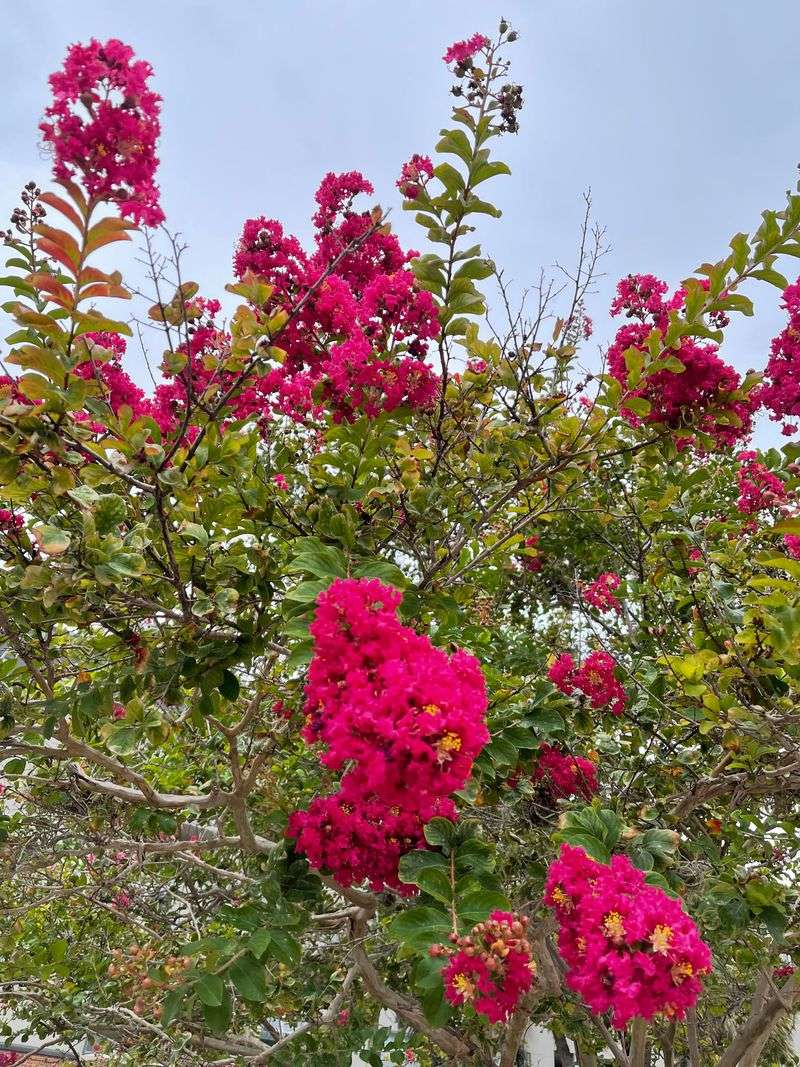
Fall leaf color, usually yellow to orange or red depending on variety, signals the end of the season working correctly.
Learning the normal pattern reduces both worry and unnecessary intervention.
Money saved is a side benefit. The larger gain is a tree that follows its own schedule instead of one interrupted every time the leaves change.
4. Check Soil Before Adding More Nutrients
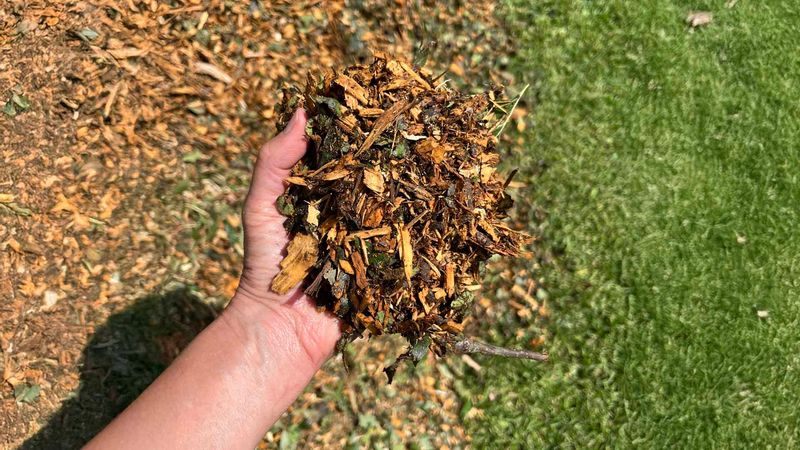
Knowing what’s in the ground beats guessing about it.
Many Texas yards feature clay, alkaline conditions, or nutrient carryover from lawn products drifting into beds.
A soil test shows whether your crape myrtle needs anything or whether fertilizer would simply add more of what’s already present.
Fall guessing carries particular risk, since the plant is trying to slow down.
Adequate existing nutrients mean a September feeding solves nothing and creates a timing problem instead.
Alkaline soil is worth understanding across much of Texas. High pH can limit iron availability, producing yellowing between leaf veins that looks like a nitrogen shortage and does not respond to nitrogen.
That distinction alone justifies testing. Adding fertilizer to an iron availability problem accomplishes nothing.
Texas A&M AgriLife Extension handles residential soil samples through county offices, with fees and turnaround times that change, so checking current details before mailing saves waiting.
Sampling takes a few minutes. Collect from the root zone at several spots, mix, and send a portion.
Reports usually arrive with recommendations tied to your numbers. In September, the most useful finding is often that no action is needed at all.
5. Use Mulch Instead Of A September Feeding
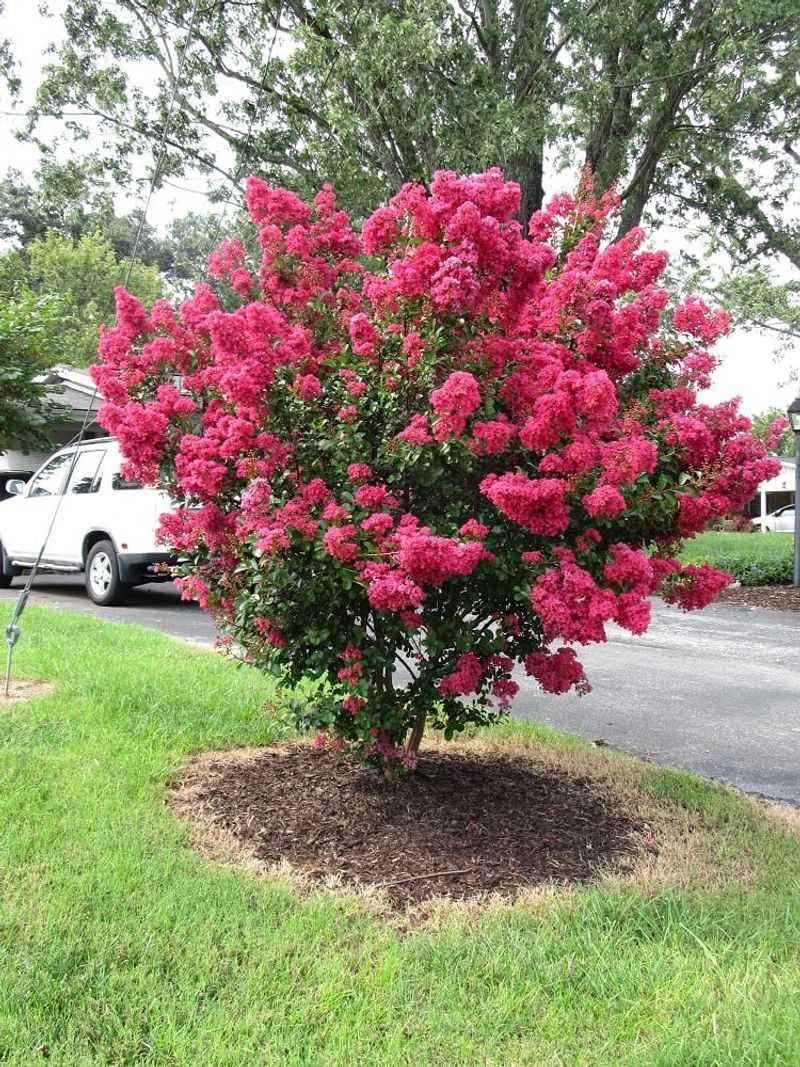
Mulch lacks the drama of a fertilizer bag. It’s the wiser choice this month anyway.
A two to three inch layer holds moisture, cools the root zone, and buffers soil temperature swings.
That support matches what the tree needs in early fall considerably better than nutrients would.
Texas heat lingers well past Labor Day, and bare soil dries fast under that pressure.
Slowing evaporation gives roots a steadier water supply between soakings. Weed competition drops too, so the tree stops sharing moisture at its base.
Keep material several inches from the trunk. Mulch piled against bark traps moisture where you least want it.
Spread it in a wide ring instead, since feeder roots extend farther out than most people assume, often beyond the branch spread.
Volcano mulching is the specific mistake to avoid. Mounding material against the trunk can lead to bark decay and encourage roots to grow in circles.
Natural materials break down and improve the soil over time. That’s a slow benefit, though a real one.
Choosing mulch over fertilizer is a calm, practical move. It supports the plant without asking it to grow at the wrong moment.
6. Water Correctly During Late Summer Stress
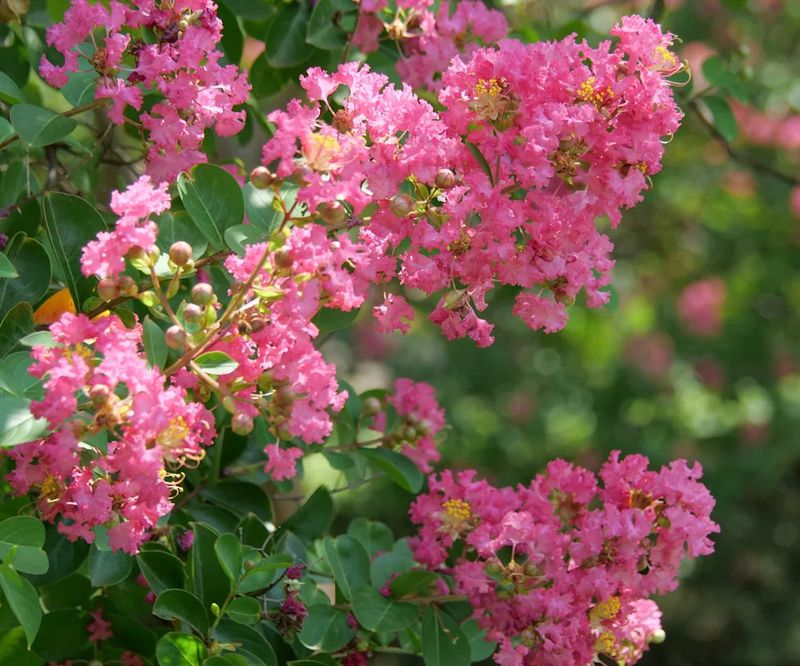
A tired looking crape myrtle in late summer usually has a water issue rather than a nutrition issue.
Heat stress, dry soil, and compaction all show up long before nutrient shortages do in Texas.
September suits a review of watering habits, since correct moisture resolves problems fertilizer cannot touch.
Deep, infrequent watering generally beats light daily sprinkling. A slow soak encourages roots downward where soil stays cooler and moisture lasts.
Shallow watering keeps roots near the surface, where sun and dry wind cause visible stress quickly.
The check takes a moment. Push a finger or soil probe a few inches down near the drip line and see whether the ground is dry below the crust.
Dry means water deeply. Still moist means wait, since roots need air as well as water.
Established trees generally need less frequent watering than young ones, so recently planted crape myrtles deserve closer attention.
Reflected heat from pavement and walls raises water demand noticeably. Trees near driveways dry out faster than those in open lawn.
Feeding a stressed plant misses the actual issue. Water, mulch, and patience accomplish more in September than any bag from the shed.
7. Watch For Problems That Look Like Nutrient Issues
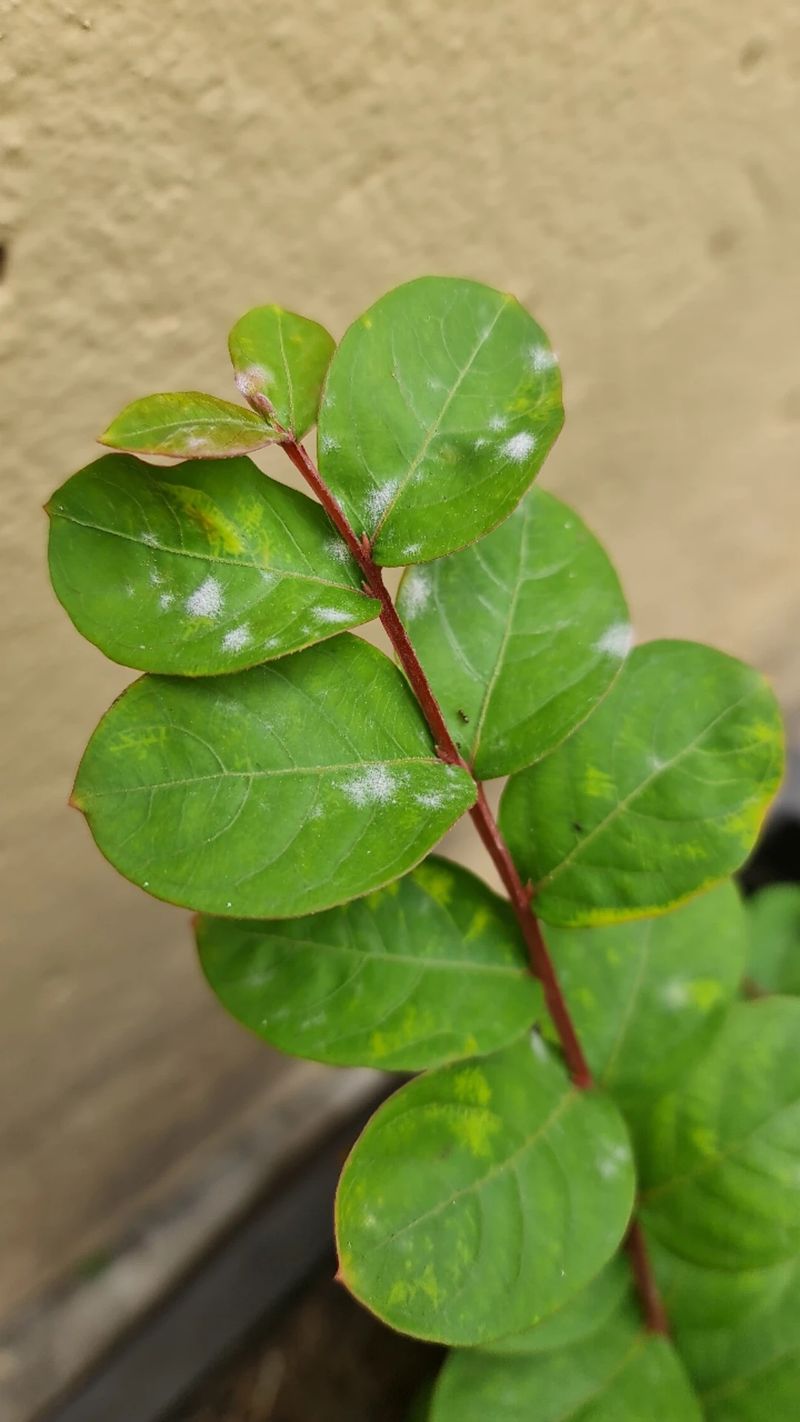
The clue is often small. Sticky leaves, spotted foliage, or a branch with a dusty coating.
Aphids, scale, powdery mildew, and root stress all mimic nutrient problems on crape myrtles.
Adding fertilizer without inspecting first means missing the real cause and giving the plant something it doesn’t need.
Crape myrtle bark scale deserves specific mention, since it has spread widely across Texas. White to gray felty bumps on trunks and branches, often with black sooty mold below, are the signature.
That black coating grows on honeydew excreted by insects. It looks alarming and points to a pest rather than a deficiency.
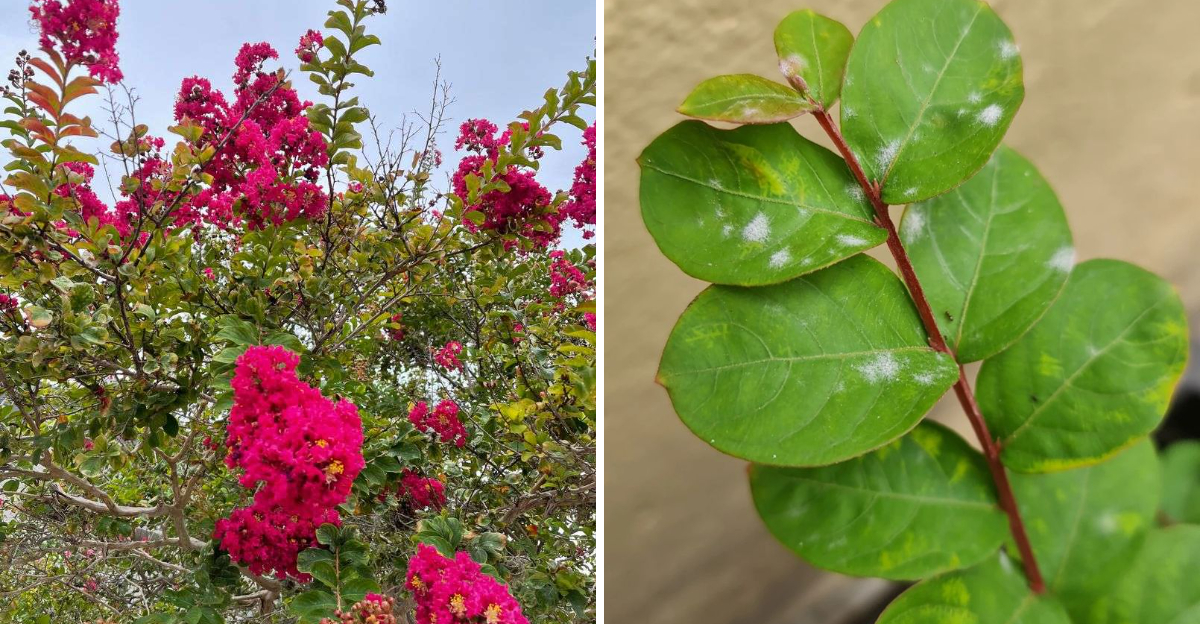
Powdery mildew shows as white patches on leaves and new growth, usually worse in humid conditions with poor air circulation.
Texas conditions produce their own symptoms too. Blazing sun, reflected heat, sudden dry spells, and uneven drainage all cause yellowing, curling, early leaf drop, or weak blooming.
Start the inspection under leaves, along stems, and around the base. Check for insects, sooty coating, white patches, damaged bark, mower injury, and soggy soil.
Newer varieties bred for mildew resistance are worth knowing about for future plantings.
Correct diagnosis leads to correct treatment. Ten minutes of looking beats a season of wondering why the fertilizer didn’t work.
8. Set Up Better Spring Blooms With Fall Patience
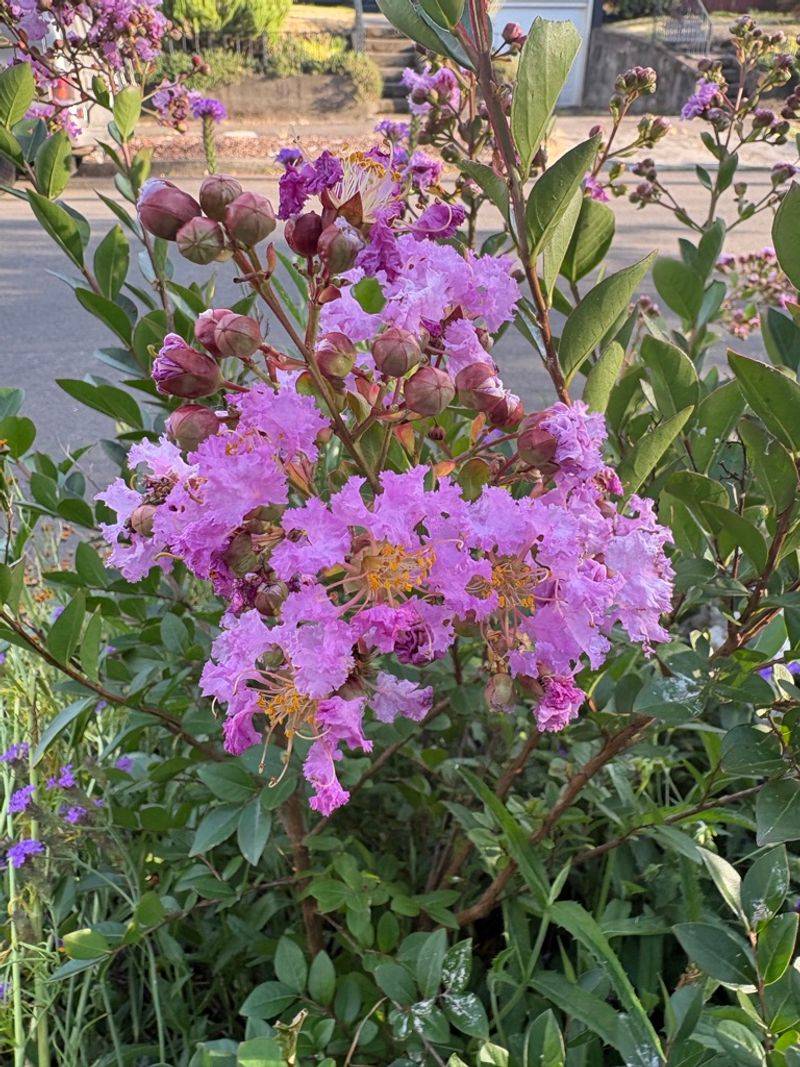
Crape myrtles reward planning ahead, and September’s contribution is largely subtraction.
Skipping late fertilizer lets the plant settle, store energy, and enter cooler months without being pushed into untimely growth.
Preparation for next year happens inside the roots and wood long before flower clusters appear.
Calm fall care preserves that energy for healthy structure and balanced bloom production.
One clarification on timing. Crape myrtles bloom on new growth produced in spring and summer, so next year’s flowers depend on general plant vigor rather than buds set this fall.
That means the goal is a tree entering spring with good reserves and undamaged wood.
Simple support helps. Keep weeds down, water during dry stretches, refresh mulch, and avoid pruning that stimulates growth.
If a soil test eventually shows a genuine shortage, save fertilizer for spring when the plant can use it during active growth.
Late winter to early spring is the standard window, before new growth begins.
Patience looks passive and functions as timing. A tree that moves through fall unfed generally enters spring in better balance.
Occasionally the best thing you can do for next summer’s flowers is stop doing one unnecessary thing this month. The bag will still be there in March.
9. Container Crape Myrtles Play By Different Rules
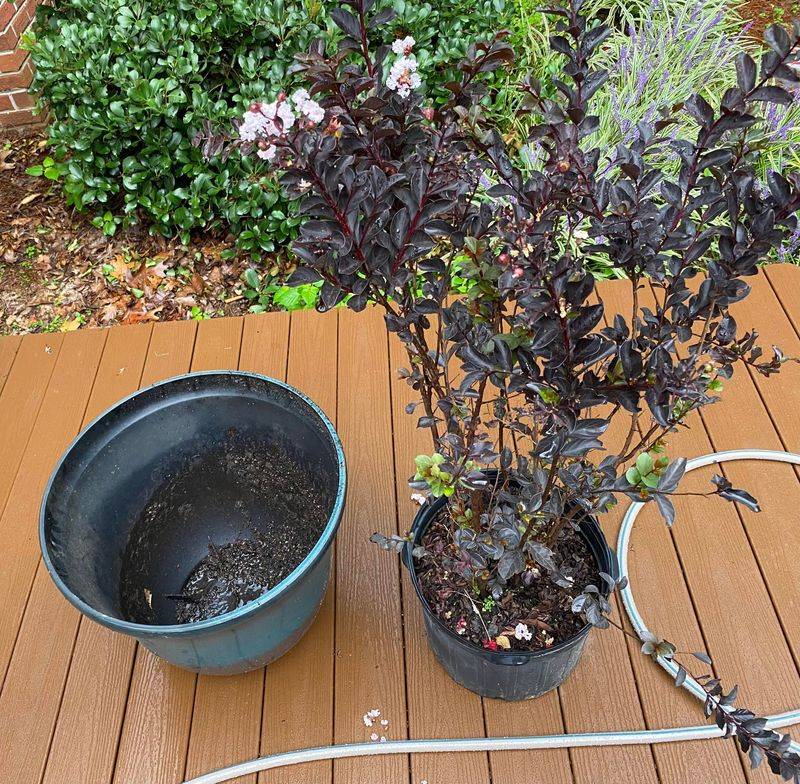
Potted crape myrtles complicate the September advice, and plenty of Texas patios have one.
Container plants dry out faster, heat up faster, and hold a fraction of the soil volume a tree in the ground enjoys.
Nutrients also leach out with every watering. That combination means potted plants genuinely need more feeding than in ground trees across a season.
Timing still matters though. The dormancy logic applies to containers exactly as it does to a tree in the lawn.
Stopping fertilizer in late summer remains the right call. A pot pushing soft growth in October faces the same cold snap the rest of the yard does, with less root insulation.
Roots in a container sit exposed on all sides. Soil temperature in a pot swings far more than ground temperature, which raises freeze risk considerably.
Watering deserves closer attention than feeding right now. Check pots daily during hot stretches, since a container can dry completely between morning and evening.
Drainage matters just as much. Standing water in a saucer after September rain keeps roots wet at the wrong time.
Winter protection is worth planning before you need it. Moving pots against a south wall, grouping them together, or wrapping the container all reduce root temperature swings.
Dwarf and semi dwarf varieties handle container life better than full size types. A tree wanting twenty feet will eventually outgrow any reasonable pot.
Repotting or root pruning belongs in late winter alongside structural pruning, not in September.
Same principle, different container. Feed in spring, water attentively now, and let the plant wind down on schedule like everything else in the yard.