Got Geraniums? 9 Critical Things Arizona Gardeners Must Do This Fall For Nonstop Blooms
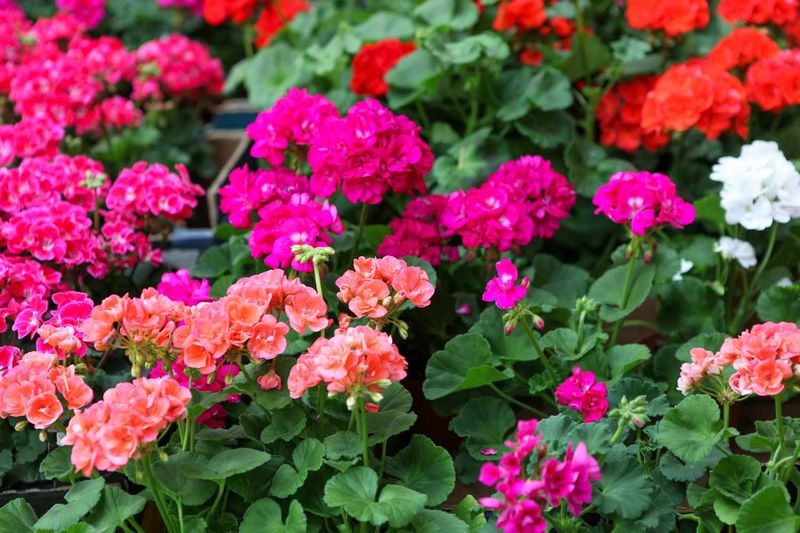
Geraniums light up Arizona yards with bright color, but our brutal summers can leave them looking sad and scorched. The good news is that fall is when these tough little bloomers can really shine, giving you flowers well into the cooler months.
With a few smart moves, you can keep your geraniums pumping out color instead of fizzling out. Here are nine practical steps to help your Arizona geraniums bloom nonstop this season.
1. Choose Heat-Tolerant Geranium Varieties for Arizona Gardens
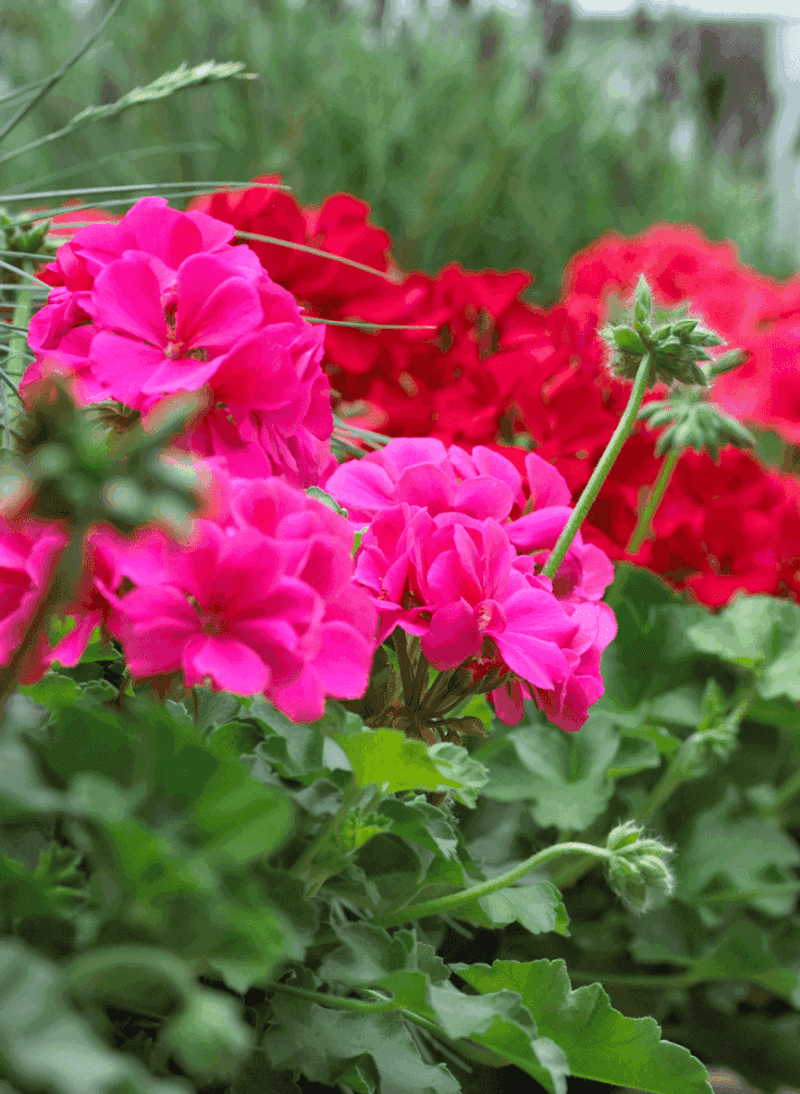
Not all geraniums can handle what Arizona throws at them, and picking the right kind is honestly half the battle. Standard varieties often melt away when the thermometer climbs past 100 degrees, leaving gardeners frustrated and out a few bucks.
Interspecific hybrids like the Caliente and Calliope series are game changers for the low desert. These tough cookies have proven they can push through blistering heat and keep blooming longer into the season, even when summer refuses to quit.
Zonal geraniums, which are technically Pelargoniums, deserve a spot on your shopping list too. They handle drought better than most, act like perennials in mild Arizona winters, and shrug off heat that would flatten fussier plants.
When you shop at nurseries this fall, ask specifically for heat-tolerant hybrids rather than grabbing whatever looks pretty on the shelf. A little label reading now saves you disappointment later.
Starting with a variety that actually wants to live here means less babying and more of those nonstop blooms you are after all season long.
2. Optimize Arizona Geranium Placement for Fall Sun
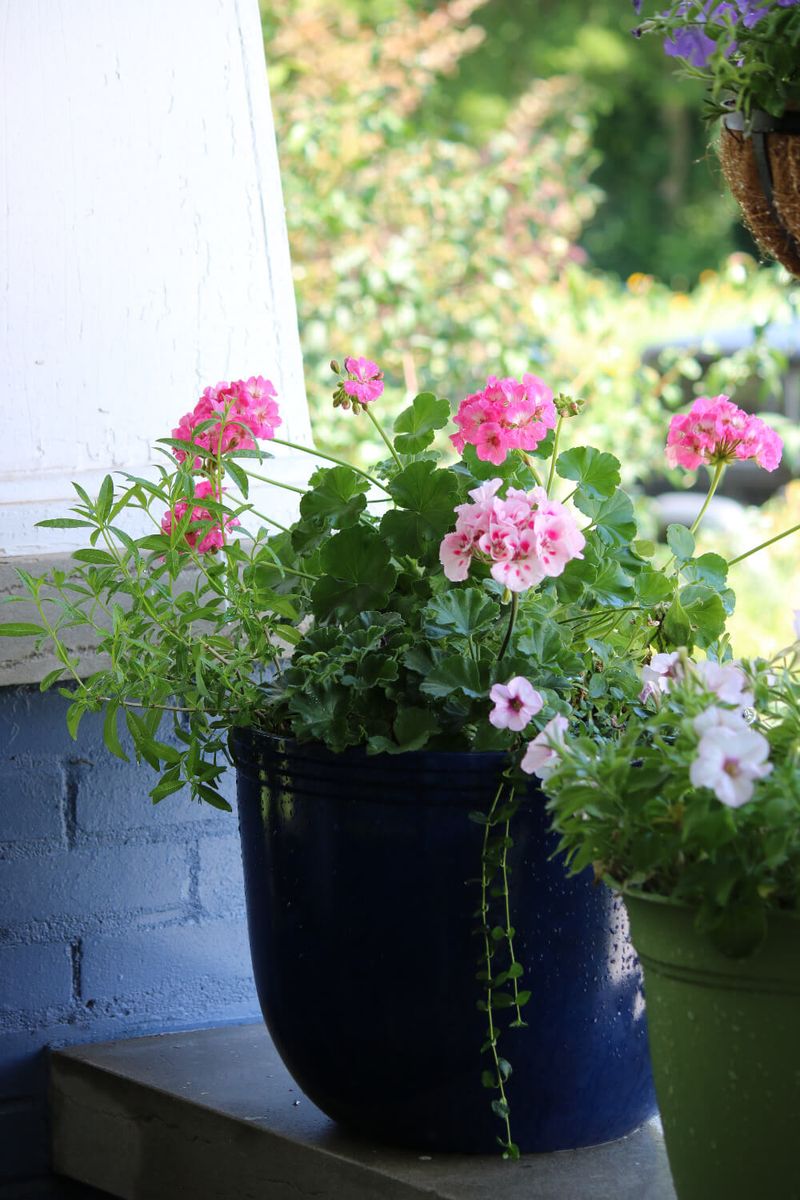
Location can make or break your geraniums, and the trick is giving them light without cooking them. In the low desert, these plants want plenty of sun to crank out flowers, but timing matters more than sheer quantity.
An eastern to western exposure usually hits the sweet spot during fall, letting your geraniums soak up bright morning light and the gentler winter sun. That kind of exposure fuels heavy blooming without frying the leaves.
Here is where many folks slip up: when afternoon temps still climb above 90 degrees, harsh late-day rays can stress plants fast. Tucking them into afternoon shade during those warm stretches keeps them comfortable and flowering.
Containers are your secret weapon in Arizona. Pots let you scoot geraniums to a shadier corner when the heat spikes, then back into brighter spots as things cool off.
Think of it like giving your plants a movable umbrella.
Pay attention to how sun tracks across your yard through the season, and adjust as fall shifts toward winter for steady, happy blooms.
3. Implement Proper Arizona Geranium Watering Techniques
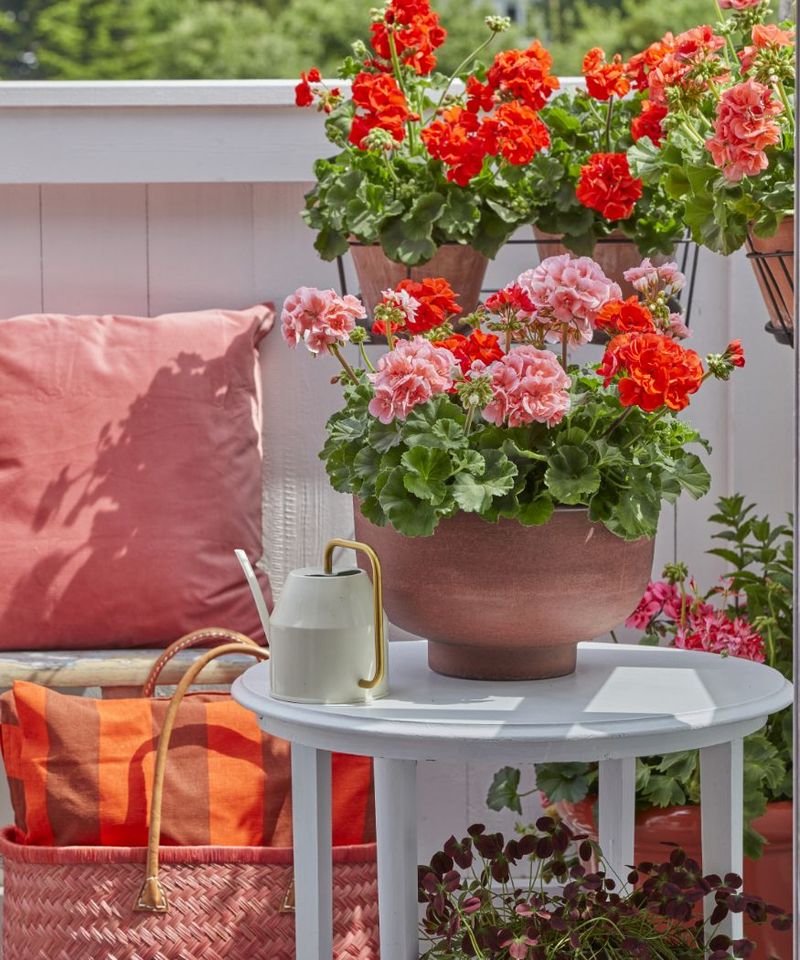
Watering geraniums in the desert is a balancing act, and getting it wrong is the fastest way to lose them. Too much and the roots rot, too little and blooms sputter out, so paying attention pays off.
The simplest rule to remember involves your finger, not a schedule. Poke the top inch of soil, and only water when it feels dry to the touch.
Your Arizona Garden Changes Every Week. Your Plan Should Too.
Gardening in Arizona changes quickly throughout the season. Every Friday you’ll receive a simple weekly plan showing exactly what to plant, prune, fertilize, harvest, and protect so you never miss the right timing.
Letting the soil dry slightly between drinks keeps roots healthy and rot at bay.
When you do water, go big. Soak the plant thoroughly until excess drains from the bottom of the pot rather than giving frequent shallow sips.
Deep watering encourages strong roots that support all those flowers.
One myth worth busting: geraniums are often called drought-tolerant, but that label is misleading in our climate. For consistent blooming, they genuinely need steady moisture and are not true low-water desert plants.
During cooler fall weather, you will naturally water less often since soil holds moisture longer. Keep checking with that finger test, and your geraniums will reward the effort with color that keeps coming.
4. Fertilize Arizona Geraniums Regularly Through Fall
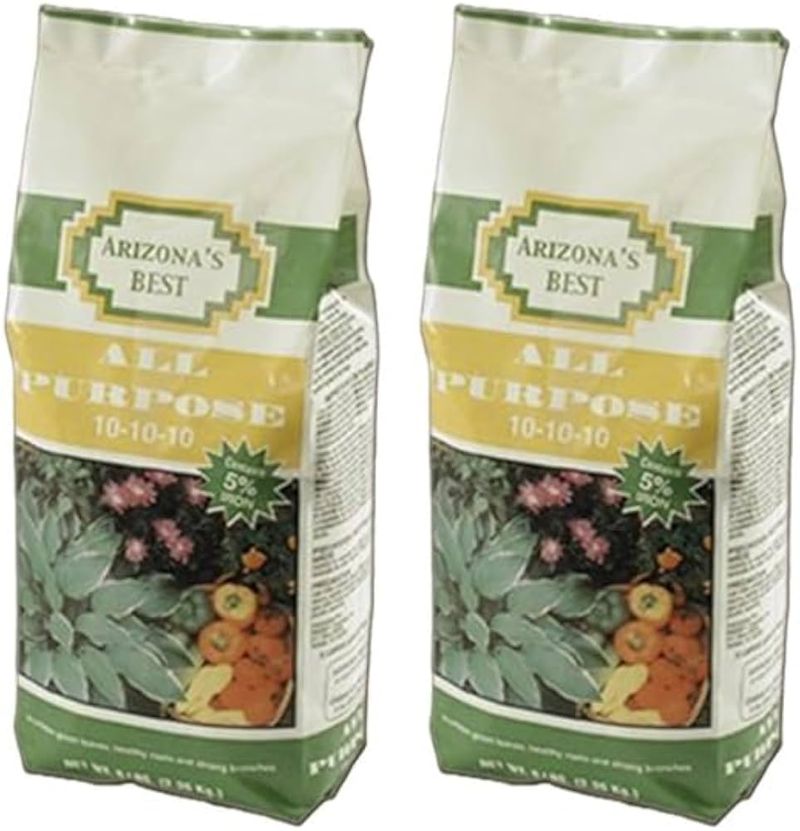
Hungry geraniums simply will not bloom their best, and fall is a prime time to keep the buffet open. Feeding through the season gives plants the fuel they need to pump out flower after flower while the weather stays friendly.
A balanced fertilizer works wonders here. Something with a 10-10-10 or 20-20-20 NPK ratio applied every couple of weeks keeps energy flowing, or you can lean on a slow-release granular product spread at the start of the growing season for hands-off feeding.
Watch out for one common trap. High-nitrogen fertilizers sound helpful but actually push leafy green growth at the expense of flowers, which is the opposite of what you want when chasing nonstop blooms.
Aim to feed every four to six weeks through the growing season, which stretches nicely into Arizona fall. As temperatures drop in late fall, ease back to once a month or even less.
Once winter dormancy arrives, stop feeding entirely and let your geraniums rest. Overfeeding a sleeping plant does more harm than good, so give them a proper cool-season break.
5. Deadhead Spent Blooms for Nonstop Flowering in Arizona
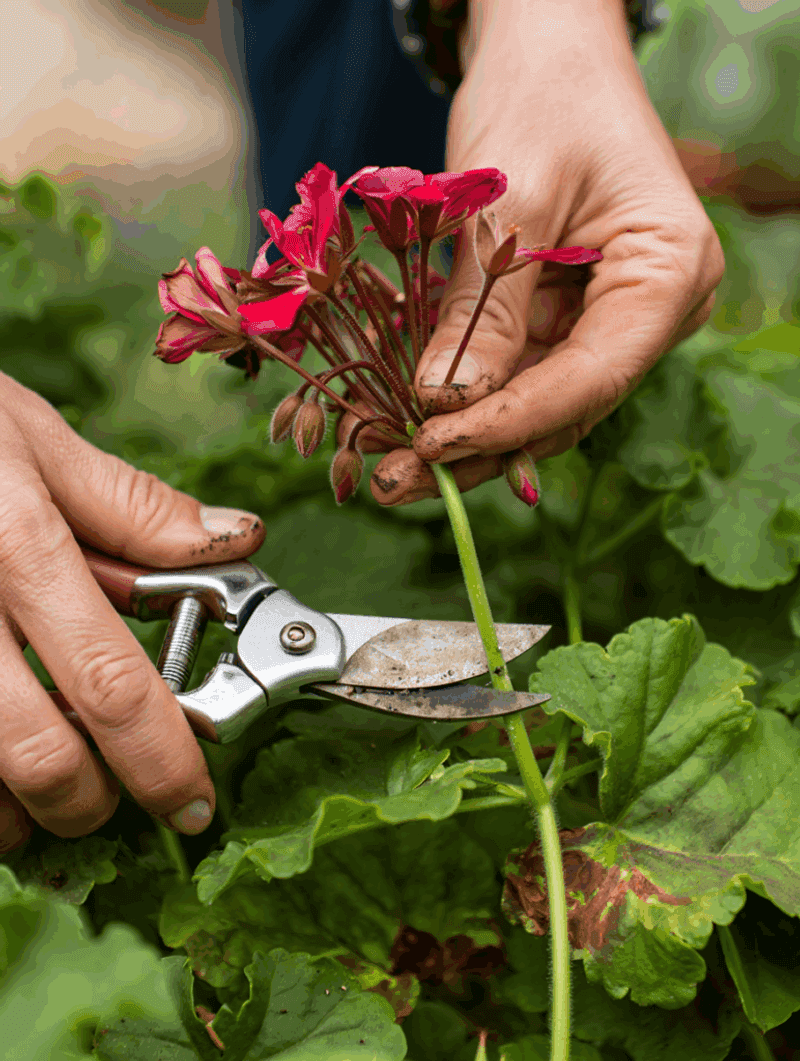
Want a simple habit that delivers huge results? Deadheading might be the single most rewarding five-minute chore in your Arizona geranium routine, and it costs nothing but a little attention.
Every faded flower left on the plant sends a signal to start making seeds. When that happens, your geranium quietly redirects its energy away from producing fresh blooms and toward reproduction instead.
By snipping off those spent flowers, you flip that signal around. The plant stops fussing over seeds and pours its energy back into cranking out new buds, which means more color for you.
Technique makes a difference. Rather than just pinching the flower head off the top, snap the entire stem well below the faded bloom, near the base of the stalk.
Removing the whole spent stem keeps the plant tidy and encourages fresh growth from lower down.
Make deadheading a regular stroll through your garden, maybe every few days during peak fall blooming. Keep a small basket handy for the clippings, and you will be amazed how quickly your geraniums bounce back with wave after wave of flowers.
6. Prune Arizona Geraniums for Optimal Shape and Vigor
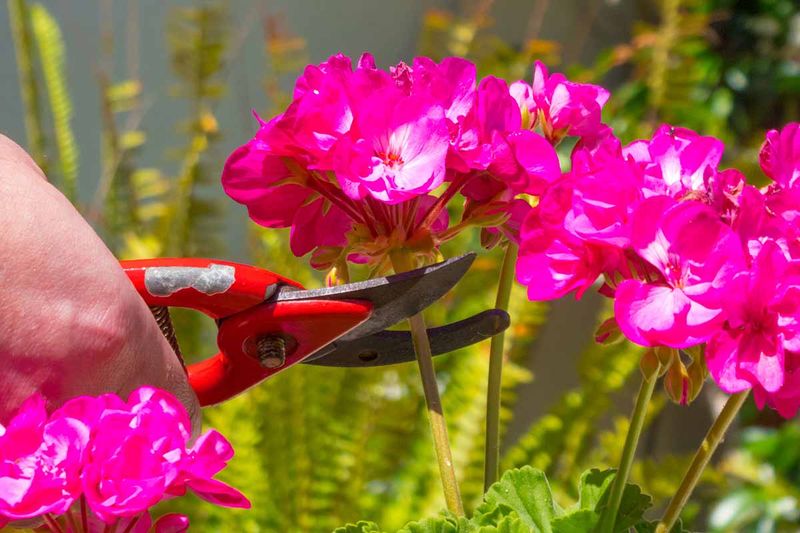
Leggy, woody geraniums are a common sight in Arizona yards, and they usually mean someone skipped the pruning shears. A good haircut keeps plants full, bushy, and loaded with blooms instead of sprawling and sparse.
For geraniums you plan to keep as year-round perennials, October is your window. Cutting the plant back by about a third in fall encourages fresh, compact growth and prevents that tired, stretched-out look that plagues neglected plants.
Overwintering indoors instead? Then trim a bit more aggressively.
Pruning back by one-third to one-half in late fall, right before moving pots inside, sets the plant up to rest cleanly through the cooler months.
Do not stop with the fall cut. When spring rolls around, pinching back new growth helps build a fuller, denser plant that will carry more flowers through the next warm stretch.
Grab clean, sharp shears and make your cuts just above a leaf node. A little pruning courage now feels harsh, but your geraniums will thank you with vigorous, well-shaped growth and far more blooms down the road.
7. Ensure Well-Draining Soil for Arizona Geranium Health
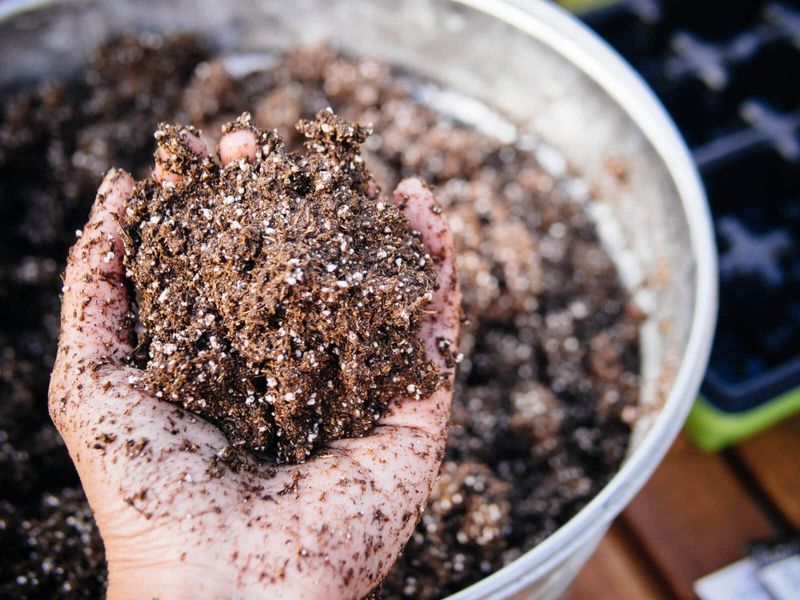
Soggy roots spell doom for geraniums, which makes drainage the unsung hero of healthy plants. Arizona soils can be tricky, so getting the foundation right protects your blooms from the ground up.
Geraniums crave good, well-draining soil enriched with organic matter. When water lingers around the roots, root rot moves in fast, and it is one of the most frequent killers of otherwise happy geraniums.
Container gardeners have an easy advantage here. Choose pots with plenty of drainage holes so excess water can escape freely, and never let your geraniums sit in a saucer full of standing water.
The potting mix matters just as much as the pot. Reach for a high-quality blend that includes ingredients like peat moss and perlite, which work together to hold just enough moisture while letting the rest drain away.
If you are planting in the ground, loosen heavy or caliche-laden soil and mix in compost to improve both structure and drainage. A little soil prep now means roots that breathe, plants that resist disease, and the kind of steady blooming that keeps your Arizona garden glowing.
8. Protect Arizona Geraniums from Pests Naturally
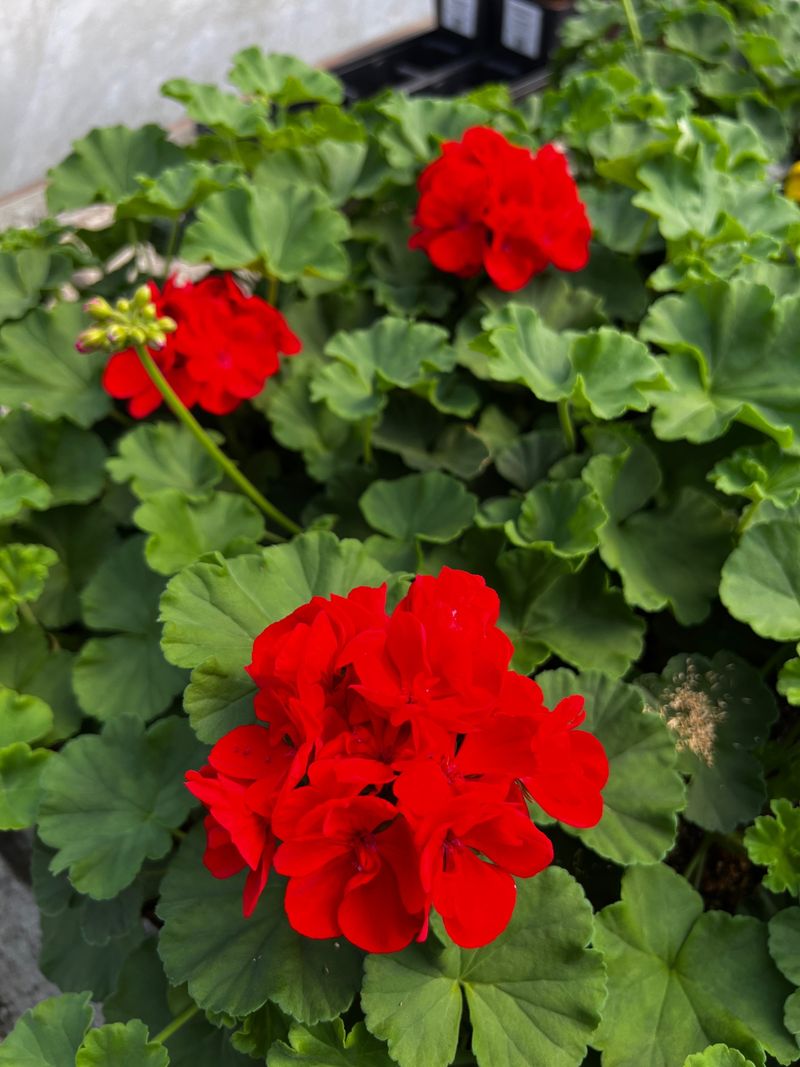
Here is a pleasant surprise for low-maintenance gardeners: zonal geraniums are often described as critter proof and virtually insect free. That reputation makes them a favorite for Arizona homeowners who would rather not spend weekends battling bugs.
Their natural resistance means these plants tend to be less inviting to many common pests, which is a real perk in a region where nobody wants extra reasons to attract trouble into the yard. Fewer pests also means fewer chemicals and less fuss overall.
Still, no plant is completely bulletproof. General geranium care occasionally flags visitors like aphids, whitefly, mites, and caterpillars, so a quick weekly inspection of leaves and stems helps you catch problems early before they spread.
If you spot trouble, a gentle blast of water or an insecticidal soap usually handles it without harsh treatments. Encouraging beneficial insects around your garden can help keep populations in check too.
For broader yard concerns like scorpions, mosquitoes, and ticks that plague Arizona homes, eco-friendly and organic pest control services are widely available. Pairing tough, pest-resistant geraniums with a thoughtful yard strategy keeps your outdoor space beautiful and far more comfortable to enjoy.
9. Overwinter Arizona Geraniums for Continued Enjoyment
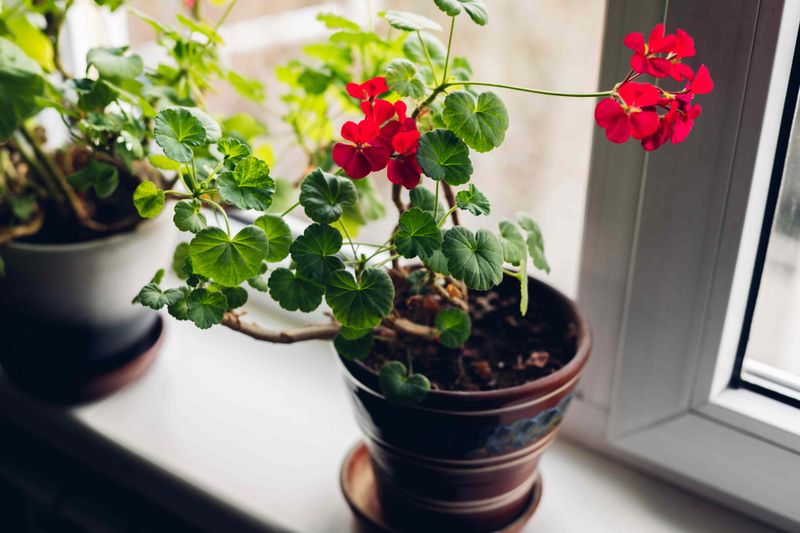
Just because summer heat is the usual villain does not mean winter gets a free pass in Arizona. Frost can sneak into the low desert on cold nights, and unprotected geraniums may suffer if you are caught off guard.
Heat-tolerant perennial varieties often ride out mild winters just fine right where they are planted. Frost-sensitive types, on the other hand, appreciate a little help when temperatures dip toward freezing.
You have a couple of solid options. Move tender potted geraniums indoors during cold snaps, or cover in-ground plants with frost cloth on the chilliest nights to shield them from damage.
Once your geraniums are settled inside for the season, shift your care into rest mode. Cut back on watering significantly and stop fertilizing altogether, letting the plants slow down and conserve energy through their dormant stretch.
Set them near a bright window and simply let them coast until spring. When new growth appears with warmer days, you can resume regular watering, feeding, and pinching.
Overwintering successfully means you carry the same healthy plants forward year after year, saving money and enjoying reliable blooms season after season.