What Sooty Blotch On Michigan Apple Skins Means Before You Throw The Fruit Away
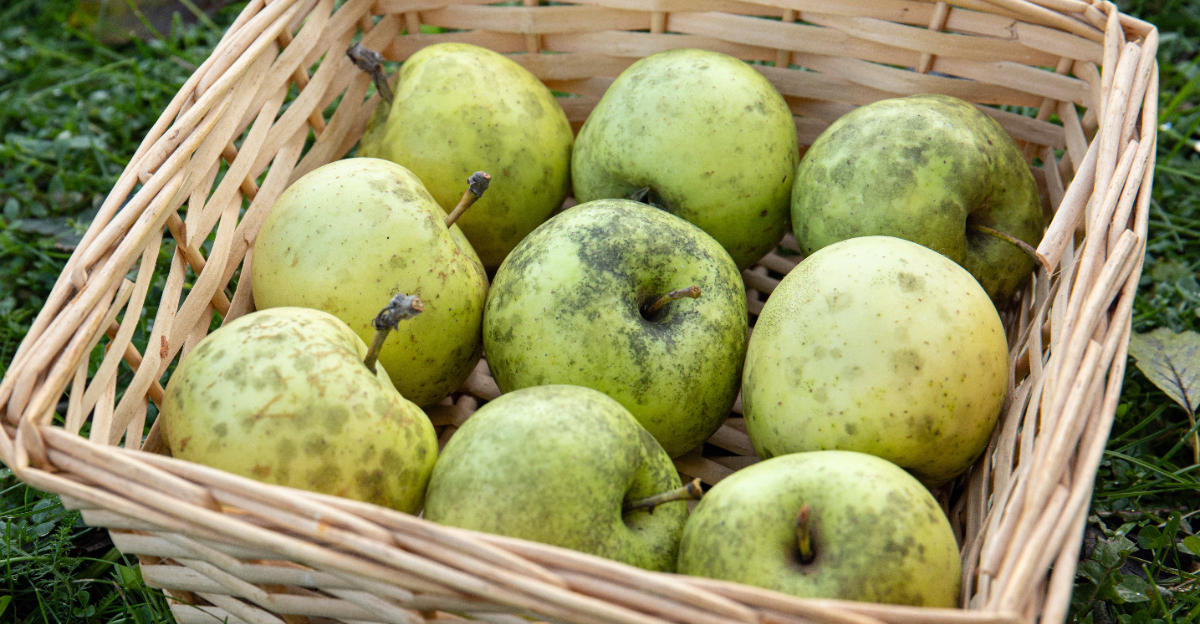
You reach for a Michigan apple at the market, and the skin stops you mid-grab. Faint gray-green clusters spread across the surface, almost like a smudged fingerprint left behind by someone’s greasy palm. Your first instinct says rot.
But that instinct might be leading you the wrong way entirely. Growers across Michigan see this exact pattern every humid summer, and it rarely means what shoppers assume it means.
The real story involves moisture, orchard timing, and a surface-level guest that never actually touches the fruit inside. Stick around, because the explanation gets more interesting than a simple “wash it off” tip.
Sooty Blotch Is A Surface Issue, Not Internal Decay
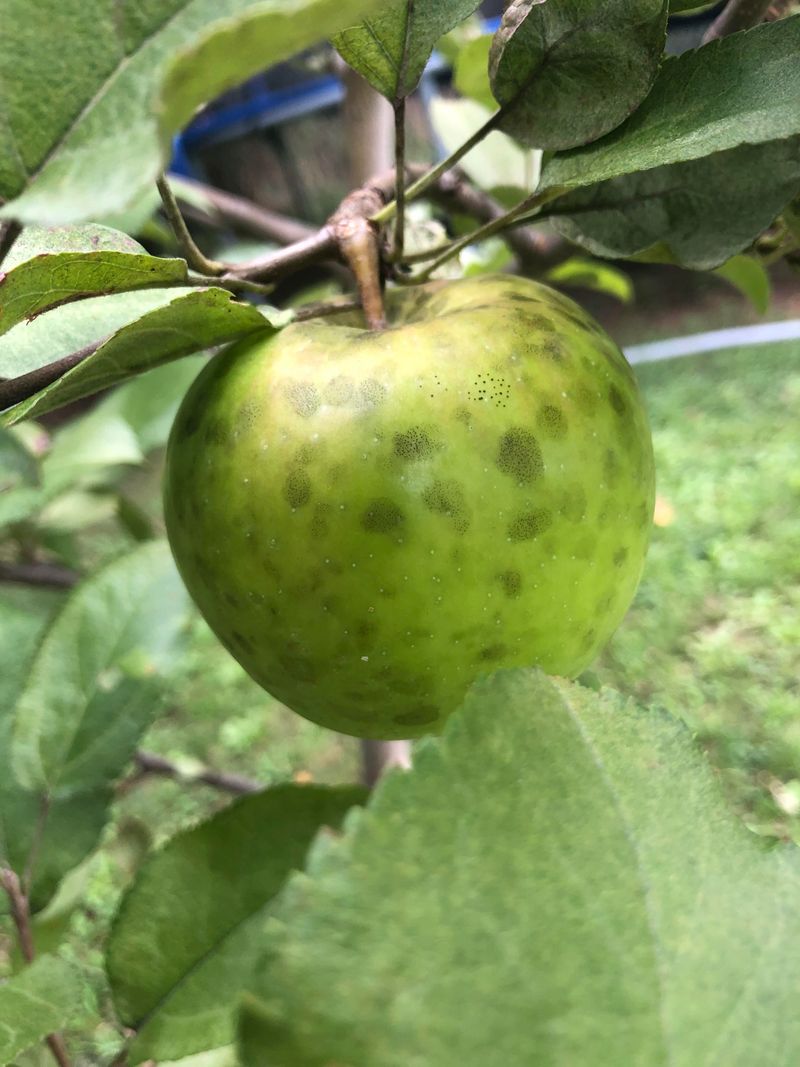
That dark smear on your apple is not rot. Sooty blotch lives entirely on the outer skin, never pushing past the waxy surface layer.
Think of it like a dirty window. The glass itself is fine, but a film of grime sits on top making everything look worse than it is.
Sooty blotch is caused by a group of fungal species that feed on the waxy coating of apple skin. The fungi never penetrate into the flesh or the core.
Farmers across apple-growing regions see this show up regularly, year after year. The appearance can range from faint smoky circles to thick, dark colonies spreading across the surface.
Many shoppers assume the fruit has gone bad inside. That assumption leads to a lot of perfectly good apples ending up in compost bins unnecessarily.
The blemish is purely cosmetic in nature. Grocery stores reject these apples for appearance standards, which is why you see them more at roadside stands and markets.
Cutting the apple open tells the whole story. The flesh inside stays crisp, white, and untouched by anything happening on the outside.
Sooty blotch does not change the smell, taste, or texture of the apple beneath the skin. You are essentially judging a book by its cover when you toss one out.
Understanding this distinction saves food and money. The next time you spot those murky patches, remember the fruit inside is still doing just fine.
Humid Michigan Summers Create Ideal Conditions For This Fungus
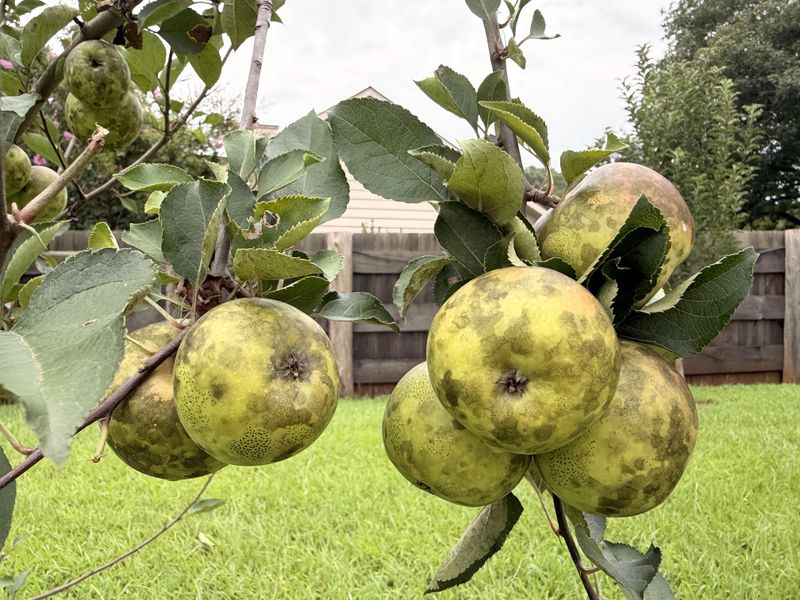
Michigan summers can feel like living inside a warm, wet sponge. That moisture-heavy air is exactly what sooty blotch fungi need to thrive on apple skins.
The fungal spores spread through air currents and land on fruit surfaces during periods of high humidity. Once temperatures stay warm and rain comes frequently, the colony grows fast.
Orchards near lakes or low-lying areas tend to see heavier outbreaks. The Great Lakes region creates a regional climate that practically rolls out a welcome mat for this fungus.
Extended stretches of high humidity accelerate sooty blotch development significantly, giving the fungal colonies more time to establish on the fruit surface. A wet June followed by a muggy July is basically a perfect storm for orchard managers.
This is not a new problem for apple growers here. Farmers in the region have dealt with this condition for generations, adjusting their orchard practices as each season demands.
Your Michigan Garden Changes Every Week. Your Plan Should Too.
Gardening in Michigan changes quickly throughout the season. Every Friday you’ll receive a simple weekly plan showing exactly what to plant, prune, fertilize, harvest, and protect so you never miss the right timing.
Orchards with dense canopies trap moisture around the fruit longer than open, well-pruned trees. Poor airflow inside a tree keeps the surface of the apple wet, giving the fungus more time to establish itself.
Some years are worse than others depending on rainfall totals and overnight temperatures. A dry summer can mean nearly zero sooty blotch, while a rainy one can coat entire harvests.
Knowing the weather connection helps you understand why some seasons produce spotty apples and others look picture-perfect. Climate shapes every apple you bite into.
Distinguishing Sooty Blotch From Other Apple Diseases
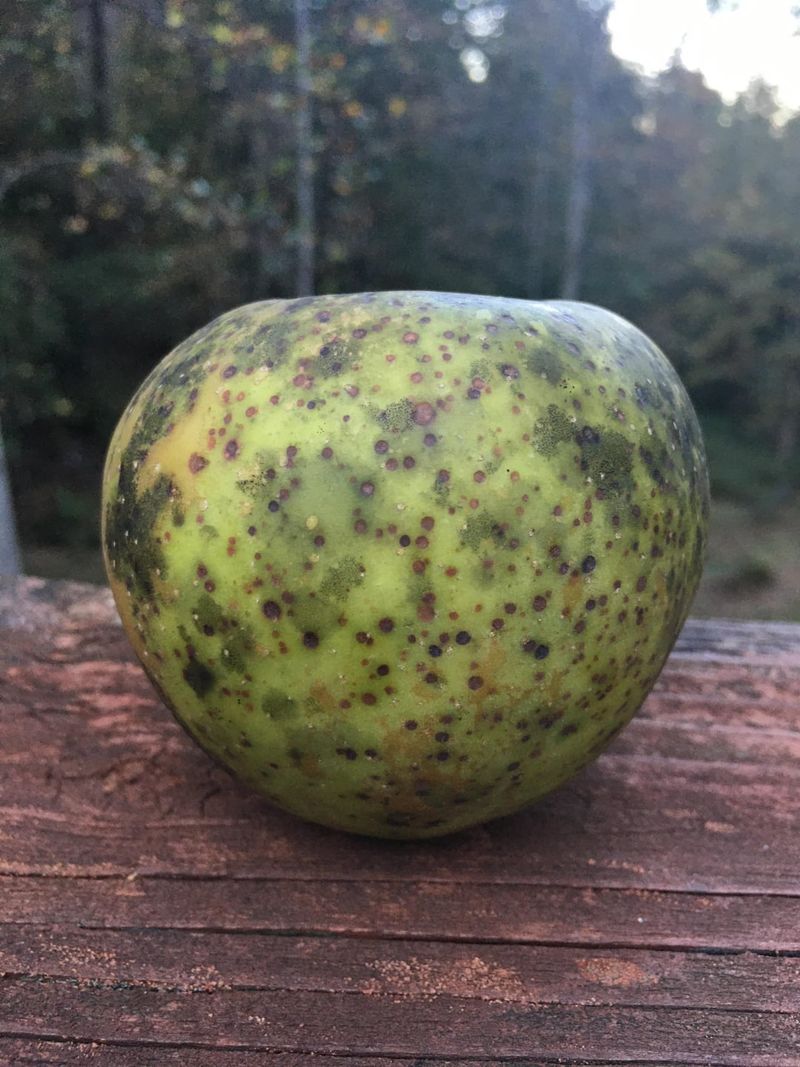
Not every dark spot on an apple means the same thing. Learning to tell sooty blotch apart from genuinely harmful diseases can save you from tossing good fruit.
Sooty blotch appears as irregular, smoky, or olive-colored patches that sit flat against the skin. The patches do not have raised edges, sunken centers, or any wet or mushy texture.
Apple scab, by contrast, creates rough, corky lesions that feel bumpy under your fingertip. Scab spots often have a cracked or velvety texture that is very different from the smooth film of sooty blotch.
Brown rot is another condition that confuses people, but it smells bad and causes the flesh to turn soft and brown rapidly. Sooty blotch has no odor and leaves the flesh firm throughout.
Flyspeck is actually a companion fungal issue that often appears alongside sooty blotch. It looks like tiny black dots arranged in clusters, resembling insect marks on the skin.
Both flyspeck and sooty blotch are cosmetic problems that share the same environmental triggers. Seeing them together on one apple is extremely common in humid growing seasons.
Bitter rot and black rot create circular, sunken, dark lesions that spread inward toward the core. Those conditions are genuinely harmful and the fruit should not be eaten.
When in doubt, press gently on the dark area with your thumb. If the skin stays firm and the flesh does not give way, sooty blotch is almost certainly your answer.
The Fruit Underneath Is Still Perfectly Safe To Eat
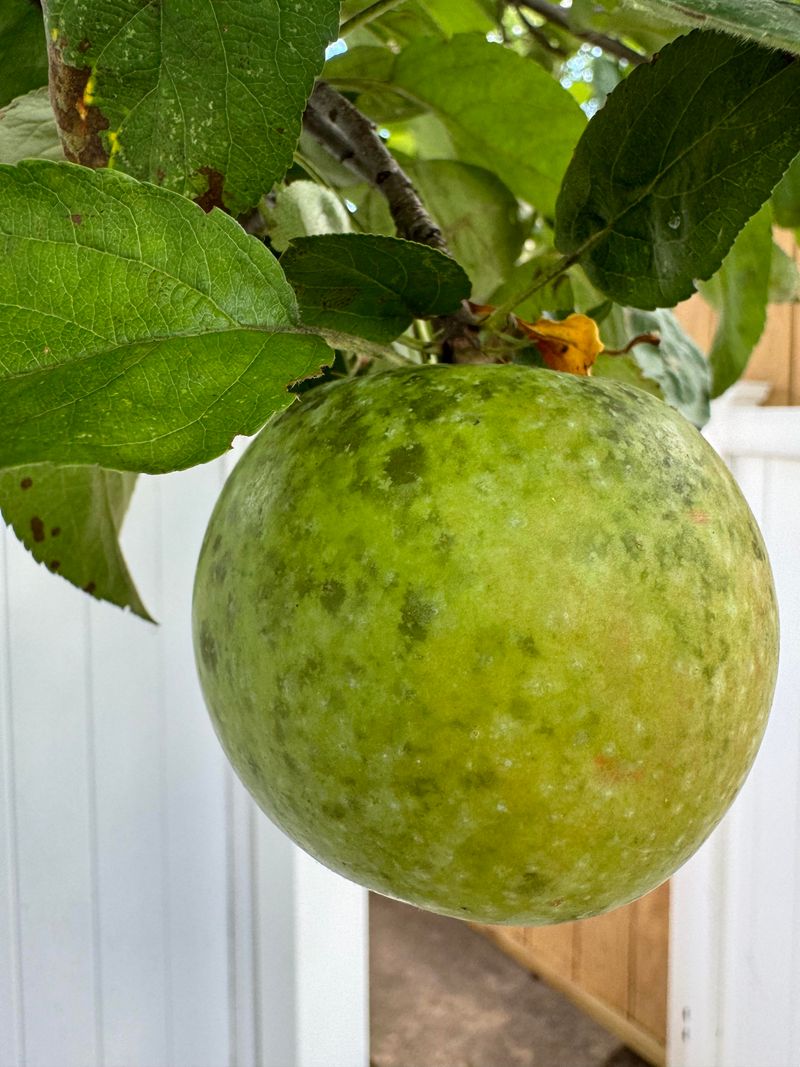
Slice through that blotchy apple and prepare to be pleasantly surprised. The inside looks exactly like any apple you would buy from a polished grocery store display.
Food scientists and extension specialists confirm that sooty blotch poses zero health risk to humans. The fungi involved do not produce toxins and have no pathway into the edible flesh.
Your immune system would not even notice these fungi if you accidentally ate a tiny bit of skin. They are not pathogens that cause illness in people or animals.
The flavor of the apple stays untouched by whatever is happening on the exterior. Growers and extension specialists consistently report no noticeable difference in flavor between blotched and clean apples of the same variety.
Many heirloom apple varieties grown without heavy pesticide programs show sooty blotch regularly. Organic orchards in particular tend to have more surface blemishes because fewer fungicide sprays are applied.
Buying a blemished apple from a local orchard often means you are getting a fruit grown with fewer chemical interventions. Some shoppers actually seek these out for that exact reason.
Children can eat these apples without any concern. Parents who spot the dark patches sometimes panic, but there is genuinely nothing harmful happening on that skin.
The apple you almost threw away could be the crispest, sweetest one in the bag. Do not let appearance alone make the decision for you when sooty blotch is on the skin.
Simple Ways To Remove The Blotchy Residue
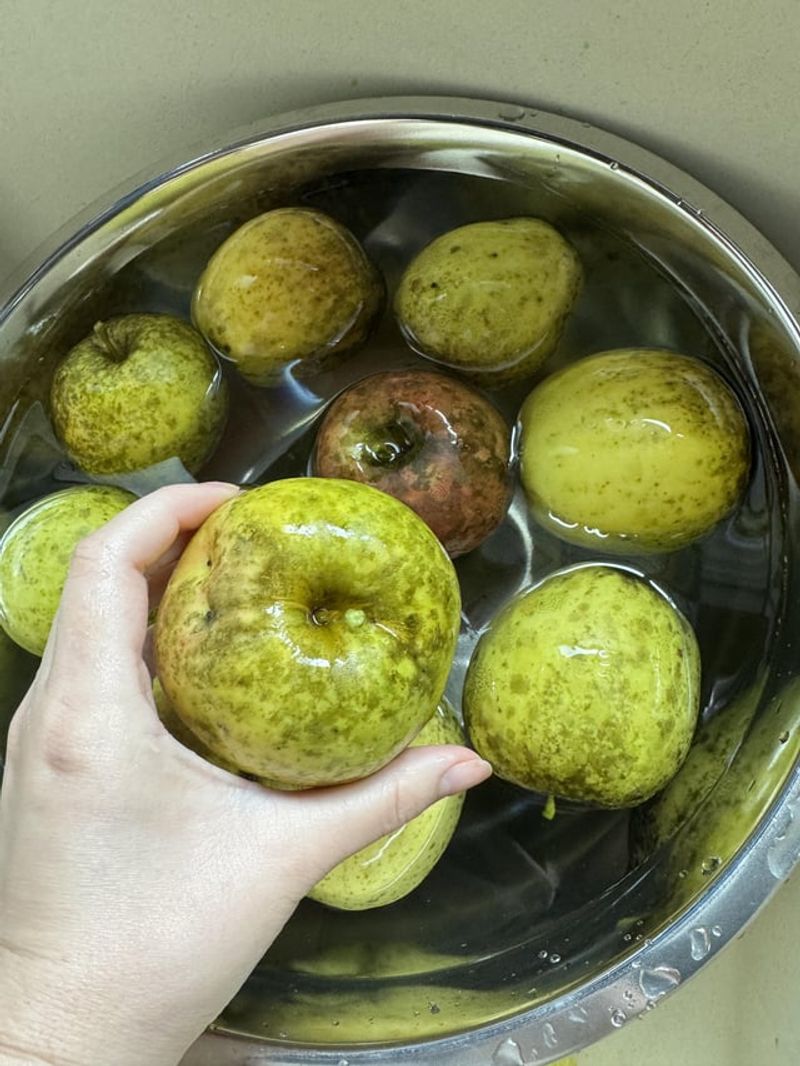
That dark film comes off easier than you might expect. A little scrubbing is usually all you need to restore a normal-looking apple surface.
Start with warm water and a soft vegetable brush. Scrub the blotched area using light circular motions for about thirty seconds per apple.
Many people find that a diluted solution of one part white vinegar to three parts water works even better. The mild acidity helps break down the fungal film without affecting the skin.
Baking soda paste is another kitchen-friendly option that gets the job done well. Mix a small amount with water, apply it to the blemish, scrub gently, and rinse thoroughly.
Commercial fruit and vegetable washes sold at grocery stores are also effective on sooty blotch patches. Follow the label instructions and rinse the apple thoroughly before eating.
Some patches are more stubborn than others depending on how long the colony had to grow on the skin. A second scrubbing session usually handles the tougher spots.
Peeling the apple is always the fastest solution if you do not want to bother scrubbing. The flesh underneath needs zero cleaning since the fungus never reached it.
For applesauce or baked apple recipes, peeling makes the most sense anyway. The blotch becomes a total non-issue the moment the skin comes off the fruit.
Cleaning sooty blotch off your apple takes less than a minute. That is a small effort compared to wasting a perfectly delicious piece of fruit.
Preventing Sooty Blotch On Next Season’s Harvest
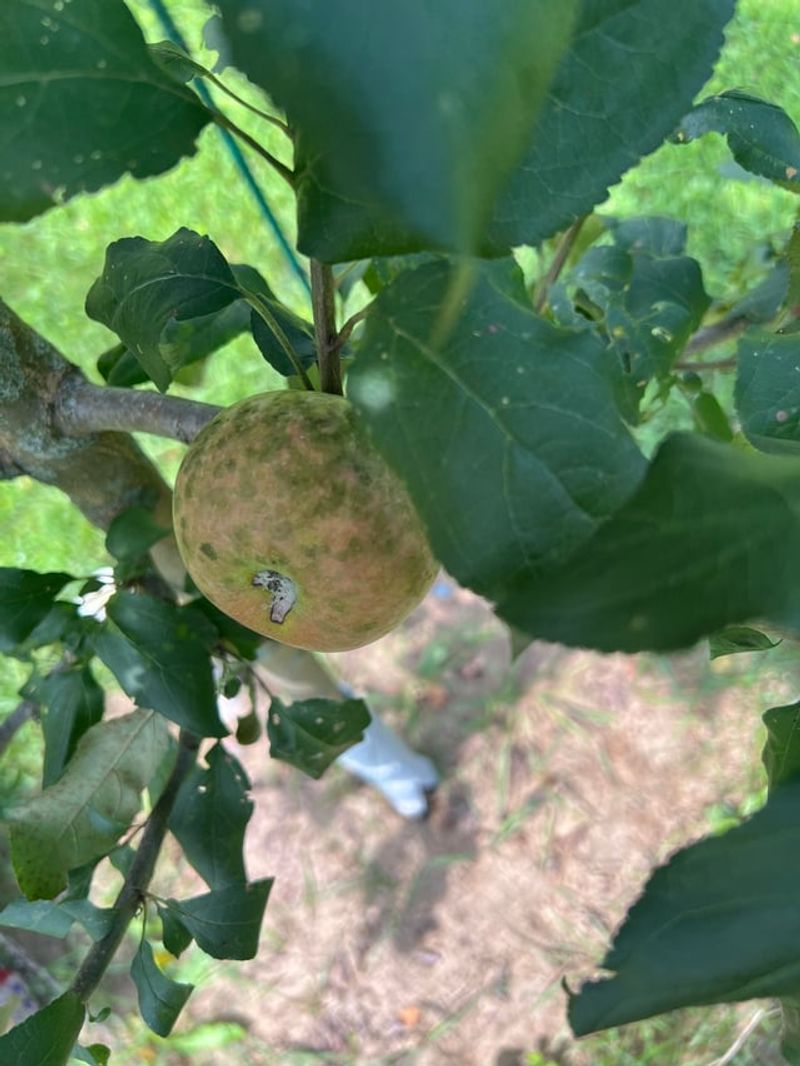
If you grow your own apple trees, next season can look a lot cleaner with a few smart adjustments. Prevention focuses heavily on airflow and moisture management around the fruit.
Pruning is your most powerful tool against sooty blotch development. Opening up the canopy lets sunlight and moving air reach the fruit, drying the surface faster after rain or heavy dew.
Remove crossing branches and any shoots growing toward the center of the tree each dormant season. A well-shaped tree with an open center dries out much faster than a dense, tangled one.
Mowing grass and managing weeds beneath the tree also reduces ground-level humidity. Tall vegetation traps moisture near the soil and slows airflow at the base of the tree.
Timing your irrigation matters too if you use a sprinkler system. Watering in the early morning gives leaves and fruit time to dry before evening temperatures drop and moisture lingers overnight.
Copper-based fungicide sprays applied during humid stretches of summer can reduce sooty blotch pressure significantly. Always follow the label directions and respect application windows carefully.
Organic growers often rely on sulfur-based sprays as an approved alternative to synthetic fungicides. Both approaches work best when applied before heavy infection pressure builds in mid-summer.
Keeping records of when sooty blotch first appeared each year helps you time preventive sprays better. Consistent management over several seasons can make sooty blotch on Michigan apple skins a rare sight rather than a yearly headache.