The Overwintering Pest That Could Be Hiding In Your North Carolina Firewood Pile Right Now
Stacked firewood looks like the most harmless thing in the yard. Dry, quiet, tucked beside the shed, waiting for the first cold night. But a woodpile is also a hotel with a thousand tiny rooms.
Every strip of loose bark, every crack in a split log, is a shelter for something that plans to spend the winter there. Most of these guests stay asleep until you carry them inside. Then the living room warms up, and they wake.
North Carolina’s mild winters make this more common than people expect, since the cold never fully shuts everything down.
One simple habit changes the whole outcome, and it takes about two minutes per armload. Before you stack another log by the fireplace, it helps to know exactly who might be riding in with it.
1. Meet The Spotted Lanternfly
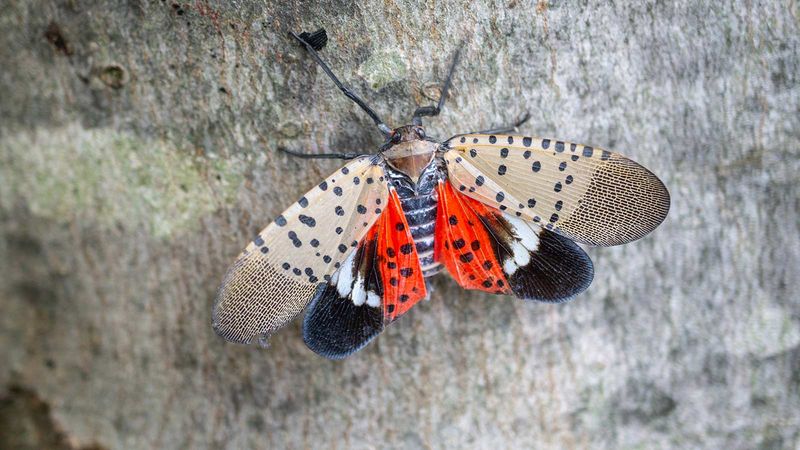
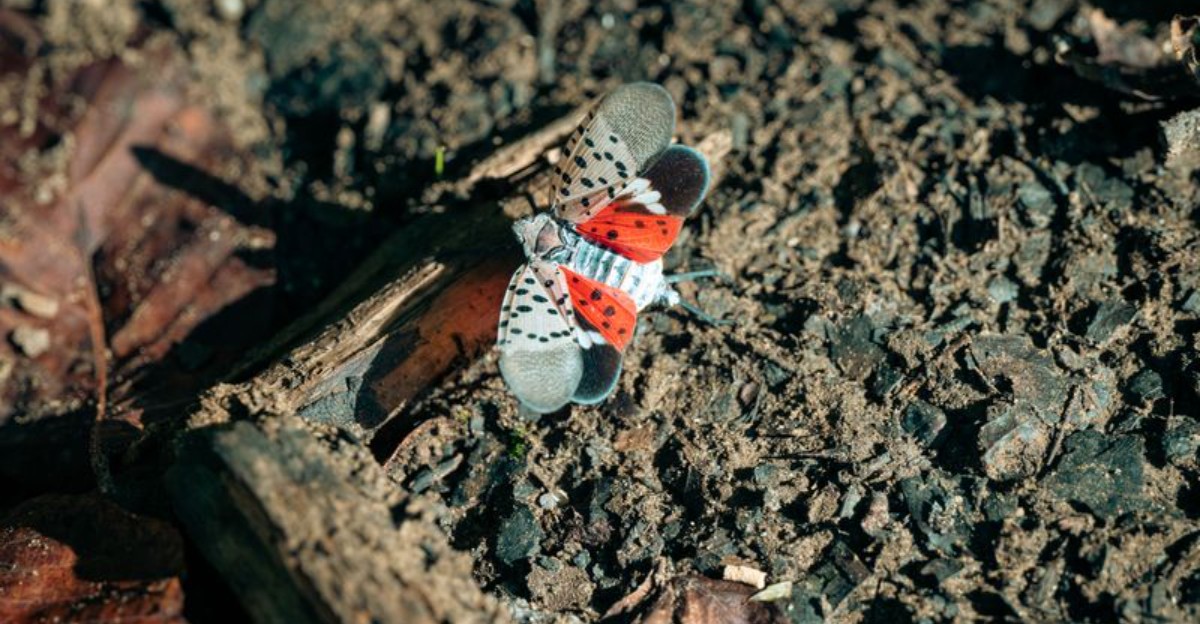
Pretty wings can hide a big problem. The spotted lanternfly, known to scientists as Lycorma delicatula, looks almost like a colorful moth, with gray wings dotted in black and bright red underwings that flash when it hops.
Underneath that cute look is an invasive insect from Asia that now calls parts of North Carolina home. Here is the twist that makes your firewood matter.
Adult lanternflies cannot survive the cold of winter, so they are gone once freezing weather settles in. Before they disappear, though, females lay egg masses in the fall on almost any surface they can find.
Firewood is a favorite spot, but logs, stones, patio chairs, and even cars work just as well. Those eggs are tough. They ride out the chilly months and hatch into hungry young insects in the spring.
North Carolina first confirmed the pest in 2022 in Forsyth County. Since then, established populations have been confirmed in Guilford, Caldwell, Rockingham, Caswell, Davidson, and Rowan counties.
That list keeps growing, which is why state experts want everyone paying attention. So why should a gardener care?
Spotted lanternflies suck sap from plants, weakening them and leaving behind a sticky waste called honeydew. That goo grows black sooty mold on leaves, decks, and cars below.
Grapes take an especially hard hit, which worries the state’s growing wine industry. Fruit trees, maples, and many other plants are on the menu too. Learning about this bug now puts you one step ahead before the eggs ever crack open.
2. Fall Is Prime Egg-Laying Season
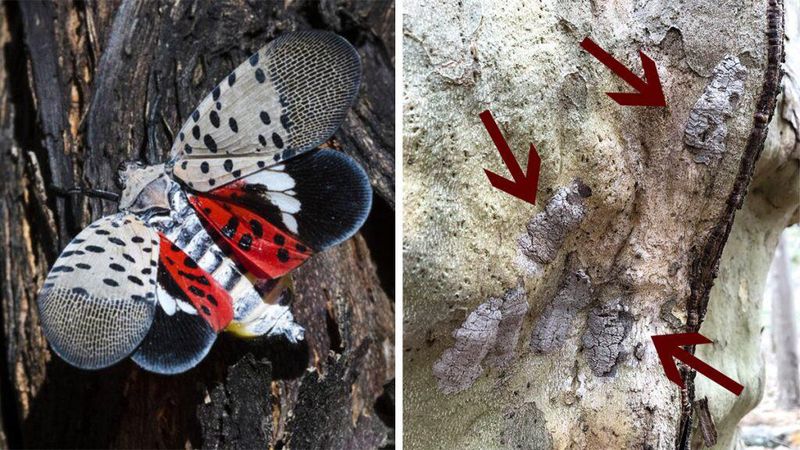
Timing is everything with this pest. Just as you start stacking wood for cozy nights by the fire, female spotted lanternflies are busy looking for the perfect place to leave their eggs. Their egg-laying stretches from early fall into late fall.
Flat, sheltered surfaces are what they want most. A neat stack of logs offers plenty of bark, nooks, and protected sides, which makes a woodpile almost like a hotel for eggs. Outdoor items near trees where adults have been feeding are also popular choices.
According to NC State Extension, egg laying in North Carolina peaks in October and November. That means the wood you split or bought this autumn could already be carrying unwanted guests.
Your North Carolina Garden Changes Every Week. Your Plan Should Too.
Gardening in North Carolina changes quickly throughout the season. Every Friday you’ll receive a simple weekly plan showing exactly what to plant, prune, fertilize, harvest, and protect so you never miss the right timing.
The good news is that you can catch them with a little attention. Make checking your woodpile part of your routine.
Each time you grab an armload of logs, take a quick look at the bark, the cut ends, and the underside of each piece. Also scan nearby fences, stones, sheds, and tree trunks.
Keep up these checks all through fall and winter. Eggs stay put until spring, so you have months to find them, but earlier is always better. A flashlight helps on gray days when shapes blend together.
Extra care matters if you live in or near a county where lanternflies have been found. Even if you have never spotted an adult in your yard, eggs can show up on wood that came from somewhere else.
A watchful eye this season pays off when spring arrives quiet and lanternfly-free.
3. Egg Masses Look Like Dried Mud
Most people walk right past them. Spotted lanternfly egg masses are masters of disguise, and that is exactly what makes them so easy to miss on a busy day.
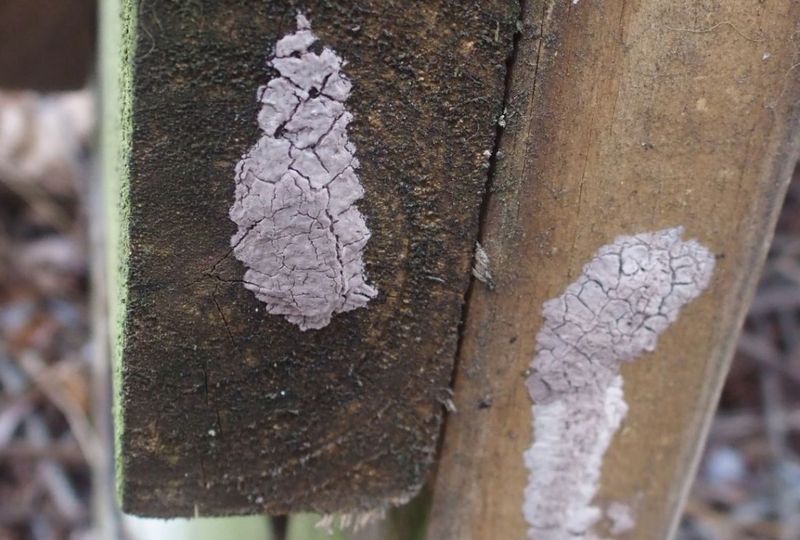
After laying her eggs, a female covers the whole group with a gray, putty-like coating. Over winter, that coating dries and cracks. The result looks a lot like a smear of dried mud or a patch of cracked plaster stuck to a log.
Size gives you a helpful clue. Most masses are about an inch or two long, with a gray to brown, flaky surface. Each one holds roughly 30 to 50 eggs, so one small patch can turn into a crowd of hungry insects.
Check logs, tree trunks, stones, and other flat surfaces. Bark with rough texture can hide them well, so slow down and look closely. Running a gloved finger near a suspicious spot can help, since real mud usually crumbles differently than the waxy coating.
Older masses can look a bit different. When the coating wears away, you may see neat rows of small, seed-like eggs lined up side by side. They often look a little like tiny brown grains of rice packed together.
For North Carolina homeowners, learning this look is a real superpower. Spotting egg masses early stops dozens of insects from hatching in spring and feeding on your plants.
Once you train your eyes, you will start noticing these patches quickly, and you may even help neighbors find them too.
4. Moving Firewood Spreads Them To New Places

Nobody means to give a pest a free ride. Still, people are one of the main reasons spotted lanternflies keep turning up in new places. These insects are not great long-distance flyers, but they are excellent hitchhikers.
Egg masses stay glued to firewood, logs, and outdoor items. Wherever those items travel, the eggs travel too. Move firewood from an infested area, and a brand new population can start miles away once spring warms things up.
That is why the old saying fits so well: buy it where you burn it. Get or gather firewood close to where you plan to use it. Many campgrounds and state parks sell local wood for this very reason.
Skip bringing firewood from other counties or states, even if it seems cheaper or handier. Heat-treated, packaged firewood with a certification label is a safer option when you need to buy wood away from home. It costs a little more, but it saves a lot of trouble.
Before you move wood, outdoor furniture, or equipment, inspect every piece. Look along the bark, under seats, and around legs and frames. A two-minute check could protect a whole town.
North Carolina has already seen how this works. New populations have been linked to spread from established areas in Forsyth and Guilford counties.
Each careful choice you make about firewood helps slow that march and keeps forests, farms, and backyard gardens healthier for everyone.
5. Scrape And Destroy Any Egg Masses You Find
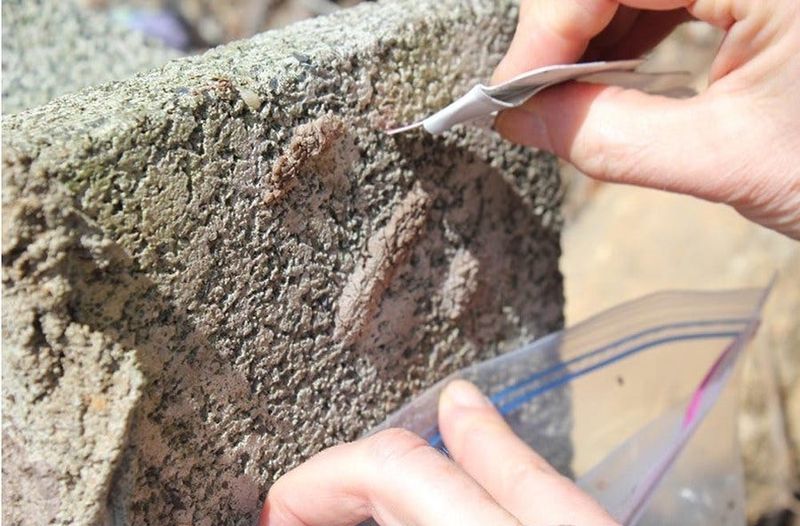
Grab a plastic card and get to work. Removing spotted lanternfly egg masses is one of the easiest and most satisfying ways to fight back. Every single mass you destroy stops dozens of nymphs from hatching and feeding on plants next spring.
An old gift card, a credit card you no longer use, or a putty knife makes a great tool. Hold a zip bag or small container under the mass first. Then scrape firmly from top to bottom so the eggs fall right in.
Fill the bag or container with rubbing alcohol or hand sanitizer before you start. The liquid destroys the eggs so they cannot hatch. Seal it tightly and toss it in the trash.
No alcohol handy? You can smash the eggs thoroughly instead. Press hard enough that you hear or feel them pop, since unbroken eggs may still hatch later.
Do not stop at the first one. Where there is one egg mass, there are often more, so check the rest of the woodpile carefully. Look at nearby trees, rocks, fences, and outdoor furniture as well.
NC State recommends scraping egg masses from fall through early spring, giving you a long window to clean things up.
Turn it into a family project on a sunny weekend afternoon. Kids often love the treasure hunt, and you will feel great knowing your yard will be calmer when the weather turns warm.
6. Report What You Find
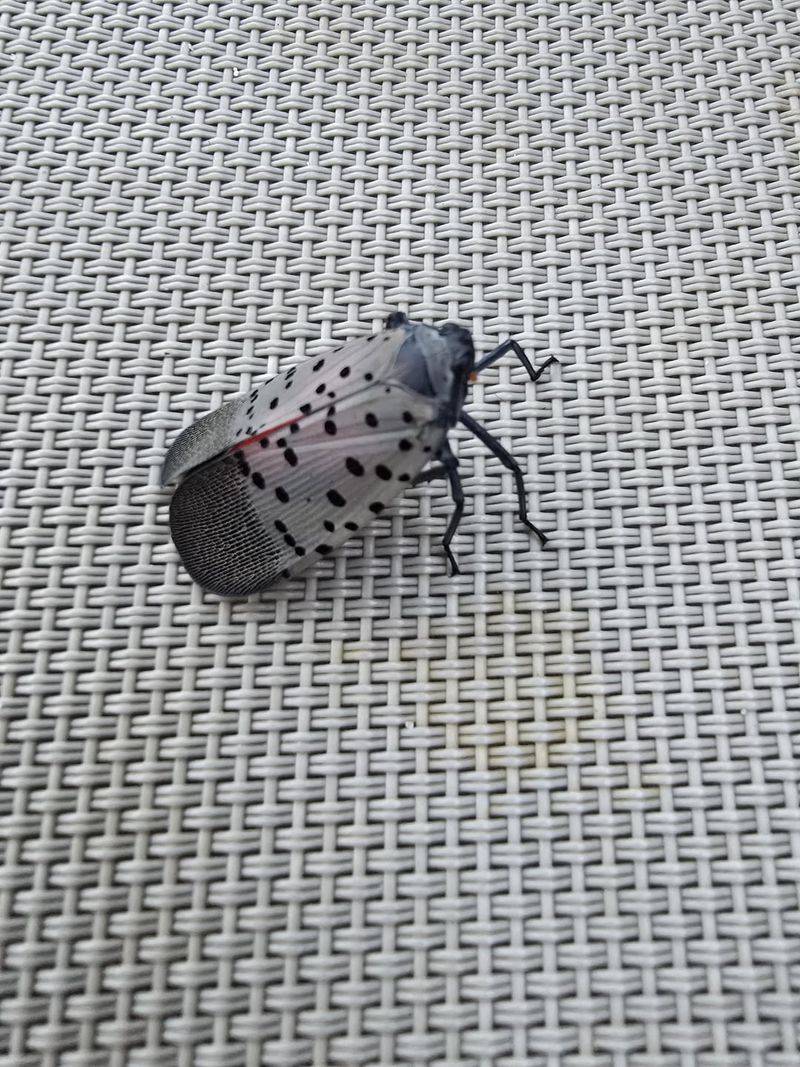
Your phone camera can be a powerful pest-fighting tool. When you spot something that looks like a lanternfly egg mass, nymph, or adult, sharing it with state officials helps everyone.
Reports from regular homeowners have already helped find new populations. State experts track where the pest has spread.
With that map, they can survey new areas and respond quickly before small problems grow large. One photo from your backyard could point them to a spot they did not know about.
Start by taking a clear, close photo. Put a coin or your finger nearby for size if you can. Good lighting and a steady hand make it much easier for experts to confirm what they see.
Next, note the exact location. A street address, nearby crossroads, or GPS pin from your phone all work well. Write down the date too.
Then submit your report online through the North Carolina Department of Agriculture and Consumer Services. Prefer talking to a person? Contact your local Cooperative Extension office, where friendly staff can answer questions and pass your report along.
Reporting matters even if you already scraped the eggs away. In North Carolina, state surveys continue year round in infested counties, and new sightings shape where crews look next. Think of yourself as part of a statewide team.
Every report adds a piece to the puzzle and helps protect vineyards, orchards, and shade trees across the state.
7. Tree Of Heaven Draws Them In
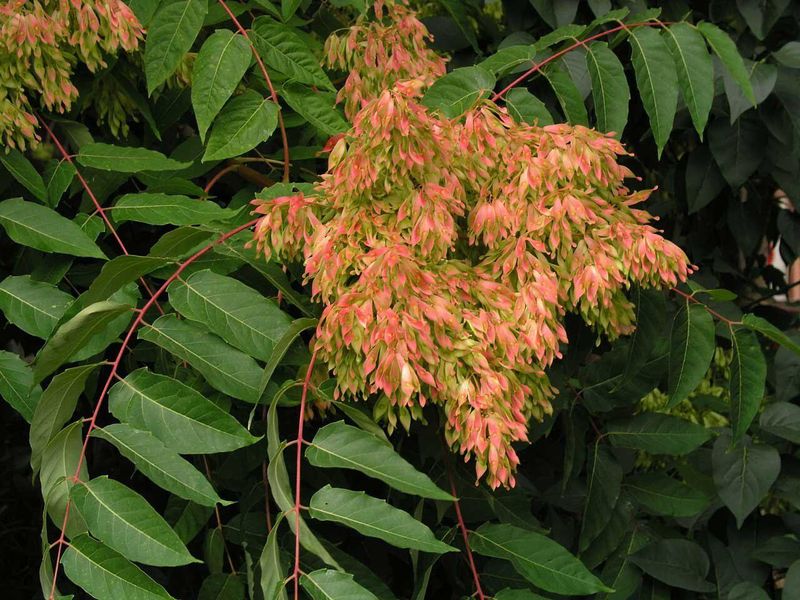
Some trees act like a dinner bell. Tree of heaven, or Ailanthus altissima, is an invasive tree that spotted lanternflies absolutely love. Where this tree grows, lanternfly numbers often climb.
More adults feeding nearby means more egg masses close by. That includes eggs on firewood, logs, and anything else stacked near these trees. If tree of heaven grows near your woodpile, give that pile extra attention.
Learning to recognize the tree is easier than you might think. It has long compound leaves, sometimes two to four feet long, made of many smaller leaflets. Each leaflet has smooth edges with one or two small notches near the base.
Your nose can help confirm it. Crush a leaf, and you will notice a strong, unpleasant smell that some people compare to burnt peanut butter or rancid nuts. Look-alikes such as sumac and black walnut have toothed edges and lack that odor.
Removing tree of heaven takes a smart plan. Cutting it down alone often backfires, because the roots send up a heavy crop of new sprouts. Contact your local Cooperative Extension office for advice on the best removal method for your situation.
In North Carolina, tree of heaven grows along roadsides, fencerows, and vacant lots, often thriving where few other trees can.
Spotting it in your neighborhood helps you know where lanternflies may gather. Taking care of these trees can also make room for native plants that birds, bees, and butterflies enjoy.
8. Check Vehicles And Outdoor Gear Too
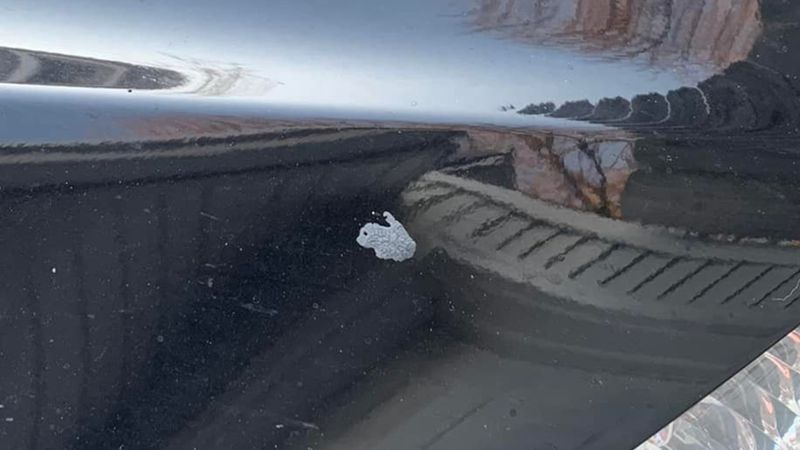
Firewood gets most of the attention, but it is far from the only hiding spot. Female spotted lanternflies are not picky, and they will lay eggs on nearly anything sitting outside. Your car, camper, or patio grill could be carrying a surprise.
Vehicles, trailers, and campers are common targets. So are outdoor furniture, grills, and equipment stored outside, like lawn mowers, ladders, and kayaks. Just like firewood, these items can carry eggs to brand new areas.
Before any road trip, take a slow walk around your vehicle. Check wheel wells, bumpers, the underside of trailers, and the frame of your camper. Peek under hitches and around license plates too.
Outdoor items deserve the same care before you move or sell them. Flip patio chairs over and look under tables. Scan grill legs, tool handles, and the bottoms of stored boats.
Pay extra attention if anything has been parked or stored near infested areas or under trees where adults were feeding. Found an egg mass? Scrape it into a bag with rubbing alcohol, seal it, and throw it away, just as you would with eggs on firewood.
North Carolina has seen the pest spread along major roadways such as Interstate 85 and I-285, which shows how often it travels with people.
A quick check before you hit the highway keeps those eggs from riding along. Small habits like these add up and help keep the Tar Heel State green and thriving.