The California Garden Tasks You Should Finish Before July Heat Arrives
July heat has a way of exposing every task that got pushed aside. A dry pot, a crowded tomato plant, or a thirsty young tree can go from fine to stressed fast once the hottest days settle in.
That makes late June the perfect window for a garden reset. The goal is not to do everything at once.
It is to handle the jobs that help plants stay steady when water disappears faster and afternoon sun gets stronger.
A little pruning, deeper watering, fresh mulch, and quick pest checks can make summer feel much easier on both you and your garden.
California yards often look their best when they enter July prepared, not scrambling.
Finish the right tasks now, and your plants have a better chance to stay healthy, productive, and colorful through the heat.
1. Deep Water Trees Before Heat Waves Hit
Most people water the surface of the soil and call it done. But during summer, that surface moisture disappears within hours.
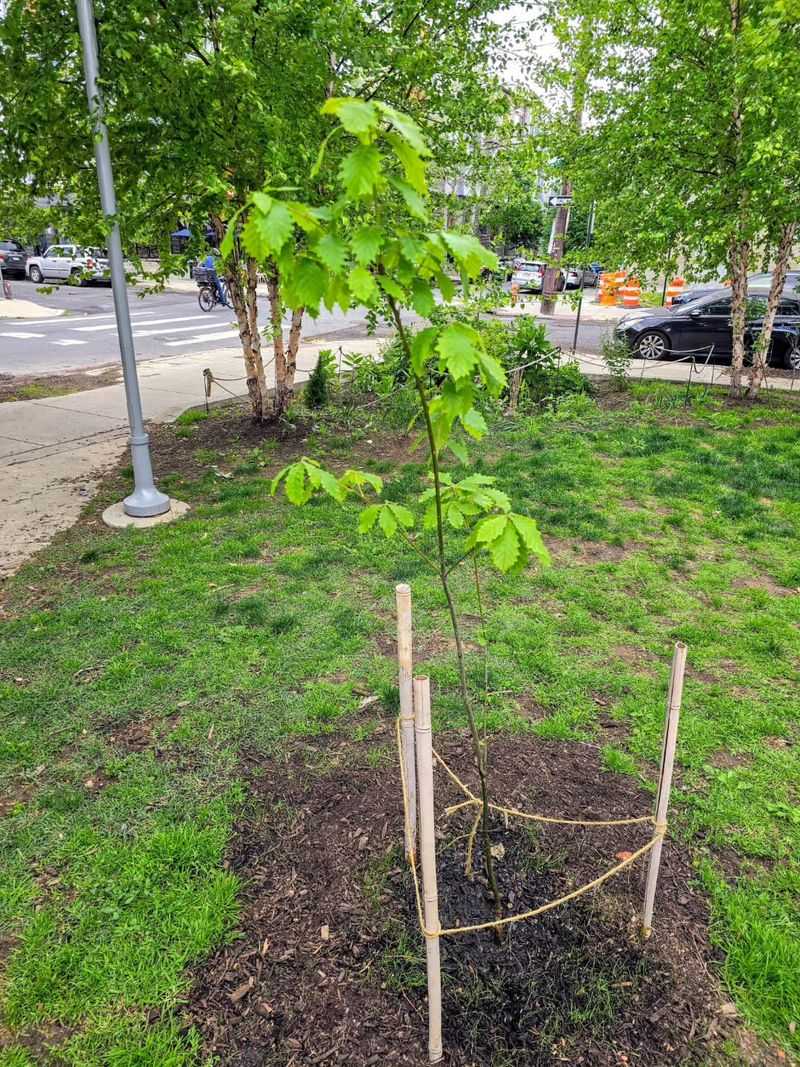
Trees need water that reaches deep into the root zone, and now is the time to start building that moisture reserve.
Deep watering means letting water soak slowly into the ground, reaching roots that sit 12 to 18 inches below the surface.
You can use a slow drip hose, a soaker hose looped around the base, or even a bucket with small holes in the bottom.
Let it run for a long time. A quick sprinkle does not help much for large trees.
Fruit trees, citrus, and ornamental trees all benefit from deep watering before the first real heat wave rolls through.
Once temperatures spike, trees already under water stress can drop fruit early or show scorched leaves.
Starting this practice in late spring gives trees a much better chance of thriving. Water deeply once or twice a week rather than lightly every day.
Deep, infrequent watering encourages roots to grow downward where soil stays cooler and moister. That makes trees stronger and more heat-tolerant over time.
Getting into this habit now will serve your trees well all season long.
2. Mulch Beds Before The Soil Gets Too Hot
Bare soil and summer heat are a bad combination. When the sun beats down on unprotected ground, the soil dries out fast and plant roots suffer.
Mulching your beds before July is one of the smartest things you can do for your garden.
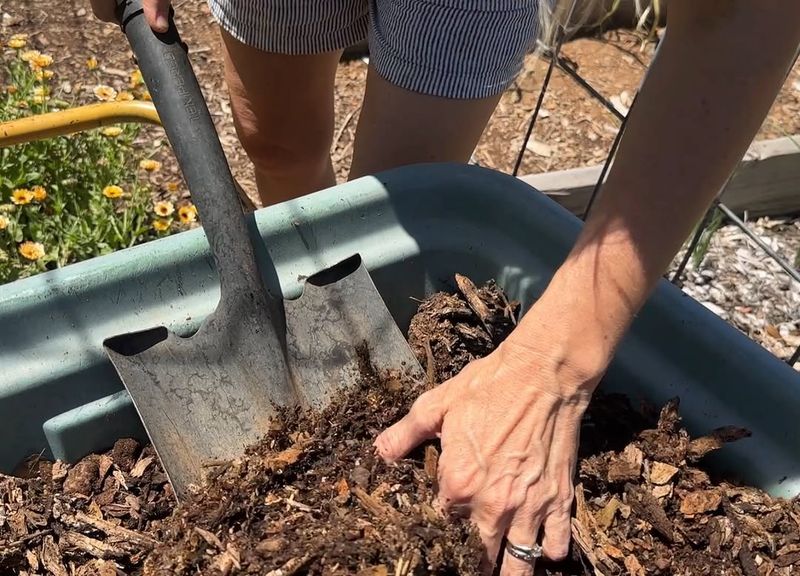
A good layer of mulch acts like a blanket for the soil. It holds in moisture, keeps roots cooler, and slows down evaporation.
Aim for about three inches of mulch around your plants, but keep it away from the base of stems and trunks. Too much mulch pressed against a stem can cause rot.
Wood chips, straw, and shredded bark all work well. You can even use dry leaves if you have them on hand.
Organic mulches break down over time and add nutrients back into the soil, which is a bonus.
Apply mulch now, before the ground heats up, and you will notice your plants holding up much better during heat waves.
Your California Garden Changes Every Week. Your Plan Should Too.
Gardening in California changes quickly throughout the season. Every Friday you’ll receive a simple weekly plan showing exactly what to plant, prune, fertilize, harvest, and protect so you never miss the right timing.
Watering frequency can drop significantly once mulch is in place. That means lower water bills and less time dragging hoses around.
It is a simple task with a big payoff. Many gardeners say mulching is the single best thing they do each year to prepare for summer.
3. Check Drip Lines Before Plants Start Wilting
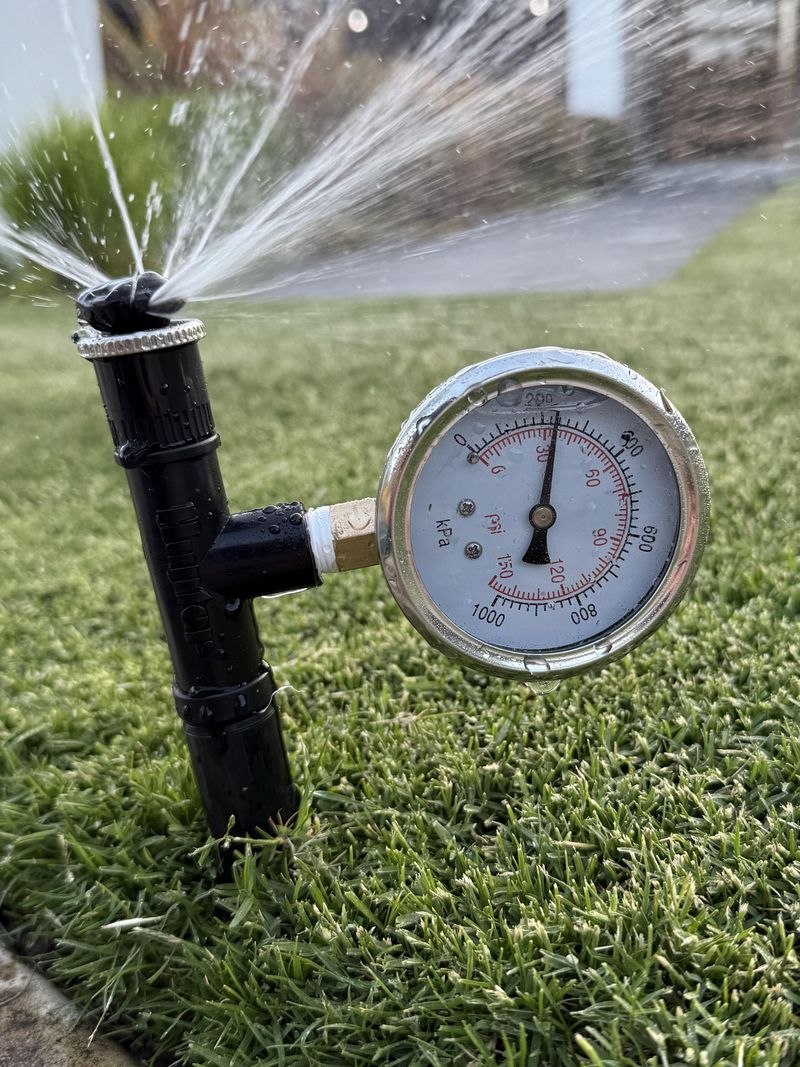
Nothing is more frustrating than losing a plant to dehydration when you thought your irrigation was running fine.
Drip systems can develop clogs, cracks, and disconnected lines over winter and spring without you ever noticing. A quick inspection now can save a lot of heartache later.
Walk your entire drip system while it is running. Watch each emitter to make sure water is actually coming out.
Look for lines that have been chewed by animals, cracked by sun exposure, or pulled apart by foot traffic. Check the filter at your main valve and rinse it out if it looks dirty.
A clogged filter reduces pressure across the whole system.
Also check your timer settings. What worked in April may not be enough for July.
Most vegetables and flowers need more water as temperatures rise, so adjust your run times before the heat arrives. Adding extra emitters near large plants is also a good idea at this stage.
A small investment of time now prevents wilted plants, wasted water, and expensive replacements down the road.
Drip systems are one of the most efficient ways to water, but only when they are working correctly.
Take 30 minutes to inspect yours now, and your whole garden will be better off for it.
4. Move Vulnerable Containers Into Afternoon Shade
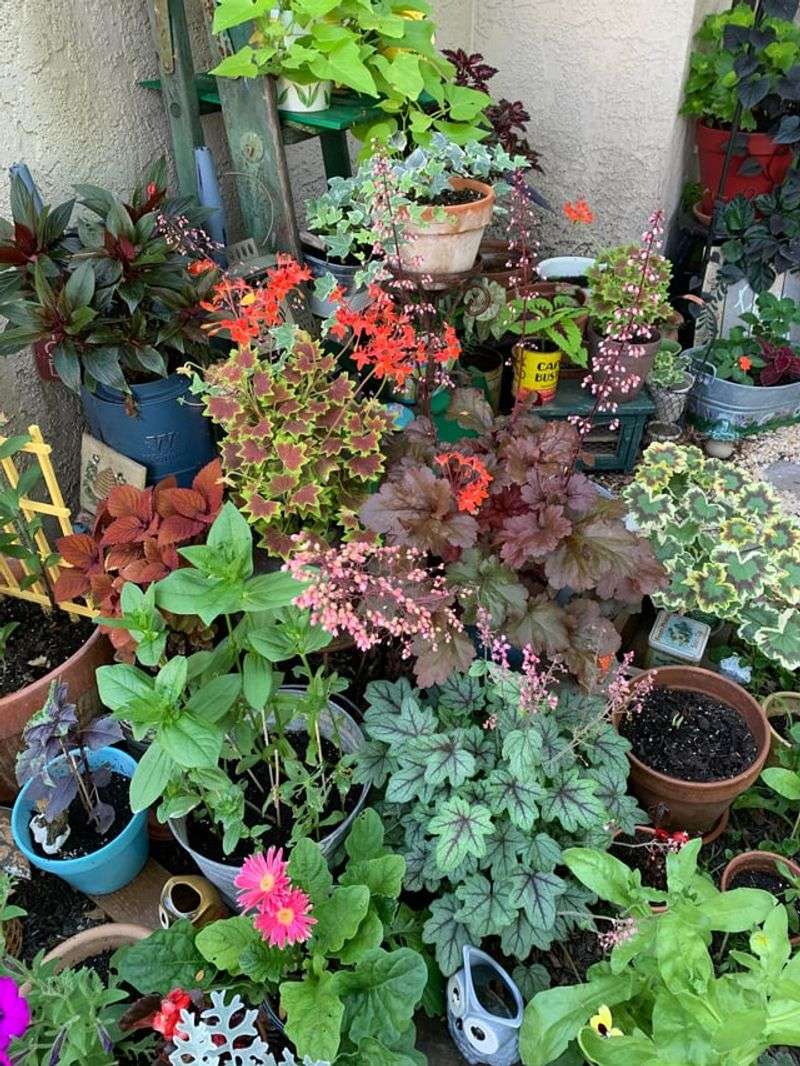
Container plants are some of the most vulnerable in the garden when summer heat hits. Unlike plants in the ground, potted plants have nowhere to send their roots in search of cooler, moister soil.
The walls of the pot heat up fast, and the soil inside can reach temperatures that damage roots quickly.
Afternoon sun is the most intense of the day, especially from about 1 to 5 p.m. Moving sensitive containers to a spot that gets morning sun but afternoon shade can make a dramatic difference.
Ferns, impatiens, begonias, and many herbs like basil and cilantro do much better when shielded from that harsh late-day heat.
Even plants that like full sun can benefit from a little afternoon protection during extreme heat events. Terracotta pots are especially prone to heating up since they are porous and absorb warmth from the sun.
Dark-colored pots do the same. If you cannot move your containers, try wrapping them in burlap or placing a second pot around the first to add insulation.
Light-colored pots also stay cooler than dark ones. Rearranging your container garden before July arrives takes very little effort but can protect plants that might otherwise struggle through the season.
5. Group Potted Plants To Slow Moisture Loss
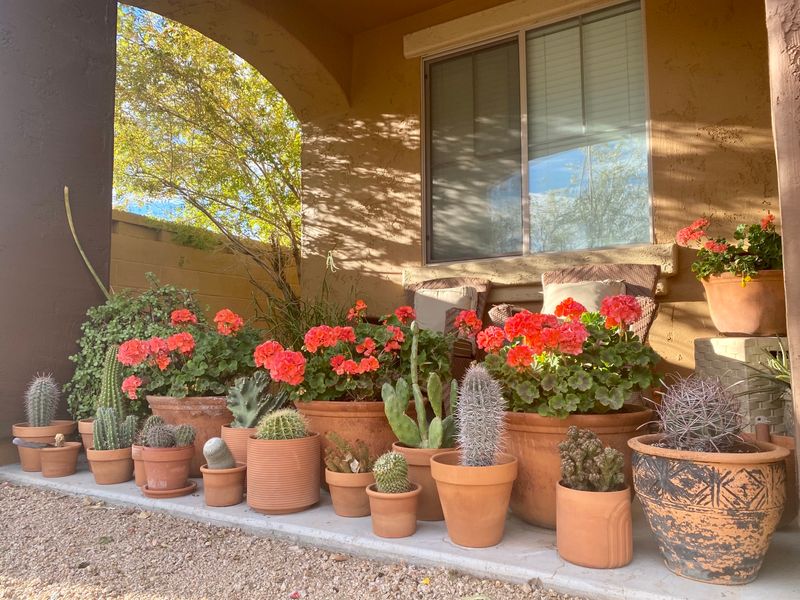
Here is a gardening trick that not everyone knows about. When you cluster pots together, they create their own little microclimate.
The leaves shade each other, the air between them stays a bit more humid, and moisture evaporates more slowly from each pot. It sounds simple because it is.
Grouping plants works especially well for herbs, tropical plants, and anything that prefers consistent moisture. Place taller plants behind shorter ones so the bigger foliage provides natural shade.
You can even tuck moisture-loving plants right in the center of the group where they get the most protection from drying air.
This method also makes watering easier. Instead of running around to 15 individual pots scattered across your yard, you can water them all in one spot.
That saves time and makes it less likely you will forget one. Before July arrives, take a look at how your containers are spread out.
If they are isolated all over the patio or yard, consider grouping them into clusters of three to five. It costs nothing and takes only a few minutes to rearrange.
The result is healthier plants that need less attention during the hottest weeks of summer. Small changes like this add up to big results in a hot-weather garden.
6. Harvest Cool-Season Crops Before They Bolt
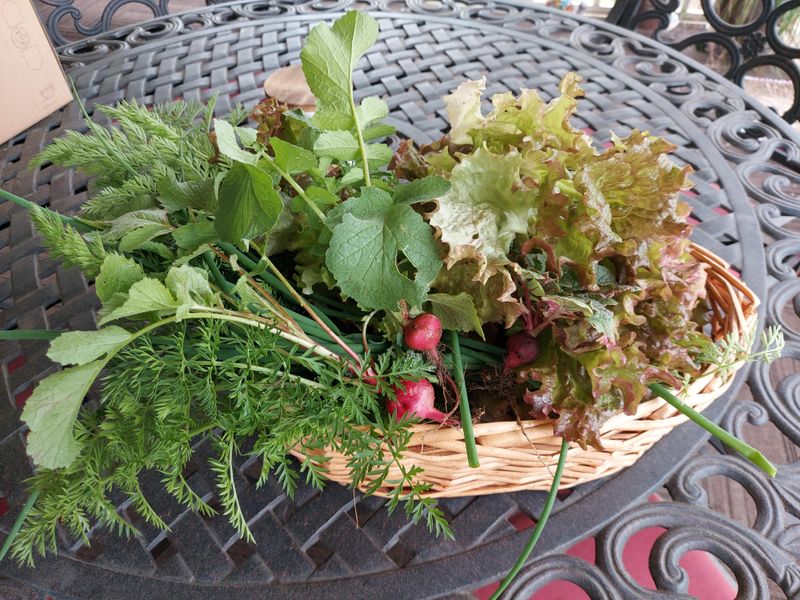
Lettuce, spinach, cilantro, and other cool-season crops have a short window before heat pushes them into bolt mode. Bolting means the plant shifts energy away from leaves and toward producing seeds.
Once that happens, leaves turn bitter and the plant stops being useful in the kitchen.
Watch your crops closely in late spring. If you see a tall center stalk starting to grow, that is the first sign of bolting.
Harvest everything you can right away. Cut the whole plant down to the base, collect the leaves, and enjoy them before they get too tough or bitter.
Some plants like arugula and cilantro bolt faster than others.
After harvesting, pull out the spent plants and add them to your compost pile. Use that garden space for heat-tolerant crops like basil, beans, or summer squash.
You can also plant a second round of cool-season crops in late summer for a fall harvest, once temperatures drop again.
Keeping a garden journal or calendar helps you track when things bolt each year, so you can plan better next season.
Getting into the habit of harvesting before the heat arrives means less waste and more food on your table. Your garden stays productive all year when you pay attention to seasonal timing.
7. Pull Weeds Before They Steal Summer Water
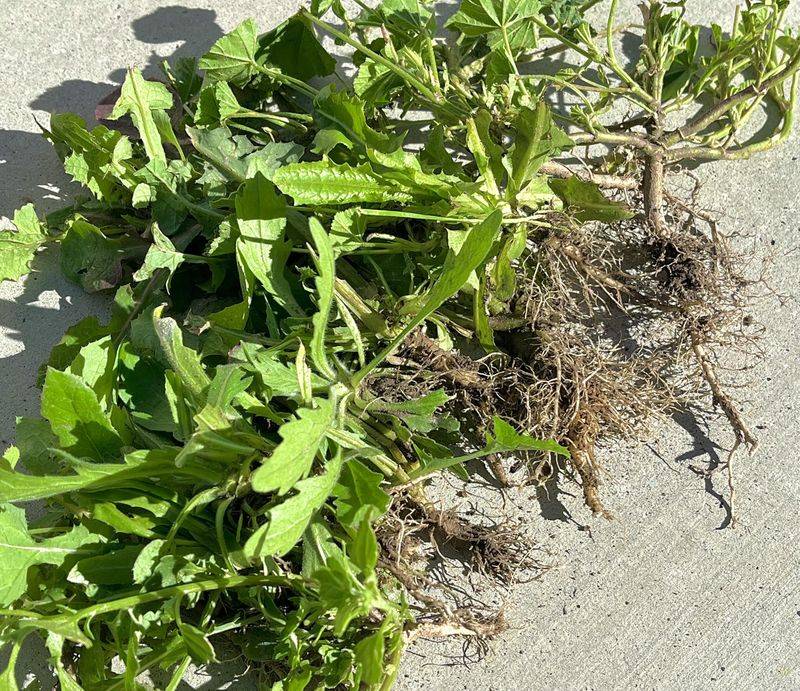
Weeds are sneaky competitors. They look harmless when they are small, but they grow fast once summer arrives.
Every weed in your garden is pulling water and nutrients away from the plants you actually want to grow. Getting rid of them now, before heat sets in, is much easier than dealing with them mid-July.
Weeds are easier to pull when the soil is moist. Water your beds the day before you plan to weed, and the roots will come out more cleanly.
Use a hand weeder or hoe to get the root out completely. Leaving the root behind means the weed grows right back within a week or two.
Pay special attention to areas around drip emitters and at the base of trees. Weeds near water sources get the most benefit and grow the fastest.
Some common summer weeds in our state include purslane, spurge, and crabgrass. They are tough, fast-spreading, and relentless in warm weather.
After weeding, apply mulch over the cleared areas to stop new weed seeds from sprouting. Mulch blocks sunlight and makes it much harder for weeds to establish.
A clean, weed-free garden heading into summer means your plants get all the water they need without competition.
That alone can make a noticeable difference in how well your garden performs during the hottest months.
8. Deadhead Flowers Before They Stop Blooming
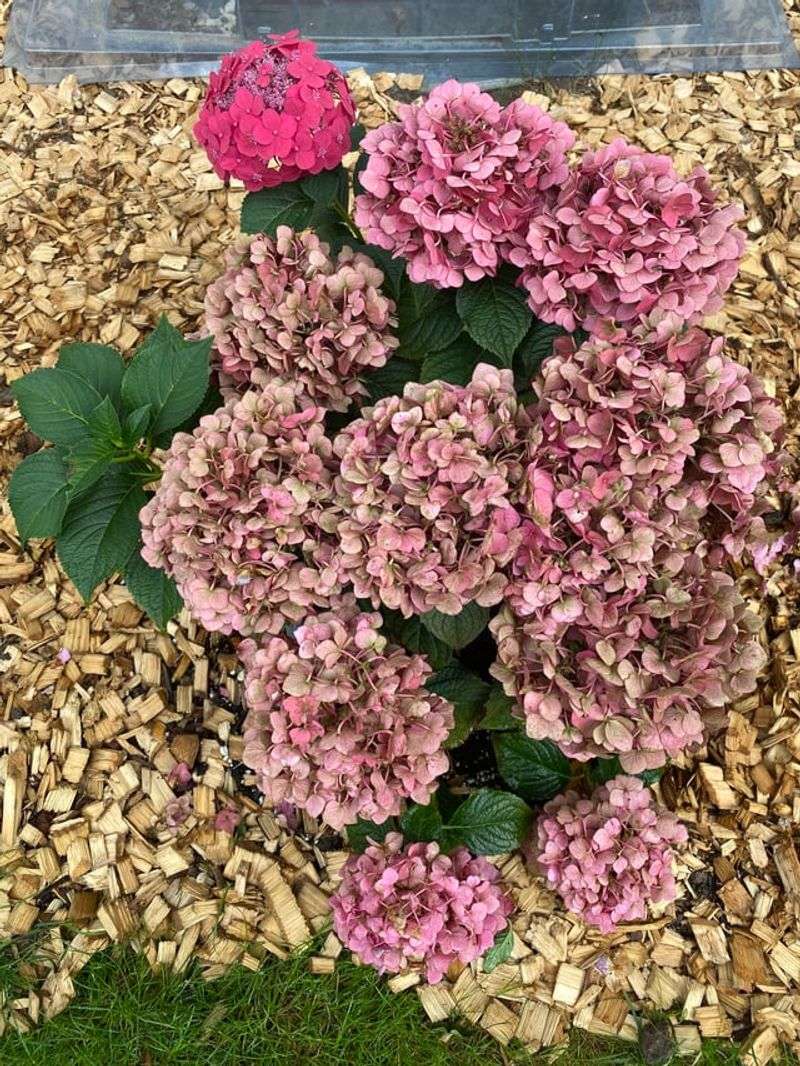
Spent blooms are not just an eyesore. They are actually signaling the plant to stop producing new flowers and start making seeds.
Deadheading, which means removing those faded blooms, tricks the plant into thinking it still needs to flower. The result is more color for a longer period of time.
Roses, zinnias, marigolds, petunias, and salvias all respond well to regular deadheading. Use clean garden scissors or pruning shears and cut the spent flower back to just above a healthy leaf node.
This keeps the plant looking tidy and redirects energy into new growth and new blooms.
Before July arrives, give all your flowering plants a good once-over. Remove every faded or browning bloom you can find.
This is also a great time to check for signs of fungal problems or pest damage on the leaves. Catching those issues early makes them easier to manage.
In our state, summer heat can shorten the blooming season for many flowers, so every extra week of color counts. Deadheading takes maybe 15 to 20 minutes per week once you get into the habit.
It is a calming, satisfying task that makes your garden look polished and keeps it producing beautiful blooms well into the warmer months ahead.
9. Check Tomatoes For Water Stress Early
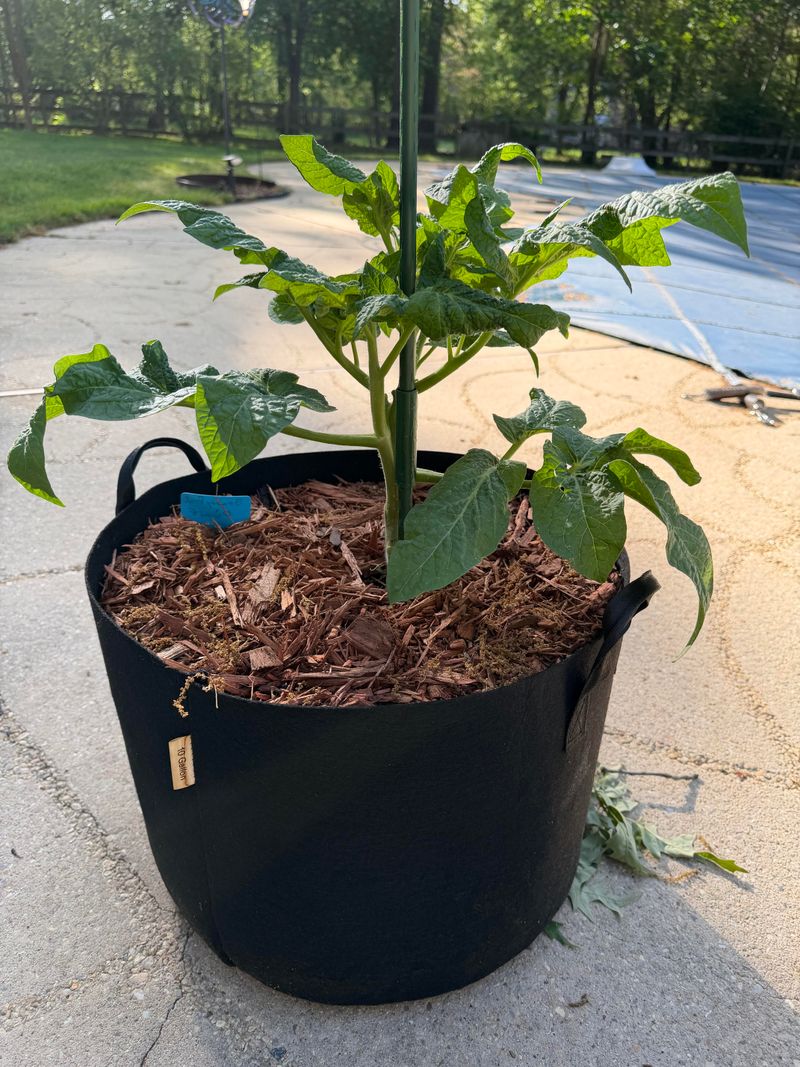
Tomatoes are one of the most popular vegetables grown in our state, but they are also one of the most sensitive to inconsistent watering. Uneven moisture leads to problems like blossom end rot and fruit cracking.
Catching water stress early, before July heat arrives, sets your tomatoes up for a productive season.
Look for leaves that curl upward during the heat of the day. Some curling is normal, but if leaves stay curled in the morning before temperatures rise, that is a sign the plant is not getting enough water.
Also check the soil about two inches down. If it is dry at that depth, it is time to water.
Tomatoes prefer deep, consistent moisture rather than frequent shallow watering.
Make sure your tomatoes are well-staked or caged before heat arrives. A heavy plant falling over in July is hard to fix without breaking branches.
Also check for any yellowing lower leaves, which can be an early sign of fungal disease. Remove those leaves and improve airflow around the plant.
Adding a thick layer of mulch around tomato plants helps keep soil temperature steady and moisture levels consistent.
Healthy tomatoes going into the hot season are far more likely to produce a generous harvest. A little early attention now pays off in a big way come harvest time.
10. Inspect Leaves For Whiteflies And Spider Mites
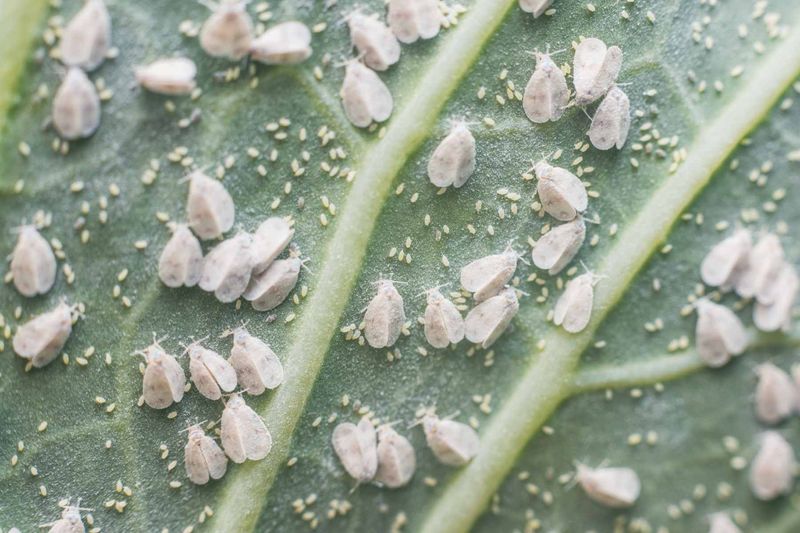
Hot, dry weather is prime time for two of the most annoying garden pests around: whiteflies and spider mites. Both thrive when temperatures rise and humidity drops.
By the time you notice real damage, a small infestation can already be a large one. Checking your plants now gives you a head start.
Whiteflies look like tiny white moths and cluster on the undersides of leaves. When you brush a leaf and a cloud of white insects flies up, you have got them.
Spider mites are even smaller and leave behind fine webbing on leaves. They cause a dusty, stippled look on leaf surfaces, which is a sign they have been feeding for a while.
Both pests can be managed with a strong spray of water from a hose, which physically knocks them off leaves. Insecticidal soap or neem oil sprays also work well and are safe for most garden plants.
Apply in the early morning or evening to avoid burning leaves in the heat. Check the undersides of leaves on tomatoes, peppers, squash, and ornamental plants at least once a week.
Catching an infestation early means you can handle it with minimal effort. Waiting until mid-July when pest populations have exploded makes control much harder and more time-consuming.