What Tennessee Bamboo Rules Say Before Rhizomes Reach The Neighbors
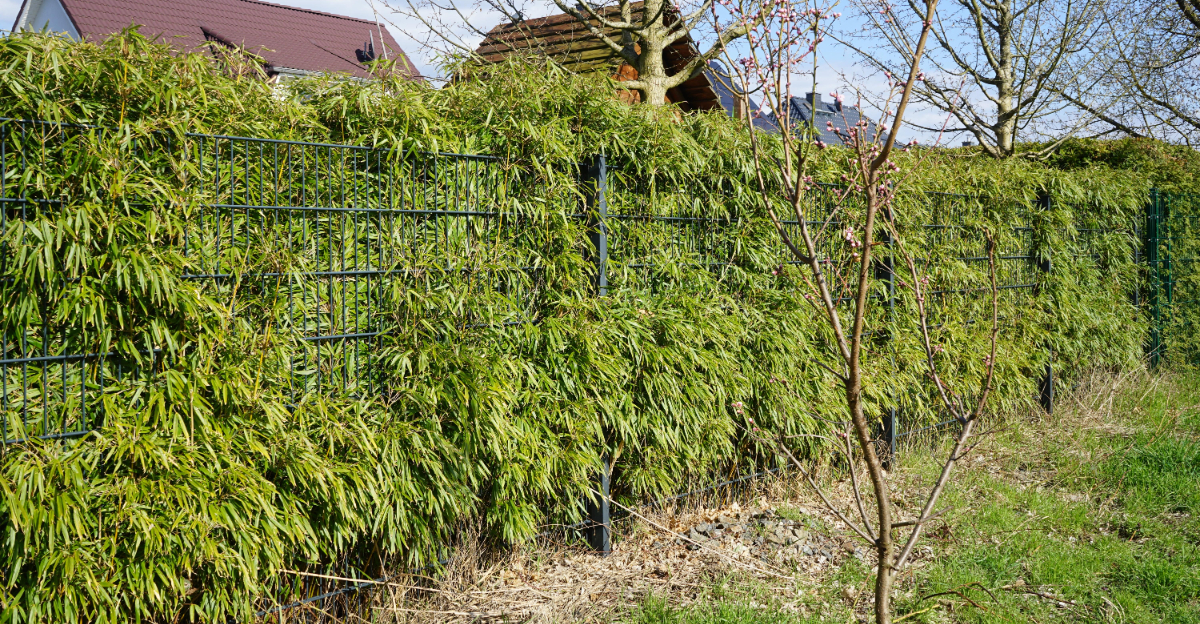
Bamboo spreads through Tennessee backyards long before anyone notices the first shoot breaking through the lawn. Underground, rhizomes push outward in every direction, indifferent to property lines and fences.
A single planting can send roots dozens of feet away within one growing season, surfacing in flower beds, driveways, and yards you never intended to landscape. Tennessee’s regulations exist because of exactly this behavior.
Homeowners who skip the research often find themselves facing removal costs that dwarf what they spent on the original planting, plus a strained relationship with whoever lives next door.
Property Line Setbacks Are Legally Required
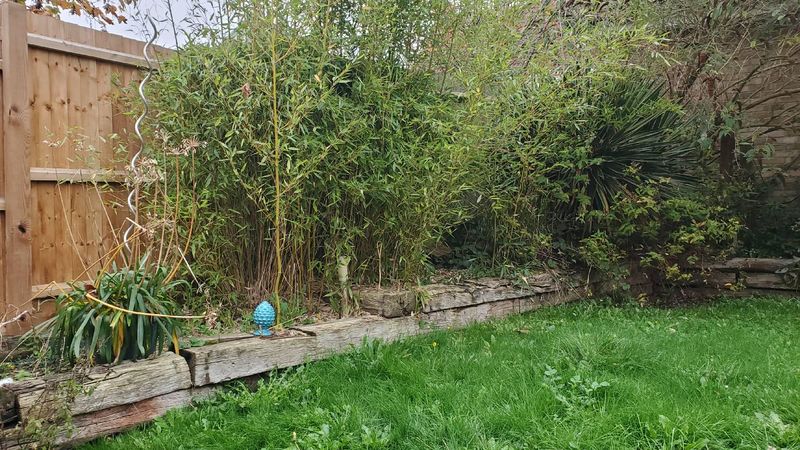
Your neighbor did not sign up for bamboo. Tennessee property law takes that seriously, and setback requirements exist to protect both sides of the fence.
A setback is the minimum distance a plant must be from a property line. For running bamboo varieties, some Tennessee counties include setback requirements in their local landscaping codes.
Running bamboo is the aggressive type. Its rhizomes spread horizontally just below the soil surface, sometimes reaching a neighboring yard within one growing season.
Clumping bamboo behaves differently. It grows outward slowly and stays relatively contained, which is why some local rules treat it with more leniency than running types.
Still, even clumping varieties can become a problem over many years. Checking your specific county rules before planting is a smarter move.
Property surveys matter here too. You need to know exactly where your line sits before measuring any setback distance accurately.
Some homeowners assume a fence marks the legal boundary. Fences are often off by several feet from the actual recorded property line.
Getting a professional survey done costs a few hundred dollars. That investment is far cheaper than a neighbor lawsuit or forced bamboo removal later.
Tennessee has held property owners responsible when encroaching plants cause real property damage. The legal standard applied is often a nuisance claim, which allows a neighbor to seek damages when actual harm occurs.
Setbacks are not suggestions. They are enforceable boundaries that protect your wallet and your relationships on the block.
Rhizome Barriers Prevent Unwanted Spread
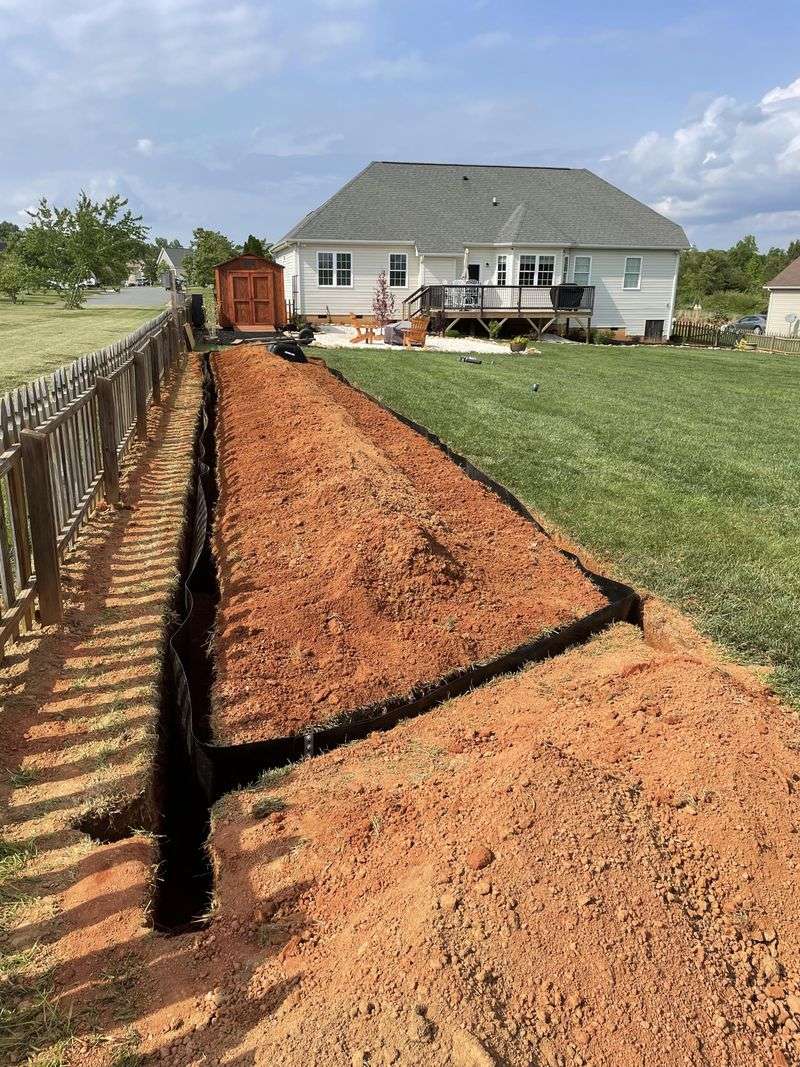
Imagine waking up to bamboo shoots poking through your neighbor’s flower bed. That nightmare scenario is exactly what a rhizome barrier is designed to stop before it starts.
A rhizome barrier is a thick, dense material buried vertically in the soil around a bamboo planting. It physically blocks underground roots from traveling beyond the designated area.
High-density polyethylene, or HDPE, is the most recommended material for this job. It should be at least 60 mil thick to withstand the pressure of aggressive running bamboo roots.
Depth matters enormously when installing a barrier. Most experts recommend burying it at least 28 to 30 inches deep to catch rhizomes before they sneak underneath.
The barrier should also extend two to three inches above the soil line. That above-ground lip redirects any rhizome trying to loop over the top edge.
Cheap plastic sheeting will not hold up. Bamboo roots are surprisingly strong and will punch right through thin or low-quality materials within a few seasons.
Your Tennessee Garden Changes Every Week. Your Plan Should Too.
Gardening in Tennessee changes quickly throughout the season. Every Friday you’ll receive a simple weekly plan showing exactly what to plant, prune, fertilize, harvest, and protect so you never miss the right timing.
Installation requires digging a narrow trench around the entire planting area. Connecting the barrier ends securely is critical, because even a small gap becomes an escape route.
Annual inspections of the barrier keep problems from sneaking up on you. Walk the perimeter each spring and look for rhizomes attempting to crest the top.
Catching a breakout early saves enormous effort later. A rhizome barrier is one of the best investments a Tennessee bamboo grower can make from day one.
Local Ordinances Vary By City And County
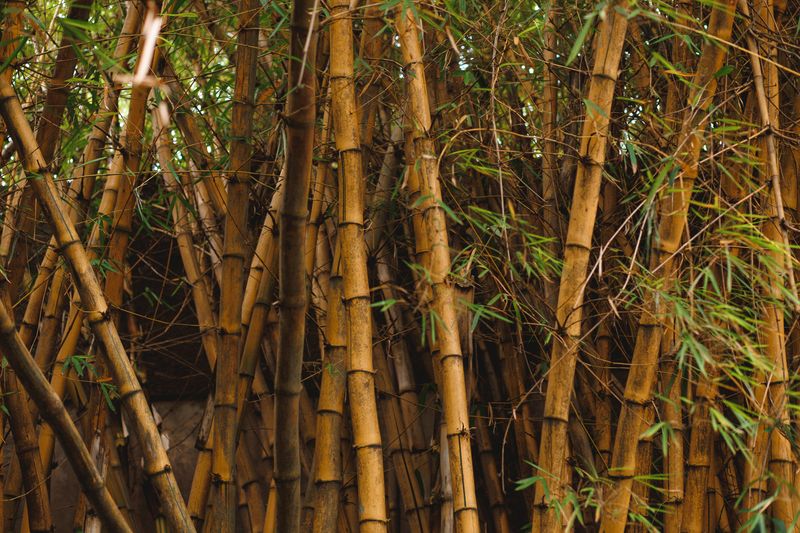
Nashville has different rules than Knoxville. Chattanooga has different rules than Memphis. Tennessee bamboo ordinances are not one-size-fits-all, and that patchwork of local laws trips up homeowners constantly.
Some cities have passed specific bamboo ordinances that regulate planting distances, species types, and containment requirements. Others rely on broader nuisance or invasive species statutes instead.
A few Tennessee municipalities regulate or restrict the planting of running bamboo within city limits. Violating those rules can result in fines and mandatory removal at the homeowner’s expense.
Rural counties often have fewer formal ordinances on the books. That does not mean anything goes, because state-level nuisance law still applies to all property owners statewide.
Homeowners associations add another layer of complexity. Many HOAs in Tennessee have their own landscaping rules that are stricter than what the local government requires.
Checking with your county extension office is one of the fastest ways to get accurate local information. Extension agents know the regional plant rules and can point you to the right documents.
City planning departments are another solid resource. A quick phone call or website visit can clarify whether your address falls under any specific bamboo planting restrictions.
Ignorance of a local ordinance is not a legal defense. Property owners are generally held responsible even when they claim they did not know a rule existed.
Doing a little research upfront protects you from costly surprises. Local rules are public information, and finding them takes less effort than dealing with a violation notice.
Neighbor Disputes Often Lead To Legal Action
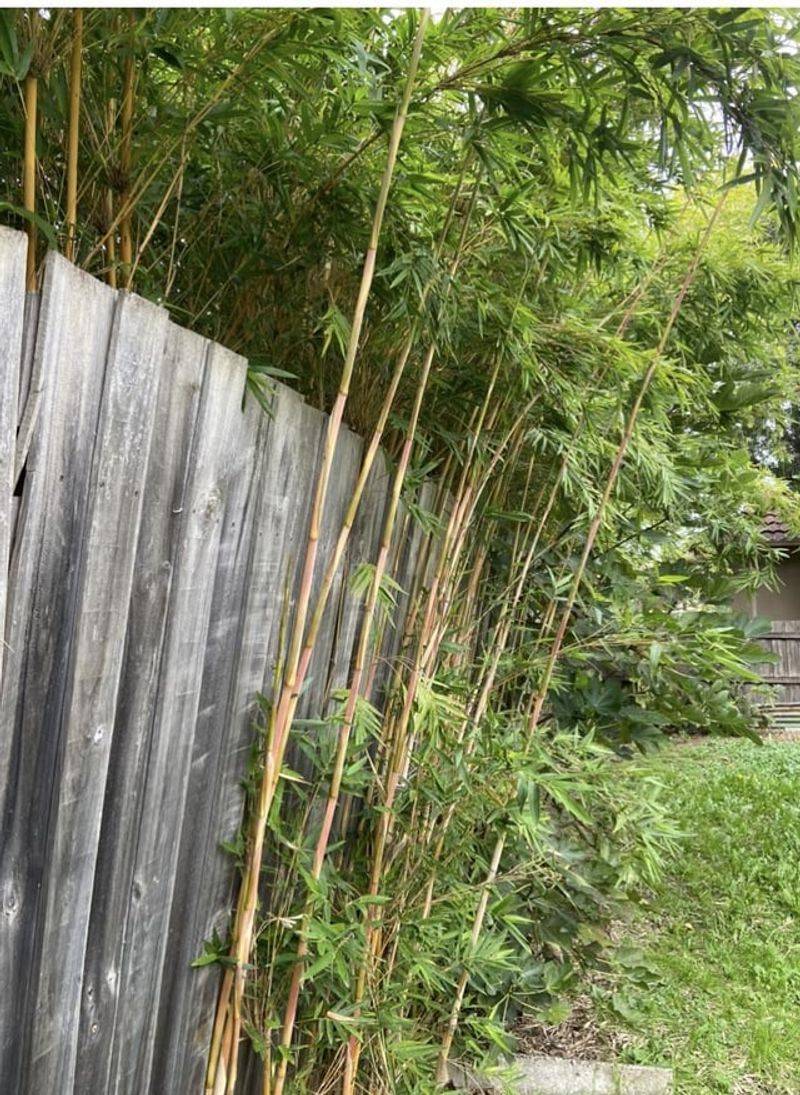
Bamboo disputes are becoming a common source of neighbor litigation across the South. What starts as a casual complaint can escalate into a full courtroom battle surprisingly fast.
Tennessee has moved away from the old “Massachusetts Rule,” which limited neighbors to trimming encroaching roots themselves. Under current Tennessee law, a landowner can be held liable if their plants cause actual harm to a neighboring property.
Harm can include structural damage to fences, driveways, foundations, or underground utilities. Courts have awarded damages to neighbors whose properties were physically affected by encroaching bamboo roots.
Documentation is everything in these disputes. Photographs with timestamps, written notices, and records of any conversations create a paper trail that protects both parties in court.
Sending a certified letter before filing a lawsuit is a common first step many neighbors take. That letter gives the bamboo owner a chance to fix the problem without court involvement.
Mediation is a less expensive alternative to litigation. Many Tennessee counties offer community mediation services that help neighbors resolve plant disputes without hiring attorneys.
Small claims court handles cases involving lower dollar amounts of damage. For larger claims, circuit or chancery court becomes the appropriate venue in Tennessee.
Attorney fees in neighbor disputes can exceed the actual cost of bamboo removal. That financial reality pushes many homeowners toward settling rather than fighting.
Proactive communication with neighbors prevents most disputes from reaching this point. A friendly conversation before planting bamboo beats a subpoena arriving in your mailbox afterward.
Containment Methods Homeowners Should Install
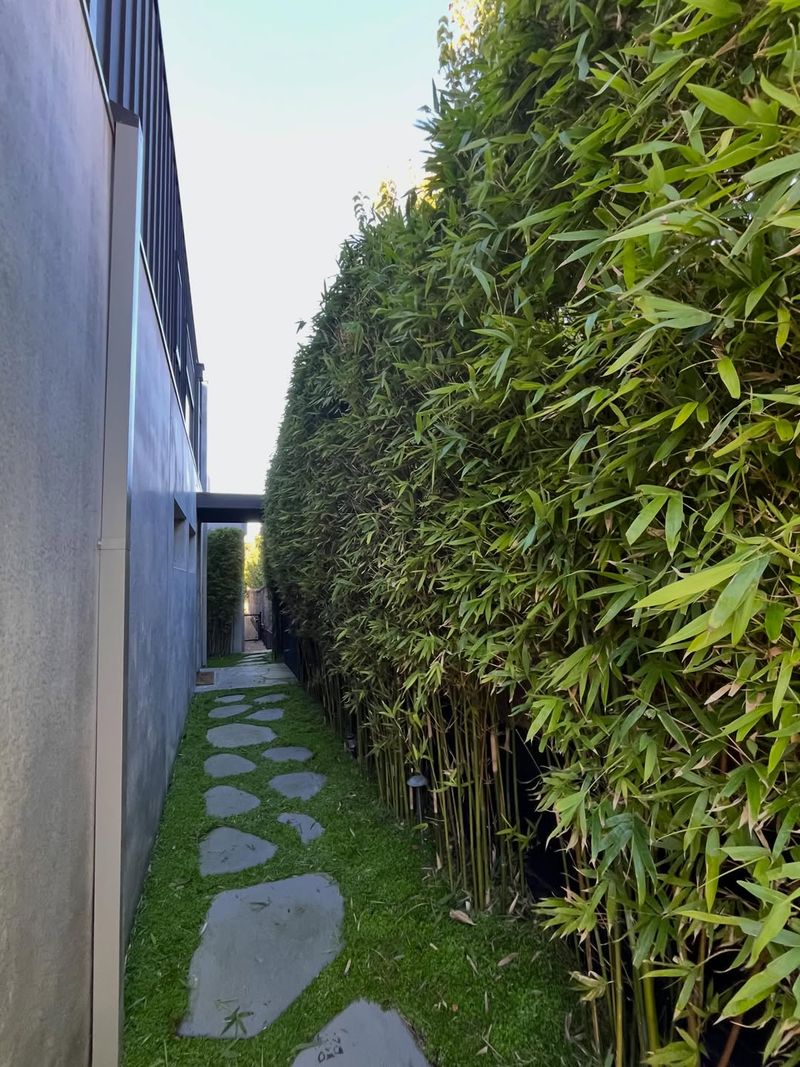
Containment is not optional when you grow running bamboo in Tennessee. It is the practical line between being a good neighbor and becoming someone’s legal problem.
Root pruning is one of the most effective ongoing containment strategies. Using a sharp spade, you slice along the outer edge of the planting each spring to sever any escaping rhizomes.
This annual pruning routine is a manageable task for a medium-sized grove. Staying consistent with it year after year keeps the bamboo from gaining any underground momentum.
Container growing is another smart approach for smaller spaces. Planting bamboo in a large buried pot or raised bed limits root travel without requiring a full perimeter trench.
Mowing a buffer zone around the planting area also helps significantly. Any new shoots that pop up outside the main grove get cut down before they establish themselves.
Gravel trenches filled with coarse rock can slow rhizome travel in some soil types. The dry, loose texture makes it harder for roots to push through compared to soft garden soil.
Combining methods gives you the strongest protection available. A buried barrier plus annual root pruning plus a mowed buffer zone creates a triple layer of defense.
Inspect your containment setup every spring before the growing season kicks in. Bamboo grows fastest between April and June in Tennessee, so early detection matters.
Containment installed before planting is far easier than containment added after the fact. Starting right saves you enormous labor and prevents Tennessee bamboo rules from becoming your personal legal headache.
Removing Bamboo That Has Already Spread
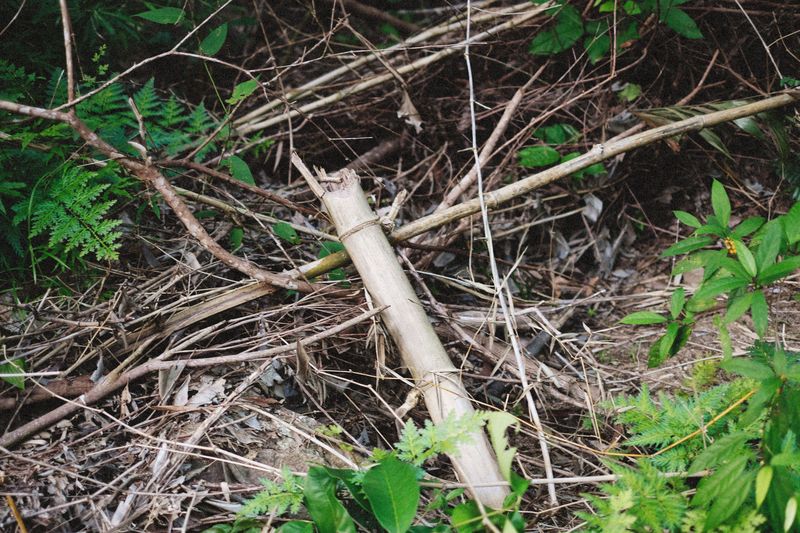
Bamboo that has already escaped takes real effort to bring back under control. Removal is one of the most physically demanding landscaping jobs a homeowner can take on.
The first step is cutting all the stalks down to ground level. Removing the above-ground growth starves the root system of the energy it needs to keep expanding.
After cutting, you must excavate the rhizomes manually. A mattock or garden fork works better than a shovel for pulling up the dense, tangled root network hiding underground.
Every piece of rhizome left in the soil can regrow. Even a small root fragment with a node on it can send up new shoots the following spring.
Repeated cutting over two to three growing seasons weakens the root system progressively. Each time new shoots emerge, cut them immediately before they produce leaves that feed the roots.
Black plastic sheeting laid over the area blocks sunlight from reaching new growth. Combined with regular cutting, this smothering method speeds up the exhaustion of underground energy reserves.
Professional removal services exist for large infestations. Costs vary widely, but hiring experts with excavation equipment can save weeks of backbreaking manual labor.
Herbicide applications are sometimes used as a last resort on stubborn patches. Tennessee regulations require following all label instructions carefully, especially near water sources or property lines.
Patience is the most important tool in bamboo removal. Staying persistent with Tennessee bamboo rules in mind protects your property and keeps peace with everyone around you.