Why Georgia Gardeners Are Summer Pruning Blueberries Right Now Instead Of Winter
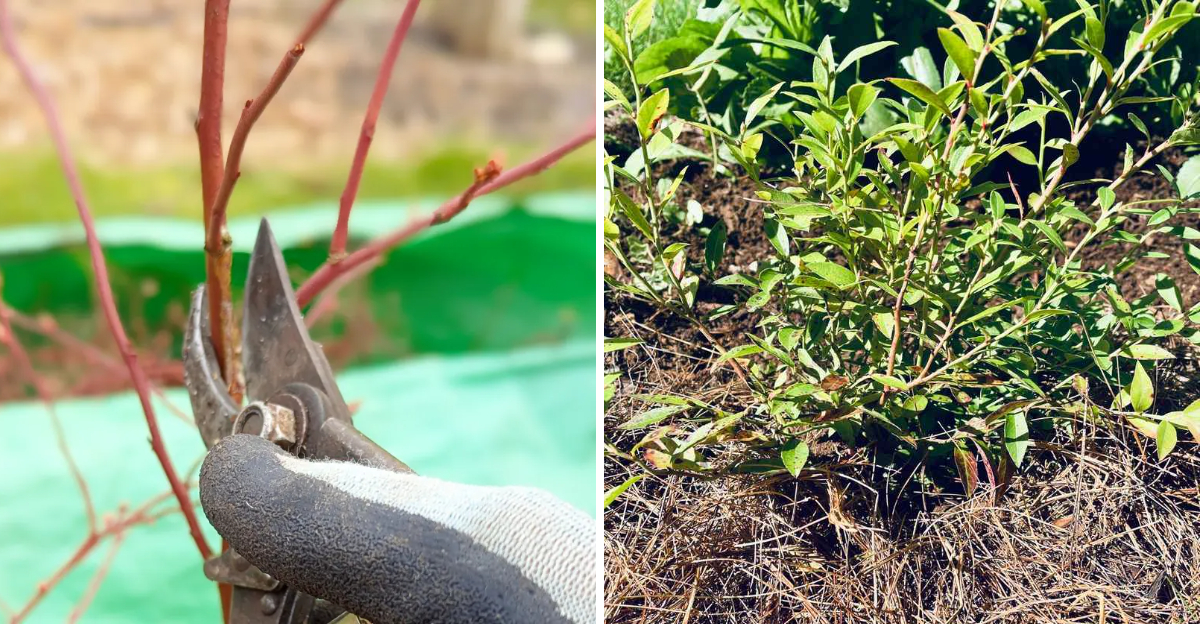
Waiting until winter is not the only way to care for blueberry bushes. Many Georgia gardeners are reaching for their pruners while summer is still in full swing.
That might sound surprising, but there is a good reason behind the timing. A few careful cuts now can help plants stay healthier and grow more strongly next season.
Do not assume every branch should stay until colder weather arrives. Summer pruning has a different purpose, and knowing when to do it matters.
Taking the right approach now can save extra work later. It also helps prepare bushes for the months ahead.
Understanding why experienced gardeners make this move could change the way you care for your blueberries every single summer from now on.
1. Summer Pruning Helps Shape Next Year’s Growth
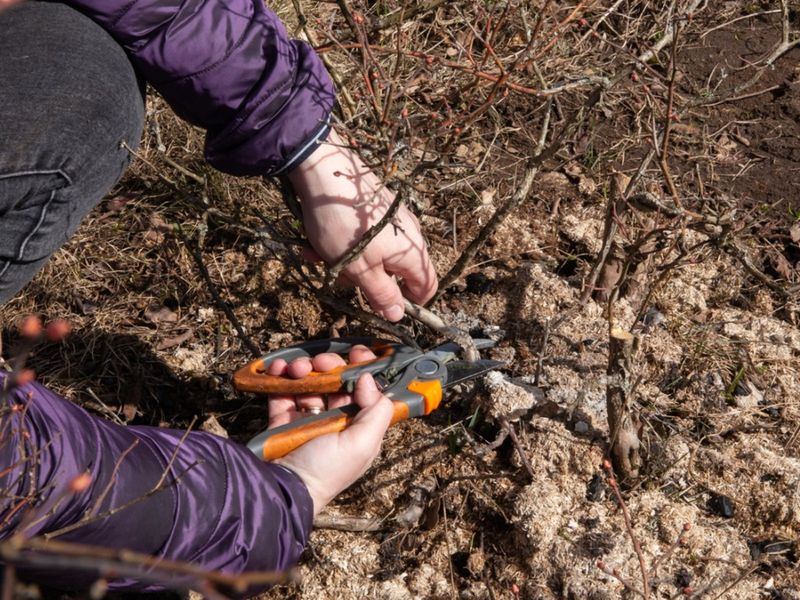
Pruning in summer is not just about cleanup. It directly influences how many fruit buds your blueberry plant sets for the following season.
Blueberries produce fruit on wood that grew the previous year.
When you prune right after harvest, you give new canes the entire rest of the growing season to mature and harden off properly.
That longer window matters a lot in a warm climate. New growth that starts in July has months to strengthen before dormancy hits.
Winter pruning removes canes that already spent all summer developing. Cut them then, and you lose the fruit buds they were carrying.
Shaping a bush in summer also lets you guide where energy goes. Redirect it toward younger, stronger canes and the plant responds noticeably.
Rabbiteye and southern highbush varieties, both common in Georgia, respond well to summer shaping. Their growth cycles fit the timing naturally.
A well-shaped bush is easier to manage long term.
Fewer tangled branches means better light penetration and more even ripening across the entire plant.
Start shaping from the base up. Identify the strongest upright canes first, then work outward from there to remove anything competing with them.
2. Avoid Heavy Winter Cuts That Remove New Growth
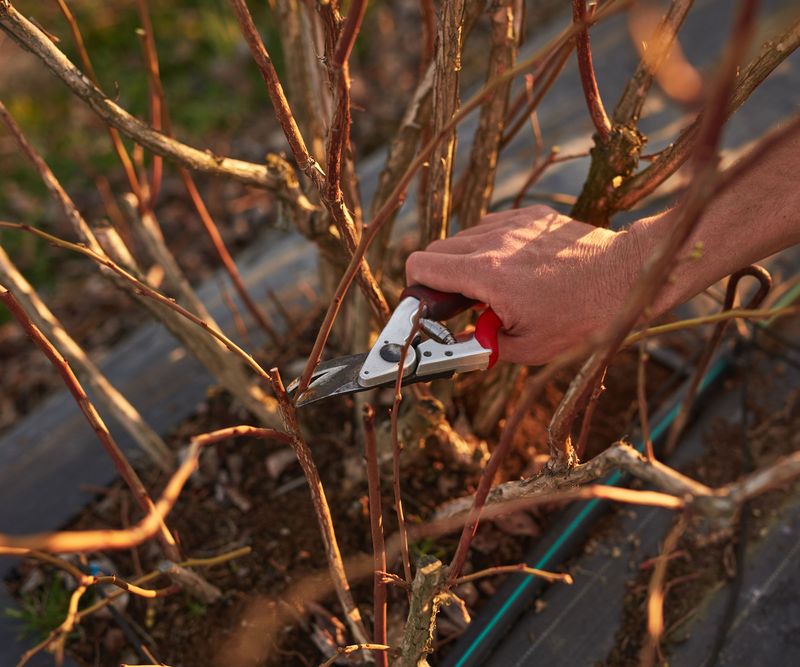
Heavy winter pruning feels satisfying, but it often removes exactly what you worked all season to grow.
Blueberry bushes set their fruit buds in late summer and early fall. By the time winter arrives, those buds are already sitting on the canes, ready to open in spring.
Cut those canes in January and you pull off next year’s crop before it ever gets a chance. That is a common mistake among newer blueberry growers.
Experienced growers in the South have learned to be selective with winter cuts.
Light corrective trimming is fine, but heavy removal should happen earlier in the season.
Summer pruning lets you take out old wood without touching those developing buds. The timing protects what the plant spent months building.
Another issue with heavy winter cuts is plant stress.
Removing large amounts of wood during dormancy can slow spring recovery, especially if a late frost follows.
A lighter touch in winter keeps the plant balanced. Save the bigger structural work for right after the last berries come off the bush.
Your Georgia Garden Changes Every Week. Your Plan Should Too.
Gardening in Georgia changes quickly throughout the season. Every Friday you’ll receive a simple weekly plan showing exactly what to plant, prune, fertilize, harvest, and protect so you never miss the right timing.
Gardeners who shift most of their pruning to summer often notice fuller harvests the following year. Less lost bud wood means more fruit per plant.
3. Remove Older Canes After Harvest
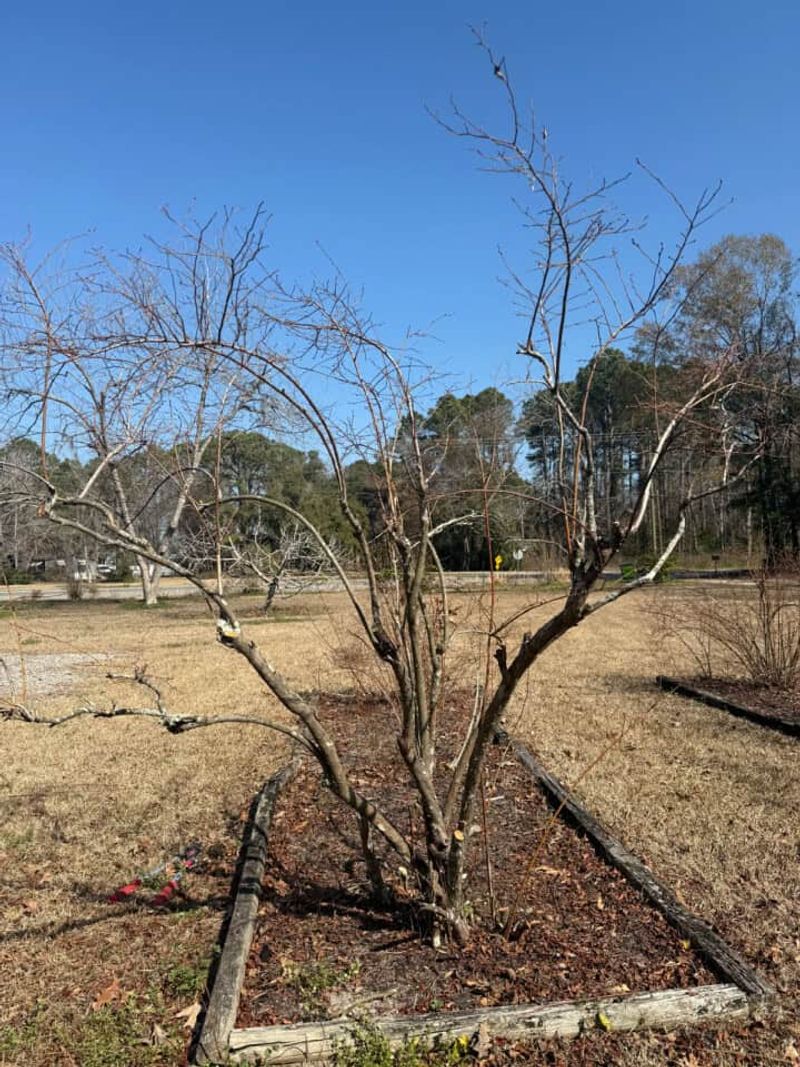
Old canes are productivity drains. Once a cane passes its prime, it pulls resources away from younger, more fruitful wood.
Most blueberry canes peak in production around years three through six, depending on variety and growing conditions. After that, output tends to drop off noticeably.
Removing those older canes right after harvest sends a clear signal to the plant. Energy shifts toward younger canes that are still building capacity.
Look for canes that are thick, dark, and heavily branched at the top.
Those are often the oldest ones, and they tend to produce smaller, fewer berries over time.
Cut them at ground level with sharp loppers. A clean cut heals faster and reduces the chance of disease entry at the wound site.
Leaving too many old canes creates a crowded, shaded interior. Light cannot reach the base of the plant, and young replacement canes struggle to develop properly.
Plan to remove one or two of the oldest canes per bush each year. That gradual approach keeps the plant productive without causing a sudden loss of canopy.
New basal shoots will often push up quickly to fill the space. In a warm Southern summer, that regrowth can be surprisingly fast.
4. Open Crowded Areas For Better Airflow
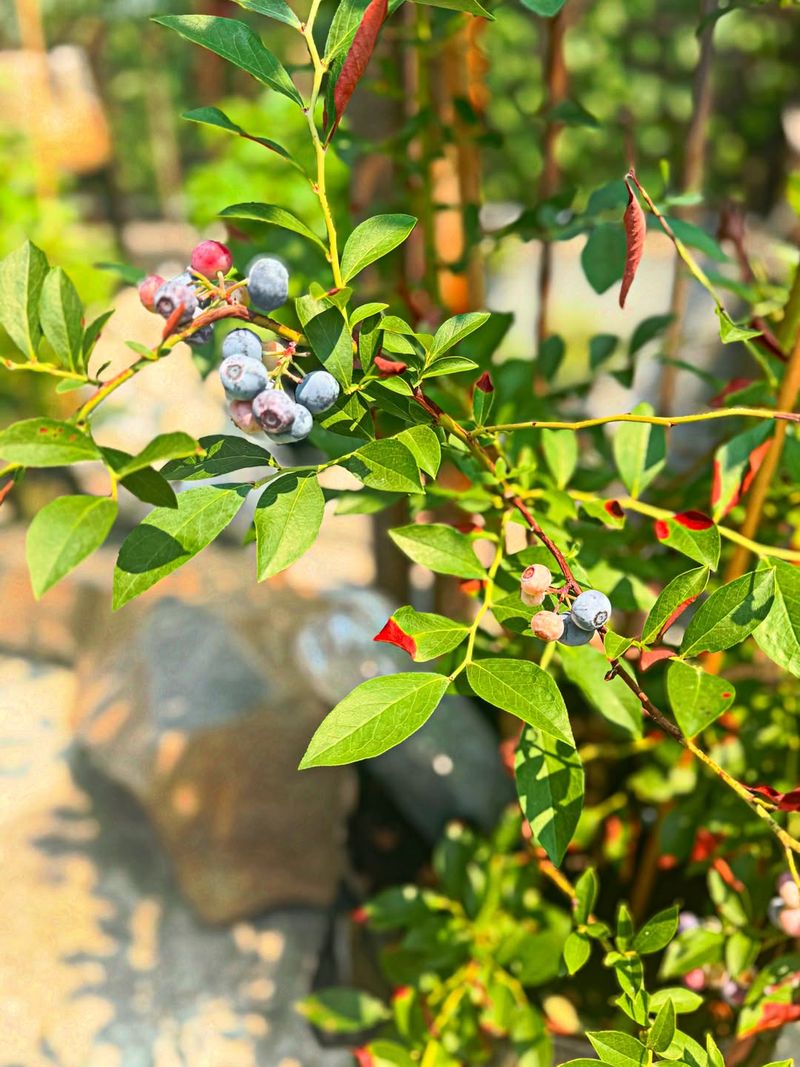
Crowded blueberry bushes are a setup for problems. Poor airflow traps moisture and creates conditions where fungal issues take hold quickly.
In humid Southern summers, that moisture problem is not theoretical.
Mummified berries, leaf spots, and stem blights all spread faster when air cannot move through the canopy.
Opening up the center of the bush is one of the most practical things you can do after harvest. It costs you nothing but a little time and effort.
Start by identifying branches that cross or rub against each other. Those contact points create wounds that pathogens can exploit over time.
Remove the weaker of any two crossing branches. Keep the one that is better positioned and more vigorous.
Prioritize branches that grow outward rather than back into the center.
Thinning also improves sunlight penetration.
Berries that develop in full sun tend to ripen more evenly and have better flavor concentration than those shaded by dense foliage.
A bush with good airflow dries out faster after rain. That shorter wet period on leaves and stems noticeably reduces fungal pressure across the growing season.
Work slowly and step back often. It is easy to over-thin in one area while leaving another section still too dense.
5. Cut Weak Branches To Improve Plant Structure
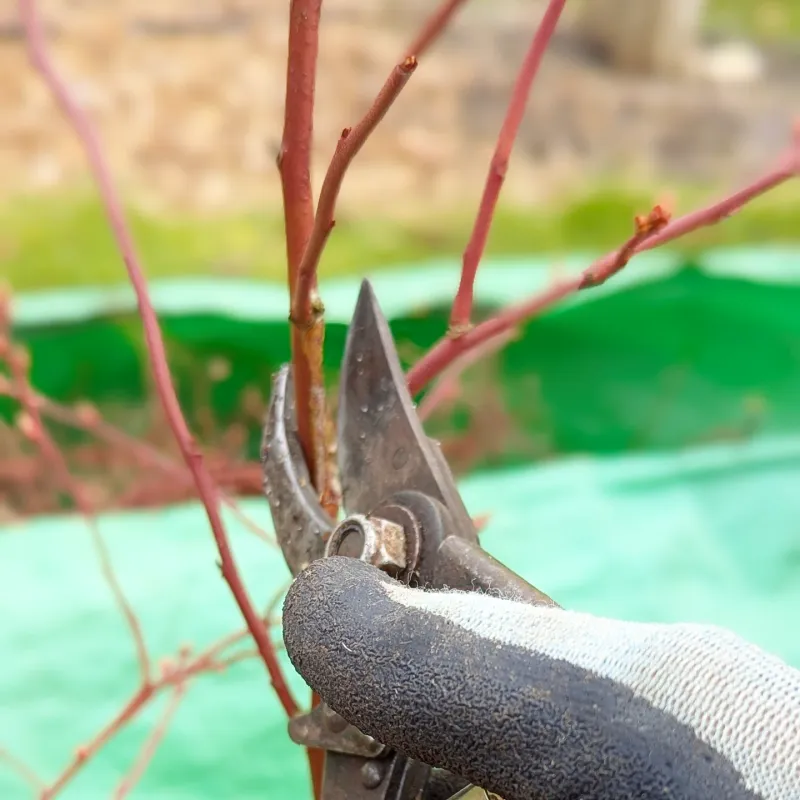
Weak branches are passengers, not contributors. They consume water and nutrients without giving much back in the form of fruit.
Spindly shoots that are thinner than a pencil rarely develop into productive wood. Removing them early redirects plant energy toward branches that can actually support a crop.
After harvest is a natural time to assess structure. The plant has done its job for the season, and you can evaluate which branches earned their place.
Look for branches that droop, bend sideways, or grew in awkward directions. Structural instability now becomes a bigger problem as the plant gets older and heavier with fruit.
Cutting weak wood also reduces competition at the root level. Fewer low-performing branches mean the root system can focus on supporting the ones that matter.
Sharp, clean tools make a real difference here.
Dull pruners crush rather than cut, and crushed wood tissue is slower to heal and more vulnerable to infection.
Always cut just above a healthy bud or branch junction. Leaving long stubs behind serves no useful purpose and creates entry points for pathogens.
In areas like northern Georgia where rabbiteye varieties are common, strong upright structure helps the plant handle both summer heat and occasional cold snaps.
6. Maintain Moisture During Summer Recovery
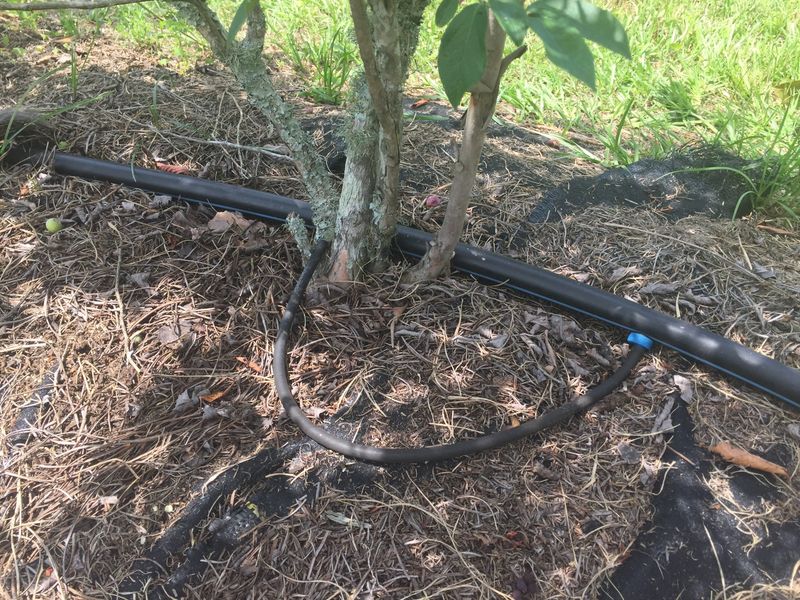
Pruning in summer puts the plant in recovery mode right during the hottest stretch of the year. Moisture management becomes critical from the moment you make that first cut.
Blueberries have shallow root systems. They dry out faster than most fruit crops, especially when actively pushing new growth after pruning.
Check soil moisture at the root zone every few days during hot spells. A few inches down, the soil should feel consistently damp but not waterlogged.
Drip irrigation works well for blueberries because it delivers water directly to the root zone. Overhead watering can keep foliage wet longer than ideal in humid conditions.
Mulch plays a big supporting role here, but that gets covered in the next section. The water piece on its own still deserves full attention.
Blueberries prefer slightly acidic soil with good drainage.
Water that pools around the base of the plant for extended periods stresses roots and can lead to rot over time.
During recovery, the plant is pushing energy into new cane development. Consistent moisture supports that growth without encouraging the kind of soft, fast growth that is vulnerable to stress later.
In Georgia’s summer heat, morning watering gives the soil time to absorb moisture before afternoon temperatures peak. That timing tends to reduce surface evaporation.
7. Support Healthy Growth With Proper Mulching
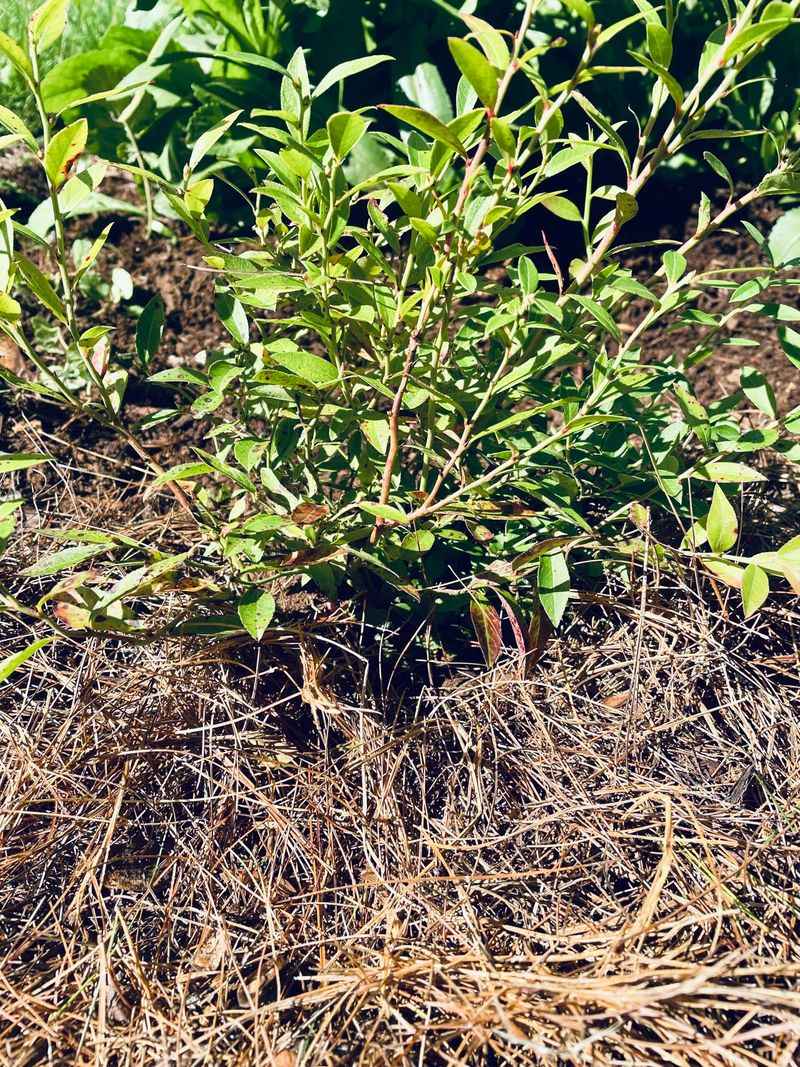
Mulch is one of the most underrated tools in blueberry care. Applied correctly after summer pruning, it does several jobs at once.
Pine bark mulch and pine straw are popular choices for blueberries in the South. Both break down slowly and help maintain the acidic soil pH that blueberries need to thrive.
A three to four inch layer around each bush helps retain soil moisture during hot, dry stretches.
That moisture buffer reduces stress on plants that are actively recovering from pruning.
Mulch also moderates soil temperature. Roots stay cooler under a thick layer of organic material, which supports better nutrient uptake during the recovery period.
Keep mulch pulled back a few inches from the main canes at the base of the plant. Piling it against the stems can trap moisture and encourage rot at the crown.
Weed pressure drops significantly with good mulch coverage. Fewer weeds means less competition for water and nutrients, which directly benefits recovery growth.
Refresh the mulch layer each year rather than adding repeatedly without checking depth. Over time, excessive buildup can create drainage issues or change the root zone environment.
Organic mulches also improve soil structure as they break down. Blueberry roots benefit from loose, well-aerated soil, and decomposing mulch gradually contributes to that condition.