What The Extreme Heat Warning Means For Your Texas Garden This Week
An extreme heat warning in Texas is not just a weather event. For your garden, it’s a countdown.
The hours between now and when those temperatures peak are the most important window you have to protect what you’ve spent the season growing, and what you do or don’t do in that window can determine how much of your garden comes through the other side intact.
Most Texas gardeners wait too long. By the time an extreme heat warning is in effect, the soil temperatures are already climbing, plants are already under stress, and the actions that would have made the biggest difference needed to happen earlier.
But even now, with the warning in place and the heat on the way, there are specific steps that can meaningfully reduce the damage your garden takes through the worst of it.
These are not complicated interventions. They’re targeted, practical actions that experienced Texas gardeners take at the beginning of every serious heat event, not in the middle of one.
Here’s exactly what an extreme heat warning means for your Texas garden and what to do about it right now.
1. Your Garden Will Need Closer Moisture Checks – Not Constant Sprinkling
Watering your garden during extreme heat is not as simple as turning on the sprinkler every day. Hot, dry conditions pull moisture out of the soil faster than usual, but soaking only the surface can actually hurt your plants over time.
Shallow watering encourages roots to stay near the top of the soil, where they are most exposed to heat and drying out.
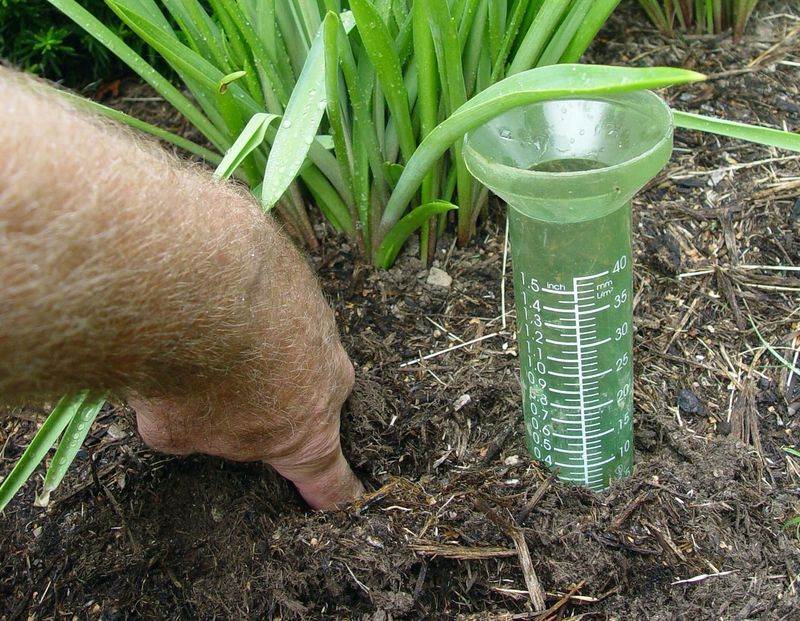
Before you water, check about an inch below the surface. If the soil feels dry at that depth, it is time to water.
When you do water, go slowly and let the moisture sink down about six inches into the soil. That depth encourages roots to grow deeper, where temperatures are cooler and moisture lasts longer.
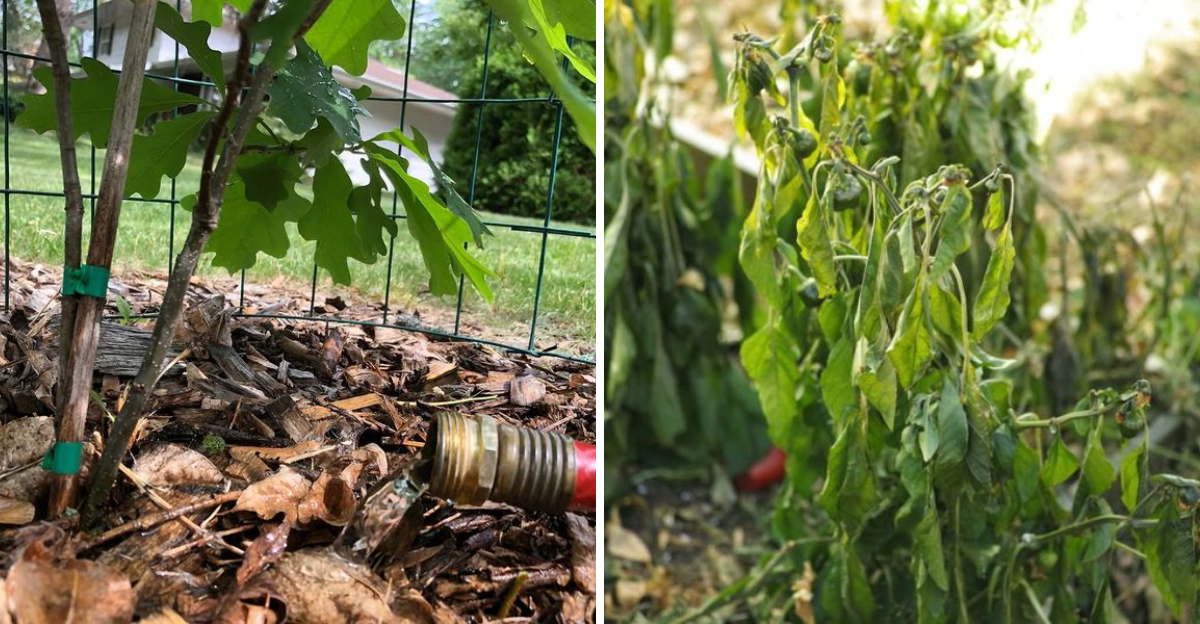
Drip irrigation and soaker hoses are your best tools during a heat warning. They deliver water directly to the root zone without soaking leaves, which helps prevent fungal issues.
Running them early in the morning, before the sun gets intense, cuts down on evaporation and gives plants time to absorb water before peak afternoon heat hits.
Avoid watering in the middle of the day whenever possible. Water evaporates quickly under a blazing sun, so much of it never reaches the roots.
Evening watering can work in a pinch, but wet foliage overnight can invite mold or disease. Morning is always the smartest window for watering during extreme heat conditions in Texas.
Sticking to a consistent moisture-checking routine, rather than a fixed watering schedule, helps you respond to what your garden actually needs each day.
2. Containers And Newly Planted Trees Are At The Greatest Risk
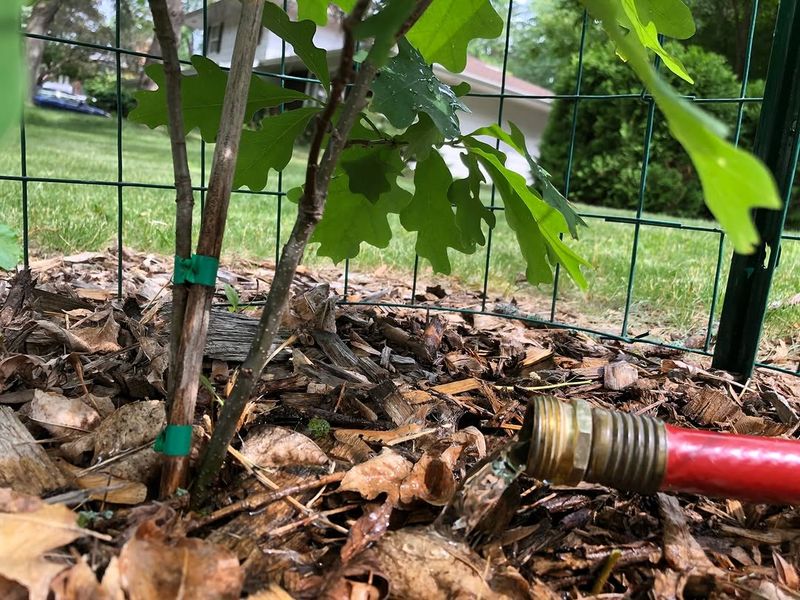
If you have potted plants or recently planted trees in your yard, pay extra attention to them this week. Container soil heats up much faster than ground soil because the pot itself absorbs and radiates heat from all sides.
Your Texas Garden Changes Every Week. Your Plan Should Too.
Gardening in Texas changes quickly throughout the season. Every Friday you’ll receive a simple weekly plan showing exactly what to plant, prune, fertilize, harvest, and protect so you never miss the right timing.
On a 105-degree day, the inside of a dark-colored pot can get hot enough to damage roots seriously.
During extreme heat, container plants may need to be checked every single day. Some large containers with thirsty plants might even need water twice a day if temperatures stay dangerously high.
A quick finger-test in the top inch of soil will tell you if it is time to water again. Do not wait until leaves start drooping to check.
Newly planted trees face a different challenge. Their root systems are still small and have not spread out enough to pull water from a wide area of soil.
Even if you watered a few days ago, a newly planted tree can run out of moisture quickly during a heat event. Depending on your soil type and any local watering restrictions, these trees may need water several times throughout the week.
Moving containers to a shaded spot during the afternoon hours can make a real difference. Even a few hours of shade from a fence or a patio overhang can reduce the heat stress on potted plants significantly.
For trees that cannot be moved, a thick ring of mulch around the base helps hold moisture in the soil and keeps root temperatures lower.
Giving extra attention to your most vulnerable plants right now is one of the smartest things you can do for your garden this week.
3. Afternoon Wilting Does Not Always Mean The Plant Needs More Water
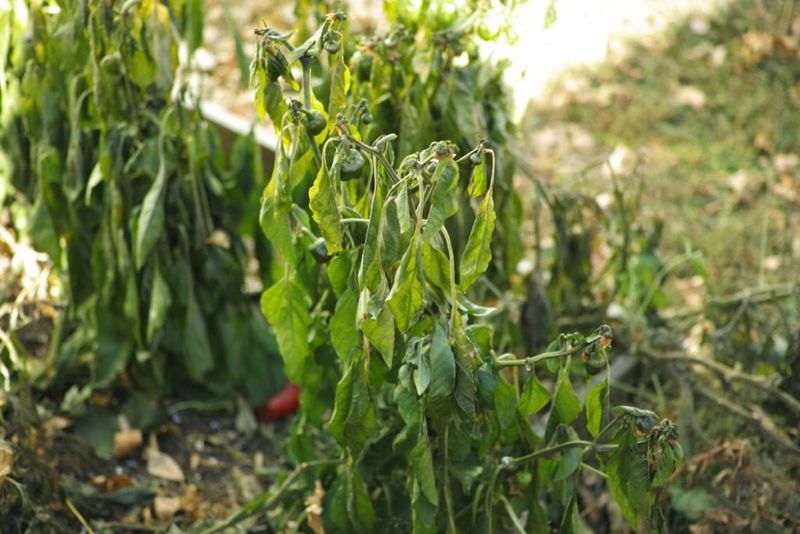
Seeing your plants drooping in the afternoon heat can feel alarming, but it does not always mean they are thirsty. Some plants, including tomatoes and squash, naturally wilt a little during the hottest part of the day as a way of protecting themselves.
It is their version of finding shade when there is none around. Before you reach for the hose, check the soil around the roots first. Stick your finger an inch or two into the ground near the base of the plant.
If the soil still feels damp or cool, the plant likely has enough water and is just reacting to the heat. Most of the time, these plants perk back up on their own once the sun starts going down in the evening.
Watering when the soil is already wet can actually cause more harm than good. Soggy soil pushes out the oxygen that roots need to breathe, and roots sitting in waterlogged conditions can begin to rot.
Root rot, poor drainage, salt buildup, and even physical root damage can all cause wilting that looks exactly like drought stress from the outside.
If a plant continues to droop even after the temperature cools in the evening, that is a sign something else may be going on.
Check the drainage in that area, look for signs of pests or disease, and consider whether the plant has been getting consistent water all season. Sometimes wilting is a clue to a bigger problem that more water will not fix.
Learning to read your plants carefully during a heat event can save you from making mistakes that create more stress for them.
4. Flowers May Drop And Vegetables May Stop Setting Fruit
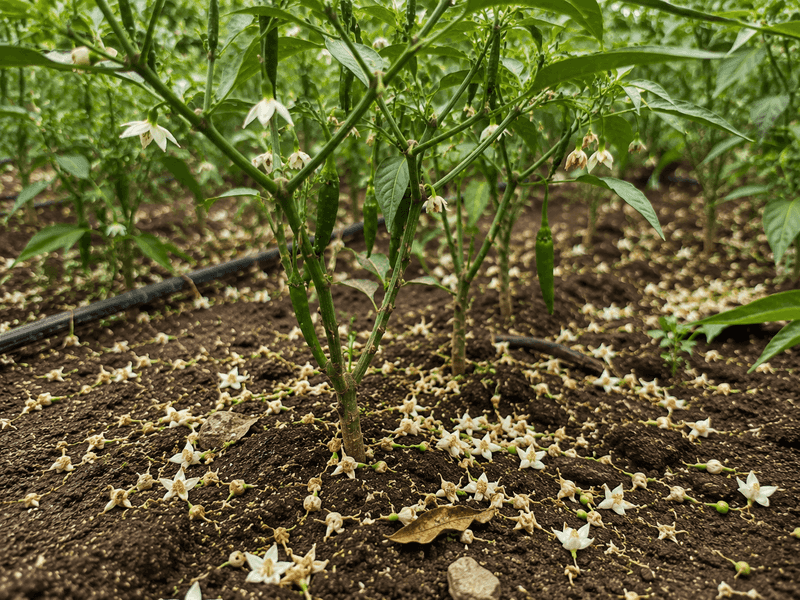
One of the most frustrating things about extreme heat is watching your garden produce less even when you are doing everything right. Tomatoes are especially known for dropping their blossoms when temperatures climb too high.
This happens because heat interferes with the pollination process, making it impossible for flowers to develop into fruit.
Blossom drop is not the only problem. Inconsistent watering during hot spells can lead to blossom-end rot, a condition where the bottom of a tomato or pepper turns dark and mushy.
Sunscald is another common issue, where the side of a fruit exposed to direct sunlight develops a pale, leathery patch. Both of these problems reduce the quality and quantity of your harvest.
The good news is that fruit already on the plant will often continue to ripen even during a heat event. Focus on protecting what you already have rather than expecting new flowers and fruit to form right now.
Picking ripe or nearly ripe fruit promptly also reduces the energy the plant uses to hold it, freeing up resources for staying healthy.
Peppers, beans, and other warm-season vegetables can also slow down or stop producing during the most intense heat. This is normal plant behavior, not a sign that something is permanently wrong.
Once temperatures drop back to a more manageable range, most plants will resume flowering and setting fruit on their own without much extra help from you.
Staying patient during a heat wave and focusing on keeping plants alive and healthy is the best strategy for getting a strong harvest later in the season.
5. Mulch And Temporary Shade Can Prevent Serious Damage
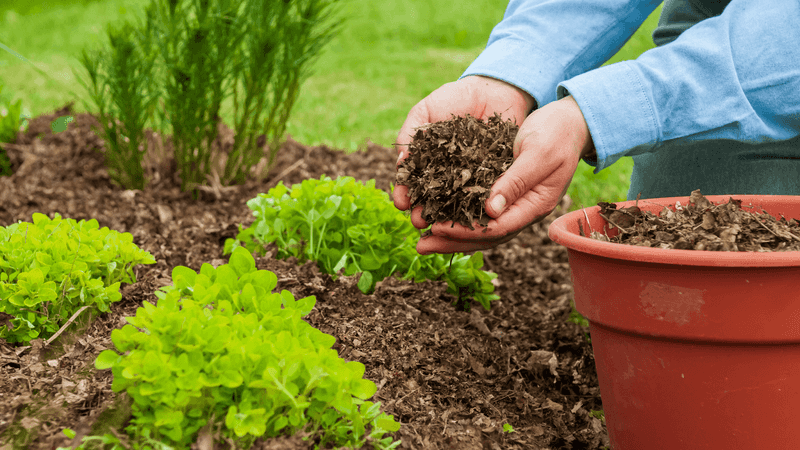
Two of the most effective tools for protecting your garden during extreme heat cost very little and require almost no special skills.
Organic mulch and shade cloth can make a dramatic difference in how well your plants survive a dangerous heat event. If you have not used either of these yet this summer, now is the perfect time to start.
Organic mulch, like wood chips, straw, or shredded leaves, acts as a blanket over the soil. A layer two to three inches thick slows down evaporation, which means the soil stays moist longer between waterings.
Mulch also insulates the soil from extreme surface temperatures that can easily climb past 140 degrees Fahrenheit on bare ground under a Texas summer sun.
Shade cloth is another practical option, especially for sensitive vegetables and young seedlings. A 30 to 50 percent shade cloth blocks a portion of direct sunlight while still allowing enough light for plants to grow.
Draping it over a simple frame of stakes or wire gives plants a cooler environment during the worst afternoon hours without cutting off air circulation completely.
Good airflow matters a lot when using shade cloth. Trapping hot air around plants under a solid cover can actually make things worse.
Make sure there is space for air to move around the edges of the cloth so heat does not build up underneath it.
Combining mulch and shade cloth together gives your garden a two-layer defense against extreme heat. Using both strategies at once is one of the most reliable ways to reduce plant stress and lower your water usage at the same time during a heat warning.
6. Skip Heavy Fertilizing, Pruning, And Transplanting This Week
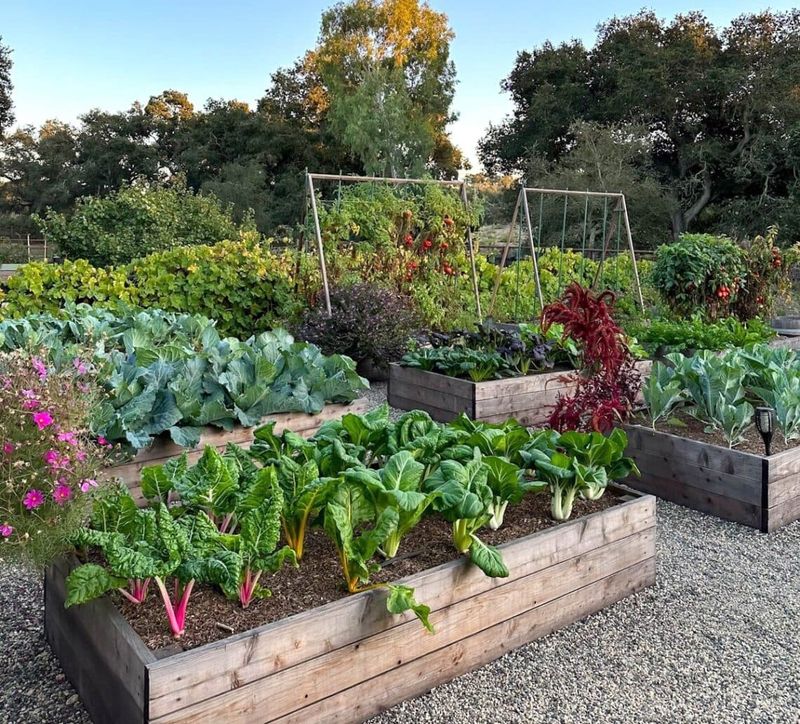
When plants are already stressed from extreme heat, adding more tasks to their plate is the last thing they need.
Fertilizing, pruning, and transplanting might feel like helpful things to do, but during a heat warning, these activities can cause real setbacks that take weeks to recover from.
Fertilizers, especially the quick-release kind, contain salts that pull moisture away from roots. When the soil is already dry and hot, applying fertilizer can scorch roots and make drought stress worse instead of better.
No amount of added nutrients will fix the problem of too much heat and too little water. Plants simply cannot absorb nutrients efficiently when they are under severe environmental stress.
Pruning is another activity to hold off on right now. Cutting branches stimulates new growth, and fresh, tender growth is the most vulnerable to heat damage.
New shoots that emerge during a heat wave often suffer quickly because they have not had time to toughen up. Holding off on any major pruning until temperatures moderate gives existing growth a better chance of staying intact.
Transplanting during extreme heat puts plants through double stress. They are already adjusting to a new location with limited roots, and then they have to deal with intense heat on top of that.
Even with careful watering, newly transplanted seedlings or shrubs have a tough time establishing themselves when the thermometer is pushing dangerous levels.
Focus your energy this week on moisture management, adding mulch, and protecting plants that are already in the ground. Once the heat warning passes and conditions become more manageable, you can return to your regular garden maintenance routine without worry.