What It Really Means When Texas Tomatoes Stop Setting Fruit In The Summer Heat
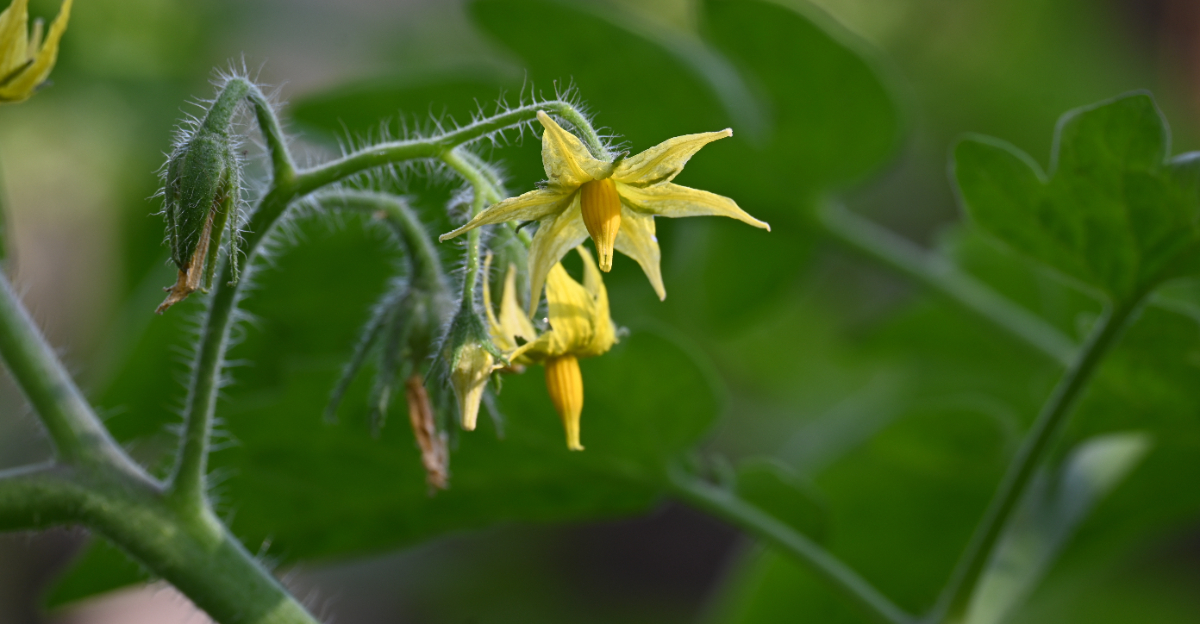
Your tomato plant looks perfect. Dark green leaves. Sturdy stems. Dozens of cheerful yellow blossoms swaying in the breeze.
Then the Texas sun cranks past 95 degrees. Those same blossoms start dropping to the ground. No little green tomatoes forming. No progress toward that salsa you promised your neighbors.
Just a healthy-looking plant that refuses to do its one job. It’s not wilting. It’s not yellowing. It just stopped setting fruit, and nobody warned you this could happen.
Your plant isn’t failing. It’s running a calculation you can’t see, and once you know the numbers, this Texas summer garden mystery stops being a mystery at all.
Heat Is Making Tomato Pollen Too Sterile To Set Fruit
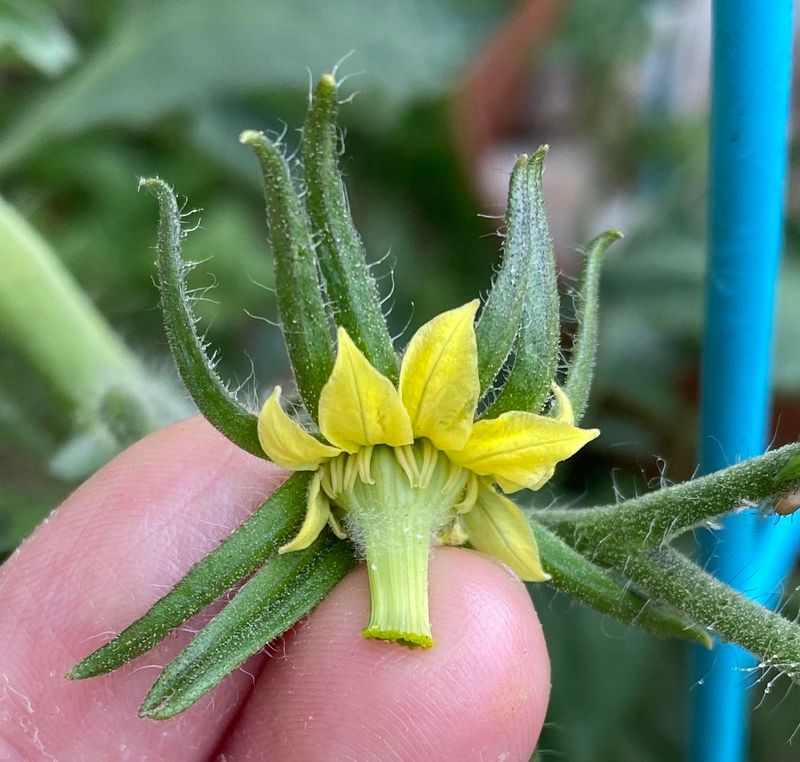
Blame the pollen. When air temperatures soar above 95 degrees Fahrenheit, tomato pollen becomes damaged and loses its ability to fertilize the flower.
Tomatoes are self-pollinating plants, meaning each flower carries both male and female parts. But that system only works when pollen is healthy enough to do its job properly.
Extreme heat essentially cooks the pollen before it can travel from the stamen to the pistil. Think of it like a phone battery that overheats and stops charging properly, even though it still looks fine on the outside.
This is known as heat-induced pollen sterility, and it’s the leading reason Texas tomatoes stop setting fruit in summer heat. Sterile pollen can’t fertilize a flower, and without fertilization, that blossom has nothing left to do but fall.
Gardeners sometimes shake their plants hoping to encourage pollination, and that technique works great in spring. During a Texas summer, though, shaking a plant full of sterile pollen is like stirring an empty pot.
The fix is not always in your hands. Sometimes the best move is protecting plants with shade cloth to reduce ambient heat around the blossoms.
Even dropping temperatures by five or ten degrees can make a meaningful difference in pollen viability and your odds of seeing fruit again soon.
Daytime And Nighttime Temperatures Both Play A Role
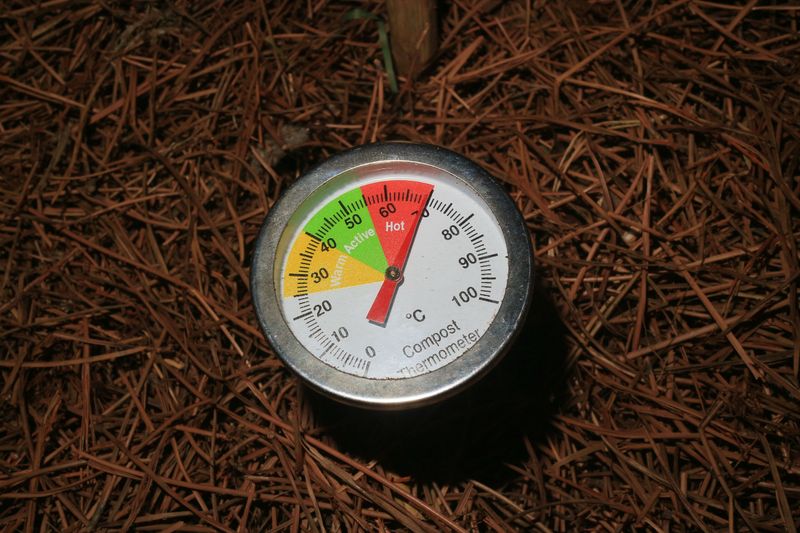
Most gardeners watch the daytime high and stop there. But nighttime temperatures are just as critical when it comes to tomato fruit set in a Texas summer.
Tomatoes need nights to cool down below 75 degrees Fahrenheit for proper pollination to occur. When nights stay warm, the plant can’t restore the hormonal balance it needs to set fruit.
During a typical Texas July, overnight lows often stay in the mid-to-upper 70s across many regions, right at the edge of what tomatoes can tolerate. That prolonged warmth keeps the plant in a kind of physiological stress mode around the clock.
Daytime heat above 95 degrees damages pollen, as mentioned earlier. But warm nights prevent the plant from recovering its hormonal balance, which further disrupts fruit development at a cellular level.
Picture your body trying to heal after a long, exhausting day, but you rarely get real rest. Your tomato plant faces something similar when nighttime temperatures stay too high.
Your Texas Garden Changes Every Week. Your Plan Should Too.
Gardening in Texas changes quickly throughout the season. Every Friday you’ll receive a simple weekly plan showing exactly what to plant, prune, fertilize, harvest, and protect so you never miss the right timing.
Coastal gardeners get an edge, thanks to cooler sea breezes at night. Inland growers in Austin or San Antonio face the toughest summer conditions.
A simple min-max thermometer reveals more than you’d expect. Tracking daily highs and nighttime lows shows exactly why your plants behave the way they do.
Blossoms Drop Instead Of Turning Into Tomatoes
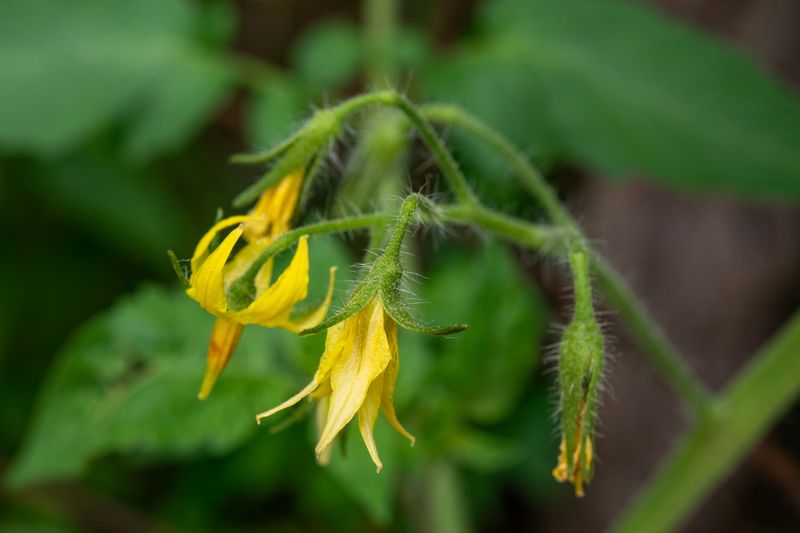
Blossom drop is the most visible sign that summer heat has taken over. One day the plant is covered in cheerful yellow flowers, and the next those flowers are lying on the ground.
This happens because the plant makes a calculated decision. When conditions are too harsh for successful fruit development, it drops the flower rather than waste energy on an attempt that won’t succeed.
Plants are surprisingly strategic about resource management. A tomato under extreme heat stress will shed blossoms to conserve water and energy for basic survival functions instead.
Blossom drop is not always caused by heat alone. Low humidity, erratic watering, and even insect damage can trigger the same response, so it helps to consider all possible stressors together.
In Texas summers, however, heat is almost always the primary culprit behind widespread blossom loss. Identifying the cause correctly helps you respond with the right solution instead of guessing.
Some gardeners panic and start fertilizing heavily when they see blossoms fall. That can actually backfire, pushing the plant into lush leafy growth at the expense of any future flowering.
Focus on stress reduction, not stimulation. Mulch thickly to hold soil moisture, add afternoon shade if you can, and let the plant ride out the worst heat on its own terms.
Patience does more here than any product on the shelf.
Water Stress Compounds The Problem During Peak Heat
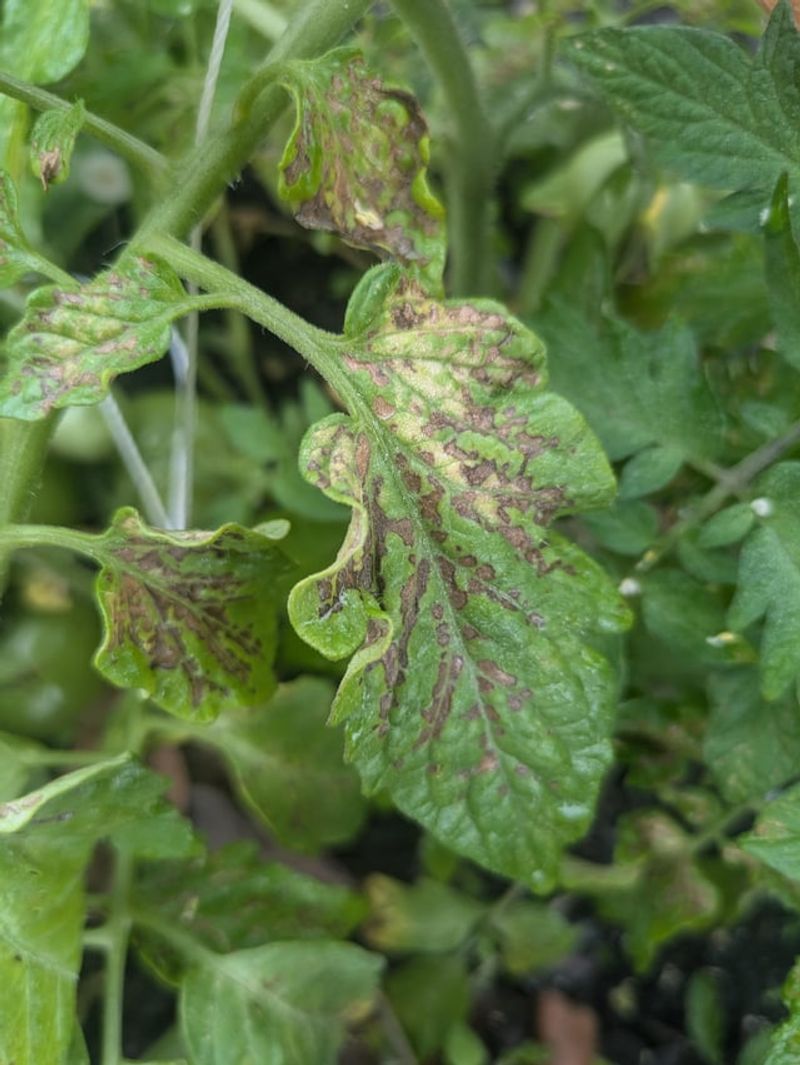
Heat and drought make a tough combination. When a Texas summer cranks up the temperature, soil moisture evaporates faster than most gardeners can replace it.
A tomato plant under water stress closes its leaf pores to conserve moisture, which also slows photosynthesis and shuts down many normal growth functions. Fruit set is one of the first processes to get cut from the list.
Inconsistent watering makes things even worse. Alternating between bone-dry soil and sudden deep soaking causes a condition called blossom end rot, and it also contributes to blossom drop during peak heat.
Tomatoes need about one to two inches of water per week, but that number climbs fast when temperatures exceed 100 degrees. In those conditions, daily watering is often necessary just to keep plants from wilting.
Drip irrigation is the smartest investment a Texas gardener can make for summer tomatoes. It delivers moisture directly to the root zone without wetting leaves, reducing fungal issues that thrive in humid conditions.
Mulching is the second most important tool in your summer routine. A thick layer of straw or wood chips around the base of each plant can cut soil temperature by up to 10 degrees and dramatically reduce evaporation.
Combining consistent deep watering with a generous mulch layer gives your plants the stable environment they need to recover from heat stress faster. Stability is what tomatoes need most during a demanding Texas summer stretch.
Fruit Set Usually Resumes Once Temperatures Cool Down
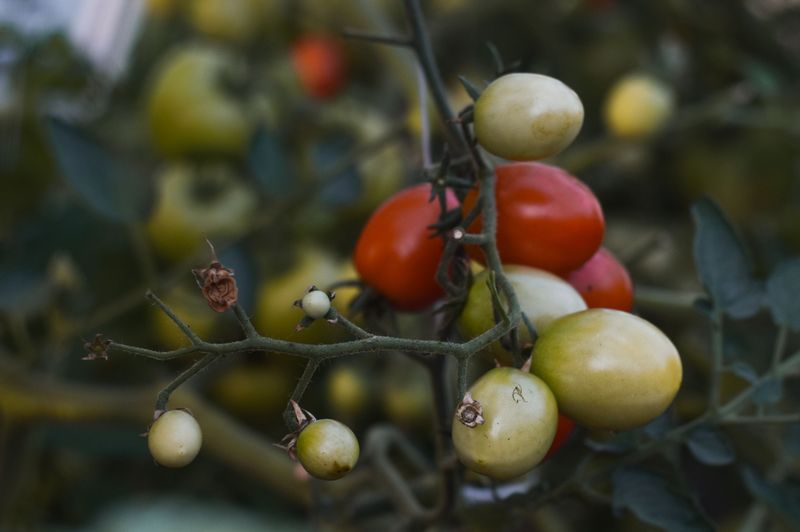
Here is the hopeful part. Tomato plants that make it through a Texas summer are not permanently broken, and fruit production almost always bounces back when cooler weather arrives.
Once daytime highs drop below 95 degrees and nights cool below 75, pollen becomes viable again and the plant shifts back into productive mode almost immediately. The recovery can feel remarkably fast after months of nothing.
Experienced Texas gardeners actually plan for two separate growing seasons: spring and fall. They treat summer as a maintenance period rather than a productive one, focused on keeping the plant strong until conditions improve.
Pruning back leggy summer growth in late August encourages a flush of new stems and blossoms just in time for the fall window. New growth means fresh flowers, and fresh flowers mean real fruit before the first frost arrives.
Fertilizing lightly with a balanced formula as temperatures begin dropping helps fuel that fall rebound. Avoid high-nitrogen products at this stage, since you want blooms and fruit rather than more leafy green growth.
Keeping plants well-watered through the transition period also matters enormously. Stressed plants take longer to recover, so maintaining soil moisture even during the hottest weeks pays dividends when fall finally arrives.
Many Texas gardeners get their best harvest in October and November, not midsummer. Working with that rhythm instead of resisting it changes everything.
Certain Varieties Keep Producing Through Texas Summers
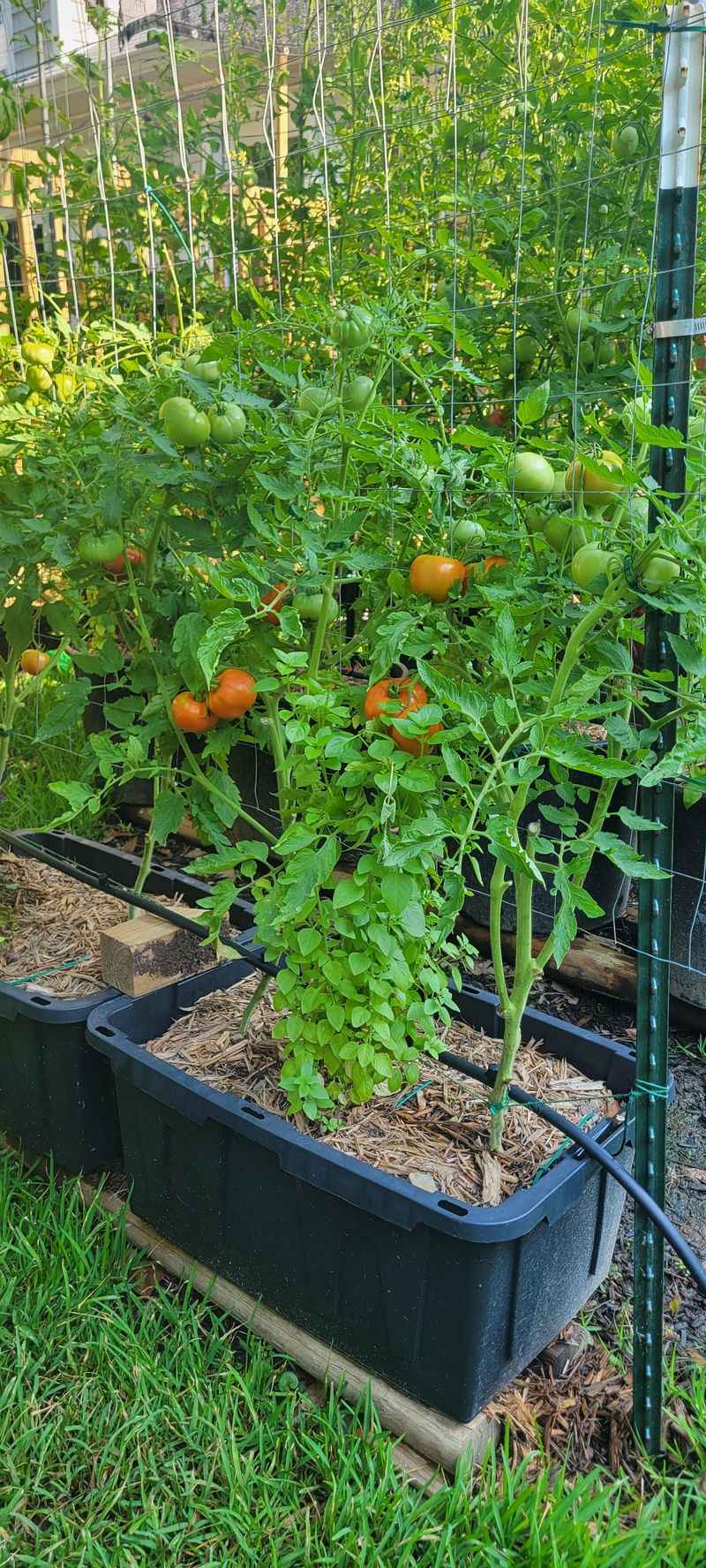
Not every tomato variety shuts down when summer heat arrives. A handful of heat-tolerant varieties are specifically bred or naturally adapted to keep producing even when temperatures climb into triple digits.
Cherry tomato varieties like Sweet 100, Juliet, and Sun Gold are famous for their resilience in hot climates. Their smaller fruit size requires less energy to develop, which gives them a real advantage over larger slicing types.
Heatmaster is one variety developed specifically with Southern gardeners in mind. It was bred to set fruit at temperatures that would shut down most standard tomato varieties found at big-box garden centers.
Solar Fire and Phoenix are two other options that Texas Master Gardeners frequently recommend for summer planting. Both were developed with heat tolerance as a primary trait rather than an afterthought.
Choosing the right variety before planting is honestly the most impactful decision you can make as a Texas gardener. Watering, shading, or fertilizing can only do so much if the variety wasn’t bred for this climate.
Look for seed packets or plant tags that specifically mention heat tolerance or extended fruiting seasons. Those phrases signal that the breeder tested the plant under conditions similar to what your garden faces every July.
Growing heat-tolerant varieties alongside your favorite heirloom types gives you both reliability and flavor through the toughest stretch of the Texas summer.
That combination is the real advantage that keeps experienced local gardeners harvesting when many others have given up on their tomatoes.