What The First Hard Frost Means For Pennsylvania Fruit Trees
Apple trees can pull useful nutrients out of their leaves and tuck them away in the bark before those leaves fall. That quiet recycling job speeds up as nights get colder. I find it amazing that a tree basically packs a lunch for spring.
A hard frost usually means temperatures of about 28 degrees or lower for several hours. Across Pennsylvania, that first deep chill often arrives from late September in the northern mountains to early November near Philadelphia.
Frost dates shift each year, so your backyard may not match the forecast for the next town over.
Personally, I used to panic when the thermometer dropped. Now I watch my trees with more curiosity than worry. You might be surprised how much a fall freeze helps rather than hurts.
So what is really happening inside those branches after that frosty night, and what should you do next?
1. That Frosty Morning On Your Apple Branches Is Actually A Signal
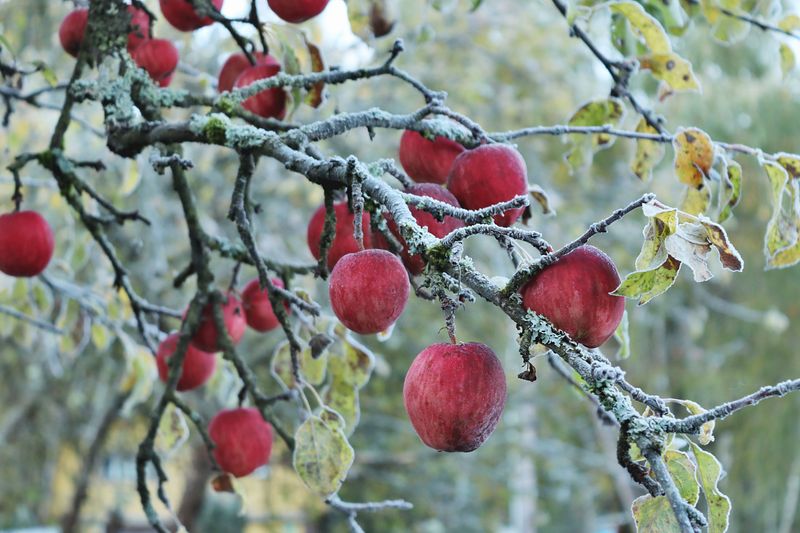
Frost-covered apple leaves look like a disaster at first. In fall, though, that icy coating mostly tells your tree something it already suspected. Shorter days started the process weeks ago, and cold nights finish the job.
Fruit trees prepare for winter in stages, a process scientists call acclimation. Shorter days slow growth first.
Then chilly temperatures push the tree deeper into hardiness, so a healthy tree can handle colder and colder nights as the season moves along.
A hard frost in October or November mostly affects leaves, late shoot tips, and any fruit still hanging.
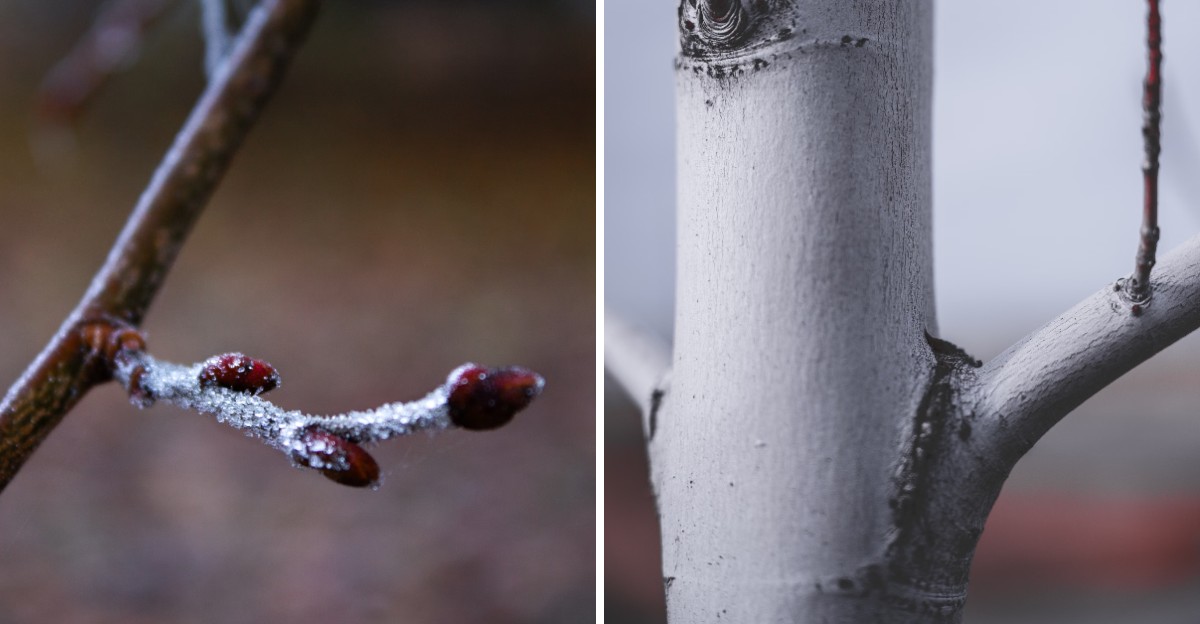
The buds for next spring are already formed and wrapped in protective scales. They are far tougher now than they will be in April.
I like to think of the first hard frost as a doorbell, not a wrecking ball. It tells the tree that the growing season is over. Leaves drop, sap movement slows, and the tree settles into dormancy. Fall freezes rarely cause the heartbreak that spring freezes do.
Penn State Extension notes that the most serious frost losses for Pennsylvania growers usually happen during spring bloom. Your autumn job is mostly about helping the tree finish the season strong.
2. Fruit Buds Tucked Under Tough Scales Can Handle Serious Cold
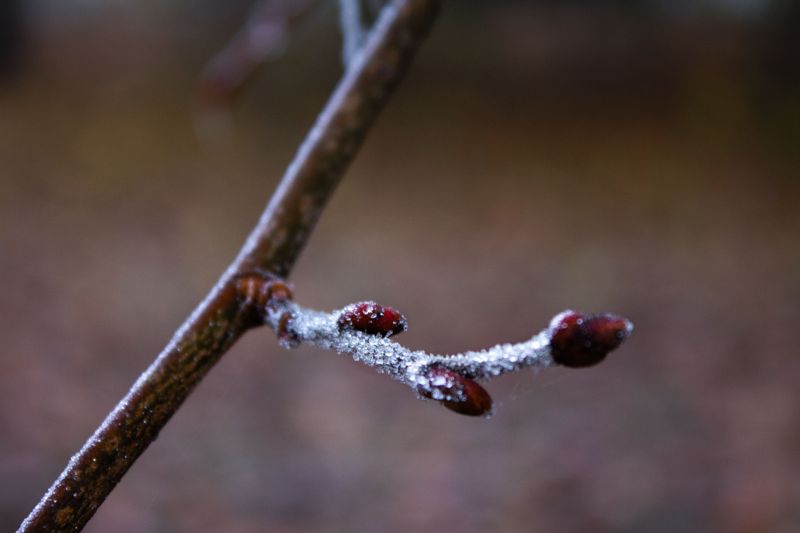
Peek closely at a twig after leaf drop and you will see plump little buds. Inside each one sits a tiny flower already built for next spring. Those brown scales act like a winter coat.
Fully dormant fruit trees are impressively hardy. Many apple varieties tolerate midwinter lows well below zero once they are properly acclimated.
Peaches are touchier, and their flower buds often start losing ground when temperatures fall to around minus 10 or lower.
The danger shifts with the calendar. Bud tolerance drops quickly as buds swell in late winter and spring.
Penn State and Michigan State research shows that open blossoms may suffer serious losses at 28 degrees, while dormant buds shrug that off.
So the first fall frost is a minor event for buds. A midwinter warm spell followed by a sudden plunge worries orchard experts far more. That swing can trick buds into losing some hardiness.
You can check bud health yourself in late winter. Slice a peach bud in half with a sharp knife. Green or pale tissue inside is a healthy sign, while brown or black centers suggest cold injury. It is a handy way to guess your crop before bloom even starts.
3. Late Apples And Pears Still Hanging Need A Quick Decision
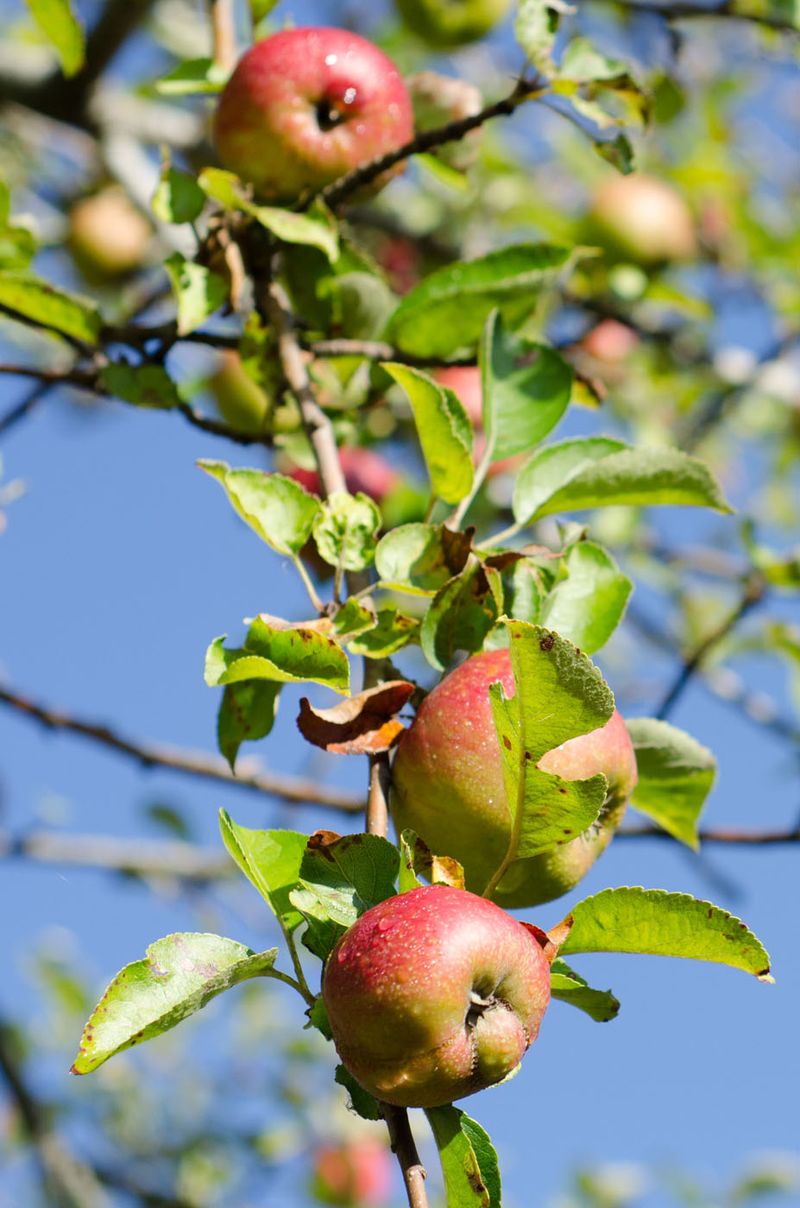
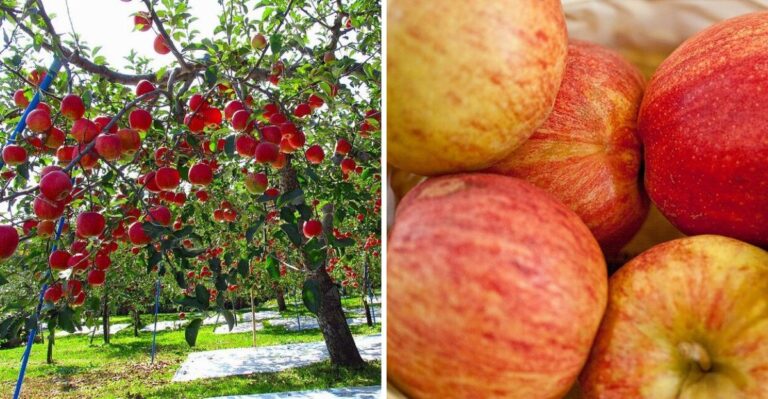
Fuji, Pink Lady, and Goldrush apples often ripen late in Pennsylvania. That means a hard frost can arrive while fruit is still on the branch. So what happens next?
Light frost usually leaves apples in fine shape. Apple flesh contains sugars that lower its freezing point to roughly 28 or 29 degrees. A hard freeze below about 27 degrees for several hours, however, can freeze fruit tissue.
Here is my rule of thumb. Do not pick or handle frozen apples. Bruising frozen fruit causes damage that shows up later as brown, mushy spots. Let them thaw slowly on the tree and check them in the afternoon.
Thawed apples that look firm and normal can be harvested and used soon. Fruit that turns soft, glassy, or brown inside belongs in cider pressing piles only if it is still clean, or in the compost if not. Frozen fruit rarely stores well, so eat or process it quickly.
Pears behave a little differently. Many varieties, such as Bartlett, are picked mature but firm and ripened indoors.
Getting them off the tree before a hard freeze is a smart move. Watch the forecast in October. A few minutes of planning saves a basket of fruit.
4. Give Your Fruit Tree Roots A Deep Drink Before The Ground Freezes
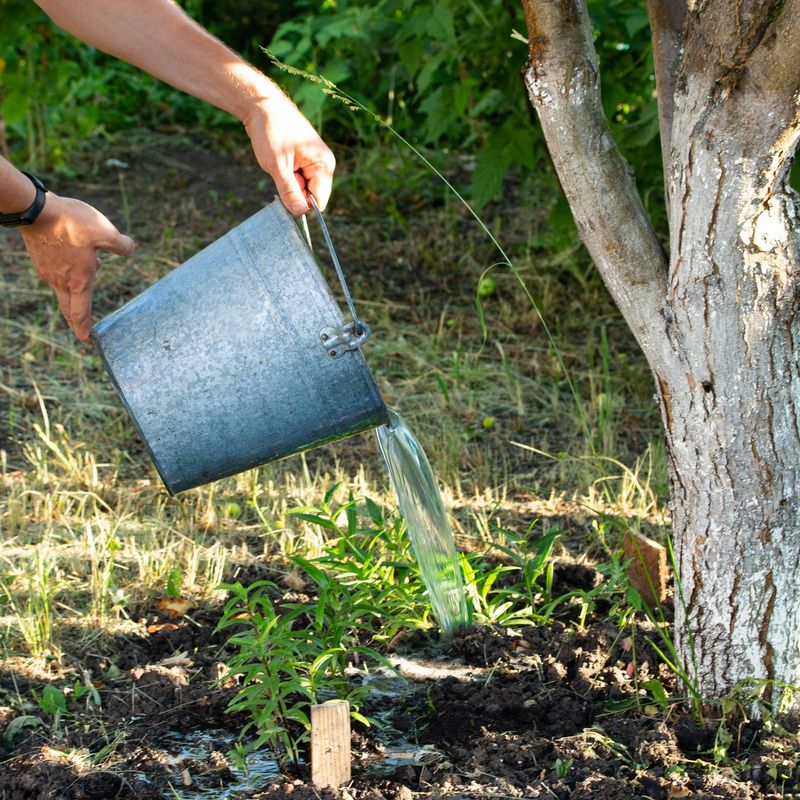
Dry fall weather sneaks up on gardeners. Several recent Pennsylvania autumns have brought dry stretches, and thirsty trees head into winter stressed. A good soak fixes that.
Moist soil holds and releases heat better than dry soil. It also keeps roots hydrated through winter, when cold wind can pull moisture from branches. Young trees with small root systems benefit most.
Aim for slow, deep watering if rainfall has been light. Let a hose trickle at the drip line, the area under the outer edge of the branches, for a while. You want moisture reaching 12 inches or more into the ground.
Roughly an inch of water a week is a common target for newly planted trees. Established trees usually manage on rainfall, unless fall turns unusually dry. Stop once the soil freezes, since water simply runs off then.
Skip fertilizer at this time of year. Nitrogen in fall can push soft new growth that cold weather easily injures. Save feeding for spring, based on a soil test from Penn State Extension.
I keep a cheap rain gauge near my orchard. One glance tells me whether nature handled the watering that week or whether the hose needs to come out.
5. A Ring Of Mulch Around The Trunk Keeps Roots Cozy
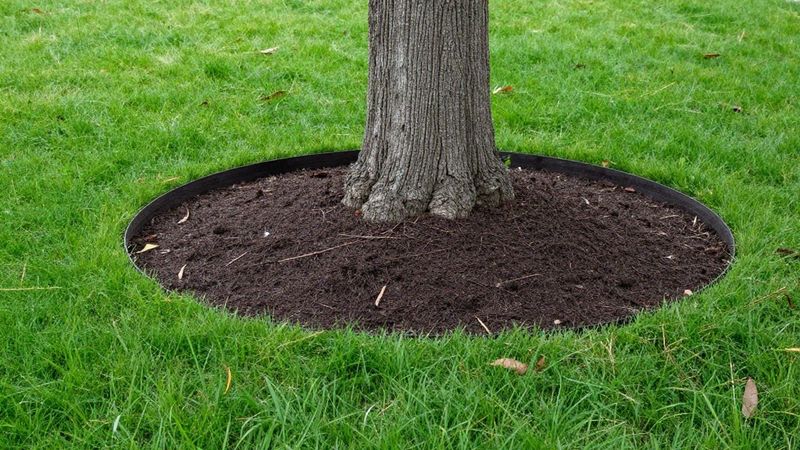
Picture-perfect mulch volcanoes look tidy, but they cause trouble. Mulch piled against the bark traps moisture and invites rodents. A flat donut shape works far better.
Spread wood chips or shredded bark 2 to 4 inches deep around the tree. Keep it a few inches away from the trunk itself. Extend it toward the drip line if you can.
Mulch moderates soil temperatures and slows moisture loss. It also reduces the freeze and thaw cycles that can heave young roots. Fruit tree roots are less cold hardy than the branches, so this extra blanket helps.
Timing matters a bit. Many growers wait until after the first hard frost to add fresh mulch. By then, mice and voles have often settled elsewhere, rather than nesting in your soft new layer.
Voles are a real concern in Pennsylvania orchards. They chew bark and roots under snow and mulch, sometimes girdling young trees. Keeping mulch away from the trunk gives them less cover right where they do the most harm.
One fun bonus is that the soil life under mulch stays active longer. Earthworms keep working well into late fall, which gives your soil a head start next season.
6. Thin Young Bark Appreciates A White Trunk Guard
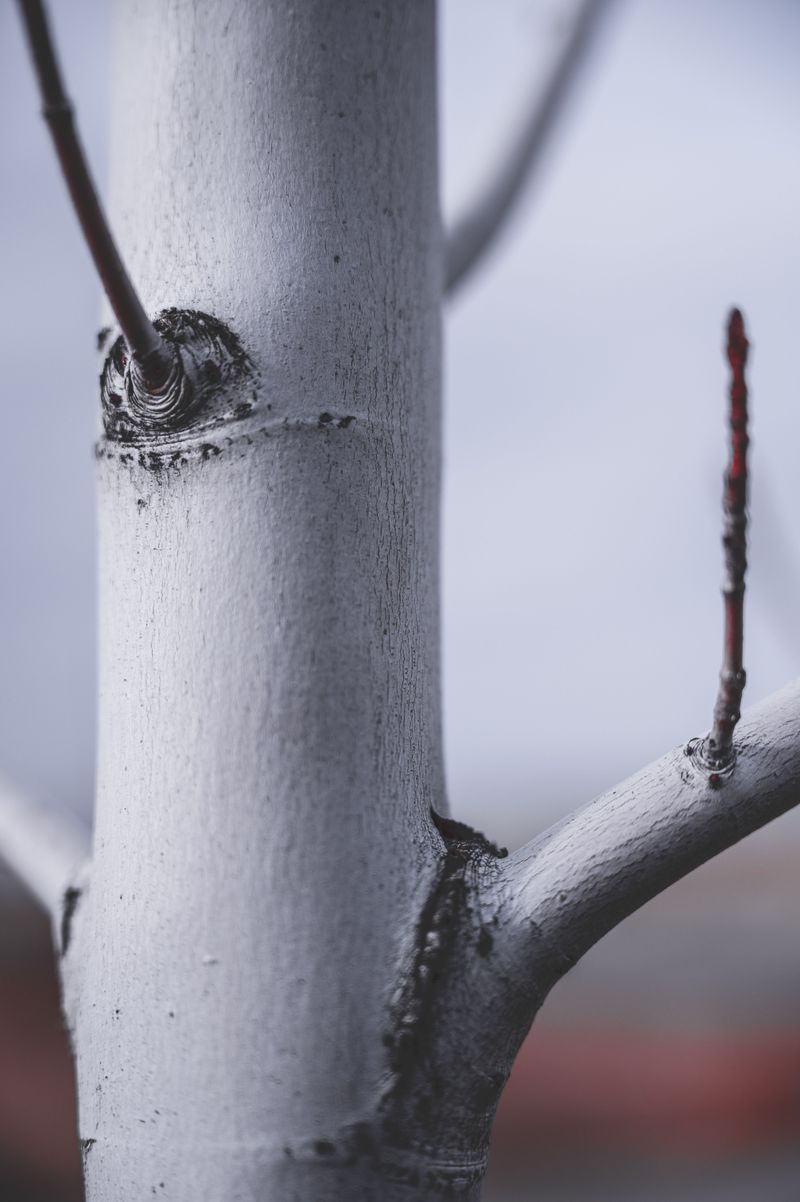
Sunny February afternoons can be surprisingly rough on young fruit trees. The sun warms the southwest side of the trunk, and then temperatures crash after dark. That swing can crack bark and injure tissue underneath.
Gardeners call this southwest injury or sunscald. Smooth, thin bark on young apples, cherries, and peaches is especially vulnerable. Older trees with thicker bark have more natural protection.
Painting trunks with white interior latex paint mixed half and half with water reflects sunlight. Many orchards in Pennsylvania use this simple trick. White spiral guards or light-colored tree wrap also work.
Guards do double duty. A cylinder of hardware cloth around the trunk blocks rabbits and voles, which feed on bark when snow covers other food. Bury the bottom edge an inch or two and let it rise above expected snow depth.
Remove wraps in spring. Leaving them on through summer can hold moisture and hide insects against the bark. Plastic spirals should be loose enough to allow growth.
I add guards right after that first hard frost. It is a calm, satisfying chore, and my trees look like they are wearing striped stockings all winter.
7. Put Down The Pruning Shears Until Late Winter
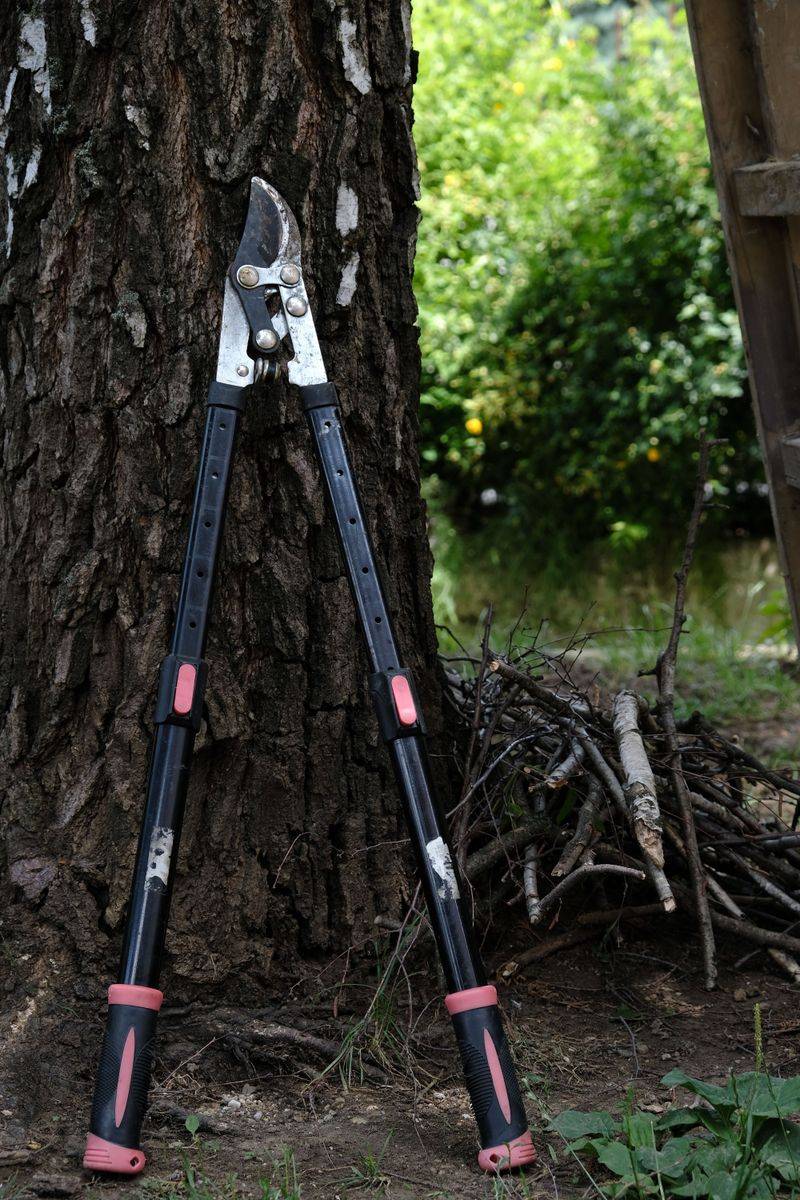
Falling leaves make it easy to see every crossed branch. The temptation to start snipping is real. Still, fall is a poor time for major pruning.
Pruning cuts made in autumn heal slowly. Tissue around fresh wounds is more prone to winter injury. Heavy cuts may also stir up growth signals right when the tree should be slowing down.
Most Pennsylvania fruit growers prune apples and pears in late winter, often February into March.
Peaches and other stone fruits are usually pruned even later, close to bloom. Their wounds are prone to a canker disease, and pruning closer to spring helps them close faster.
Fall cleanup still has a place. Removing broken limbs and clearly diseased wood is fine anytime. So is picking up fallen fruit and raking leaves under apple trees.
That leaf cleanup matters more than many people realize. Apple scab, a common fungal disease, spends winter on fallen leaves. Raking, mowing, or composting those leaves reduces next spring’s infection pressure.
Mummified fruit stuck on branches deserves removal too. Those shriveled leftovers hold brown rot spores for stone fruits. Pulling them now gives you a cleaner start when warm weather returns.
8. Spring Frost On Peach Blossoms Is The Bigger Worry
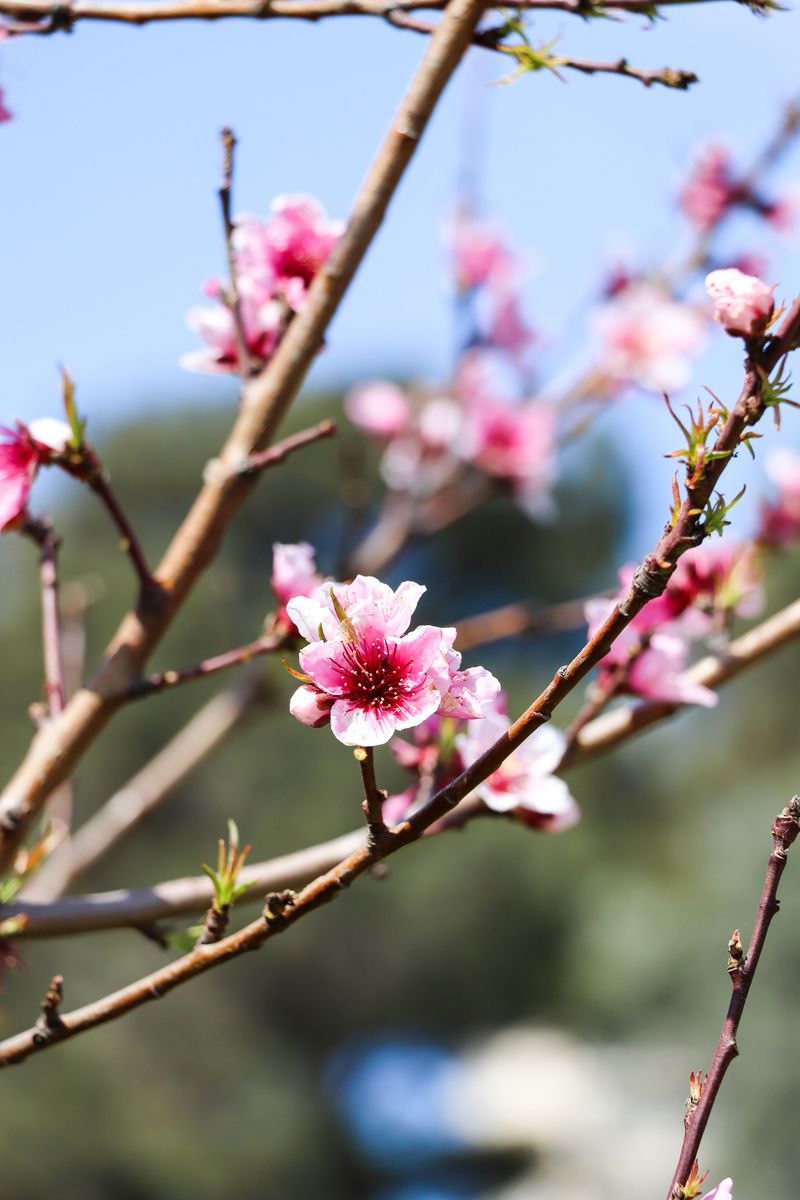
Ask any Adams County orchard grower about frost and you will probably hear a spring story. Fall freezes are expected. Spring freezes during bloom can cost a whole crop.
Blossoms are most fragile when fully open and just after petal fall. Research from Michigan State and Penn State shows a 10 percent loss of open apple blossoms around 28 degrees. Around 25 degrees, losses can climb to about 90 percent.
Peaches, apricots, and sweet cherries bloom earliest, so they face the most risk. Choosing later-blooming varieties helps.
Planting on a gentle slope also lets cold air drain away from trees instead of pooling around them.
Small backyard trees can be covered on cold spring nights. Drape frost cloth to the ground to hold soil warmth, and remove it the next morning. Watering soil a day before can help a little too.
So the first hard frost of fall is mostly a friendly checkpoint. Use it as your reminder to water, mulch, guard trunks, and clean up fallen fruit and leaves.
My final takeaway is simple. Take care of your trees in autumn, and they will be stronger for whatever surprises spring brings.