The Tomato Disease That Shows Up When Florida Nights Turn Cool and Damp
The same germ behind the Irish potato famine of the 1840s still visits backyard gardens today. It isn’t even a true fungus. Scientists call it a water mold, and it loves the exact weather many of us wait all summer to enjoy.
Here in Florida, the cool season is prime tomato time. Mild days and crisp nights feel like a reward after months of heat. Sadly, damp nights in the mid-fifties can wake up a problem that spreads through a tomato patch in days.
I still remember finding a white fuzz under leaves that looked fine the evening before. You need to know what that fuzz means before it shows up on your plants. A few simple habits can make a huge difference.
Ready to outsmart the same germ that once brought a whole nation to its knees?
That White Fuzz Under Tomato Leaves Has a Famous Past
Meet the troublemaker behind the mystery: late blight. It comes from an organism called Phytophthora infestans, and its name roughly means plant destroyer in Greek.
History buffs know it as the culprit behind the Irish potato famine. Tomatoes and potatoes are close cousins, so this pest happily attacks both.
In Florida, it tends to appear during the cooler months, when tomato season is in full swing.
What surprises many gardeners is that late blight is not a true fungus. It belongs to a group called oomycetes, or water molds.
That detail matters, because water molds need moisture to move, grow, and multiply.
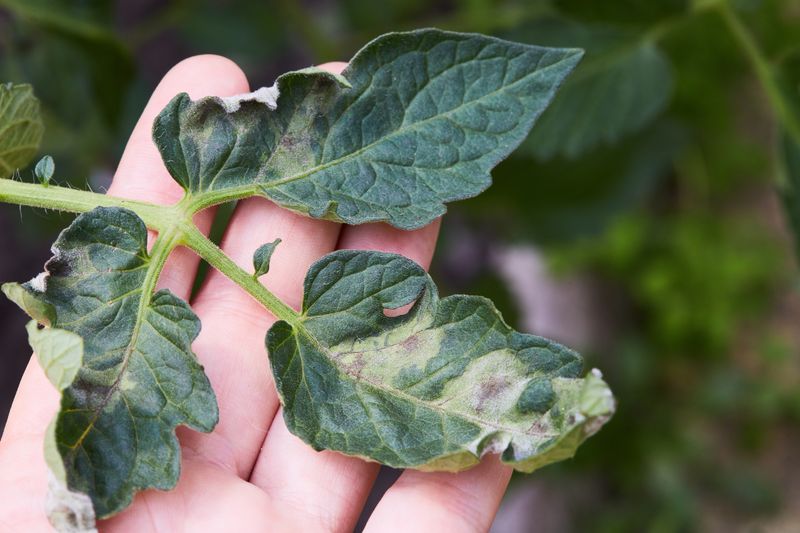
The white fuzz you might spot on the underside of leaves is actually the pathogen making spores. Each fuzzy patch can release huge numbers of them.
Those spores ride the wind and land on nearby plants, sometimes traveling many miles.
I find that a little humbling. Your garden can do everything right and still catch spores blowing in from someone else’s field.
Knowing what you’re facing is the first win. Once you recognize late blight by name, you can watch for it with sharper eyes and act faster than the disease can spread.
Foggy Nights in the Fifties Are a Tomato Plant’s Warning Signal
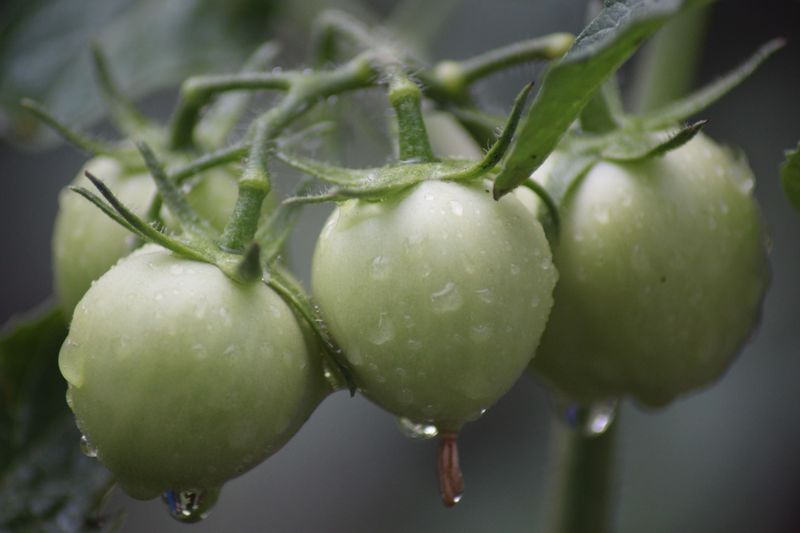
Weather is the switch that turns late blight on. University of Florida experts point to cool nights in the mid-fifties and mild days in the upper fifties to mid-seventies as ideal conditions.
Add moisture and the stage is set. Heavy dew, long stretches of rain, fog, or relative humidity above 90 percent keep leaves wet long enough for spores to sprout and invade.
Florida winters often deliver exactly that mix. A cold front rolls through, temperatures dip, and humid air leaves tomato leaves soaked by sunrise.
Those wet hours give spores the window they need.
Here’s a handy rule I use. When the forecast shows several cool, damp nights in a row, I start checking my plants every single morning instead of every few days.
Hot, dry spells usually slow late blight down. Temperatures above the mid-eighties make life hard for the pathogen, which is one reason it rarely bothers summer gardens.
Keep a weather app handy during the cool season. Watching for foggy, drizzly stretches helps you predict trouble before your plants show it.
A little forecasting goes a long way when timing decides whether you catch the problem early or late.
Spotting Greasy Brown Patches on Tomato Leaves Early
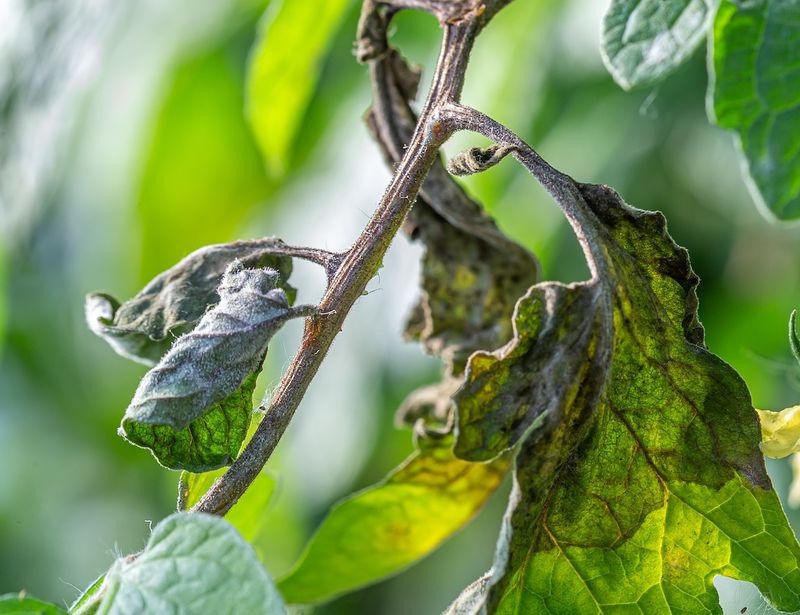
Early detection can save a harvest, so let’s talk leaves. Late blight usually starts as irregular, water-soaked spots that look greasy or pale green.
Those spots grow fast. Within a day or two they can turn brown, black, or purplish, often without the neat circles or rings you see with other leaf diseases.
Flip the leaf over on a damp morning. A thin ring of white, fuzzy growth around the edge of a lesion is a strong clue that you’re looking at late blight.
As things progress, whole leaves shrivel and hang like wet paper. UF experts note that heavily infected plants can lose most of their foliage within about two weeks.
Personally, I carry a small flashlight on morning rounds. The low angle of light makes the fuzzy edges easier to spot in the shady interior of a big plant.
Check upper and middle leaves, not just the bottom ones. Late blight can start anywhere spores land.
If you’re unsure, snap clear photos of both leaf sides and contact your county UF/IFAS Extension office. They can help confirm the diagnosis, which matters because several other tomato diseases look similar at first.
Dark Stems and Mahogany Tomatoes Tell the Rest of the Story
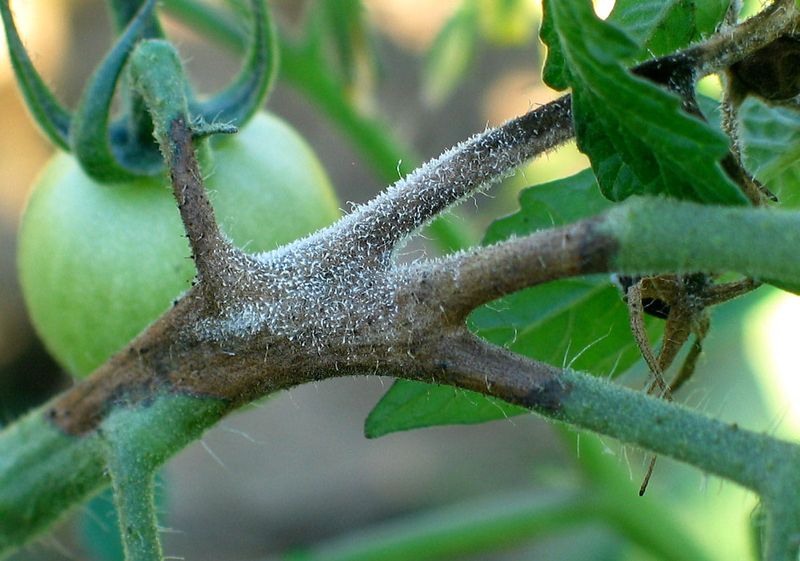
Leaves get most of the attention, yet stems and fruit often reveal how serious things are. Late blight can leave large purple to black lesions on stems that look scorched.
Those darkened sections may turn brittle. A strong breeze or a careless brush with your hand can snap an infected stem, cutting off everything above it.
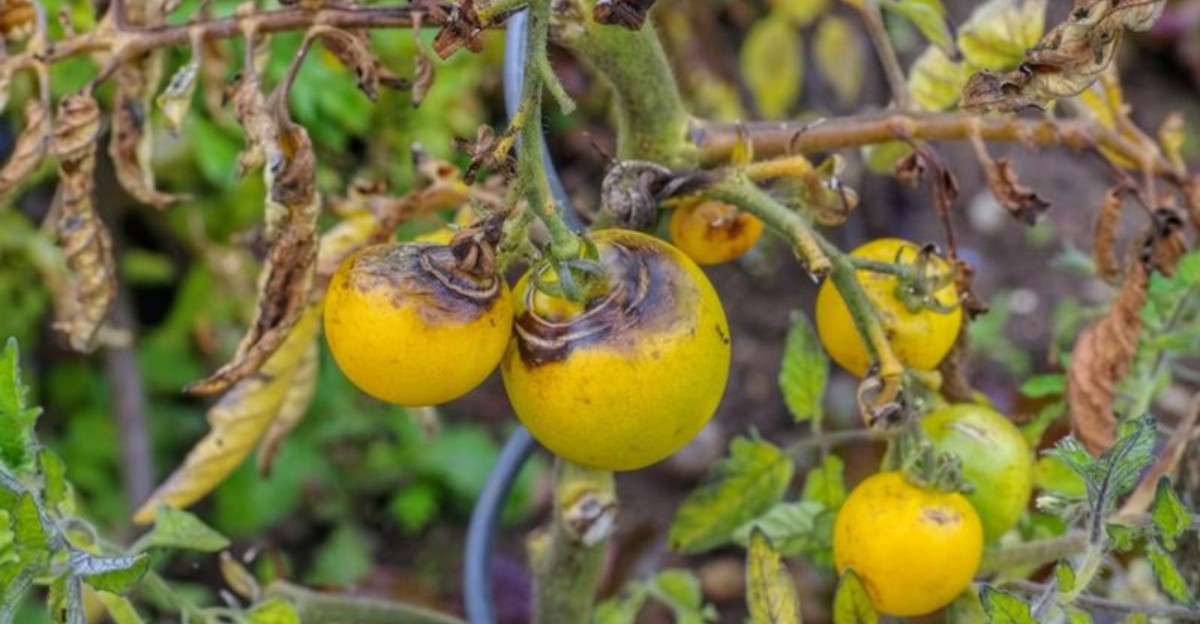
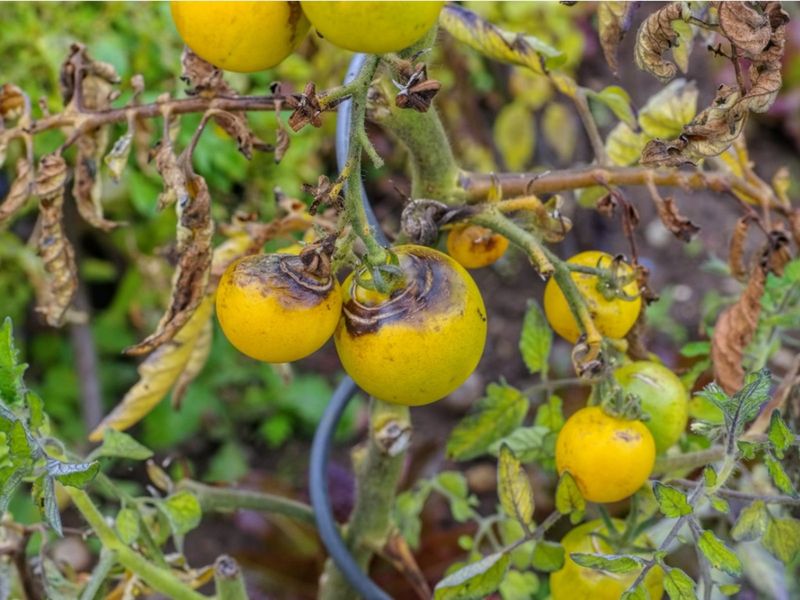
Fruit symptoms are especially frustrating. Green and ripening tomatoes develop greasy, mahogany to olive-brown blotches, sometimes with faint rings.
The skin stays fairly firm at first, which can fool you into thinking the fruit is fine.
Then secondary bacteria move in. Infected tomatoes can collapse into a soft, foul-smelling rot surprisingly fast, especially in humid weather.
So can you eat a tomato with a small spot? It’s best to skip infected fruit.
Even if it isn’t harmful, the flavor and texture usually suffer, and it won’t store well.
Here’s a quick tip from my own patch. Pick healthy-looking fruit at the first blush of color during an outbreak and let it ripen indoors on the counter.
You’ll rescue more of your harvest and keep those tomatoes away from spores still floating around the garden.
Bag Up Blighted Tomato Plants Fast and Skip the Compost Pile
Speed matters more than anything once late blight appears. Remove infected leaves, stems, and fruit right away, and pull badly affected plants entirely.
Place everything in a plastic bag, seal it, and put it out with the trash. Leaving debris on the ground lets the pathogen keep producing spores that drift to healthy plants.
Resist the urge to compost. Backyard piles rarely get hot enough to reliably neutralize the pathogen, so you’d be saving trouble for later.
Work on dry afternoons if you can. Handling wet, infected foliage can spread spores on your gloves, tools, and clothes.
I keep a separate pair of gloves just for blight cleanup. Afterward, I wash my hands and wipe pruners with a household disinfectant before touching other plants.
Be honest with yourself about heavily infected plants. A tomato that has lost most of its leaves usually won’t bounce back, and keeping it around puts the rest of your garden at risk.
Tell nearby gardening neighbors too. Spores travel on the wind, so a quick heads-up gives everyone on your street a better chance of protecting their own plants before the next damp spell rolls in.
Staked Tomatoes With Room to Breathe Dry Out Faster
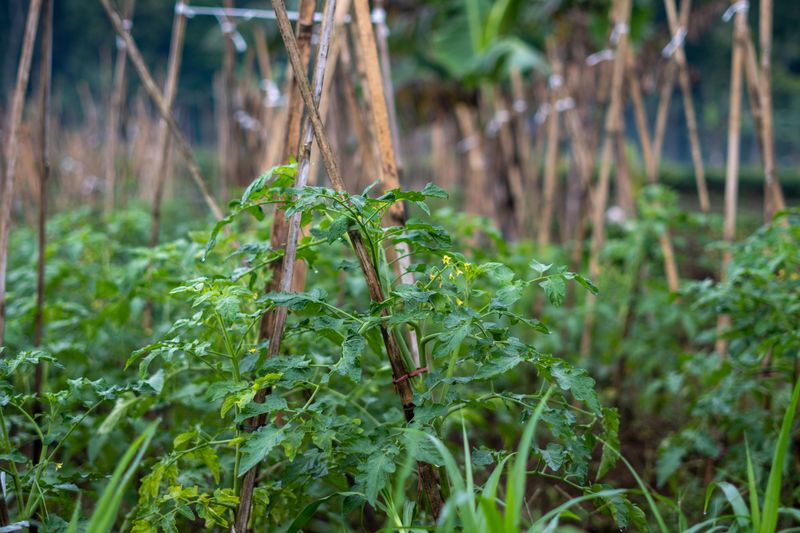
Wet leaves are an open invitation, so the goal is simple. Help your tomato foliage dry as quickly as possible.
Spacing is a big part of that. Give plants enough room so air moves freely between them, and avoid crowding a bed just to squeeze in one more variety.
Stakes, cages, or trellises lift vines off the ground. Upright plants dry faster after dew or rain, and leaves stay away from splashing soil.
Watering habits matter just as much. Aim water at the soil line with a soaker hose or drip line instead of a sprinkler.
Overhead watering leaves foliage wet for hours.
Timing helps too. Water in the morning so the sun can dry any stray drops before evening temperatures fall.
I also prune a few lower leaves once plants are established. That small gap near the soil boosts airflow and makes scouting easier.
A sunny spot rounds out the plan. Tomatoes need at least six to eight hours of direct sun, and that sunshine burns off morning moisture quickly.
Put these habits together and you’ll shorten the wet hours late blight depends on to get started.
Healthy Transplants and Resistant Tomato Varieties Give You a Head Start
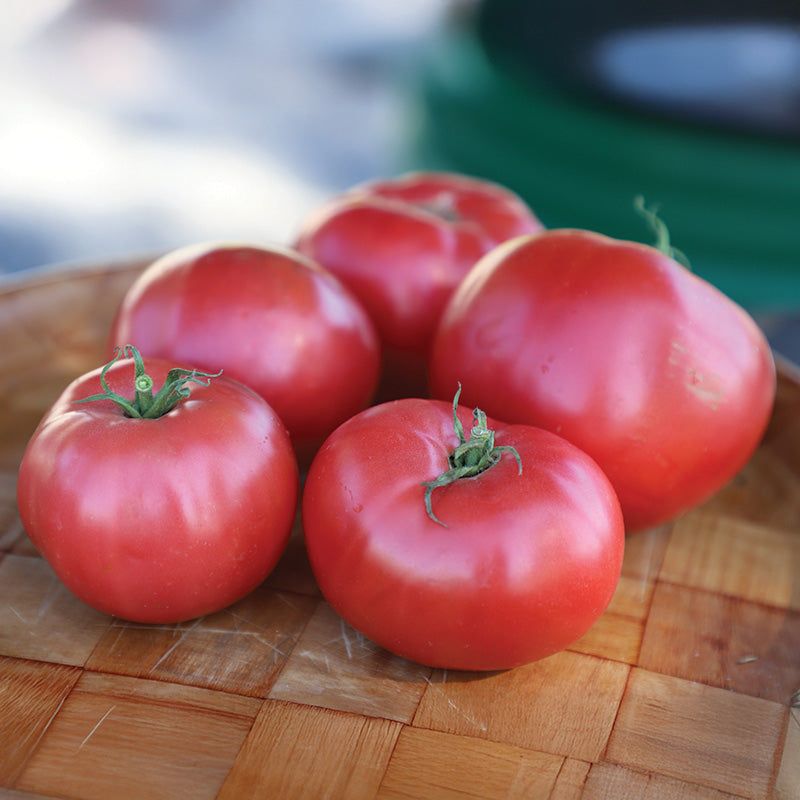
Prevention starts at the garden center. Infected transplants are a known way late blight sneaks into home gardens, so inspect seedlings carefully before buying.
Look under every leaf. Skip plants with dark spots, greasy patches, or any fuzzy growth, even if they’re on sale.
Resistant varieties are worth a look as well. Breeders have released tomatoes with late blight resistance, including Mountain Magic, Defiant PhR, and Iron Lady.
Resistance isn’t immunity, but it can slow the disease considerably.
Read the plant tag or seed packet. Codes like LB or PhR point to late blight resistance, while other letters cover diseases such as fusarium wilt.
Location counts too. Keep tomatoes away from potatoes, since both crops share this disease.
Volunteer potato plants sprouting from old tubers can harbor the pathogen, so pull them when you see them.
Rotating where you plant tomatoes each season is a smart habit. It helps manage several soil-related problems that build up over time.
I like to grow one resistant variety alongside a favorite heirloom. That way, if a damp stretch hits hard, I still have a reliable plant producing tomatoes for my kitchen.
Know When a Protective Spray Makes Sense for Your Tomato Patch
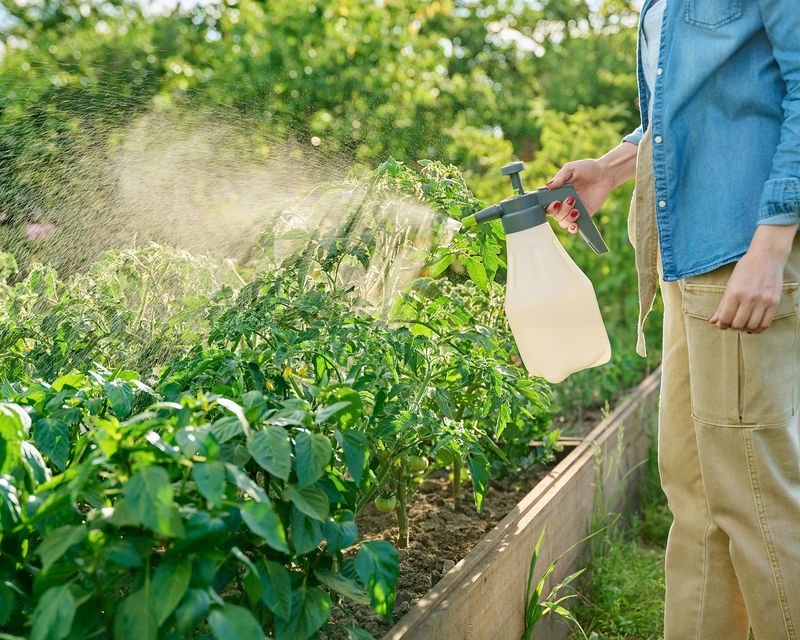
Sometimes good habits need backup. When cool, wet weather sticks around and late blight is reported nearby, a protective spray can help guard healthy plants.
Fungicides containing chlorothalonil, mancozeb, or copper are commonly recommended for home gardens. They work best before infection, forming a barrier on leaf surfaces.
They won’t cure leaves that are already infected. That’s why scouting and removing diseased material comes first, with sprays protecting new growth.
Always follow the label. It lists how often to reapply, how long to wait before harvesting, and what protective gear to wear.
Rain washes products off, so reapplication timing matters.
Don’t forget the look-alikes. Bacterial speck loves cool, moist weather and causes tiny black spots with yellow halos.
Septoria leaf spot shows small round spots with tan centers and dark edges. Copper can help with speck, and the same airflow habits help with all three.
My biggest takeaway after many Florida winters is simple. Watch the forecast, check your plants every morning, and act at the first sign of trouble.
Your county Extension office is a free, reliable partner, and catching problems early keeps those homegrown tomatoes coming all season.