Georgia Gardeners Should Dig Up Caladium Tubers In November Before The Cold Damages Them
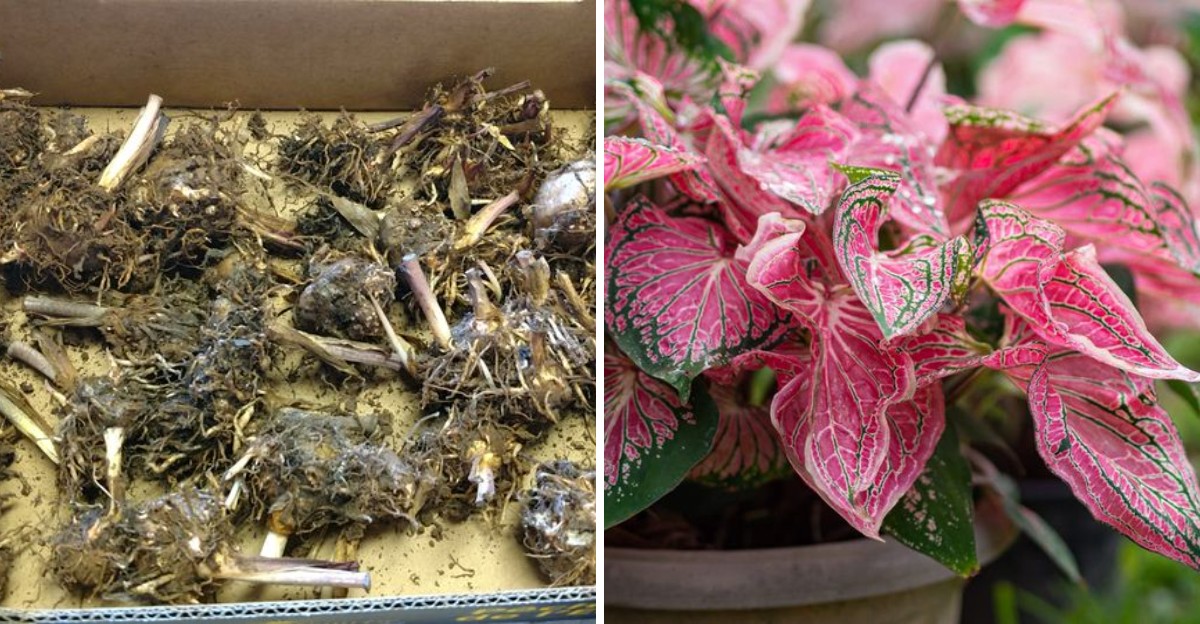
Some tropical leaves start sulking long before frost arrives. Chilly nights in the 50s can bruise their color, and the soil does not have to freeze for trouble to start underground.
I find that wild, because many fall days still feel like short-sleeve weather. Yet these painted beauties come from the warm regions of South America, where cool, soggy winters are rare.
You may not see much warning at first. The leaves just slump, fade, and flop over a little more each week.
Meanwhile, the knobby treasure below the surface sits in cold, wet dirt that invites rot.
I hate losing a plant I could have saved with one afternoon of digging. In Georgia, late fall gives you a small window to rescue them.
Waiting too long can put those valuable tubers at risk, but a few careful steps can help them make it through winter.
1. Those Drooping Caladium Leaves Are Trying To Tell You Something
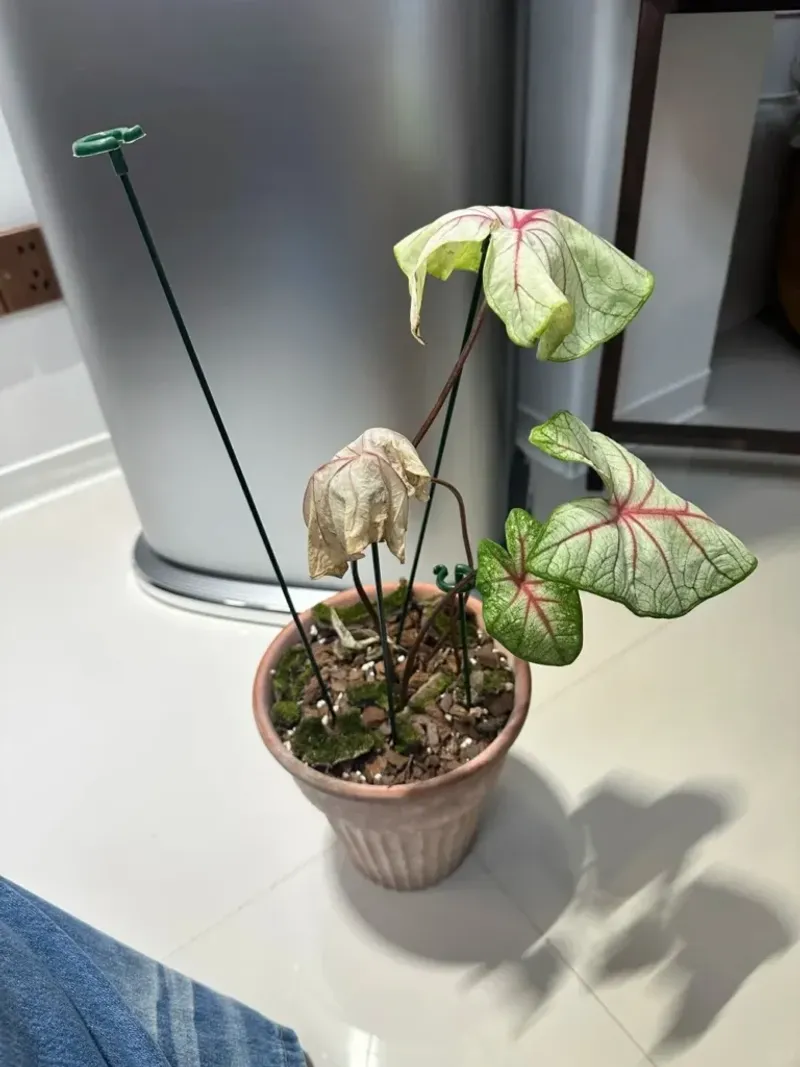
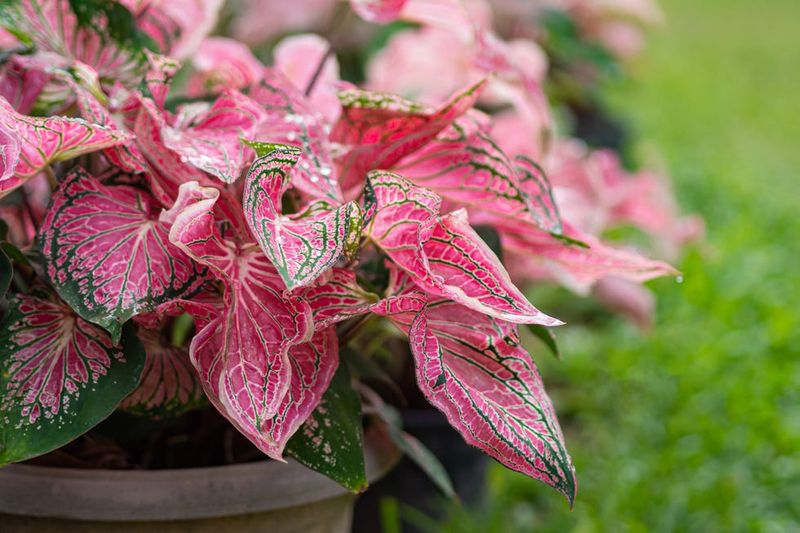
Caladiums are drama queens about temperature, and honestly, I love them for it. Those heart-shaped leaves splashed with pink, red, and white start slumping once nights slip into the 50s.
Growers and extension experts agree that caladiums prefer soil above about 60 to 65 degrees. Below that, growth slows down and the plant begins shutting itself off for the season.
You may notice leaves yellowing, flopping sideways, or losing their bright color.
That fading show is not just a cosmetic issue. Above ground, the plant is winding down, but the real concern sits below the soil line.
The tuber is the part that stores energy for next spring, and it is far more fragile than it looks.
Cold air alone is not the biggest problem. Cool soil plus wet winter rain creates the perfect setup for soft, mushy tubers.
Once rot sets in, the tuber rarely bounces back.
So when your caladiums begin looking tired in October or early November, take it as a friendly heads-up. The plant is basically waving a little flag.
Your job is to notice that signal and plan a rescue before winter weather settles in for good.
2. November Is Prime Time To Lift Caladium Tubers In Georgia
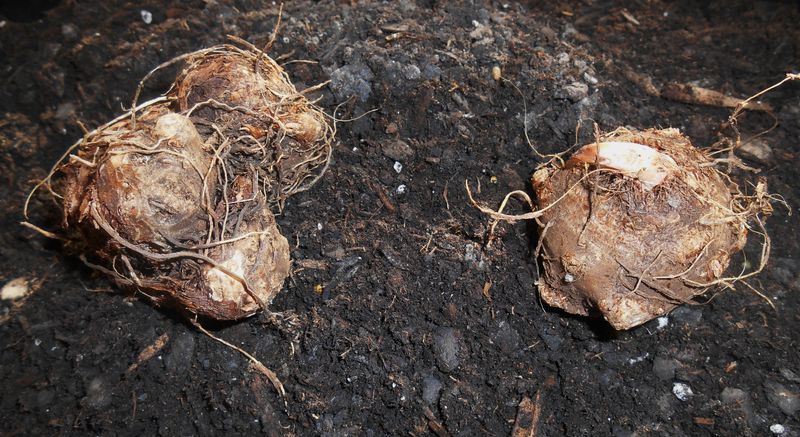
Mark your calendar for November, because that is the sweet spot for most Georgia gardens. Soil is cooling fast by then, and frost often shows up in north and central parts of the state before the month ends.
Walter Reeves, a well-known Georgia gardening expert, often suggests digging caladiums in fall once the foliage starts to decline. Many gardeners in Atlanta and the Piedmont aim for late October through mid-November.
Folks in south Georgia, around Valdosta or the coast, can often wait a bit longer.
Try to dig before the first hard frost. Frost can flatten the leaves overnight, and once the stems collapse, finding each tuber becomes a guessing game.
Trust me, poking around a bare bed with a fork is no fun.
Leaving a few leaves attached is helpful. They act like little flags that show you exactly where to dig, and some gardeners believe they keep feeding the tuber a bit longer.
Watch your local forecast closely. If a night in the low 40s or 30s appears on the ten-day outlook, grab your gloves that weekend.
A quick afternoon of digging now saves you from buying a whole new batch next spring.
3. Cold, Soggy Clay Is A Caladium Tuber’s Worst Enemy
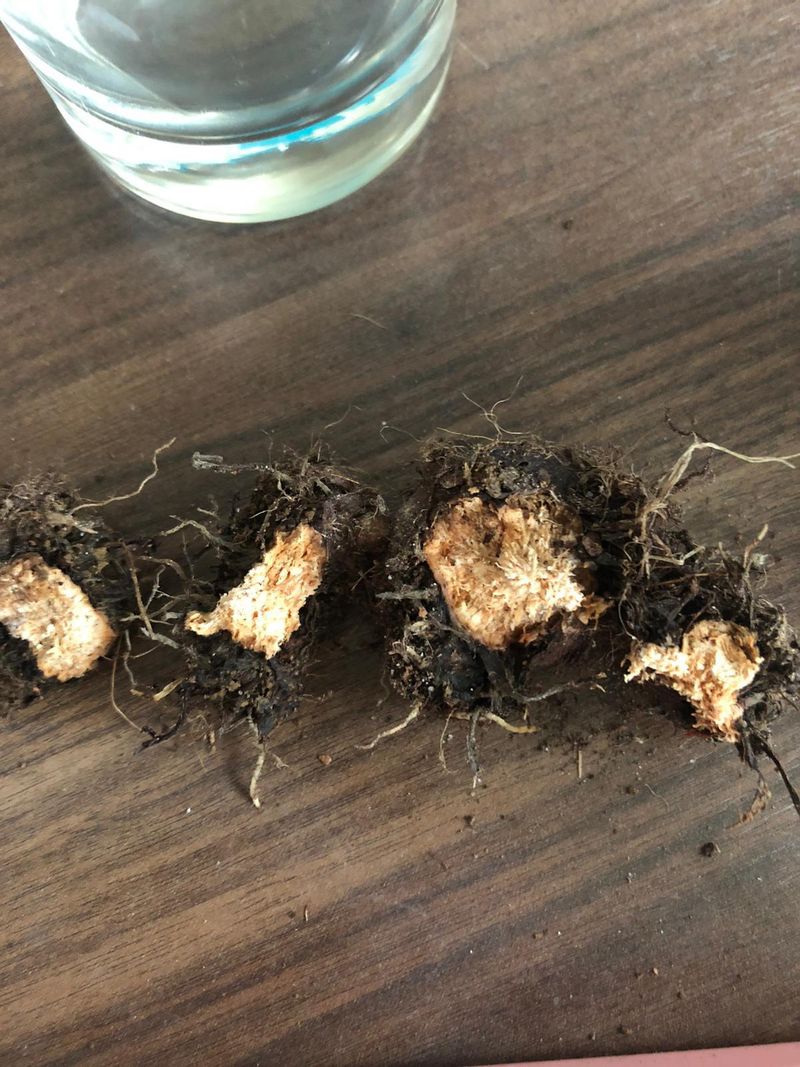
Georgia red clay holds water like a sponge in winter, and caladium tubers simply do not enjoy a cold bath. That combination is what sends so many of them into decline.
Most of the state falls into USDA zones 7 and 8, with a slice of zone 9 near the coast and the Florida line. Caladiums are reliably hardy only in zones 9 and 10, according to many university extension sources.
Even in warmer spots, wet winter soil can still cause trouble.
Here is what happens underground. The tuber stays dormant in chilly soil, but moisture keeps seeping in.
Fungi and bacteria move in, and the tuber can turn soft, smelly, or hollow by spring.
Some tubers do survive in sheltered beds, especially in mild winters. I have heard plenty of happy stories from gardeners near Savannah.
However, survivors often sprout late and push out smaller, weaker leaves.
Personally, I would rather not gamble. A tuber you dig up and store is a tuber you control.
You decide how dry it stays, how warm it sits, and when it goes back outside, instead of letting winter rainstorms make that call.
4. Grab A Garden Fork And Lift Those Knobby Tubers Gently
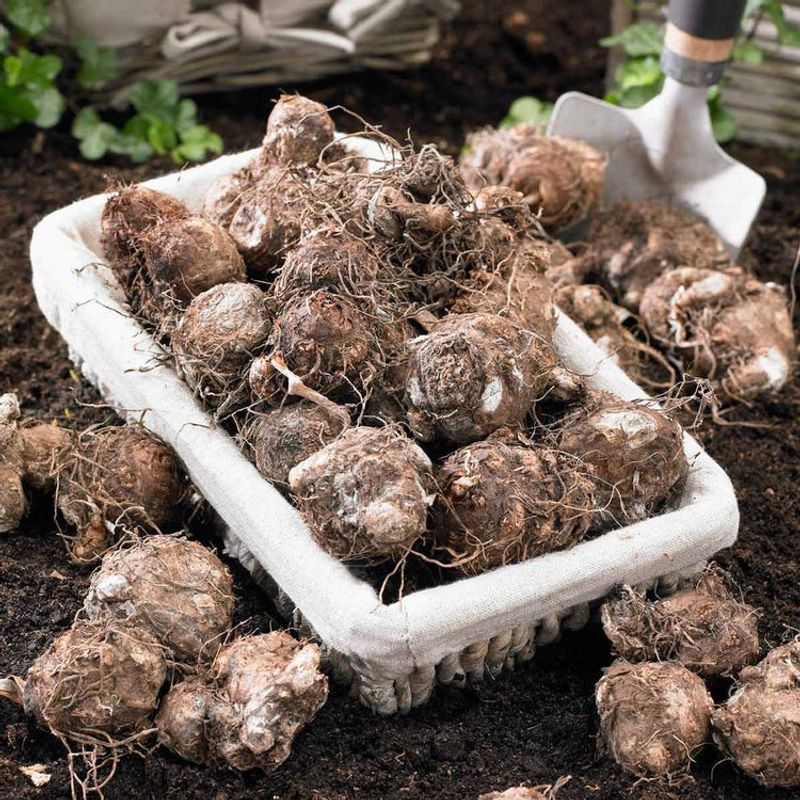
A garden fork beats a shovel every single time for this job. Shovels love slicing right through tubers, and a cut tuber is an open door for rot.
Start by pushing the fork into the soil about four to six inches away from the plant. Rock it back and forth to loosen the dirt.
Then slide it underneath and lift slowly, like you are scooping a pancake off a griddle.
Once the clump pops loose, use the stems as a handle to pull the plant free. Shake off the loose soil, but do not scrub or wash the tubers hard.
A little clinging dirt is perfectly fine at this stage.
Keep an eye out for small baby tubers hiding nearby. Caladiums sometimes form little offsets, and those can grow into new plants next year.
It feels a bit like an Easter egg hunt in the garden.
Got caladiums in pots? You have it easier.
Many gardeners simply move the whole container into a dry garage or basement and let the soil dry out. Just keep the pot somewhere that stays above 50 degrees, since chilly storage can still harm the tubers.
5. A Week Or Two Of Drying Keeps Caladium Bulbs From Rotting
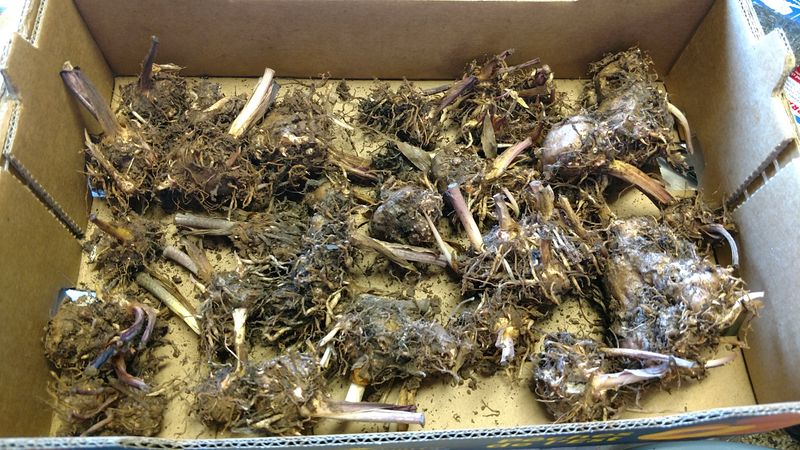
Patience pays off big during this step. Freshly dug tubers are full of moisture, and packing them away damp is the fastest route to a moldy mess.
Spread the tubers out in a single layer on newspaper, a screen, or a shallow tray. Pick a warm, dry, airy spot that stays around 70 degrees if possible.
A spare room, a heated garage, or a covered porch on mild days can work well.
Leave the leaves attached while they dry. Over one to two weeks, the foliage will wither and turn papery.
That is your cue that the tubers are ready for the next step.
Once everything feels dry, snip off the old stems close to the top of each tuber. Brush away any remaining soil with your fingers or a soft brush.
Toss any tubers that feel squishy or smell sour, because one bad apple really can spoil the bunch.
I like to set up a small fan nearby to keep air moving. Humid Georgia autumns can slow drying down a lot.
Good airflow helps the outer skin firm up, which protects the tuber during its long winter rest.
6. Caladium Tubers Want A Warm Closet, Not A Chilly Garage
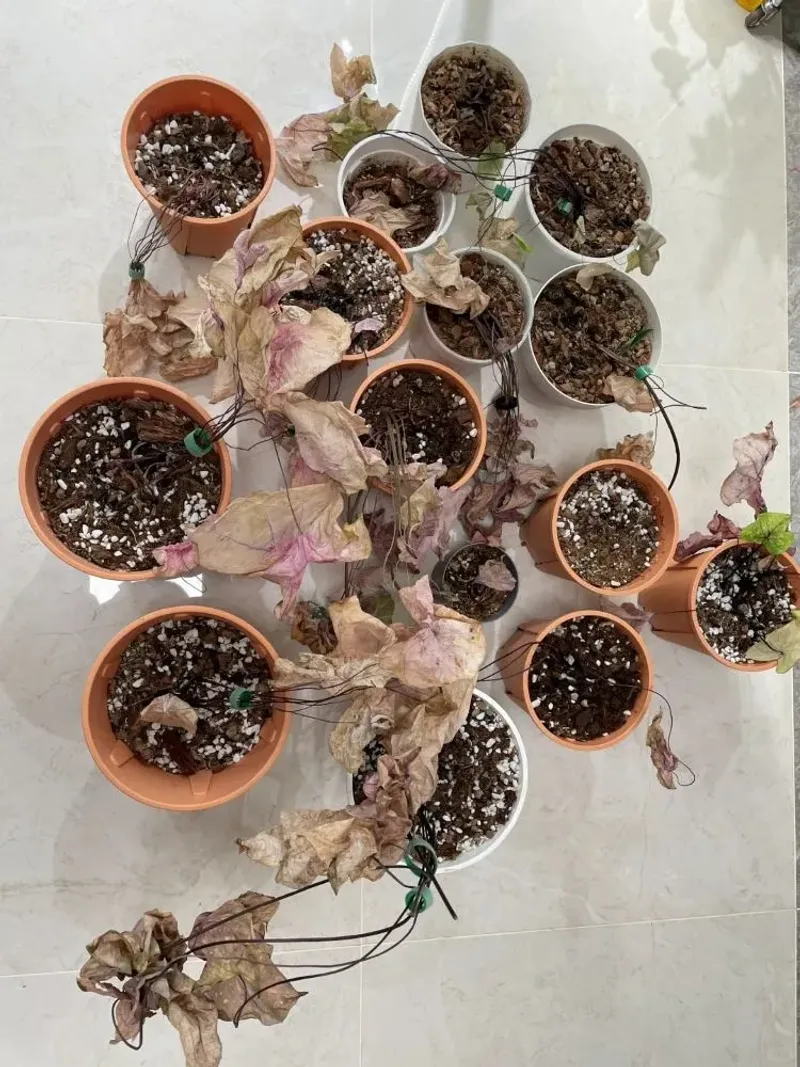
Most bulbs enjoy a chilly winter nap, but caladiums are the oddballs of the group. They want warmth even while they sleep.
Store dried tubers somewhere that stays between about 60 and 70 degrees. Many experts warn that storage below 50 degrees can injure them.
That means an unheated Georgia garage, shed, or crawl space is often a poor choice during cold snaps.
Nestle the tubers in a breathable container, like a cardboard box, paper bag, or mesh sack. Pack them in dry peat moss, perlite, vermiculite, or wood shavings.
The material cushions them and soaks up any stray moisture.
Avoid sealed plastic bags or airtight bins. Trapped humidity can lead to mold surprisingly fast.
Air needs to move around the tubers.
Label each box with the variety name or leaf color. Next spring, you will thank yourself when planning which bed gets the pink ones and which gets the white ones.
A closet shelf, the space under a bed, or the top of a laundry cabinet usually makes a cozy home until spring returns.
7. Peek At Your Stored Caladiums Once A Month
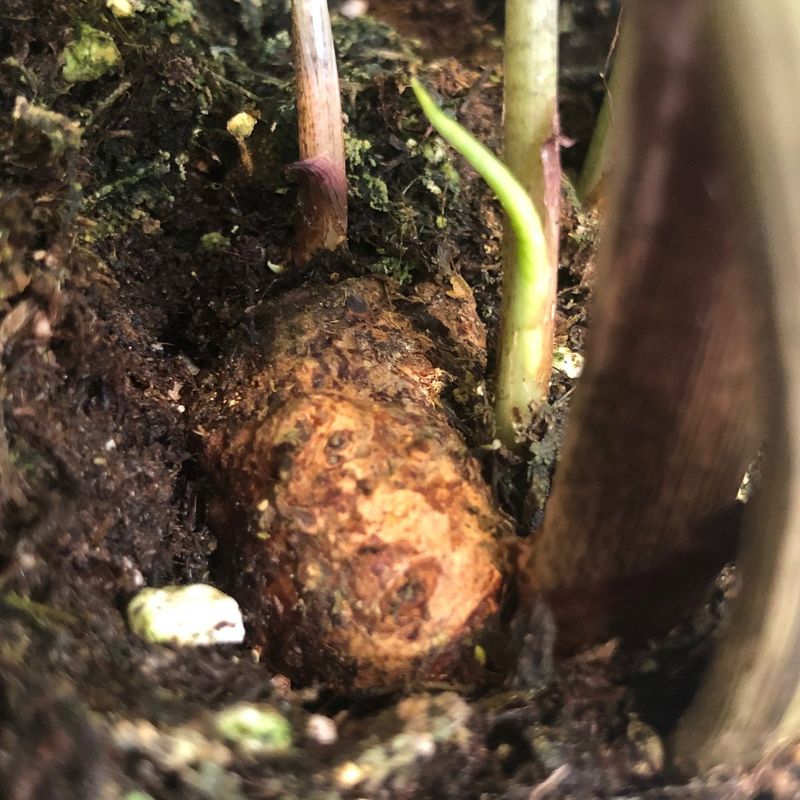
Out of sight should not mean out of mind. A quick monthly check-in keeps small problems from turning into big disappointments.
Open the box and gently squeeze a few tubers. Healthy ones feel firm, a lot like a small potato.
Soft, mushy, or moldy tubers should be removed right away so trouble does not spread.
Shriveling is the other warning sign. If tubers look wrinkled and shrunken, the air may be too dry.
A very light mist on the packing material, not the tubers, can help balance things out.
I keep a sticky note on my calendar for the first of each month. It takes less than five minutes, and it gives me a little spark of excitement about spring.
Those knobby lumps hold a whole summer of color.
Here is a fun bit of trivia. Lake Placid, Florida, calls itself the Caladium Capital of the World and grows the vast majority of the world’s caladium tubers.
Many of the tubers sold at Georgia garden centers likely started there, so yours are close cousins to a famous family.
8. Replant Caladiums When Georgia Soil Warms Up In Spring
Spring fever hits hard, but caladiums reward the gardener who waits. Planting too early in cold soil can stall them or invite the same rot you worked so hard to avoid.
Hold off until soil temperatures stay around 65 to 70 degrees. In most of Georgia, that lands somewhere between late April and May.
North Georgia mountain gardeners may need to wait a little longer.
Want a head start? Pot tubers indoors in March or April and keep them warm.
By the time outdoor soil heats up, you will have sprouted plants ready to go.
When you plant, set tubers about two inches deep with the knobby side facing up. Space them roughly eight to twelve inches apart.
Rich, well-drained soil in partial shade keeps those painted leaves looking their best.
Fair warning, saved tubers sometimes produce slightly smaller leaves than brand-new ones. Removing the largest center bud before planting can encourage more side shoots and a fuller plant.
With a little care each November, you can enjoy the same beauties year after year, and that feels like a real gardening win.