What The Mistletoe Growing In Your California Oak Tree Means For Its Health
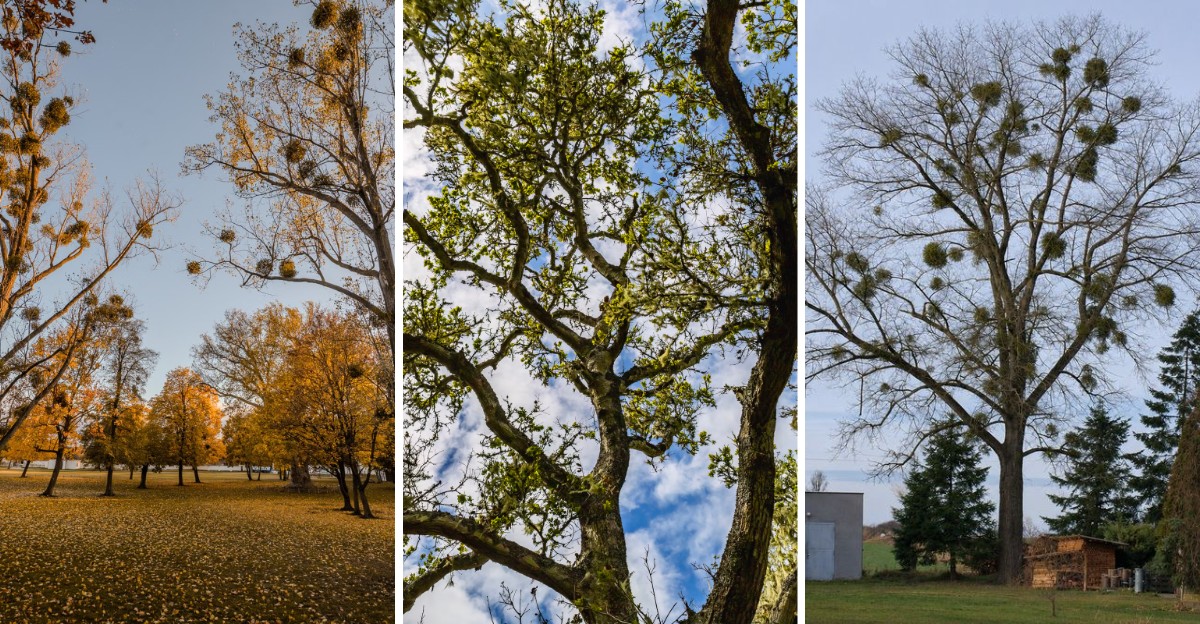
Some of the greenest leaves on a winter oak do not belong to the oak at all. They belong to a sneaky hitchhiker that taps straight into the branch for water and minerals.
I love spotting those round green clumps when the valley oaks go bare. Birds love them too, and they spread the seeds in a surprisingly sticky way. The seeds glue themselves to bark after passing through a bird or getting wiped off its beak.
If you have oaks in California, you have probably wondered whether those clumps are slowly harming your tree. You deserve a real answer, not a panic.
Personally, I was surprised by what researchers found. The story is more balanced than most tree service ads suggest. So is that green bundle a freeloader, a friend, or a little of both?
Those Green Clumps In Your Bare Winter Oak Have A Double Life
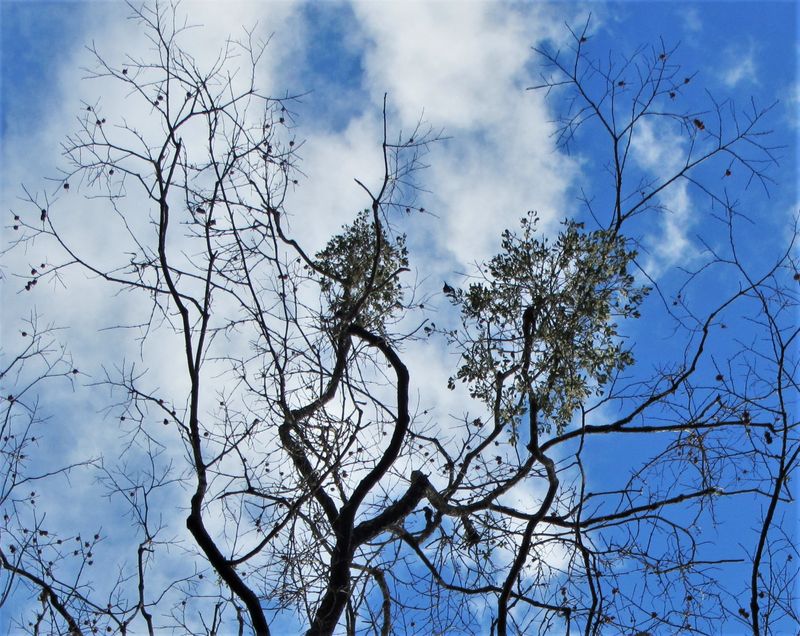
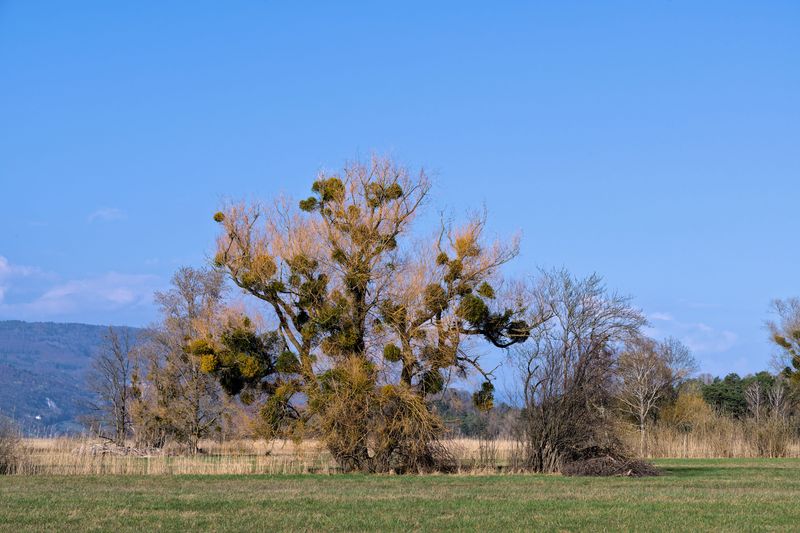
Winter is when the secret comes out. Your valley oak or blue oak drops its leaves, and suddenly round green bundles appear high in the canopy like forgotten holiday decorations.
In California, those clumps on oaks are almost always oak mistletoe, known to botanists as Phoradendron leucarpum subspecies tomentosum, and often listed by its older name, Phoradendron villosum. Its leaves are thick, oval, and slightly fuzzy, and it stays green all year.
Mistletoe is called a hemiparasite. It makes its own food through photosynthesis, but it borrows water and minerals from your oak. It does that through root-like structures called haustoria that grow into the living wood of a branch.
You may hear scary things about dwarf mistletoe. That relative mostly targets pines, firs, and other conifers, and it can cause twisted witches brooms and serious decline in forests.
Broadleaf mistletoe on oaks plays by different rules. It is slower, less damaging, and far easier to live with. Knowing which one you have is the first step toward a calm, smart decision about your tree.
A Few Mistletoe Bunches Rarely Bother A Healthy Valley Oak
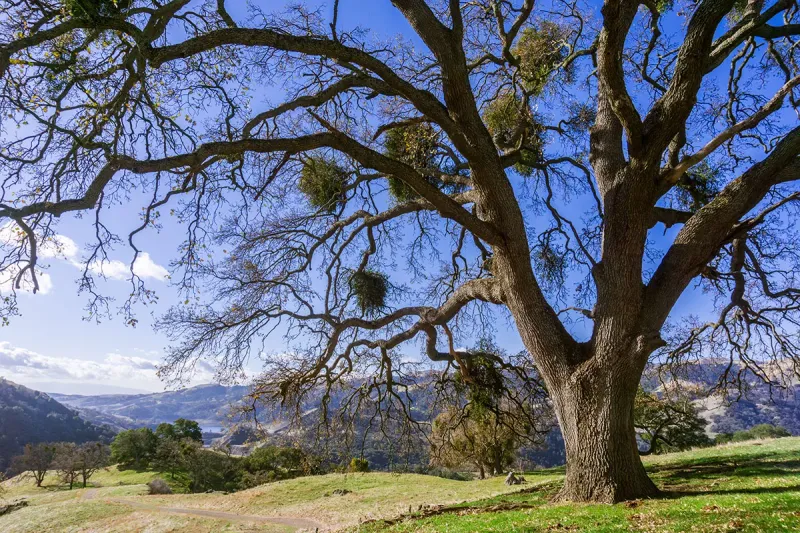
Researchers have spent years watching California oaks with and without mistletoe, and the results are reassuring. Studies on valley, blue, and California black oaks found that light to moderate mistletoe often had little effect on growth or long-term survival.
Some observations even linked mistletoe to trees that produced plenty of acorns. That does not mean the mistletoe helps the oak directly. Bigger, older, sunnier trees tend to attract both more birds and more mistletoe, so the connection may simply reflect a strong, mature tree.
What does this mean for you? If your oak has a handful of clumps and a full, leafy canopy in spring, it is probably doing fine. You do not need to rush out with a ladder and saw.
I find this a relief, honestly. Oaks are tough, long-lived trees, and they have shared space with this plant for a very long time.
Your job is mostly to watch and keep notes. Snap a winter photo each year from the same spot. Comparing those pictures makes it easy to see whether the clumps are holding steady or multiplying across the crown.
Heavy Mistletoe Loads Spell Trouble For Drought-Stressed Oaks
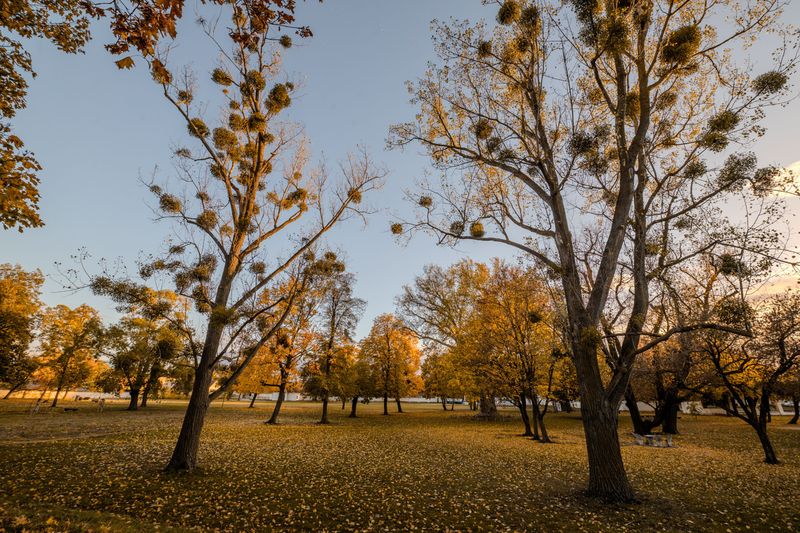
Trouble starts when mistletoe moves from guest to crowd. Dozens of clumps can pull a lot of water from branches, and that matters most when your oak is already short on it.
California summers are long and dry, and recent drought years left many oaks weakened. Add root damage from construction, soil compaction, or disease, and a heavy mistletoe load can speed up a tree’s decline.
Infected branches often swell where the mistletoe attaches. Over many years, the wood beyond that point may weaken, thin out, and drop leaves early. Those branches become easier targets for boring insects and fungi.
Weight is another concern. Big, dense clumps hold rain and catch wind like little sails, which adds stress to limbs during winter storms.
A cracked branch over a lawn is an annoyance. A cracked branch over your roof, driveway, or patio is a safety issue worth taking seriously.
So the real question is not whether mistletoe is present. It is how much there is and how strong your oak looks overall. A vigorous tree handles a lot more than a struggling one.
Thinning Oak Canopies And Bare Branch Tips Deserve A Closer Look
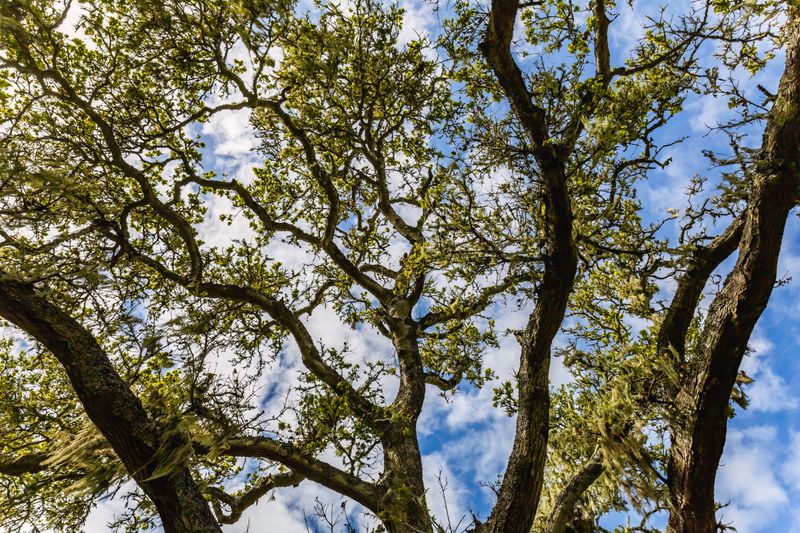
Grab a pair of binoculars and a cup of coffee. A slow walk around your oak tells you more than any guess from the kitchen window.
Watch for these clues that your tree needs help:
Mistletoe spreading from a few branches to much of the crown within a couple of seasons. A thin, patchy canopy in late spring when leaves should be full. Bare, leafless branch tips beyond the spots where clumps attach.
Also look for swollen knots on limbs, oozing sap, peeling bark, mushrooms near the base, or fresh cracks in large branches. These point to problems that mistletoe may be making worse.
Winter is the best time to count clumps on deciduous oaks like valley, blue, and black oaks. Live oaks keep their leaves, so the mistletoe blends in more, and you may need to look closely from several angles.
Spring is the best time to judge leaf growth. A healthy oak pushes out bright new foliage across the whole canopy.
If several warning signs show up together, call a certified arborist. They can spot hidden decay and structural risks long before a limb gives way.
Pruning Mistletoe Branches A Foot Below The Clump Works Best
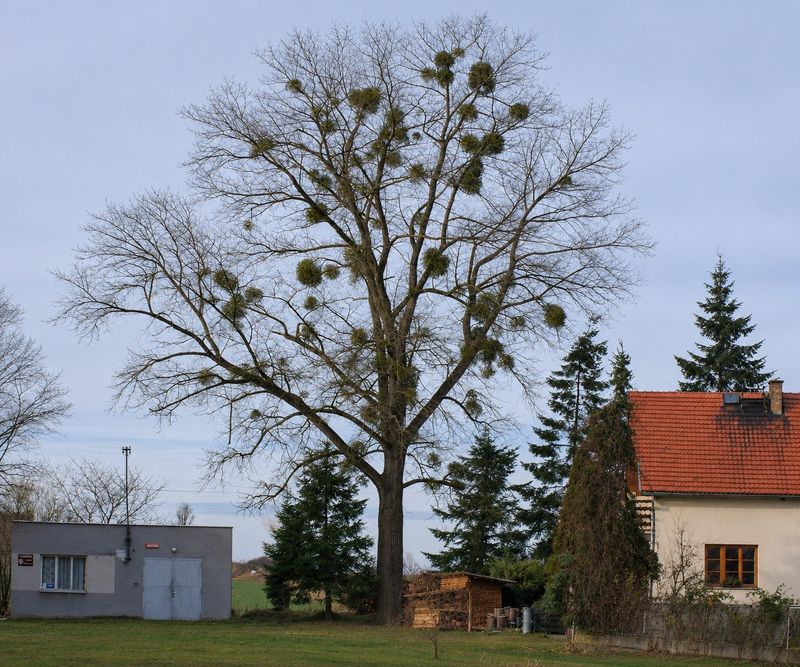
Snipping off the green part feels satisfying, but it rarely solves anything. The haustoria stay buried in the branch, and the mistletoe usually sprouts right back.
For lasting results, UC experts recommend cutting the infected branch at least 12 inches below the attachment point. Make the cut back to a healthy side branch or the branch collar so the oak can seal the wound well.
What about clumps on the trunk or a major limb you cannot remove? Cut the visible growth flush with the bark. Then wrap the spot tightly with black plastic or dark material to block light.
Without sunlight, the mistletoe cannot make food and often fails to regrow over a year or two. Check the wrap now and then and replace it if it tears.
Timing helps too. Pruning oaks during the dry season reduces risk of some diseases, and clumps are easiest to spot in winter.
Chemical sprays exist, but they mostly make shoots drop for a while. The parasite inside the branch survives. For tall trees or large limbs, hire a certified arborist rather than climbing a ladder with a saw.
Phainopeplas And Waxwings Count On Those Sticky Mistletoe Berries
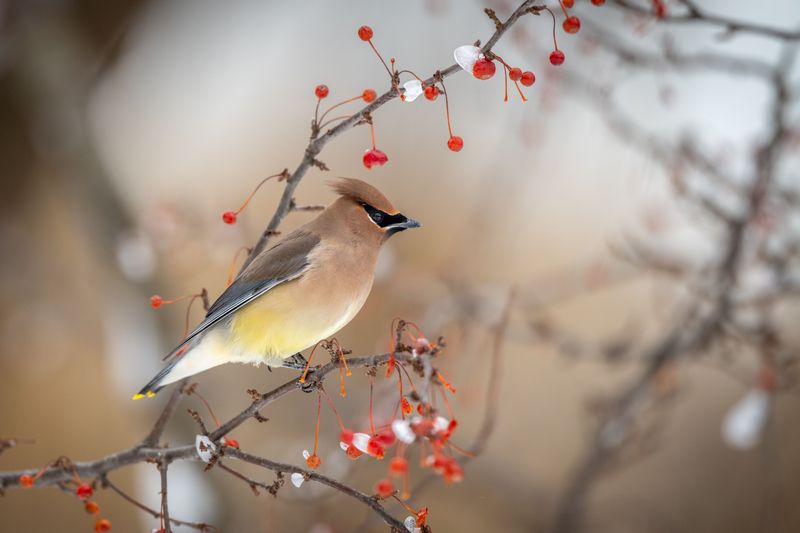
A glossy black bird with a jaunty crest and red eyes might be the best reason to leave a few clumps alone. Meet the phainopepla, a mistletoe specialist found in parts of California.
Oak mistletoe produces pinkish-white berries that ripen through fall and winter. That timing is perfect for hungry birds when insects and other fruits are scarce.
Cedar waxwings, American robins, western bluebirds, and phainopeplas all snack on these berries. The seeds are coated in sticky goo, and birds spread them to new branches, which is how the plant gets around.
Fun fact: mistletoe also feeds the great purple hairstreak butterfly. Its caterpillars eat only mistletoe leaves, and the adults flash brilliant blue wings.
Dense clumps also offer shelter and nesting spots for birds and small critters. In a garden, that adds up to more life to watch from your porch.
One quick caution: the berries and leaves are toxic to people and pets. Keep fallen sprigs away from curious dogs and kids. If your oak is healthy and the clumps are few, sharing them with wildlife is a pretty generous trade.
Deep Summer Watering Mistakes Can Hurt Your Oak More Than Mistletoe
My favorite tip for mistletoe on oaks has nothing to do with cutting. A strong oak is the best defense, and native oaks have specific likes and dislikes.
Established California oaks are adapted to dry summers. Frequent summer watering near the trunk can encourage oak root fungus and crown rot, which are often far more serious than mistletoe.
Instead, keep sprinklers and lawns away from the root crown. During long droughts, an occasional deep soak out near the drip line in winter or spring can help, especially if rains fail.
Let fallen oak leaves stay as natural mulch, keeping them a few inches from the trunk. Avoid piling soil against the base, trenching through roots, or parking cars under the canopy.
Fertilizer is rarely needed for native oaks. Extra nitrogen can push weak growth that pests love.
Each winter, count the mistletoe clumps and compare with last year. Remove problem branches before they get crowded, and call an ISA certified arborist for anything large or near your house.
Treat the mistletoe as a signal, not a verdict. Your oak can likely share its branches for decades.