Can California Gardeners Still Plant Bare Root Fruit Trees In December?
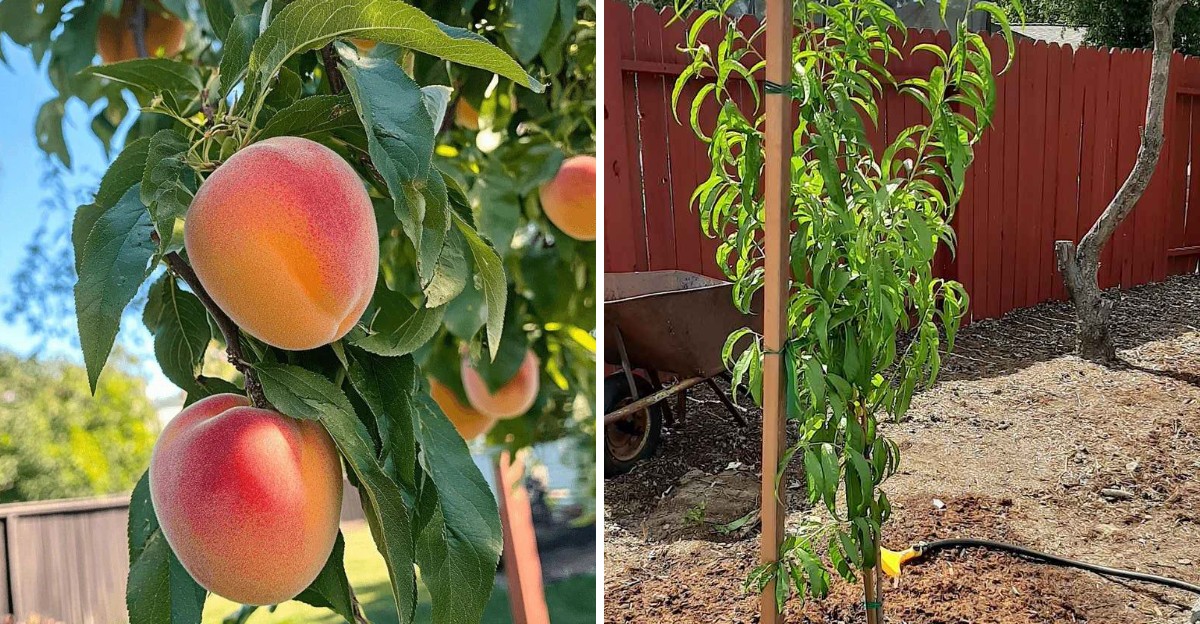
A bare-root fruit tree can spend weeks looking like a bundle of sticks while its roots quietly settle into the ground. That unusual winter planting window catches many California gardeners by surprise, especially when December still feels like the middle of the holiday rush.
I’ll admit, those leafless trees take a little imagination at the nursery. Yet buying one now can mean better prices, more varieties to choose from, and a head start before spring growth begins.
Timing matters, though. Dormant trees generally handle planting well, but soggy soil, poor drainage, and the wrong chill-hour requirement can turn an exciting purchase into a frustrating project. Local climate makes a real difference, too.
Before you bring home that peach, apple, or plum, there are a few details worth checking. December may be an excellent time to plant, provided your garden is ready.
Those Leafless Fruit Tree Sticks Are Right On Schedule
Yes, you can plant them in December. In fact, many California nurseries are only just getting their first shipments around this time of year.
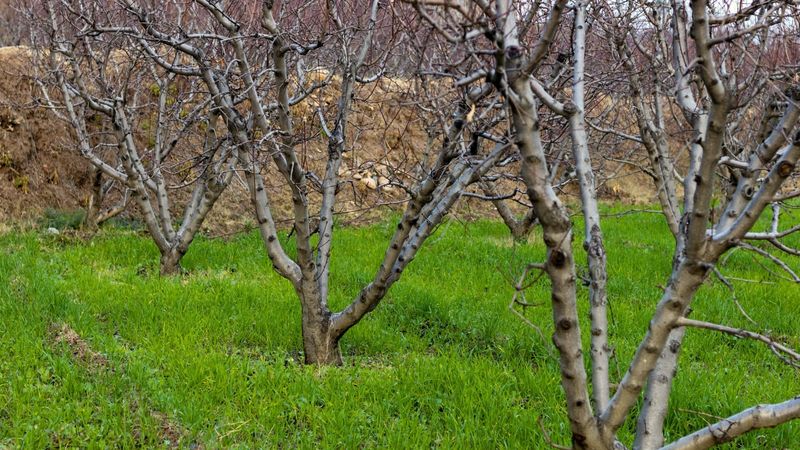
Bare root season in the state usually runs from about December through February, sometimes stretching into early March. UC Master Gardener programs commonly point to this winter window as the ideal time for planting deciduous fruit trees like peaches, plums, apricots, apples, pears, and cherries.
The reason is simple. These trees are dormant, which means they have dropped their leaves and paused top growth. A sleeping tree loses very little water through its branches, so it handles the move from nursery to yard with much less stress.
Meanwhile, California soil rarely freezes hard in most lowland areas. That lets roots slowly settle in and start growing while rain helps keep the ground moist.
December also gives you first pick. Popular varieties, especially low-chill favorites and special multi-graft trees, often sell out by late January.
So if you have been wondering whether you missed the boat, relax. You are early, not late. The main thing to watch is the soil itself, and that matters more than the calendar date.
Soggy Soil Matters More Than The Date On Your Calendar
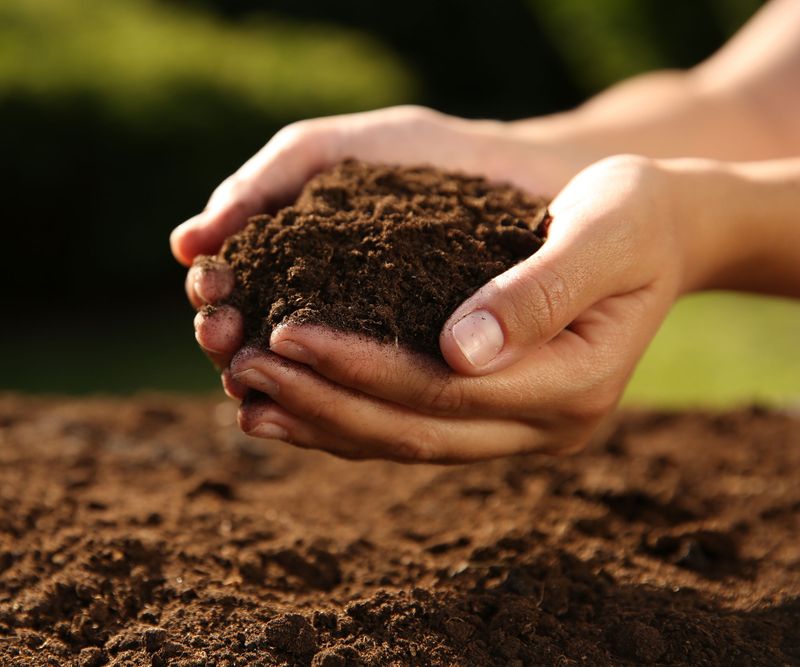
A quick squeeze test can save your new tree. Grab a handful of soil from your planting spot and press it in your fist.
If it crumbles apart, you are ready to dig. If it oozes water or forms a sticky, shiny ball, wait a few days. Digging in waterlogged clay smears the sides of the hole and creates a hard wall that roots struggle to push through.
December storms can soak Northern California and coastal areas quickly. Planting into cold, saturated soil raises the risk of root rot, which is one of the biggest reasons young fruit trees fail.
So what do you do with a tree waiting in the garage? Keep the roots moist and cool. You can also heel it in by laying the roots in a shallow trench and covering them with damp soil or mulch.
That temporary home can hold a dormant tree safely for a few weeks.
Personally, I keep a bucket of moist wood shavings handy for this exact reason. Weather in winter is unpredictable, and a little patience goes a long way. A few dry days after a storm usually bring the soil back to perfect planting condition.
Count Your Winter Chill Hours Before Buying That Peach Tree
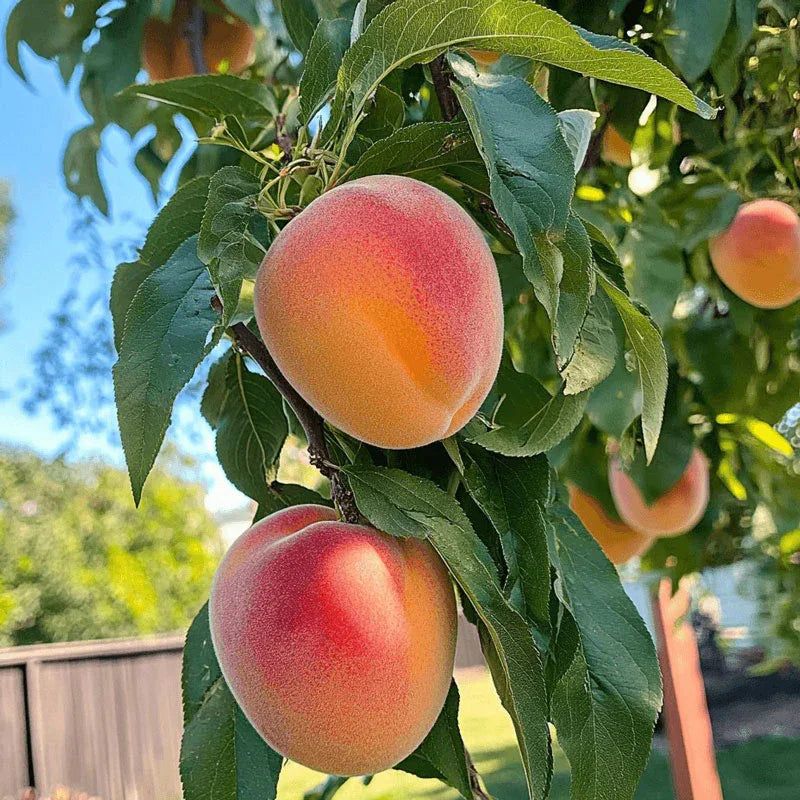
Here is a fact that surprises plenty of new growers. Many fruit trees need a certain number of cold hours each winter before they will bloom and fruit properly.
Gardeners call these chill hours. They are usually counted as hours between roughly 32 and 45 degrees Fahrenheit during the dormant season.
A classic apple or cherry may need 800 hours or more. Much of coastal Southern California gets only 100 to 400 hours. Plant a high-chill tree there, and you may see weak, spotty blooms and very little fruit.
Luckily, breeders have created wonderful low-chill choices. Look for names like Babcock or Eva’s Pride peach, Anna or Dorsett Golden apple, Santa Rosa plum, and Minnie Royal or Royal Lee cherries.
Gardeners in the Central Valley, Sierra foothills, and inland north usually get far more chill, so their options are wider.
Not sure about your area? UC Cooperative Extension and local Master Gardener groups share chill information for many regions.
Check the tag before you fall in love. A tree matched to your climate is a tree that actually rewards you.
Healthy Bare Roots Should Look Plump And Firm
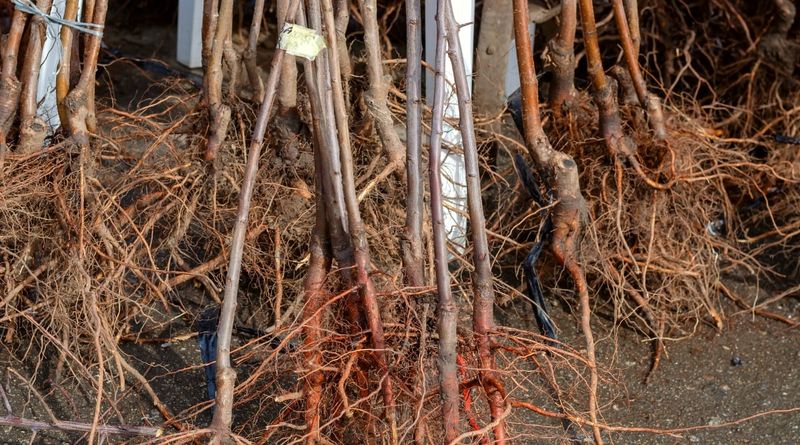
Shopping for a bare root tree is a bit like picking produce. You want something fresh, firm, and full of life.
Start with the roots. They should feel moist and flexible, with plenty of thick and thin strands spreading in several directions. Avoid roots that look dried out, mushy, moldy, or snapped off.
Next, check the trunk. A straight trunk around half an inch to three quarters of an inch thick is a solid size for home planting. Gently scratch a tiny spot with your fingernail. Green tissue underneath is a great sign.
Buds should look plump and tight, not shriveled. If a tree has already started leafing out in the bin, it has woken up early and may need extra care.
Also notice the graft union. That knobby bump low on the trunk should look healed and solid.
Once you buy, move fast. Roots dry out quickly in sun and wind, so keep them wrapped and shaded on the drive home.
Soaking the roots in a bucket of water for a few hours before planting gives them a refreshing drink and a great start.
Dig A Wide Shallow Hole For Your New Fruit Tree
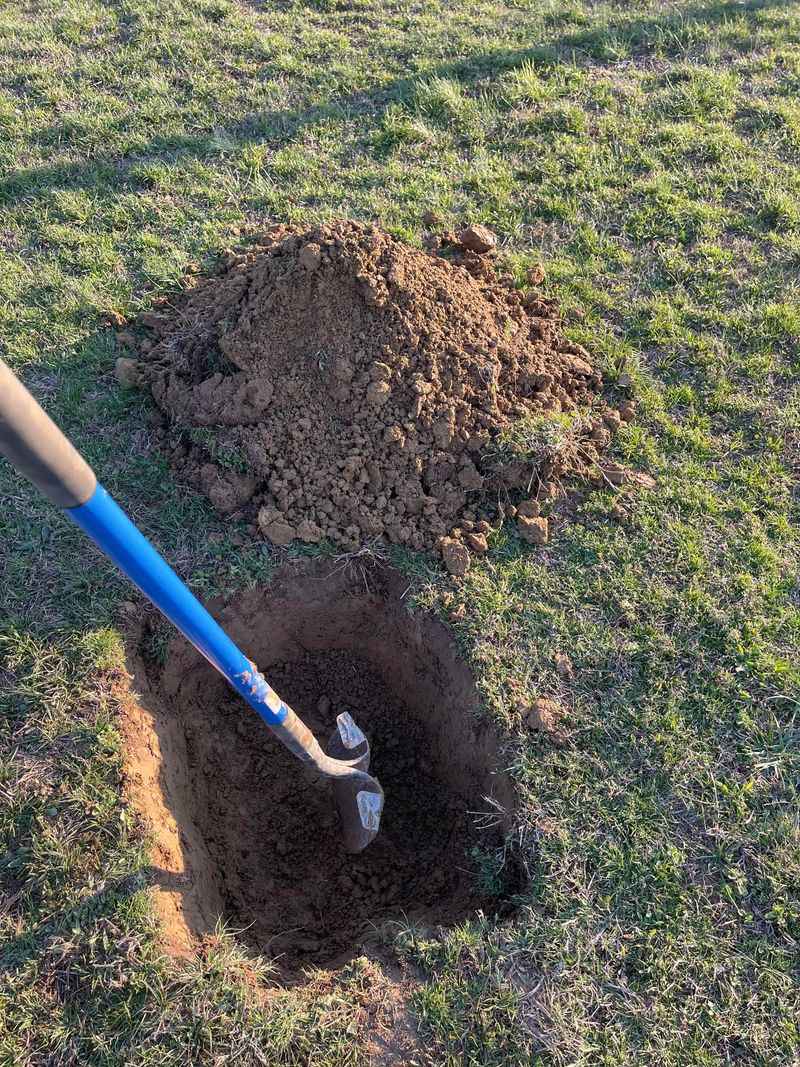
Bigger is not deeper when it comes to planting holes. Your tree wants room to spread sideways, not a deep pit to sink into.
Pick a spot with at least six to eight hours of direct sun. Fruit trees that sit in shade often produce weak growth and fewer blossoms.
Dig the hole about twice as wide as the root spread, and only as deep as the roots need. Build a small cone of soil in the center, then drape the roots over it like the legs of a spider.
Set the tree so the graft union sits a few inches above the soil line. Burying it can cause the scion to root or the rootstock to take over.
Fill the hole with the same native soil you removed. UC guidance generally advises against heavy amendments in the planting hole, since roots may stay in that rich pocket instead of reaching out.
Skip the fertilizer for now, too. Fresh roots are tender and can burn.
Got heavy clay? Planting on a raised mound a foot or so high helps water drain away from the crown.
A Knee High Fruit Tree Cut Feels Scary But Works
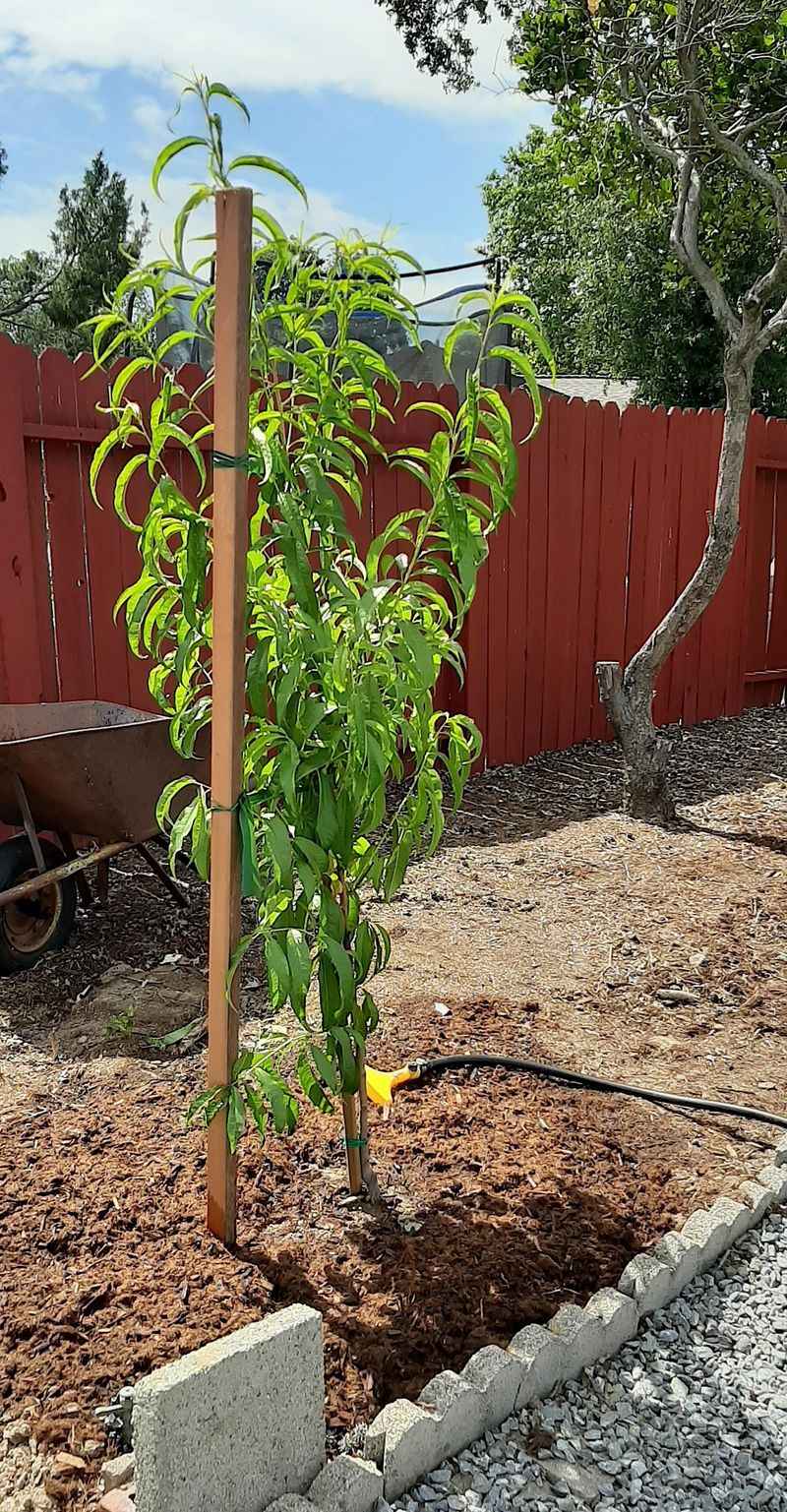
Grab your pruners and take a deep breath. Many UC experts recommend cutting a new bare root tree down to about knee height, roughly 18 to 24 inches, right after planting.
I know, it feels wrong. You just paid for a tall tree, and now you are chopping most of it off.
Yet this cut makes sense. The nursery trimmed away much of the root system during digging, so a smaller top keeps things balanced. It also encourages low branches, which means fruit you can reach without a ladder.
Backyard orchard fans in California, like longtime experts at Dave Wilson Nursery and UC Master Gardeners, love this approach for keeping trees small and easy to care for.
Make a clean cut just above a healthy bud. New shoots will sprout below it in spring.
One exception applies. If you bought a multi-graft tree or a carefully shaped espalier, check the tag before cutting so you keep each variety.
Finish by painting the trunk with white latex paint mixed half and half with water. That simple coat helps prevent sunburn on bare bark once strong sun arrives.
Winter Rain Usually Handles Watering Your New Tree
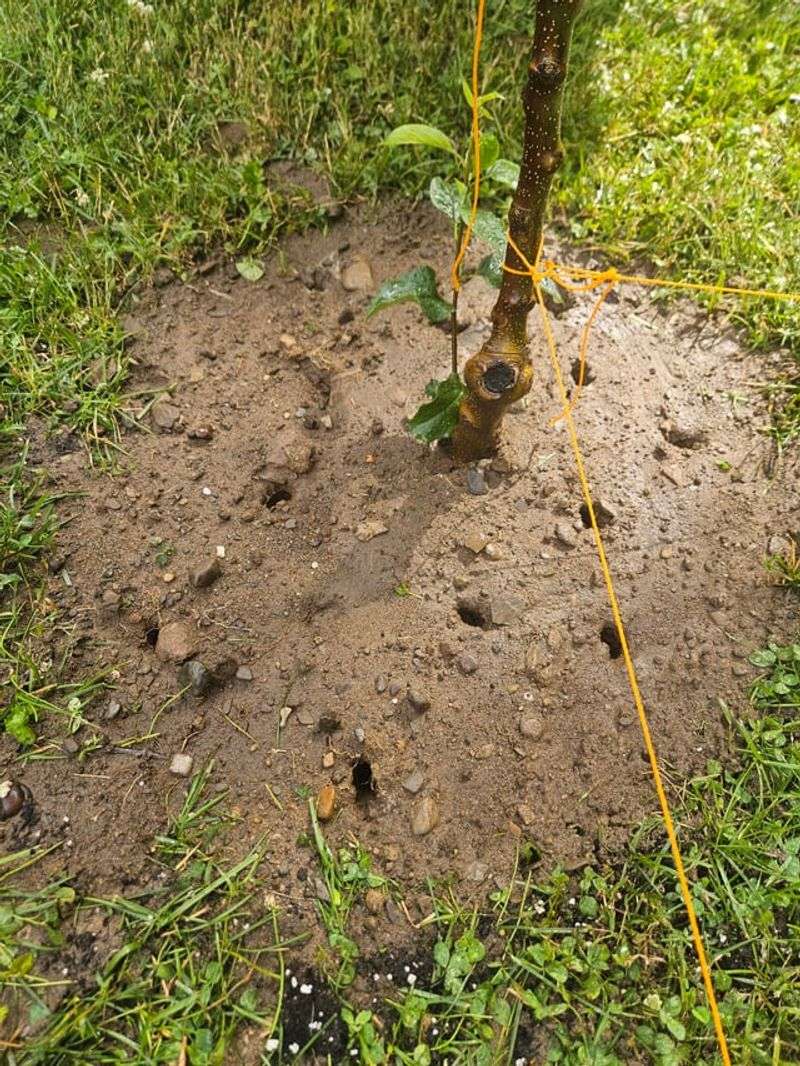
After planting, give your tree one slow, deep soak. That settles soil around the roots and removes air pockets.
Then, honestly, step back. December rain often does most of the work in much of the state. Overwatering a dormant tree in cold, wet soil is a common beginner mistake.
Check the soil a few inches down every week or so. If it still feels damp, leave the hose coiled. If a dry spell drags on and the soil feels dry, give a moderate drink.
Build a low soil ring a little out from the trunk to form a basin. This keeps water from running off and helps it soak toward the roots.
Spread two to three inches of wood chips or compost over the root zone. Keep the mulch several inches from the trunk so bark stays dry.
Things change once leaves appear in spring. A young tree then needs steady, regular watering through its first summer, since dry heat can stress it quickly.
Think of winter as gentle babysitting and summer as the season to really pay attention.