What To Do With Spring Bulbs In Georgia After Blooming Ends
Spring bulbs can leave Georgia gardens looking incredible for a few short weeks. Bright color fills flower beds early in the season, everything feels fresh again, and blooming areas quickly become the part of the yard people notice first.
Once those flowers disappear though, many gardeners suddenly feel unsure about what should happen next.
Faded blooms and declining leaves often make garden beds look messy much faster than expected. Plenty of homeowners cut everything back too early or leave bulbs sitting in poor conditions without realizing it can affect next year’s growth.
Small mistakes after blooming season sometimes lead to weaker flowers later on.
Good post bloom care helps bulbs store energy and return much stronger the following season.
Simple steps during late spring can make a major difference in how healthy, colorful, and reliable those flowers look once blooming time comes around again.
1. Spent Blooms Should Be Removed Before Seed Production Starts
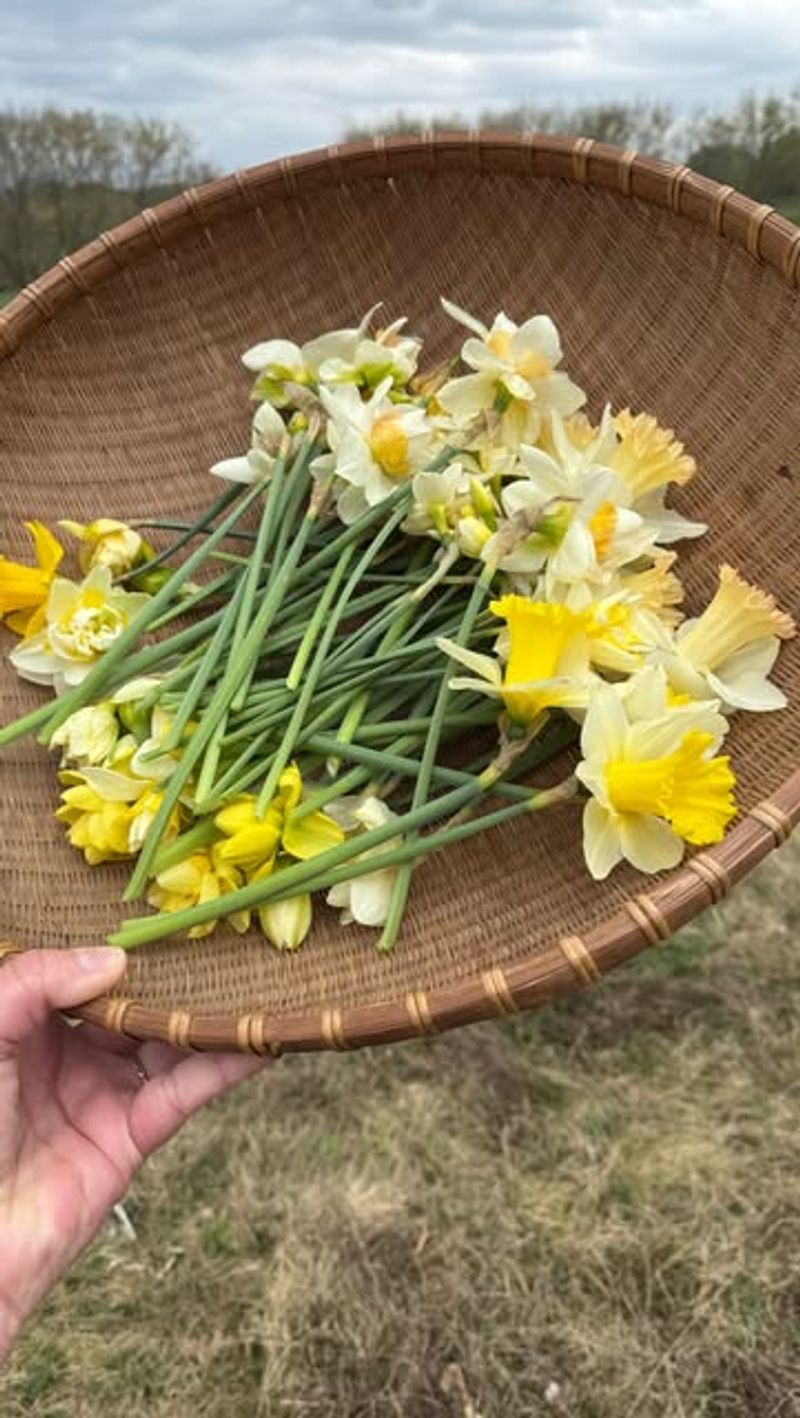
Leaving faded flowers on your bulbs might seem harmless, but it quietly drains the energy your plant needs underground. Once a bloom starts to look tired and brown, the plant will naturally try to form seeds if you leave it alone.
Seed production pulls significant resources away from the bulb itself, and that’s energy you want stored below the soil for next spring.
Snapping or cutting off spent flower heads right at the base of the stem is a simple move that pays off later. You don’t need fancy tools for this job.
A clean pair of scissors or even your fingers work fine for most spring bulbs. Just make sure you’re only removing the flower head and the stem, not the leaves.
In Georgia, spring warmth arrives fast and temperatures climb quickly after blooming season wraps up. Bulbs already face extra stress from the heat, so removing that energy drain early gives them a real advantage.
Some gardeners skip this step thinking it’s minor, but over several seasons the difference becomes noticeable in flower size and bulb health.
Deadheading also keeps your garden beds looking tidy during that awkward in-between period when blooms are gone but foliage is still standing.
2. Bulb Foliage Needs Time To Store Energy For Next Year
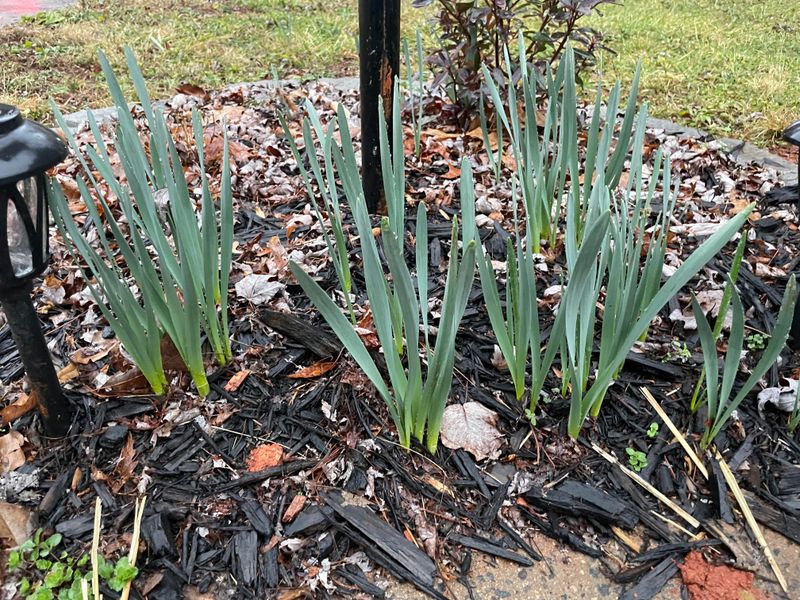
Ask any experienced bulb grower in Georgia and they’ll tell you the same thing: cutting back the leaves too soon is one of the most common mistakes beginners make. Those green leaves may look messy once the flowers are gone, but they’re doing important work.
Through photosynthesis, the foliage sends energy directly down into the bulb, building up the reserves needed for next year’s blooms.
Bulbs need roughly six weeks of active foliage after blooming ends before the leaves naturally start to yellow and fade. During that window, the plant is essentially recharging itself.
Cutting the leaves back early interrupts that process, and you may end up with smaller flowers or even no flowers at all the following season.
Georgia’s spring weather can make patience feel hard here. Warmer temperatures arrive early, and by the time blooms fade, many gardeners are already eager to clean up their beds and move on to summer planting.
Your Georgia Garden Changes Every Week. Your Plan Should Too.
Gardening in Georgia changes quickly throughout the season. Every Friday you’ll receive a simple weekly plan showing exactly what to plant, prune, fertilize, harvest, and protect so you never miss the right timing.
Resisting the urge to cut everything back right away is genuinely worth the wait.
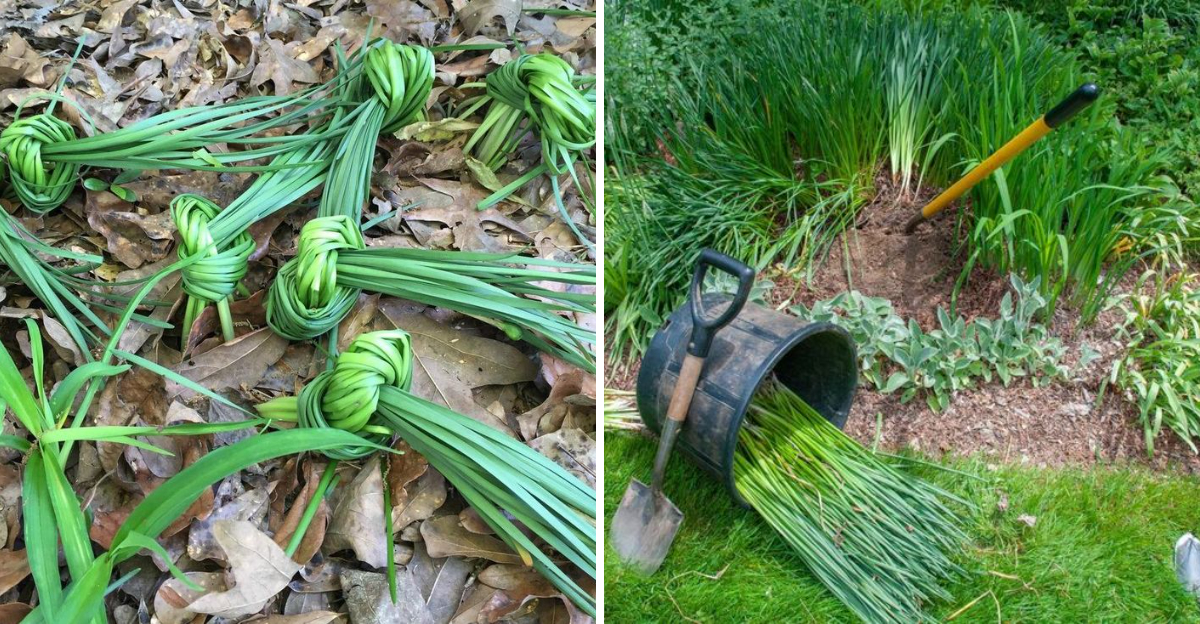
3. Braiding Or Tying Leaves Too Early Can Weaken Bulbs
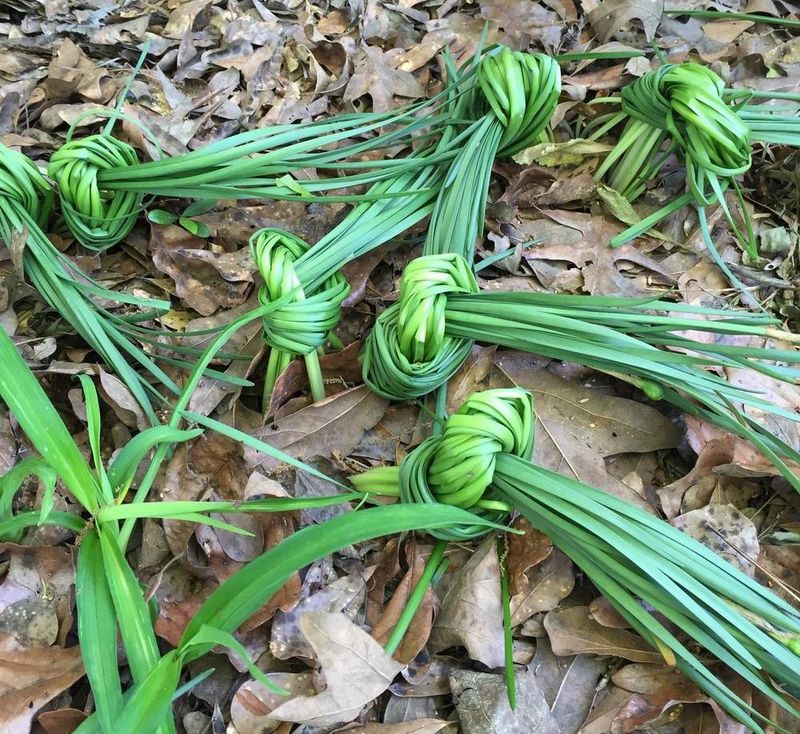
Braiding bulb leaves became a popular trick years ago, mostly because it makes garden beds look neater while the foliage finishes its job. It sounds harmless enough, but tying or braiding leaves too early can actually reduce how much sunlight each leaf captures.
Less sunlight means less photosynthesis, and that translates directly into weaker bulbs heading into summer dormancy.
Leaves work best when they’re standing upright and spread out naturally. Bundling them together blocks light from reaching the full surface area of the leaf.
Over time, bulbs that are repeatedly braided early tend to produce smaller blooms and may eventually stop flowering altogether. It’s a slow process, but the pattern shows up clearly after a few seasons.
Georgia gardeners often feel pressure to tidy up beds quickly because the growing season shifts so fast here. Once spring bulbs fade, summer annuals and perennials are ready to take over, and the urge to clean everything up is understandable.
But waiting until the leaves begin yellowing on their own before doing any tying or bundling is the smarter approach.
4. Overwatering Dormant Bulbs May Lead To Rot Problems
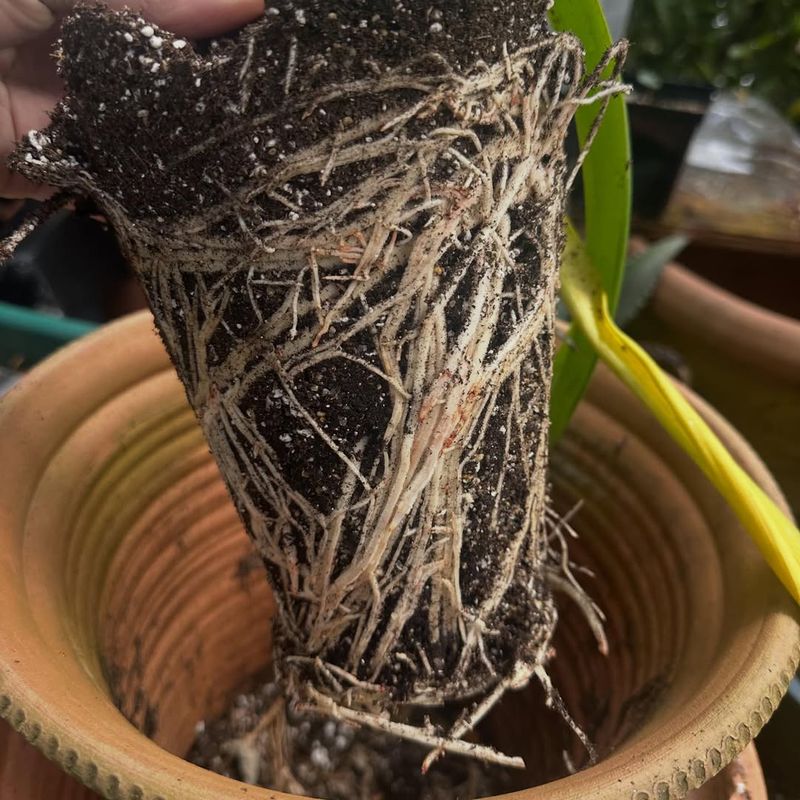
Once spring bulbs go dormant in Georgia, their water needs drop dramatically. Underground, the bulb is in a resting state, and soggy soil around a dormant bulb is one of the fastest ways to invite rot.
Fungal issues thrive in warm, wet soil, and Georgia summers provide exactly the kind of heat and humidity that speeds up that process.
Overwatering dormant bulbs is an easy mistake to make, especially if you’re running irrigation systems set up for summer annuals or vegetable beds nearby. Bulbs sitting in consistently moist soil through June, July, and August in Georgia are at real risk.
Good drainage is not optional here; it’s essential.
Raised beds and amended soil with added grit or coarse sand help water move through quickly rather than pooling around bulbs. If your garden beds tend to hold moisture, that’s worth addressing before next planting season.
Moving bulbs to a better-draining location is sometimes the most practical fix available.
After foliage fades completely, some Georgia gardeners choose to lift their bulbs and store them in a cool, dry place through the hottest months. Paper bags or mesh onion bags work well for storage, allowing airflow around the bulbs.
5. Crowded Bulbs Often Produce Fewer Flowers Over Time
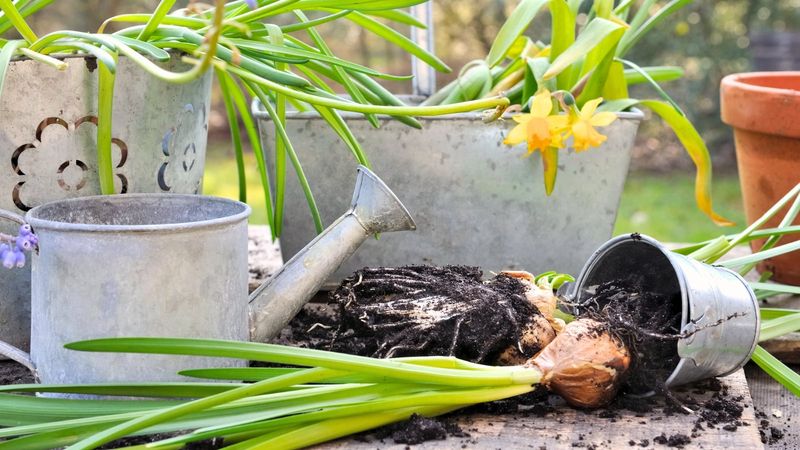
Bulbs naturally multiply underground, and over several years a single planting can become a dense, crowded clump. When bulbs compete for the same nutrients, moisture, and space, flower production starts dropping noticeably.
You might still get plenty of green foliage each spring, but actual blooms become sparse or stop appearing altogether.
Georgia’s relatively mild winters mean bulbs often stay in the ground year-round without much intervention. That’s convenient, but it also means clumps can grow quite large before gardeners realize something is off.
A patch that bloomed beautifully for two or three years and then suddenly underperforms is often simply overcrowded below the surface.
Dividing crowded bulbs solves the problem directly. Pulling apart a dense clump and replanting bulbs with proper spacing gives each one room to grow independently.
Spacing requirements vary by bulb type, but as a general guideline, three to six inches between bulbs is a reasonable starting point for most common spring varieties grown in Georgia.
Replanting divided bulbs in fresh, amended soil with good drainage sets them up for a much stronger performance the following spring. Adding some slow-release bulb fertilizer at planting time gives them an extra boost heading into dormancy.
6. Bulbs Should Be Divided Once Foliage Starts Fading Naturally
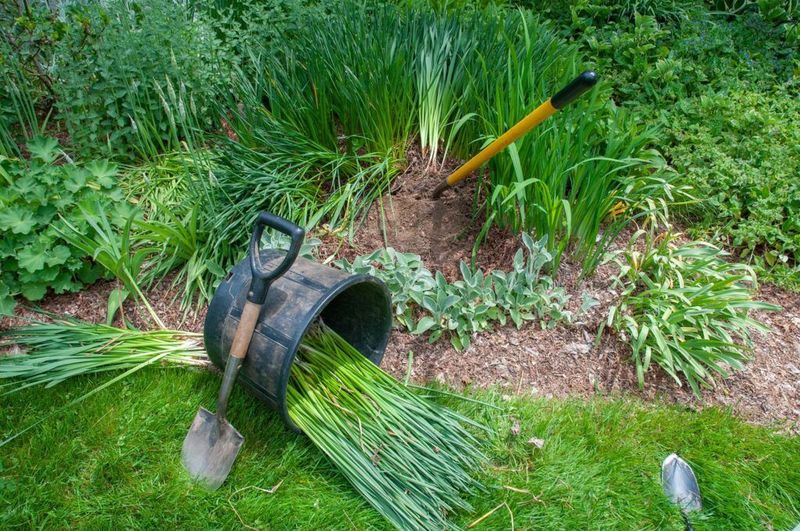
Timing matters a lot when it comes to dividing spring bulbs, and the window is more specific than most people realize. Waiting until foliage begins to yellow naturally is the right signal to start.
At that point, the bulb has finished pulling energy from the leaves and is ready to be handled without losing much of its stored reserves.
Digging too early, while leaves are still green and active, interrupts the energy transfer process. Waiting too long, until foliage has completely disappeared, makes it hard to locate exactly where bulbs are sitting underground without accidentally damaging them.
That brief yellowing phase is genuinely the sweet spot for safe division in Georgia gardens.
Using a garden fork rather than a spade reduces the chance of slicing through bulbs during lifting. Slide the fork in several inches away from where the foliage is emerging, then gently lever the clump upward.
Once the clump is out of the ground, pulling individual bulbs apart by hand is usually straightforward, though some may be firmly attached and need a gentle twist to separate.
After dividing, inspect each bulb carefully. Firm, solid bulbs with no soft spots are healthy and worth replanting.
Mushy or heavily damaged ones should be set aside rather than returned to the bed. Replant healthy bulbs immediately at the correct depth, or store them properly if you’re waiting to replant in fall.
Across Georgia, fall replanting after summer storage tends to work well for tulips in particular, giving them the cool soil conditions they prefer.
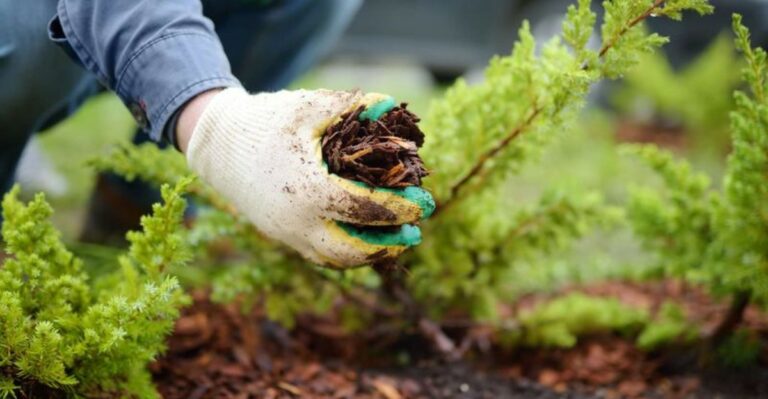
7. Mulch Helps Protect Bulbs During Hot Summer Weather
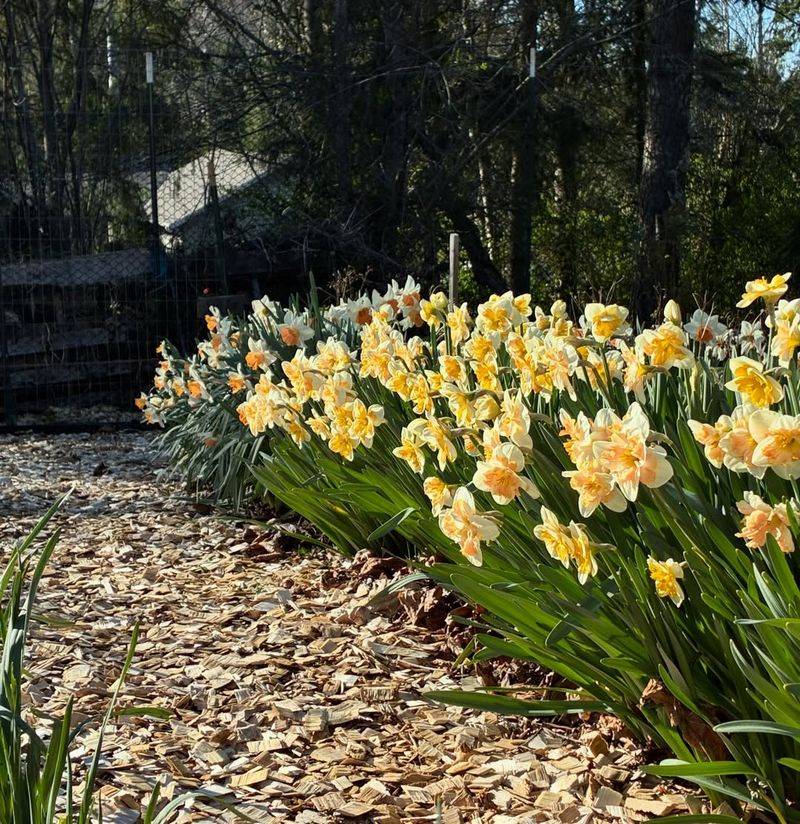
Georgia summers are no joke, and soil temperatures can climb high enough to stress dormant bulbs sitting just a few inches underground.
A layer of mulch spread over bulb beds after foliage fades creates a meaningful buffer between the soil and that intense summer heat.
It won’t drop soil temperatures dramatically, but it does slow the warming process and helps retain moisture at a more consistent level.
Pine straw is a practical and widely available mulch choice across Georgia. It breaks down slowly, allows good airflow, and doesn’t compact heavily over time the way some other mulches can.
A two-to-three-inch layer is enough to provide protection without smothering the soil or creating overly wet conditions around dormant bulbs.
Shredded hardwood mulch works well too, though it tends to hold slightly more moisture than pine straw. In areas of Georgia with heavy summer rainfall, that extra moisture retention is worth considering.
Either way, keeping mulch a couple of inches away from where foliage was emerging helps prevent fungal issues near the bulb neck.