What Those Post-Rain Mushrooms In Your New Jersey Yard Really Mean
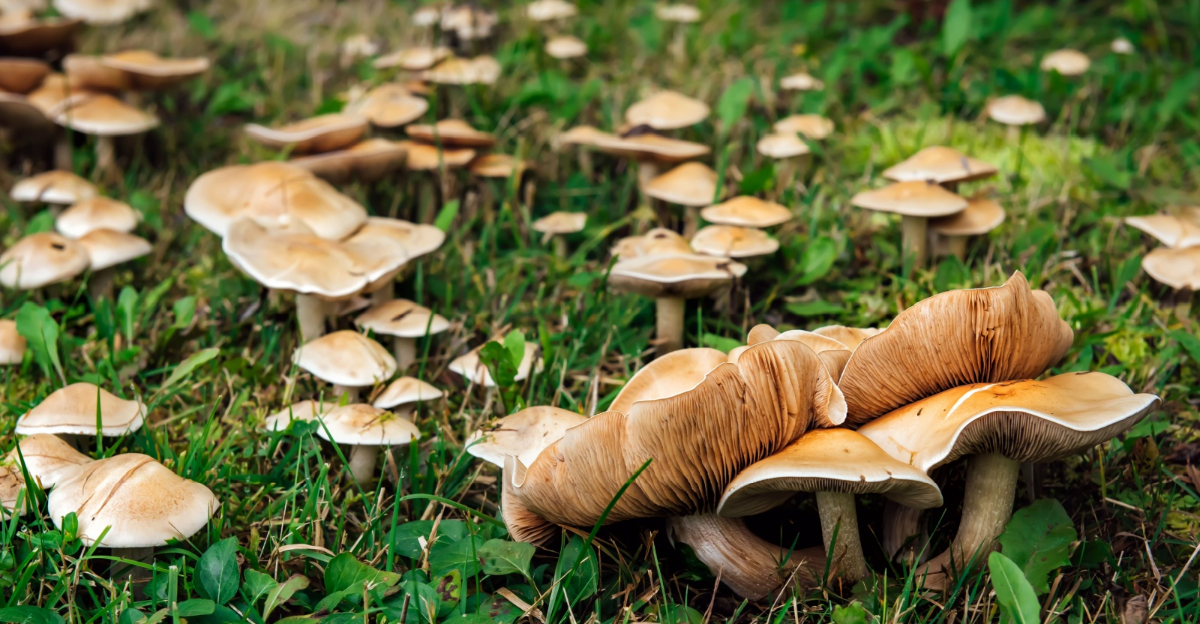
One morning you glance out the window and spot them. A cluster of mushrooms that definitely was not there the night before.
Overnight, your lawn turned into something out of a fairy tale, and not necessarily the kind you asked for.
Here is the thing: most people’s first instinct is to get rid of them. But before you reach for a rake, it is worth knowing what those mushrooms are actually telling you.
They are not random. They are not a sign that something went terribly wrong.
They are a signal. And once you understand what it means, you will look at your yard completely differently.
Post-rain mushrooms are one of the more misunderstood things that can happen in a New Jersey lawn.
What is growing in your grass tells a surprisingly interesting story about what is happening underground. And honestly?
It is a good one.
Your Yard Is Doing Something Right
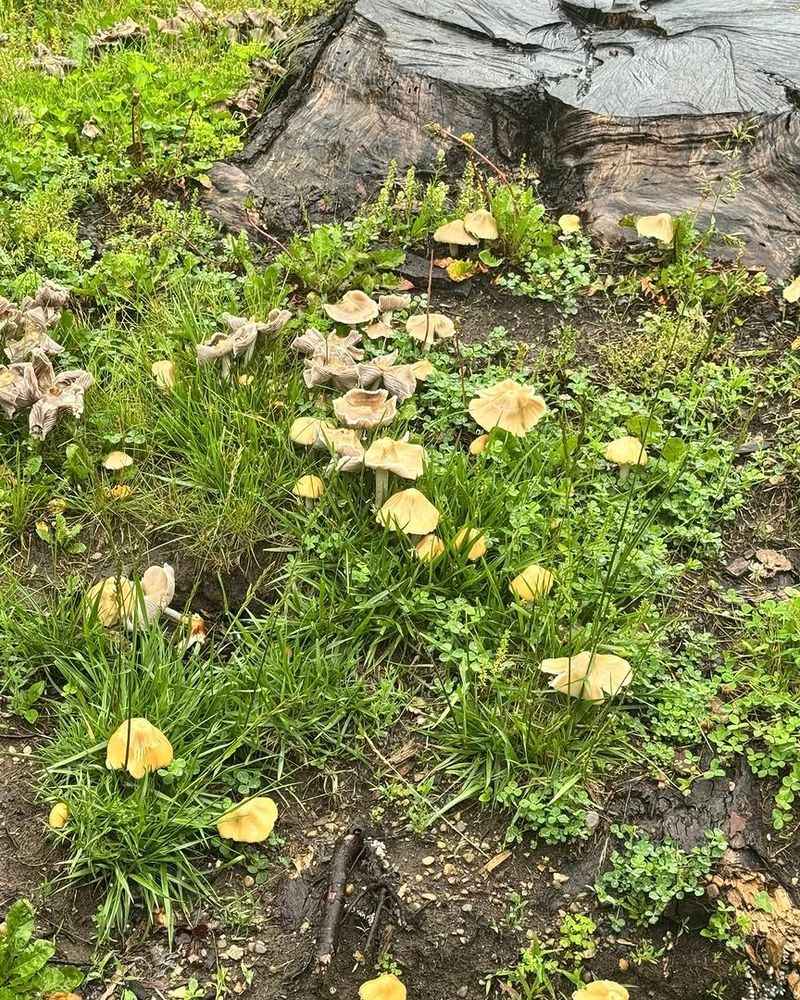
Seeing mushrooms sprout in your lawn might feel alarming at first glance. But here is the thing: their presence is actually a sign of a healthy, thriving ecosystem working beneath your feet.
Mushrooms grow where organic matter is breaking down naturally: old tree roots, buried wood chips, or decomposing leaves. Fungi are nature’s cleanup crew, quietly recycling nutrients back into the soil so your grass and plants can absorb them.
The fungi are doing the hard work for free, turning organic material into rich, usable nutrients. Lawns with healthy soil biology can support stronger, more resilient grass over time.
So before you panic and reach for a spray bottle, take a breath. Those little caps pushing through the soil are proof that your yard has enough organic richness to support a living, breathing underground world.
That is honestly something to feel good about.
Healthy soil biology is what separates a lawn that just survives from one that genuinely thrives. Many lawn care experts will tell you that fungal activity is one of the best indicators of soil quality.
Your yard is essentially passing a biology test it did not even know it was taking.
The mushrooms are not the problem. They are the report card.
And right now, your lawn is getting a pretty solid grade.
The Underground Network Driving The Show
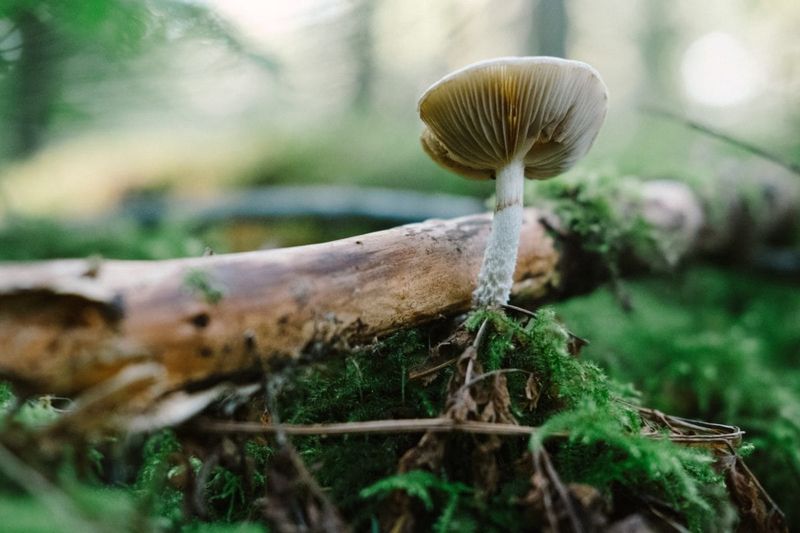
Beneath your grass, something massive is quietly running the show. It is called mycelium, and it is the actual body of the fungus living in your yard.
What you see above ground, those caps and stems, are just the fruiting bodies. The real organism is a sprawling web of thread-like strands called hyphae, woven through your soil like a biological internet.
Some networks can span surprisingly large areas underground, without you ever knowing they are there. This underground system connects plants, transfers nutrients, and breaks down organic material constantly.
Scientists sometimes call it the Wood Wide Web because of how trees in forests use similar networks to share resources with each other. Your suburban lawn has its own miniature version of that same system.
Your New York Garden Changes Every Week. Your Plan Should Too.
Gardening in New York changes quickly throughout the season. Every Friday you’ll receive a simple weekly plan showing exactly what to plant, prune, fertilize, harvest, and protect so you never miss the right timing.
Rain triggers the visible part of the process. When moisture soaks into the ground, the mycelium gets the signal that conditions are right for reproduction.
So it pushes up fruiting bodies, which are the mushrooms you find on your lawn the morning after a storm. Understanding this underground network changes how you see those post-rain mushrooms completely.
They are not random. They are the visible tip of an invisible organism that has been living in your yard for months, possibly years.
The network grows steadily, quietly, without any help from you.
Once you know it is there, you start to see your yard differently. Something alive and complex is working just inches below where you walk every day.
Rain Is Just The Final Trigger
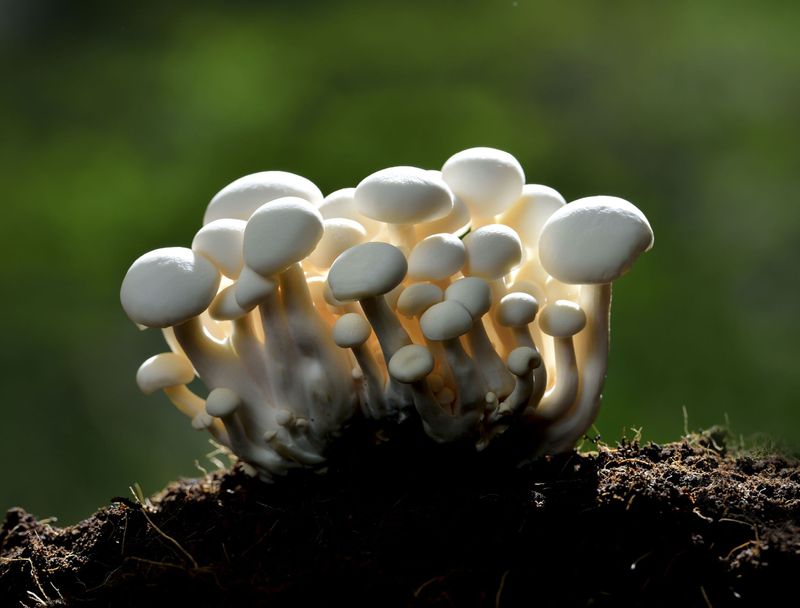
Mushrooms do not appear because of rain alone. Rain is just the last ingredient in a recipe that has been cooking underground for a long time.
The fungal network in your soil has been growing for weeks or months before you ever see a single cap. Moisture is the cue that tells the mycelium it is finally time to reproduce.
Without that trigger, the organism stays underground indefinitely, invisible and patient.
Temperature also plays a role. Warm, humid conditions after a summer storm create the perfect window for fruiting.
That is why you tend to see the biggest flushes of mushrooms in late summer and early fall, when New Jersey gets those heavy afternoon thunderstorms followed by warm, sticky nights. The speed of their appearance is genuinely remarkable.
Some species can push through the soil surface within hours of a rainstorm ending. What looked like a bare patch of lawn at sunset can be dotted with dozens of mushrooms by sunrise.
Moisture causes the cells in the fruiting body to expand rapidly. The structure was already partially formed underground, just waiting for enough water to inflate and push upward.
Rain does not create mushrooms. It simply unlocks them.
So when you spot them after a storm, remember that the groundwork was laid long before the clouds rolled in. The rain just opened the door that was already built.
When Mushrooms Signal A Bigger Problem
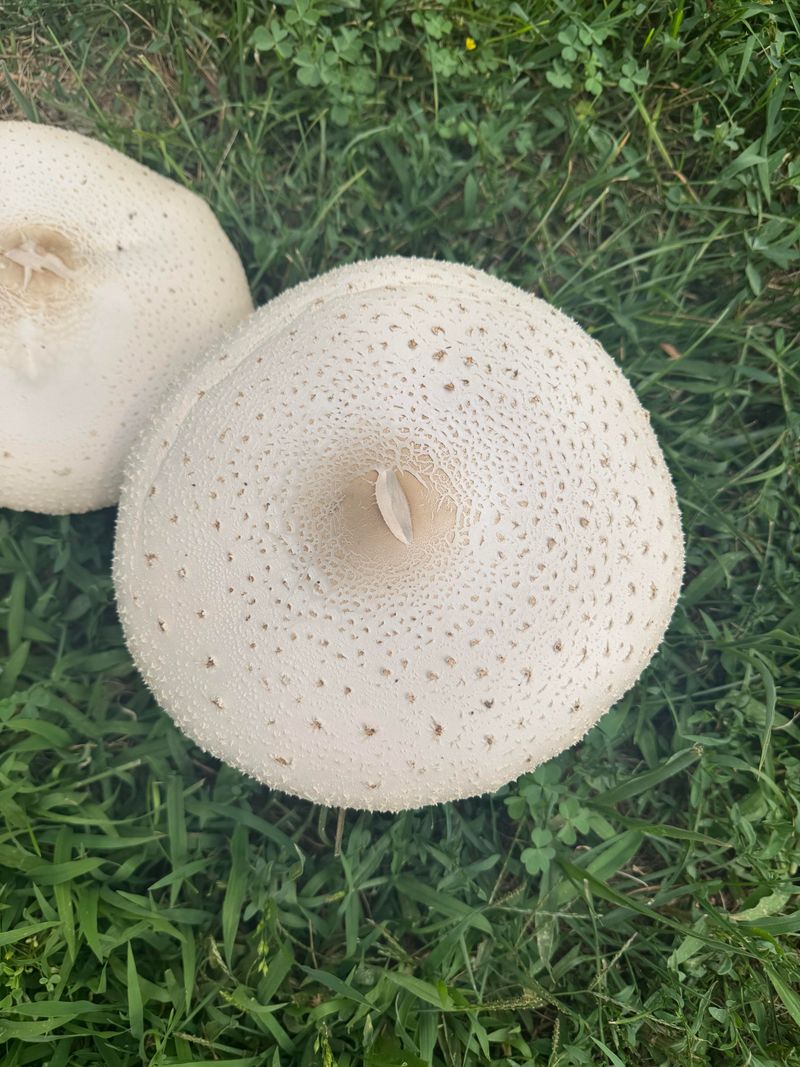
Most of the time, mushrooms in your yard are harmless. But sometimes, what you are seeing is a warning sign worth paying attention to.
Fairy rings are one pattern to watch. These are circles or arcs of mushrooms that often come with a ring of darker, faster-growing grass.
They form when the mycelium spreads outward in an even pattern from a central point, often an old buried stump or root system. They can look interesting, but they sometimes cause the grass inside the ring to thin out or turn brown over time.
Large clusters appearing repeatedly in the same spot can point to buried organic material creating drainage issues or nutrient imbalances. If mushrooms keep coming back season after season, something organic is decomposing right below that patch.
Soggy or compacted soil is another concern. Certain fungi thrive in poorly draining areas, and their repeated appearance might be telling you that water is pooling underground.
Persistent moisture can lead to root rot in nearby plants and trees if left unchecked. None of this means your yard is ruined.
It means your yard is communicating.
Paying attention to where mushrooms grow, how often they return, and what the surrounding grass looks like can give you genuinely useful information about your soil health.
Think of persistent post-rain mushrooms as a lawn health dashboard. When the same warning light keeps blinking, it is smart to take a closer look.
How To Get Rid Of Them Without Harming Your Lawn
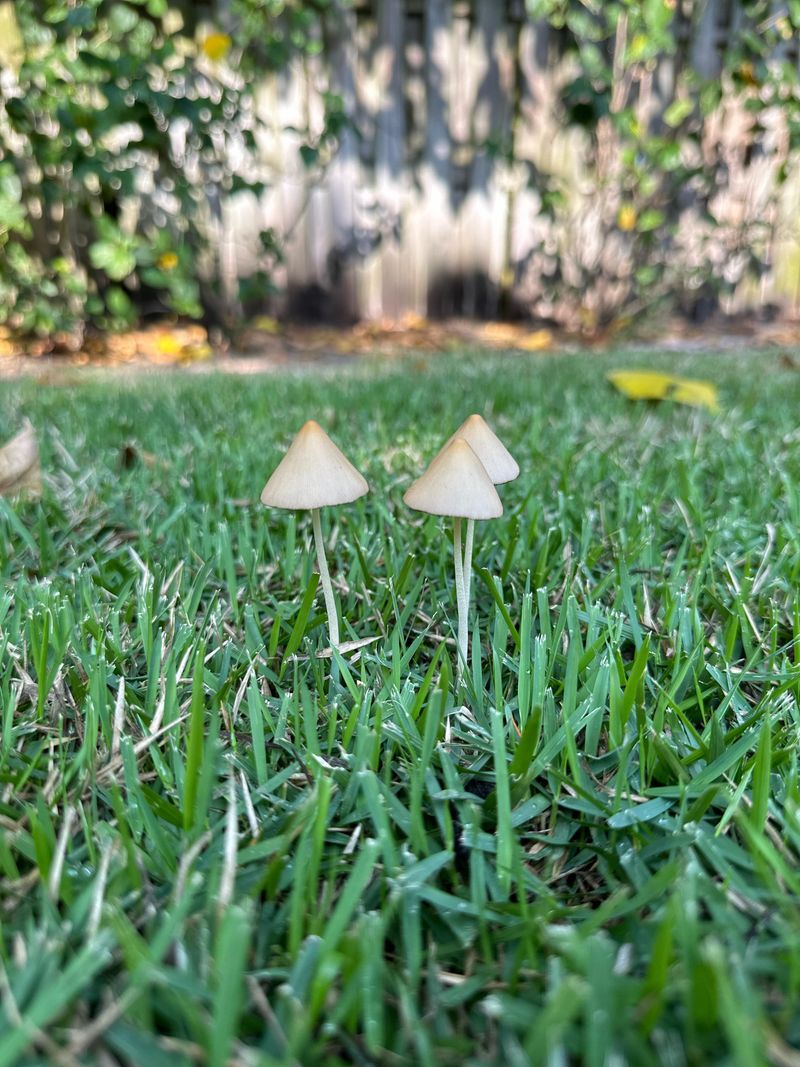
You do not need harsh chemicals to deal with lawn mushrooms. In most cases, simple physical removal is the most effective and safest approach available to you.
Snap them off at the base or rake them up as soon as you spot them. Removing mushrooms may reduce visible spread, but the underground fungus often remains.
Bag them up rather than composting them, since you do not want spores cycling back into your yard.
Improving drainage in your lawn can help reduce how often they appear. Aerating compacted soil allows water to move through more freely, which dries out the conditions fungi prefer.
If you have low spots where water tends to collect, topdressing with fresh soil or adjusting your grading can make a noticeable difference over time. Reducing excess thatch is another smart move.
A thick layer of grass and organic debris sitting on top of your soil is basically a buffet for fungal activity. Dethatching in spring or fall removes that food source and makes your lawn less inviting for frequent flushes of growth.
If you have a buried stump or old root system feeding a recurring patch, excavating that material is the most permanent fix. It eliminates the food source, which is the only real way to stop a persistent fungal colony from returning.
Patience matters here too. Addressing soil conditions gradually produces lasting results that no quick spray can match.
When To Just Leave Them Alone
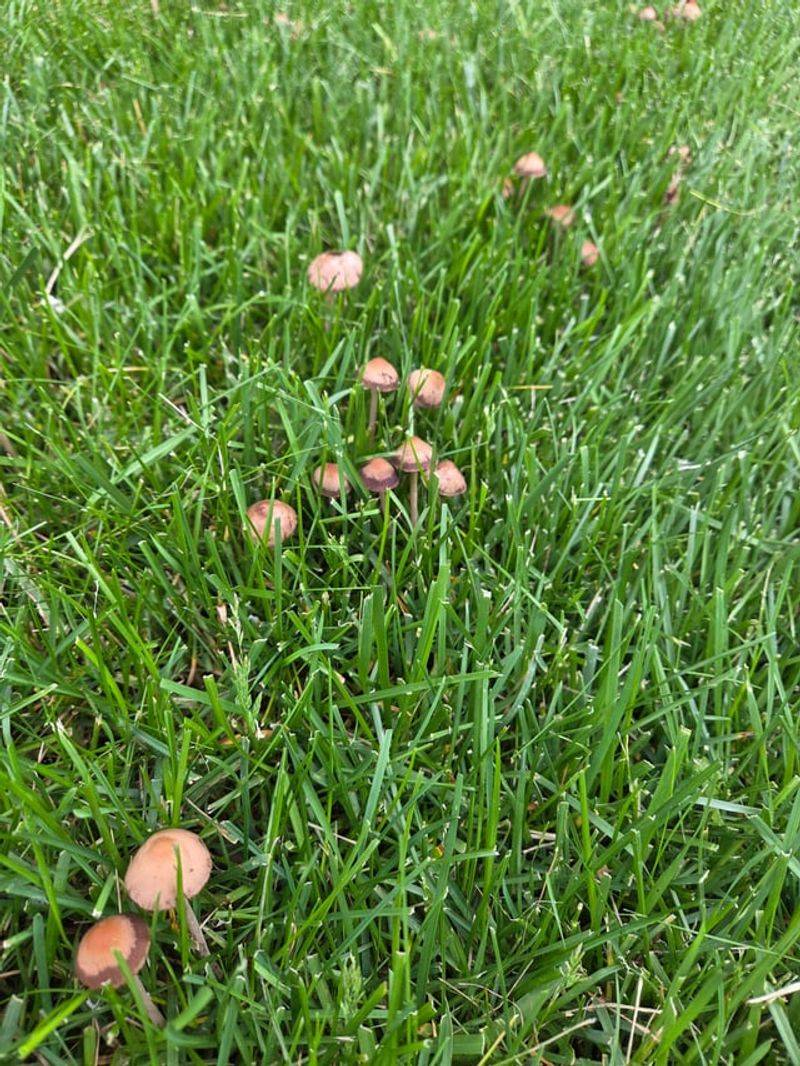
Sometimes the best lawn care decision you can make is to do absolutely nothing. Plenty of mushroom flushes are short-lived, harmless, and gone within a day or two on their own.
If the mushrooms are appearing in a spot away from foot traffic, pets, and children, there is often no practical reason to remove them at all. They will wither and collapse naturally once the moisture in the soil drops.
Interfering with every flush can actually disturb the soil and spread spores more than if you had just left things alone. Mushrooms in garden beds near trees or shrubs can be actively beneficial.
Disturbing the soil repeatedly when removing mushrooms can stress nearby shallow-rooted plants in ways that are not immediately obvious.
Wildlife also benefits from mushroom flushes. Certain birds, insects, and small mammals use them as a food source or shelter.
A yard that supports a range of organisms is a more resilient outdoor space overall. The key is knowing which mushrooms to leave and which to address.
Isolated clusters in low-traffic areas with no signs of lawn damage are almost always fine to ignore. Recurring rings or patches near stressed grass deserve a closer look.
Post-rain mushrooms are part of a living system, and sometimes the wisest thing a homeowner can do is trust the process already in motion.
What You Should Know About Mushroom Safety
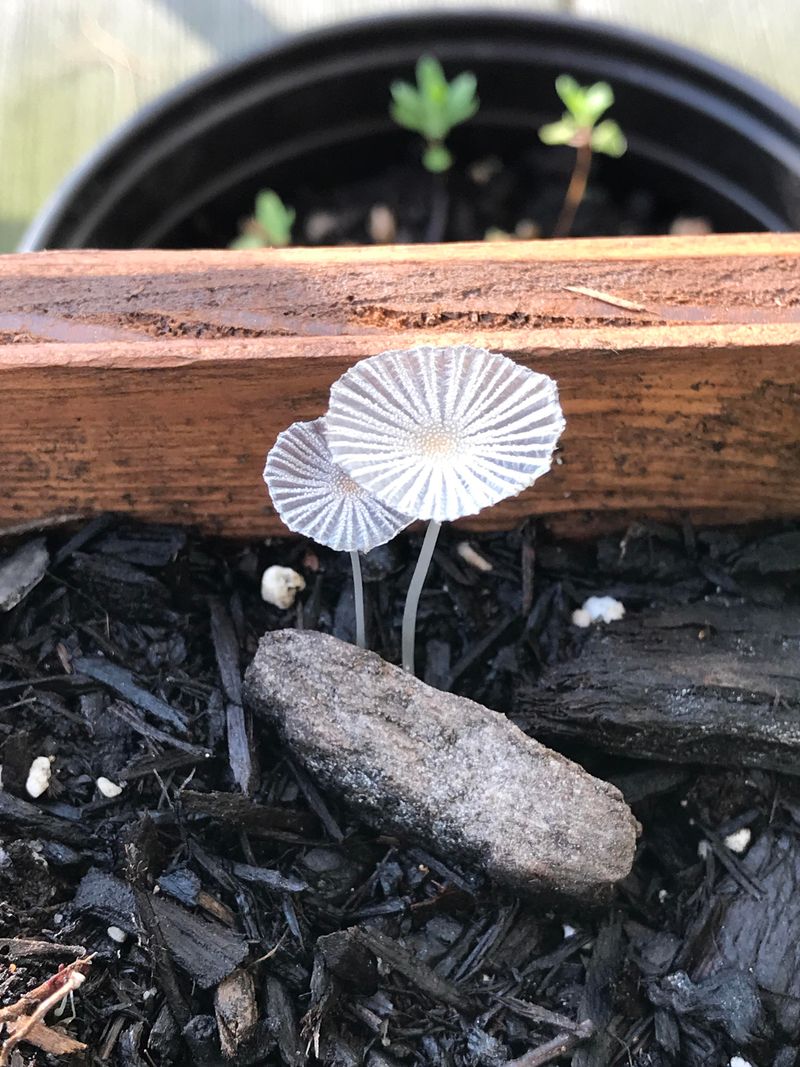
This question deserves a straight answer: yes, some wild mushrooms can be toxic, and that is worth taking seriously if you have pets or small children who spend time in the yard.
The tricky part is that toxic and edible mushrooms can look almost identical to an untrained eye. Amanita species, which include some of the most dangerous fungi in North America, grow in lawns and wooded edges across the state.
They often look plain, unremarkable, and completely harmless at a glance. Dogs are especially at risk because they explore the world with their mouths.
A dog that nibbles on a toxic mushroom can show symptoms ranging from stomach upset to serious organ damage. If you suspect your pet has eaten a wild mushroom, contact a vet without waiting for symptoms to appear.
For children, the safest habit is simple: keep hands off and nothing goes in the mouth. In some cases, handling certain species and then touching the face can cause irritation in sensitive individuals.
Teaching kids early that wild mushrooms are off-limits is one of the easiest safety habits you can build. Remove any mushrooms in high-traffic areas as a precaution, regardless of whether you can identify the species.
You do not need to be a mycologist to make a smart call here. When post-rain mushrooms appear near play areas, removal is always the right move.
Caution costs nothing, and it protects the people and animals you care about most.