The Best Drought-Tolerant Arizona Native Plants To Replace Grass In Backyard Areas
Let’s be real for a second. Keeping a traditional grass lawn alive in Arizona is basically a part-time job with a very expensive water bill and questionable results.
The heat is relentless, the rainfall is not exactly generous, and at some point you start wondering why you’re fighting so hard for something that clearly does not want to be here.
A lot of homeowners are arriving at that same conclusion and making a switch that honestly makes a lot of sense.
Native plants. The ones that actually belong here, look incredible, support local wildlife, and won’t have you dragging a hose around every other day just to keep things from looking completely tragic.
Replacing grass with Arizona natives in your backyard planting areas, borders, and slopes is one of those decisions that just keeps getting better over time.
1. Buffalograss Creates A Softer Native Lawn Look
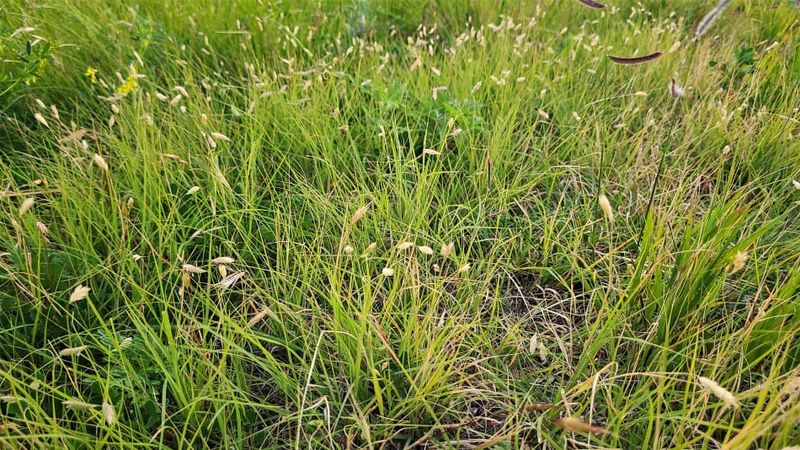
Replacing a traditional lawn does not always mean giving up on a grassy look entirely. Buffalograss is one of the few true native grasses in North America that can give Arizona backyards a softer, lawn-like appearance without the heavy water demands of typical turf.
It forms a low, fine-textured mat that stays relatively compact, usually reaching just a few inches tall, which means mowing is rarely needed in most backyard settings.
In Arizona, buffalograss works best in areas with full sun and well-draining soil. It goes dormant and turns a warm tan color during cooler months, then greens back up as temperatures rise.
This natural seasonal shift is something worth expecting and even appreciating as part of its character.
One thing to keep in mind is that buffalograss handles foot traffic better than many other native grass alternatives, though it still does best in lower-traffic planting areas rather than heavily used play zones.
Newly planted plugs or seed will need consistent moisture while getting established, even though the plant becomes quite drought-tolerant once rooted.
For homeowners wanting a native look that still feels approachable and familiar, buffalograss is a solid starting point.
2. Blue Grama Brings A Meadow Feel To Backyard Spaces
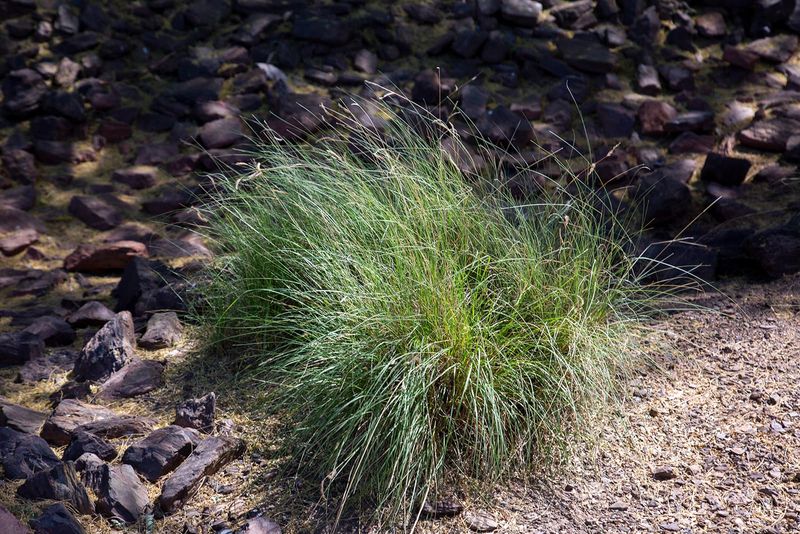
Few native grasses have a seed head quite as distinctive as blue grama. The curved, eyelash-shaped seed heads that appear in summer are part of what makes this grass so visually interesting in a backyard setting.
Rather than looking like a manicured lawn, blue grama creates a soft, informal meadow feel that suits the natural character of Arizona landscapes beautifully.
Blue grama is native to the grasslands and open ranges across much of the American Southwest, including many parts of Arizona. It is a warm-season grass that thrives in full sun and tolerates dry, rocky, or sandy soils very well.
The fine-textured foliage stays low to the ground, usually under a foot tall, which keeps the overall look tidy without much maintenance.
In backyard planting areas, blue grama pairs well with wildflowers and other native grasses to create a layered, naturalistic meadow effect. It can also work well along dry slopes or open borders where erosion control is a consideration.
Your Arizona Garden Changes Every Week. Your Plan Should Too.
Gardening in Arizona changes quickly throughout the season. Every Friday you’ll receive a simple weekly plan showing exactly what to plant, prune, fertilize, harvest, and protect so you never miss the right timing.
Like most native grasses, it benefits from regular watering during its first growing season to help it get established. After that, Arizona’s natural rainfall often provides enough moisture to keep it going through much of the year.
3. Big Galleta Helps Cover Open Desert Areas
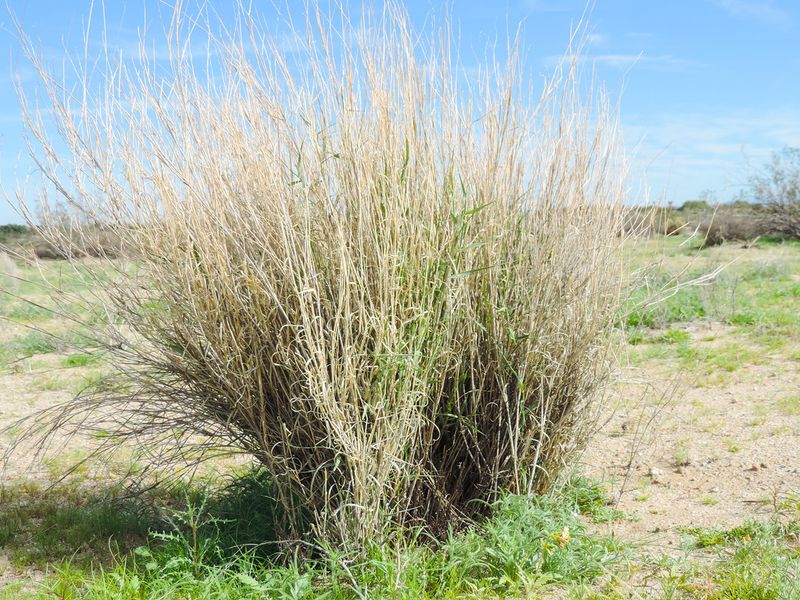
Open, bare patches of soil in an Arizona backyard can be tricky to manage. Wind erosion, weed pressure, and the general look of exposed ground are all common frustrations for homeowners trying to move away from traditional turf.
Big galleta is a coarse, upright native grass that handles these kinds of open spaces well, spreading gradually to cover ground in a natural and low-maintenance way.
This grass is native to the Sonoran and Mojave desert regions and is well adapted to the hot, dry conditions found across much of Arizona. It grows in dense, spreading clumps and can reach anywhere from one to three feet tall depending on conditions.
The sturdy, gray-green blades give it a bold texture that stands out in dry garden beds and open backyard areas.
Big galleta is not the softest-looking option for grass replacement, but it brings a strong structural presence that works well in naturalistic or desert-style landscapes.
It is also notably good at stabilizing soil on slopes and in areas where wind or rain might otherwise move surface material.
Watering during establishment is important, as with most native plants, but big galleta becomes quite resilient once it has settled into Arizona’s dry backyard conditions.
4. Sideoats Grama Adds Texture Without A Turf Look
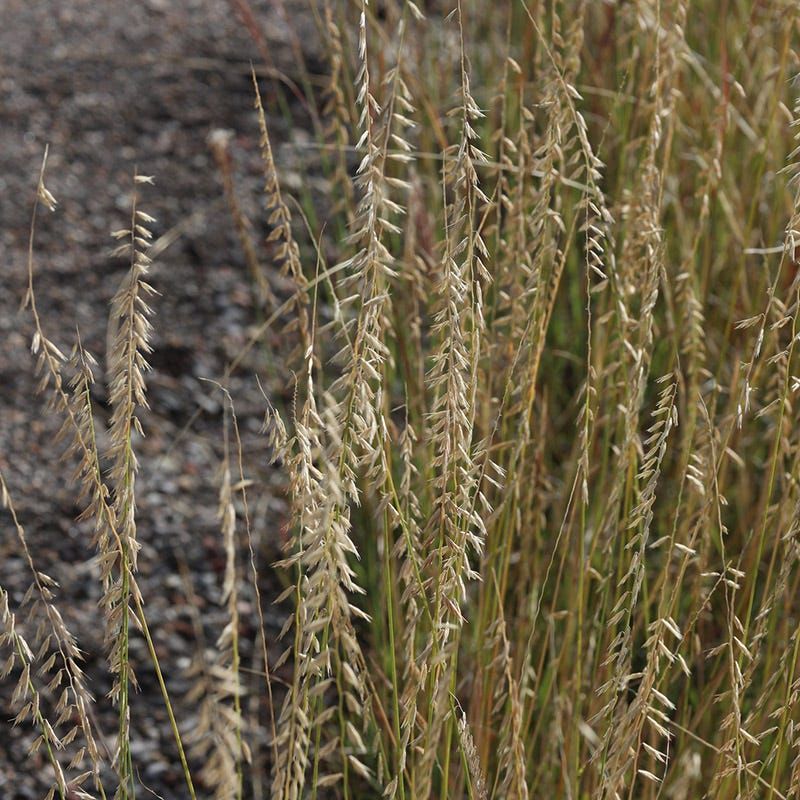
Some native grasses are grown as much for their ornamental interest as for their practical function, and sideoats grama is a great example of that balance.
The small, oat-like seed heads that dangle along one side of the stem give this grass an almost delicate, decorative quality that feels quite different from a traditional lawn.
In Arizona backyards, that kind of natural detail can add real visual interest to dry planting areas and borders.
Sideoats grama is the official state grass of Texas and grows naturally across a wide range of the Southwest, including much of Arizona.
It is a warm-season grass that prefers full sun and well-drained soils, making it a natural fit for the dry conditions found in most backyards.
It typically grows between one and two feet tall and forms loose, airy clumps rather than a dense mat.
Because it does not create a traditional turf look, sideoats grama works best when used in combination with other native grasses, wildflowers, or low shrubs in informal planting areas. It can also soften the edges of dry garden beds or add movement along a fence line.
Establishment watering is essential during the first season, but sideoats grama handles Arizona’s dry summers with ease once it is rooted in.
5. Deer Grass Brings Movement And Desert Texture
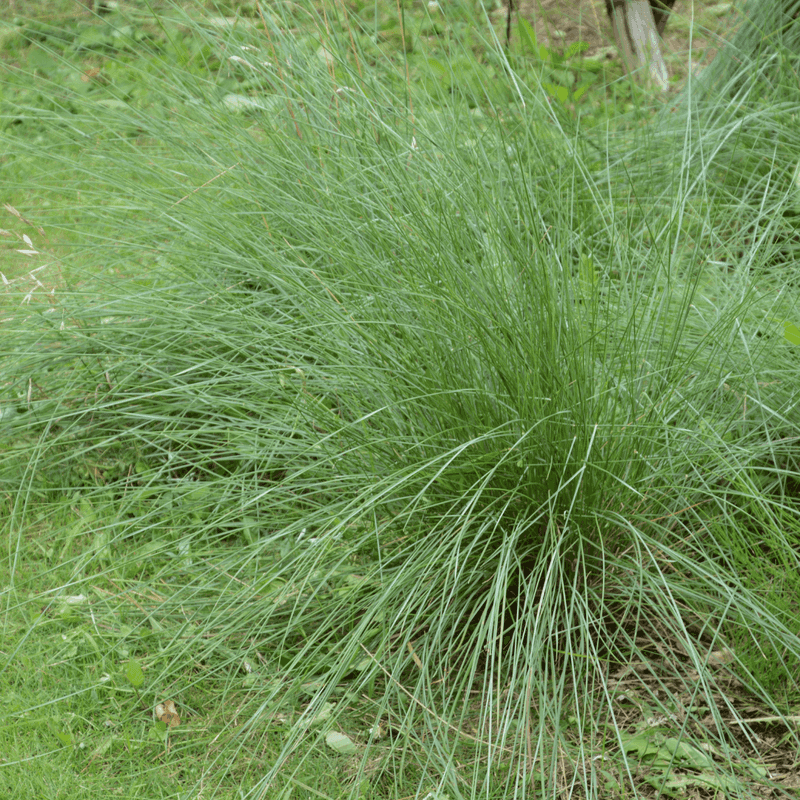
There is something genuinely graceful about the way deer grass moves in a breeze.
The long, arching clumps and slender seed stalks that rise above the foliage give this native grass a fluid, almost fountain-like quality that brings a sense of life and movement to dry Arizona backyards.
It is one of the more visually striking native grass options available for low-water landscaping in the region.
Deer grass is native to the Sonoran Desert and is widely used in Arizona landscapes for good reason. It thrives in full sun to partial shade and tolerates the intense summer heat that comes with Arizona territory.
Mature clumps can reach three to four feet tall and equally wide, making it a bold presence in open backyard spaces, along borders, or near walls where its arching form can be appreciated.
Because of its size, deer grass works best as a structural accent or a mass planting rather than a fine-textured ground cover.
It does not create a lawn-like surface, but it fills open areas beautifully and provides real habitat value by offering shelter and nesting material for birds.
As with other native grasses, consistent watering during the establishment period helps deer grass develop the deep root system that makes it so resilient in dry conditions later on.
6. Trailing Indigo Bush Spreads Into A Low Groundcover
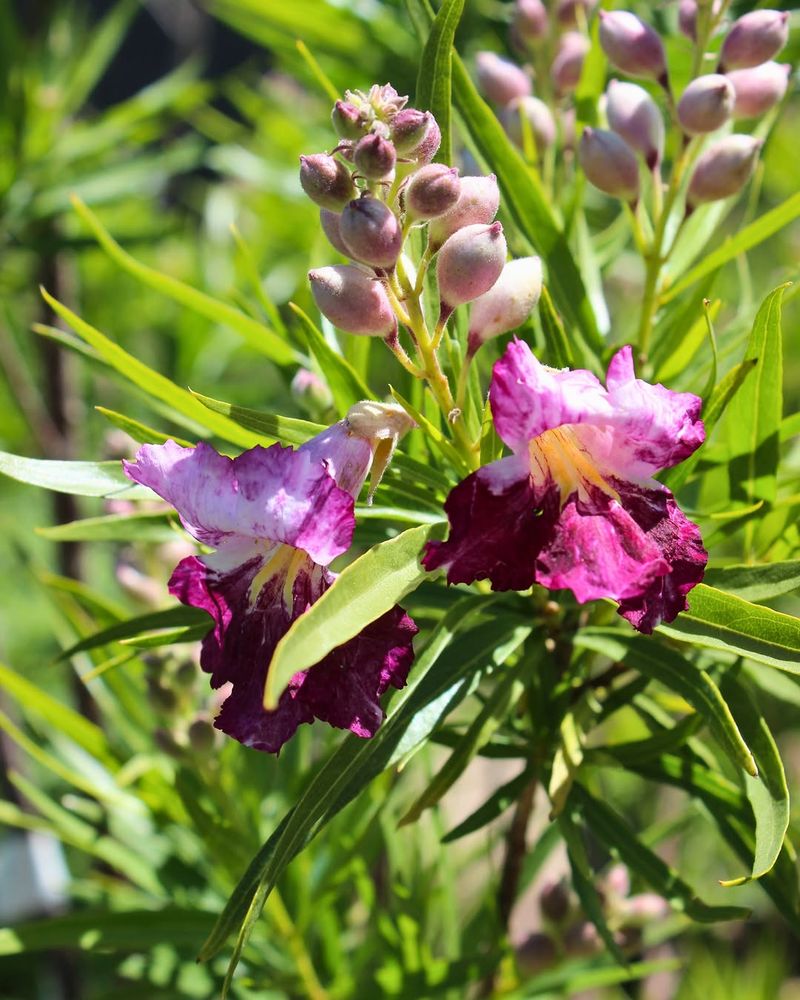
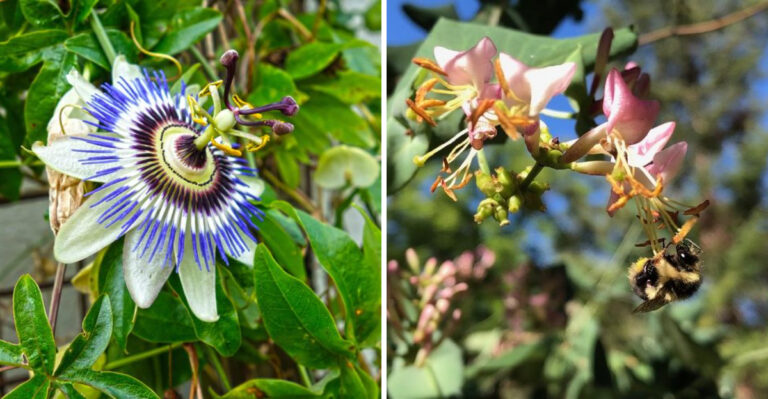
Not every grass replacement has to look like grass. Trailing indigo bush is a low-spreading native shrub that covers ground in a completely different way, using fine silvery-green foliage and small clusters of deep purple-blue flowers to create a colorful, textured mat.
In Arizona backyard spaces where a more ornamental groundcover is wanted, this plant brings a surprising amount of charm with very little water.
Native to the desert Southwest, trailing indigo bush handles heat, drought, and rocky soils with ease. It spreads outward rather than growing tall, typically staying under two feet in height while spreading several feet wide over time.
That low, spreading habit makes it useful for filling in open soil, covering dry slopes, or softening the edges of walkways and planting borders without taking over the space.
The purple blooms appear in spring and attract native bees and other pollinators, which adds ecological value beyond just the visual appeal.
For homeowners looking to replace grass with something that offers both groundcover function and seasonal color, trailing indigo bush is worth serious consideration.
It does appreciate some supplemental water during its first year in the ground, but once established, it handles Arizona’s dry backyard conditions with minimal intervention and stays relatively tidy on its own.
7. Desert Zinnia Adds Small Blooms To Dry Spaces
Bare, dry garden beds in Arizona backyards often feel like a challenge waiting for a solution.
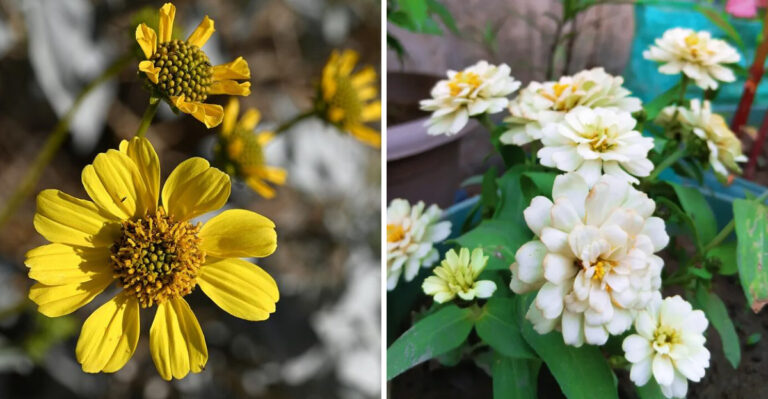
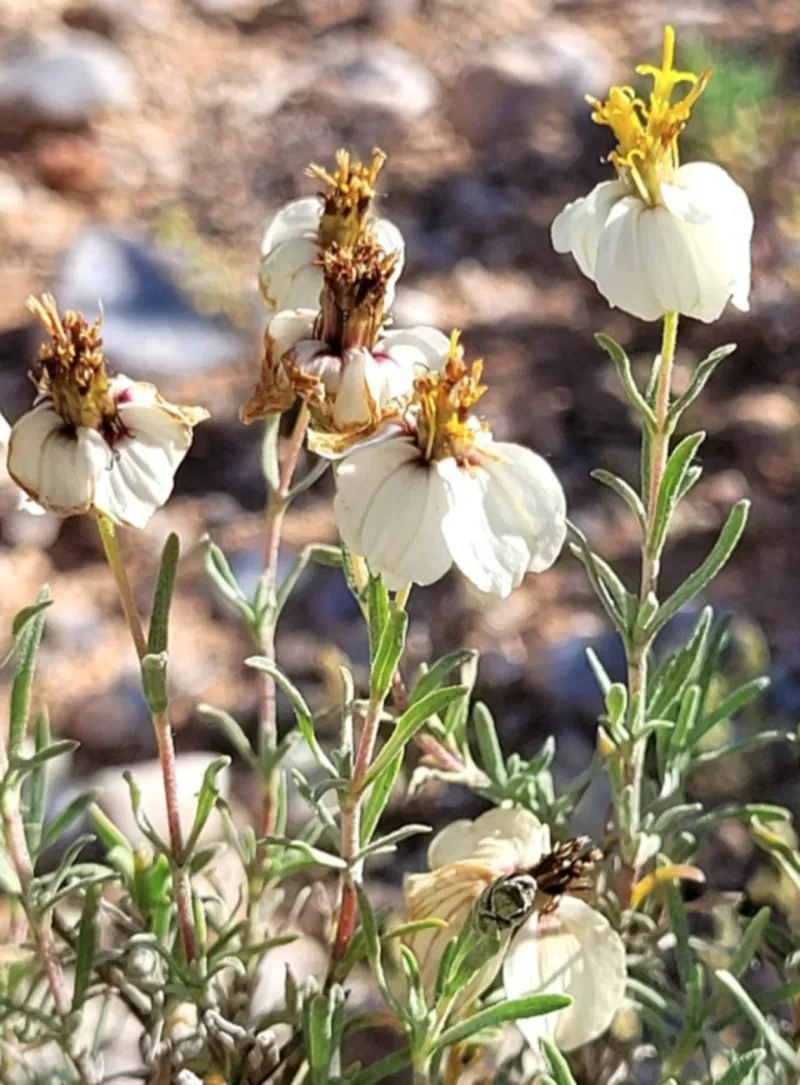
Desert zinnia is a compact, low-growing native perennial that fills those spaces with cheerful white blooms and a neat, mounding habit that works well in rock gardens, open borders, and informal planting areas.
It is one of the more reliably blooming native plants available for dry landscapes, flowering from spring through fall in many areas.
Native to the desert grasslands of southern Arizona and northern Mexico, desert zinnia thrives in full sun and well-drained, rocky or sandy soils.
It stays small, usually under a foot tall and about as wide, which makes it easy to use in tight spots or as a filler between larger plants.
The small daisy-like flowers with bright yellow centers are simple but attractive and bring a light, fresh quality to dry garden areas.
Desert zinnia is also a useful pollinator plant, drawing in native bees and butterflies throughout its long bloom season.
For homeowners replacing grass in Arizona backyards, it works especially well as a low edging plant or as a scattered filler in meadow-style plantings.
Watering needs are low once established, though getting it through the first dry season with some supplemental moisture will set it up for long-term success in Arizona conditions.
8. Tufted Evening Primrose Softens Bare Backyard Areas
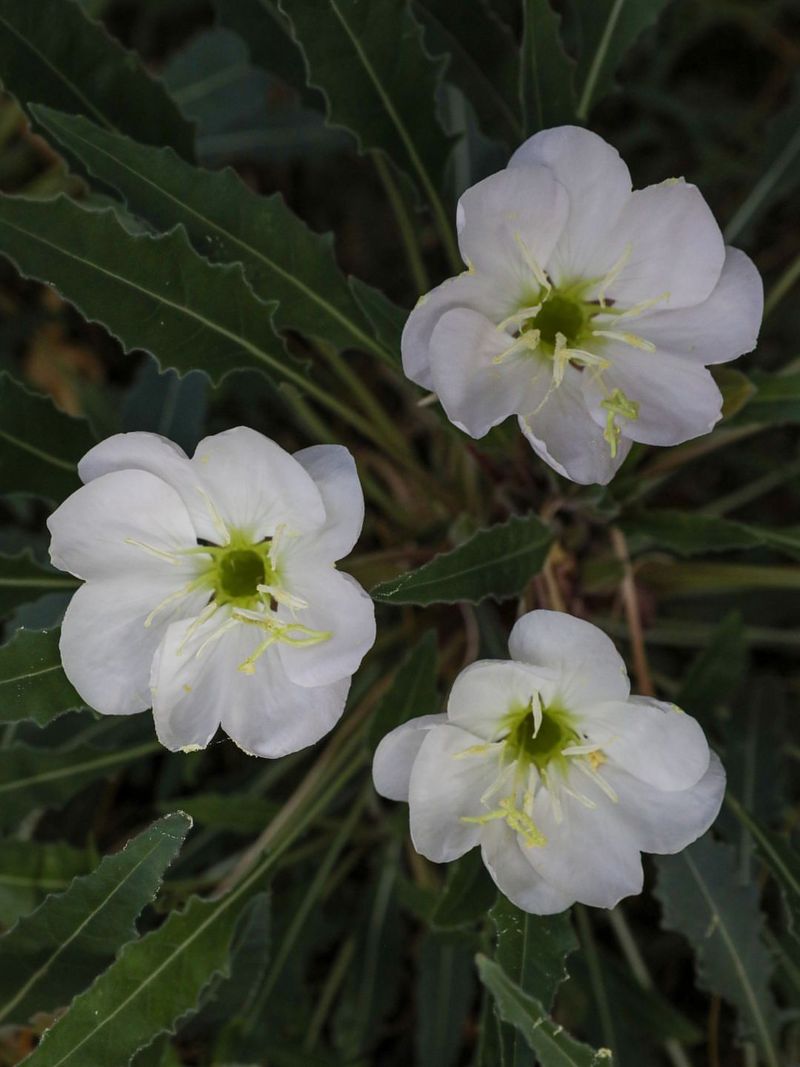
Walking out into an Arizona backyard early in the morning and finding large, papery white flowers glowing in the soft light is one of the quieter pleasures of growing tufted evening primrose.
The blooms open in the evening and stay open through the cooler morning hours before closing in the heat of the day, giving this plant a gentle rhythm that feels connected to the desert environment around it.
Tufted evening primrose is native to the arid regions of the Southwest, including Arizona, and is well adapted to dry, rocky soils and intense sun exposure.
It forms a low, spreading rosette of foliage that stays close to the ground, usually under a foot tall, with flower stems rising above when blooming.
The large white flowers can be several inches across, which makes them quite striking for such a compact plant.
In backyard planting areas, tufted evening primrose works well as a soft filler between rocks, along dry borders, or scattered through informal native plantings to add gentle floral interest without demanding much water.
It spreads gradually by seed and can naturalize in open areas over time.
Newly planted specimens benefit from regular watering while they establish roots in Arizona’s dry soil, but they become quite self-sufficient once settled in.
9. Desert Globemallow Brings Color To Native Plantings
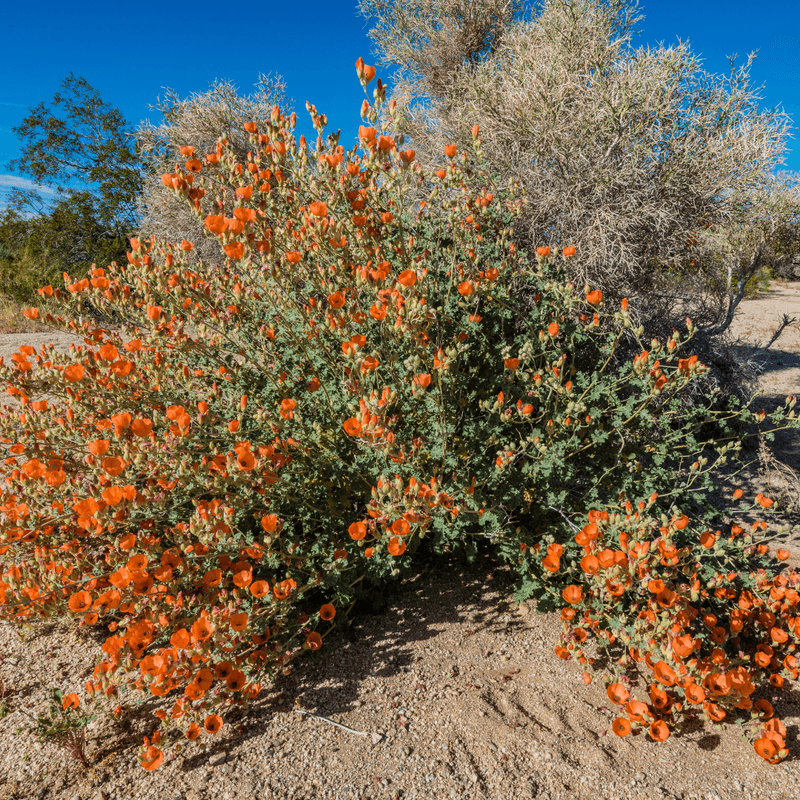
Orange is not a color most people expect from a drought-tolerant plant, but desert globemallow delivers it in abundance.
The clusters of bright, cup-shaped flowers in shades of orange, occasionally coral or lavender, light up dry Arizona backyard spaces from late winter through spring and often again after summer rains.
For native plantings that need a reliable pop of warm color, this plant is hard to match.
Desert globemallow is native across much of the Sonoran Desert and is one of the most recognizable wildflowers in Arizona landscapes. It grows as an upright, multi-stemmed perennial with soft, gray-green lobed leaves that help reflect heat and reduce water loss.
Plants typically reach two to three feet tall and spread about as wide, giving them a full, shrubby presence in open planting areas.
Beyond its visual appeal, desert globemallow is an important plant for native bees, particularly specialist bees that rely on plants in the mallow family.
Using it in a grass-replacement planting adds habitat value that a traditional turf lawn simply cannot offer.
It handles poor, rocky soils and full sun without complaint, and while it appreciates some water during establishment, it becomes quite independent once rooted into the dry backyard conditions that define so much of Arizona’s residential landscape.