North Carolina Vegetables That Need To Be Pulled In August So Fall Crops Thrive
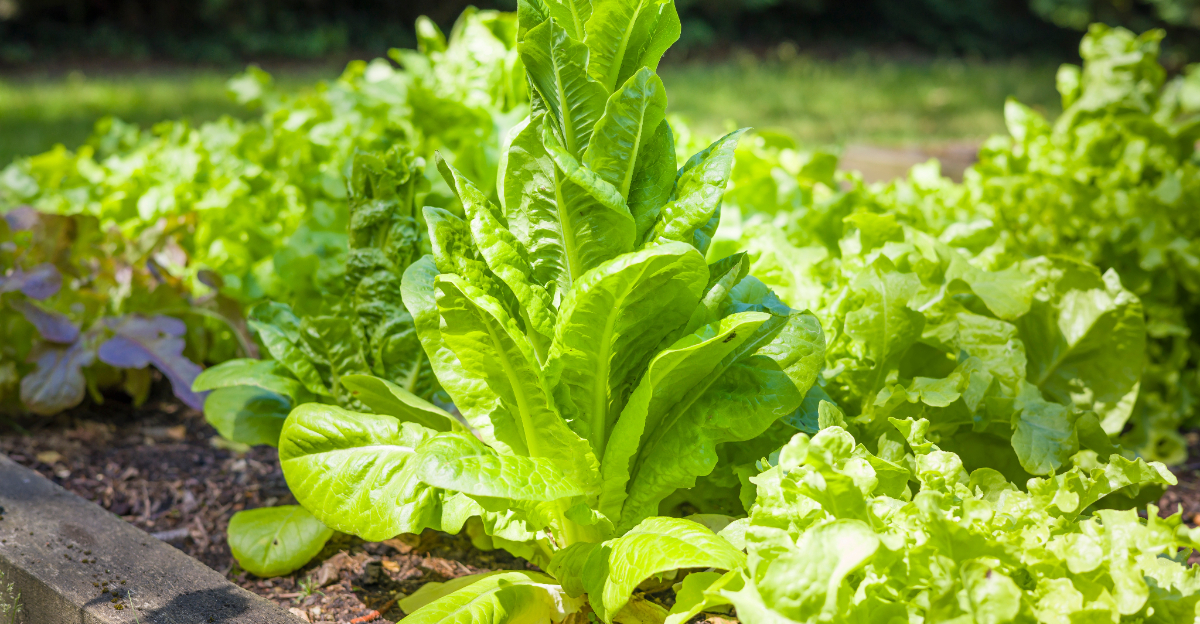
August feels too early to start pulling vegetables that are still technically producing, and that hesitation is exactly what costs North Carolina gardeners their fall season year after year.
The math of the growing calendar here does not bend to optimism about a few more weeks of summer production.
Fall crops need time in the ground, and the beds they require are sitting occupied by summer vegetables running on fumes. Every week of delay in August shortens the fall harvest window on the other end in ways that cannot be recovered.
Knowing exactly which crops to pull, when to pull them, and what goes in immediately after is what keeps a North Carolina garden productive straight through the first frost.
1. Spent Cucumbers
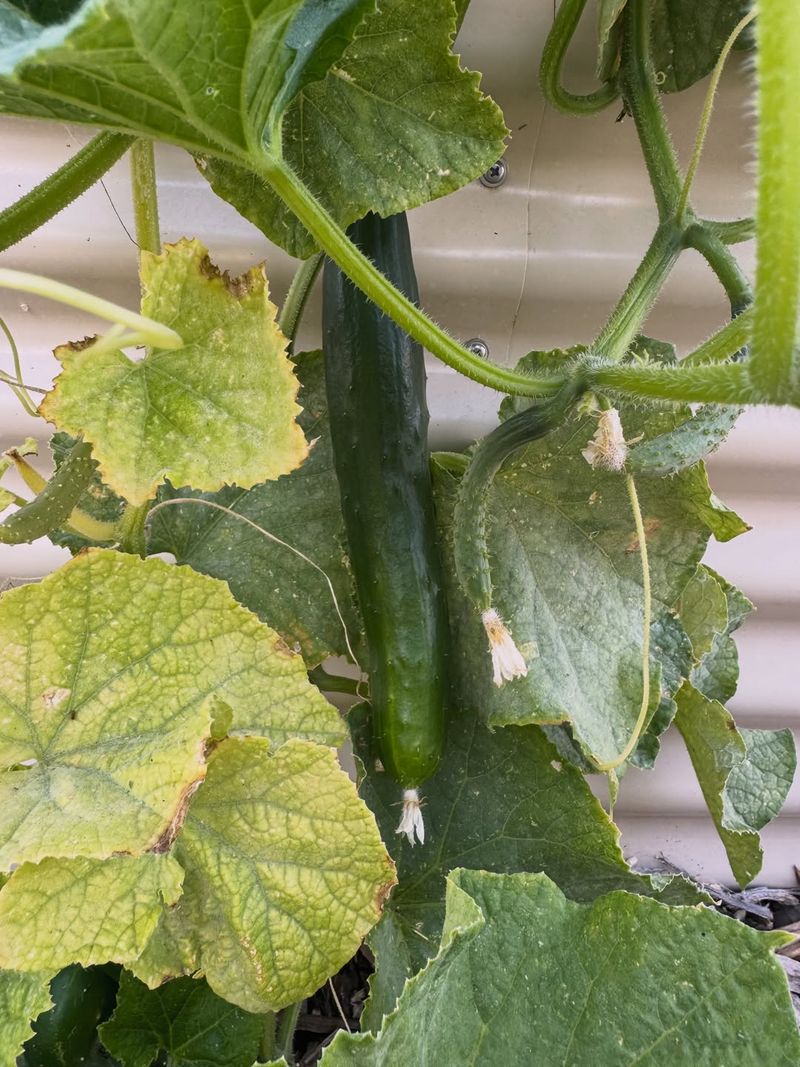
Cucumber vines are real workhorses early in the season, but by August they often start telling you they are done.
When you notice the fruit getting small, bumpy, or oddly shaped, and the leaves are turning yellow or spotty, that vine has given you just about everything it has. Holding on to it past that point rarely pays off.
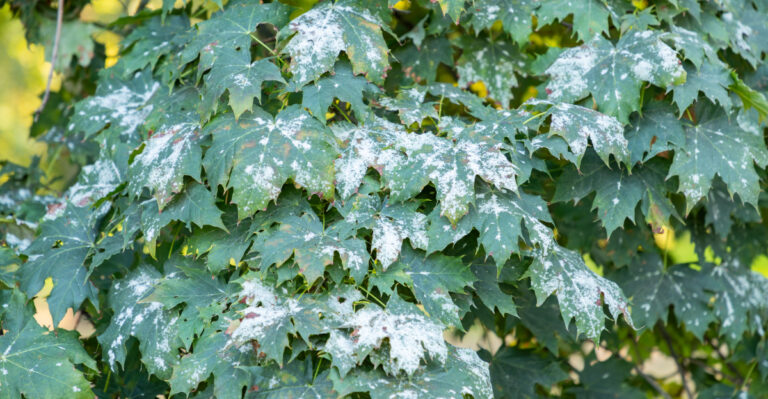
Old cucumber vines are a magnet for pests like cucumber beetles and aphids. They can also carry fungal diseases such as powdery mildew and downy mildew, both of which spread fast in the late summer humidity that North Carolina is known for.
A struggling vine sitting in your bed is not just unproductive, it can actually make things worse for neighboring plants.
The smartest move is to pull those vines as soon as the harvest drops off badly. Get the whole plant out, roots and all, and do not compost vines that show signs of disease.
Bag them up and toss them out so the problems do not spread back into your garden soil.
Once the bed is cleared, you have a great opportunity. North Carolina fall gardens do really well with crops like turnips, radishes, mustard greens, and kale.
These cool-season vegetables actually prefer the temperatures that arrive in September and October. Clearing out spent cucumber beds in August gives those crops the head start they need to establish before the first frost arrives later in the season.
2. Tired Summer Squash
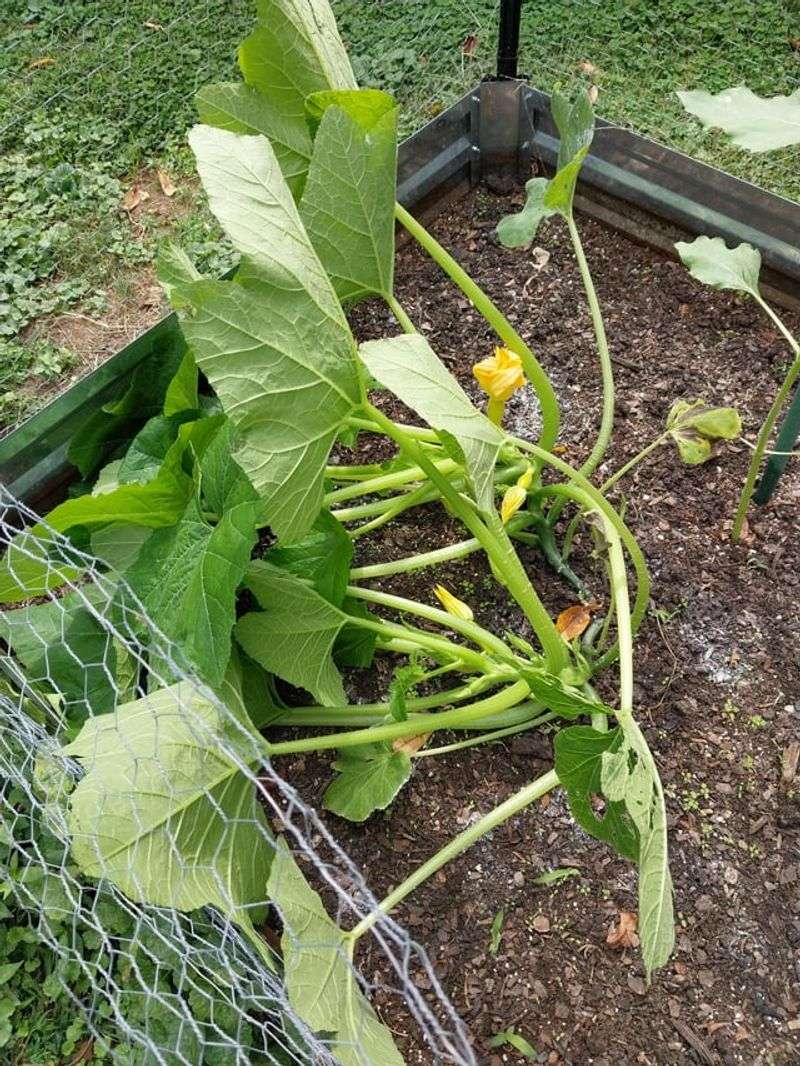
Summer squash plants can look almost unstoppable in June and July, producing more than you can eat. But by August, many of those same plants start looking rough.
Leaves turn powdery, stems get crowded, and the fruit production drops sharply. That is your signal to act, not wait.
One reason older squash plants become such a problem in late summer is that they attract squash vine borers and squash bugs in large numbers. These pests move fast and can spread to other parts of your garden if you leave a weakened plant standing.
A plant that is no longer producing well is essentially offering pests a free home right in the middle of your garden.
Some gardeners hold onto struggling squash because the plant still has a few leaves and looks alive. That is a common mistake.
Your North Carolina Garden Changes Every Week. Your Plan Should Too.
Gardening in North Carolina changes quickly throughout the season. Every Friday you’ll receive a simple weekly plan showing exactly what to plant, prune, fertilize, harvest, and protect so you never miss the right timing.
A plant being alive is not the same as a plant being useful. If you are getting almost no fruit or the fruit is coming out small and soft, the plant has done its job and it is time to move on.
Pull the whole plant, clear the soil, and work in some compost to refresh the bed. Summer squash takes up a surprising amount of space, so removing it opens up real room for fall planting.
Crops like beets, spinach, Swiss chard, and Asian greens all do beautifully in North Carolina fall gardens and will love the extra space and nutrients left behind after that squash comes out.
3. Overgrown Zucchini
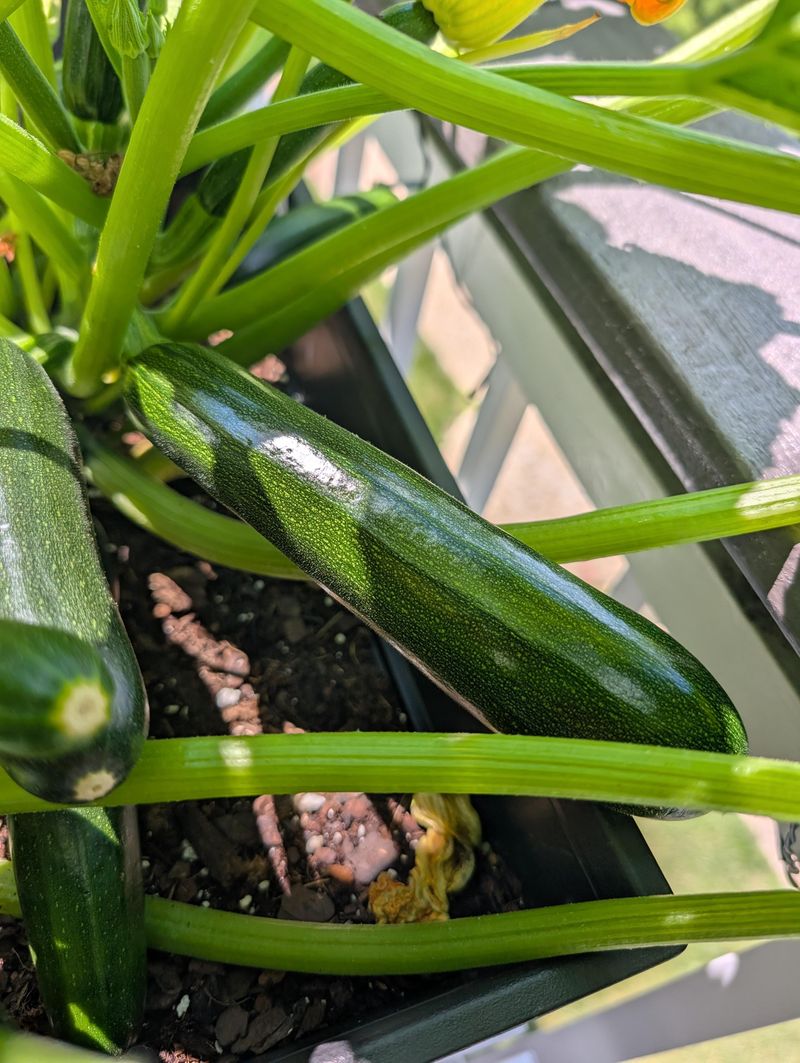
Zucchini is one of those vegetables that can take over a garden bed faster than almost anything else. The plants grow wide and tall, and by August, many of them have become more of a garden obstacle than a productive crop.
When the fruit starts coming out enormous, spongy, or tasteless, that plant is well past its prime.
A full-grown zucchini plant in late summer can shade out a huge section of your garden. That shade blocks sunlight from reaching the soil, which makes it harder to establish new seedlings nearby.
Even if the plant is technically still growing, the trade-off between the space it takes and the value it gives is just not worth it anymore.
There is also a pest factor to think about. Overgrown zucchini plants with thick canopies trap moisture and create hiding spots for squash bugs and other insects.
Pulling the plant removes that shelter and reduces the pest pressure on the rest of your garden at the same time.
Once you clear that big plant out, you will probably be surprised by how much space suddenly opens up.
That cleared bed is perfect for fall transplants like broccoli, cauliflower, or cabbage starts, all of which need room to spread out as they mature through autumn. Direct seeding cool-season crops like arugula or salad mix works great too.
August is the right time in North Carolina to get those fall beds going, and removing overgrown zucchini is a key part of making that happen smoothly.
4. Finished Bush Beans
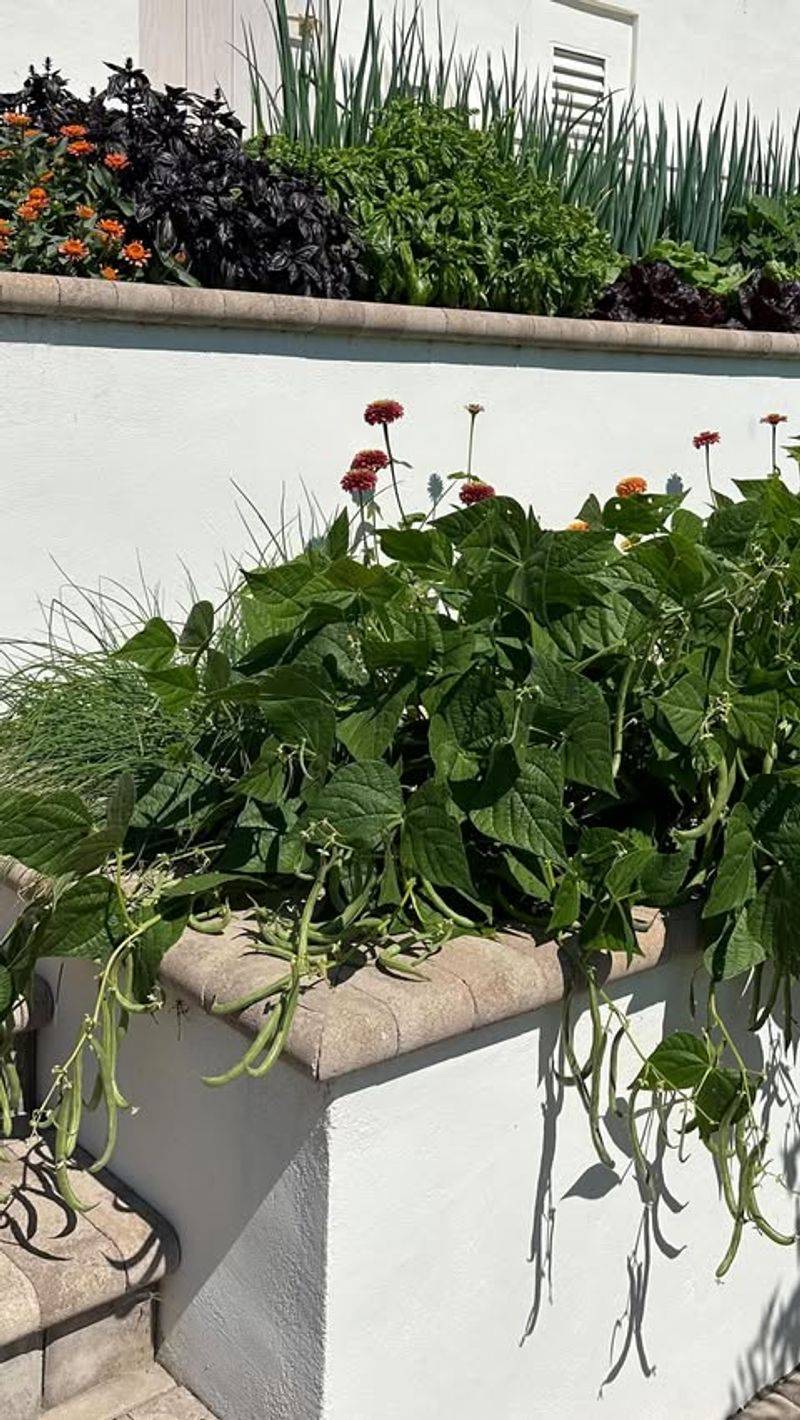
Bush beans are built for speed. They sprout fast, grow quickly, and produce a big flush of pods all at once.
That concentrated harvest is one of the things gardeners love about them, but it also means the plants tend to wind down faster than other vegetables. By August, many early-planted bush bean rows are essentially finished.
When you walk down the row and see mostly dry, tough pods and yellowing leaves with very little new growth, that planting has run its course. Pick every last usable bean you can find, then pull the plants.
Do not leave them standing in hopes of a second big flush, because bush beans rarely deliver one that is worth waiting around for.
Here is something worth knowing about bush beans: they fix nitrogen in the soil as they grow. That means the soil left behind after you pull them is actually a little richer than it was before.
That is great news for whatever fall crop moves in next, because nitrogen-loving vegetables will have a small natural boost waiting for them right in the ground.
Beets, carrots, turnip greens, and various lettuces are all excellent choices for replanting that bean row in August. These crops prefer cooler weather and will germinate and grow well as temperatures start to ease up in September.
Clearing out finished bush beans as soon as you recognize the harvest is done gives your fall planting the maximum growing time before North Carolina winters arrive.
5. Harvested Sweet Corn
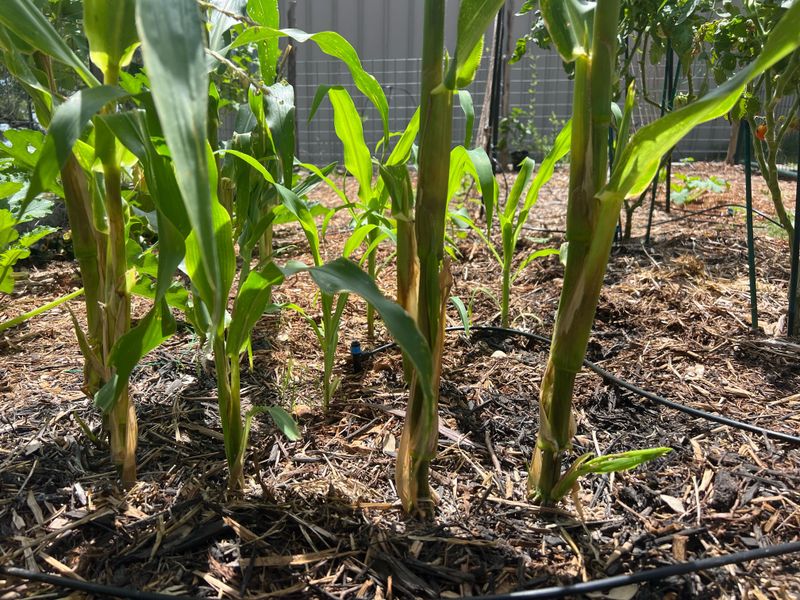
Sweet corn is one of the most rewarding things you can grow in a North Carolina garden, but once those ears are picked, the stalks have absolutely nothing left to offer.
They just stand there, tall and thick, casting shade over a large section of your garden and blocking airflow from nearby beds. Getting them out fast is the right call.
Corn stalks can get surprisingly dense when left standing. That density reduces the light reaching the soil below, which is a real problem when you are trying to get cool-season seeds to germinate.
Seedlings need light from day one, and a shaded bed will slow them down or prevent them from establishing at all.
There is also the matter of airflow. Tall corn stalks can block wind from moving through your garden, creating pockets of still, humid air.
In North Carolina summers, that kind of environment encourages fungal issues that can affect nearby plants. Removing the stalks opens up the whole area and improves conditions for everything around it.
Cutting stalks at the base and chopping them into smaller pieces speeds up breakdown if you add them to a compost pile, though large sections can take a while to fully decompose.
Once the bed is clear, consider planting fall crops that love full sun and open space, like collard greens, kale, or broccoli.
North Carolina gardeners who clear corn beds in August often find they have just enough time to grow a full second season of vegetables before cold weather settles in.
6. Failing Early Tomatoes
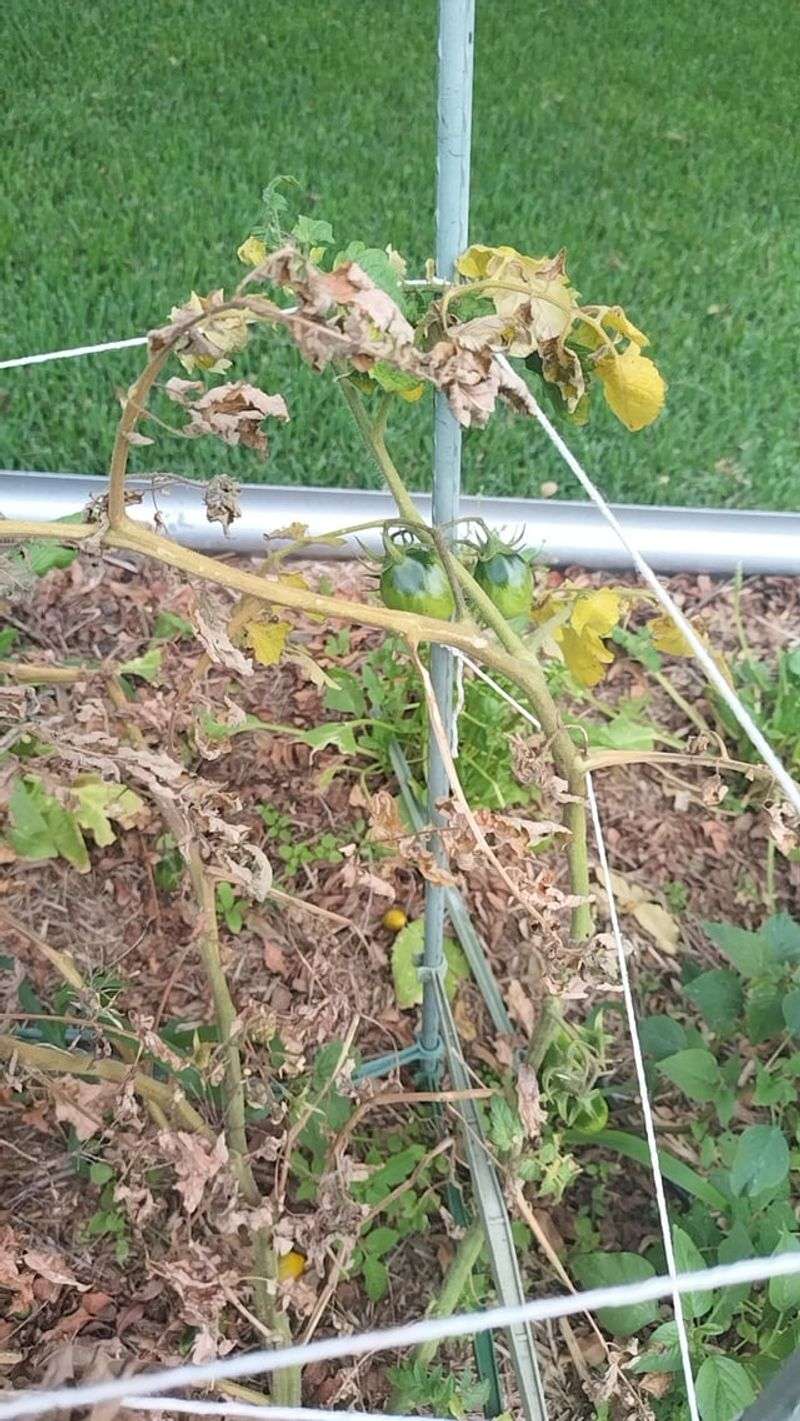
Tomatoes are the crown jewel of most North Carolina summer gardens, so pulling one is never a decision gardeners make lightly. But there is a real difference between a tomato plant that is still working hard and one that has clearly given up.
Spotty leaves covering most of the plant, no new blossoms, and fruit that refuses to set are all signs that a plant is past saving.
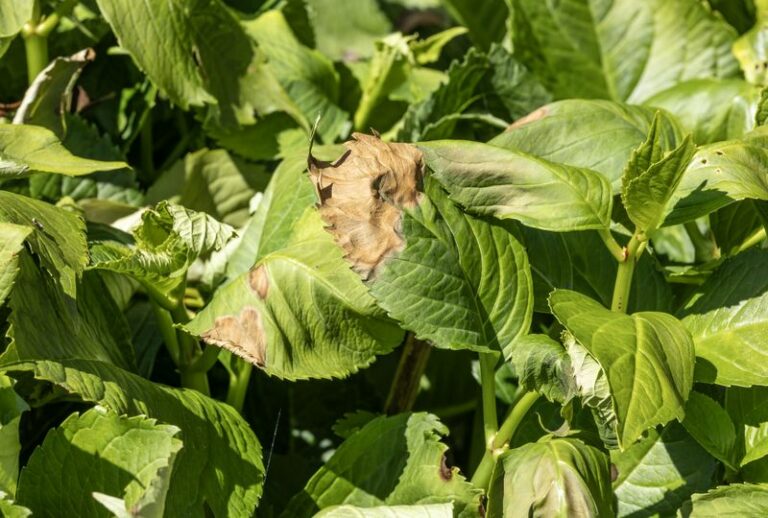
Early tomato varieties planted in spring often start declining faster than mid-season types. By August, they can be heavily affected by diseases like early blight, Septoria leaf spot, or bacterial speck, all of which are common in North Carolina’s hot, humid summers.
A plant covered in these problems is not going to bounce back, and keeping it in the garden can spread disease to healthier plants nearby.
The key is to be selective. Not every tomato plant needs to come out in August.
If you have a plant that is still setting fruit, still has good foliage, and looks reasonably healthy, leave it alone and let it keep producing. Only pull the ones that are clearly struggling and no longer contributing to your harvest.
When you do remove a failing tomato plant, clear the soil well and avoid replanting tomatoes or other nightshade family crops in that same spot right away. Rotate to something different, like leafy greens, root vegetables, or brassicas.
This simple step helps break any disease cycle in the soil and gives your fall garden a much cleaner, healthier foundation to grow from.
7. Bolted Lettuce
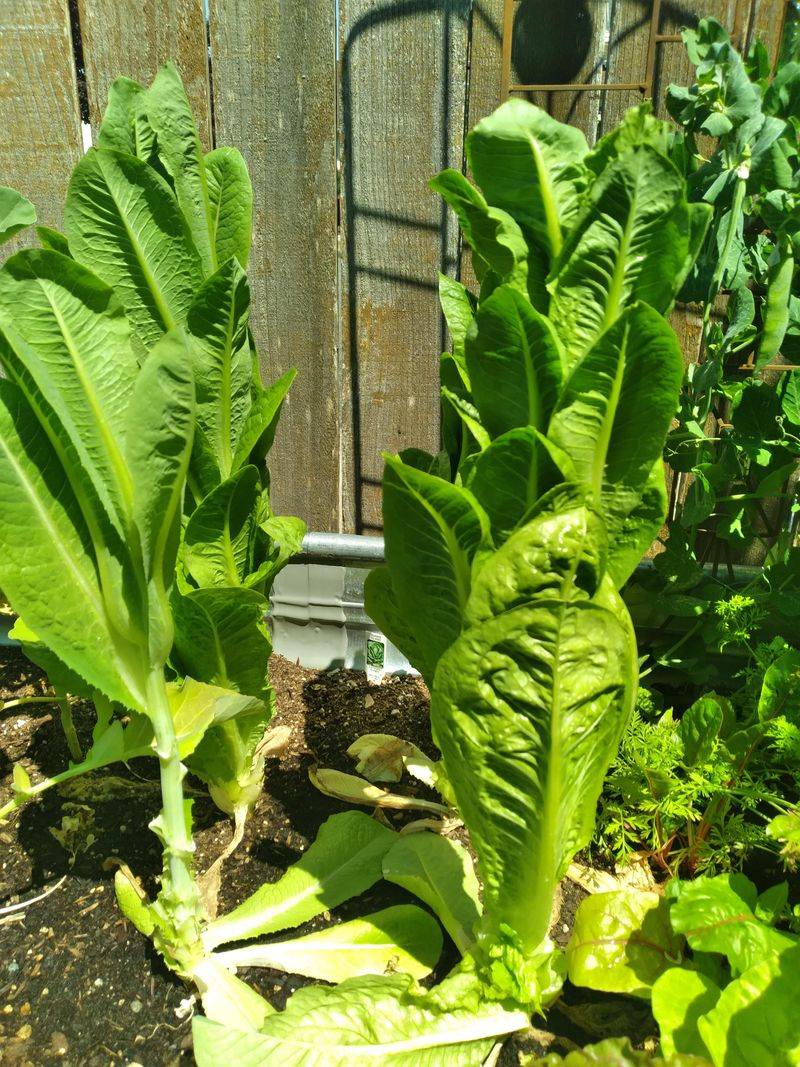
Lettuce that was planted in spring has a natural expiration date in a North Carolina summer garden, and August is well past it. When lettuce bolts, it shoots up a tall central stalk, produces tiny flowers, and turns the leaves intensely bitter.
At that point, it is no longer something you want to eat, and it is definitely no longer worth the garden space it is taking up.
Bolted lettuce can actually be a little surprising the first time you see it. The plants suddenly look completely different, almost unrecognizable compared to the low, leafy heads they were in spring.
That dramatic change is the plant shifting all of its energy toward producing seeds rather than the tender leaves gardeners actually want.
Leaving bolted lettuce in the bed through August does not do you any favors. It takes up space, competes with anything you try to plant nearby, and can even drop seeds that sprout at the wrong time.
Pulling it out clears the way for a properly timed fall lettuce planting that will actually produce something worth harvesting.
Fall is genuinely one of the best times to grow lettuce in North Carolina. Cooler temperatures in September and October bring out sweet, crisp flavor in varieties like butterhead, romaine, and red leaf.
Clearing out the bolted spring plants in August and refreshing the soil with a little compost sets you up for a fall lettuce crop that is often better than anything you grew in spring. That fresh start makes all the difference.
8. Old Spring Greens
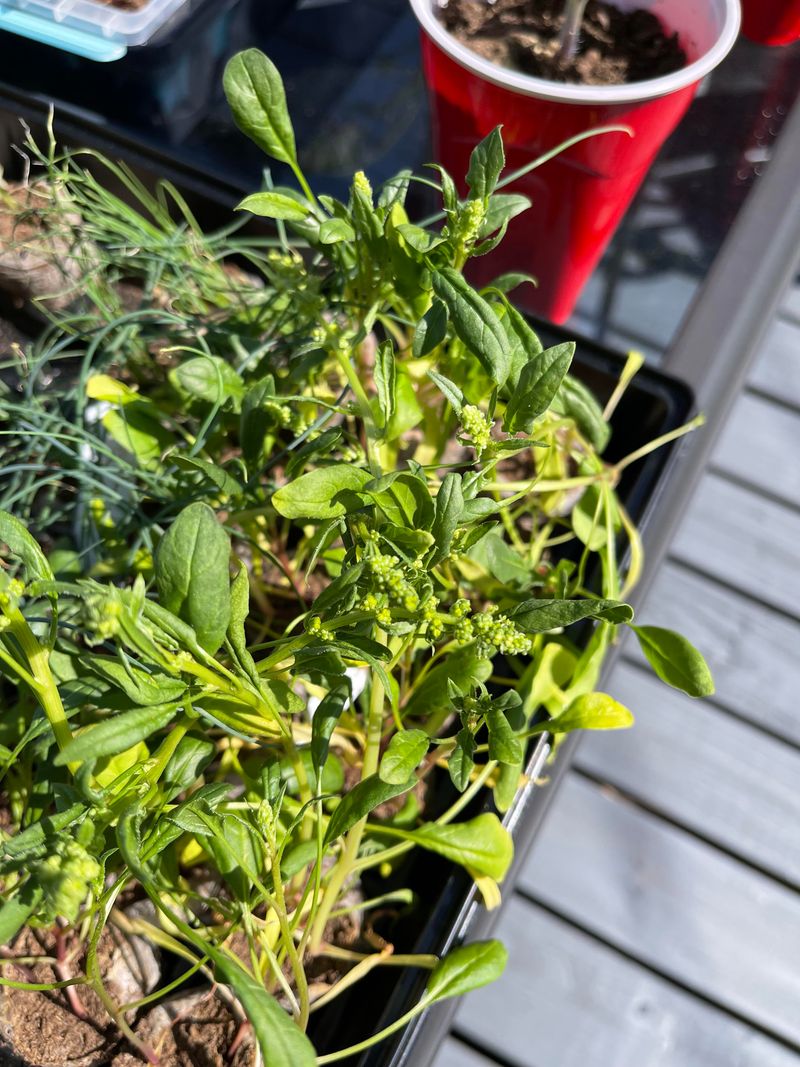
Spinach, mustard, arugula, and other cool-season greens planted in spring can linger in the garden well into summer, but by August they are usually a shadow of what they once were.
Tough stems, bitter flavor, and bolted plants signal that these greens are no longer giving you anything worth harvesting.
Holding onto them out of habit is one of the most common August garden mistakes. Bolted greens that have gone to seed can actually crowd out the soil around them and make it harder for new seeds to germinate cleanly.
Mustard greens in particular can get quite large and woody when they bolt, taking up far more space than their value justifies at that point in the season.
Arugula that has bolted turns extremely peppery and tough, way beyond the mild bite that makes it appealing in salads.
Removing these plants completely, roots included, gives you a clean slate. After pulling, loosen the soil a bit and work in some compost or a balanced fertilizer to restore nutrients.
Cool-season greens are heavy feeders, and refreshing the bed before replanting makes a noticeable difference in how well the fall crop performs.
Clean, open soil is genuinely one of the best things you can give a fall garden. Once those old spring greens are out, you can direct seed spinach, arugula, mustard, or kale for a fresh fall round that will come in tender, flavorful, and productive.
North Carolina fall conditions are ideal for these crops, and giving them a weed-free, nutrient-rich bed to start in puts your whole fall garden in a winning position.