What To Check For Before Bringing Tender Plants Indoors In Pennsylvania
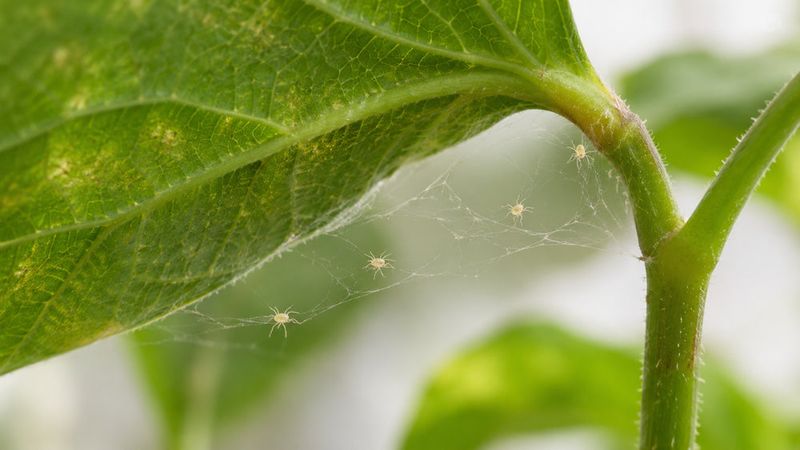
Spider mites are so tiny that a whole crowd can ride indoors on one leaf without you noticing. They often leave fine webbing behind, and that silky clue usually shows up after the trouble has already started.
Here’s something worth knowing about fall timing in Pennsylvania gardens. Many tropical plants start struggling once nights dip below 50 degrees, which can happen weeks before the first frost arrives.
I love the cozy ritual of carrying summer favorites inside, but I’ve learned that rushing it rarely ends well. A quick checkup outdoors can save you from a winter full of sticky leaves and buzzing gnats.
Frost dates across Pennsylvania vary more than most folks expect, from early October in the center to mid-November near Philadelphia.
How do you know your potted treasures are truly ready for the big move inside?
1. Hidden Aphids And Spider Mites Under The Leaves
Flip a leaf over and you might find a tiny city of aphids living there quietly. Those little sap-suckers love hiding underneath, where your eyes rarely wander during a busy summer of watering.
I start every inspection with a flashlight and a slow, patient look at each plant from top to bottom. Check the stems, the branches, and especially the leaf axils where leaves join the main stem.
Spider mites deserve extra attention because they look like moving specks of dust on the foliage. Fine webbing between leaves usually means a population has grown larger than you might expect by now.
Mealybugs show up as white cottony blobs, while scale insects look like small bumps stuck firmly to stems. Whiteflies often flutter up in a cloud when you gently shake the plant on a calm afternoon.
Don’t stop at the leaves, because soil and containers make great hiding places for unwanted guests too. Look around the pot rim and peek into the drainage holes, where eggs and crawlers sometimes gather.
A magnifying glass makes this job surprisingly fun, almost like a backyard nature documentary in miniature. You’ll be amazed how much busy life hides on a plant that seemed perfectly healthy last week.
Catching pests outside matters because indoor homes offer warm, calm conditions with no natural predators around. Ladybugs and lacewings handle plenty of pest control outdoors, but they won’t be following your plants inside.
2. Powdery Mildew And Leaf Spots On Potted Plants
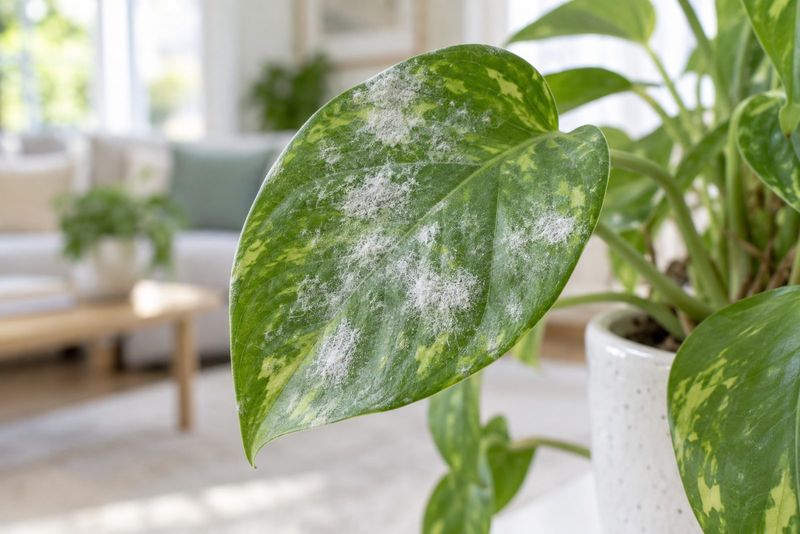
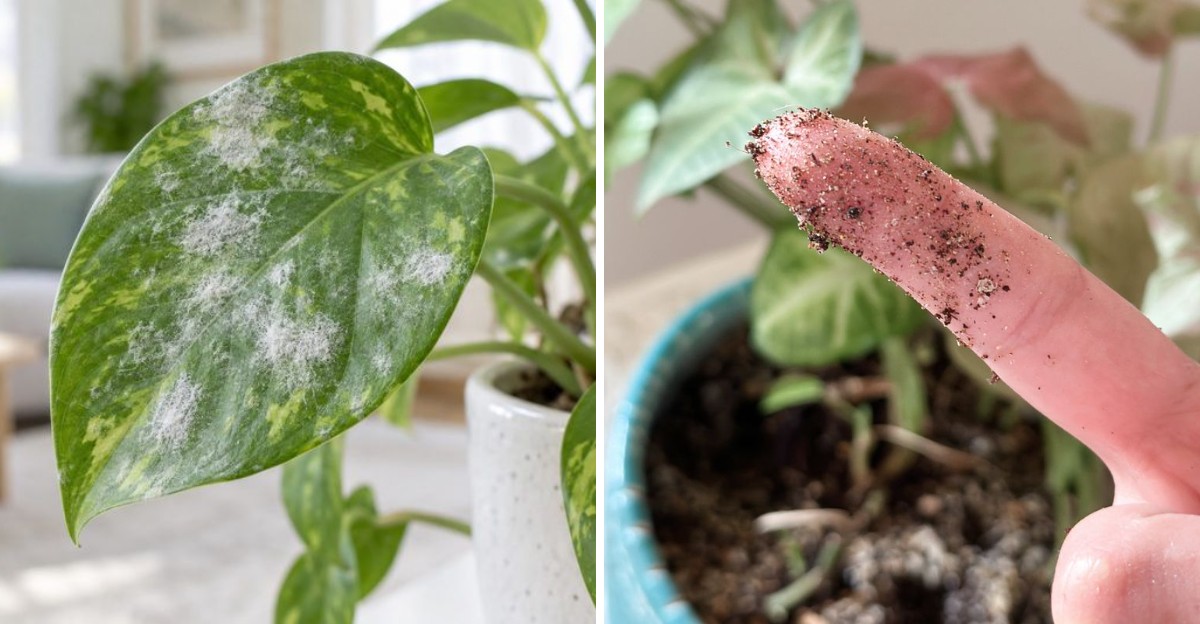
White dust on leaves that wipes off like flour is often a sign of powdery mildew at work. That fungus thrives during humid late summer days, and it can travel indoors right along with your plants.
Brown or black spots deserve a closer look as well, since several leaf diseases start out looking similar. Gray fuzzy mold called Botrytis tends to appear on old flowers and damp, crowded foliage near the soil.
I always check the roots too, because trouble below ground often shows up as wilting above. Mushy, dark roots usually point to root rot, which commonly follows a rainy stretch or too much watering outdoors.
Healthy roots typically look firm and pale, with a fresh earthy smell instead of a sour odor. Gently sliding a plant from its pot gives you a quick peek without causing much harm at all.
Snip off any spotted or moldy leaves right away and toss them in the trash, not the compost. Wipe your tools afterward so you don’t carry fungal spores from one plant to the next one.
Neem oil or a mild baking soda spray can help manage some fungal problems if used as directed. Read product labels carefully, since some plants react poorly to certain treatments and may drop leaves afterward.
Sometimes a badly infected plant simply isn’t worth the risk to your healthy indoor collection this winter. Letting one go feels tough, but protecting the rest of your houseplants is usually the smarter choice.
3. Pruning Leggy Hibiscus And Bougainvillea Down To Size
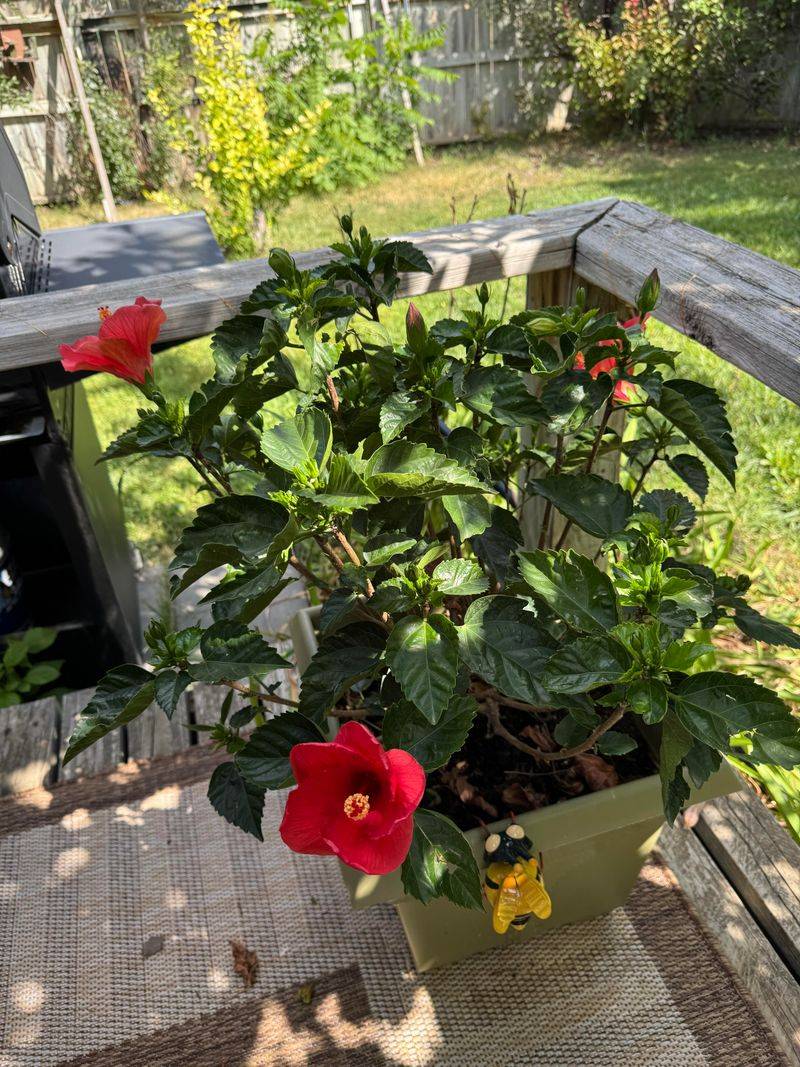
That tropical hibiscus that grew into a giant over summer probably won’t fit beside your living room couch. Plants stretch eagerly in warm sunshine, and many come back from the season looking a bit wild.
Giving them a trim before moving inside makes life easier for you and for the plant itself. Many gardeners cut larger tropicals like hibiscus and bougainvillea back by roughly one third of their size.
I think of this step as a relaxing spa day for my potted friends before winter arrives. Remove yellowing leaves, faded flowers, and broken stems, since they offer cozy hiding spots for pests and spores.
Stressed plants tend to attract more trouble indoors, so a careful health check pays off over the cold months. Look for weak growth, pale foliage, or stems that seem soft compared with the rest of the plant.
Pruning also encourages bushier growth later, which often gives you a fuller plant when spring finally returns. Cut just above a leaf node, where new shoots usually sprout after the plant settles into its new home.
Sanitize your shears between plants with rubbing alcohol or a household disinfectant wipe for clean, safe cuts. That small habit helps stop diseases from hopping quietly from one pot to another during your cleanup.
Bougainvillea has sharp thorns, so wearing sturdy gloves will save your hands some painful surprises this fall. I learned that lesson the hard way, and my fingertips still remember that particular afternoon quite clearly.
4. Easing Potted Plants Into Shade Before The Move
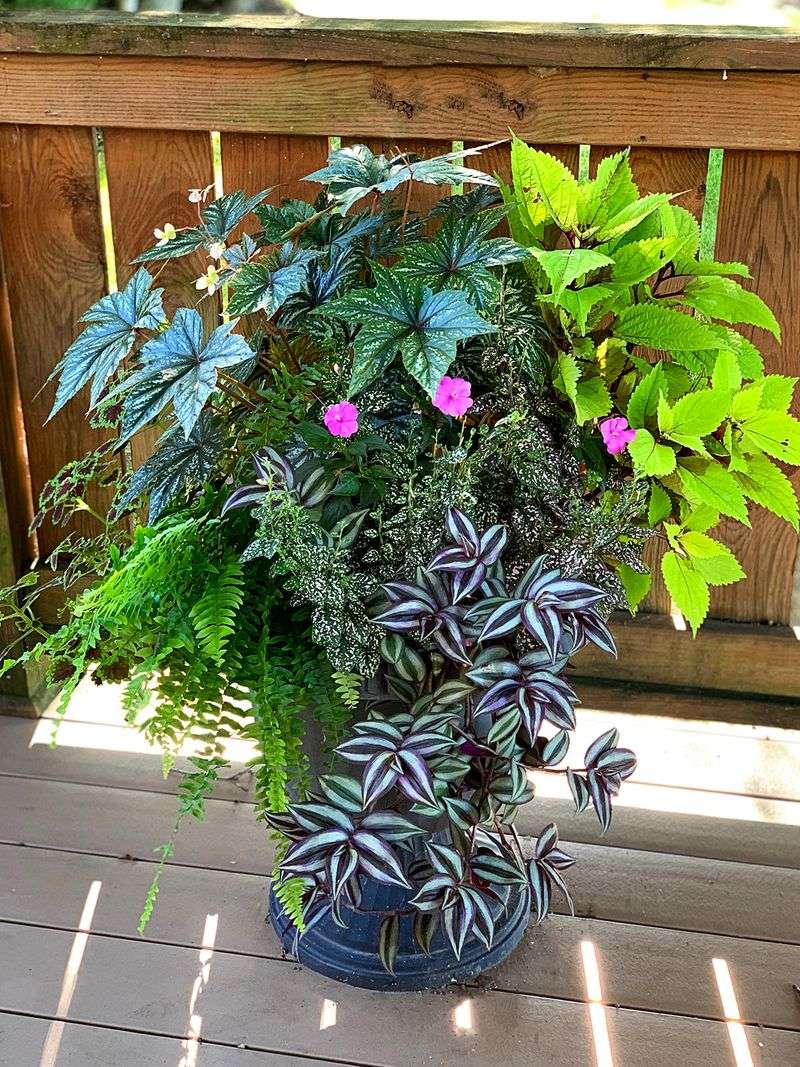
Moving a sun-soaked plant straight into a dim living room is a bit like stepping into a dark theater. Your eyes need time to adjust, and plant leaves react to sudden changes in surprisingly similar ways.
Outdoor light is far brighter than most indoor spaces, even next to a sunny window in your home. That sudden drop in brightness often triggers yellow leaves or a shower of foliage across your floor.
A gradual transition over one to two weeks helps plants cope much better with their new surroundings. Start by placing pots in a shadier outdoor spot for a few days before they come inside.
Next, a covered porch or bright garage makes a handy halfway house for your traveling potted plants. Slowly increase their time indoors each day so they can adjust to cooler light and drier air.
Indoor temperatures between 65 and 70 degrees suit many tropical plants once they settle in for winter. Watch the nightly forecast closely, because sudden cold snaps can arrive before you’ve finished this careful process.
Even with careful planning, some leaf drop is normal and usually nothing to worry about too much. I’m always surprised how quickly plants bounce back with fresh leaves after a few weeks of patience.
Ficus trees are famous for dropping leaves after a move, so expect a little drama from them. Keep sweeping, stay calm, and resist moving the plant around again, since constant changes add even more stress.
5. Hosing Off Foliage And Scrubbing Dirty Pots
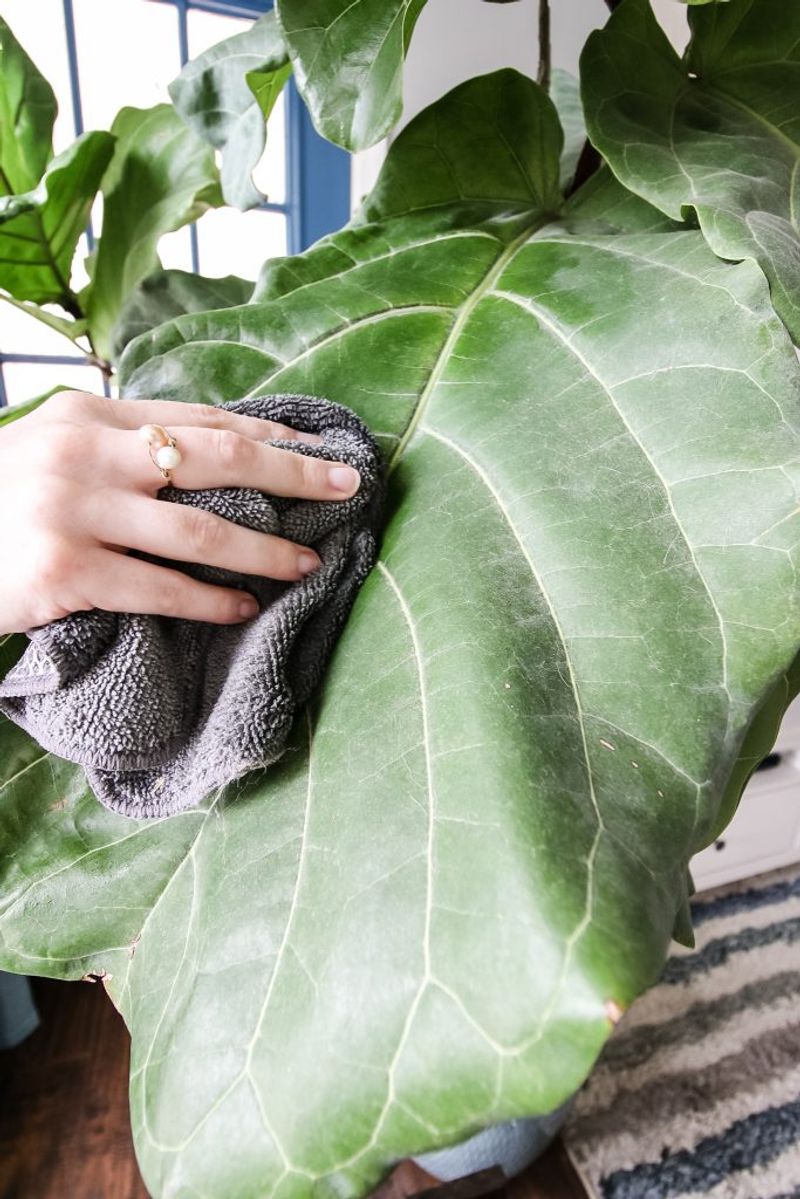
A good shower with the garden hose can knock loads of hitchhiking insects right off your plants. Use a gentle spray, then aim carefully at the undersides of leaves where pests love to cling.
Dust washes away too, which helps leaves soak up the weaker light they’ll receive indoors this winter. I find this step oddly satisfying, especially on a sunny fall afternoon with a warm breeze blowing.
Next, turn your attention to the pots, which often collect dirt, slugs, and old roots over summer. Scrub the outside clean, since clinging soil can harbor pests and disease organisms you’d rather leave behind.
Check that drainage holes are open, because blocked holes can lead to soggy soil and rotting roots. Roots poking through the bottom sometimes plug these openings, so trim them carefully if they look crowded.
Some gardeners soak pots up to the rim in lukewarm water for about fifteen minutes or so. That soak can flush soil-dwelling insects to the surface, where you can wipe them away before moving indoors.
If you spotted pests earlier, insecticidal soap or neem oil makes a sensible preventive spray outdoors. Cover the tops and undersides of leaves, plus the stems, and follow every label direction closely.
Let everything dry in a shady spot before carrying it inside to your floors and furniture. Placing saucers under clean pots also protects wood surfaces from drips during the first few watering sessions afterward.
6. Checking Roots For A Root Bound Plant
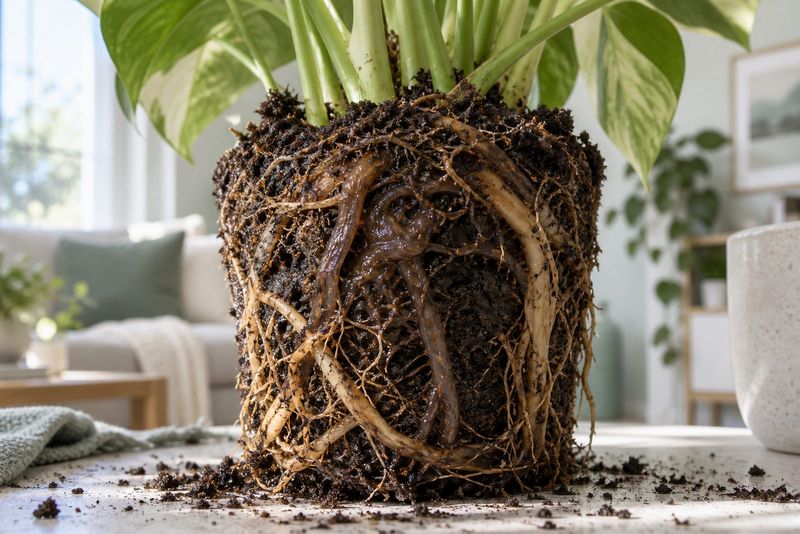
Roots circling the inside of a pot like spaghetti are a clear sign your plant has outgrown its home. You might also notice water rushing straight through the pot without soaking into the soil at all.
Fall usually isn’t the best time for major repotting, which surprises many eager gardeners each year. Plants slow their growth indoors, and disturbing their roots during that quiet stretch can add unnecessary stress.
If your plant looks healthy and only slightly snug, I’d wait until spring to give it more space. New growth returns as days lengthen, and the plant can recover from root disturbance much faster then.
Some situations call for repotting before the move, though, so don’t skip this check altogether. A badly crowded plant, sour soil, or pest-contaminated mix are good reasons to act now instead of later.
Fungus gnats often lay eggs in damp soil, and those larvae can follow plants straight into your kitchen. Swapping out infested soil before moving inside helps you avoid those tiny flying annoyances all winter long.
Choose fresh, well-draining potting mix rather than garden soil, which packs down tightly inside containers. Pick a new pot only one or two inches wider, since oversized pots hold extra water around roots.
Make sure the new container has drainage holes, even if a decorative pot looks tempting on the shelf. Pretty pots without holes can still work as covers, as long as the inner pot drains freely inside.
7. Testing Soil Moisture With Your Finger
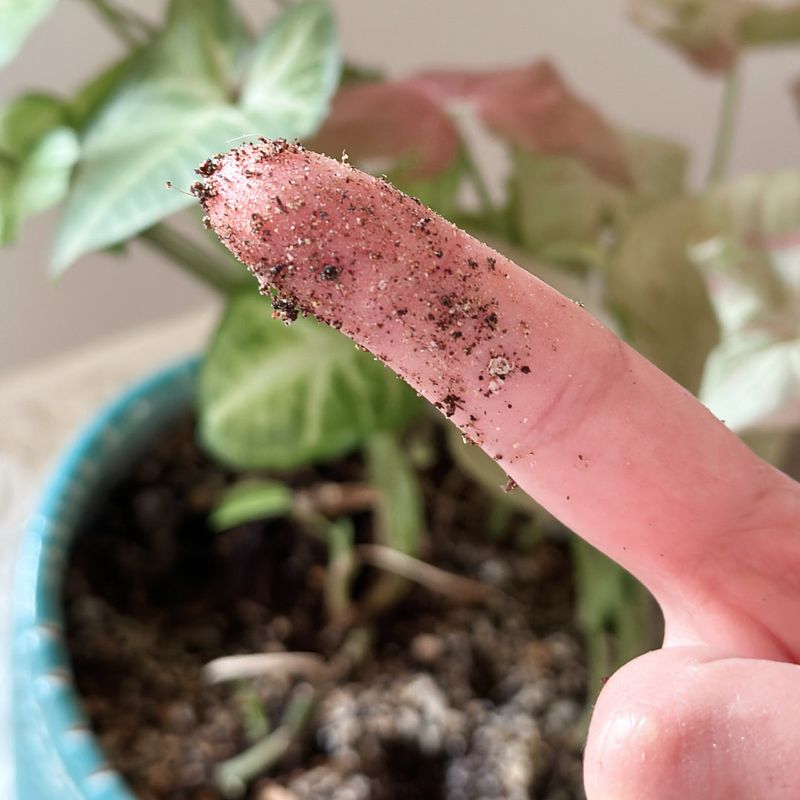
Your index finger might be the most useful gardening tool you own once plants come inside. Push it into the soil about an inch or two, and you’ll learn far more than any calendar can tell you.
Plants grow slowly indoors during winter, thanks to shorter days and cooler rooms around them. That slowdown means they drink much less water, often two or three times less than in summer.
Overwatering is one of the most common indoor mistakes, and it frequently leads to root rot over time. I wouldn’t necessarily say a strict schedule is wrong, but checking the soil first works far better.
Water only when the top inch or two feels dry to the touch, then soak the pot thoroughly. Let extra water drain away, and empty saucers so roots aren’t left sitting in a puddle for days.
Room-temperature water is kinder to roots than icy water straight from the tap in cold months. I fill my watering can the night before so it warms up naturally by morning without any extra fuss.
Lifting pots also helps, since a dry container feels noticeably lighter than one that’s freshly watered. After a few weeks, you’ll know your plants’ thirsty moods almost as well as your own.
Succulents and cacti need even less water during winter, so hold back more with those prickly friends. A little patience with the watering can usually keeps everyone happier until spring growth starts again.
8. Sunny Windows And Pebble Trays For Indoor Plants
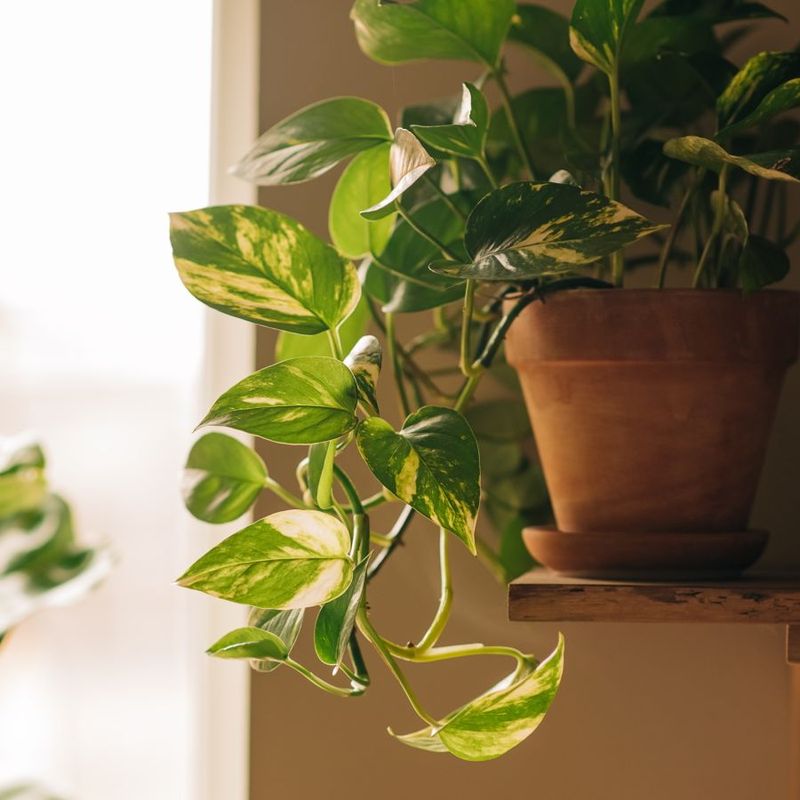
A south-facing window can feel like a tiny tropical vacation for plants during gray winter months. West-facing windows work nicely too, offering bright afternoon light that sun-loving varieties really appreciate.
Winter skies in Pennsylvania are often cloudy, so even bright windows may not provide enough light. Grow lights running about twelve to fourteen hours daily can fill the gap and keep plants from stretching.
Watch out for drafty windows and cold exterior doors, which can chill tender leaves on frosty nights. Heating vents and radiators cause trouble too, drying foliage quickly and stressing plants that crave steady conditions.
Indoor air turns surprisingly dry once the furnace kicks on for the season in most homes. Grouping plants together helps, since they release moisture that raises humidity in their little shared neighborhood.
Pebble trays are another easy trick, made by filling a shallow tray with gravel and some water. Set pots on top, keeping their bottoms above the waterline so roots don’t sit soaking in water.
A small humidifier gives an extra boost, and honestly, your skin will probably thank you as well. I run one near my plant corner, and the leaves look noticeably happier through the long winter.
Finally, keep newly moved plants in a separate room for three to four weeks if possible. That quarantine period lets hidden pests reveal themselves before they spread to your existing indoor plant collection.