Why Great Blue Herons Keep Visiting Georgia Backyard Ponds
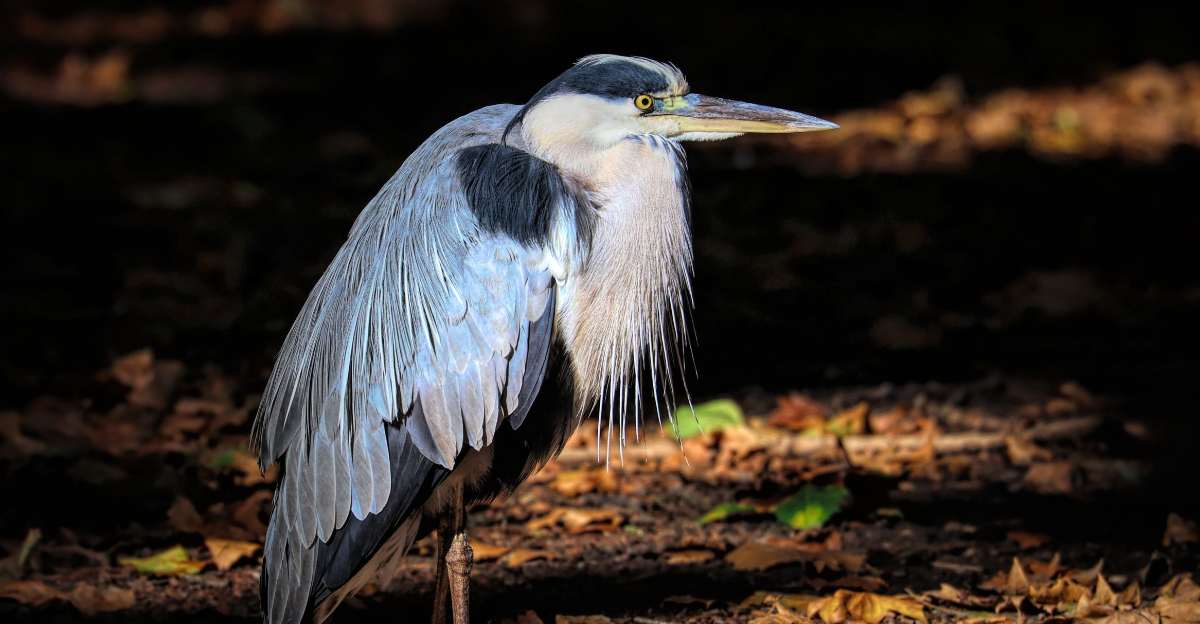
That tall bird standing beside your backyard pond probably did not choose the spot just to enjoy the view. Great blue herons visit places that offer something useful, and a small pond can quickly catch their attention.
Georgia homeowners may notice these impressive birds quietly watching the water before making their next move. Their patience can make the visit seem peaceful, but there is usually a practical reason behind it.
Take a closer look at what your pond offers from a heron’s point of view. Features that make the water attractive to wildlife can also encourage repeat visits.
Seeing the same visitor return does not necessarily mean anything unusual is happening.
Your pond may simply provide exactly what the bird is seeking.
Understanding that attraction can explain why your backyard keeps earning another visit.
1. Your Pond May Look Like An Easy Feeding Spot
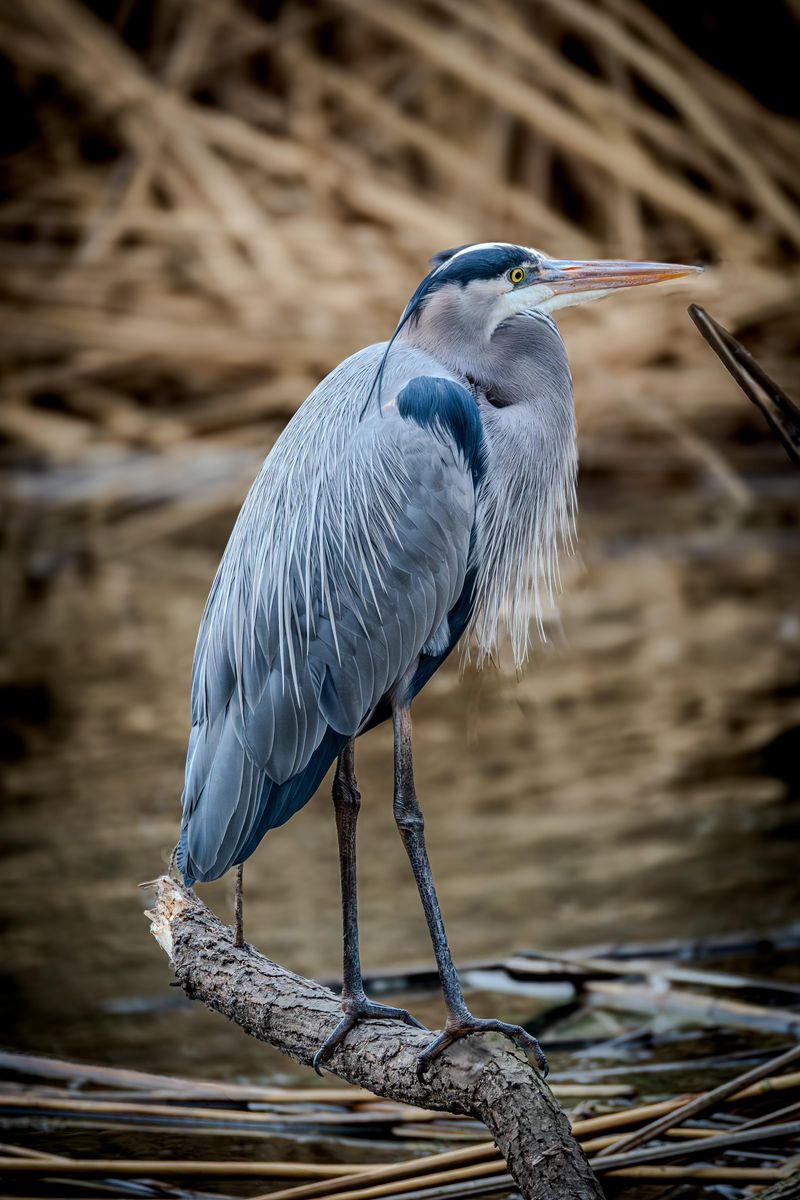
A backyard pond sends out a clear signal to a heron flying overhead: easy meal right here. From above, still or slow-moving water stands out against grass, mulch, and garden beds.
Herons have sharp eyesight. A pond with visible fish near the surface is almost impossible for them to pass up.
Even a small water feature can catch their attention during a flyover.
Ponds without cover or hiding spots for fish are especially attractive. Open water with no floating plants or sheltered areas gives a heron a wide, unobstructed view of potential prey.
Backyard ponds also tend to sit in quieter spots. Less foot traffic, fewer dogs, and minimal noise make the environment feel safe enough for a heron to land and stay awhile.
If your pond is positioned near open sky with clear landing space nearby, that makes it even more appealing. Herons prefer spots where they can approach without obstacles or sudden surprises.
Reflective or clear water also helps. Murky water can actually reduce a heron’s interest since visibility into the water matters a lot when they are hunting.
Keeping your pond clear might unintentionally make it a more visible target for these birds.
2. Fish Give Herons Their Biggest Reason To Visit
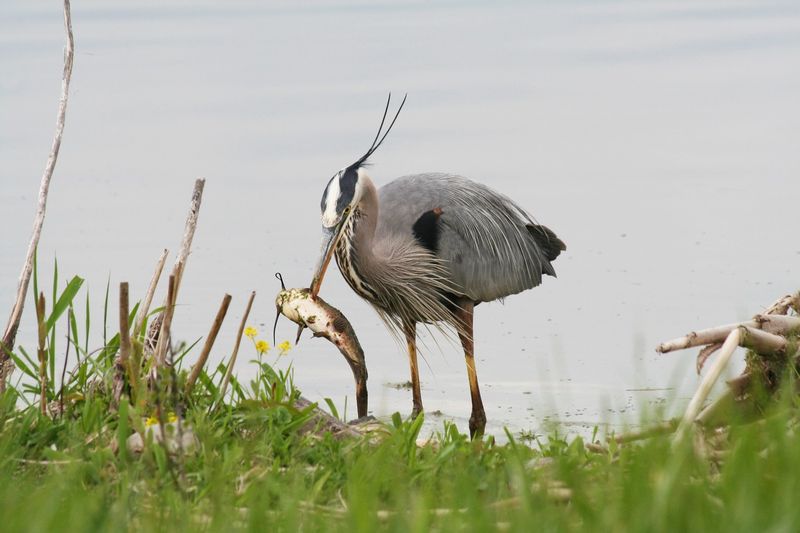
Koi and goldfish are basically a buffet for Great Blue Herons. Bright colors, slow movement, and shallow water make them extremely easy to spot and catch.
Herons are built for fishing. Their long legs let them wade without getting their body wet.
Their sharp beak works like a spear, striking fast and with precision.
Ornamental fish like koi often grow large and bold over time. They may swim near the surface expecting food from their owners.
That habit makes them even more vulnerable to a patient heron waiting nearby.
Even small feeder fish or young koi can attract herons. A pond does not need large fish to be worth a visit.
Smaller fish are often easier to catch and swallow quickly.
Herons can empty a modest pond of fish faster than most people expect. A single bird visiting over several mornings can significantly reduce your fish population without you noticing right away.
Your Georgia Garden Changes Every Week. Your Plan Should Too.
Gardening in Georgia changes quickly throughout the season. Every Friday you’ll receive a simple weekly plan showing exactly what to plant, prune, fertilize, harvest, and protect so you never miss the right timing.
Protecting fish with pond netting, deeper water sections, or fish caves can reduce heron success. Fish that have places to hide are harder to catch.
Adding underwater shelters gives your fish a better chance of avoiding a heron that has decided your pond is worth the stop.
3. Shallow Water Makes Hunting Much Easier
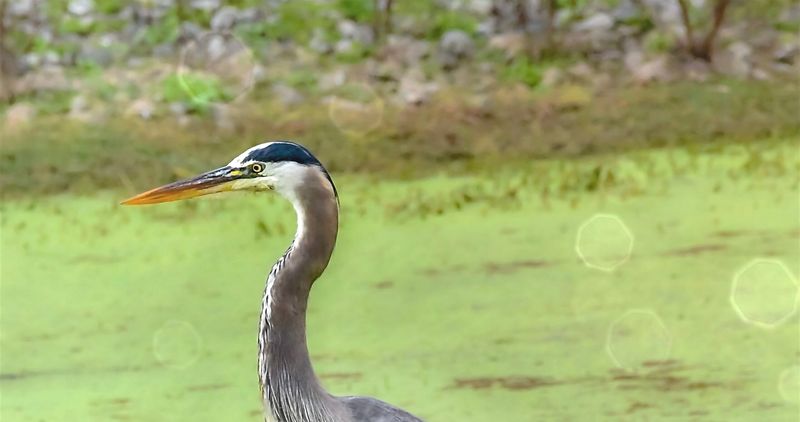
Shallow water is where herons feel most comfortable hunting. Standing in just a few inches of water, they can see straight to the bottom and react quickly to any movement.
Most backyard ponds have at least one shallow section near the edge. That ledge area is prime real estate for a hunting heron.
It gives them solid footing and a clear line of sight.
Deep ponds offer some protection for fish. When a fish can swim down quickly, a heron has less time to react.
Ponds with varying depths tend to lose fewer fish than those that stay uniformly shallow.
Herons are patient. Standing still in shallow water for long stretches is a normal part of their hunting routine.
They wait for fish to swim close, then strike with speed and accuracy.
Water clarity matters in shallow areas too. A heron can see a fish moving along the bottom even before the fish reaches striking range.
Clear, shallow water gives herons the best possible advantage.
If your pond has a wide, shallow shelf around the edges, consider adding smooth rocks or plants to break up the open space.
Giving fish places to tuck away from the edge can make shallow zones slightly less productive for a visiting heron looking for an easy catch.
4. Frogs And Other Small Animals Add More Food
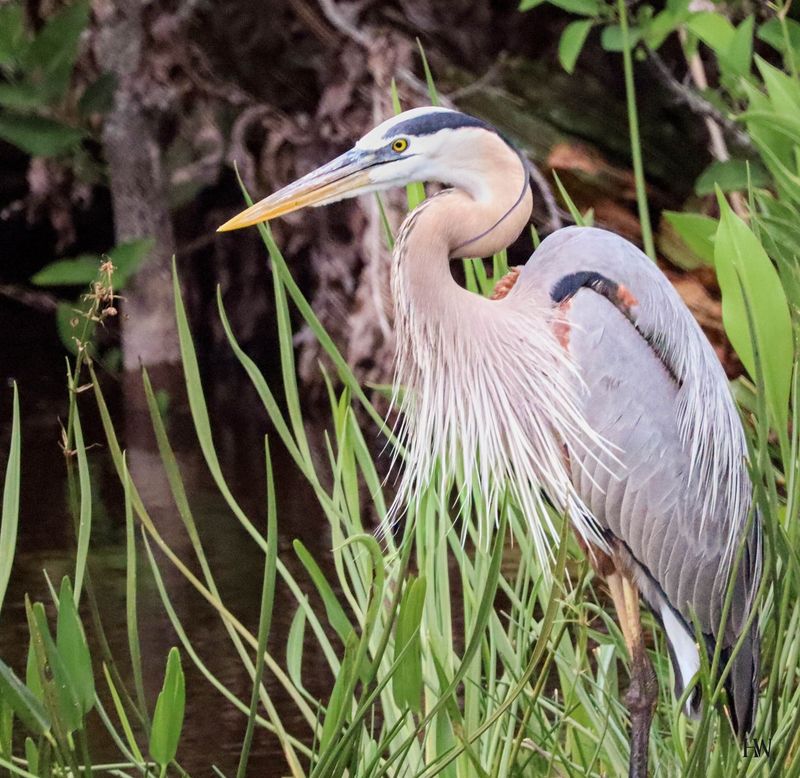
Fish are not the only reason herons keep coming back. Frogs, tadpoles, small snakes, and even large insects can all end up on the menu during a heron’s visit.
Backyard ponds in Georgia tend to attract frogs naturally. Bullfrogs and green frogs are common.
Both species are active near pond edges, making them easy targets for a heron on the hunt.
Tadpoles gather in shallow, warm water during spring and early summer. A heron working the edges of your pond during that time may be eating more tadpoles than fish without you even realizing it.
Small water snakes occasionally appear near ponds too. Herons are capable of catching and swallowing surprisingly large prey.
A snake near a pond’s edge is fair game for a bird with that kind of reach and patience.
Aquatic insects and crayfish can also draw herons in. A pond that supports a healthy ecosystem naturally produces a variety of small creatures.
More food variety means more reasons for a heron to return regularly.
You might notice a heron slowly walking the perimeter of your pond rather than standing in one spot. That behavior often means it is hunting for frogs or other small animals near the edges rather than waiting for fish to swim by.
Watching their movement can tell you a lot about what they are after.
5. Patient Hunting Lets Them Wait For The Right Moment
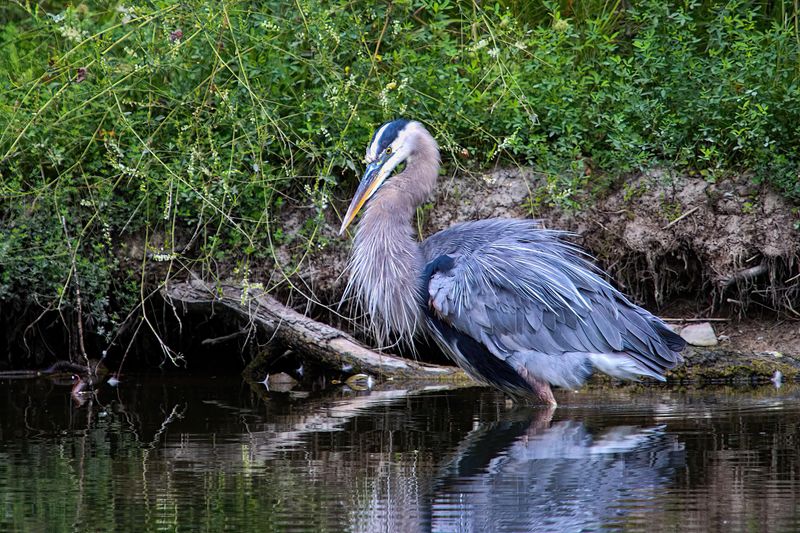
Few birds can match a heron’s ability to stay completely still for extended periods. Standing motionless is not laziness.
It is a calculated strategy that makes them highly effective hunters.
Herons often arrive at ponds early in the morning or near dusk. Those are the times when fish tend to be more active near the surface.
Timing their visits around fish behavior shows just how well adapted they are.
A heron may stand at the edge of your pond for 20 minutes or longer without moving. Fish that feel safe begin to swim closer, and that is exactly when the heron strikes.
Speed at the moment of the strike is impressive for such a large bird.
Patience also helps herons avoid spooking prey. Sudden movement alerts fish and frogs.
By staying still, a heron allows the pond’s natural activity to resume around it, which brings prey right into range.
Herons tend to return to spots where they have had success before. A pond that rewarded their patience once will likely get another visit.
Consistent success turns a one-time stop into a regular routine.
If you spot a heron standing completely still near your pond, it has likely already identified a target. Moving toward it slowly may cause it to fly off, but quick movements or loud noises will send it away faster.
Knowing this can help you manage their visits more effectively.
6. Nearby Wetlands Can Bring Herons Through Your Yard
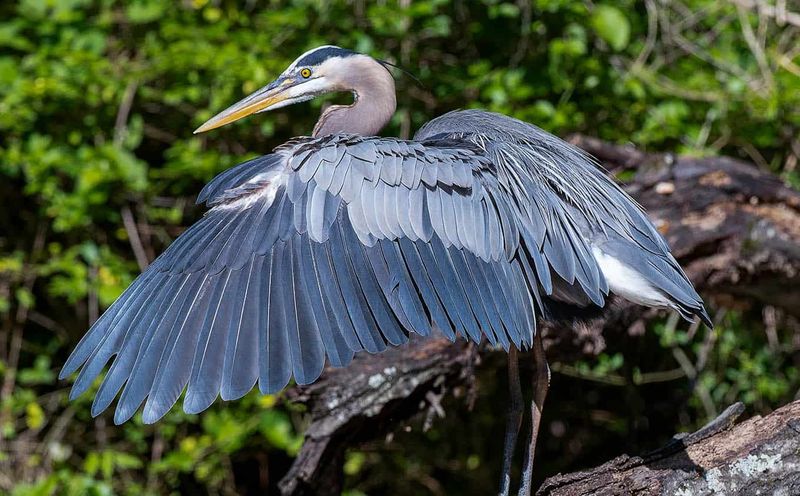
Georgia has a lot of natural wetlands, marshes, and creek corridors. Herons use these areas as their primary habitat.
Backyards that sit near those zones are naturally in a heron’s travel path.
When wetland food sources run low or water levels shift seasonally, herons expand their search area. A nearby backyard pond can become a convenient alternative when natural feeding spots are not as productive.
Creek banks, drainage ditches, and retention ponds near neighborhoods also serve as heron corridors. Birds moving between feeding areas often follow water features, which means your backyard pond may sit right along a regular route.
Seasonal changes matter here. During dry spells, shallow natural water sources can shrink significantly.
Herons that normally feed in wetlands may push into residential areas looking for reliable water and food sources.
Neighborhoods built near rivers or swampy land tend to see more heron activity overall. If your yard backs up to wooded land with any water nearby, the chances of regular heron visits go up noticeably.
Herons are not truly migratory in the way some birds are, but they do move around in response to food availability and weather. A cold snap or a dry stretch can push them into areas they might not visit as often under normal conditions.
Your pond may simply be in the right place at the right time for a wandering bird.
7. Quiet Pond Edges Give Them Space To Hunt
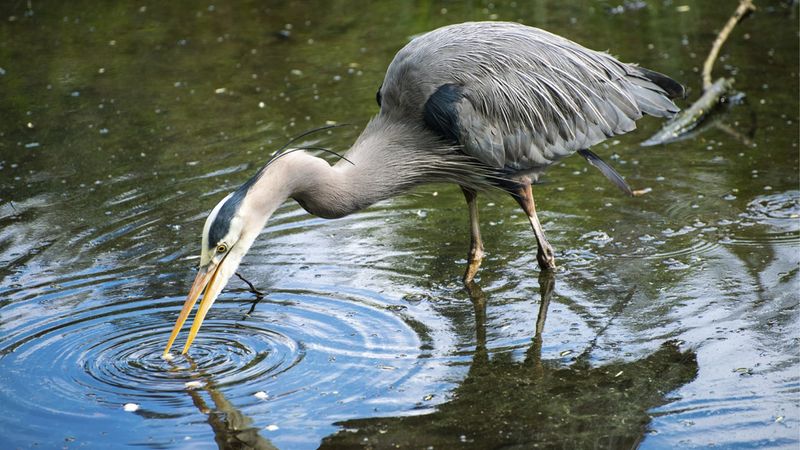
Herons are cautious birds. A pond surrounded by heavy foot traffic, barking dogs, or frequent noise is less likely to hold their attention for long.
Quiet matters to them.
Backyard ponds tucked into a corner of the yard, bordered by plants or fencing, often provide exactly the kind of low-disturbance environment herons prefer. Less activity around the pond means more confidence to stand and wait.
Tall ornamental grasses or shrubs near a pond can actually give a heron extra cover. Hunting from behind partial cover helps them feel less exposed.
It also makes them harder to spot from inside the house.
Morning hours tend to be the quietest in most backyards. Herons take advantage of that window.
Visits between dawn and mid-morning are common because the yard is still and fish are active near the surface.
Reducing clutter around your pond can unintentionally make it more inviting for herons. Open, accessible edges with flat or gradual slopes into the water are easy for herons to navigate without struggling.
Adding motion-activated sprinklers, reflective tape near the water, or decoy predators like owl figures can make a heron feel less comfortable at the edge.
No single method works perfectly for every bird, but combining a few deterrents tends to reduce the frequency of visits over time without causing any harm to the heron.