What To Do If Thunderstorms Flatten Your Florida Garden Beds
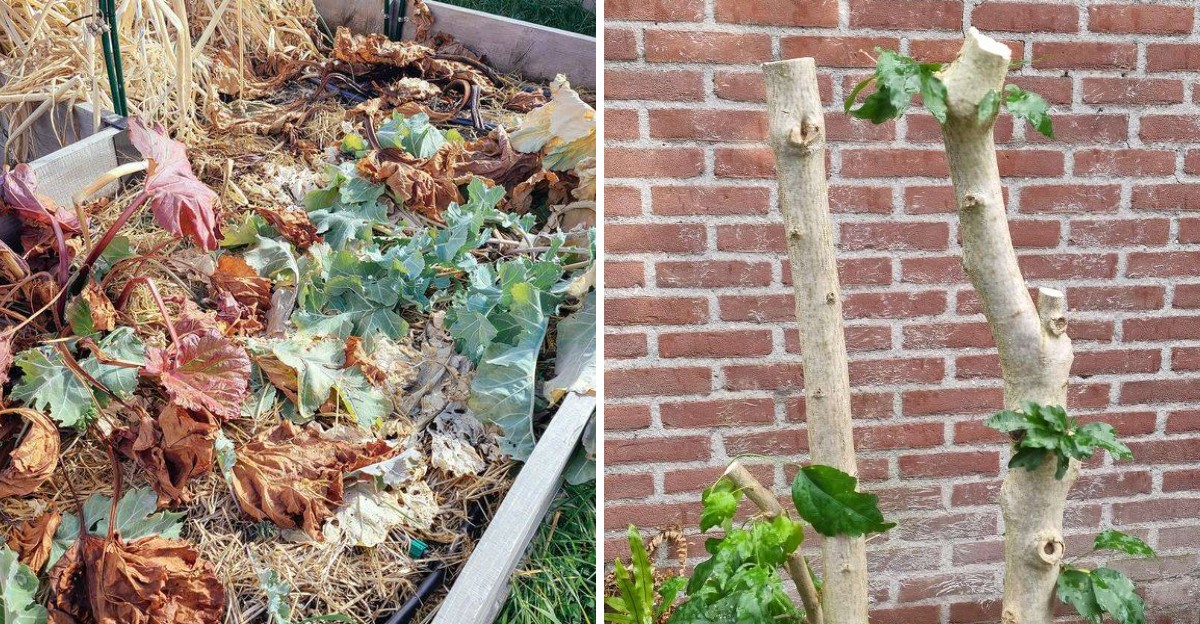
Central Florida has a stretch nicknamed Lightning Alley, running roughly from Tampa across the state toward Titusville. Summer afternoons there can flip from sunny to sideways rain in less time than it takes to water tomatoes.
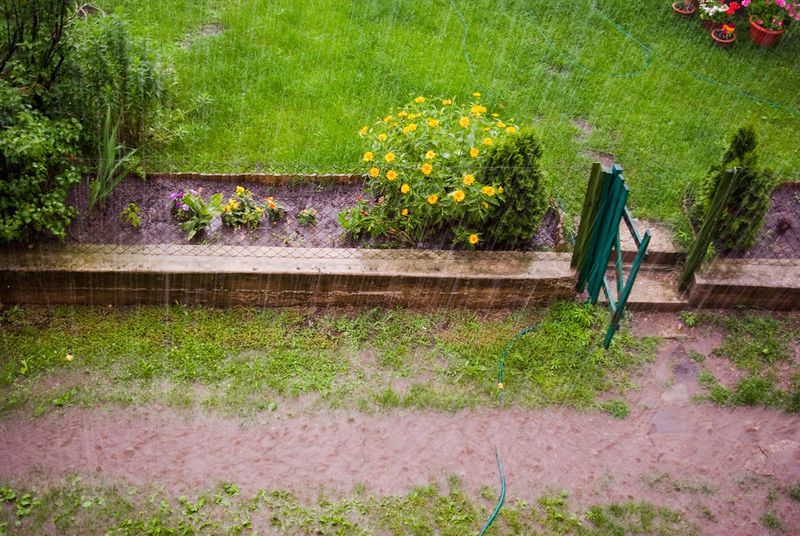
Those storms can dump a few inches of rain in about an hour, with gusts strong enough to bend stems. My first flattened zinnia bed sent me straight back inside to sulk over a cup of coffee.
Plants are tougher than they look, and many bounce back faster than their soggy owners do. You might notice stems curving upward again within a day, slowly turning their tips back toward the sunlight.
The trick is knowing which moves help a Florida bed recover and which ones quietly make things worse. Your soaked garden needs a gentler touch this week than you might expect.
Check For Downed Power Lines Before Stepping Into The Yard
Lightning can strike miles away from a Florida storm, so the National Weather Service suggests waiting thirty minutes after the last thunder. I know the garden is calling, but a half hour on the porch beats a dangerous surprise.
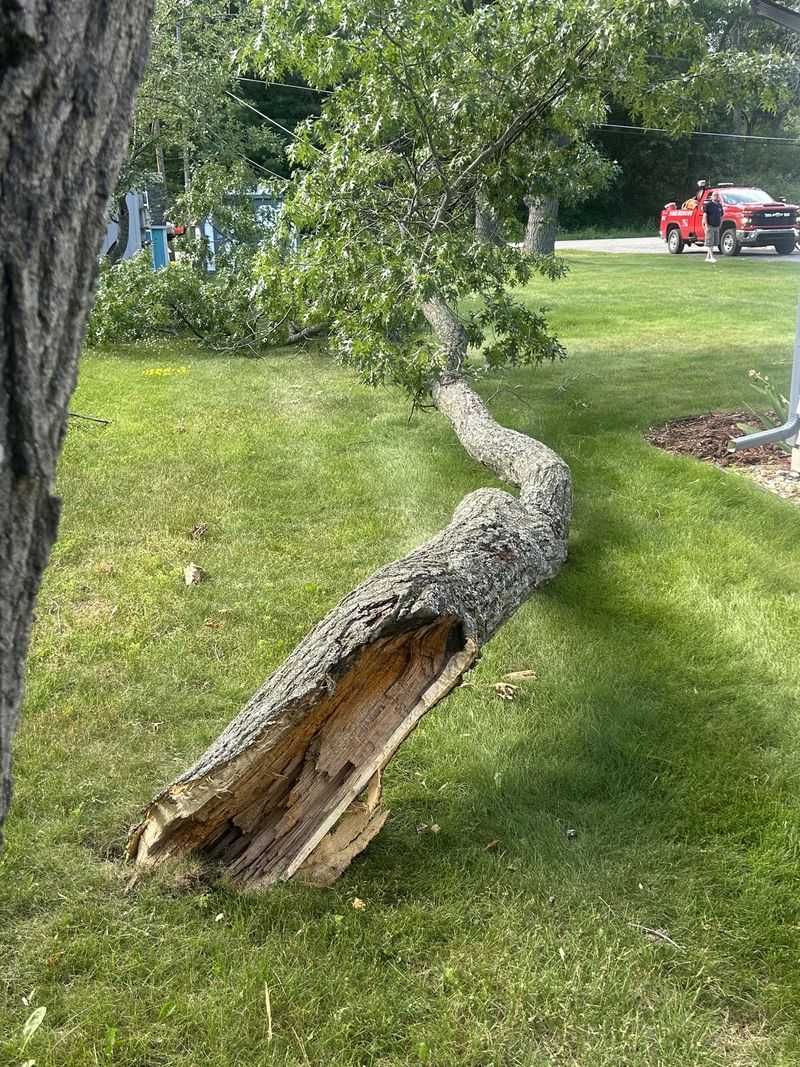
Once the sky settles, scan the yard from a window or doorway before you head out with gloves and pruners. Look for sagging utility lines, cracked tree limbs hanging overhead, and anything metal lying in standing water.
A downed line can look harmless, especially when it rests quietly in wet grass or tangled inside a shrub. Treat every fallen wire as live, keep kids and pets well away, and call your power company right away.
Personally, I also look up before I look down, because broken branches love to dangle above garden beds. Arborists call those hanging limbs hangers, and they can drop without warning when the next breeze rolls through.
Big trees leaning over your house or fence need a certified arborist rather than a ladder and a brave attitude. The International Society of Arboriculture lists certified pros, and many cities share storm cleanup guidance on their websites too.
After the hazards are handled, take a slow, calm walk around the beds with your phone ready for photos. Pictures help you track recovery over the next few weeks, and insurance companies sometimes ask for them later.
Resist the urge to fix everything during that first walk, since a quick survey keeps you focused on priorities. Make a simple list, grab something cold to drink, and let the garden drip a little before working.
Stay Off Soggy Garden Soil Until It Dries
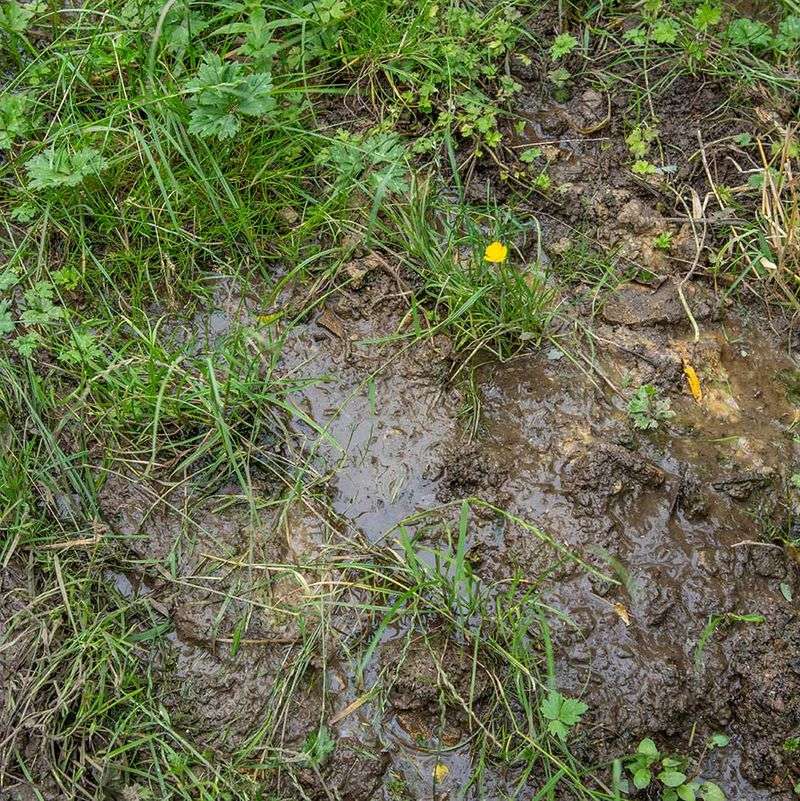
Every boot print in soaked soil works like a tiny press, squeezing out the air pockets roots need to breathe. I learned this the hard way when my muddy footprints stayed hard as brick for half the season.
Wet soil particles slide together easily, and once they pack tightly, water and oxygen struggle to move through them. Roots in compacted soil often stay shallow, which leaves plants wobbly during the next windy afternoon storm.
A simple squeeze test tells you when it is safe to step back into your Florida beds again. Grab a handful of soil, and if it smears like modeling clay or drips water, give it more time.
Soil that crumbles apart in your palm is usually ready for light work like staking or gentle weeding. Sandy soils across much of the state dry faster than clay, so many beds recover within a day or two.
Need to reach something urgently, like a snapped stem blocking a path or a toppled pot near the plants? Lay a wide board across the bed and step on it, because it spreads your weight over more surface.
Stepping stones or permanent paths make a smart upgrade if your yard floods often during the rainy months. You get easy access after storms, and the growing areas stay fluffy instead of trampled into a hard crust.
Patience feels tough when everything looks messy, but a couple of drying days pays off for months afterward. Use that waiting time to sharpen pruners, refill mulch bags, and sketch out your cleanup plan on paper.
Gently Lift Flattened Zinnias And Sunflowers Upright
Flowers knocked sideways by rain have a clever trick, since many stems naturally bend their tips back toward the light. Scientists call this response gravitropism, and it can help a flopped zinnia start curving upward within a day.
Before you rush in, give lightly bent plants a little time to sort themselves out on their own. I like to wait until the soil firms up, because lifting stems from mush often loosens the roots even more.
For plants that stay flat, slide your hand under the stem near the base and raise it slowly. Gently press the soil around the root zone afterward, so the plant sits snugly instead of rocking in a hollow.
Tall sunflowers with heavy heads often need help, especially when the stalk leans but has not snapped. A sturdy bamboo stake pushed in a few inches from the stem works nicely without stabbing through the roots.
Cracked stems can sometimes heal if the break is small and most of the tissue still connects. Wrap the damaged spot loosely with soft plant tape, add support, and watch over the next week for wilting.
Fully broken stems with drooping, mushy tissue rarely recover, so snip those cleanly and move on without guilt. Zinnias in particular love a fresh trim, and they often push new side shoots full of buds afterward.
You’re in for a pleasant surprise when you check the bed a few mornings later and see blooms facing up. That quick comeback reminds me why cheerful annuals deserve a spot in every storm-prone flower garden.
Stake Leaning Tomato And Pepper Plants With Soft Ties
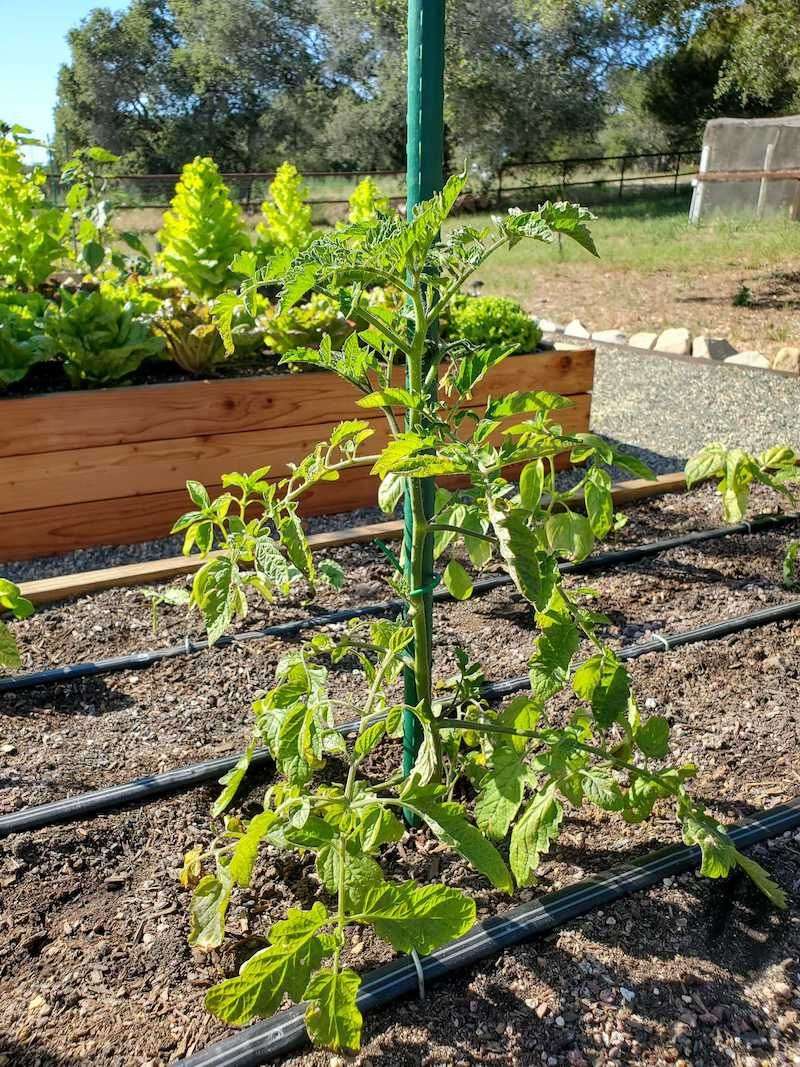
Tomato vines loaded with fruit act like little sails when gusty winds whip across an open vegetable garden. One strong storm can tip a cage sideways, leaving plants sprawled across the mulch with green tomatoes everywhere.
Soft ties are your best friend here, because thin wire or fishing line can slice into tender stems. Strips of old cotton shirts, stretchy plant tape, or pantyhose hold firmly while still giving the stem room to grow.
Tie the stem to the stake using a loose figure eight, crossing the material between the plant and support. That little twist keeps the stem from rubbing against rough wood and gives it a cushioned place to sway.
Drive new stakes a few inches away from the main stem to avoid spearing roots hidden below the surface. Aim for stakes that go at least a foot into the ground, since soggy soil loosens shallow supports quickly.
Pepper plants are shorter but surprisingly brittle, and their branches snap easily when heavy fruit swings in Florida wind. A single short stake or small cage helps them stay upright, especially once the plants start setting peppers.
Fallen fruit sitting on wet soil may rot quickly, so collect it soon after the storm passes through. Green tomatoes that are full-sized often ripen on a kitchen counter, which turns a storm loss into a small win.
Personally, I add stakes on planting day now, because pushing them in later can disturb established roots. Planning ahead makes the next windy afternoon much less stressful for both you and your vegetable patch.
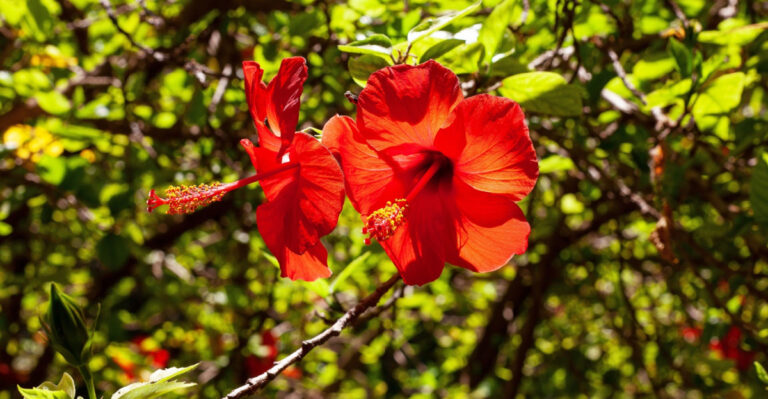
Prune Snapped Hibiscus Branches Back To Healthy Wood
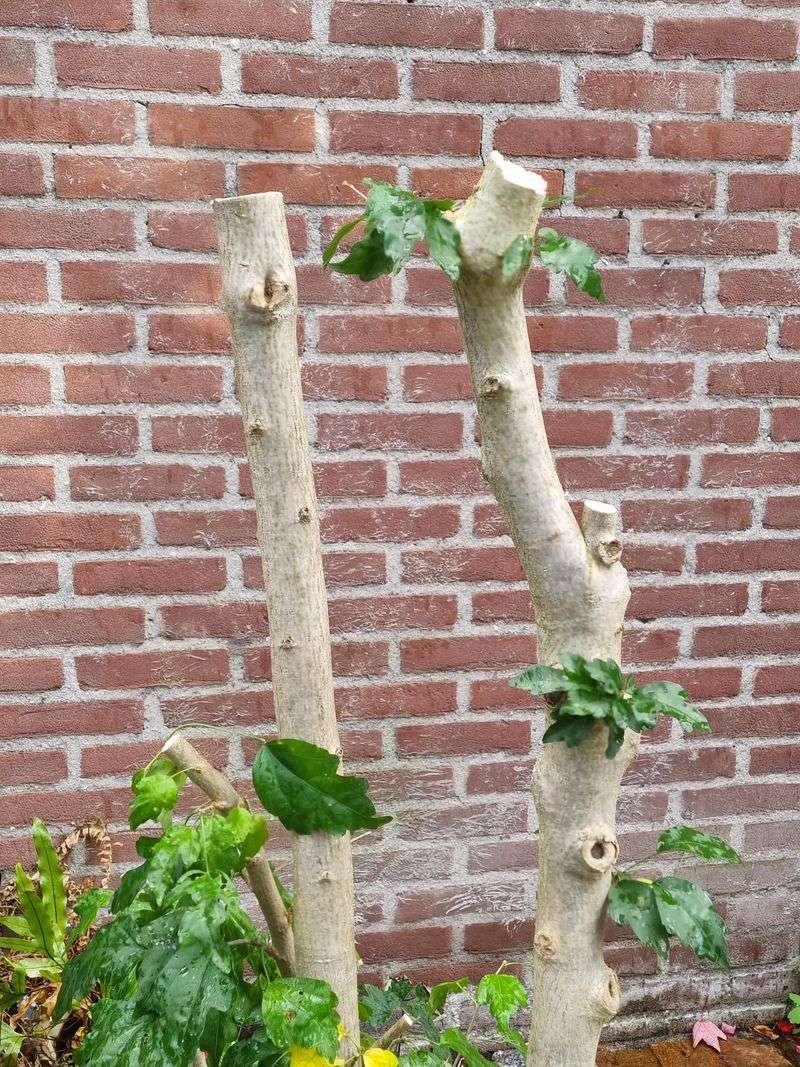
Ragged, splintered branches hanging off a shrub are more than an eyesore after a wild afternoon storm. Torn bark and jagged wood give fungi and insects an easy doorway into plants like hibiscus and crape myrtle.
Grab clean, sharp bypass pruners, because dull blades crush stems instead of slicing through them neatly. I wipe my blades with a household disinfectant between plants, which helps prevent spreading any disease from one shrub to another.
On small stems, cut just above a healthy bud or leaf that points outward, away from the plant’s center. New growth tends to follow the direction of that bud, which keeps the shrub open and airy instead of crowded.
Larger branches need a cut just outside the branch collar, the slightly swollen ring where branch meets trunk. University extension experts warn against cutting flush, since that collar contains tissue that helps the tree seal its wound.
Skip the wound paint or tar, because research shows those coatings rarely help and sometimes trap moisture underneath. Plants handle healing on their own when the cut is clean and placed in the right spot.
Hold back on heavy shaping right now, and focus only on broken, torn, or hanging pieces of wood. Removing too much leafy growth at once adds stress to plants already coping with soggy roots and battered leaves.
You might notice fresh shoots popping out within a couple of weeks during warm, humid weather. That burst of green feels like a thank you note from a shrub that just got a little gentle care.
Rake Soggy Leaves And Storm Debris Off Garden Beds
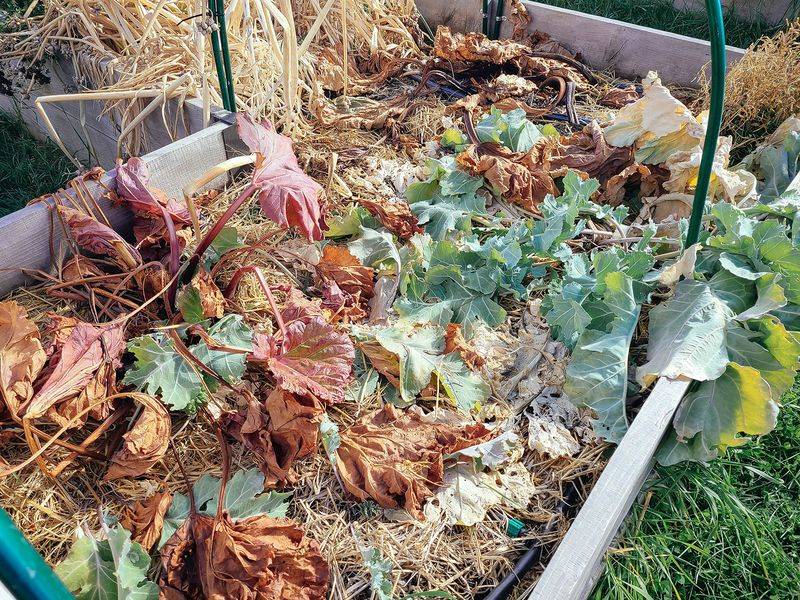
Wet leaves plastered across a flower bed look harmless, yet they can smother small plants and hold moisture against stems. After one storm, I found a whole patch of pentas hiding under a soggy blanket of oak leaves.
Start by pulling out the big stuff, like palm fronds, broken branches, and any trash that blew in. Once those pieces are gone, you can see the actual plants and judge which ones need help first.
A leaf rake with flexible tines works well for lifting debris without tearing up tender seedlings or mulch. For tight spots between plants, gloved hands often do a better job than any tool from the garage.
Healthy leaves and twigs make wonderful compost, so start a separate storm pile in a corner of the yard. Layering this brown material with kitchen scraps helps it break down into rich food for your beds later.
Leave out anything that looks moldy, spotted, or diseased, because home compost piles may not get hot enough. Bag those questionable leaves for yard waste pickup instead, so problems do not sneak back into the garden.
Check your local yard waste rules after large storms, since many counties announce special pickup schedules and size limits. Cutting branches into shorter lengths usually makes collection smoother and keeps piles from blocking sidewalks or storm drains.
Clearing debris also improves airflow around plant stems, which helps leaves dry faster in the steamy afternoon sun. That small change can reduce fungal problems and gives your battered beds a fresh, hopeful look again.
Drain Standing Puddles Away From Plant Roots
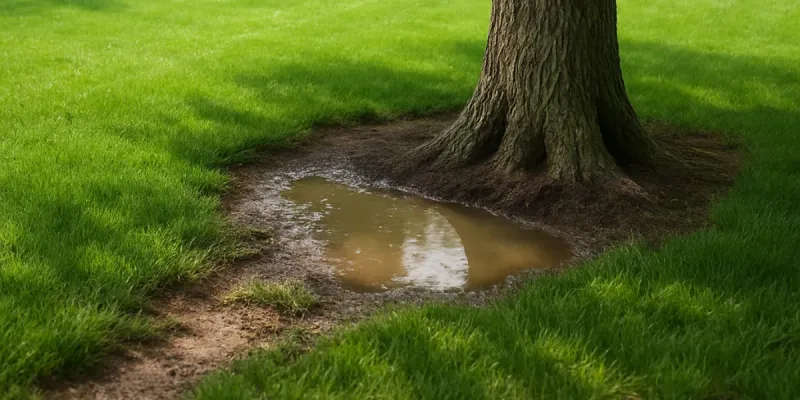
Roots breathe oxygen from tiny air spaces in the soil, and standing water pushes that air right out. Plants sitting in puddles for more than a day or two may start yellowing, wilting, or developing root rot.
Sandy soils in much of the Sunshine State usually drain fast, which helps many gardens recover quickly. Newer neighborhoods, though, sometimes sit on compacted fill or clay layers that hold water much longer than expected.
Watch your beds for a day after the rain stops, and note which spots still have water sitting on top. Those low areas tell you exactly where future drainage improvements will make the biggest difference for your plants.
For a quick fix, dig a shallow trench with a hand trowel leading water toward a lawn or lower ground. Keep the channel away from your neighbor’s yard, your foundation, and any storm drains to avoid new problems.
Potted plants deserve attention too, since saucers can fill up and quietly drown roots during long rainy stretches. Empty those saucers, tip pots to drain excess water, and check that drainage holes are not clogged with soil.
For long-term relief, raised beds lift roots above soggy ground and give you better control over the soil mix. A rain garden planted with moisture-loving natives can also catch runoff in a low spot and look lovely doing it.
I believe every puddle is a free lesson about how water moves through your yard during summer storms. Take notes or snap photos, and you will have a smarter plan ready before next rainy season arrives.