Why New Mexico’s Native Plants Thrive Through Monsoon Floods And Desert Heat
New Mexico swings hard between two extremes. One week the sun pushes past 100 degrees.
The ground dries out and splits into jagged sections. The next week, a monsoon cell settles overhead.
It drops a month’s worth of rain in a single afternoon. Dry washes turn into brown rivers within minutes.
Most plants can’t handle both ends of that swing. They adapt to heat or they adapt to water. Rarely both. New Mexico’s natives break that rule entirely.
Cholla, chamisa, desert willow: these species spent centuries testing themselves against the harshest conditions on the continent. Their solutions still surprise botanists today.
Some plants go dormant and wait out dry spells like they’re holding their breath. Others swell up fast, storing rainwater in thick stems before it disappears.
A few time their entire life cycle around one single storm. None of this is luck. It’s the result of long evolutionary trial and error, and it offers real lessons for anyone who wants to garden smarter, not harder.
1. Deep Roots Tap Water Below The Surface
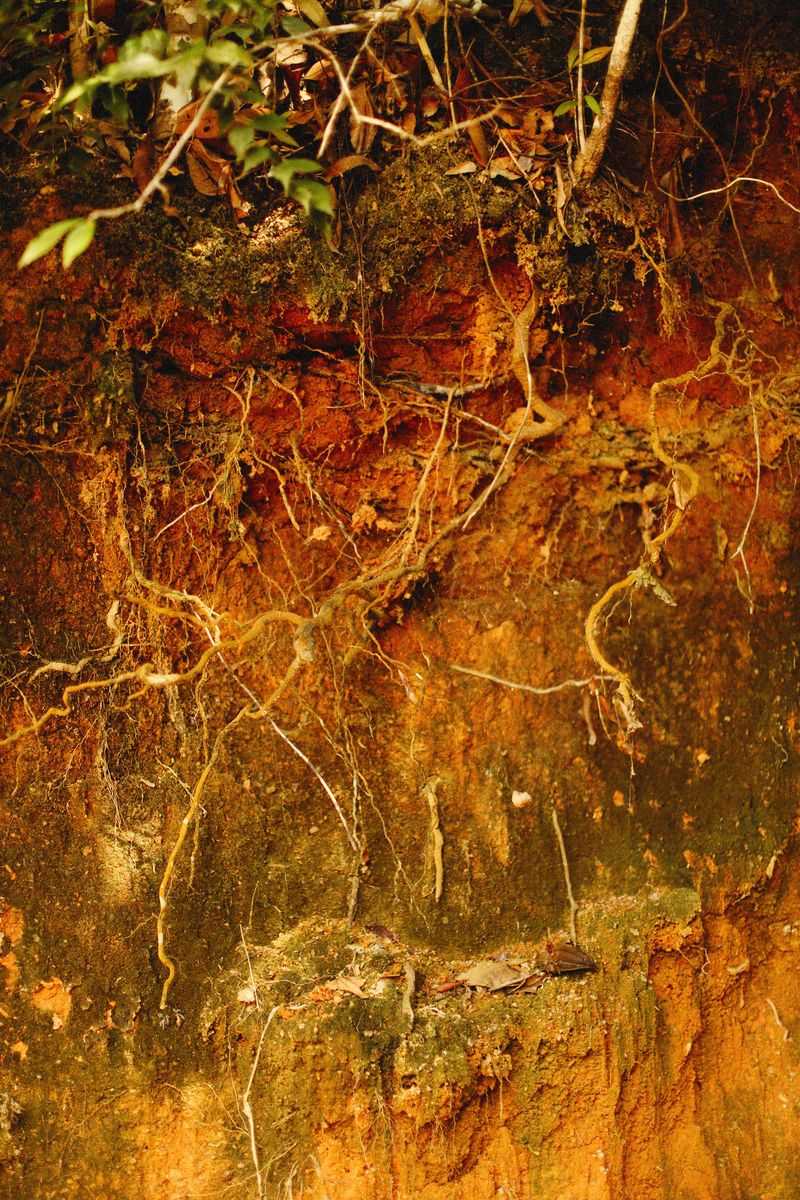
Some plants play a long game. While other species scramble for surface moisture, deep-rooted native plants send roots down 20, 30, even 100 feet underground to reach water hidden far below the dry surface.
Mesquite trees are the classic example of this strategy. Their taproots can reach depths that surprise most people, tapping into groundwater that never evaporates no matter how harsh the summer gets.
This is not just a drought trick. Deep roots also anchor plants during intense monsoon storms, keeping them stable when floodwaters rush across the desert floor.
The roots act like underground pipelines, pulling moisture upward slowly and steadily. The plant never has to panic about dry spells because its supply line runs far below the heat.
For gardeners, this offers a real lesson. Planting deep-rooted natives reduces watering needs dramatically once the plants are established.
Soaptree yucca is another standout here. Its root system fans out both wide and deep, giving it two ways to collect water depending on what the season delivers.
The deep root strategy also means these plants stay green long after shallow-rooted species have gone dormant.
Travelers crossing the desert in late summer often notice how certain plants look almost lush while everything around them looks parched.
That quiet persistence underground is one of the main reasons New Mexico’s native plants thrive through monsoon floods and desert heat with such consistency and grace.
2. Waxy Leaves Cut Moisture Loss In Heat
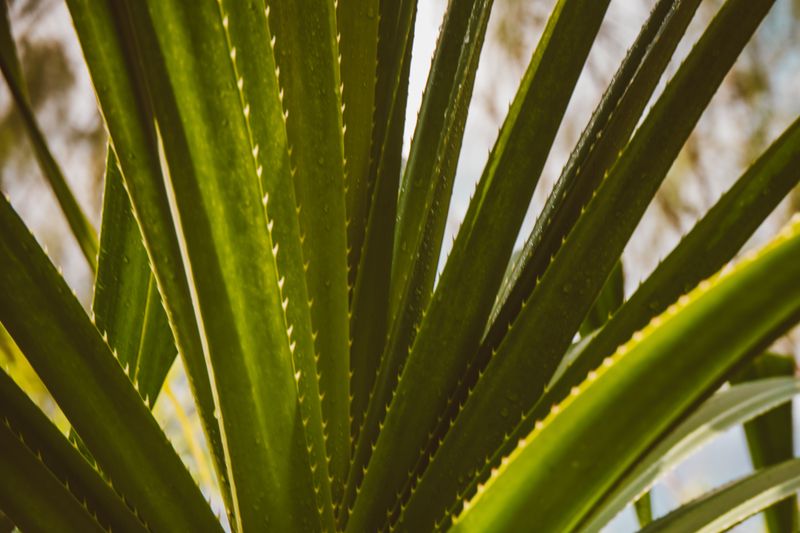
Touch a creosote leaf on a hot afternoon and you will feel something surprising. It is slick, almost greasy, and that coating is doing serious work in the blazing sun.
Many native desert plants produce a waxy cuticle layer on their leaf surfaces. This layer acts like a seal, slowing the release of moisture into the dry air.
In a place where humidity can drop to single digits, every drop of internal water counts. A waxy coating can cut moisture loss by a significant percentage compared to uncoated leaves.
Your New Mexico Garden Changes Every Week. Your Plan Should Too.
Gardening in New Mexico changes quickly throughout the season. Every Friday you’ll receive a simple weekly plan showing exactly what to plant, prune, fertilize, harvest, and protect so you never miss the right timing.
Creosote bush is well known for this adaptation. Its resinous, waxy leaves also reflect some sunlight, which helps keep the leaf temperature from climbing too high during peak afternoon heat.
Four-wing saltbush uses a different but related approach. Its leaves are covered in tiny salt-secreting hairs that give them a powdery, silvery look, bouncing light away and reducing the drying effect of constant wind and sun.
This is one reason these shrubs look so different from typical garden plants. Their leaves often appear dull, pale, or slightly metallic rather than the bright green most people expect.
The waxy layer also provides some protection from insects and certain pathogens. It is a multitasking solution that evolved over thousands of years of pressure from the desert environment.
For anyone landscaping in a hot, dry climate, choosing plants with waxy or silver-toned leaves is a smart move. These plants naturally resist heat stress and need far less supplemental water to stay healthy and productive.
3. Fast Drainage Prevents Root Rot In Floods
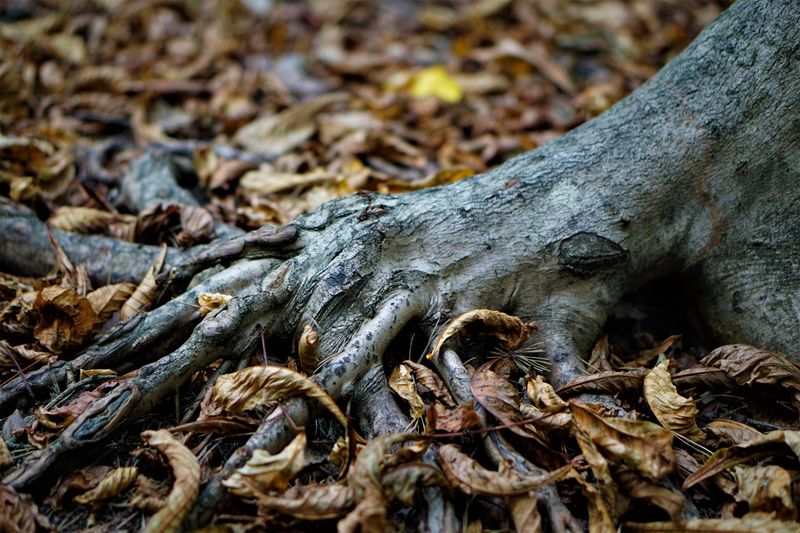
Monsoon season in the Southwest arrives with real intensity. A single intense storm can drop an inch or more of rain in under an hour, turning dry arroyos into fast-moving floodwater almost instantly.
Most garden plants would drown under those conditions. Their roots sit in waterlogged soil, oxygen disappears, and root rot sets in fast.
Native plants here have a different setup entirely. Their root systems are adapted to coexist with fast-draining, sandy, or gravelly soils that shed water quickly instead of holding it.
Desert willow is a great example. It thrives along dry washes where floods come and go rapidly, and its roots are built to handle temporary saturation followed by quick drying.
Apache plume grows naturally in rocky, well-draining slopes. It almost never experiences standing water around its roots because the terrain itself acts as drainage infrastructure.
The soil composition in these native habitats is also key. Sandy and gravelly soils have large particles with air gaps between them, allowing water to move through quickly rather than pooling.
When gardeners try to grow these plants in heavy clay soils, problems often follow. The plants are not built for slow drainage, and their roots struggle when water lingers too long.
Mimicking natural drainage conditions is the single best thing you can do when planting desert natives. Raised beds, gravel mulch, and amended sandy soil all help recreate the fast-draining environment these plants expect and need to truly flourish.
4. Dormancy Lets Plants Ride Out Extremes
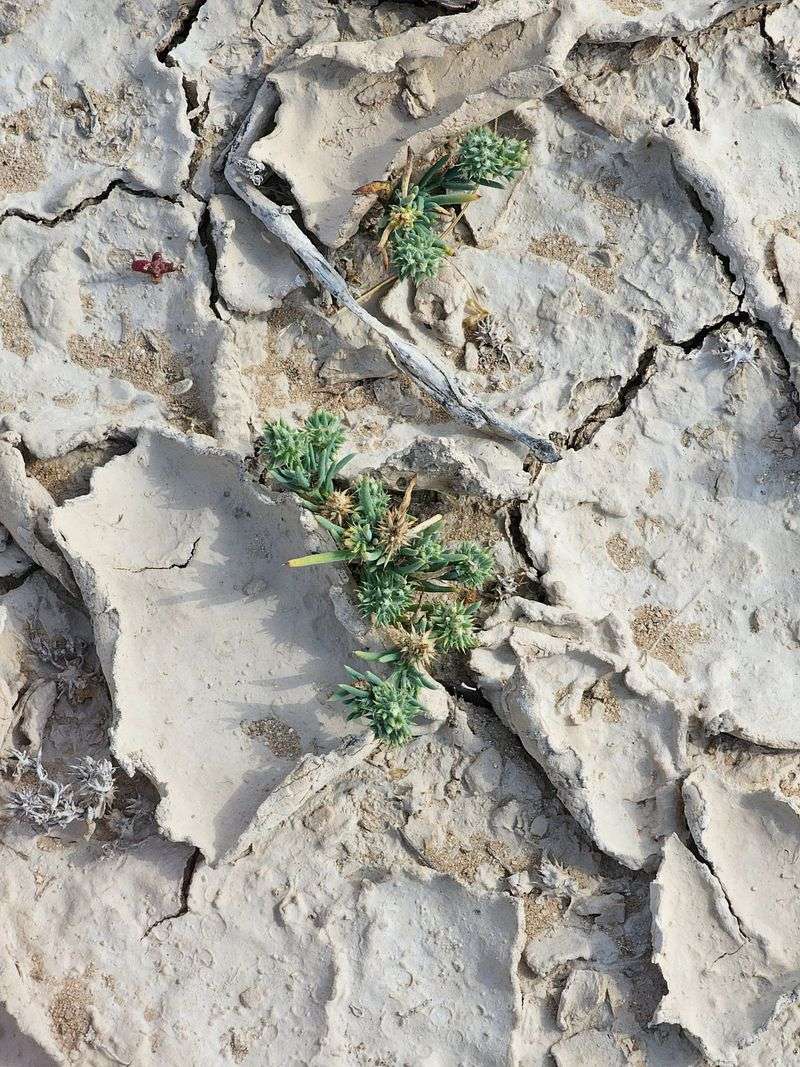
Not every challenge needs to be met head-on. Some of the smartest native plants simply check out when conditions get too harsh, going dormant until the environment improves.
Dormancy is not weakness. It is a finely tuned biological pause that conserves energy and water during the worst periods of heat or drought.
Black grama grass is a master of this strategy. During extreme dry spells, it turns brown and brittle, looking completely lifeless to the untrained eye.
But the roots stay alive underground, holding energy reserves and waiting patiently. When the first monsoon rains arrive, black grama greens up within days in one of the most striking transformations in the desert landscape.
Ocotillo does something similar but with a faster trigger. It drops its leaves within days of a drought starting, then re-leafs within days of getting rain, sometimes cycling through this process multiple times in a single year.
This rapid response system means the plant never wastes water maintaining leaves it does not need. Every leaf-out event is matched to an actual water supply.
Dormancy also protects plants from temperature extremes. Slowing metabolic processes reduces the damage that intense heat or unexpected cold can cause to sensitive plant tissues.
Watching a dormant plant come back to life after a monsoon downpour is one of the great joys of desert gardening.
That sudden burst of green is proof that patience, not force, is sometimes the most powerful strategy a living thing can have.
5. Thick Bark Guards Against Temperature Swings
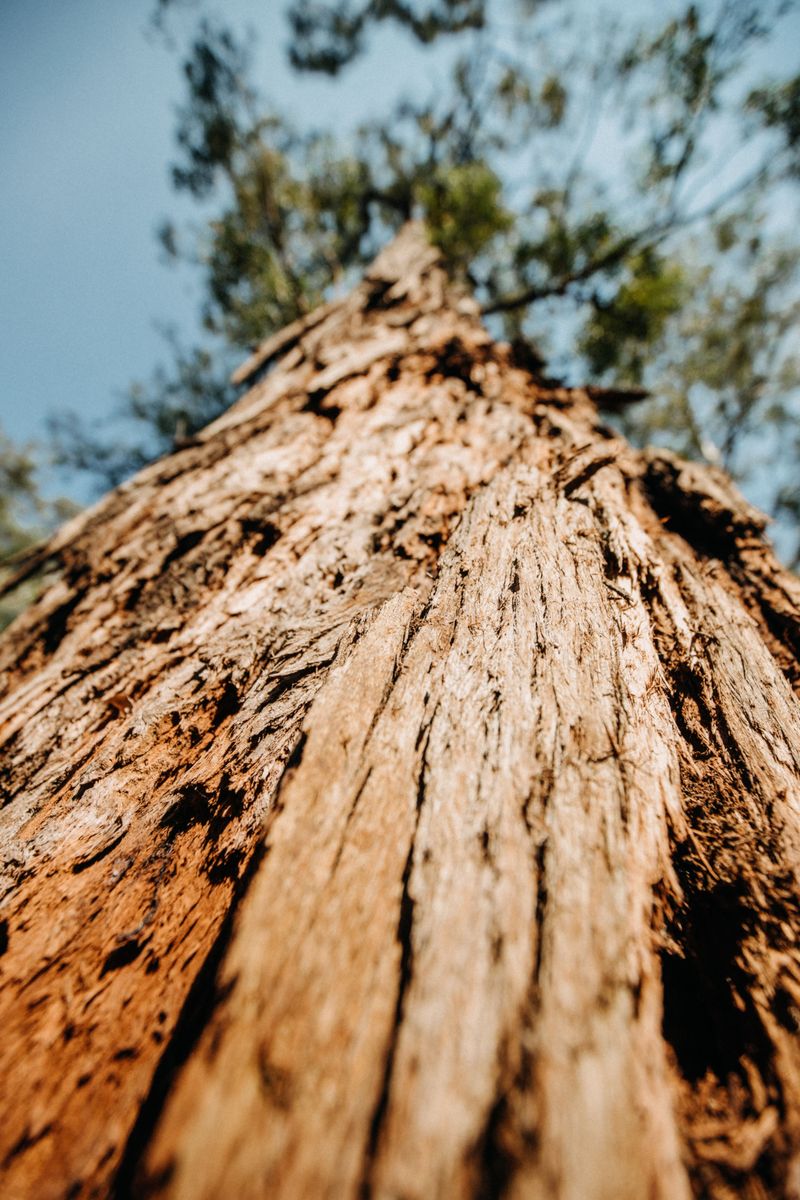
Desert temperatures do not just get hot. They swing wildly, dropping 40 or 50 degrees between a scorching afternoon and a cool desert night.
That kind of rapid temperature swing can crack plant tissues, damage water-conducting vessels, and stress even tough species. Thick bark is one of the most effective shields against that problem.
One-seed juniper is a perfect example. Its shreddy, layered bark acts as insulation, buffering the living tissue inside from rapid temperature changes both day and night.
Ponderosa pine takes this even further. Its thick, plated bark can also resist low-intensity ground fires, which are common in the high desert grasslands and piñon-juniper woodlands of the region.
The bark of these trees is not just protective armor. It also slows water loss from the trunk itself, which matters a lot when dry winds pull moisture from every exposed surface.
Younger trees with thinner bark are far more vulnerable to both temperature stress and fire damage. This is why established native trees recover from drought much better than recently planted ones.
Bark thickness also increases as trees age, meaning older native trees become progressively more resilient over time. A century-old juniper has armor that a five-year-old sapling simply cannot match.
For landscapers and homeowners, this means patience pays off. Once a native tree matures and develops its full bark thickness, it becomes a nearly self-sufficient anchor for any desert garden design.
6. Small Leaves Limit Evaporation
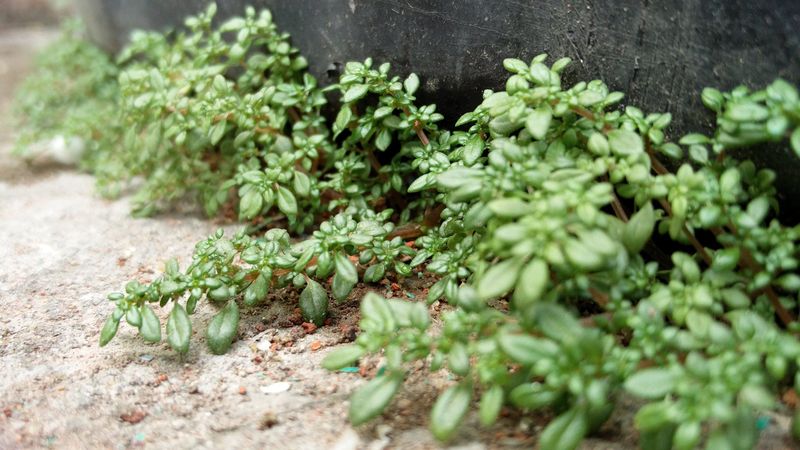
Leaf size is not random in the plant world. In harsh desert climates, smaller leaves are a deliberate evolutionary answer to a very specific problem.
Every leaf surface is a potential exit point for water vapor. Bigger leaves mean more surface area and more evaporation, which is a serious liability when water is scarce.
Many native plants of the high desert have reduced their leaf size dramatically compared to their relatives in wetter regions.
Desert marigold, for instance, has broad, deeply lobed leaves covered in dense woolly hairs that reflect sunlight and trap a thin layer of still air against the leaf surface.
Threadleaf groundsel lives up to its name with leaves so narrow they look almost like pine needles. This extreme reduction in leaf width keeps water loss to a bare minimum during hot, dry stretches.
Small leaves also heat up and cool down faster than large ones. This rapid thermal cycling means the leaf spends less time at the hottest temperatures, reducing heat stress on the plant’s internal chemistry.
Wind is another factor. Small leaves create less drag in strong winds, which reduces physical stress on stems and branches during the intense gusts that often precede monsoon storms.
Interestingly, some plants adjust leaf size seasonally. They produce larger leaves in cooler, wetter months and smaller ones as summer heat builds, fine-tuning their water budget in real time.
Choosing small-leafed native plants for a hot garden is one of the easiest ways to reduce irrigation needs while keeping your outdoor space looking lush, alive, and beautifully adapted to its place.
7. Flexible Stems Bend Rather Than Break
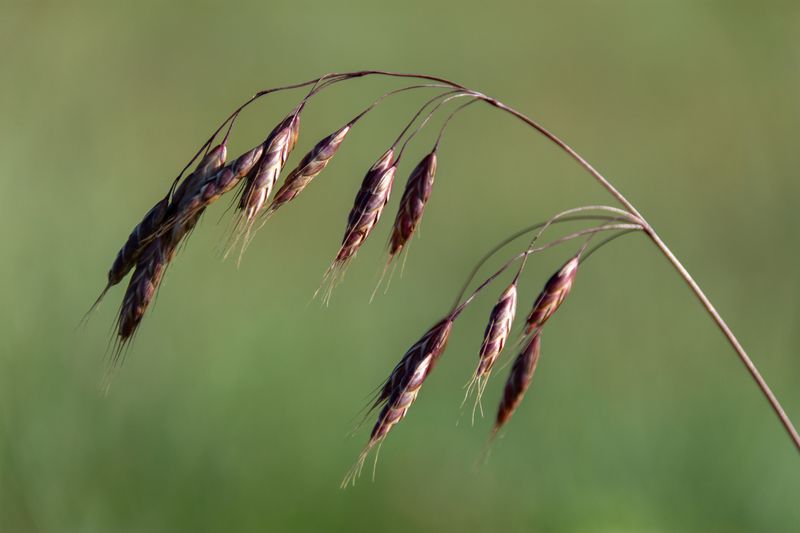
Stand near a desert willow during a monsoon windstorm and you will see something remarkable. The branches whip and bow in every direction, and then snap right back when the wind fades.
Rigid stems would crack under that kind of force. But flexible stems absorb energy like a spring, bending without breaking no matter how hard the gusts blow.
Desert grasses are perhaps the best example of this trait in action. Sideoats grama and blue grama grasses bend almost flat in strong winds and pop back upright once the storm passes.
This flexibility comes from the cellular structure of the stem tissue. Cells in flexible stems can compress and stretch without rupturing, unlike the more rigid cells in trees from wetter climates.
Flexibility also helps during monsoon floods. Stems that bend with rushing water allow floodwaters to pass over and around the plant instead of uprooting it entirely.
Rigid plants in the same flood scenario often snap at the base or get torn out by the roots. The bendy ones just wave through the chaos and stand back up afterward.
This trait is especially useful for plants growing along arroyos and stream banks where both wind and water force are strongest. It’s a pattern worth noting that many of the most flood-tolerant natives also have notably flexible stems.
Watching these plants bend and flex through a monsoon storm rather than resist it is a reminder that adaptation is often about working with nature rather than against it.
8. Seed Dormancy Times Growth To Rainfall
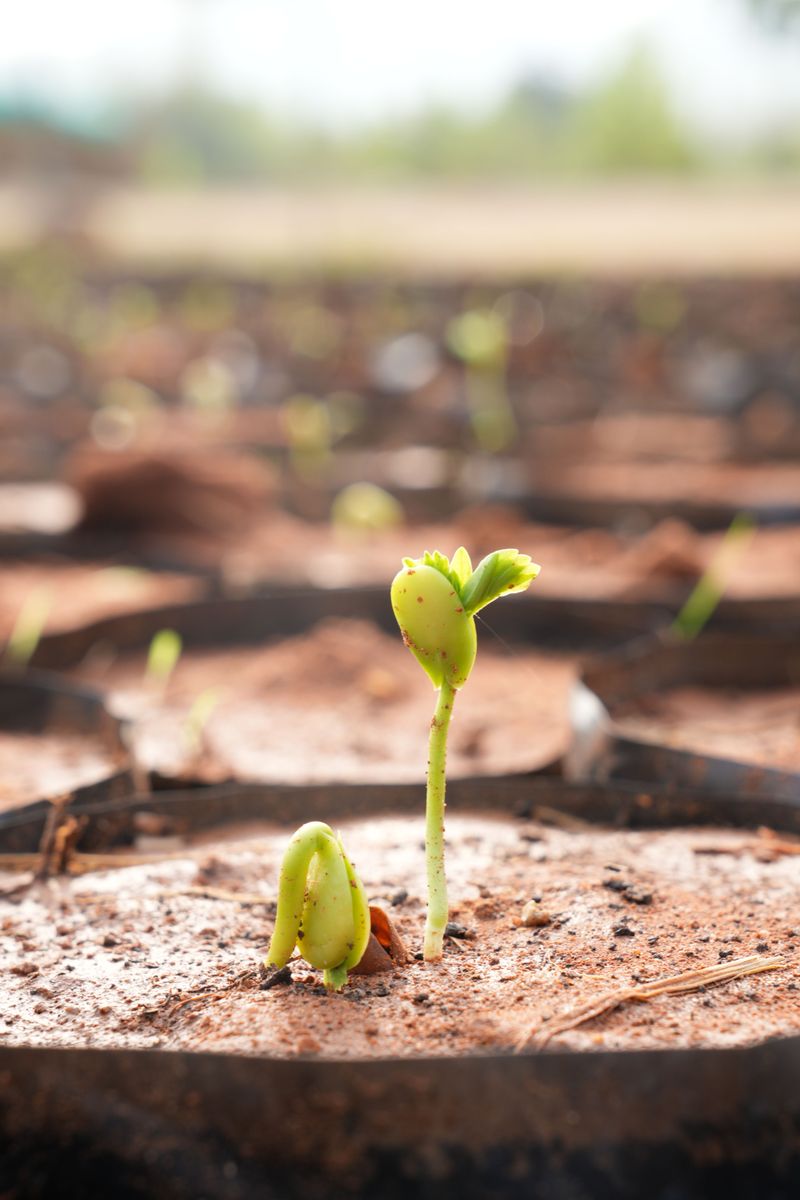
Seeds are basically tiny time capsules. And the native seeds of New Mexico’s desert have internal clocks that are tuned precisely to the rhythm of monsoon rainfall.
Many desert seeds will not germinate until they receive a specific amount of water over a specific period. This built-in trigger prevents them from sprouting after a single light shower that will not last.
This is one of the most elegant tricks in the plant world. A seed that sprouts too early in a dry spell will exhaust its stored energy and fail before its roots can reach reliable moisture.
Waiting for the right signal, a genuine soaking rain, ensures the seedling starts life with a real water supply rather than a false promise.
Some seeds also require temperature cues before they will germinate. The combination of warm soil and heavy rain that defines the monsoon season acts as a double confirmation system.
Many Penstemon species use a related but different strategy. Their seeds typically need a period of cold, moist conditions over winter before they can germinate.
Growers in monsoon regions often time their sowing just ahead of summer rains to give seedlings the best chance of establishing.
Gardeners working with native seeds often find them frustratingly slow to germinate under controlled conditions. That is because the seed is waiting for signals that a greenhouse or garden bed rarely provides naturally.
Understanding seed dormancy helps explain why New Mexico’s native plants thrive through monsoon floods and desert heat across generations, seeding each new cycle of life with precision that no calendar could match.