What To Do When Your Crepe Myrtle Is Still Blooming In September In Florida
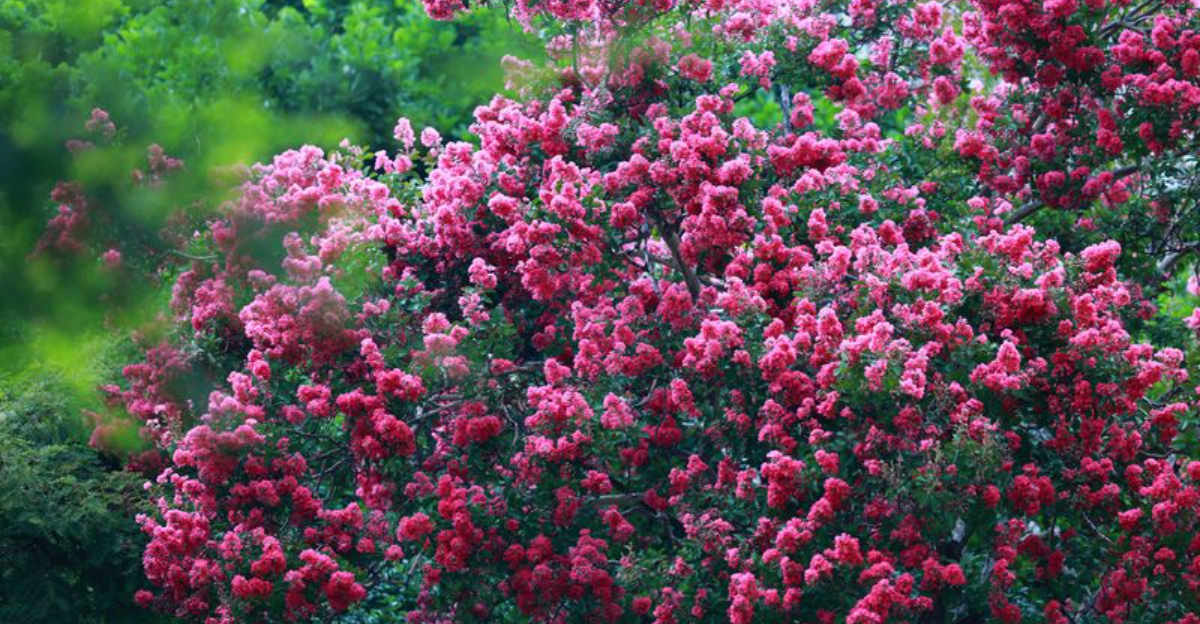
Most crepe myrtles are already winding down by the time fall approaches, so seeing one covered in fresh blooms can feel unusual. Your tree may look like it is ignoring the season entirely, pushing out color while other plants start to slow.
That late display is not automatically a warning sign. In Florida, warmth, rainfall, and growing conditions can keep crepe myrtles active much longer than many homeowners expect.
The tricky part comes when you decide what to do next. A blooming tree can tempt you to clean it up, feed it, or trim it back, but those choices do not always help.
The flowers are a clue that the tree is still using energy, and that changes how you should treat it. Before you remove anything or try to force the next cycle, look at what your crepe myrtle is telling you right now.
1. Check Whether The Tree Looks Healthy
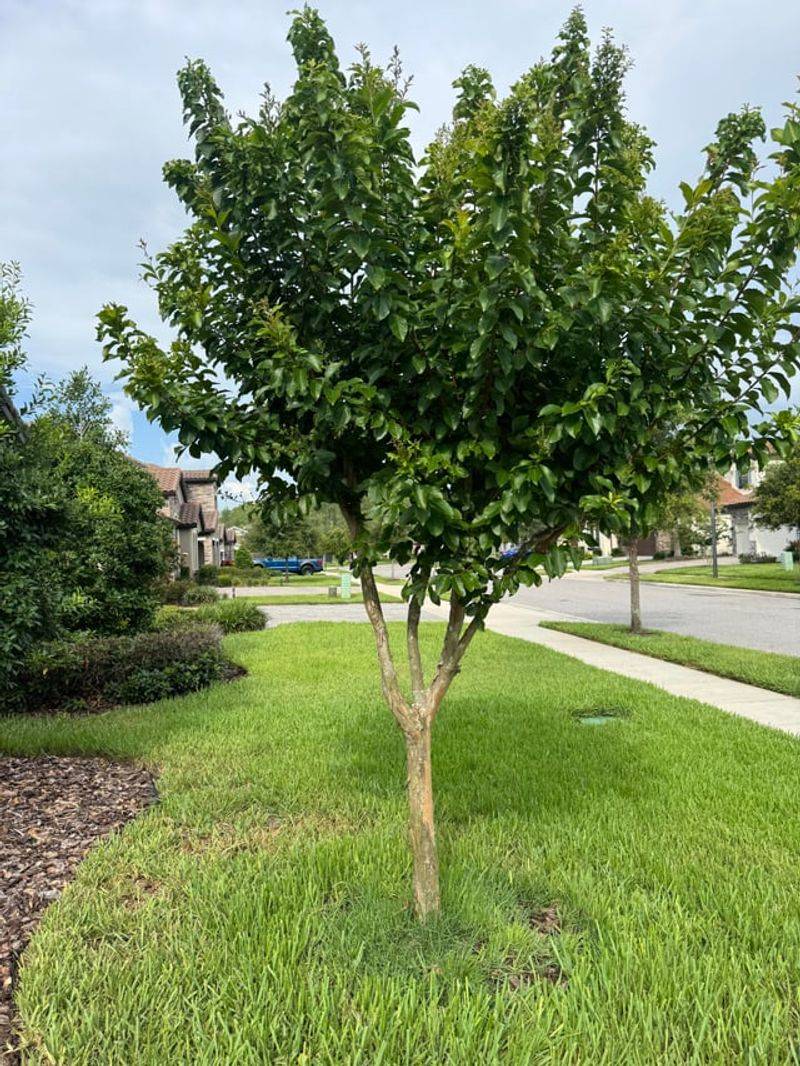
Seeing a crepe myrtle full of flowers in September can feel like getting an extra bonus from your garden. In Florida, where warm temperatures often linger well into fall, some trees simply continue their normal blooming cycle longer than expected.
Before doing anything, take a few minutes to inspect the whole tree.
Look at the leaves first. Healthy foliage should have good color and steady growth for the season.
Check the branches, flower clusters, and overall shape. A tree that is producing flowers while maintaining strong leaves is usually just enjoying favorable growing conditions.
The important thing is not to confuse late blooming with a sign that the tree needs extra attention.
Many gardeners make the mistake of reacting too quickly. They see flowers in September and assume the tree needs fertilizer, pruning, or some kind of adjustment.
Often, the best care is simply continuing good habits.
Pay attention to changes that appear unusual. Leaves with spots, sticky residue, unusual discoloration, or declining growth can point toward issues that need attention.
Common concerns with crepe myrtles include fungal problems and insects such as aphids or bark scale.
A healthy-looking tree that is still flowering does not need to be “fixed.”
Instead, enjoy the extra color while keeping an eye on the basics: sunlight, moisture, airflow, and overall appearance.
Remember that every yard has slightly different conditions. Soil, rainfall, tree variety, and location can all influence how long a crepe myrtle continues blooming.
2. Hold Off On Heavy Pruning
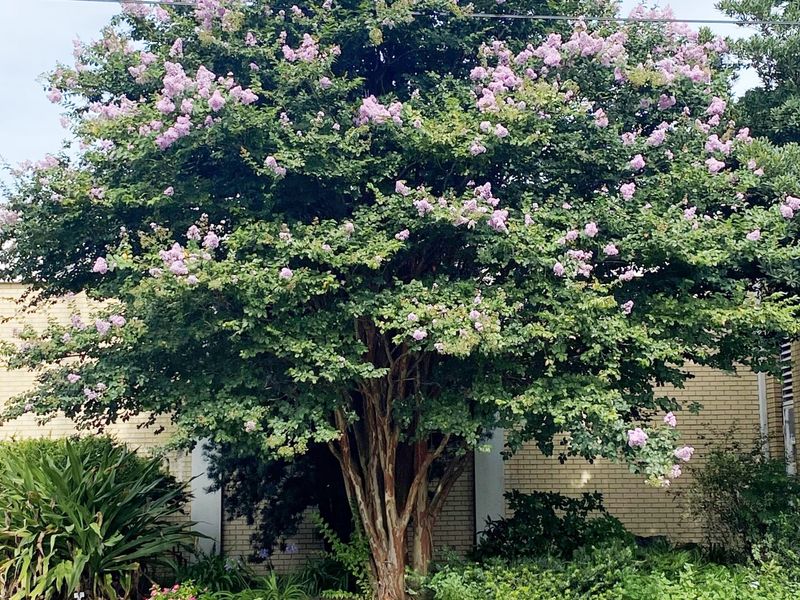
A crepe myrtle that keeps flowering in September can tempt gardeners into thinking, “Maybe I should trim it while I can see the branches clearly.”
That is usually the moment to stop and wait.
Heavy pruning in early fall is rarely the best choice. Cutting back large sections of the tree can encourage new growth at a time when the plant should naturally be preparing for the next season.
Crepe myrtles are often misunderstood because many homeowners believe they need frequent cutting to produce flowers. In reality, UF/IFAS notes that these trees generally require minimal pruning, and late winter is considered the ideal time for structural pruning.
Your Florida Garden Changes Every Week. Your Plan Should Too.
Gardening in Florida changes quickly throughout the season. Every Friday you’ll receive a simple weekly plan showing exactly what to plant, prune, fertilize, harvest, and protect so you never miss the right timing.
If your tree is blooming beautifully, there is no reason to interrupt that process.
Instead of cutting the canopy back, simply remove small issues when necessary. A broken branch, a crossing branch that rubs against another, or a small unwanted sprout may need attention, but avoid turning September into a major pruning project.
Another common mistake is trying to control the tree’s size with aggressive cuts. The right variety planted in the right location usually needs much less maintenance over time.
Allowing your crepe myrtle to keep its natural shape often creates a stronger, more attractive landscape tree.
When winter arrives and the tree enters a slower growth period, you can evaluate its structure and decide whether selective pruning is needed.
For now, those September flowers are something to appreciate, not something to interrupt
3. Water Deeply And Mulch The Root Zone
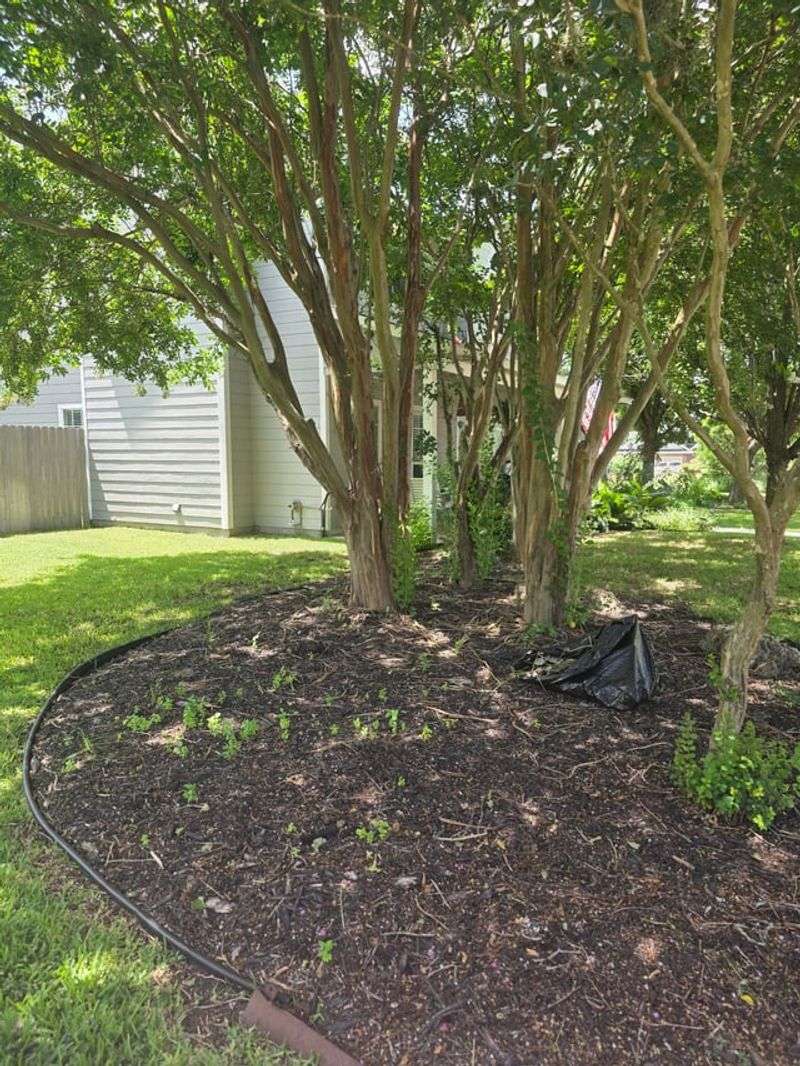
Even though your crepe myrtle is still blooming, September can bring challenging weather conditions. Hot days, sudden dry periods, and sandy soils can all affect how comfortably the tree handles the transition from summer into fall.
A tree that is flowering late still needs steady support.
One of the best things you can do is check the soil moisture around the root zone. Do not assume rainfall has reached the roots just because there have been storms.
In many Florida yards, quick summer showers may wet the surface while deeper soil remains dry.
When watering is needed, apply it slowly and deeply. This encourages moisture to reach the root area instead of creating a shallow watering pattern.
Mulch can also make a big difference. A layer of organic mulch helps conserve soil moisture, reduce temperature swings, and create a more stable environment around the roots.
Aim for a layer of about 2 to 3 inches, and keep the mulch away from direct contact with the trunk. A small gap around the base allows the bark area to stay healthier.
Avoid turning the area around the tree into a constantly wet zone. Crepe myrtles are generally adaptable once established and perform best when they are not sitting in overly saturated soil.
The goal is balance.
Give the tree enough moisture to handle Florida’s changing weather, but allow the root area to breathe. Good watering habits now help the tree enter the cooler months in better condition.
4. Look For Pests And Disease Signs
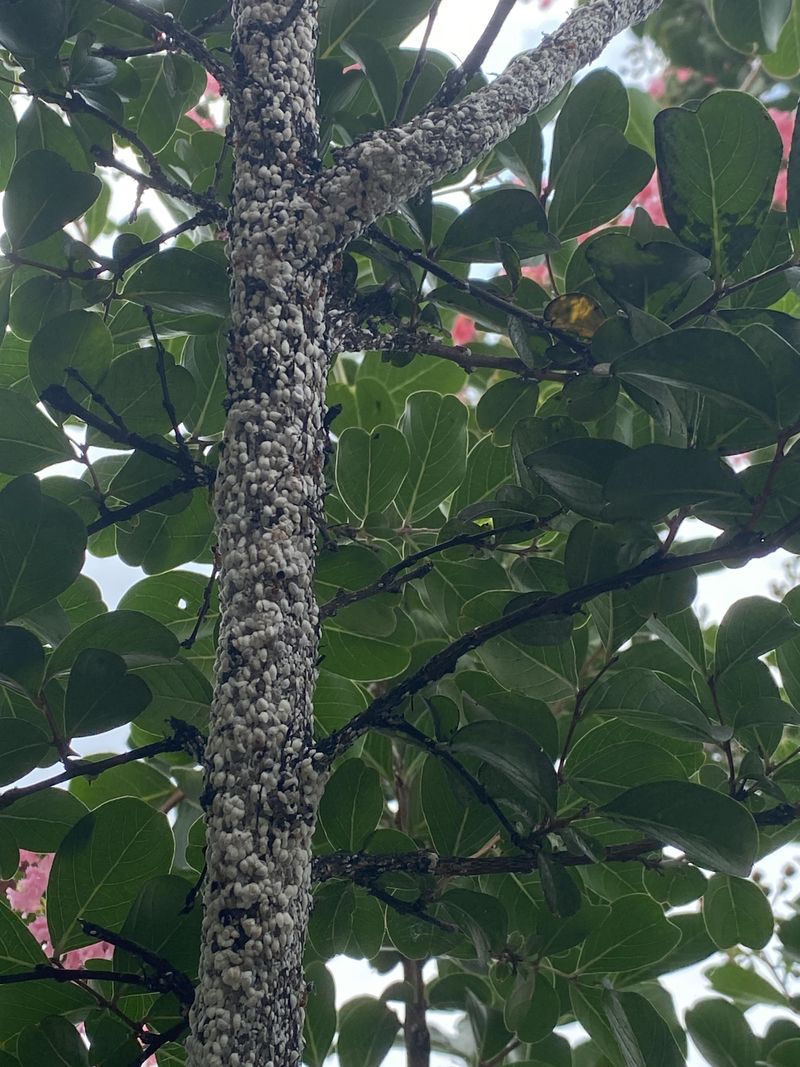
A blooming crepe myrtle naturally attracts attention, but not all visitors are welcome.
September can still bring warm, humid conditions that allow certain pests and plant problems to remain active. A tree that looks beautiful from a distance may still need a closer inspection.
Take a look beneath the leaves and along the branches.
Aphids are one possible issue gardeners may notice. These small insects can leave behind sticky residue, which may lead to dark sooty mold growth on leaves.
Bark scale is another concern that has received attention in crepe myrtle care because it can appear as white or grayish patches on branches.
Fungal issues may also appear during humid periods. Powdery mildew and leaf spotting problems are more likely when airflow is limited and foliage stays damp for long periods.
The good news is that early observation makes many problems easier to manage.
Start with simple steps. Remove plant debris around the base, encourage good airflow, and avoid unnecessary treatments unless there is a clear problem.
A strong stream of water can sometimes help remove small insect populations. For larger concerns, your local UF/IFAS Extension office can help identify the issue and recommend appropriate solutions.
The key is not to panic when you see something unusual. A September-blooming crepe myrtle can still be a healthy tree.
Just make inspection part of your regular garden routine.
5. Skip Extra Fertilizer For Now
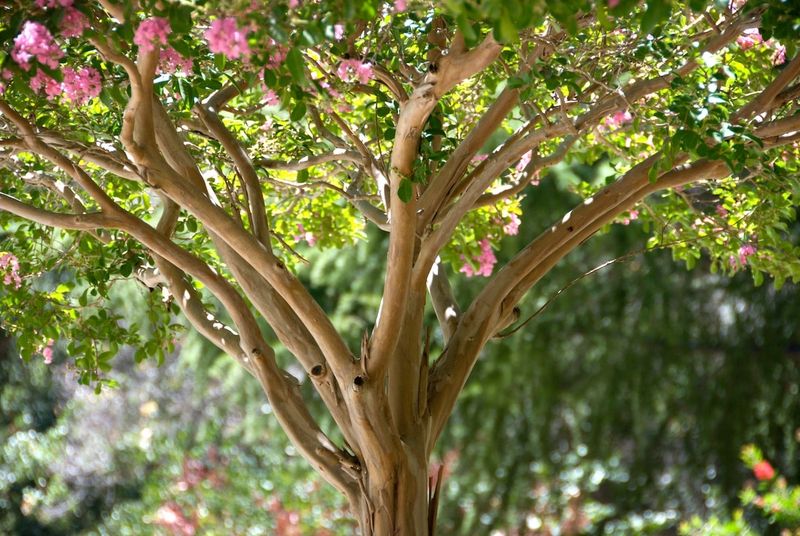
A crepe myrtle covered in September flowers can make fertilizer seem like the perfect idea. Many gardeners see a tree that is still blooming and think giving it extra nutrients will help it continue producing flowers even longer.
However, more fertilizer is not always better, especially this time of year.
In Florida, crepe myrtles can remain active well into early fall because warm temperatures often last longer than in many other regions.
That extended growing season can make it tempting to keep encouraging new growth, but September is usually a time to let the tree maintain its natural rhythm rather than push it into another growth cycle.
Adding extra fertilizer, especially products high in nitrogen, can encourage soft new growth instead of supporting the tree as it prepares for the months ahead.
While new leaves and branches may seem like a sign of success, growth produced too late in the season may not provide the strong structure gardeners want.
If your crepe myrtle is healthy, has good leaf color, and is still producing flowers, it is already showing that it has what it needs.
Instead of reaching for fertilizer, focus on the basics. Keep watering consistent when rainfall is limited, maintain a healthy mulch layer around the root zone, and continue checking the tree for any changes.
If the tree has shown poor growth, pale leaves, or other concerns throughout the year, avoid guessing. A soil test can help determine whether nutrients are actually needed.
Many landscape problems are not caused by a lack of fertilizer, but by issues such as watering habits, soil conditions, or environmental stress.
Smart feeding is about timing and understanding what the plant needs. A beautiful September bloom does not always mean the tree needs extra help.
Sometimes the best care is allowing a healthy plant to continue doing what it already does well.
6. Take Notes For Next Season
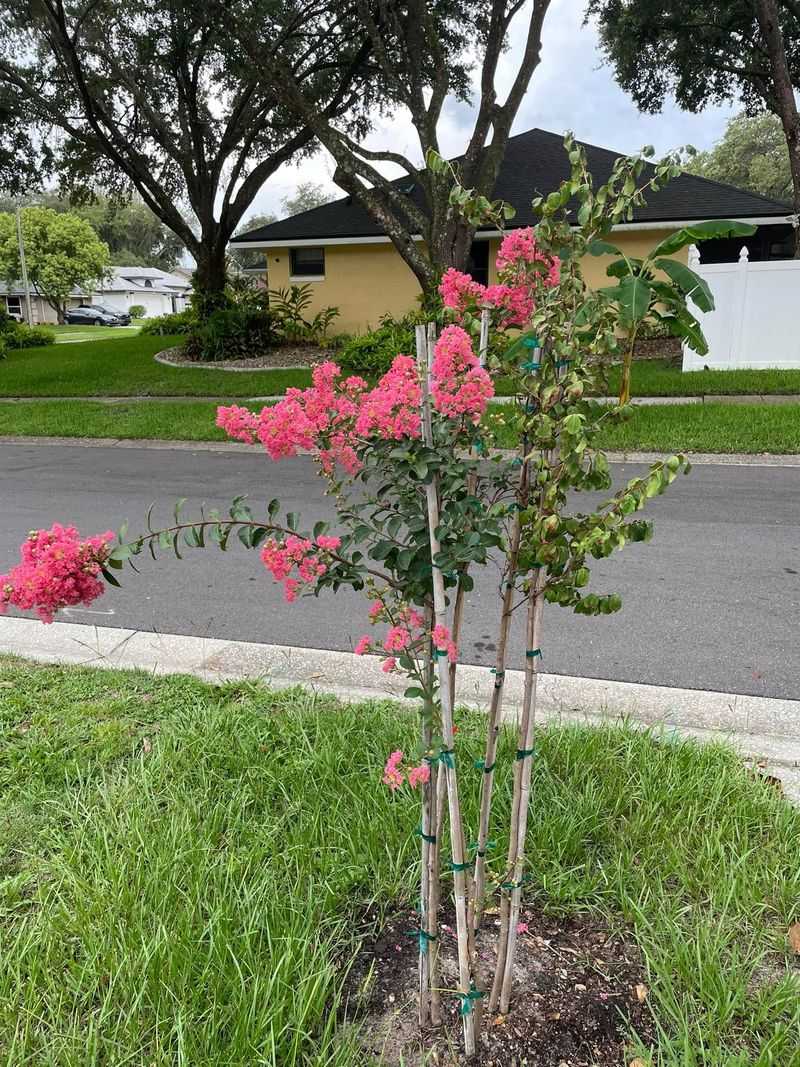
A crepe myrtle still blooming in September gives gardeners a valuable opportunity to learn more about their tree.
Instead of only enjoying the flowers, take a moment to observe what is happening. Every landscape has its own conditions, and your tree’s performance can reveal important clues about how it responds to your yard.
Take a few photos of the blooms, leaves, and overall shape. Notice how long the flowers last, how much growth appeared during the season, and whether the tree stayed healthy through summer’s heat and humidity.
These simple observations can make future care much easier.
Many gardeners rely on memory when planning next year’s maintenance, but small details are easy to forget. Writing down when flowering started, when it slowed, how often the tree needed water, and whether any problems appeared creates a useful record.
Florida gardens can vary greatly depending on location, soil type, sunlight, and rainfall patterns. A crepe myrtle growing in one yard may behave differently from one planted only a few miles away.
Your own observations are often the best guide for understanding what works.
You may notice that your tree blooms later than others in the neighborhood, or that it performs better after certain care routines. Those details help you make better decisions when pruning, watering, or planning seasonal maintenance.
A September flower display is more than just a pretty sight. It is information.
By paying attention now, you can create a better care routine for the following year and help your crepe myrtle continue looking its best.
7. Enjoy The Flowers But Keep Watching
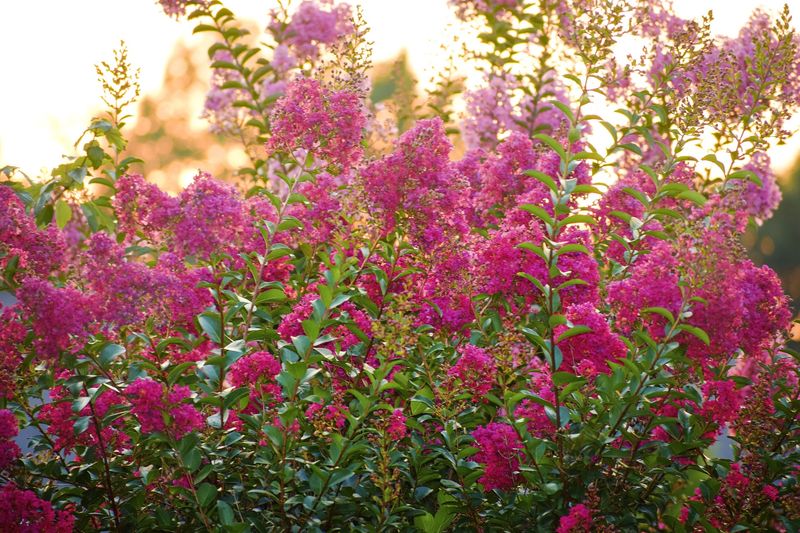
When a crepe myrtle continues blooming in September, the best thing you can do is appreciate the extra color while staying observant.
These trees are popular for a reason. Their flowers bring bright seasonal beauty, and when they continue blooming into fall, they can make a landscape feel like summer is lasting just a little longer.
In Florida, where warm temperatures often remain well into September, it is not unusual for some crepe myrtles to continue flowering beyond what gardeners expect.
The timing can vary depending on the tree variety, weather conditions, and how the plant has been cared for throughout the year.
The important thing is not to assume something is wrong simply because the tree is following a different schedule.
Continue normal care and watch for changes. Look at the leaves, branches, and overall appearance.
If the tree remains healthy and continues producing flowers, there is usually no reason for major adjustments.
Avoid making sudden changes just because the calendar has moved into fall. Heavy pruning, unnecessary treatments, or extra feeding can create more problems than solutions.
Once cooler weather arrives and growth naturally slows, you can evaluate whether any maintenance is needed. That is a better time to consider structural pruning or shaping if the tree requires it.
For now, enjoy the flowers while they last.
A crepe myrtle still blooming in September is one of those rewarding moments that reminds gardeners why these trees are such favorites. The extra flowers add beauty to the yard, attract attention from neighbors, and create a colorful ending to the growing season.
Sometimes the best gardening decision is simply to watch, appreciate, and let nature continue its work.
A healthy crepe myrtle does not need constant attention. It needs the right care at the right time.
So if your tree is still covered in blooms this September, do not worry. Take a photo, enjoy the view, and give it the steady care it needs to keep thriving through the seasons ahead.