The St. Augustine Grass Disease That Loves Lush New Growth And Wet Florida Weather
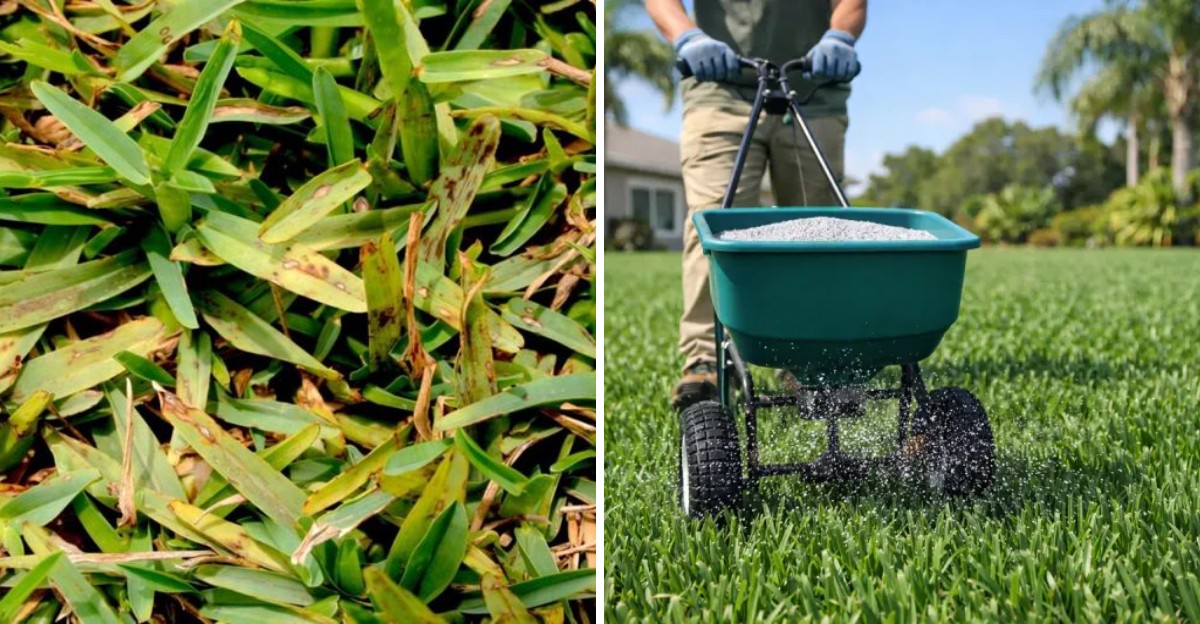
Your lawn has never looked better, and that’s exactly when trouble comes calling.
Rain rolls through, fresh blades shoot up, and the whole yard glows a deep, healthy green. You pat yourself on the back.
Then a few small marks show up on the leaves, easy to miss from the porch and easy to blame on something else.
This one doesn’t hit weak, tired grass. It targets the lush stuff, and Florida’s wet stretches hand it the perfect setup.
The same habits that built that gorgeous turf can feed the problem.
Plenty of homeowners fight it with the wrong tool. Others wait until the lawn looks like a patchwork quilt.
Get down on your knees and study a few blades this weekend. The clue is small, and it’s already there.
1. The Culprit Is Gray Leaf Spot
Meet the troublemaker behind those strange marks on your lawn. Gray leaf spot is a fungal disease that targets St. Augustine grass, and it is one of the most common lawn problems across Florida.
Scientists call the fungus Pyricularia grisea. You may also see the name Magnaporthe grisea, which is the same organism under a different label.
Fun fact: a close cousin of this fungus causes rice blast, a serious disease in rice fields around the world.
The fungus spreads by tiny spores that ride on wind, splashing water, mowers, and even your shoes. Once those spores land on a damp blade, they can set up camp in a matter of hours.
Tender, fast-growing leaves make the easiest targets.
Here is the tricky part. Many homeowners mistake the first signs for drought stress or a fertilizer burn.
They respond by watering more or feeding the lawn, which often helps the fungus instead.
Knowing the name of your opponent gives you a real advantage. Once you can identify gray leaf spot, you can change the conditions it loves and help your grass recover.
Think of this as detective work in your own backyard. Walk your lawn every week during summer and look closely at the blades.
A quick inspection can save you weeks of frustration and a lot of money on the wrong fixes.
2. It Shows Up During Warm, Wet Stretches
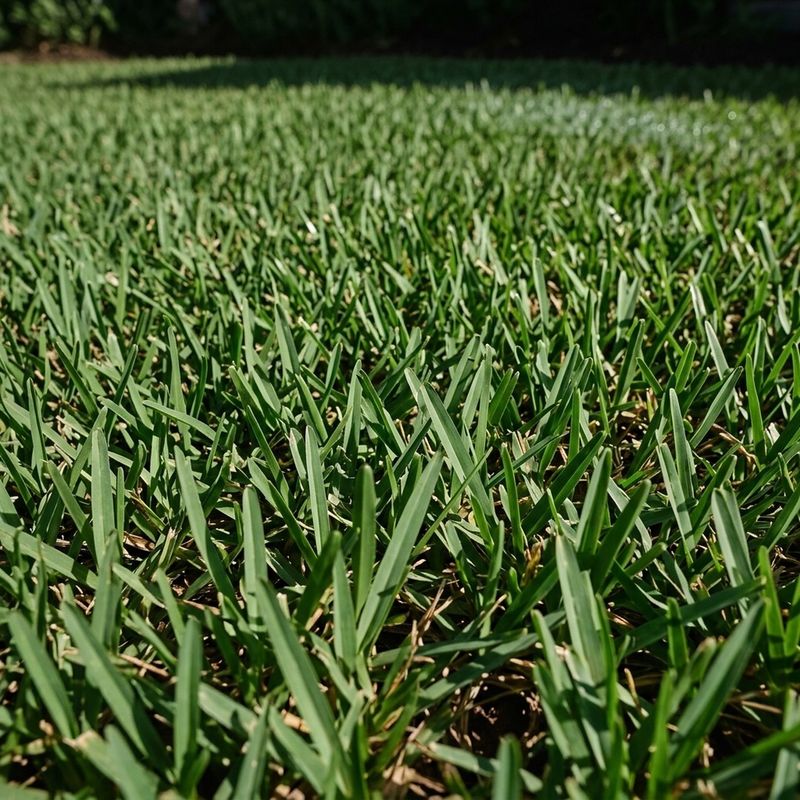
Ever notice how your lawn looks happiest right after a summer storm? Sadly, the gray leaf spot fungus feels exactly the same way.
This disease thrives when daytime temperatures sit between about 77 and 86 degrees Fahrenheit. Nights that stay above 65 degrees give it an extra boost.
In Florida, that describes most of the calendar from May through September.
Humidity plays a huge role too. When the air feels like a wet towel, grass blades stay damp much longer after rain or dew.
That lingering moisture is the open door the fungus needs to move in and spread.
Long rainy spells are the worst. Several cloudy, drizzly days in a row can keep leaves wet nearly around the clock.
Under those conditions, an outbreak can jump from a few spots to whole patches in about a week.
Your Florida Garden Changes Every Week. Your Plan Should Too.
Gardening in Florida changes quickly throughout the season. Every Friday you’ll receive a simple weekly plan showing exactly what to plant, prune, fertilize, harvest, and protect so you never miss the right timing.
So what can you do about weather you cannot control? Start by tracking the forecast during summer.
When a warm, wet stretch is coming, hold off on extra watering and skip heavy feeding.
You can also improve airflow around the lawn. Trim back shrubs and low tree branches that trap moist air over the grass.
Better air movement helps blades dry faster, which makes life harder for the fungus and easier for you.
3. Look For Tiny Brown Spots That Stretch Along The Blade
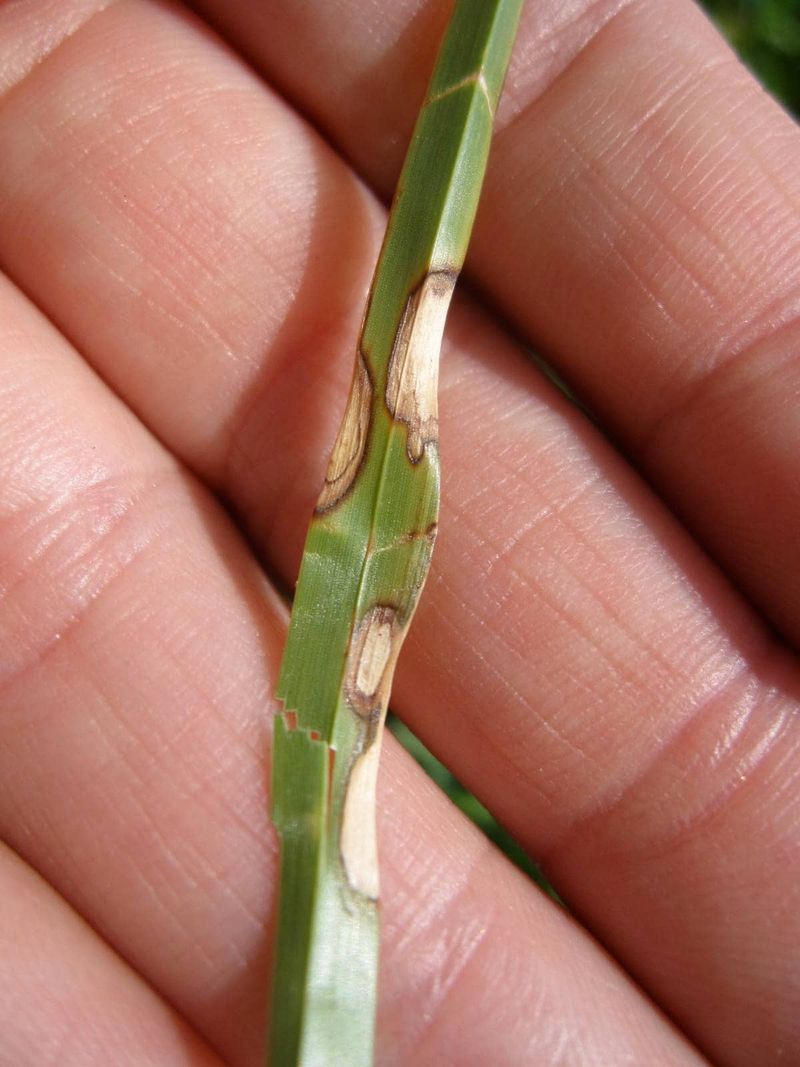
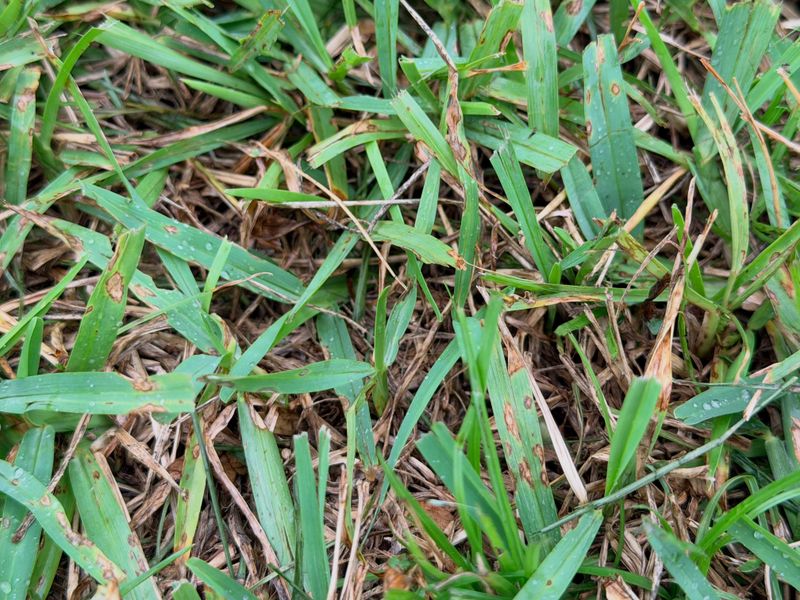
Grab a blade of grass and hold it up to the light. If you see small brown dots, you may be catching gray leaf spot in its earliest stage.
At first, these spots are tiny, often no bigger than a pinhead. They tend to be round or slightly oval and brownish in color.
Many people walk right past them because the lawn still looks mostly green from a distance.
Over a few days, the spots begin to stretch along the length of the blade. They grow in the same direction the leaf grows, which is a helpful clue.
Drought stress usually causes browning from the tip down, not neat little spots.
Early detection matters a lot here. Catching the disease at this stage gives you time to adjust watering and fertilizer before it spreads widely.
Try this simple routine. Once a week, kneel down in a few spots around your yard, especially shady or low areas.
Pull a handful of blades and check both sides for small marks.
Bring a magnifying glass if your eyes need help. Kids often love this job, and it turns lawn care into a mini science project.
Snap a photo with your phone too, so you can compare changes over time and show a local extension office if you need advice.
4. Mature Spots Turn Gray With Purple-Brown Edges
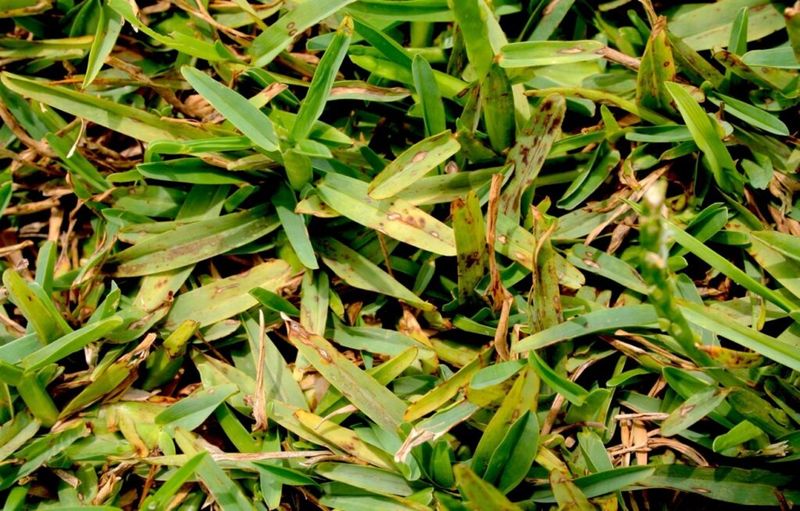
Now the disease shows its true colors, literally. As the spots age, they grow larger and take on a diamond or eye shape that is hard to miss.
The centers turn tan to gray, while the borders darken to a deep brown or purplish shade. That gray center is where the fungus earns its name.
On humid mornings, you may even see a soft, velvety gray fuzz inside the spots.
That fuzz is made of spores, millions of them, ready to travel. Every footstep, mower pass, or sprinkler splash can carry them to healthy blades nearby.
Around the spots, the leaf often turns yellow. In bad cases, entire blades wither and the lawn looks scorched or thin.
From the street, patches may appear grayish brown, almost like the grass got singed.
When you see these mature signs, act quickly but calmly. Avoid mowing wet grass, since that spreads spores across the yard.
Bag your clippings instead of leaving them behind during an outbreak.
Clean your mower blades after cutting infected areas. A quick rinse and wipe helps keep the fungus from hitching a ride to your neighbor’s lawn.
If the damage is widespread, a fungicide labeled for gray leaf spot can help, along with the cultural changes in this article.
5. Quick-Release Nitrogen Makes It Worse
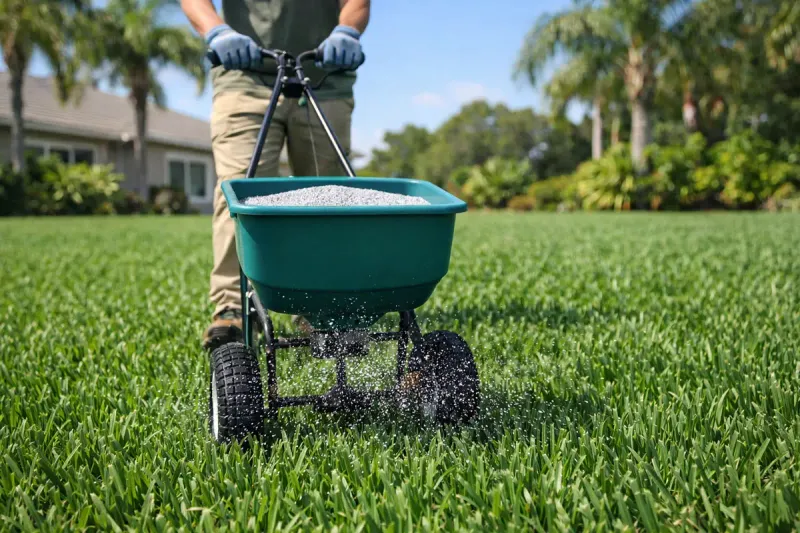
Feeding your lawn feels like a loving thing to do. But in Florida summers, too much quick-release nitrogen is like handing the fungus a dinner invitation.
Quick-release nitrogen dissolves fast and goes straight into the grass. The lawn responds with a sudden burst of soft, juicy growth.
Those tender new blades have thin cell walls, making them easy for the fungus to break into.
Researchers have seen this pattern again and again. Lawns that get heavy doses of soluble nitrogen during hot, rainy months tend to suffer more severe outbreaks of gray leaf spot.
So how do you know if your fertilizer is quick-release? Check the label.
Words like urea, ammonium sulfate, or ammonium nitrate usually signal fast-acting nitrogen. If the bag does not mention slow-release or controlled-release, assume it acts quickly.
Think of it like candy versus a balanced meal. Candy gives a quick rush, then a crash.
Your lawn does better with steady nutrition over time.
If you already applied a big dose, do not panic. Hold off on more fertilizer until the weather cools or dries out.
Water only when the grass truly needs it. Keep watching for spots, and the lawn will often bounce back as conditions improve.
6. Newly Laid Sod Is Especially Vulnerable
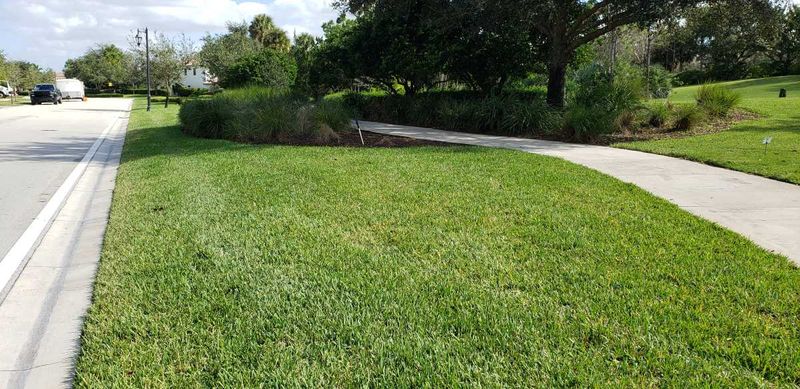
Nothing beats the thrill of new sod rolling out across a bare yard. Overnight, dirt turns into a carpet of green, and the whole house looks fresh.
Unfortunately, gray leaf spot finds that new carpet just as exciting. Newly sodded or sprigged St. Augustine grass is busy pushing out roots and fresh leaves.
All that rapid growth creates tender tissue where the disease can spread quickly and hit hard.
New sod also needs frequent watering at first, which keeps blades damp. Combine that with Florida heat, and you have a recipe for trouble.
Timing helps a lot. If you can, install sod in late spring or early fall rather than the peak of rainy season.
Cooler, drier weeks give the grass a chance to settle in before the fungus gets busy.
Watch your watering closely. Water early in the morning and only as much as the sod needs to stay moist underneath.
Once roots grab hold, usually in two to three weeks, start cutting back.
Skip extra fertilizer for the first month or so. Most sod farms already feed their grass well.
Ask your installer about the fertilizer history, and keep an eye out for spots along the seams, where stress often shows up first.
7. Evening Watering Keeps Blades Wet Too Long
Picture this. You get home from work, the sun is setting, and you flip on the sprinklers.
It feels relaxing, but your lawn may be paying the price.
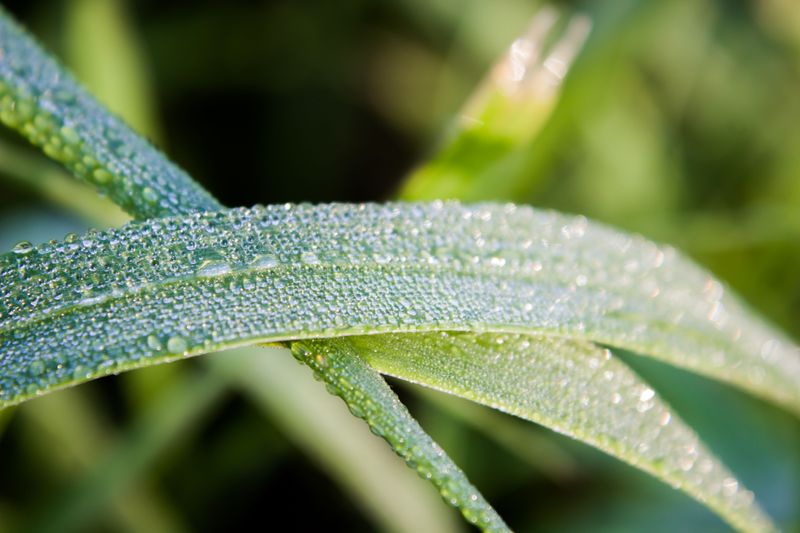
Water applied in the evening sits on the blades all night long. Without sunshine and warm breezes, the leaves stay soaked until morning.
Gray leaf spot spores love that, since they need about 16 hours or more of leaf wetness to sprout and infect.
Add in Florida dew, and evening watering can stretch wet time even longer. You might be building the perfect fungus nursery without realizing it.
The fix is simple. Water in the early morning, ideally between about 4 and 10 a.m.
That way, the sun rises soon after and dries the blades quickly. The roots still get a deep drink before the heat of the day.
Water deeply but less often. Around three-quarters of an inch per session usually works for St. Augustine grass.
Watch for signs of thirst, like folded blades or footprints that stay visible.
Check your timer settings too. Many systems get set once and forgotten for years.
Also, skip a cycle after a good rain. Florida summers often deliver plenty of free water from the sky.
8. Some Weed Destroyers Can Raise The Risk
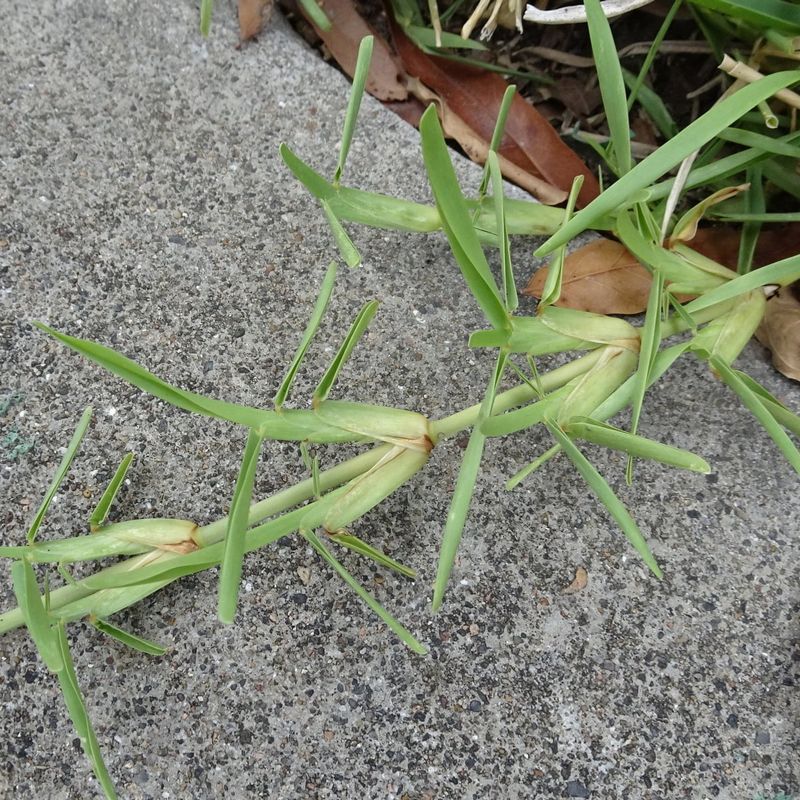
Here is a twist many people do not expect. The product you use to fight weeds might accidentally help a lawn disease.
Research shows that certain herbicides can make St. Augustine grass more likely to get gray leaf spot. Atrazine is the best-known example, especially when applied during summer.
It can stress the grass, leaving it weaker against fungal attack.
Atrazine is popular because it handles many tough weeds in warm-season lawns. That makes it tempting to grab whenever summer weeds pop up.
A smarter plan is to shift your weed control to cooler months. Spring and fall applications tend to be easier on the grass.
If you must treat weeds in summer, spot-spray only the problem areas instead of the whole yard.
Always read the label carefully. It will list temperature limits, safe grass types, and correct rates.
Using more than the label says can harm the turf and invite disease.
Also remember that a thick, healthy lawn is your best weed blocker. When grass grows densely, weeds struggle to find light and space.
Mowing St. Augustine at about 3.5 to 4 inches shades out many weeds naturally, so you may need fewer chemicals overall.
9. Switch To Slow-Release Nitrogen During Hot, Rainy Spells
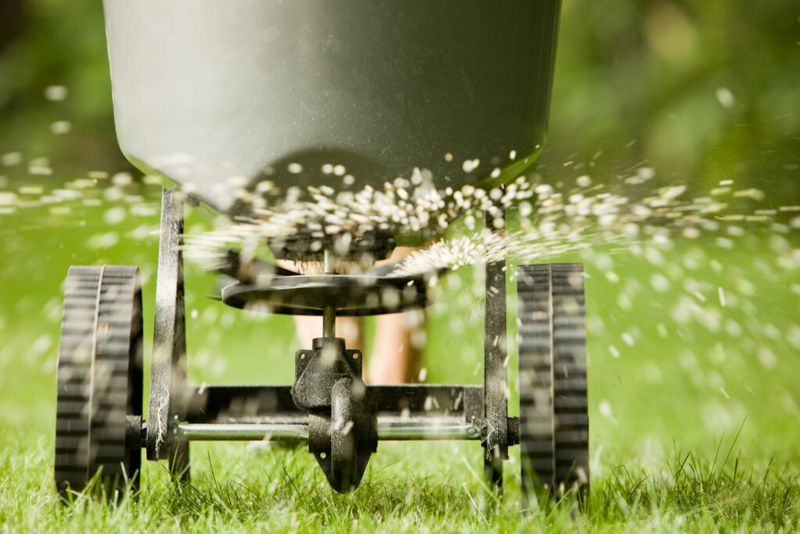
Good news ends our list. You can still feed your lawn in summer, as long as you choose the right kind of food.
Slow-release nitrogen fertilizers break down gradually over weeks instead of days. The grass gets a steady supply of nutrients without that sudden flush of tender leaves.
Less soft growth means fewer easy targets for gray leaf spot.
Look for labels that mention slow-release, controlled-release, or water-insoluble nitrogen. Ingredients like polymer-coated urea, sulfur-coated urea, or organic options such as Milorganite are common choices.
Many Florida counties also have summer fertilizer rules to protect lakes and springs. Some ban nitrogen during the rainy season altogether.
Check your local ordinance before you spread anything, since it may change your plans.
When feeding is allowed, use lighter rates. About half a pound of nitrogen per 1,000 square feet is plenty for most summer applications.
Potassium can also help, since it supports stronger cell walls.
Pair smart feeding with morning watering, proper mowing height, and good airflow. Together, these habits make your lawn tough and less inviting to fungus.
Before long, you can enjoy that rich green carpet again, with fewer gray surprises showing up after the next summer storm.