Why California Gardeners Should Plant Natives Before the First Big Rain
Winter rain in California can push water down several feet into the soil. Roots planted in autumn get to ride that water down.
I learned this the hard way. My spring plantings struggled every August. My fall plantings shrugged off the heat like it was nothing.
The trick has a lot to do with timing. Cool air slows the leaves down. Warm soil keeps the roots busy. You get a plant that grows from the bottom up instead of the top down.
You’re in for a big surprise next summer. Your hose may finally get a vacation. So what makes those few weeks before the first storm so special?
There’s a Short Window Hiding in Your Fall Calendar
Spring gets all the glory in garden centers. For California natives, though, the real magic often happens in October and November. Many local nurseries and the UC Master Gardeners point to fall as the top planting season.
Native plants evolved with a simple pattern. Rain arrives in late fall and winter, and then months of dry weather follow. Seeds and seedlings in the wild start growing as soon as those first storms soak the hills.
When you plant before the first big rain, you copy that natural schedule. Your new plants settle in just as the water arrives. They spend winter quietly building roots instead of pushing out flashy leaves.
I like to think of it as giving plants a few months of school before the big test. Summer heat is that test. A plant that has spent all winter growing roots handles it far better than one planted in May.
Timing varies a bit across the state. Coastal gardens often stay mild enough for planting into early winter. Inland and mountain gardens usually do best with an earlier start, before cold snaps arrive. Watch your local forecast and aim to beat that first soaking storm.
Your New Plants Love Cool Air and Warm Soil
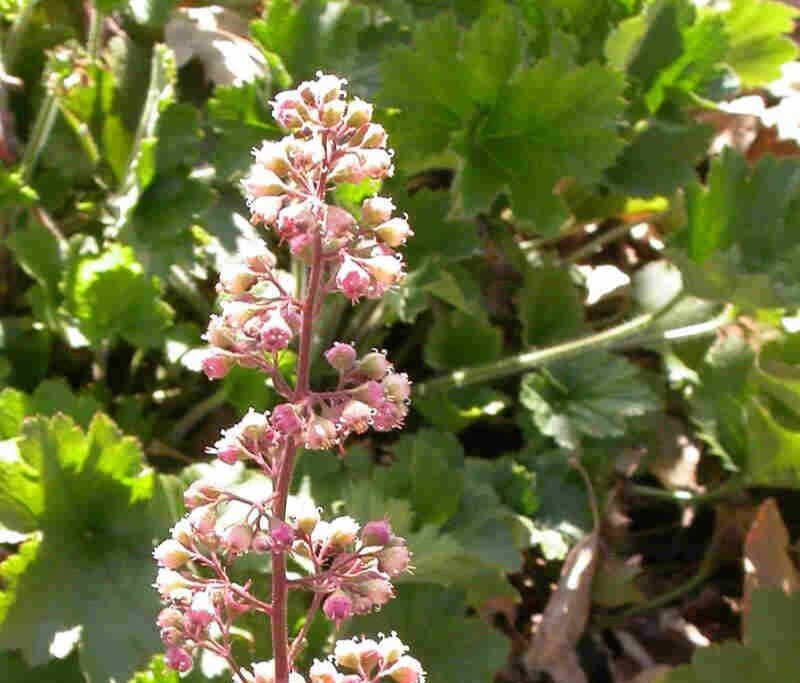
Soil holds heat like a giant stone. After a long California summer, the ground stays warm well into fall, even as the air cools down. That mix creates a sweet spot for root growth.
Roots grow best when the soil is warm. Meanwhile, cooler air means leaves lose less water through their pores. Your plant does not have to work as hard to stay hydrated above ground.
Compare that with a summer planting. Hot sun and dry wind pull moisture out of leaves fast. The young roots cannot keep up, and the plant wilts or stalls. Gardeners call this transplant stress, and it is a common reason new natives fail.
In fall, that stress drops a lot. The plant can put its energy underground. You might not notice much change on top for a while, and that is fine. Quiet growth below is the goal.
A small tip helps here. Plant on a cloudy day or in the late afternoon. Your seedling gets a few cool hours to recover before facing any sun. That gentle start can make a real difference during the first week.
Your California Garden Changes Every Week. Your Plan Should Too.
Gardening in California changes quickly throughout the season. Every Friday you’ll receive a simple weekly plan showing exactly what to plant, prune, fertilize, harvest, and protect so you never miss the right timing.
Let Winter Storms Handle the Deep Watering
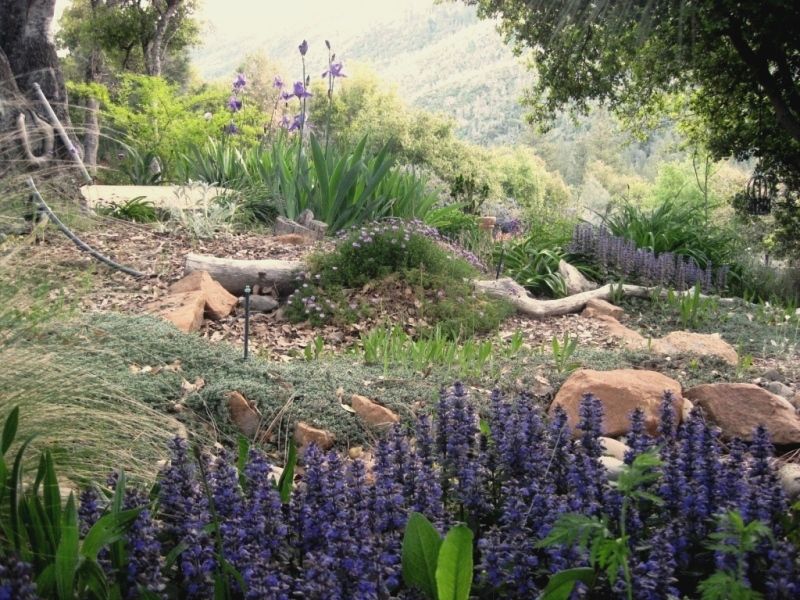
A garden hose rarely matches a good storm. Rain falls slowly and evenly over hours, soaking every inch of the yard. Water moves deep into the ground instead of just wetting the top few inches.
Deep water leads to deep roots. Roots follow moisture, so a soaking rain pulls them downward. Those long roots can later reach water that stays hidden below the dry surface in summer.
Rain helps in another sneaky way. Tap water and some well water carry salts that build up in soil over time. Winter rain flushes many of those salts deeper, away from tender roots. Native plants, which often prefer lean soil, appreciate the cleanup.
Your water bill also gets a break. Instead of dragging the hose around every few days, you let the sky handle much of the work. That feels pretty great on a chilly December morning.
Still, rain is not a guarantee. Some California winters bring long dry spells between storms. Check the soil with your finger every week or two. If it feels dry a couple inches down, give your new plants a deep drink.
A Winter Head Start Pays Off When Summer Heat Hits
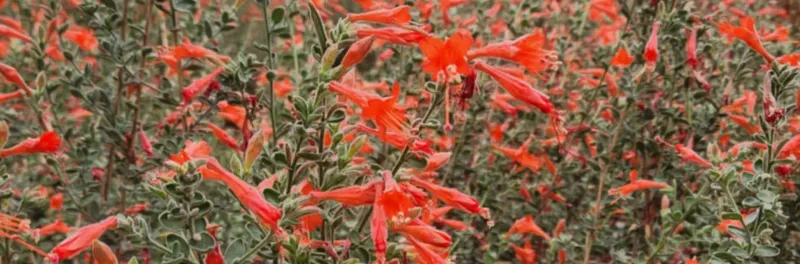
Summer in much of California can stretch for five or six months with almost no rain. Plants need a solid plan to get through that. For natives, the plan is a strong root system built during the wet season.
By the time June rolls around, a fall-planted native has had about eight months to settle in. Its roots have spread wide and gone deeper. It can pull moisture from soil layers a spring planting has not yet reached.
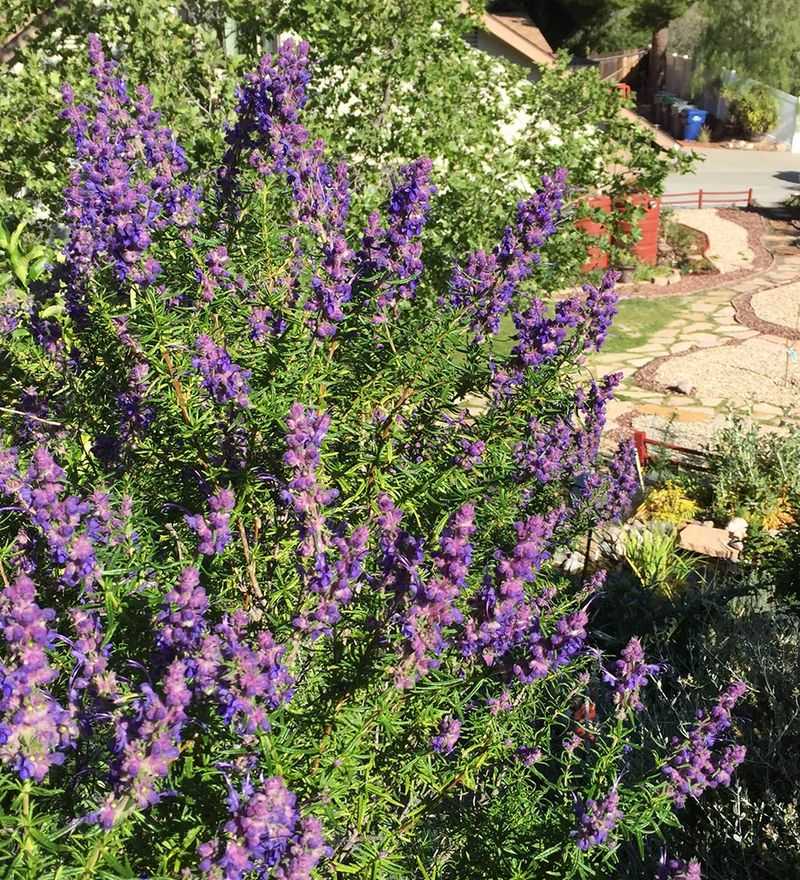
I noticed this in my own yard with two sages. One went in during November and the other in April. The fall plant stayed full and fragrant all summer. The spring one sulked and needed water every few days.
Strong roots also help plants handle other challenges. They anchor better in wind and bounce back faster after heat waves. Many natives even slow down or go semi-dormant in late summer, which is normal behavior.
So when you see a native looking a bit tired in August, do not panic. Often it is simply resting. A plant with a winter head start usually wakes up fresh once fall returns.
Constant Watering Can Become a Thing of the Past
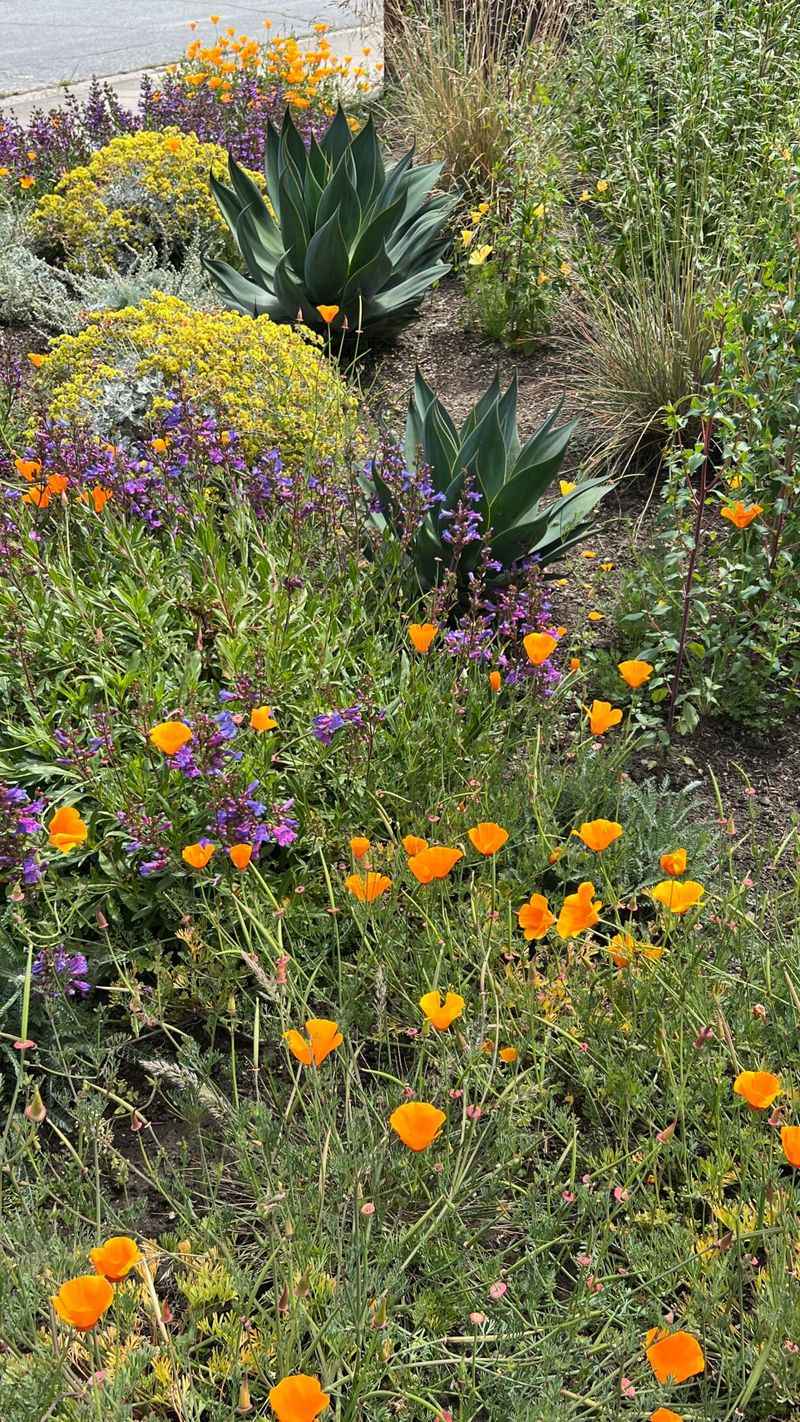
Lower water use is one of the biggest perks of native gardens. Once established, many California natives get by on occasional summer watering, and some need little or none.
The key word is established. Most natives need regular help for their first year or two. During that time, water deeply but less often. Every week or two in summer works for many plants, depending on your soil and climate.
After that, you can slowly back off. Some plants, like manzanita and flannel bush, actually struggle with too much summer water. Wet soil in hot weather can invite root rot in these dry-loving species.
Fall planting speeds up this whole process. Your plants use that first rainy season to grow, so you spend fewer months hauling the hose. It feels like getting a shortcut to an easier garden.
Less watering also means less work overall. You may mow less, prune less, and skip most fertilizer. Natives grow well in the soils they evolved with. Personally, I love spending summer evenings enjoying the garden instead of babysitting it.
Matching Plants to Your Spot Makes All the Difference
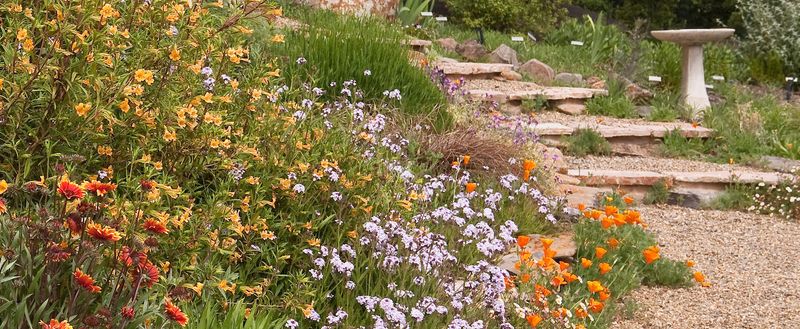
California is huge, with foggy coasts, hot valleys, deserts, and snowy mountains. A plant that thrives in San Diego might sulk in Sacramento. Choosing natives that suit your exact spot is half the battle.
Start by watching your yard. Note where the sun hits all day and where shade lingers. Check whether your soil drains fast or stays soggy after watering. Clay soil and sandy soil favor different plants.
Calscape, a free website from the California Native Plant Society, is a handy tool. You type in your address, and it suggests plants that grow naturally near you. It also lists sun, water, and soil needs for each one.
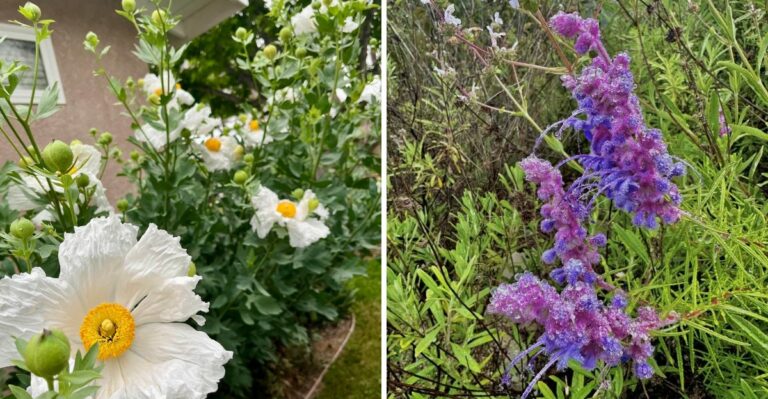
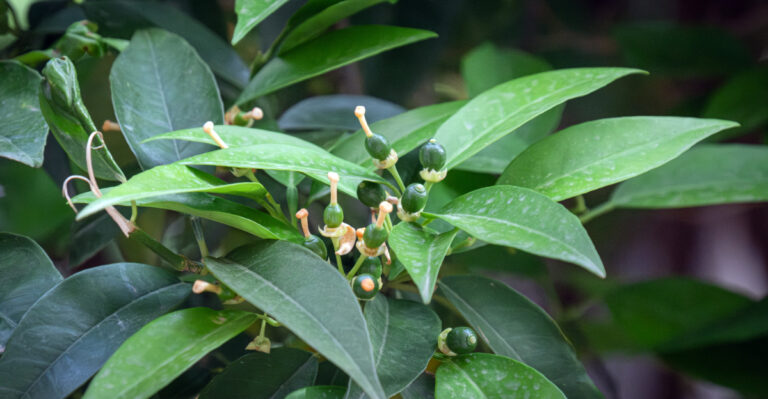
A few crowd favorites work in many areas. California fuchsia feeds hummingbirds in late summer. Yarrow handles tough conditions. Coffeeberry offers glossy leaves and berries for birds. Still, local picks usually perform best.
Visit a native plant nursery this fall if you can. Staff there often know which plants suit your neighborhood. Many local chapters of the native plant society also hold fall plant sales, which make shopping fun and affordable.
Simple Planting Steps Set You Up for Success
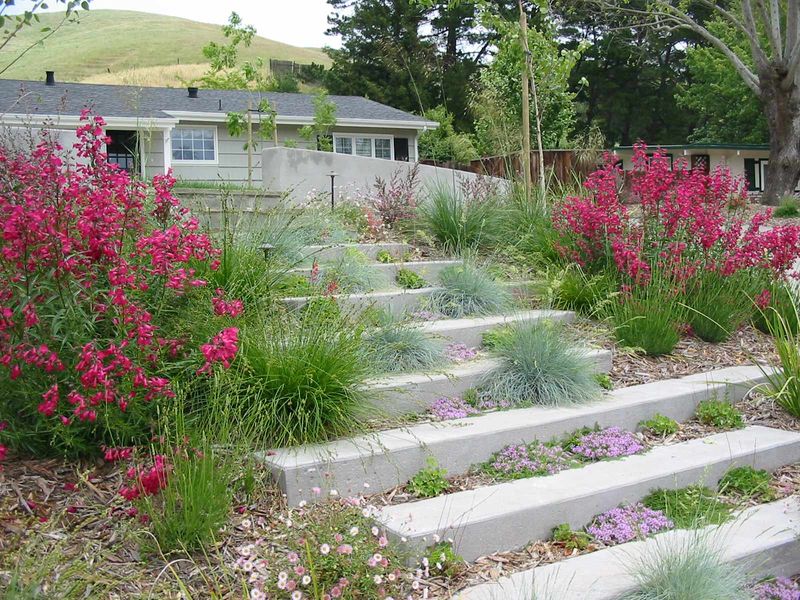
Good planting habits matter just as much as good timing. Luckily, natives keep things simple. Most do not want rich compost or heavy fertilizer in the planting hole.
Dig a hole about as deep as the pot and twice as wide. Before planting, fill the hole with water and let it drain. This trick moistens the surrounding soil so it does not pull water away from the roots.
Set the plant so the top of the root ball sits level with the ground or slightly higher. Burying the crown can cause rot. Backfill with your native soil, firm it gently, and water deeply.
Next, add a layer of mulch about two to three inches thick. Keep it a few inches away from the stem. Many dry-climate natives, like manzanita, prefer gravel or a bare ring near the crown.
Finally, keep an eye on things after the first storms. Pull weeds early while they are small. Water during long dry spells. With a little care now, your garden should look great by spring.