What To Do With Fig Trees Before The First Frost
Extension experts say one Mediterranean fruit tree can survive temperatures near 10 degrees Fahrenheit in winter with the right care. That toughness has limits, and an early hard freeze in October can harm young stems and unripe fruit.
Many gardeners in cold regions grow the tree in a large pot and roll it into shelter. Others plant it in the ground and wrap the branches with burlap and straw for winter.
I like that a few simple chores in October can protect a whole season of future fruit. Timing matters a lot, and the tree needs a slow, natural shift into its winter rest.
You need a simple plan ready before your local forecast shows the first freezing nights this month. What should you do first to keep those branches, buds, and roots safe and healthy all winter?
1. Stop Feeding Your Tree Right Now
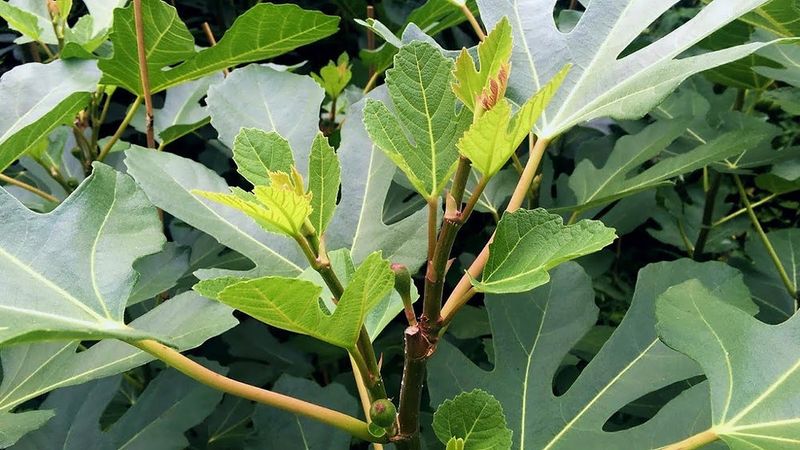
A fig tree that keeps pushing out soft new leaves in October is walking into trouble. Tender growth holds a lot of water and gets nipped quickly by the first hard freeze of fall.
University extension guides suggest skipping nitrogen fertilizer after mid summer for fig trees growing in colder zones. Late feeding tells the plant to grow when it should be getting ready for winter.
If you fed your tree last week, take a deep breath and do not panic about it. Simply stop now and give the plant a few weeks to slow down on its own.
Water needs change too, since cooler days mean the soil dries out much more slowly than before. Check the soil with your finger and water only when the top two inches feel dry.
A tree that is slightly thirsty in fall often hardens off better than one sitting in wet soil. Soggy roots in cold ground can rot and that usually hurts the tree more than a short dry spell.
Think of this season as a slow dimming of the lights rather than a sudden switch. Your goal is to help every branch tip firm up and turn woody before the cold settles in.
Firm, brown wood handles cold far better than green, flexible shoots that have not toughened up yet. A few weeks of calm and simple care now can help save much of next year’s fruit crop.
2. Check The Forecast Every Evening
Many gardeners guess at frost, but a simple weather app can give you a solid head start. Look for nights forecast in the mid-30s, since frost can form on clear, calm nights even when the forecast reads a few degrees above 32 degrees Fahrenheit.
Dormant fig wood tolerates much colder air than the leaves and fruit still hanging on the branches do. Leaves and unripe figs can turn dark and mushy after a single night that dips near freezing.
Find your average first frost date through your local extension office or the National Weather Service. Write it on your calendar, then count back two weeks to plan your chores and gather supplies.
Frost dates are only averages, so a surprise cold night can show up a bit earlier than expected. I like checking the forecast while the kettle warms in the evening and my jacket waits by the door.
Pay attention to low spots in your yard, since cold air settles there like water in a bowl. A tree near a south wall often stays a few degrees warmer than one standing alone in an open lawn.
A cheap outdoor thermometer placed near the branches tells the real story for your own yard. Check it each morning and jot down the lowest number overnight so you can spot patterns over the coming weeks.
Once nights dip into the low 30s, start gathering your supplies so the protection steps are ready when the leaves drop. Waiting for a perfect warning rarely works so act a little early and thank yourself later.
3. Let The Leaves Drop On Their Own
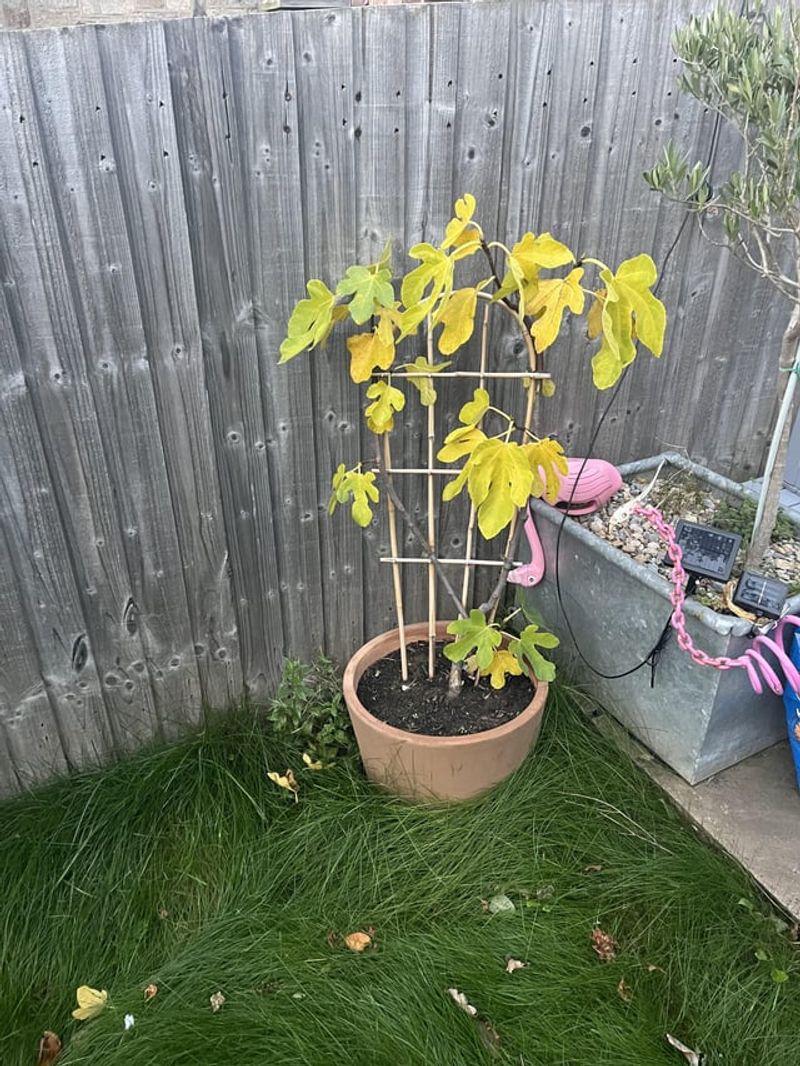
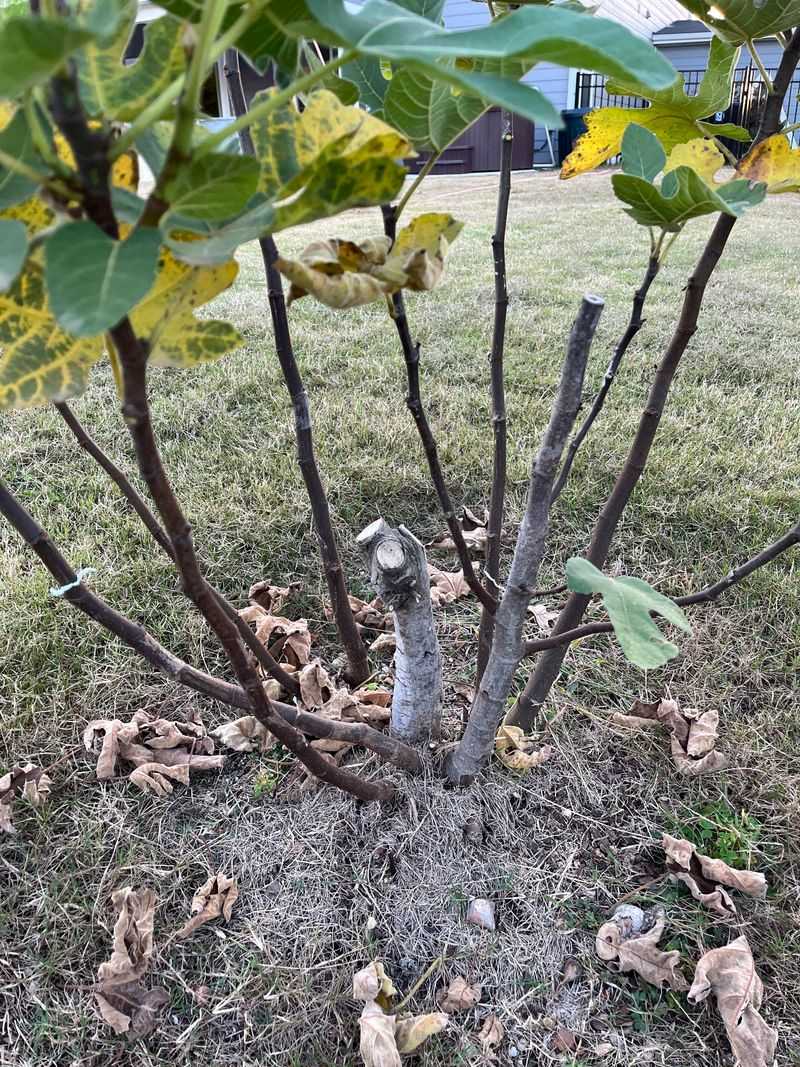
Falling leaves are the tree’s own signal that winter rest has begun. Yellow foliage in October is usually a normal sign that the tree is slowing down for the cold months ahead.
Resist the urge to strip the branches by hand, even when the yard looks messy for a day. Pulled leaves leave small wounds, and wounds give cold and disease an easy way into the stem.
Once most leaves have turned yellow, the tree has usually moved much of its stored energy back into its wood and roots. That stored energy helps buds survive the cold and wake up in the next growing season with strength.
Waiting is hard for tidy gardeners, but patience pays off here when it comes to winter prep. A few fallen leaves on the ground cause no harm to the tree as long as they look healthy.
Rake up leaves that look spotted, rusty, or moldy, since fig rust can overwinter in debris. Toss them in the trash instead of the compost pile so the spores stay away from your tree.
Healthy leaves can stay put until they fall, then you can scoop them up for mulch. Shredded leaves make a soft blanket around the base of the trunk and hold in a little warmth.
A tree that sheds on its own schedule usually enters dormancy more smoothly than one that was rushed. Give it a little time and the bare branches will show you the job is done.
4. Pick Every Ripe Fruit Before The Chill
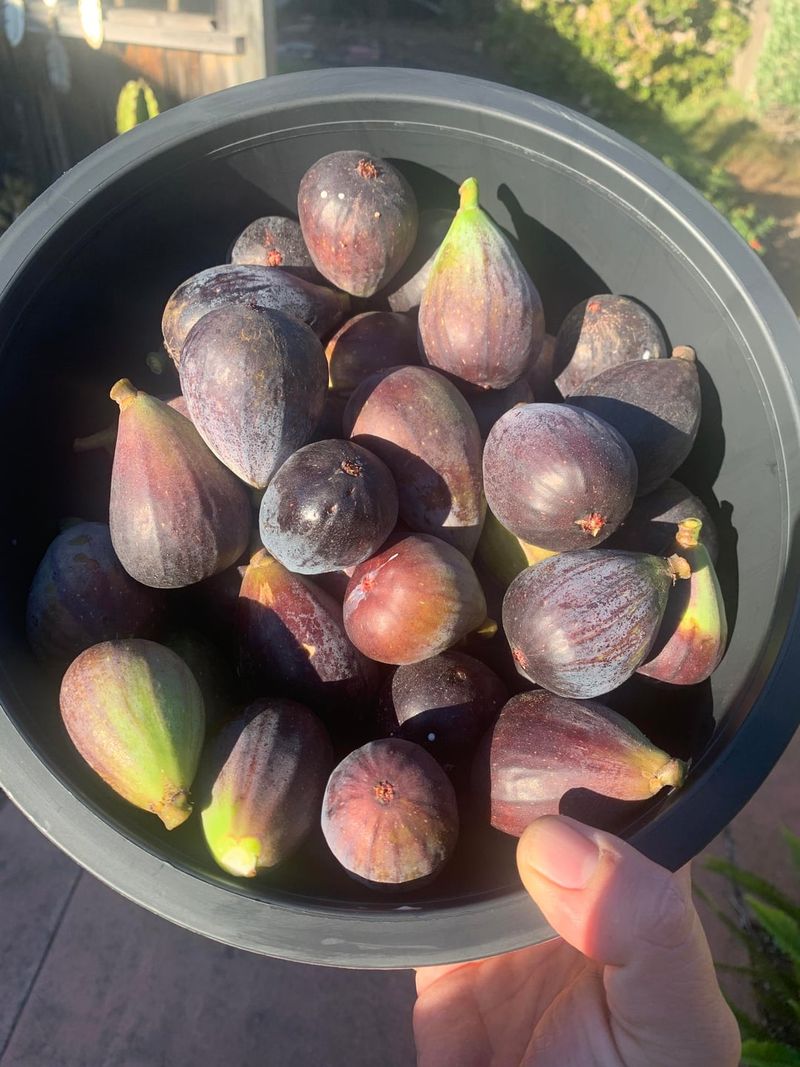
A fig stops ripening the moment you pull it from the branch, so patience on the tree matters. Soft, drooping fruit with a bent neck is ready for the basket.
Walk your tree every day or two in October, because ripe figs bruise and spoil fast. Warm afternoon sun can still finish a few late fruits on days when nights stay above freezing.
Fruit that is still hard and green by the time frost is near is unlikely to ripen. Figs need warmth and sun to build sugar and cold nights usually stop that process for the season.
Remove those unripe figs once a hard freeze is expected, since they will only drop or turn mushy. Clearing them also gives the tree less to carry through winter and cuts down on rot.
Fresh figs keep only two or three days in the refrigerator, so plan a quick use. Slice them over oatmeal, bake them into muffins, or simmer a small jar of jam for toast.
Extra fruit freezes well on a tray, and the pieces can be bagged once solid for later. Dried figs also store nicely for months in a cool, dark cupboard when sealed in a jar.
Share a basket with a neighbor if your harvest outpaces your appetite before the first frost arrives.
5. Wrap Branches Like A Cozy Bundle
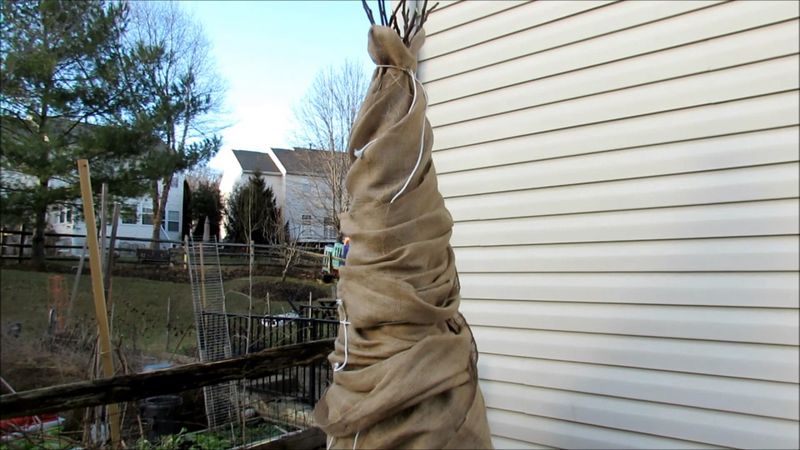
Gardeners in cold zones have wrapped fig trees for generations, and the method still works well. A snug cover keeps wind and ice from drying out the wood and protects the sleeping buds beneath.
Wait until the leaves have dropped and nights fall into the 20s before you wrap the tree. Wrapping too early can trap moisture and invite mold on the stems during mild fall spells.
Start by tying the branches gently upward with soft cloth strips or twine so the shape stays tight. The tree should end up looking like a slim, tall candle that is easy to cover.
Next, add a layer of burlap, old blankets, or frost cloth around the bundle from bottom to top. Breathable fabric lets extra moisture escape and still blocks harsh wind on the coldest nights of winter.
Some growers stuff dry straw or shredded leaves between the layers for extra cushion against the cold winter air. A chicken wire cage around the trunk can hold that filling in place all season long.
Skip plastic wrap that touches the bark, because it traps heat on sunny days and moisture on damp ones. A waterproof cap on top is fine if the sides can breathe and air moves freely.
Pick a calm afternoon for the job, and bring a friend to hold the branches in place. I find that two pairs of hands turn a frustrating task into a quick one with a smile.
6. Pile Mulch Around The Base
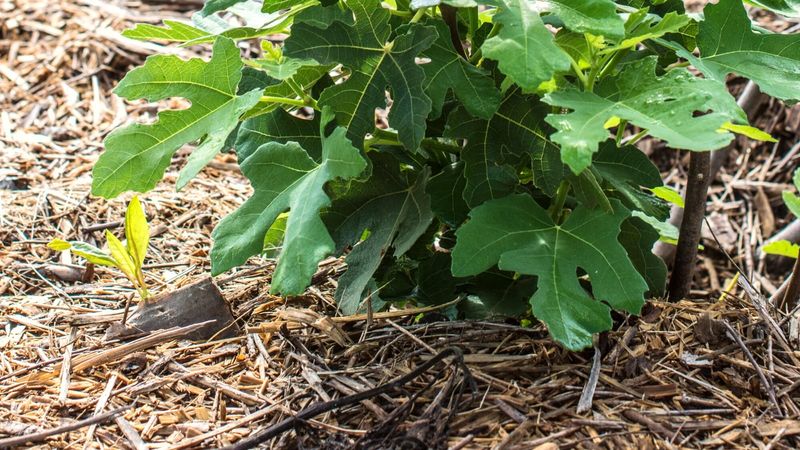
The roots and lowest trunk are the part of a fig tree you most want to protect. Even if upper branches freeze back, a protected base can regrow fresh shoots when warm weather returns.
Fig trees often resprout from the roots after a hard winter, which is why many northern gardeners keep growing them. Mulch helps make that second chance possible by keeping the soil temperature more steady day to night.
Wait until the ground has cooled and the first light frost has passed before adding mulch. Piling it on too early can invite mice to move in and nibble the tender young bark.
Use shredded leaves, straw, wood chips, or pine needles, and spread them about eight to twelve inches deep. A wide circle works better than a narrow ring because roots spread out past the drip line.
Keep the mulch a few inches away from the trunk itself so the bark can stay dry. A tight pile against the bark holds moisture and can cause rot over a long winter.
Some gardeners build a mound of soil or compost over the lower trunk of young trees. Mounds of that kind are common in places with very cold winters and they are simple to remove later.
Pull the mulch back gradually in early spring once hard freezes have passed, so the soil can warm up. Until then, let it sit like a thick winter quilt tucked snugly over the sleeping roots.
7. Roll Potted Trees Into Shelter
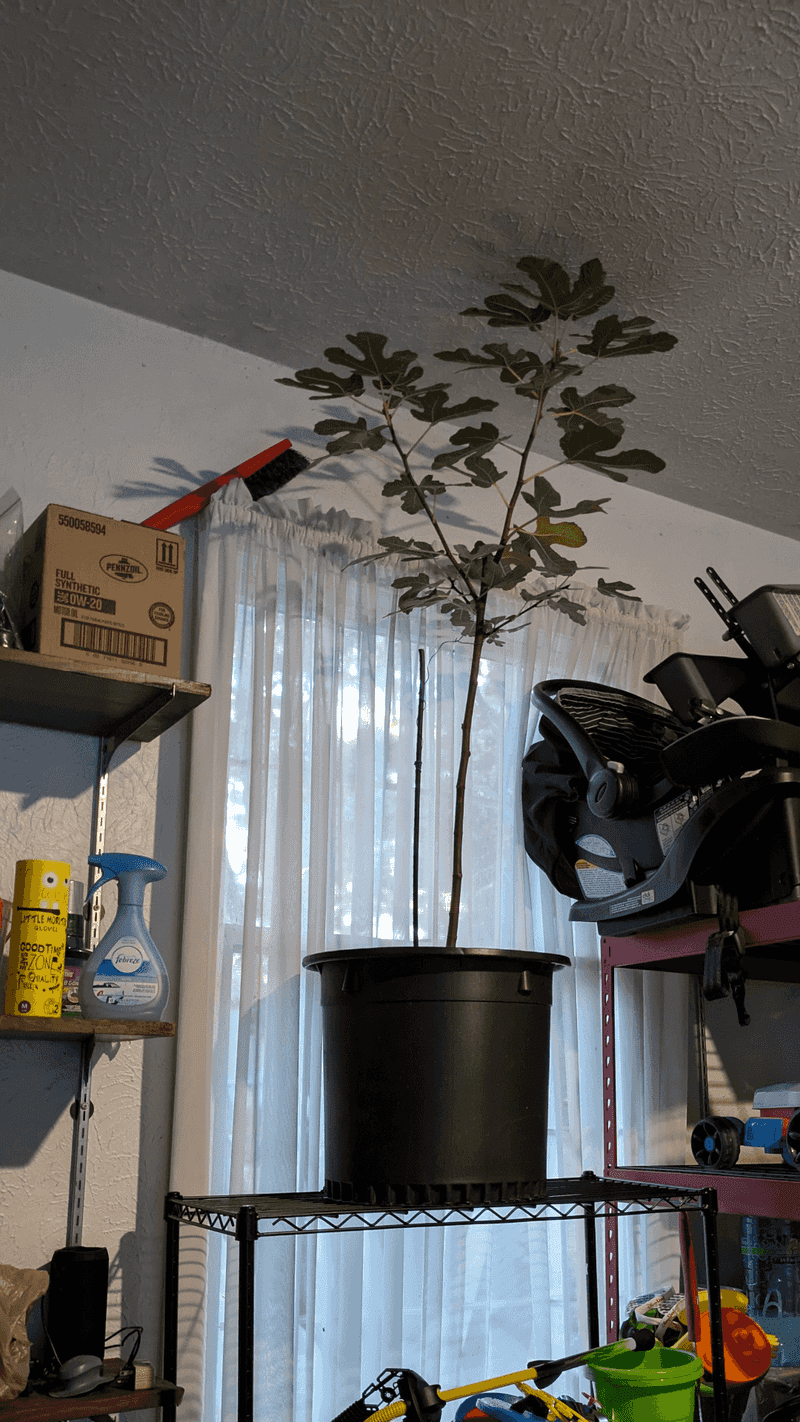
A fig in a container has a big advantage, because you can move it out of danger. Wheels under a heavy pot make the move feel easy even for one person on a chilly evening.
Potted roots sit above ground and lose protection from the soil, so they chill faster than planted ones. Bring containers in once leaves drop and before nights fall into the low 20s.
An unheated garage, shed, or enclosed porch is the sweet spot for a sleeping fig tree in winter. Aim for a space that stays roughly between 25 and 45 degrees Fahrenheit through the coldest weeks.
A dark spot works fine once the leaves are gone, since a dormant tree does not need light. A heated living room is too warm and can wake the tree early with weak growth.
Water lightly about once a month so the root ball does not turn bone dry in storage. Soil that feels damp a few inches down needs no extra water until the next check.
If you have no sheltered space, move the pot against a south-facing wall and wrap it. Insulate the container with bubble wrap or blankets, since pot walls let cold in much faster than garden soil does.
Bring the pot back outside in spring once the risk of hard freezes has passed in your area. Move it slowly into more light over a week so the tree adjusts without any shock.
8. Hold Off On Heavy Pruning

Cutting back a fig tree in October feels productive, yet it can open fresh wounds right before the cold. Cuts made now heal slowly and may let in frost damage deep into the inner wood.
Most extension services suggest major pruning in late winter, just before buds begin to swell on the tree. By then the worst cold has passed and you can see which branches suffered over the winter.
Some fig types bear an early crop on last year’s wood, so careless cuts can reduce that harvest. Waiting until buds show life helps you keep the wood that will carry fruit next season.
A light cleanup in fall is still fine for safety and tidiness after the leaves drop. Snip off broken, crossing, or clearly diseased branches with clean, sharp pruners and make each cut just above a bud.
Wipe your blades with a household disinfectant wipe between cuts to stop disease from spreading around the tree. Clean tools protect the plant, and the habit takes only a few seconds each time you work.
Trees grown in colder zones often lose some branch tips over winter, and that is normal. Dark, brittle tips in late winter simply show you exactly where to cut once green buds start to swell.
Patience is the best tool you own for this chore during the cool fall season of the year. Put the loppers away until the calendar turns, then enjoy a quiet, restful winter with your tree.