What To Do With Leftover Halloween Pumpkins In A California Garden
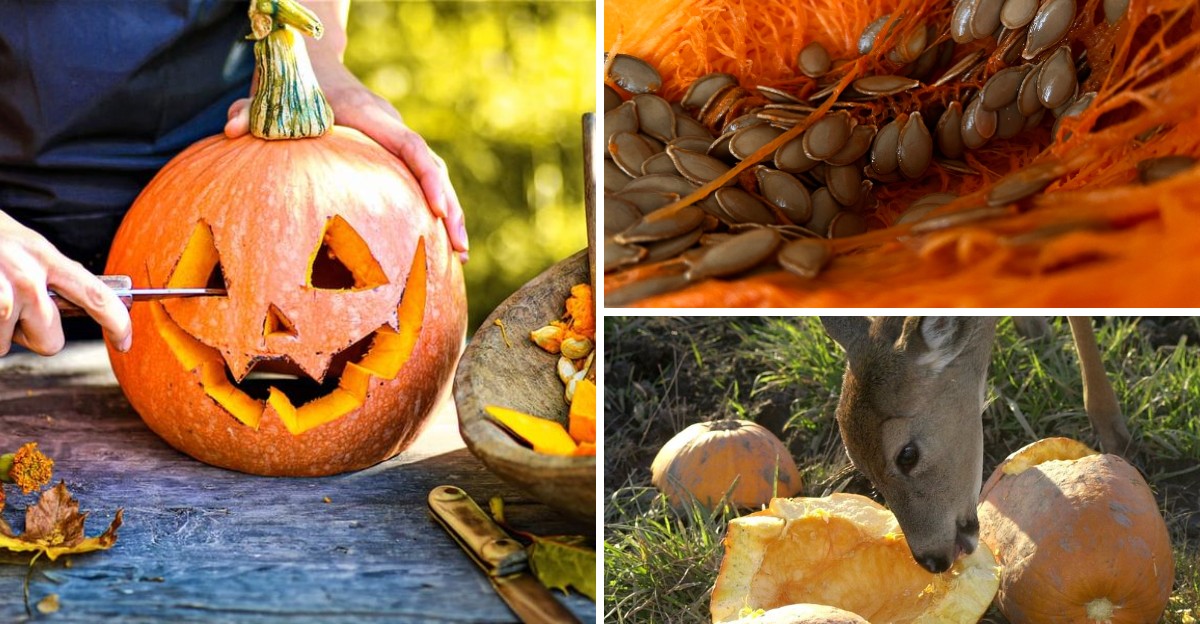
A carved jack-o’-lantern in warm weather can turn to mush in about a week. That squishy porch guest still holds water, sugars, and nutrients your soil would love.
California even has a law about this kind of thing. Under SB 1383, food scraps and yard waste belong in green bins or compost piles, not in the landfill.
I like how a little post-holiday cleanup can feed next year’s tomatoes. Personally, I can’t toss a pumpkin in the trash anymore without feeling like I wasted free fertilizer.
You’re in for a surprise when you learn how many uses one round orange shell can have. Some of them start right in your kitchen, and one of them could grow next fall’s porch display.
So which job will your pumpkin take on this year?
That Soft Jack-o’-Lantern on the Porch Has One More Job
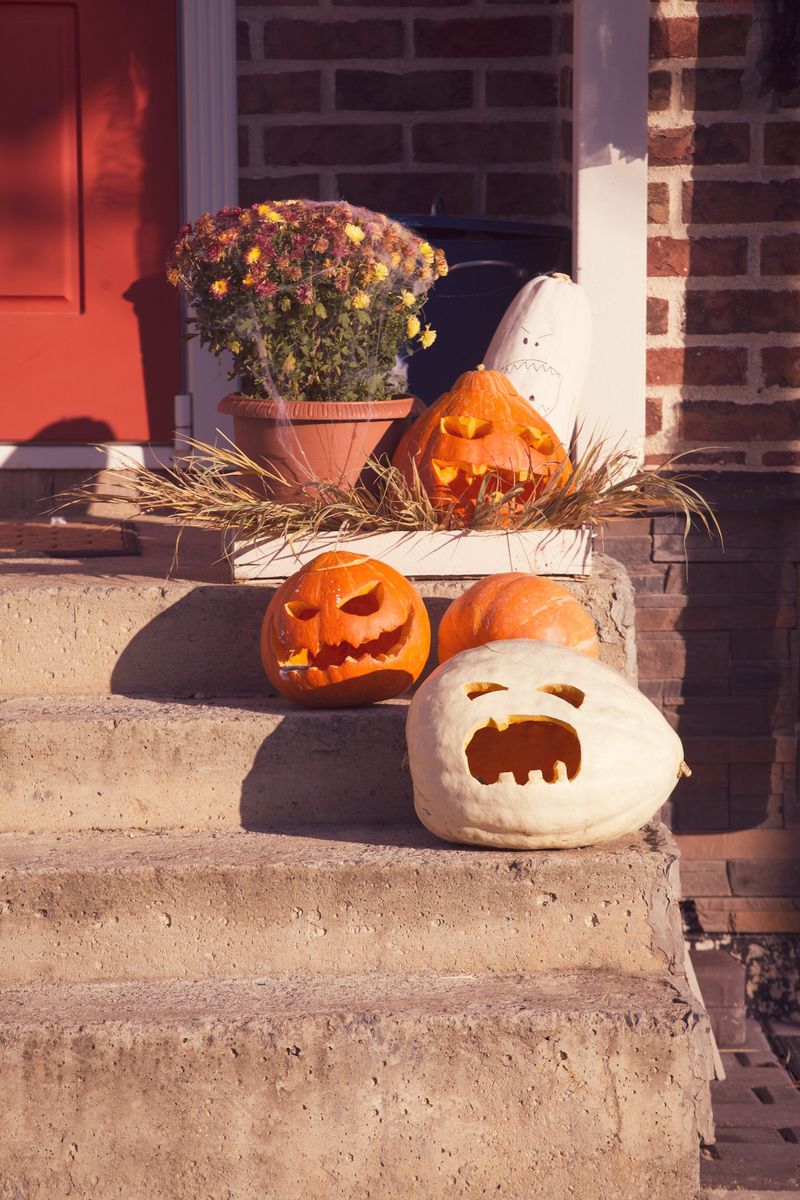
Your jack-o’-lantern is not trash yet. It is a big ball of water and organic matter waiting to become rich soil.
Pumpkins are mostly water, so they break down fast once they reach a compost pile or garden bed. That speed makes them one of the easiest holiday leftovers to recycle at home. In mild California fall weather, soil microbes stay busy, so the process moves along nicely.
Before you do anything, check its condition. A firm, uncarved pumpkin has more options, like cooking or donating. A carved one that is softening or growing fuzzy mold is best for compost or the green bin.
I sort mine into two groups the morning after Halloween. Fresh ones go to the kitchen or a local farm. Mushy ones head straight to the garden.
One quick step matters for every pumpkin. Pull out candles, wax drips, stickers, glitter, and any painted bits. None of those break down, and they can leave junk in your soil for years.
Once your pumpkin is clean, you have a free soil booster in your hands. The next sections show exactly how to put it to work without attracting a crowd of hungry pests.
Chopped Pumpkin Chunks Make Your Compost Pile Hum
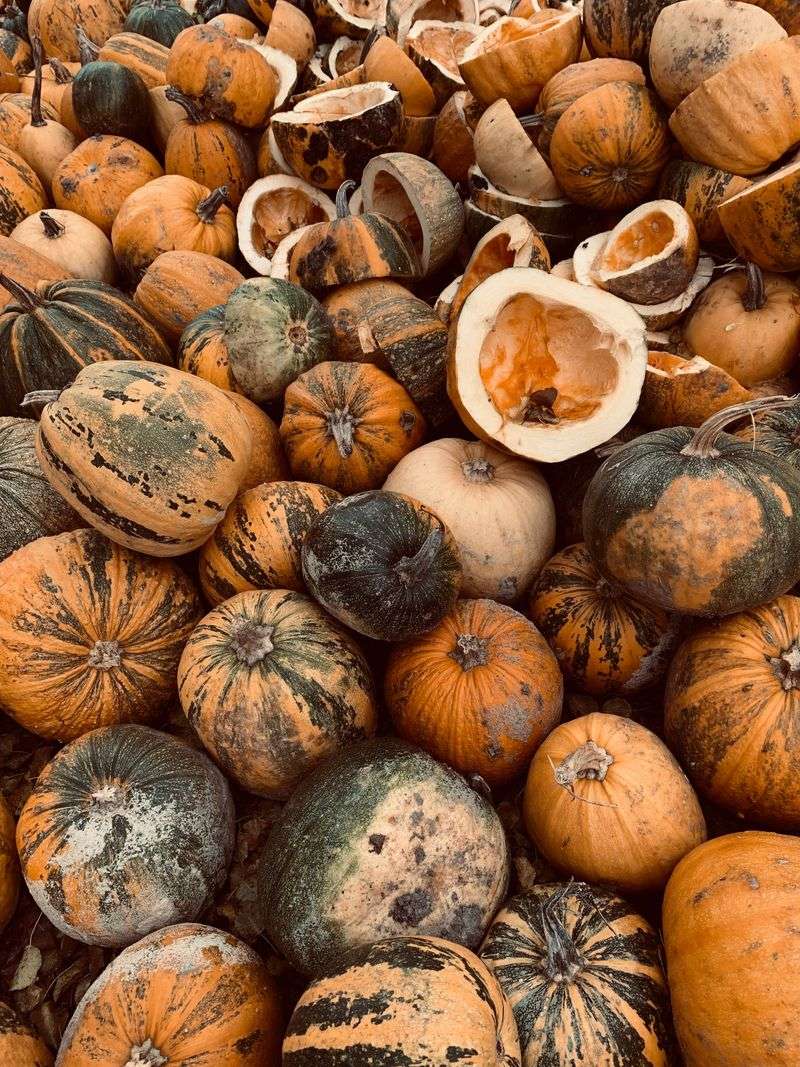
Smash it, chop it, and pile it on. Smaller pieces give compost microbes more surfaces to work on, so a chopped pumpkin breaks down far faster than a whole one.
Many gardeners simply drop the pumpkin on the ground and stomp it, which is oddly satisfying. A shovel or old kitchen knife works too. Aim for pieces about the size of your fist or smaller.
Pumpkin counts as a green material, meaning it is moist and full of nitrogen. Balance it with roughly two parts brown material, like dry leaves, straw, shredded cardboard, or wood chips. Fall leaves in many California neighborhoods make that easy right now.
Bury the pumpkin chunks in the middle of the pile instead of leaving them on top. That hides the smell from flies and raccoons. It also keeps the pieces warm and moist where decay happens fastest.
Turn the pile every week or two to add oxygen. If it smells sour, add more browns. If it seems dry, sprinkle in some water.
By spring, that grinning face will be dark, crumbly compost. Spread it around your vegetable beds before planting, and your squash family may grow even happier.
Bury Pumpkin Pieces Right in Your Garden Beds
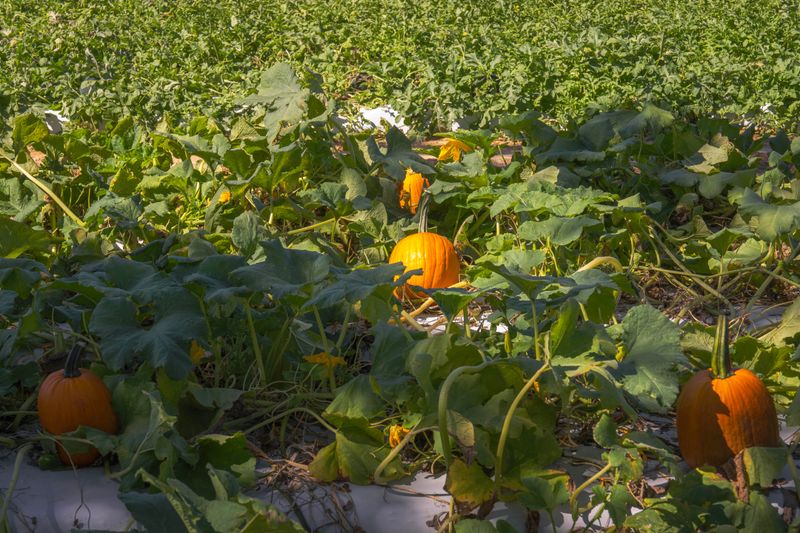
No compost bin? No problem at all. Trench composting lets you bury pumpkin pieces straight into empty garden beds.
Dig a hole or trench about 8 to 12 inches deep in a spot that is resting for the season. Drop in your chopped pumpkin, then cover it with soil. That depth keeps odors down and makes it harder for critters to dig.
Worms and soil life will do the rest. Over the next few months, the pumpkin softens and feeds the soil around it. Winter rain in Northern California and the coast helps move things along.
Pick your spot with some thought, though. Avoid burying pumpkin right next to plant roots you care about, since rotting chunks can cause wet, smelly pockets. A fallow bed or the space where next year’s squash will grow works best.
I like marking the spot with a small stick. Come spring, I know where the extra-rich soil is hiding.
One fun side effect may pop up later. Leftover seeds sometimes sprout into surprise pumpkin vines. If you would rather avoid volunteers, scoop the seeds out first and save them for another use.
Your City Green Bin Gladly Takes Old Pumpkins
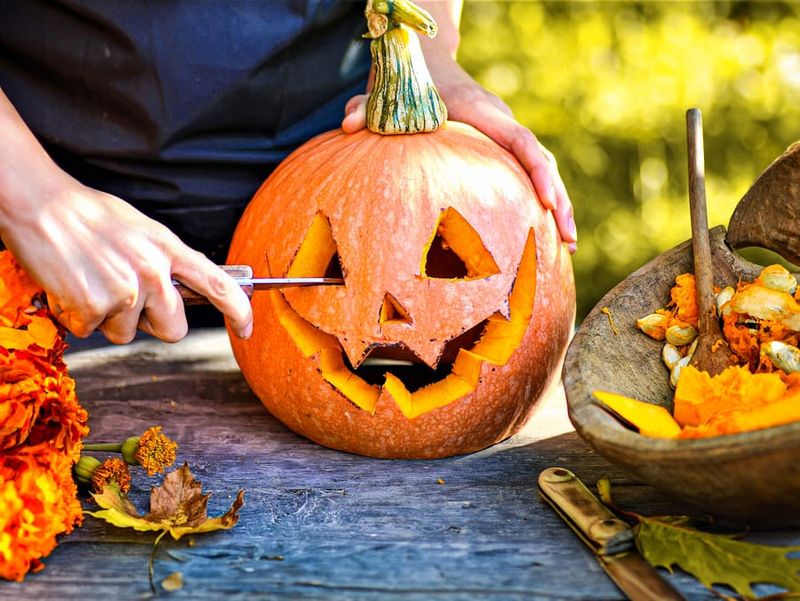
Short on space or time? The green cart at your curb is a perfectly good answer.
California’s SB 1383 law requires cities to offer organics collection for food scraps and yard waste. That means your pumpkin can be recycled into compost or energy instead of sitting in a landfill. In landfills, buried food breaks down without air and releases methane, a strong greenhouse gas.
Rules vary by city, so check your local hauler’s website. Most programs, like those in Carlsbad and Vista, accept pumpkins in the green bin once decorations are removed. Some cities even host pumpkin drop-off events in early November.
Take out the candle and any plastic, paint, or glitter first. Painted pumpkins often go in the trash instead, since paint can spoil a batch of compost. When in doubt, ask your hauler.
Big pumpkins can be heavy, so break them into pieces if your bin is already full. That also helps the lid close and keeps flies away.
Honestly, this option feels good on busy weeks. You still keep your pumpkin out of the landfill, and your city turns it into compost that may end up in a local park or farm.
Pigs and Goats on Local Farms Love Uncarved Pumpkins
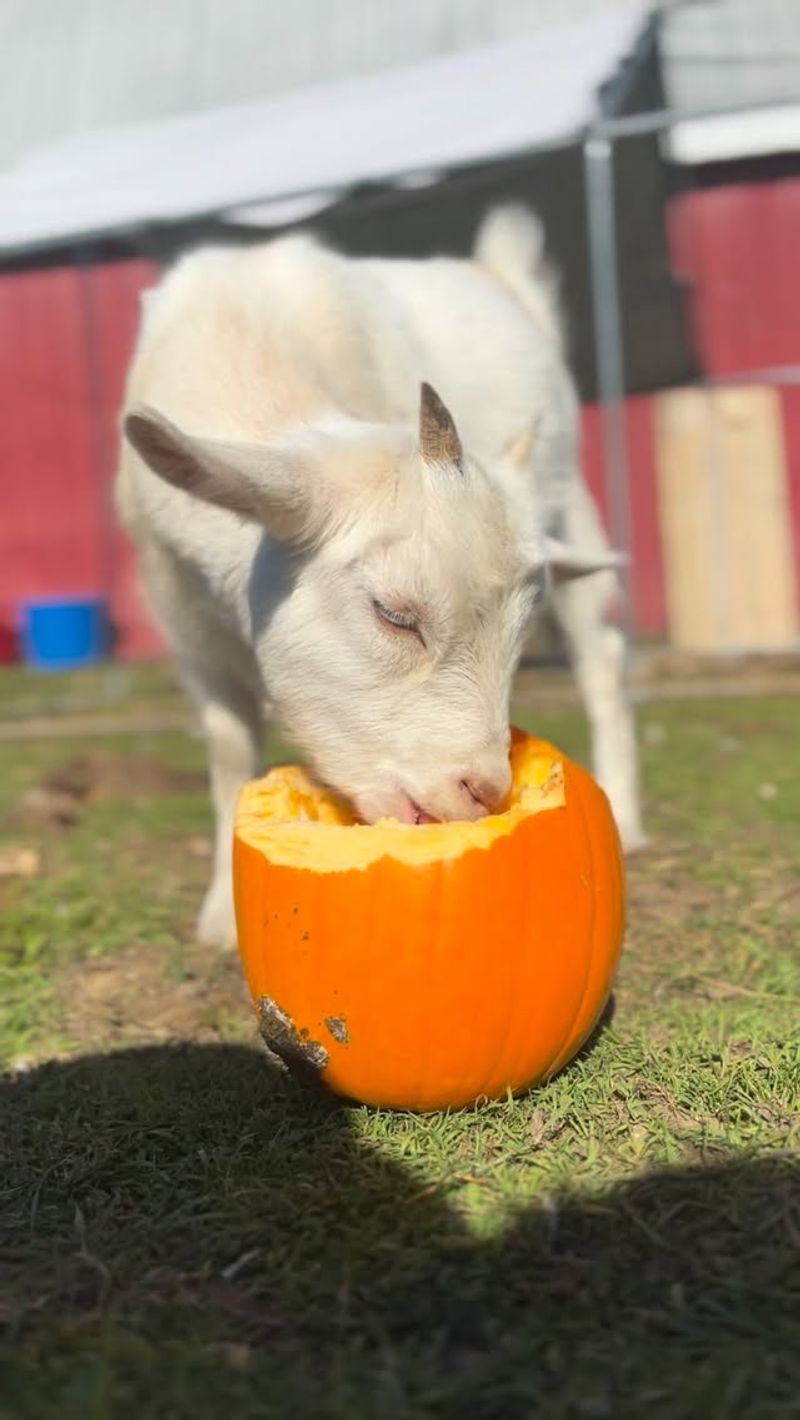
A pig crunching into a whole pumpkin is one of the happiest sounds of fall. Plenty of farms and animal sanctuaries across the state welcome clean, uncarved pumpkins as treats.
Pumpkins give animals both food and fun. Goats, pigs, chickens, and even some zoo residents enjoy rolling, nudging, and munching them. The Oakland Zoo has accepted uncarved, unpainted pumpkins for a short window after November 1.
Groups like Pumpkins for Pigs connect donors with farms and rescues that want them. A quick online search may turn up a spot near you. Small local farms sometimes post requests on community boards too.
Call before you load the car. Each place has rules about condition, amount, and type. Most want pumpkins that are whole, firm, and free of mold, paint, glitter, or wax.
Carved pumpkins are usually turned away, since they spoil fast and can grow harmful mold. Keep those for the compost pile instead.
I love this option for families with kids. Watching an animal enjoy your old porch decoration is a sweet way to close out the holiday, and it teaches a simple lesson about reducing waste.
Leave That Pumpkin Feast Away From Raccoons and Rats
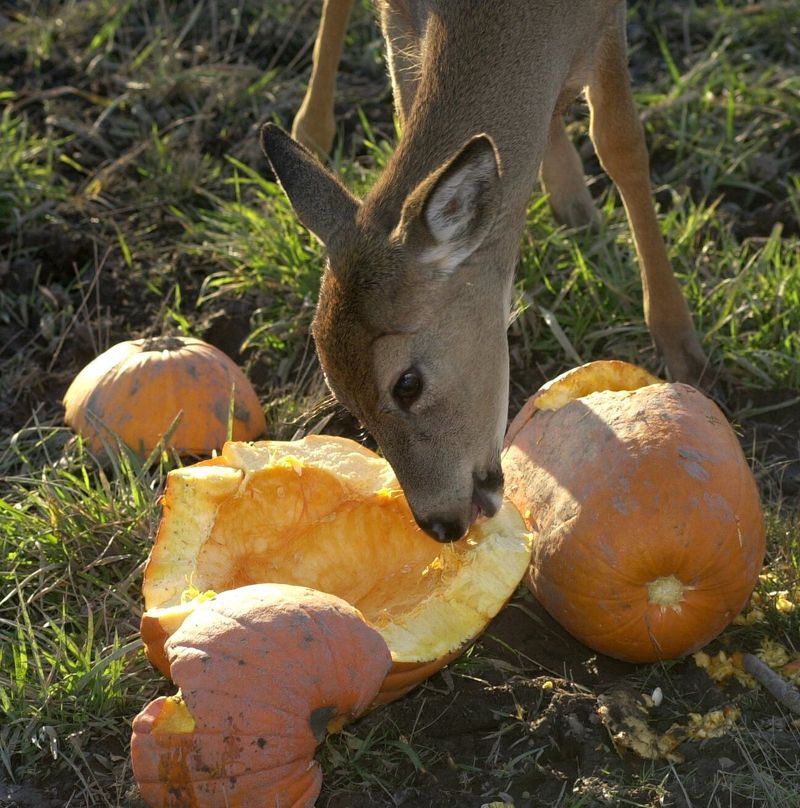
Tossing a pumpkin into the bushes for wildlife sounds kind. Sadly, it often brings more trouble than help.
Wildlife groups, including the National Wildlife Federation, advise against leaving pumpkins out for wild mammals. Animals that learn to eat human food can lose their fear of people. That can lead to conflicts with pets, cars, and neighbors.
Rotting pumpkins also attract rats, mice, ants, fruit flies, slugs, and snails. In many California yards, roof rats and raccoons are already frequent visitors. You do not want to hand them a free buffet near your house.
In foothill and mountain areas, bears may show up too. Any easy food source near homes can create real problems for them and for you.
If a pumpkin is on display, keep it off the ground on a step or table. Remove it promptly once it shows soft spots or mold.
Want to help birds instead? Rinse and dry pumpkin seeds without salt or seasoning, then offer a small amount in a feeder. Fresh water in a shallow dish is another simple, welcome gift for backyard birds during dry fall weeks.
Save Those Slimy Pumpkin Seeds for Next Year’s Patch
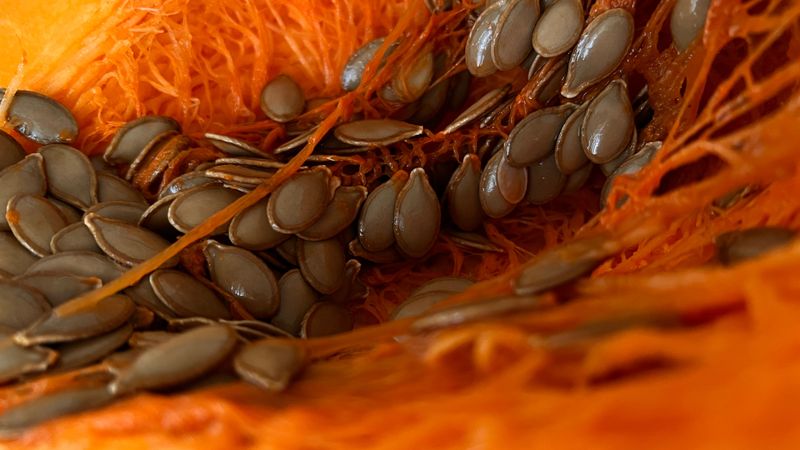
Inside every pumpkin sits a free seed packet. With a little cleaning, those gooey seeds can become next year’s patch.
Scoop them out and rinse away the stringy pulp in a colander. Pick the plumpest seeds and spread them on parchment or wax paper. Let them dry for about a week until they feel papery.
Store dry seeds in a labeled paper envelope in a cool, dry place. Some gardeners keep them in the fridge. Just keep moisture away so they do not mold.
Fun fact: seeds from store-bought pumpkins may not grow true to the parent. Many are hybrids or cross-pollinated, so you might get a surprise shape or color. That is part of the adventure.
Timing matters in California. Plant after frost danger passes and soil reaches about 65 to 70 degrees. Late May to mid-June works well for many areas, while hot inland valleys can plant a bit earlier or later depending on summer heat.
Most pumpkins need 90 to 120 days to mature. Count backward from October, and you could carve a homegrown jack-o’-lantern next fall.
Uncarved Pie Pumpkins Can Still Become Soup and Roasted Seeds
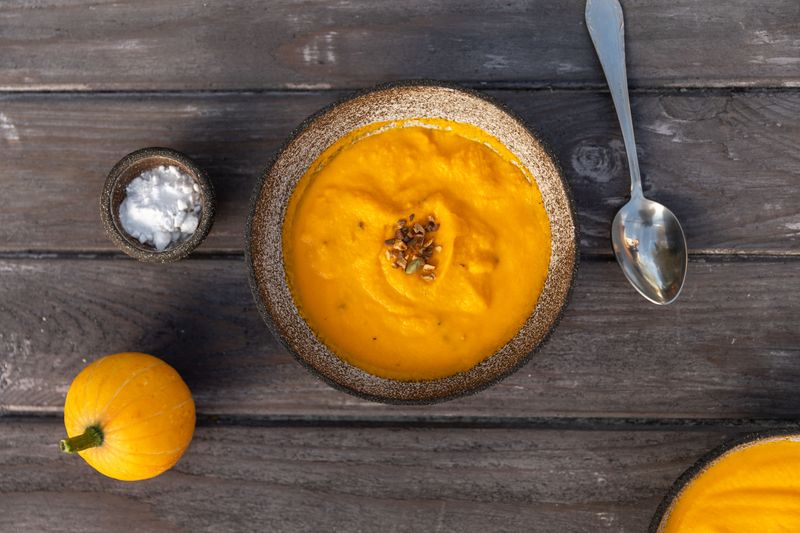
Before any pumpkin reaches the garden, give it a quick kitchen check. A firm, uncarved pumpkin might still make dinner.
Uncarved pumpkins kept in shade with good airflow can last five to seven weeks. Carved ones fade in about a week, especially in warm Southern California weather. So the uncut ones on your porch are often still good in November.
Small sugar pie pumpkins taste sweetest and work great for puree, soup, and pie. Big carving pumpkins are edible too, though their flesh tends to be watery and mild. Skip any pumpkin that is painted, moldy, soft, or was carved days ago.
Roasted seeds are my favorite quick win. Toss cleaned seeds with a little oil and salt, then bake until golden and crunchy. Kids usually gobble them up.
Cooking also leaves scraps behind. Peels, stringy pulp, and the stem can go right into your compost pile or green bin.
Your pumpkin ends up feeding your family, your soil, and maybe next year’s garden. Start with the kitchen, finish with compost, and save a few seeds, and nothing goes to waste.