What To Do With Leftover Halloween Pumpkins In A New York Garden
Your porch pumpkin is sinking into a slow farewell, and the squirrels know it. Drooping grins and a gym sock aroma signal your carving season has wrapped up.
Frost will arrive across New York soon, and soft pumpkins turn tender fast. Trash bags send those gourds to landfills, where they release methane.
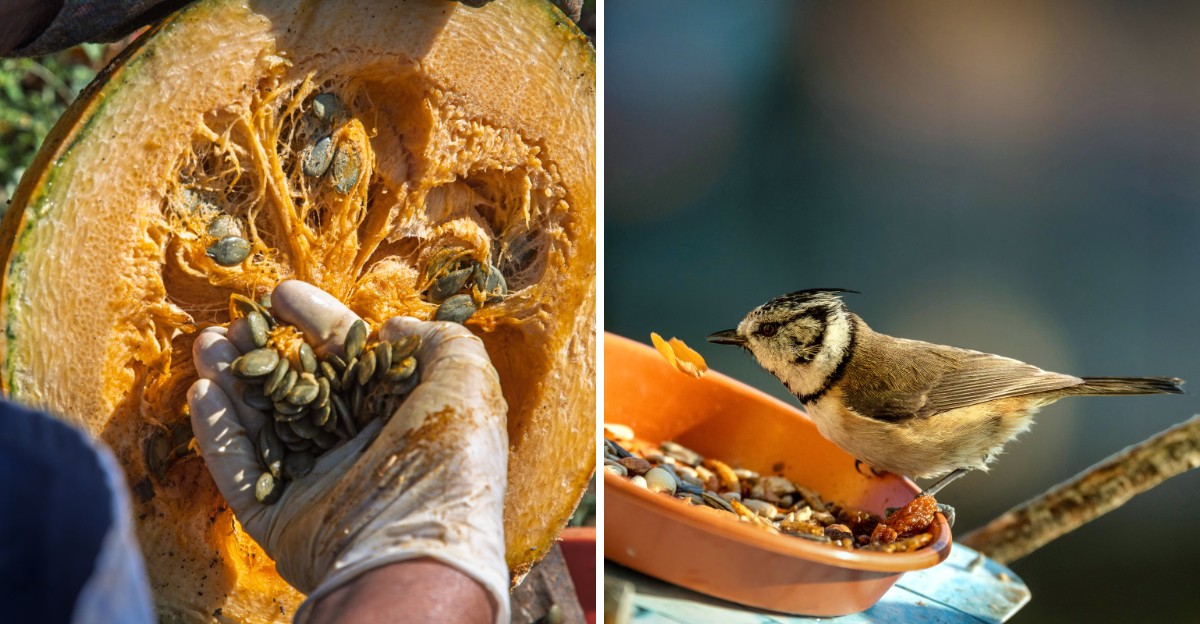
Garden beds offer a far better finale, and they are hungry. Pumpkin flesh feeds soil microbes, while seeds feed chickadees and cardinals.
Candle wax, paint, and glitter need removing before composting or they upset the batch. Nibbled pieces are harmless, so you can keep those too.
Chopping the shell into small chunks makes it melt away faster than you expect. Tuck it into a cold trench and watch your soil improve by summer. Neighbors in New York will gaze while you feed beds. That grin returns as tomatoes.
1. Toss Them Into The Compost Pile
Picture a giant orange sponge packed with water and sugar. Soil microbes see your old porch decoration that way, as a big free buffet.
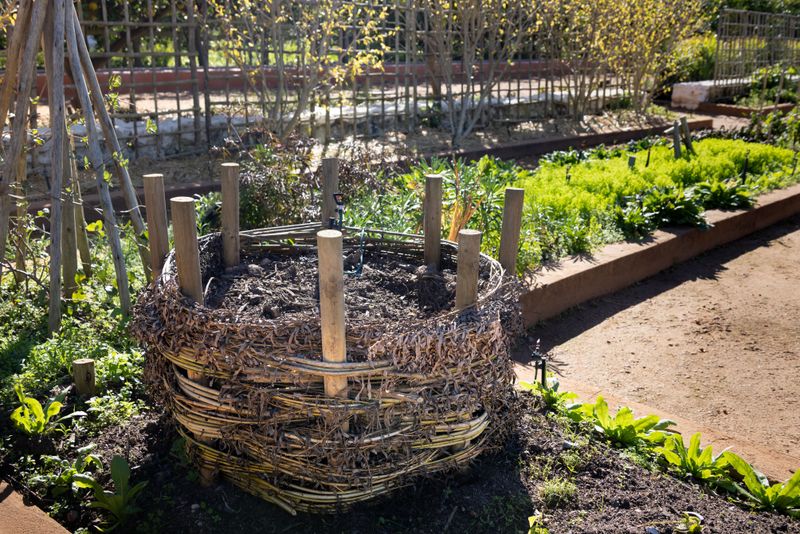
Pumpkins are roughly 90 percent water, so they break down fast in a compost pile. With enough time, that soggy shell becomes dark, crumbly food for your garden bed.
Start by scooping out any candles, wax, or glitter. Those extras do not break down and can clutter up your finished compost.
Next, grab a shovel or old kitchen knife and chop the pumpkin into small chunks. Smaller pieces give microbes more surface to munch, which speeds everything up.
Layer the chunks with dry brown stuff like fallen maple leaves or shredded newspaper. New York yards are full of crunchy leaves in October, so you have plenty on hand.
A good rule is about two or three scoops of brown material for every scoop of pumpkin. That balance keeps the pile from turning soggy and sour.
Seeds may sprout from the pile, so remove them first to avoid surprise vines. Some gardeners welcome the volunteers, though, and let them ramble.
Cold weather slows composting, but it does not stop it. Cover the pile with a tarp or extra leaves to hold in some warmth through the winter.
By early summer, you may have rich compost ready to spread around tomatoes, peppers, or flowers. Your Halloween guest will be feeding next summer’s harvest, which is a pretty great comeback story.
2. Tuck Them Right Into The Garden Beds
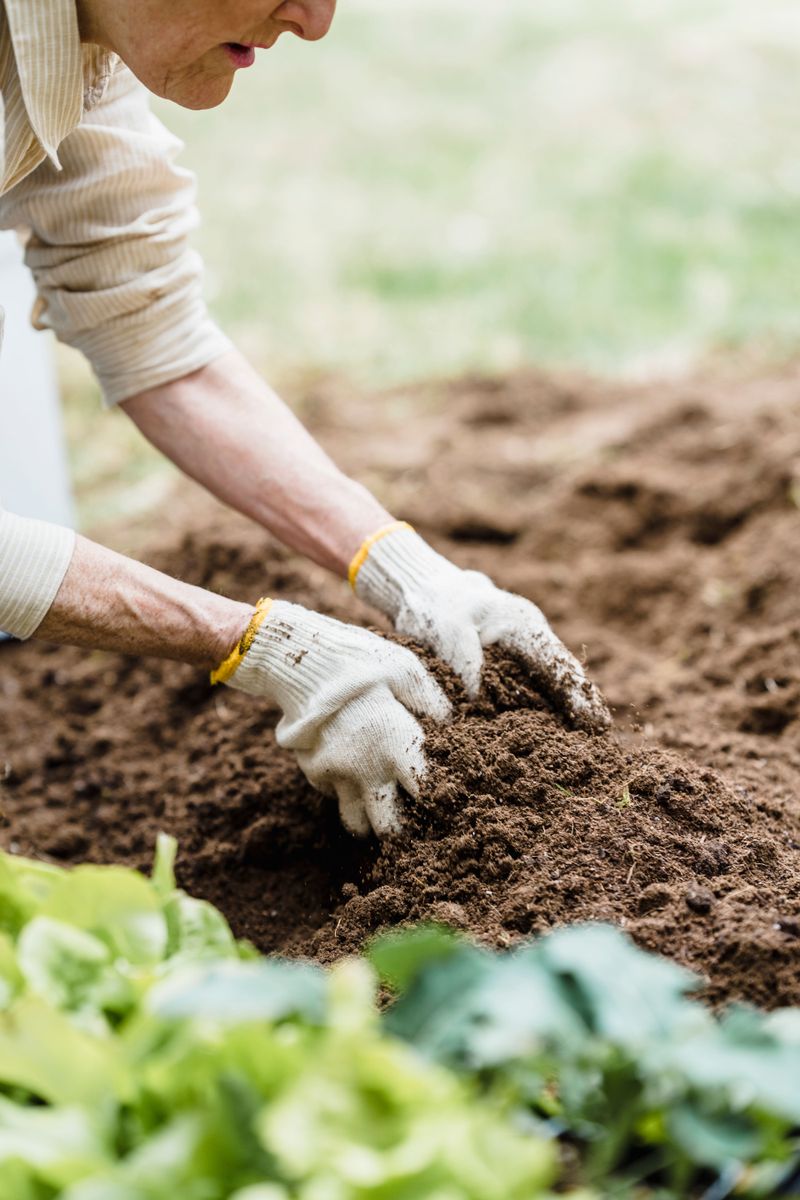
Gardeners in many places have long used a simple trick for fall scraps. They dug a hole, dropped the scraps in, and let the earth handle the rest.
Gardeners call this trench composting, and it works beautifully with leftover pumpkins. You skip the bin and feed your soil right where next year’s plants will grow.
Pick an empty spot in your vegetable bed, ideally where you plan to grow hungry crops. Corn, tomatoes, and peppers love the extra nutrients, but skip squash there.
Dig a hole or trench about 12 inches deep. That depth helps deter raccoons and neighborhood dogs from digging up your pumpkin pieces.
Your New York Garden Changes Every Week. Your Plan Should Too.
Gardening in New York changes quickly throughout the season. Every Friday you’ll receive a simple weekly plan showing exactly what to plant, prune, fertilize, harvest, and protect so you never miss the right timing.
Remove seeds, then break the pumpkin up before tossing it in. A few firm presses work well, and kids often enjoy helping with this part.
Cover the pieces with the soil you removed, then pile a layer of leaves on top. The leaves act like a cozy blanket during long New York winters.
Worms will find the pieces once the soil warms. They tunnel through the soil, leaving behind castings that act like natural fertilizer.
By spring, the pumpkin will be steadily breaking down underground. Your soil will feel softer, darker, and richer when you start spring planting.
Mark the spot with a stick or rock so you remember where you placed it. Future you will appreciate knowing exactly where the richest soil is hiding in spring.
3. Save The Seeds For Next Spring
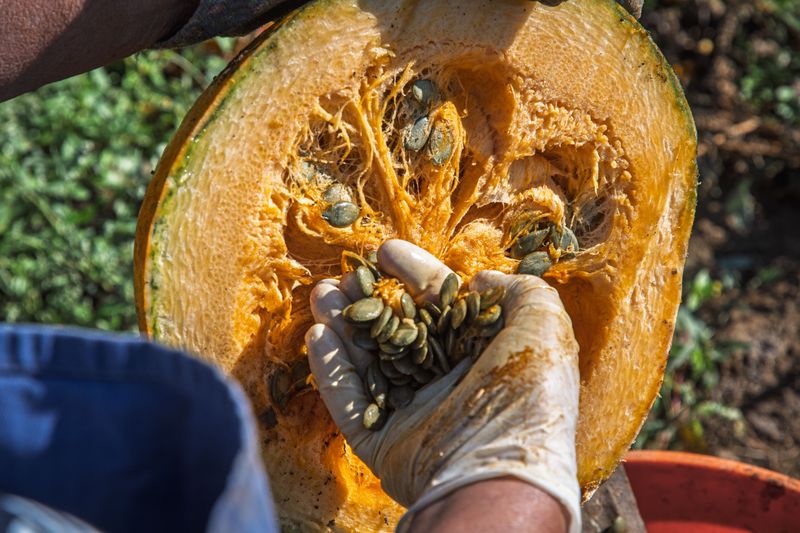
Seed savers love a good jack-o’-lantern, because it could supply seeds for next year’s patch. Pumpkins typically carry hundreds of seeds waiting for a second chance.
Before you start, check the pumpkin’s label for hybrid status. Hybrid seeds can grow plants that look nothing like the parent, making unlabeled pumpkins fun experiments.
Heirloom types like Connecticut Field tend to grow true, but confirm the strain. Connecticut Field is a classic carving pumpkin with deep roots in Northeast farming history.
Scoop seeds from a firm, mold-free pumpkin and rinse them in a bowl of water. Rub off the stringy orange pulp with your fingers until the seeds feel clean.
Spread them on a paper towel or screen in a single layer. Let them dry indoors for about two weeks, away from heat and sunlight.
Once they snap instead of bend, they are ready for storage. Tuck them into a paper envelope and label it with the variety and date.
Keep the envelope in a cool, dry place like a closet shelf. Moisture is the risk here, since damp seeds can grow mold.
In New York, pumpkin seeds go into the ground in late May or early June. Wait until the soil warms up and frost danger has passed.
Pumpkins also cross-pollinate with nearby zucchini and similar squash. Your new plants might surprise you with odd shapes or colors, which can be half the fun.
Plant a few seeds together in a sunny hill, then thin out the weaker sprouts. With luck, you will be carving homegrown pumpkins next October.
4. Feed The Backyard Birds And Wildlife
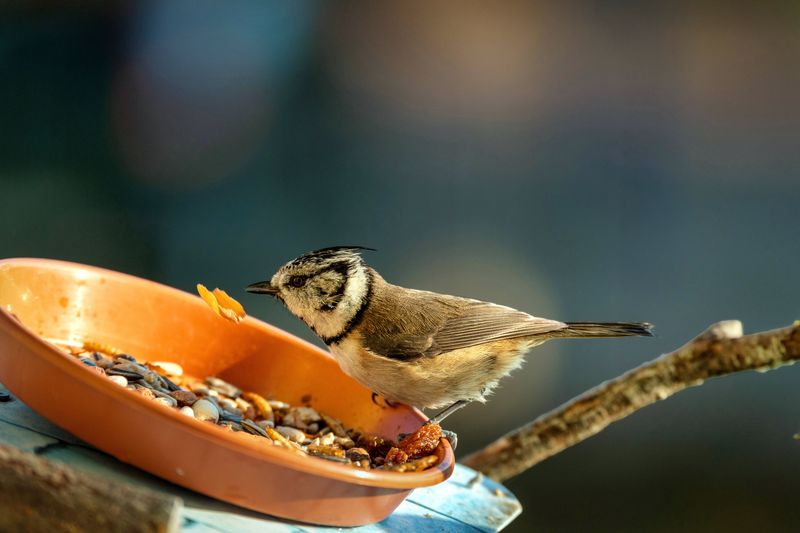
Blue jays have loud voices and big appetites, and cold weather only makes them hungrier. A leftover pumpkin can turn your yard into their favorite winter diner.
Seeds are packed with fat and protein, which birds need to stay warm. Roast them plain, with no salt or seasoning, and scatter them on a tray feeder.
Cardinals, chickadees, and nuthatches are common New York visitors that may happily grab chopped or hulled seeds. Watching them from a kitchen window is a cozy way to spend a chilly morning.
You can also turn half a pumpkin into a bird feeder. Cut it in half, scoop it out, and poke sticks through the sides for perches.
Fill the bowl with birdseed and hang it from a tree branch with sturdy twine. When the shell starts to soften, simply toss it into the compost.
Squirrels and chipmunks will likely join the party, whether you invite them or not. Place small pieces away from the house to keep them busy, then clear leftovers.
Woodpeckers have been reported pecking at pumpkin flesh, which surprises some backyard watchers. It is like a free nature show starring your old porch decoration.
A few cautions apply, though. Avoid feeding painted, glittered, or moldy pumpkins, since those can upset animal stomachs.
Also skip leaving huge piles out near roads or homes. Too much food in one spot can attract deer or rats you would rather not host.
Remember that intentionally feeding wild deer is generally illegal in New York State. A small, tidy offering keeps things friendly for everyone, including your neighbors next door.
5. Turn Them Into Planters For Fall Flowers
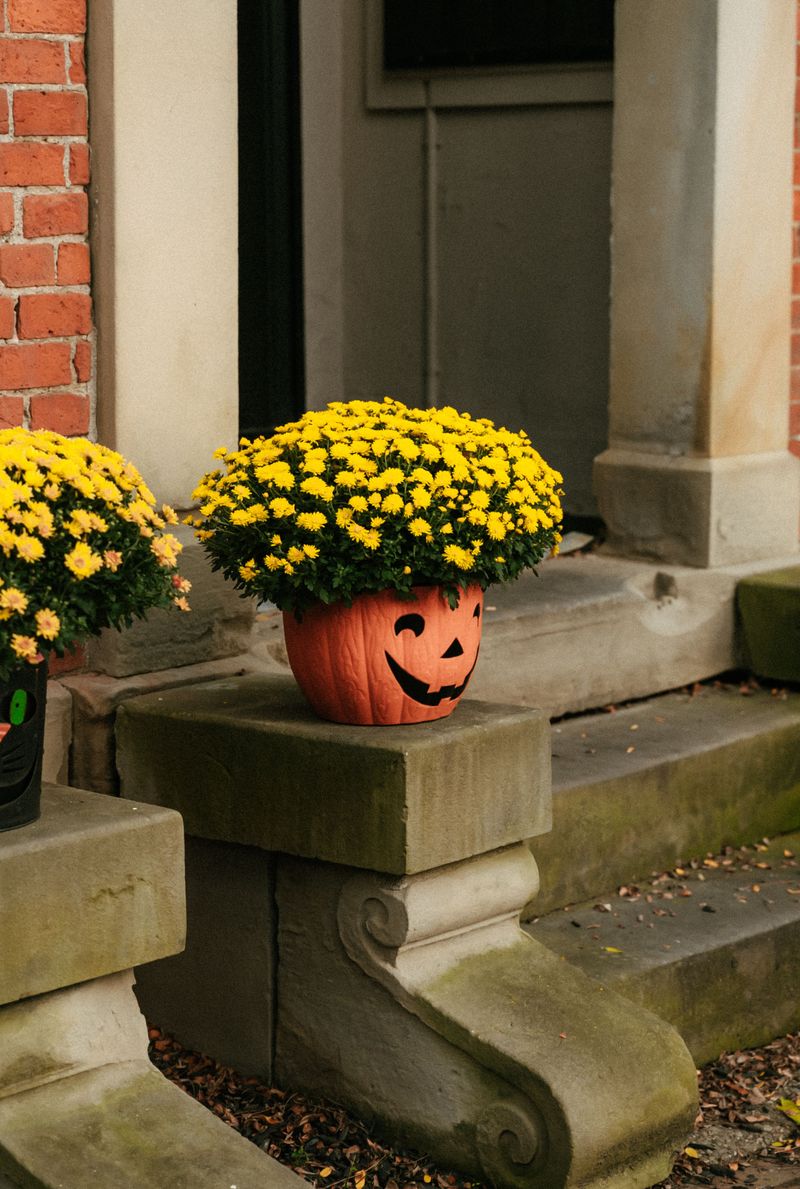
Who says a pumpkin’s job ends on November 1st? With a little creativity, it can become a charming planter for your fall porch display.
Choose a pumpkin that is still firm, with no soft spots or mold. Uncarved pumpkins work best, but a carved one can work for a short while.
Cut off the top and scoop out the seeds and pulp. Poke a few drainage holes in the bottom with a screwdriver or skewer.
Add a few inches of potting soil, then tuck in a small mum, pansy, or ornamental kale. Pansies handle New York’s cool autumn nights surprisingly well.
Top it off with more soil and water gently. The pumpkin will hold moisture nicely, so check before watering again.
Set your new planter on the front steps or along a garden path. It adds a cheerful pop of color as the trees start losing their leaves.
Kids enjoy decorating the outside with natural touches like pinecones or acorns. Skip paint, though, since it makes the shell harder to compost later.
Eventually, the pumpkin will soften and start to sag, usually within a few weeks. That is your signal for the best part of this project.
Dig a hole in the garden and plant the whole thing, pumpkin and all. The shell slowly breaks down, feeding the roots of your new plant over time.
Hardy mums may return next fall if mulched well, though winter survival can vary widely. Your Halloween leftover becomes a living thank-you gift that keeps blooming.
6. Share Them With Local Farm Animals
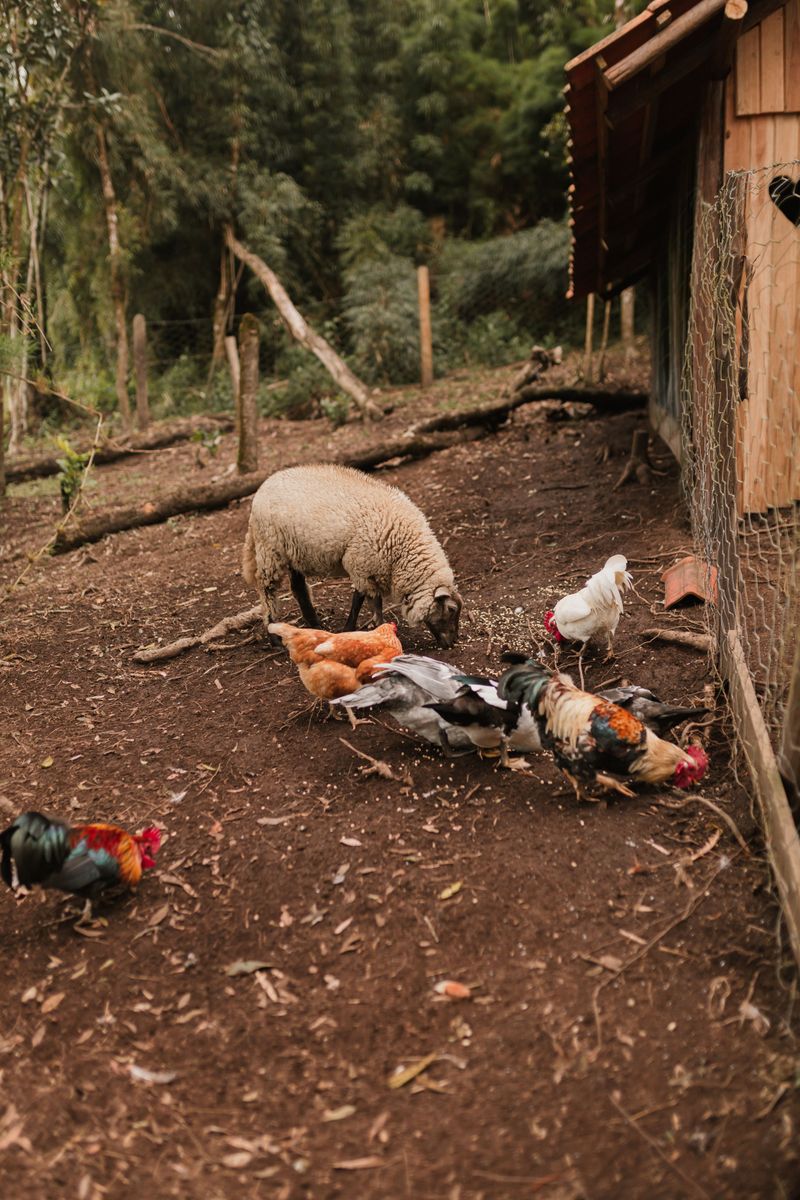
Chickens enjoy pumpkins, pecking at them as eagerly as kids at a piñata. Some backyard flock owners say a pumpkin is a highlight of their hens’ fall season.
If you keep chickens, simply smash a pumpkin open and toss it into the run. They will eat the flesh, the seeds, and even some of the stringy goo.
Without chickens, you still have choices, since plenty of New York farms and animal sanctuaries welcome pumpkin donations. Goats, pigs, and cows all enjoy the sweet, crunchy treat.
Call ahead before you drop anything off. Some farms have strict rules about what their animals can eat, and others may already have plenty.
Neighbors with backyard flocks are another great option. A quick post on a local community group can connect you with someone happy to take your pumpkins.
Make sure your pumpkin is safe for animals before sharing it. Remove candles, wax, paint, glitter, and any markers you used for decorating.
Moldy or slimy pumpkins should stay out of the feed bucket. Mold can make animals sick, so those belong in the compost instead.
Ducks enjoy pumpkin too, especially when it is chopped into small, bite-sized bits. Watching them waddle over for a snack is a fun sight.
Chicken droppings from all that snacking also make valuable garden fertilizer once composted. In a way, your pumpkin feeds your soil twice.
Some upstate farms and community groups host pumpkin collection days in early November. It is a cheerful way to keep pumpkins out of landfills and feed community compost.
7. Bring Them To A Community Pumpkin Smash
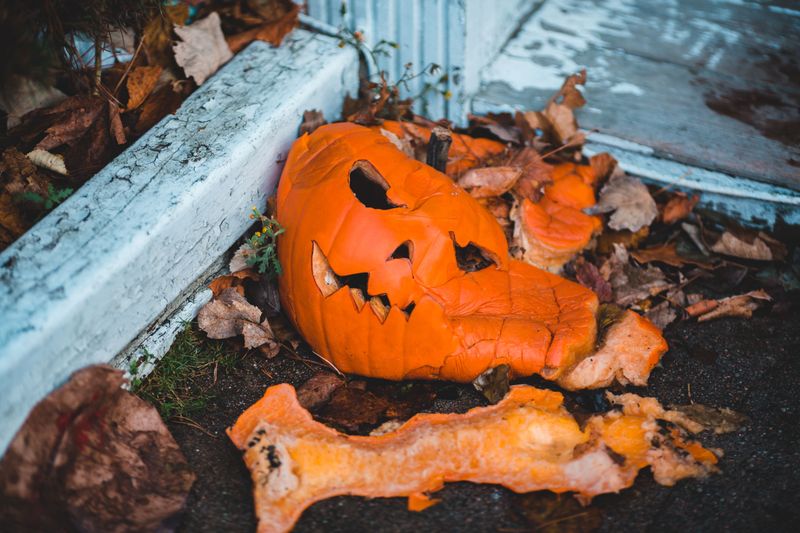
In November, many New Yorkers grab drooping jack-o’-lanterns and head out to smash them on purpose. Pumpkin Smash events have become a popular fall tradition across the five boroughs.
The NYC Compost Project, GrowNYC, and community gardens host many of these gatherings. Folks bring pumpkins, take a swing, and the pieces get carted off for composting.
Smashing might sound silly, but it actually helps the composting process. Broken pieces break down much faster than whole pumpkins sitting in a pile.
The finished compost often returns to city parks, street trees, and community gardens. Your pumpkin could help a tree on your block grow stronger next spring.
Check your borough’s sanitation or compost project website in late October for dates and locations. Events usually happen in early November, so check each host’s website for 2026 dates.
Many events are free and family-friendly, with music, crafts, and lessons about soil. Kids love the chance to drop a pumpkin from a step stool and watch it burst.
Smashing is also oddly satisfying after weeks of candy and costume prep. Think of it as a stress reliever with a helpful, earth-friendly ending.
Before heading out, clean your pumpkin of candles, wax, and decorations. Many organizers turn away painted pumpkins, so check rules before you go.
Living outside the city? Towns across Long Island, the Hudson Valley, and upstate often host similar smashing events each fall.
Curbside composting now serves all New York City residents and is mandatory. Pumpkin pieces can go in a brown bin or any labeled, lidded bin.
8. Remove Paint, Wax, And Glitter Before Composting
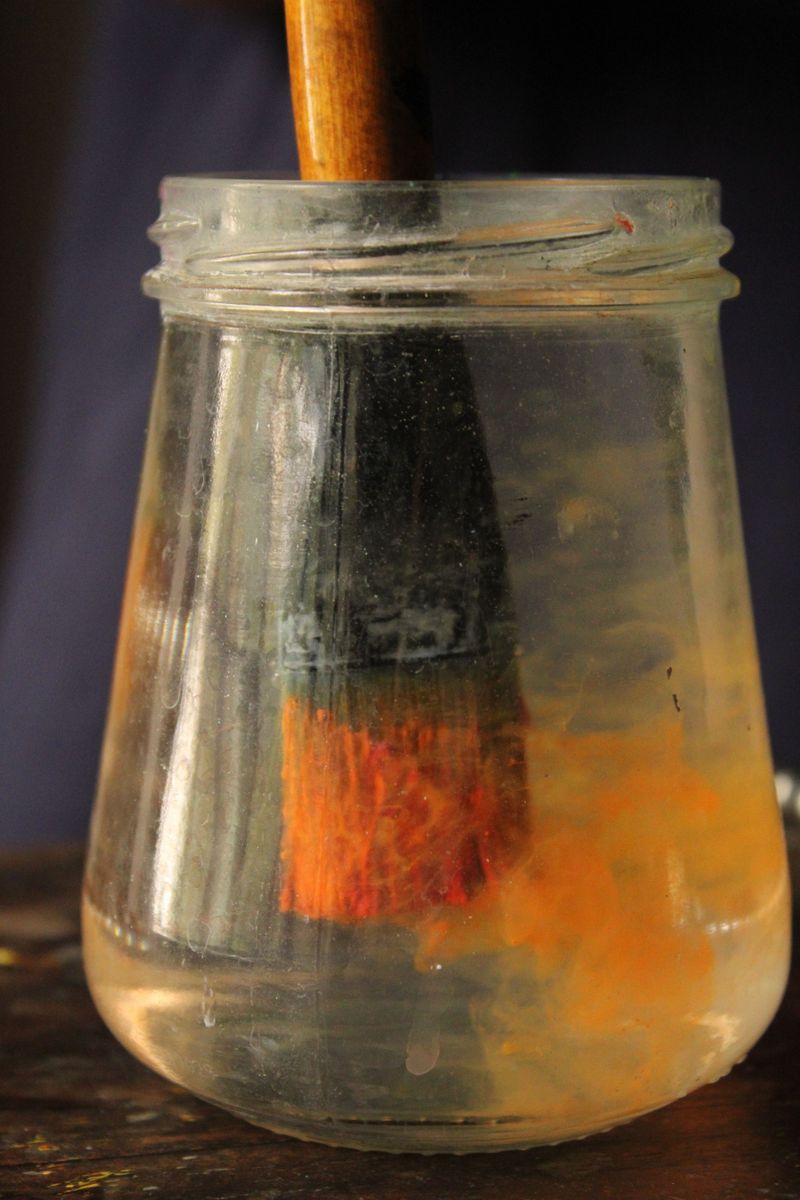
A glittery pumpkin looks dazzling on the porch, but it can cause problems in the garden. Not every leftover pumpkin is ready for the compost pile as is.
Glitter is plastic, and some paints and markers contain chemicals that resist breakdown. Bits of glitter can linger in your soil for years, which is not what anyone wants.
Start by pulling out candles and scraping away melted wax with a spoon. Wax does not decompose well and can linger in compost.
For lightly painted pumpkins, try cutting away the decorated outer skin with a sharp knife. Ask an adult for help, since pumpkin skin can be surprisingly tough.
Heavily painted or glitter-covered pumpkins are tougher to save. Those should go in the regular trash instead of the garden or compost bin.
Plastic decorations, googly eyes, and pushpins need to come off too. Do a quick check around the pumpkin, since tiny pieces hide easily in the grooves.
Store the pumpkin in a cool, shady spot until you are ready, since warmth speeds mold and attracts flies. Check it often for new soft spots.
Next year, consider decorating in ways that keep composting easy. Natural options like carving, chalk, or sticking on leaves and twigs work beautifully.
Washable chalk markers rinse off with a little water and a scrub brush. That lets you enjoy colorful designs without leaving a mess for your garden.
Planning ahead turns Halloween into a full circle event. The pumpkin you decorate in October may feed your New York garden by spring.