Why Adirondack Cabins See First Frost Weeks Before The Rest Of New York
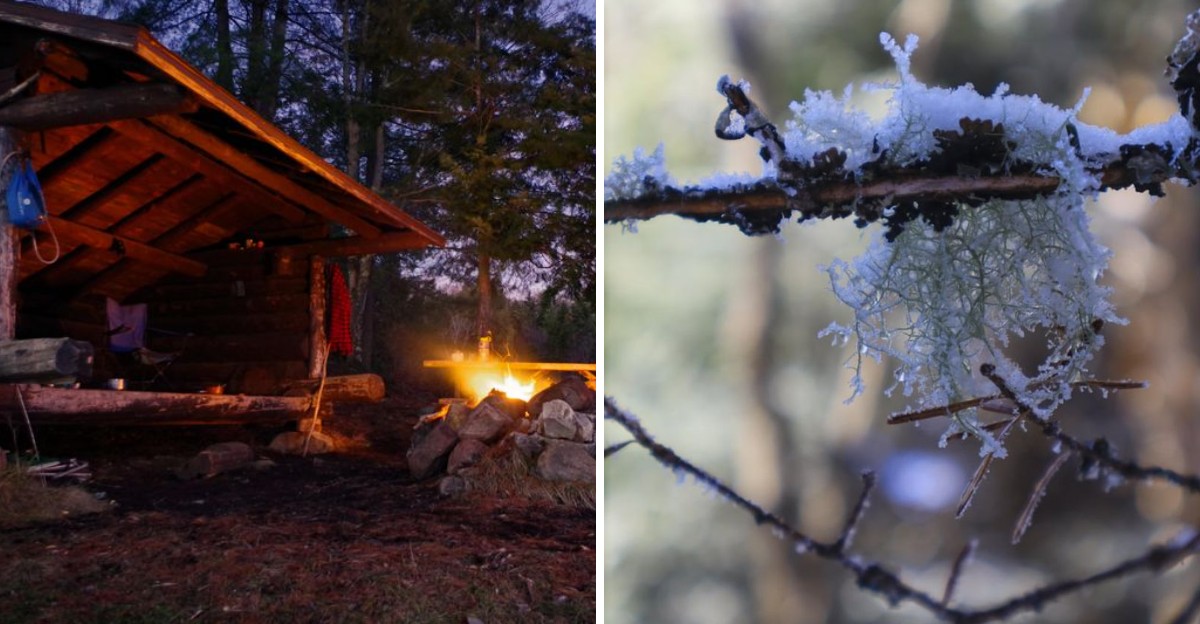
Grass crunches under your boots as you step onto the cabin porch on an early September morning. Your coffee steams like a tiny campfire, and the tomato plants look sad and droopy.
Meanwhile, friends in New York City are still wearing shorts and complaining about the heat. The Adirondacks play by their own weather rules, and frost here often arrives weeks before it reaches the rest of the state.
Mountains, bogs, lakes, and even the shape of your yard all have a say in when that first icy coating appears. Some spots freeze while others just a short walk away stay green.
Knowing why it happens can save your garden, your plumbing, and maybe your weekend plans. A little preparation goes a long way when cold nights sneak in fast.
1. High Elevation And Northern Latitude Team Up
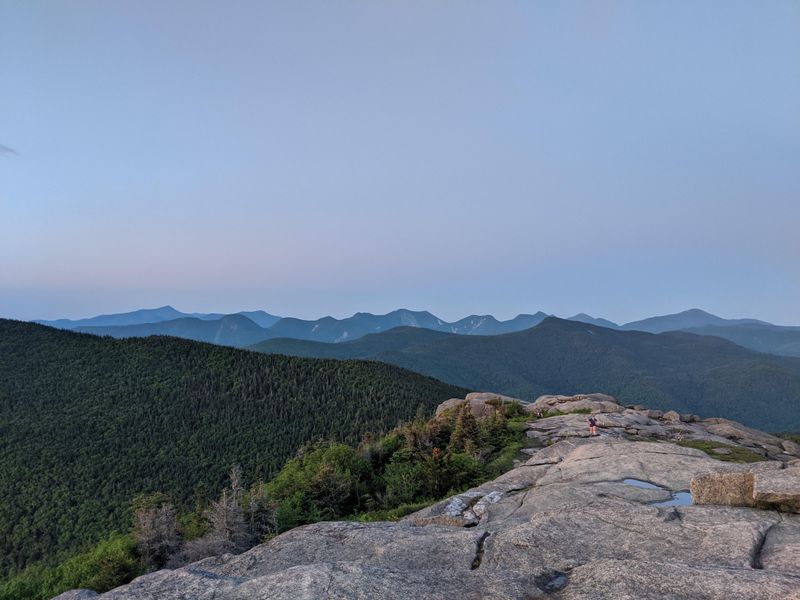
Imagine two weather bullies working together, and you have the Adirondacks. Height and northern location join forces to chill cabins fast.
Air gets thinner as you climb higher up a mountain. Thin air holds less heat, so temperatures drop as elevation rises.
Scientists often say air cools a few degrees for every thousand feet of climb. A cabin at 2,000 feet feels much crisper than a house near sea level.
Latitude adds a second punch to the cold. The Adirondacks sit far north in New York, close to the Canadian border.
Northern spots get weaker sunlight as summer fades into fall. Days shorten quickly, giving the ground less time to warm up.
Put those two factors together, and nights cool off in a hurry. Heat from the day escapes into the sky once the sun goes down.
Some parts of the Adirondacks fall into USDA Hardiness Zone 4a, the coldest zone in New York. Much of downstate New York sits in Zones 6 or 7 instead.
Fun fact: Lake Placid hosted the Winter Olympics twice. Its chilly climate made it a natural pick for snowy sports.
Curious about your own cabin? Look up its exact elevation using a free online map tool.
Knowing that number helps you guess how early frost might visit. Higher cabins usually need to prepare sooner than lower ones nearby.
Write your elevation on a note inside a kitchen cabinet. It makes a handy reminder when planning gardens and fall chores each year.
2. Frost Can Show Up As Early As Late August
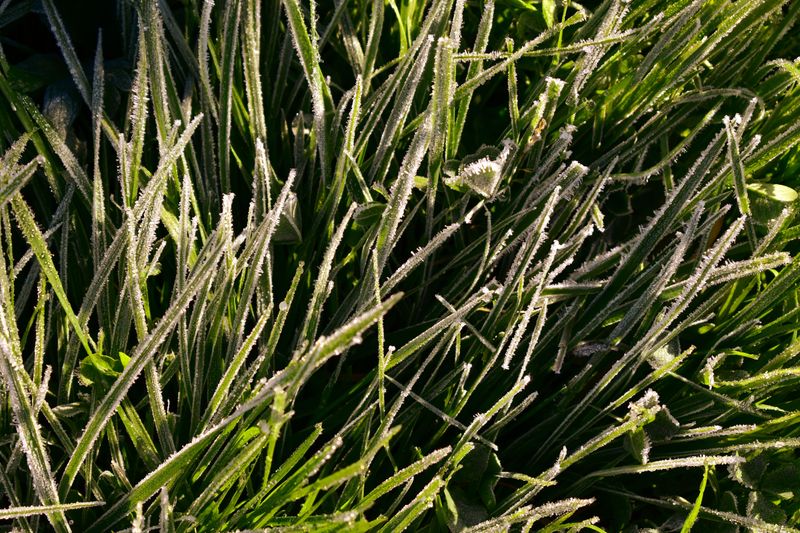
Summer vacation might still be going when the first frost strikes. Many Adirondack visitors are surprised by icy grass before Labor Day.
The typical growing season here runs about three and a half months. It stretches roughly from late May until mid-September.
Some colder pockets see frost even in late August. A few spots rarely go a full month without one.
Frost comes in different strengths, and the numbers matter. A light freeze happens between 28 and 32 degrees Fahrenheit.
A hard freeze drops below 28 degrees. Hardier plants can shrug off a light freeze, but a hard freeze harms far more.
Clear, calm nights are the sneakiest frost makers. Without clouds acting like a blanket, heat drifts away quickly.
Your New York Garden Changes Every Week. Your Plan Should Too.
Gardening in New York changes quickly throughout the season. Every Friday you’ll receive a simple weekly plan showing exactly what to plant, prune, fertilize, harvest, and protect so you never miss the right timing.
Watch for a still evening with a bright, starry sky. Those are the nights to grab your garden covers and a flashlight.
A simple outdoor thermometer is worth its small price. Place it about five feet off the ground for accurate readings.
Pay attention when evening readings sink into the low 40s. Temperatures can keep falling by morning, sometimes slipping below freezing.
Many longtime cabin owners keep a frost journal. They jot down the date of the first frost each year.
Over time, those notes reveal a pattern for your exact property. Your journal may become more useful than any calendar on the wall.
3. Low Spots And Bogs Freeze First
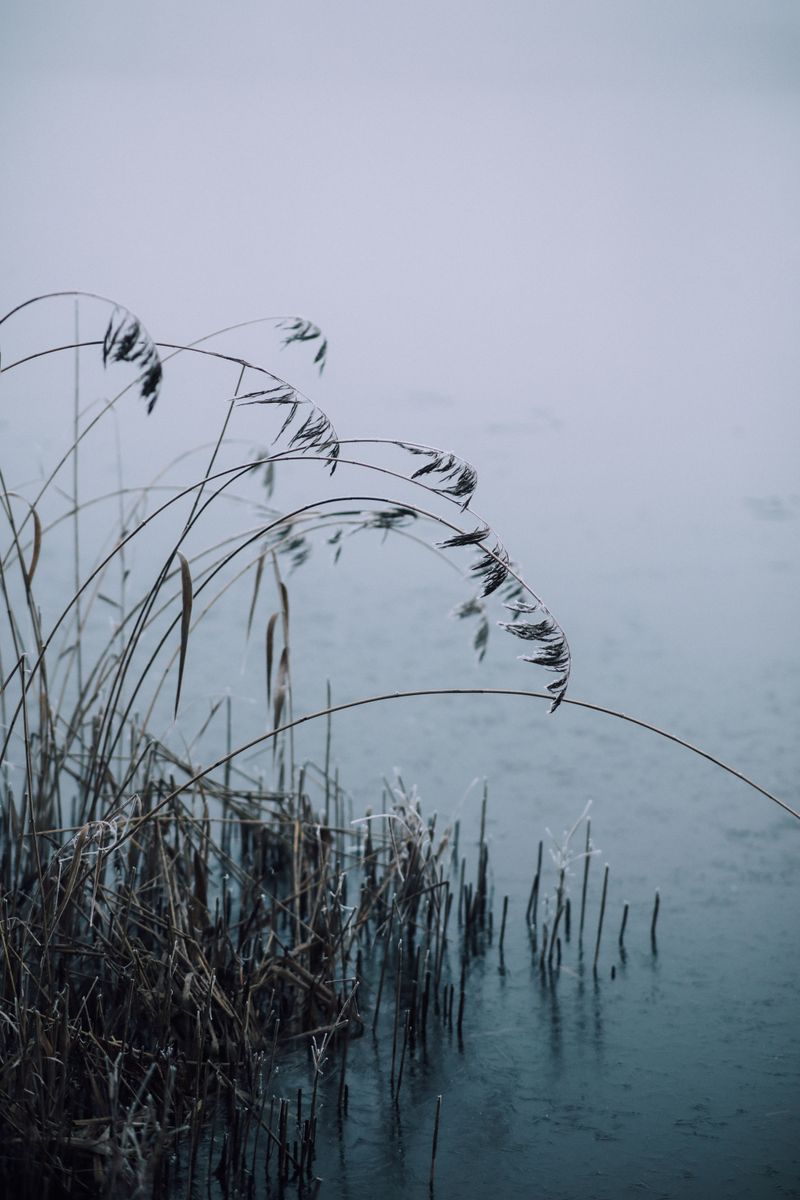
Cold air behaves a lot like spilled syrup. It slides downhill and pools in the lowest places it can find.
Chilly air is heavier than warm air, so gravity pulls it down slopes. Valleys, dips, and hollows collect it overnight.
Gardeners call those areas frost pockets. They can be several degrees colder than land just a short walk uphill.
Adirondack bogs and swamps are classic examples. Being naturally low, these wetlands often wear frost while nearby hills stay clear.
Early risers sometimes spot a white blanket over a bog at dawn. Meanwhile, the ridge above may look green and untouched.
Your own yard might hide a mini frost pocket too. Look for spots where fog settles or dew lingers longest.
Avoid planting tender flowers or veggies in those low areas. Choose gentle slopes or higher ground for your garden beds instead.
Air drainage makes a big difference as well. Fences, hedges, or woodpiles at the bottom of a slope can trap cold air.
Leaving a gap lets chilly air flow away from your plants. Trimming thick shrubs can help cold air keep moving too.
Here is a neat trick for testing your land. Set a few cheap thermometers in different spots overnight.
Compare the readings the next morning. You may be amazed at how much temperatures vary across one small property.
4. Lakeshores Often Stay A Little Warmer
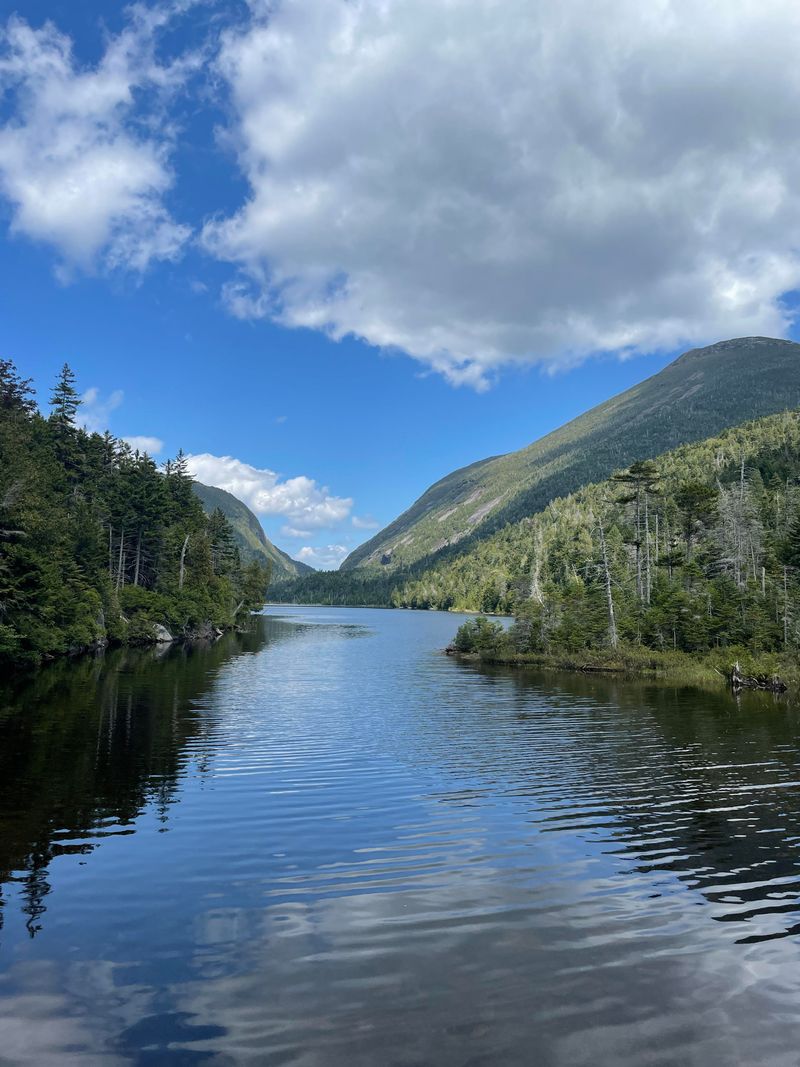
Lucky lakefront owners get a small gift from the water. Their cabins often escape frost a little longer than inland neighbors.
Water heats up and cools down much slower than land. Scientists call this a high specific heat capacity.
All summer long, Adirondack lakes soak up sunshine. When fall arrives, they slowly release that stored warmth into the air.
Nearby shorelines benefit from this gentle heat. Frost may skip lakeside yards on nights when back roads turn white.
Deeper lakes hold the most heat. Their large volume of water acts like a giant warm battery.
Big, deep lakes also tend to freeze later in winter. Some stay open well after shallow ponds have iced over.
Ever notice mist floating over a lake on a cool morning? That steam shows warm water meeting chilly air above it.
If you garden near a lake, use this advantage wisely. Place tender plants on the side facing the water.
Keep in mind the effect is modest, not magic. A strong cold snap can still bring frost right to the shoreline.
Small ponds offer much less protection than large lakes. Their shallow water cools off quickly once nights grow longer.
Keep checking your thermometer even with a lake view. Enjoy the bonus warmth, but stay ready for surprises.
5. A Short Growing Season Shapes What You Can Grow
Gardening in the mountains feels a bit like a race against the clock. You get fewer warm days to grow your favorite foods.
Some Adirondack spots offer only 90 to 108 frost-free days. Parts of downstate New York can enjoy nearly twice that.
Picking the right plants makes all the difference. Look for varieties rated hardy for Zone 3 or 4.
Native plants are a smart choice here too. They have adapted to local soil, bugs, and cold snaps over thousands of years.
Wild bergamot, Joe Pye weed, and blueberries do well in many cabin yards. Pollinators will thank you for them.
Seed packets hold valuable clues. Check the days to maturity printed on the back before buying.
Pick crops that finish in 60 days or fewer when possible. Fast growers give you a harvest before frost arrives.
Starting seeds indoors gives plants a helpful head start. A sunny window or cheap grow light works well in spring.
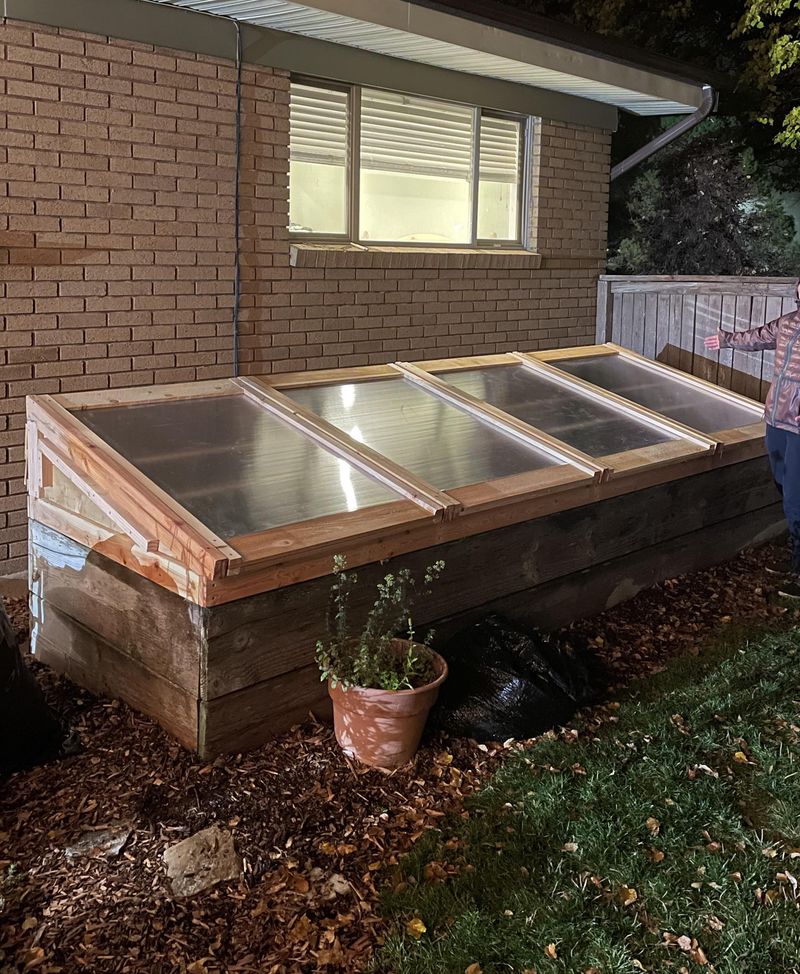
Cold frames are another handy tool. These low boxes with clear lids trap heat and stretch your season on both ends.
Raised beds warm faster in spring than flat ground. They also drain well after heavy mountain rains.
Plan your garden layout during winter. A little planning helps you use every warm week wisely once spring finally arrives.
6. Tender Plants Need Covers By Early September
Tomatoes, peppers, and basil are total softies about the cold. Even a chilly night can leave them wilted and blackened.
Many delicate plants start struggling below 50 degrees. In the Adirondacks, those nights often begin by early September.
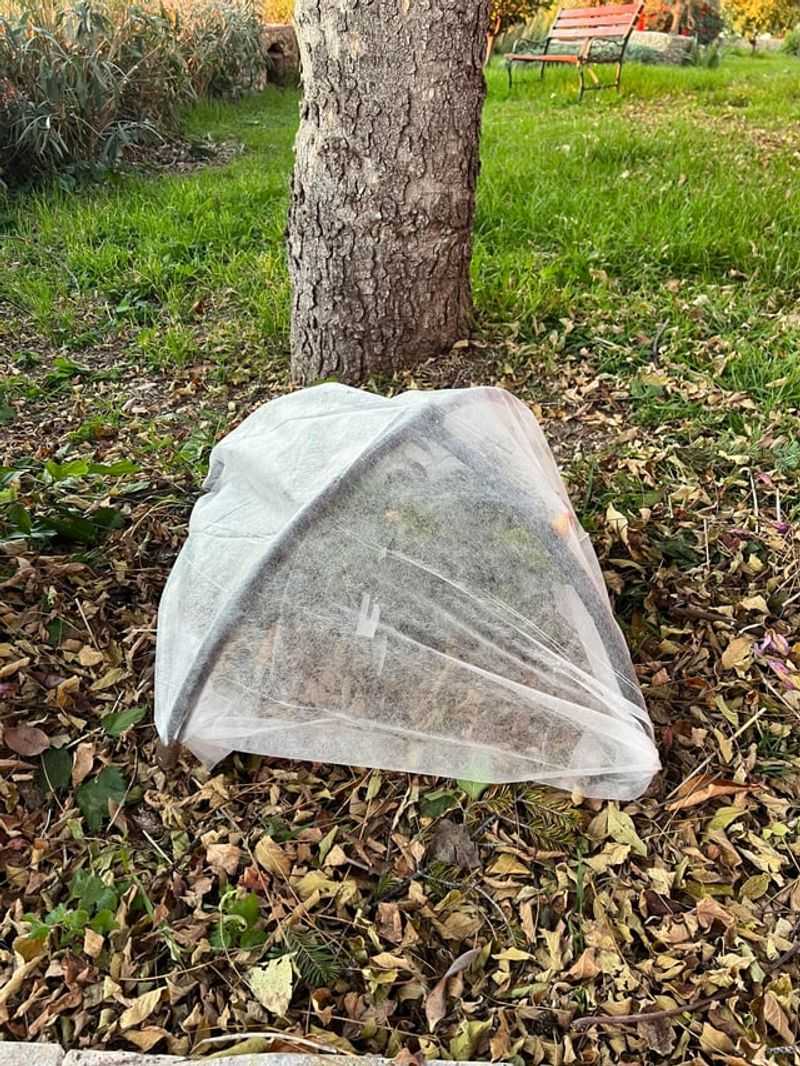
Covering plants is your easiest line of defense. Frost cloth, garden fabric, old sheets, or burlap all work nicely.
Skip plastic sheeting touching the leaves. It can let cold pass through and damage the plants underneath.
Drape covers loosely over the plants like a tent. Let the fabric reach the ground to trap warmth rising from the soil.
Secure the edges with rocks, bricks, or garden pins. Mountain breezes can sneak under a loose cover in minutes.
Here is a helpful surprise: water your garden before a cold night. Moist soil holds heat better than dry soil.
Remove covers the next morning once temperatures climb. Leaving them on too long can overheat plants on sunny days.
Potted plants have an easier escape route. Move them onto a porch or inside the cabin for the night.
Keep a frost kit near your door in late summer. Stock it with sheets, clothespins, and a few heavy stones.
When the forecast turns chilly, you can cover everything fast. Your peppers will be grateful come harvest time.
7. Cool-Season Crops Handle Early Frost Best

Some vegetables actually cheer when the temperature drops. Kale, carrots, and cabbage laugh off the chill that ruins tomatoes.
Cool-season crops thrive in brisk weather. They make a natural fit for gardens across the Adirondacks.
Here is a tasty bonus. Many of these plants taste sweeter after a light frost.
Cold weather prompts them to make extra sugars. Those sugars act like antifreeze, protecting their cells from damage.
Very hardy vegetables can handle hard frosts and freezing nights. Top picks include kale, cabbage, Brussels sprouts, spinach, parsnips, and carrots.
Onions, peas, potatoes, turnips, and broccoli also belong in that tough group. They keep producing well into fall.
Frost-tolerant crops are a bit more delicate. Beets, radishes, lettuce, Swiss chard, arugula, cauliflower, and celery handle light frost only.
Give those softer greens a cover on the coldest nights. A quick sheet can extend your salad season by weeks.
Try planting a second round of spinach or radishes in August. They mature fast and enjoy the cooler weather ahead.
Parsnips and carrots can even stay in the ground late. Many gardeners dig them after the first frosts for peak sweetness.
Tuck mulch around root crops as nights get colder. Straw keeps the soil from freezing too quickly around them.
8. Outdoor Pipes And Faucets Need Attention Early
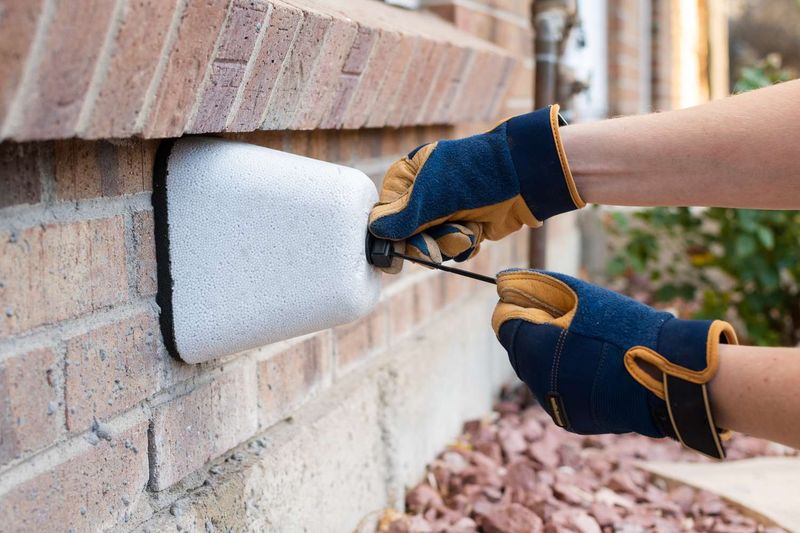
Nobody wants to discover a burst pipe after a cozy weekend away. Early frost makes cabin plumbing especially vulnerable in the mountains.
Water expands when it freezes. That pressure can crack pipes, hoses, and faucets in a single cold night.
Plan to winterize before the first hard freeze arrives. In the Adirondacks, that can mean September or early October.
Start with garden hoses. Disconnect them, drain every drop, and store them inside a shed or garage.
Next, find the indoor shutoff valve for each outdoor faucet. Turn it off to stop water from reaching the outside line.
Head back outside and open the faucet. Any water left inside will drain out instead of freezing.
Leave those faucets open through winter. Doing so prevents pressure from building up inside the pipe.
Foam faucet covers are cheap and easy to install. They slip over the spigot and add a layer of insulation.
Check where pipes enter your cabin walls too. Seal gaps with caulk or spray foam to block icy drafts.
Seasonal cabins need extra care before closing up. Many owners hire a plumber to blow out lines with compressed air.
Tape a checklist near your water heater. Next fall, you will have every step ready and nothing left to guess.
9. Local Weather Stations Beat Regional Forecasts
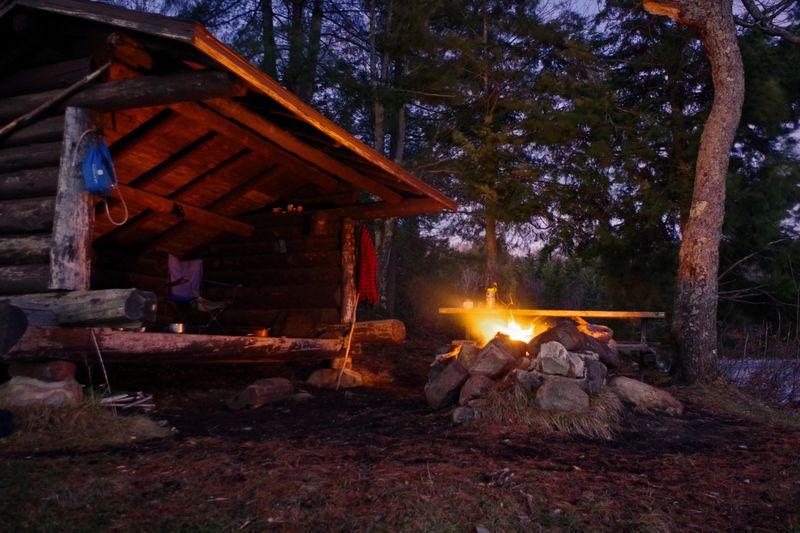
Ever notice the weather app promising 40 degrees while your cabin lawn turns white? Regional forecasts often miss mountain details.
Big forecasts cover wide areas and use average conditions. Mountains break those averages into countless tiny microclimates.
Elevation, valleys, and nearby lakes all change local temperatures. Two cabins a mile apart may see very different mornings.
Cold air drainage adds another twist. A valley cabin might freeze while a hillside home stays several degrees warmer.
Hyper-local data gives you a clearer picture. Look for nearby weather stations on free sites like Weather Underground.
Many hobbyists across New York share readings from backyard stations. Pick one close to your elevation for the best match.
Better yet, set up your own station. Basic models cost less than a nice pair of hiking boots.
Mount the sensor about five feet up, away from walls and pavement. Those surfaces hold heat and throw off readings.
Some stations send frost alerts straight to your phone. You can cover plants even from far away by calling a neighbor.
Local extension offices share frost date info too. Cornell Cooperative Extension offers helpful guides for mountain gardeners.
Mix station data with your frost journal for sharper predictions. Before long, you will read Adirondack skies like a seasoned local.