Your Virginia Trees Made It Through The Drought But Winter May Be Their Biggest Threat
Virginia frost is already approaching the lawn you rescued from summer. You watched grass crunch underfoot while your trees endured a long dry spell.
Relief feels earned, so you assume the hard part is behind you. Think again, because stressed roots and canopies meet new challenges now.
Freezing nights, cold winds, and hidden winter pests affect trees that start winter with low reserves. Picture a runner crossing the finish line, then facing a steep climb.
Virginia winters are demanding on landscapes that are still recovering. Your trees rely on you for a blanket, a heater, and a gentle forecast.
Act during these narrow autumn weeks, before hard freezes arrive. Soil temperature, moisture, and timing decide whether spring brings thriving growth or bare patches.
Protective steps now give your trees a stronger start to spring. Support them with a watering trick that feels backward.
1. Frost Cracks Can Trouble Sun-Warmed Trunks
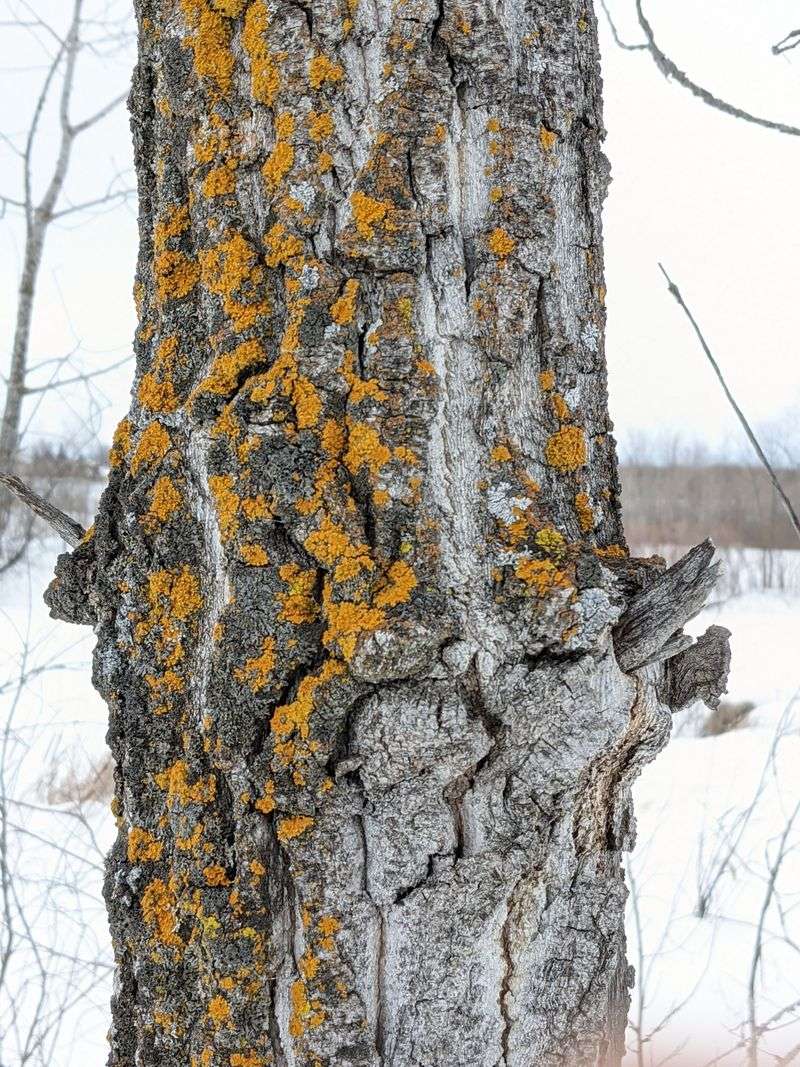
Ever heard a loud pop from the woods on a freezing night? That sound might be a trunk opening up from a sudden temperature drop.
Frost cracks happen when sunny afternoons warm the bark, then icy nights shrink it fast. The outer wood tightens quicker than the inner wood, and something has to give.
Drought stress can add to the problem, though sudden temperature swings are the main trigger. Trees with low reserves tend to recover more slowly from these splits.
Maples, oaks, lindens, and fruit trees around Virginia tend to show these long vertical seams. You usually spot them on the south or southwest side, where the sun shines longest.
A crack may close up by spring, but it often reopens each winter. Over time, that opening invites decay, insects, and fungus to move right in.
Watering deeply in October helps trees enter winter with good moisture reserves. Aim for a slow soak around the drip line once a week if rain stays scarce.
Light-colored tree wrap on young trunks can also reflect strong winter sunshine. Remove it in early spring so moisture and bugs do not hide underneath.
Please skip sealing paint or tar on a crack you find. Trees often heal well on their own, and an arborist can check larger openings if they worry you.
Trunk cracks look dramatic, yet healthy trees can seal them over time. Patience and good watering give the tree the best chance to recover.
Check trunks once a month through winter on a sunny day. Early notice lets you call a professional before a small seam grows larger.
2. Dry Soil Can Leave Roots Less Protected In Cold Weather
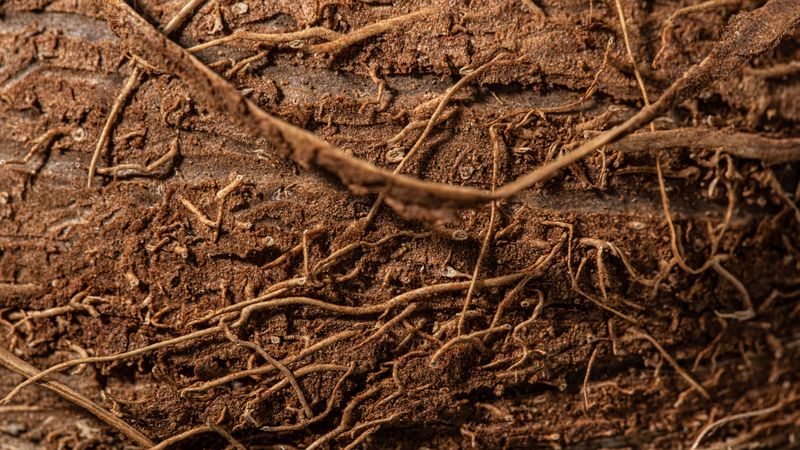
Many homeowners overlook one simple fact. Moist soil tends to buffer roots from temperature swings, almost like a cozy blanket.
After a long dry summer, Virginia soil can stay parched well into fall. When the first hard freeze arrives, dry ground offers roots less protection from the cold.
Roots near the surface feel the change first. Shallow-rooted trees like dogwoods, birches, and young maples notice it early.
Your Virginia Garden Changes Every Week. Your Plan Should Too.
Gardening in Virginia changes quickly throughout the season. Every Friday you’ll receive a simple weekly plan showing exactly what to plant, prune, fertilize, harvest, and protect so you never miss the right timing.
Chilled, stressed roots struggle to pull up water once spring arrives. Your tree might leaf out slowly or show thin, pale growth come April.
The solution is straightforward and costs little more than your time. Give each tree a long, slow drink before the ground freezes hard.
A soaker hose or a bucket with tiny holes works great. Let water trickle for an hour, then probe the soil to check how deep it soaked.
Focus on the area under the outer branches, not just against the trunk. That is where many of the hungry feeder roots spread out.
Keep watering weekly or biweekly through November when rain falls short. On warm winter days above 40 degrees Fahrenheit, an extra drink can help too.
Check local watering rules first, since some Virginia localities limit outdoor watering. Mulch adds another layer of comfort for chilly roots. Spread shredded leaves or bark two to three inches deep under the canopy.
Test moisture by pushing a screwdriver into the soil. If it slides in easily, the ground holds enough water for now.
3. Winter Burn Can Dry Evergreen Foliage
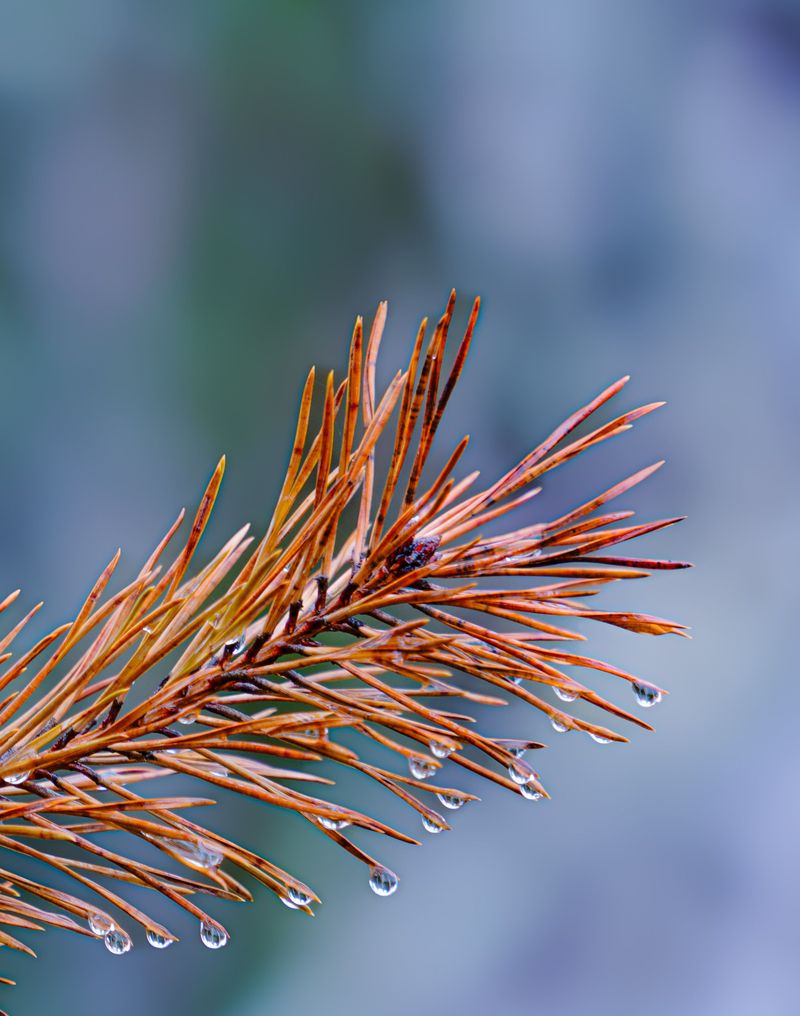
Picture a holly that looks lovely in December, then suddenly turns dry and brown by March. That unwelcome change has a name, and it is called winter burn.
Evergreens hold their leaves through winter, so they keep losing water through winter too. Sun and wind pull moisture out of needles even on frosty days.
The trouble starts when the ground is frozen. Roots cannot replace lost water, so the foliage slowly dries out and browns.
Drought-stressed hollies, boxwoods, arborvitae, and pines across Virginia face added risk after a dry summer. They already started winter with low water reserves.
So what can you do before the cold settles in? Start with a deep watering session now, while the soil is still soft.
Next, spread a two- to three-inch layer of shredded bark mulch around the base. Keep it a few inches from the trunk, like a donut instead of a volcano.
Burlap screens on the windy side can block drying gusts. Simple wooden stakes with fabric stapled across work nicely for small shrubs.
If browning shows up anyway, wait until late spring before pruning. Many branches push out fresh green growth once warm weather returns.
Newly planted evergreens need extra attention, since their roots have not spread far yet. Check the soil weekly until the ground firms up.
Anti-desiccant sprays are another option on mild days, though results vary. Follow the label, and apply them within the temperature range it lists.
4. Heavy Ice Can Stress Brittle Branches
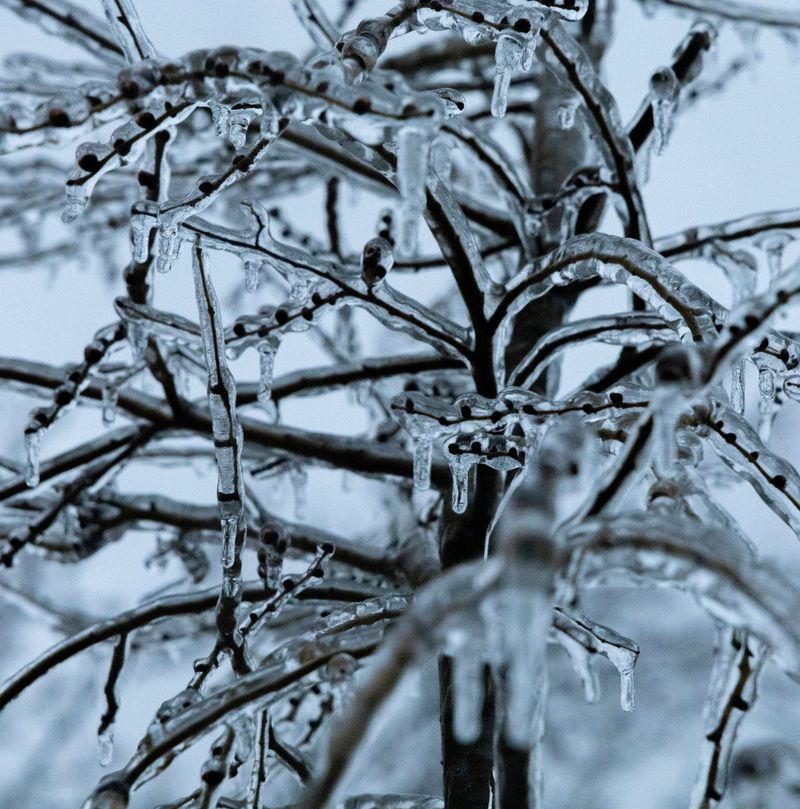
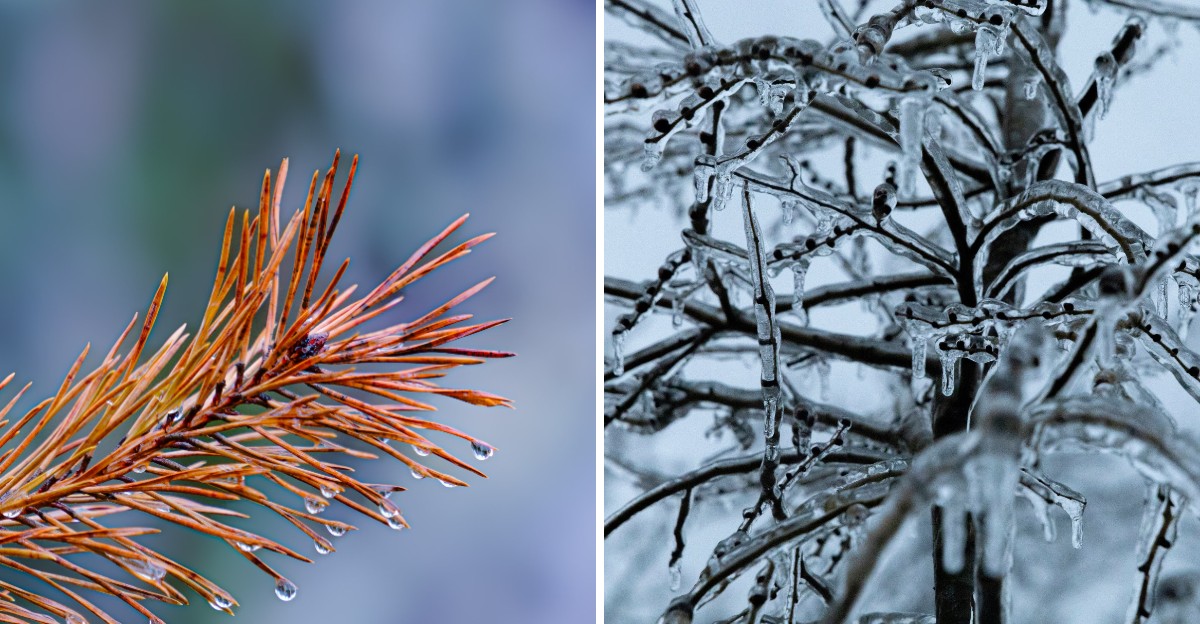
Many people who have lived through a Virginia ice storm know that creaking sound. Branches drop, power lines sag, and the neighborhood goes quiet.
Ice can add hundreds of pounds to a single tree. Even healthy limbs struggle under that much weight.
Now add a dry summer into the mix. Trees with low reserves may cope less well with that load, so limbs can give way.
Bradford pears, silver maples, and willows are well known for shedding limbs. Their narrow branch joints and fast-growing wood make them likely candidates.
October is a smart time to take a careful walk around your yard. Look up for cracked limbs, hanging branches, or deep gaps where two trunks meet.
Small, bare-looking twigs can be trimmed with clean hand pruners. Cut just outside the swollen collar where the branch meets the trunk.
Big limbs over your roof, car, or driveway are a different story. Call a certified arborist rather than climbing a ladder with a chainsaw.
Shaking ice off frozen branches might seem helpful, but it often causes more trouble. Let the ice melt naturally, then clean up broken pieces safely afterward.
Cabling and bracing can support weak branch unions on valuable shade trees. A certified arborist can recommend hardware that fits your tree’s shape and age.
Keep a safe distance from sagging limbs and downed lines after a storm. Report them to your utility company right away.
5. Hungry Deer Can Nibble Tender Bark
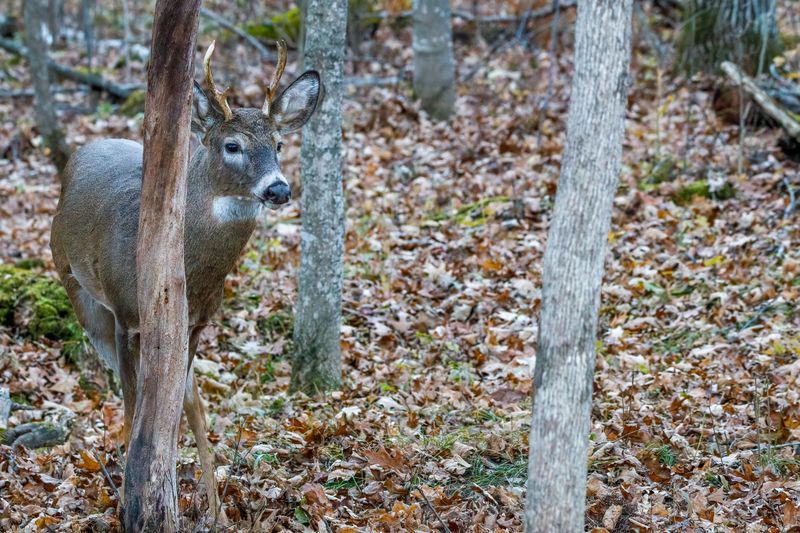
Those cute deer wandering through your yard have a big appetite this winter. After a dry summer, wild food can be patchy in parts of Virginia.
Patchy acorn crops and stressed shrubs can push some deer closer to homes. Your young trees suddenly look like an easy food source.
Deer chew bark, nibble buds, and rub their antlers on smooth trunks. Bucks often scrape saplings in fall, peeling bark right down to the pale wood.
Bark carries water and food up and down the tree. Bark removed all the way around can leave a tree struggling to recover.
Fruit trees, arborvitae, yews, and young maples top the menu list. Newly planted trees are especially vulnerable.
A simple wire cage around each young tree is an effective protection. Make it at least five feet tall and a foot away from the trunk.
Plastic trunk guards limit antler rubbing on smaller saplings too. They are cheap, easy to slip on, and reusable each year.
Scented repellents can help, but rain washes them away quickly. Reapply them after heavy rain, and switch brands so deer do not get used to one scent.
Fencing works best when it goes up before the fall rut begins. Install it early, and young trees stay protected through the coldest weeks.
Plant choices matter too. Daffodils, boxwoods, and native spicebush tend to be less appealing to deer than tender fruit trees.
6. Sunscald Can Mark Young Tree Trunks
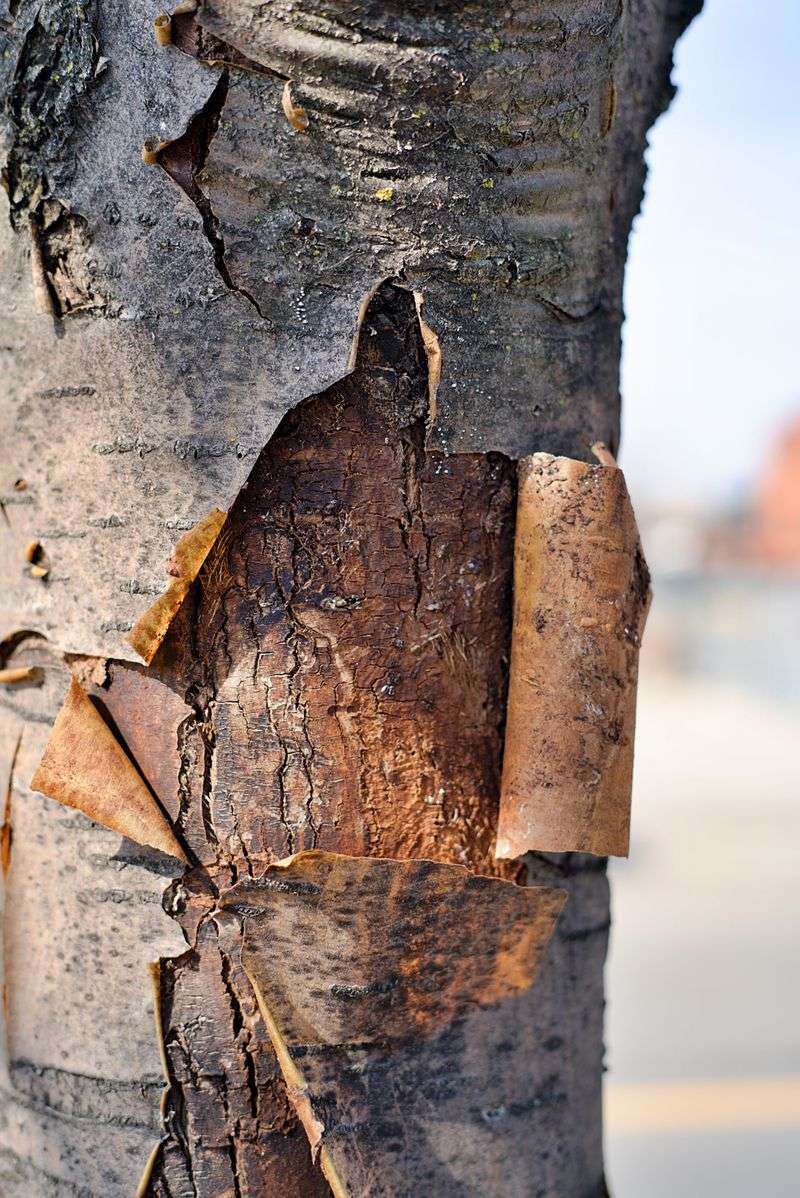
Sunburn in January sounds silly, right? Yet thin-barked trees can actually get sun-stressed on bright, chilly winter afternoons.
On sunny days, bark on the southwest side warms up fast. Cells inside wake up, thinking spring has arrived early.
Then the sun drops, and temperatures fall after dark. Those active cells freeze quickly, leaving sunken, cracked, or peeling patches.
Young trees with smooth bark feel the effects sooner. Cherries, maples, crabapples, and honeylocusts planted in the last few years face added risk.
Drought stress can leave bark slower to heal. An affected spot can stay open for years, inviting borers and fungus.
Wrapping trunks with white tree guard reflects sunlight and keeps bark temperatures steadier. Start at the ground and wrap up to the lowest branches.
Some orchard growers paint trunks with diluted white latex paint instead. Mix it half and half with water, and it stays put through winter.
Remember to take wraps off in April. Leaving them on through summer traps moisture and gives insects a comfy hiding place.
Check wraps during winter to make sure they stay snug. A loose wrap flaps in the breeze and leaves bark open to the sun.
Planting location helps as well. Placing new trees where buildings or taller neighbors cast afternoon shade lowers the swings in bark temperature.
7. Road Salt Can Stress Nearby Roots
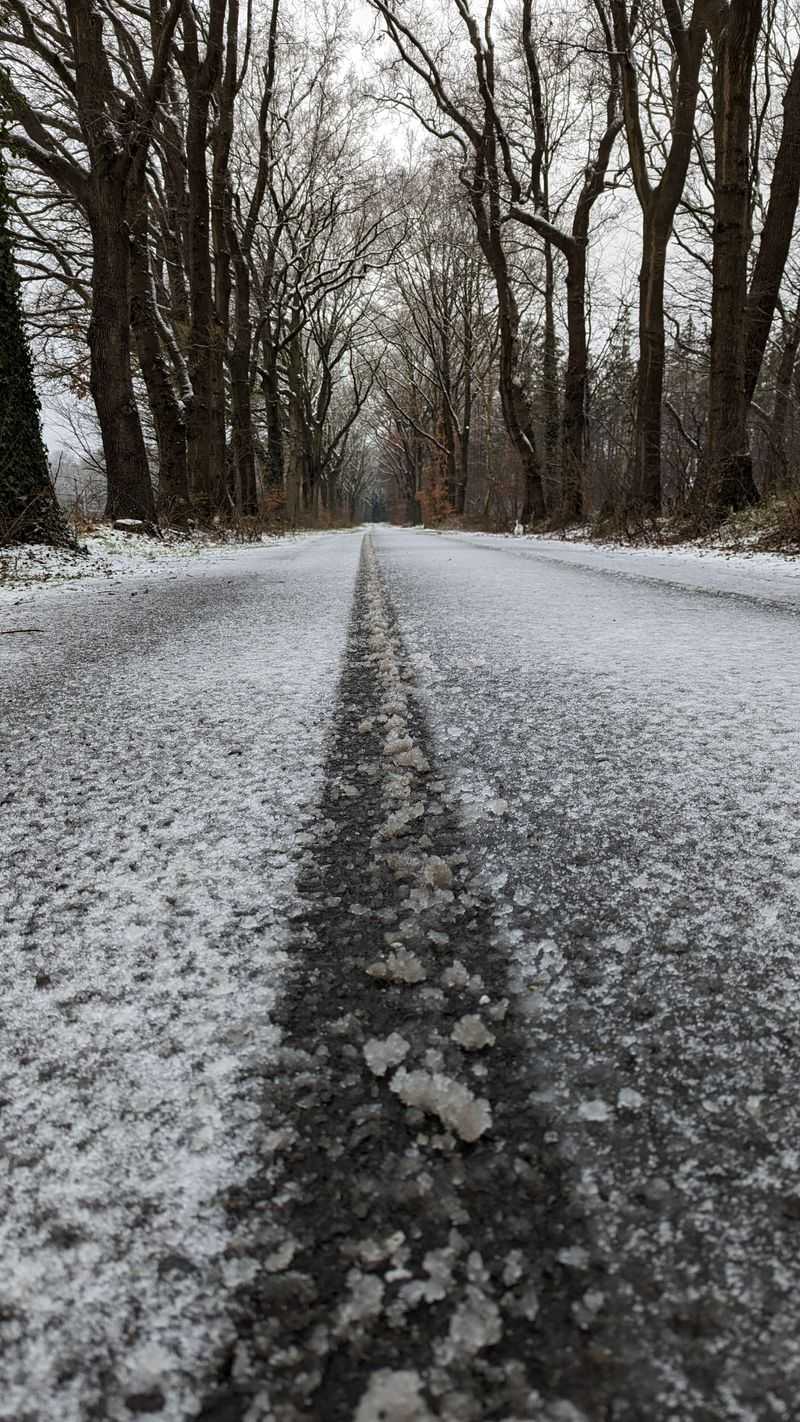
That bag of rock salt in your garage keeps sidewalks safe, but your trees may not love it. Salt seeps into soil and causes trouble that shows up months later.
When snow melts, salty water runs straight into planting beds. Roots soak it up, and salt pulls moisture away from them.
For trees already weakened by drought, that extra stress matters. Leaves may brown, buds may fail, and branches can thin out by summer.
Spray from passing cars adds even more salt to trees along busy Virginia roads. Pines and sugar maples are especially sensitive to it.
Luckily, a few small changes make a big difference. Try using sand, kitty litter, or calcium magnesium acetate on walkways near trees.
Shovel snow away from tree beds instead of piling salty slush on them. Small details like this protect roots more than you might expect.
Burlap screens can block road spray for trees near the street. Set them up in November before plows start rolling.
Come spring, give salty areas a long, deep watering. Fresh water helps flush leftover salt below the root zone.
Choose tolerant plants near roads and driveways. Serviceberry, hackberry, and honeylocust handle salty conditions better than many neighbors in the landscape.
Gypsum may help soils that hold extra sodium. Ask your local extension office to include a sodium test with your soil test.
8. Hidden Pests Can Overwinter In Stressed Wood
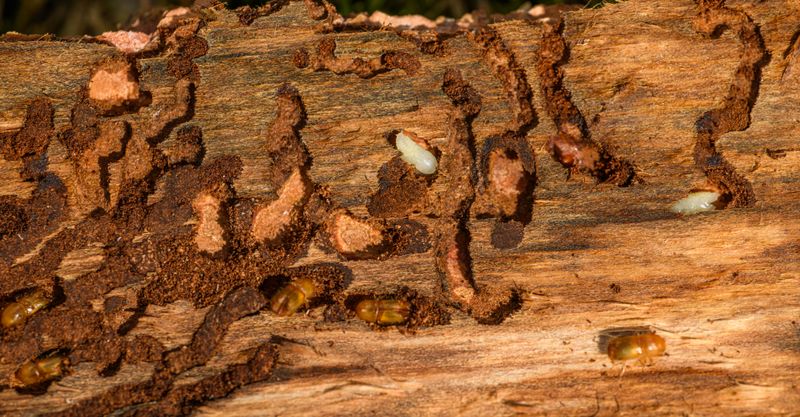
Bugs do not just disappear when the weather turns cold. Many simply tuck themselves into bark and wait for spring.
Bark beetles, borers, and scale insects are drawn to trees that are already stressed. A drought-weakened tree gives off chemical signals that can attract them.
Once inside, larvae can remain in the wood through winter. By the time you notice changes, the problem may be well underway.
Southern pine beetles and emerald ash borers have caused real trouble across Virginia. Ash, pine, and birch trees deserve extra attention, since each has its own borer or beetle.
Watch for tiny round holes, sawdust piles, or sticky sap blobs on the trunk. Woodpeckers visiting one tree a lot can also be a clue.
Healthy trees handle pests much better, so good winter care matters. Deep watering and mulch give your trees the strength to resist.
Avoid pruning oaks and elms in spring and summer, since fresh cuts attract beetles. Late winter, while bugs are sleepy, works well for bigger trims.
If you suspect an infestation, contact your local Virginia Cooperative Extension office. Their experts can identify the cause and suggest the right treatment.
Fallen leaves and old fruit can shelter pests near the trunk. Rake them up and bag them before winter settles in.
Avoid moving firewood from place to place. Logs can carry hidden insects that spread to healthy trees in your neighborhood.