The Weed That Sprouts Overnight In Louisiana Lawns Every October And Nobody Warns You About It
Your April barefoot hop gets decided this month. Lawn burweed seeds wake when Louisiana soil cools after summer heat.
Seedlings stay smaller than a fingernail, so you walk right past them. Feathery leaves resemble parsley, so you mow past them without a thought.
Winter passes quietly while those plants spread across thin patches of turf. Tiny seed clusters form at leaf joints by early spring.
Each seed hardens into a sharp tip as warm weather arrives. Kids discover this fast, usually through a startled bounce.
Dogs notice too, pausing to lift a paw. Sprays work best on young seedlings, not mature spring plants.
Late fall treatment gives you the real advantage in Louisiana lawns. Patchy St. Augustine and centipede turf invites heavier crops.
Soil temperature, not the calendar, sets your window. Spot the October soil signal that decides your April.
Lawn Burweed, The Tiny Plant Behind Spring Stickers
Those spring stickers come from lawn burweed, a low winter weed also called spurweed or sticker weed. Its scientific name is Soliva sessilis, and it loves Southern lawns.
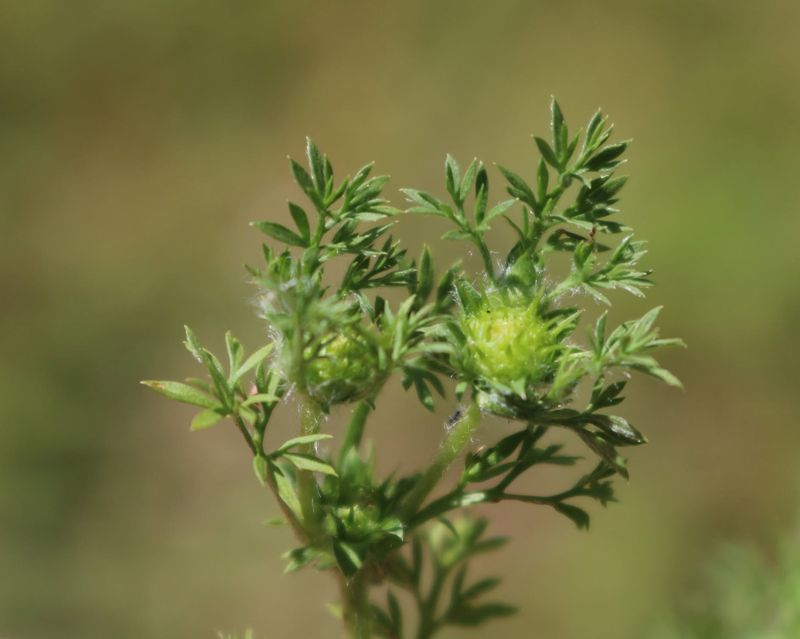
In fall, the plant looks harmless, with soft, feathery leaves similar to parsley or carrot tops. Many people mow right over it without noticing the little green tufts.
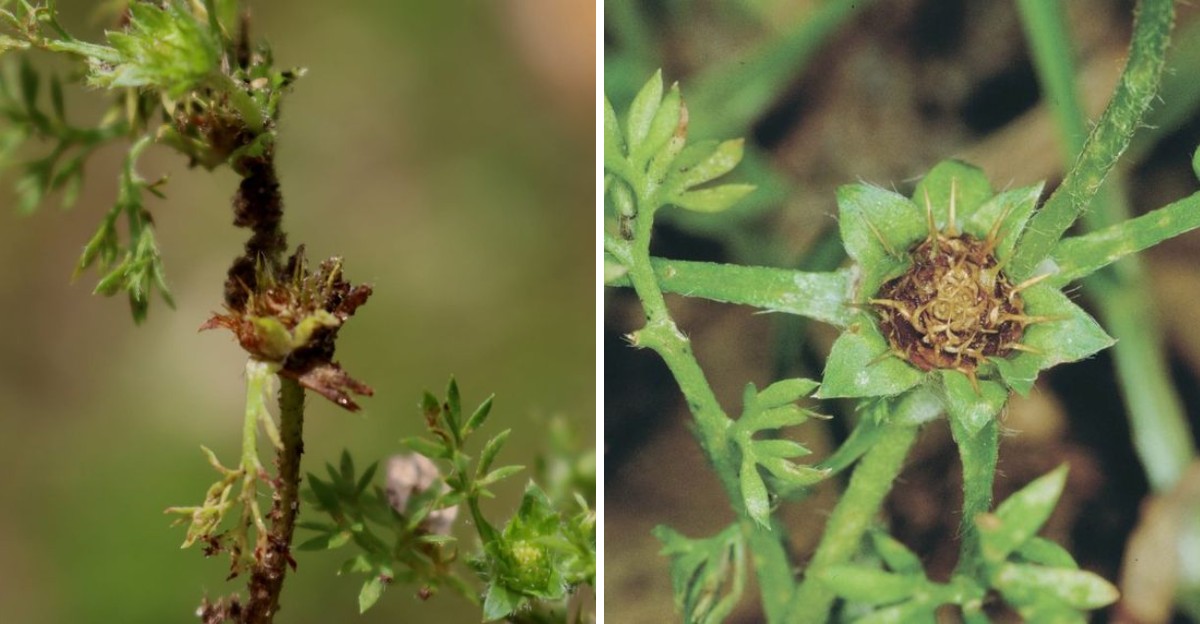
Trouble begins in spring, when each plant forms tiny seed clusters right where leaves meet the stem. Each seed carries a sharp spine that hardens as warm weather arrives.
Step on a mature patch and those spines poke straight into skin, shoes, and paws. Many Louisiana families first notice the weed during Easter egg hunts or spring ball games.
Burweed is a winter annual, which means it lives for just one cool season. It sprouts in fall, grows slowly through winter, and finishes its life cycle by early summer.
As late spring heat arrives, the plant turns brown and fades. It leaves behind many seeds that sprout again next fall.
Thin turf, bare spots, and compacted soil give burweed its favorite places to sneak in and settle. Sunny yards with patchy St. Augustine or centipede grass often host the biggest crops.
Learning to spot those parsley-like leaves now gives you a useful head start. A quick walk across the yard this month can reveal plenty about how next spring will feel underfoot.
Cool October Nights That Wake Up Hidden Seeds
Louisiana weather shifts noticeably around early October. Nights often drop into the 50s and 60s, and soil temperatures slide below 70 degrees.
That cooler soil signals burweed seeds just under the surface to germinate. Within a few weeks, large numbers of tiny seedlings can emerge across a front yard.
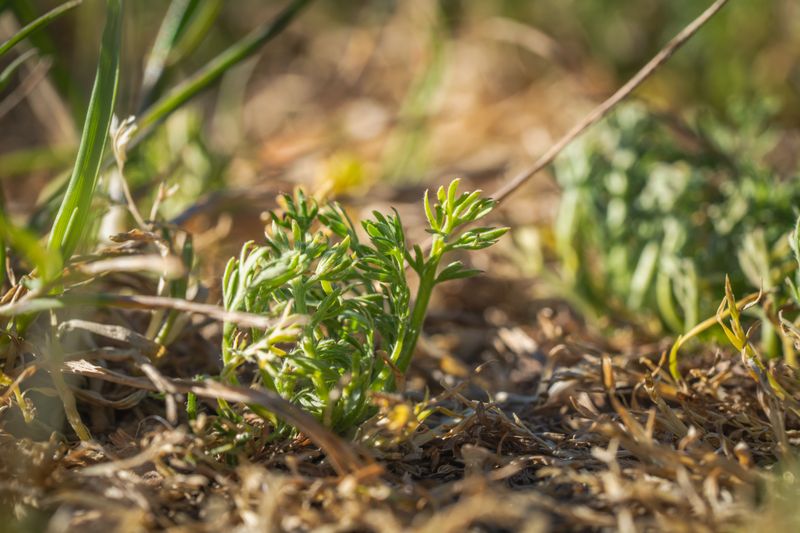
Seedlings start out smaller than a fingernail, so they hide easily among grass blades. From a standing height, your lawn may look perfectly normal while seedlings emerge.
Get down on your knees, though, and you might spot rosettes of lacy green leaves. They hug the ground closely, which helps them dodge mower blades all winter long.
Fall rains help by keeping the soil damp. A soggy week right after a cool front often triggers a large wave of new sprouts.
Your Louisiana Garden Changes Every Week. Your Plan Should Too.
Gardening in Louisiana changes quickly throughout the season. Every Friday you’ll receive a simple weekly plan showing exactly what to plant, prune, fertilize, harvest, and protect so you never miss the right timing.
Germination keeps going in pulses from October through December, depending on rainfall and temperature swings. Some years bring an early batch, while mild autumns push things back a bit.
Southern Louisiana, from Lafayette to New Orleans, may see sprouts a little later than northern parishes. Shreveport and Monroe usually cool off first, so seeds wake up sooner there.
Keep an eye on the forecast and note the first string of crisp nights. That moment marks the real start of burweed season, even if your grass looks exactly the same as before.
Why Spring Treatment Falls Short
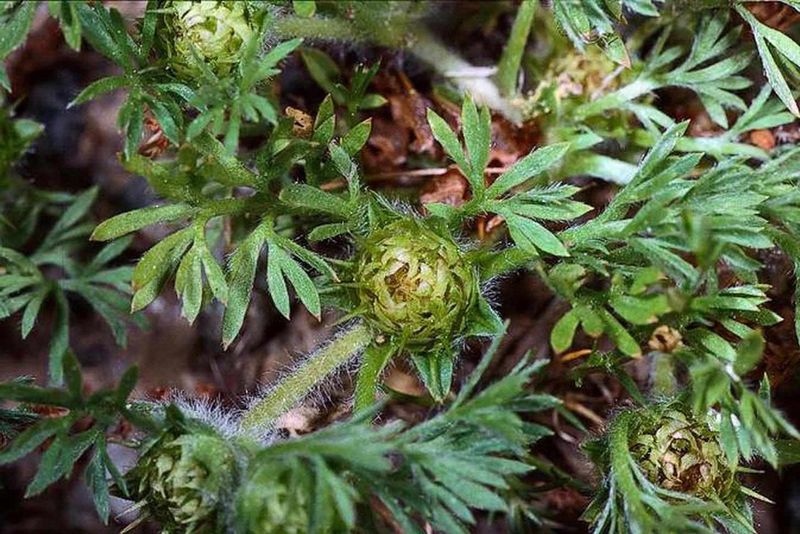
Ask longtime Louisiana gardeners about burweed, and many will share their frustration. Many have found that spring is too late for effective control.
By spring, the plants form their spiny seeds and grow tough. Spraying at that point may brown the leaves, but the stickers stay put in the grass.
Mature plants also tolerate weed treatments better than tender fall seedlings. You end up spending more money, more time, and more patience, all for weaker results.
Another common slip is mistaking burweed for clover, chickweed, or harmless winter greenery. Homeowners see a soft green carpet and assume the lawn is simply resting for winter.
Some people also skip fall weeding because the grass is going dormant anyway. Dormant St. Augustine or centipede does not compete well with weeds, so burweed has open space.
Waiting also lets the problem multiply quietly, year after year, across the whole property. An unchecked plant can drop many seeds, and some can remain in the soil for later seasons.
A small patch near the mailbox can spread across a front yard within a few years if left untreated.
Mark a reminder on your calendar for mid-October, right when cooler weather settles in. Taking action then saves plenty of sore feet and frustration once spring rolls around.
A Fall Treatment Plan From September Through January
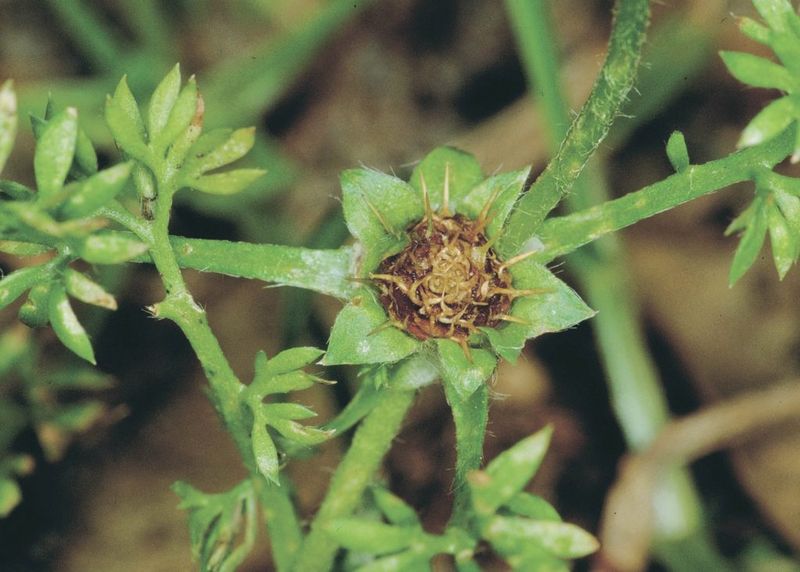
Good timing makes burweed control a manageable task. Late October through December is an effective window, while seedlings are still young and tender.
Look for a selective broadleaf herbicide labeled safe for your grass type. Products containing atrazine work well on St. Augustine and centipede, two common Louisiana lawn grasses.
Three-way blends with 2,4-D, dicamba, and mecoprop suit Bermuda lawns, but use lower rates or avoid them on centipede and St. Augustine. Read the label carefully, since some products can harm certain warm-season grasses.
Spray on a calm day while weeds are actively growing, and follow the temperature limits on your product label. Wind can carry droplets onto flower beds, and cold weather slows how plants absorb treatments.
A second pre-emergent round between mid-November and early January adds steady control. From December through February, spray any young plants that slipped through.
Prefer a gentler path for a small yard or pet area? Hand pulling works nicely after a rain, since the shallow roots slide out with very little effort.
Pre-emergent products applied by early October can also prevent many seeds from sprouting. Skip them if you plan to overseed.
If you missed that window, mark early October for next year and plan a spray from December through February.
Wear gloves, keep kids and pets off treated areas until dry, and store products safely. A little care right now sets up a smooth, comfortable, sticker-free spring for the whole family.
A Barefoot-Friendly Yard By Spring

Remember running across cool spring grass as a kid without a single worry? That simple joy is exactly what fall burweed control brings back to your yard.
By March and April, a treated lawn feels soft, cool, and welcoming under bare feet. Kids can tumble, cartwheel, and chase each other across the grass without stepping carefully around stickers.
Pets notice the difference too, especially dogs who once came inside with stickers in their paws. Fewer stickers also means fewer burs tracked onto rugs, couches, and car seats.
Your grass benefits as well, since burweed no longer competes for water, sunlight, and nutrients. Warm-season turf can green up faster in spring without weedy competition crowding its roots.
Easter egg hunts, crawfish boils, and backyard birthday parties become a lot more pleasant. Guests can kick off their sandals and relax instead of watching each step.
Over a few seasons, the seed bank in your soil shrinks with each successful fall treatment. Fewer seeds mean fewer sprouts, so the job gets easier each year.
Consistent fall treatment over a few seasons can noticeably reduce stickers. Patience pays off, and the yard slowly becomes the comfy outdoor room it was meant to be.
Snap a photo of your lawn this spring and compare it with last year’s prickly pictures. Seeing that smooth, sticker-free grass makes the October effort feel worthwhile.
Thick, Healthy Turf As An Effective Long-Term Defense
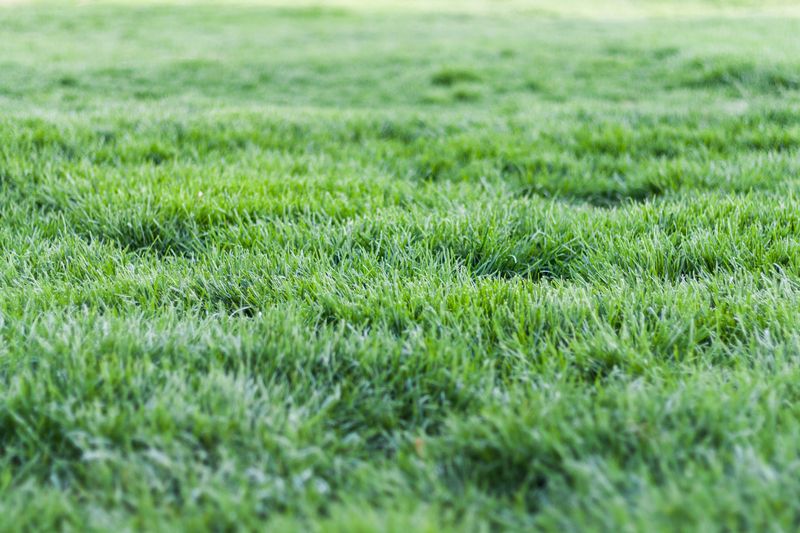
Weeds establish easily in thin lawns. Thick, healthy turf is an effective long-term defense against burweed returning.
Start with proper mowing height, since scalped grass leaves bare soil exposed to sunlight. St. Augustine likes about three to four inches, while centipede prefers one to two.
Water deeply but less often during summer to grow strong, deep roots. Shallow daily sprinkling creates weak turf that struggles to compete with cool-season weeds.
Fertilize at the right time for your grass type, usually late spring through summer. Avoid heavy fall feeding on warm-season lawns, since it can invite disease problems.
Testing your soil through the LSU AgCenter is another smart, affordable step. Check the Soil Lab website for current fees. Results show which nutrients your lawn needs, so you avoid guessing.
Compacted soil also gives burweed an advantage over struggling turf. Core aeration in late spring helps roots breathe and lets water soak deeper into the ground.
Patch bare spots with sod or plugs before fall arrives each year. Each gap you fill is one less spot for a seed to settle.
A pre-emergent application in late September or early October adds another layer of protection before cool nights trigger sprouting. Pair that with an October walk-through to catch any early escapees.
Think of prevention as a yearly rhythm rather than a single chore. Healthy grass, smart timing, and a watchful eye keep those springtime stickers out of your life.