What To Do With Ohio Raised Beds In August So Fall Planting Is Effortless
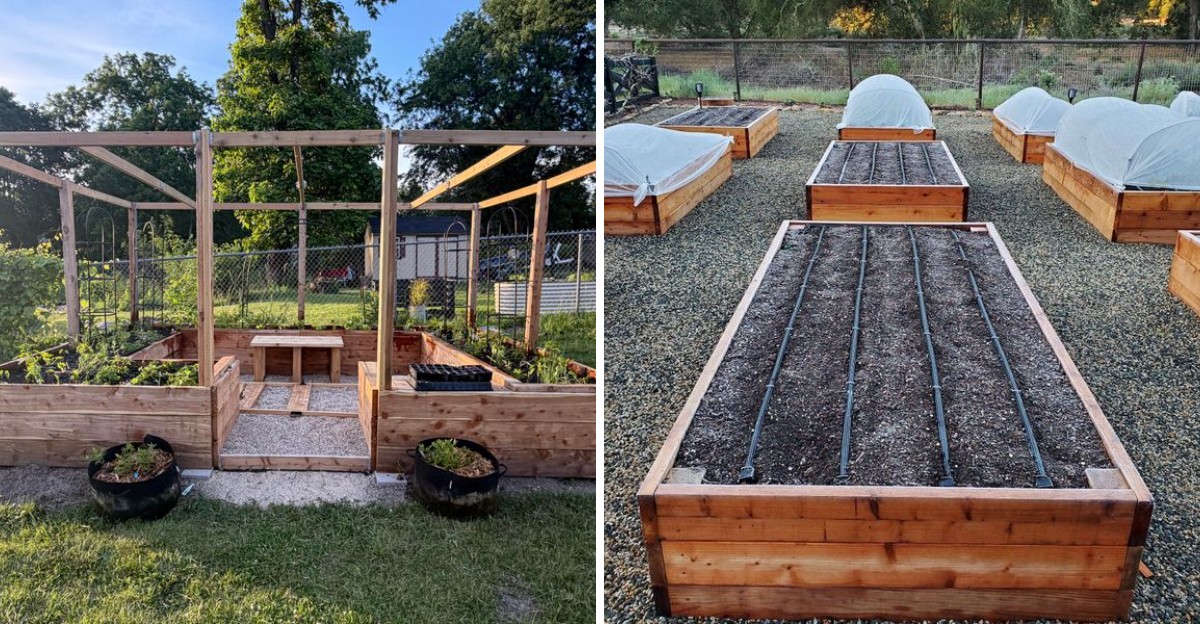
August raised beds usually look like they have been through something.
Tomatoes are slowing down. Bean plants are yellowing. Zucchini leaves may be tired and powdery. A few weeds have slipped in while the summer harvest kept everyone distracted.
That messy middle moment is actually useful.
Ohio gardeners can turn rough late-summer beds into perfect fall planting space with a little cleanup, gentle soil care, compost, moisture, and smart timing.
The key is doing the work now, before cool-season seeds need a clean place to sprout.
Fall planting should not feel like starting over from scratch. It should feel like the next step after summer, with the bed already cleared, softened, fed, leveled, watered, and protected from weeds.
So what should Ohio gardeners do with raised beds in August?
Start with spent crops, then move through weeds, crusted soil, compost, low corners, watering, frost timing, and quick cover for every empty patch.
1. Clear Spent Crops First
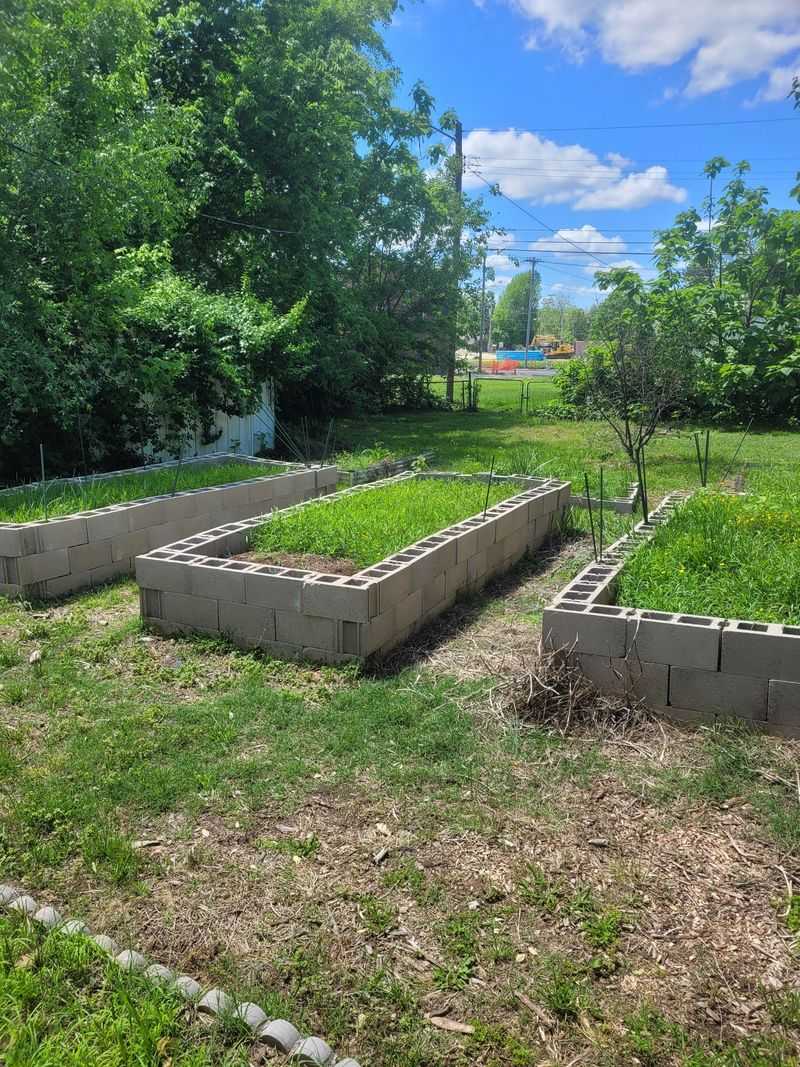
A tired plant is taking up valuable fall space.
Walk the bed slowly and look at each crop honestly. A bean plant with nothing left to pick, a squash vine covered in mildew, or a tomato that has stopped setting useful fruit has finished its job.
Not everything needs to go at once.
Peppers still holding green fruit can stay. Herbs that still look strong can keep growing. Partial clearing works well in August because it opens space without rushing crops that still have something to give.
Start with the obvious removals.
Pull plants that are declining, diseased, pest-covered, or blocking space needed for fall greens. Clearing those first makes the whole bed easier to manage.
Be careful with diseased foliage.
Leaves with heavy mildew, mold, blight-like spotting, or pest damage should not go into a casual compost pile. Bag that material or send it to a hot compost system that can handle it properly.
Annual roots can often stay.
Fine roots from healthy vegetables break down in place and feed soil life. Thick woody stems and large root crowns are better removed because they decompose slowly.
Shake off extra soil.
Keep as much raised-bed mix in the bed as possible. You paid for that good soil, so do not toss it out with the plant.
Clearing spent crops is not just cleanup.
It gives the fall garden room to begin before the weeds decide they are next in line.
2. Pull Weeds Before They Seed
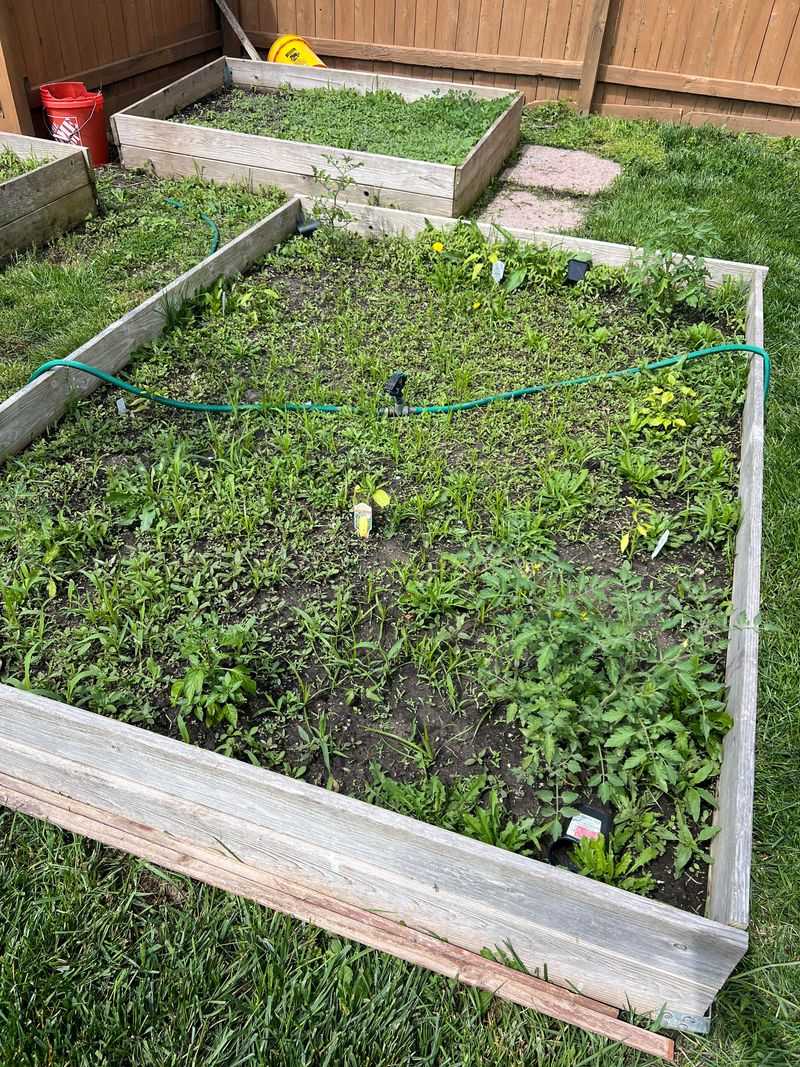
August weeds are racing toward the finish line.
Crabgrass, pigweed, purslane, lamb’s quarters, nutsedge, and other warm-season weeds can move from annoying to seed-producing fast. Pulling them now prevents a much bigger fall and spring problem.
Work after rain when possible.
Moist soil releases roots more easily. A weed that comes out with its root system is far less likely to return than one snapped off at the surface.
Use a hand fork for stubborn roots.
Pulling only the top growth feels productive, but many weeds regrow from crowns, tubers, or root fragments. Loosen the soil around the root before lifting.
Your Ohio Garden Changes Every Week. Your Plan Should Too.
Gardening in Ohio changes quickly throughout the season. Every Friday you’ll receive a simple weekly plan showing exactly what to plant, prune, fertilize, harvest, and protect so you never miss the right timing.
Do not compost problem weeds.
Bindweed, creeping Charlie, nutsedge, and seed-heavy weeds can survive a weak backyard compost pile. Bag them or dispose of them through the safest local yard-waste option.
Focus on bed edges.
Weeds love corners, paths, and the inside edges of raised-bed frames. Those spots often get missed during harvest season.
Pull small seedlings too.
Tiny weeds may look harmless, but they compete with fall seeds for water, light, and space. Removing them now makes germination easier later.
Keep the soil covered afterward.
A freshly weeded bare bed will not stay clean for long without mulch, seed, transplants, or a cover crop.
Weeding in August is not just about this week.
It is how you stop next season’s weed crop before it gets planted for you.
3. Loosen Crusted Soil Gently
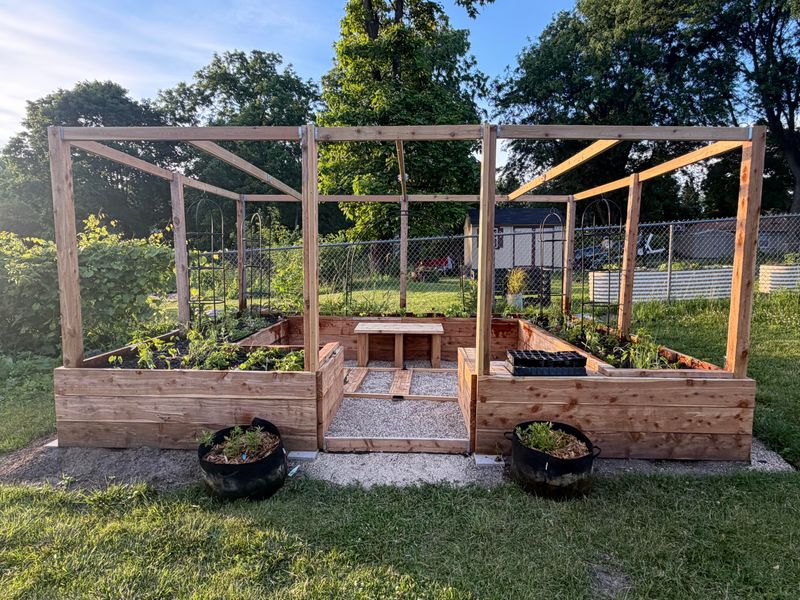
The top of the bed can get sealed shut by summer.
Watering, hard rain, heat, and repeated harvesting can create a crust on the upper layer of raised-bed soil. Seeds struggle through that crust, and water may run across the surface instead of soaking in.
Break only the top layer.
Work the upper two or three inches with a hand fork, cultivator, or small rake. That is usually enough to open the surface for fall planting.
Do not turn the whole bed deeply.
Raised beds depend on loose structure, air pockets, compost, and drainage. Aggressive digging can disturb that balance and bring buried weed seeds closer to the surface.
Look for hard patches.
Areas where water puddled, dried into plates, or resisted a finger press need the most attention. Work those spots until the surface crumbles gently.
Use a broadfork only when needed.
A broadfork can loosen deeper soil without flipping layers, which is useful in older beds that feel compacted. Skip the rototiller in raised beds.
Protect irrigation lines.
Drip tubing and soaker hoses may sit just below the surface. Gentle hand tools reduce the chance of slicing them.
Smooth the bed after loosening.
A light rake gives seeds better contact with soil and makes watering more even.
Soft surface soil makes fall planting feel easier immediately.
Seeds do not need perfection. They need a bed they can actually push through.
4. Add Compost In Thin Layers
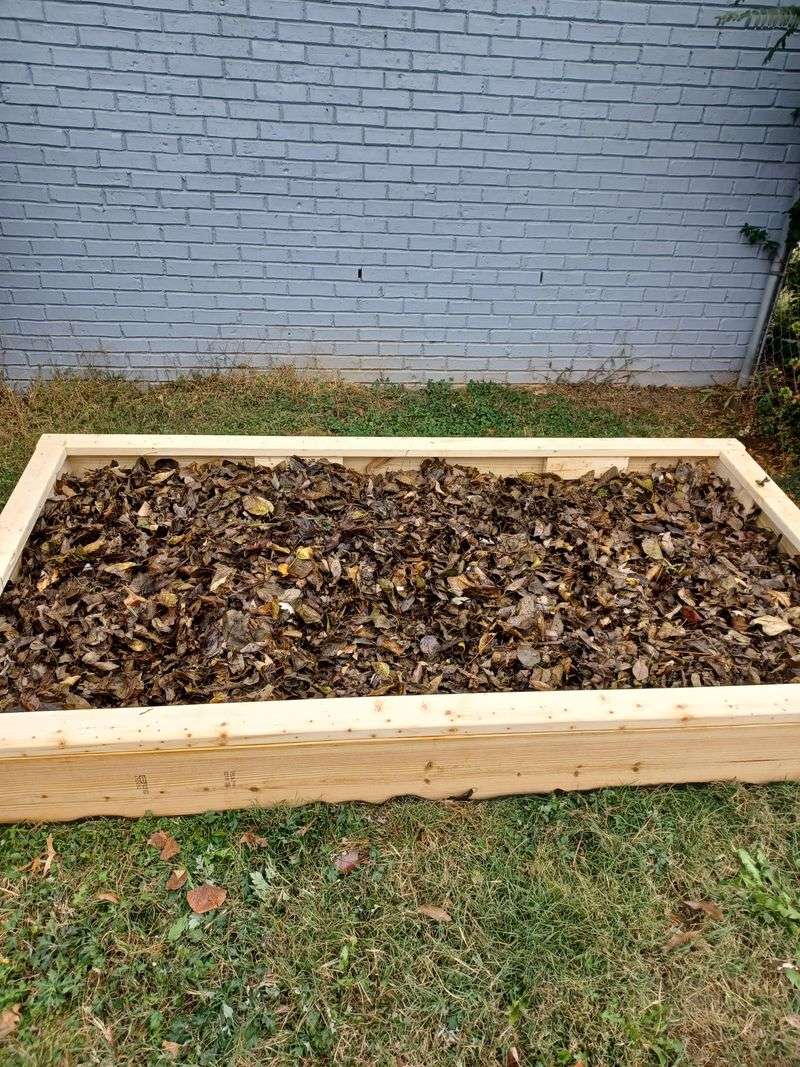
Compost gives tired beds a reset.
Summer crops pull a lot from raised-bed soil. A modest layer of finished compost in August adds organic matter, supports soil life, and improves moisture holding before fall crops go in.
Finished compost is the key.
It should look dark, smell earthy, and contain no obvious food scraps or fresh plant chunks. Compost that is still actively breaking down can heat, smell sour, or bring weed seeds into the bed.
Use a thin layer.
One to two inches is usually enough for a raised bed refresh. More is not always better, especially in beds that already receive regular amendments.
Mix it lightly into the top.
A gentle blend through the upper couple inches helps compost meet the soil without disturbing deeper structure.
Keep compost off plant stems.
Crops still growing in the bed need breathing room around their bases. Compost piled against stems can hold moisture and raise the risk of rot during humid Ohio weather.
Do not use compost as a total fertilizer plan.
It helps soil structure and biology, but it may not correct specific nutrient shortages. Older beds benefit from occasional soil testing.
Fall is a good time to test.
A soil test can show pH, phosphorus, potassium, and organic matter levels before next year’s planting plans begin.
Compost works best as a steady habit.
A thin August layer prepares the bed without overwhelming it.
5. Refill Sunken Bed Corners
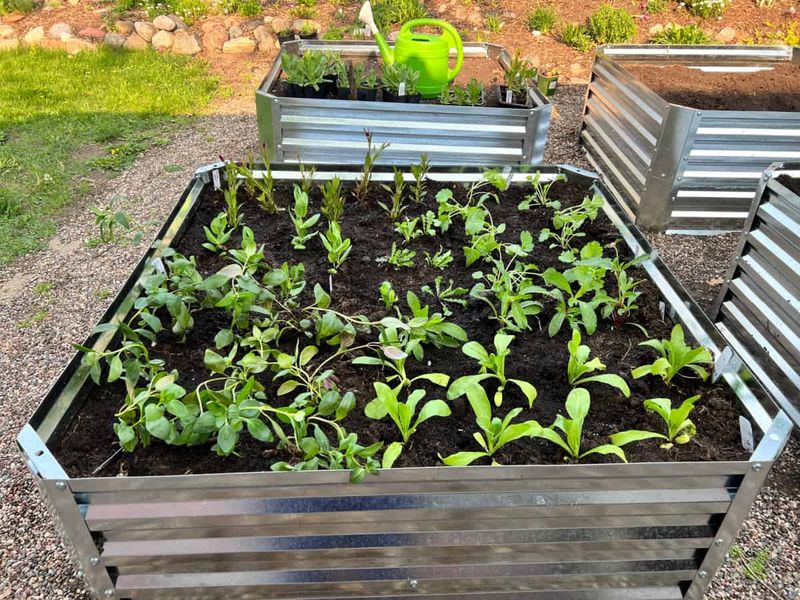
Raised-bed soil settles over time.
By August, corners and edges may sit an inch or two lower than the center. Water collects there, seeds wash into low pockets, and drip lines can become exposed.
Low spots cause uneven planting.
One section may stay soggy after rain while another dries too fast. Fall seeds germinate best in a bed that has a fairly level surface.
Check the corners first.
Soil often settles where the mix meets the frame. Edges can also slump after repeated watering or harvesting.
Use raised-bed mix for refilling.
Random yard soil can compact, introduce weeds, or drain differently than the rest of the bed. A quality raised-bed blend keeps the texture more consistent.
Do not bury existing plant crowns.
Refill around empty areas and low edges carefully. Plants still growing should keep the same soil level around their stems.
Level with a rake or your hands.
The goal is even contact for seeds and steady movement of water through the bed.
Cover exposed irrigation.
Soaker hoses or drip lines should sit where they work properly and stay protected from sun damage, tools, and foot traffic.
Even soil is underrated.
A level bed waters better, seeds better, and makes the whole fall planting process feel less fussy.
6. Water Before Sowing Greens
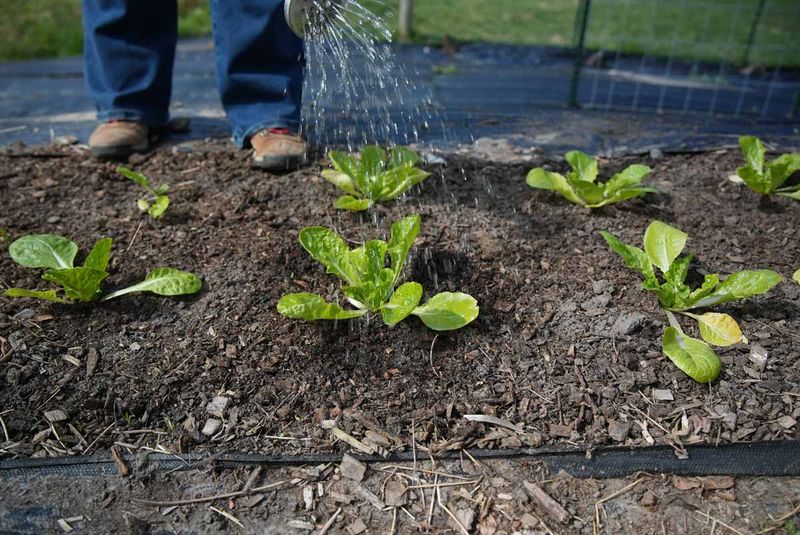
Dry August soil can stop fall greens before they start.
Lettuce, spinach, arugula, mustard, and other cool-season crops have small seeds that need steady surface moisture. Warm, dry soil makes germination patchy and frustrating.
Water the bed the day before planting.
A slow soak gives moisture time to move down into the soil rather than sitting only on top. That creates a better seed zone.
Water lightly again before sowing.
The surface should be damp but not muddy. Seeds need contact with moist soil, not a puddle.
Use a gentle spray.
A watering wand, rose-head can, or soft hose setting keeps seeds from washing into corners. Hard blasts create bare streaks and uneven rows.
Keep the top half inch moist.
In Ohio August heat, that may mean short watering once or twice a day until seedlings emerge. The surface should not crust over.
Row cover can help.
A lightweight cover shades the surface slightly, reduces evaporation, and protects seed from birds while germination begins.
Ease back after seedlings establish.
Once plants have true leaves and roots are reaching down, shift toward deeper, less frequent watering.
Good germination starts before the seed hits the bed.
Moist soil makes fall greens feel easy instead of maddening.
7. Map Crops By Frost Timing
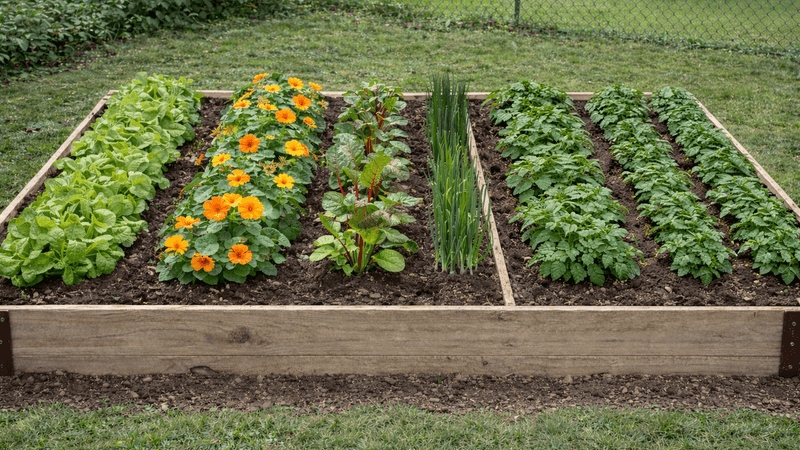
Ohio fall planting is a countdown.
The first frost does not arrive on the same schedule across the state. Northern counties, central Ohio, southern gardens, lake-influenced areas, and low pockets can all have different windows.
Know your local date.
Average first frost is only a guide, but it gives you a starting point. Count backward from that date before choosing crops.
Seed packets tell you the math.
Days to maturity help you decide what still fits. Radishes may need less than a month. Lettuce and spinach need longer. Broccoli from seed may be too slow unless started early.
Transplants buy time.
Kale, collards, broccoli, cabbage, and Swiss chard often work better from transplants in August when the frost clock is tight.
Place tall crops carefully.
As the sun angle lowers in September, taller plants can shade smaller greens. Put taller crops on the north side of the bed when possible.
Use the fastest varieties.
Fall is not the moment for slow, fancy experiments unless the crop can handle frost well. Choose varieties bred for quick maturity or cold tolerance.
Plan in sections.
One area can hold fast radishes, another greens, another transplants, and another cover crop for later soil protection.
A fall bed works best when it follows the calendar.
Planting by frost timing keeps August enthusiasm from turning into October disappointment.
8. Cover Empty Spots Quickly
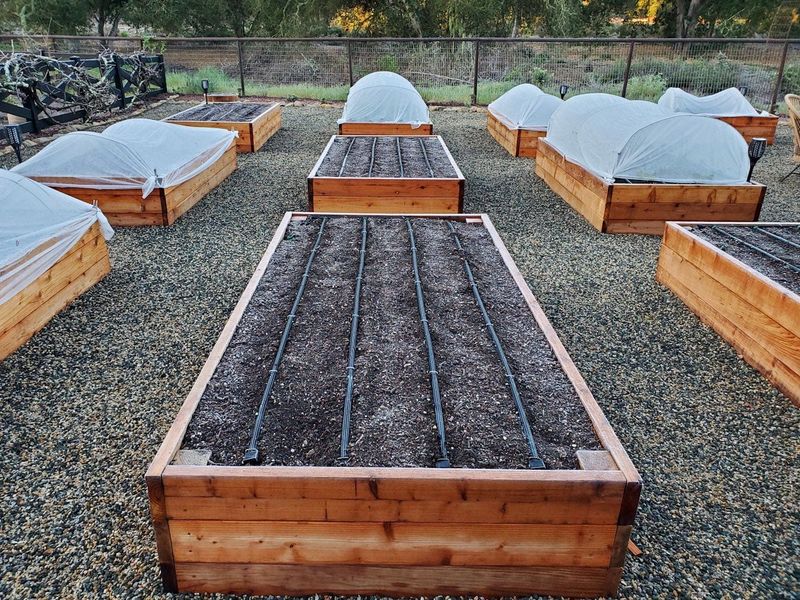
Bare soil will not stay empty for long.
Once a raised bed is cleared, loosened, and composted, weed seeds see opportunity. August warmth and late-summer rain can cover an open patch with new growth fast.
Mulch is the fastest protection.
A two-inch layer of straw, shredded leaves, or clean grass clippings can hold moisture, block light, and reduce crusting until you are ready to plant.
Pull mulch aside for seeding.
Small seeds need direct soil contact. Keep mulch between rows or around transplants, not buried over tiny seeds.
Use cover crops for unused beds.
Oats are a practical Ohio option for late summer because they grow quickly and usually fade with hard winter cold, leaving useful residue behind.
Avoid winter rye without a plan.
It is excellent for soil protection, but it survives winter and can become a spring management job. Use it only when you know how you will terminate it.
Cover small gaps too.
A corner left bare for “just a week” can become a weed nursery. Even temporary mulch is better than exposed soil.
Keep materials ready.
A bale of straw, a bag of shredded leaves, or a bucket of compost nearby makes quick coverage easier after cleanup.
Empty raised-bed space is not resting.
It is waiting to be used by you or by weeds. Cover it before the weeds answer first.