The Secret To Keeping Coneflowers Blooming All Summer Long In Ohio
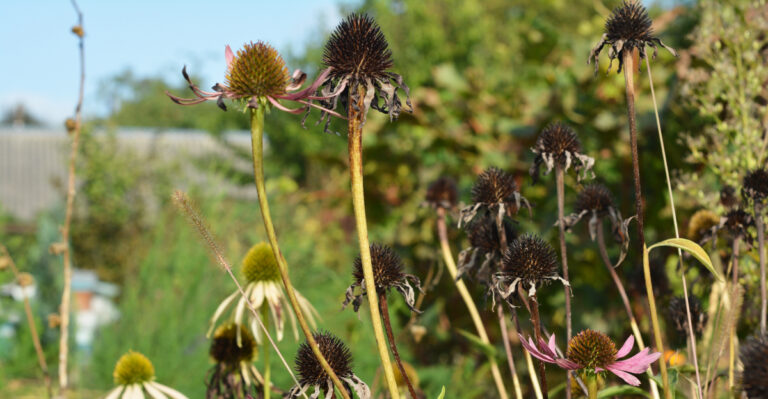
September is when it becomes obvious. Some Ohio yards still have coneflowers standing tall, loaded with color, doing exactly what they were planted to do.
Right next door, someone else’s patch peaked in late June and has been coasting on stems and seed heads ever since. Same plant, same Ohio summer, completely different outcome.
That gap doesn’t come down to luck or a superior green thumb. It comes down to a handful of decisions made quietly throughout the season.
Most gardeners either do not know about them or do not connect them to the results that show up months later. Coneflowers are generous plants.
They want to rebloom. They’re practically built for it.
But that generosity has conditions, and the gardeners getting color deep into fall figured out what those conditions actually are.
1. Start With Full Sun For The Strongest Bloom Show
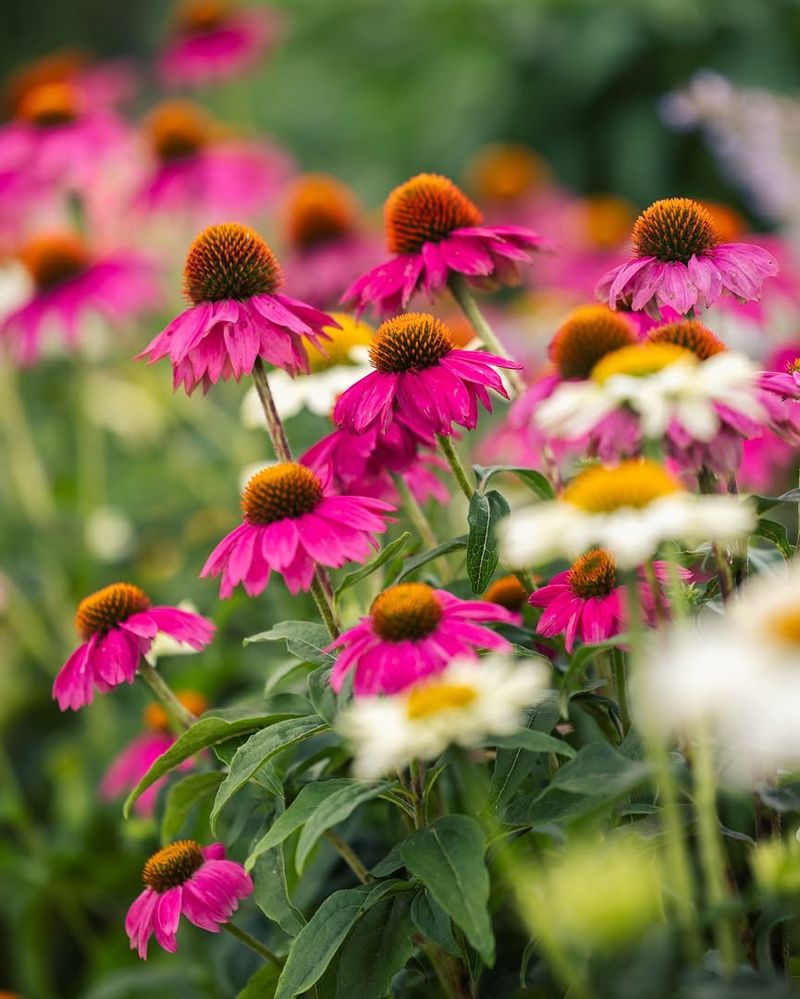
Sunlight is the single biggest factor in how many flowers your coneflowers actually produce. Plants growing in full sun tend to bloom more freely and hold their stems upright better.
That means giving them at least six hours of direct sunlight each day.. If you have a bright, open border or a south-facing flower bed, coneflowers will feel right at home there.
Pollinator beds, meadow-style plantings, and cottage gardens with plenty of open sky are all good fits. A little light afternoon shade can sometimes help during the hottest stretches of summer without hurting bloom production much.
Deep shade is a different story. Plants in heavy shade tend to stretch toward the light, produce fewer flowers, and may look leggy rather than full and sturdy.
Before you plant, take a few days to watch how sunlight moves across your garden. Spots that look bright in the morning can turn shady by noon if a fence or large tree blocks the afternoon sun.
Moving a plant from a half-shady location to a sunnier one can noticeably improve its performance. Full sun really is the starting point for a strong, long-lasting bloom season.
2. Choose Well-Drained Soil Before You Plant
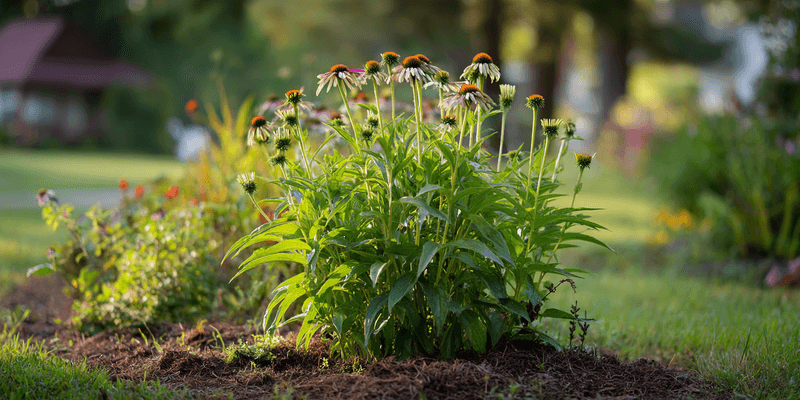
Soggy roots are one of the fastest ways to limit coneflower performance. These plants are native to well-drained prairies and open meadows, so they are built for soil that drains reasonably well between rain events.
Many local gardens have heavy clay soil, which holds moisture longer than coneflowers prefer. Low spots that stay wet after a rainstorm are worth avoiding entirely.
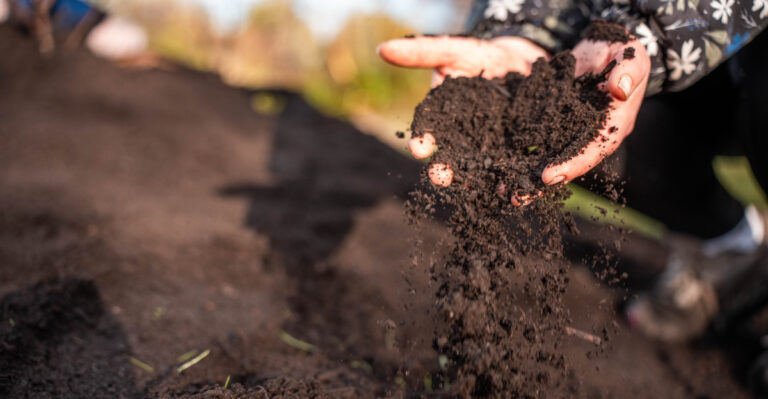
Raised beds, sloped borders, and garden areas with good natural drainage tend to suit coneflowers well. If your soil drains slowly, mixing in compost before planting can improve the texture and help water move through more freely.
You do not need to create perfect, sandy loam, but reducing standing water around the roots makes a real difference over time.
One thing worth knowing is that coneflowers do not need especially rich or heavily amended soil to perform well. Overly fertile soil can sometimes push leafy, floppy growth rather than sturdy flowering stems.
Average, well-drained garden soil with reasonable organic matter is usually enough. Focus more on drainage than on nutrient levels, and your coneflowers will have a much better foundation for a long, productive bloom season from the very start.
Your Ohio Garden Changes Every Week. Your Plan Should Too.
Gardening in Ohio changes quickly throughout the season. Every Friday you’ll receive a simple weekly plan showing exactly what to plant, prune, fertilize, harvest, and protect so you never miss the right timing.
3. Water New Plants Until Their Roots Settle
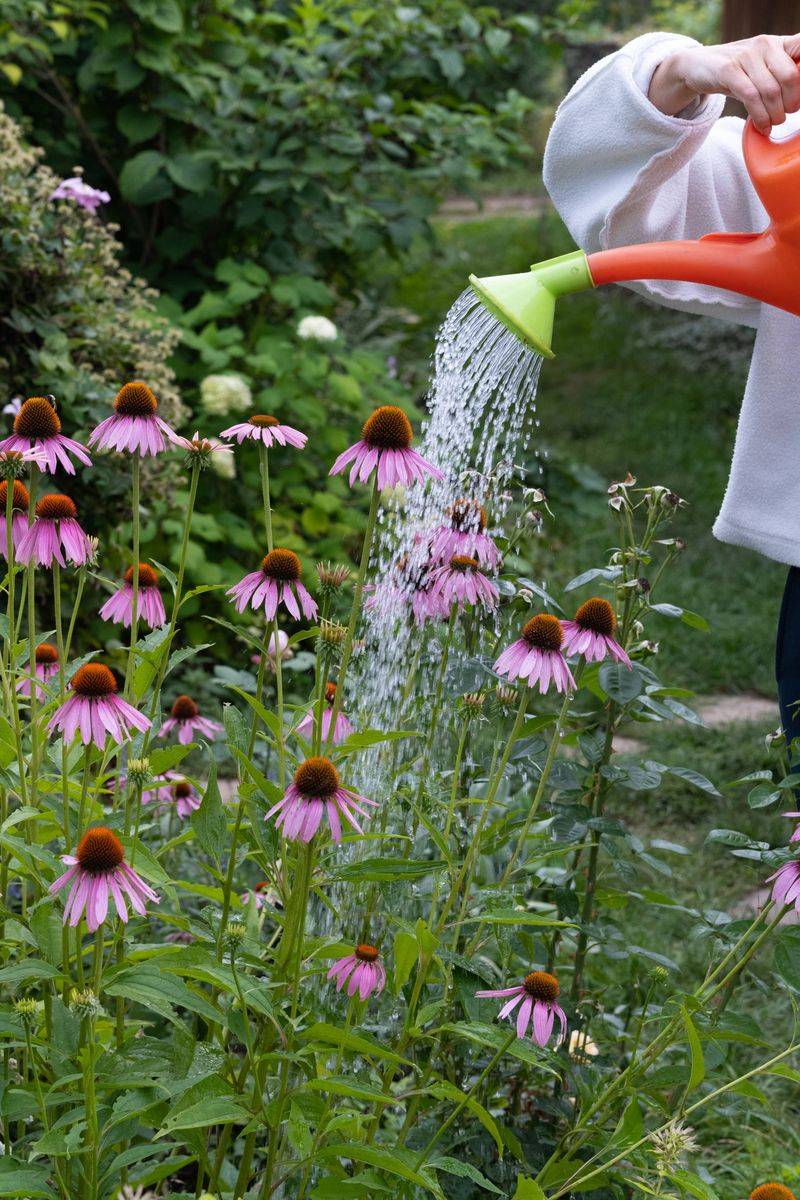
Newly planted coneflowers need more attention than established ones, and watering is where many gardeners underestimate the effort involved. During the first growing season, roots are still spreading out and anchoring into the surrounding soil.
Without steady moisture during that period, young plants can struggle to establish well, which often shows up as reduced flowering or slow, weak growth.
Deep, infrequent watering works better than a light sprinkle every day. Watering deeply encourages roots to reach downward rather than staying shallow near the surface.
A good rule of thumb is to water when the top inch or two of soil feels dry, then water slowly and thoroughly so moisture reaches deeper into the root zone.
Drought-tolerant is a label that applies well to established coneflowers, but it can be misleading for new transplants. A plant that has been in the ground for two or three weeks is not yet drought-tolerant in any practical sense.
Extended dry spells during the first summer can set plants back significantly. Once roots are well established, usually by the second season, coneflowers become noticeably more self-sufficient.
They can handle dry stretches much better without losing their ability to bloom reliably through summer.
4. Deadhead Early Blooms To Encourage More Flowers
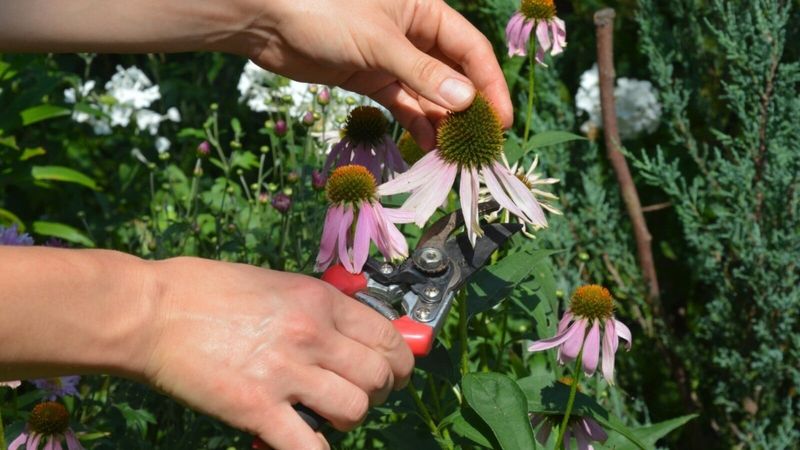
Snipping off spent blooms early in the season is one of the most effective ways to keep coneflowers producing fresh flowers. When a plant sets seed, it naturally shifts energy away from making new buds.
Removing those finished blooms before seeds fully develop signals the plant to keep going, which often results in additional flower stems through mid and late summer.
The technique is simple. Use clean, sharp pruners and cut the spent stem back to a leaf or a visible side bud.
Avoid tearing or snapping stems, which can leave ragged wounds. Cutting clean and close to a leaf node keeps the plant looking tidy and encourages branching rather than bare stems sticking up after the old flowers drop.
Deadheading works best earlier in the season, roughly from late June through early August, when encouraging more blooms is the main goal.
As summer moves into late August and September, many gardeners shift their approach and begin leaving some seed heads in place.
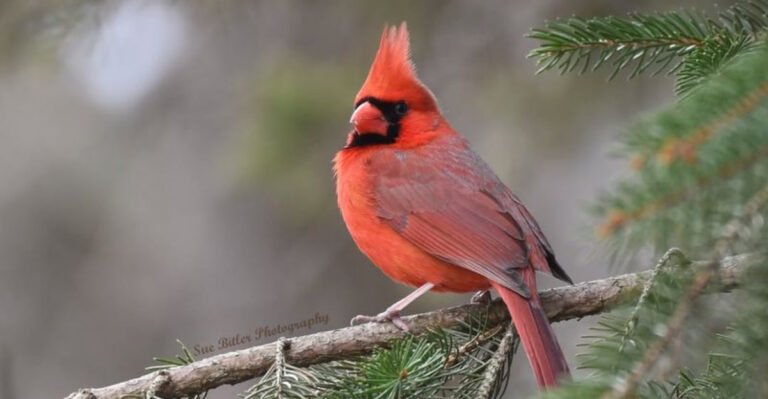
That shift matters because the same seed heads that feel like spent flowers to us are actually a food source for goldfinches and other seed-eating birds.
Balancing deadheading with wildlife timing is part of getting the most from your coneflowers all season long.
5. Skip Heavy Fertilizer That Pushes Weak Growth
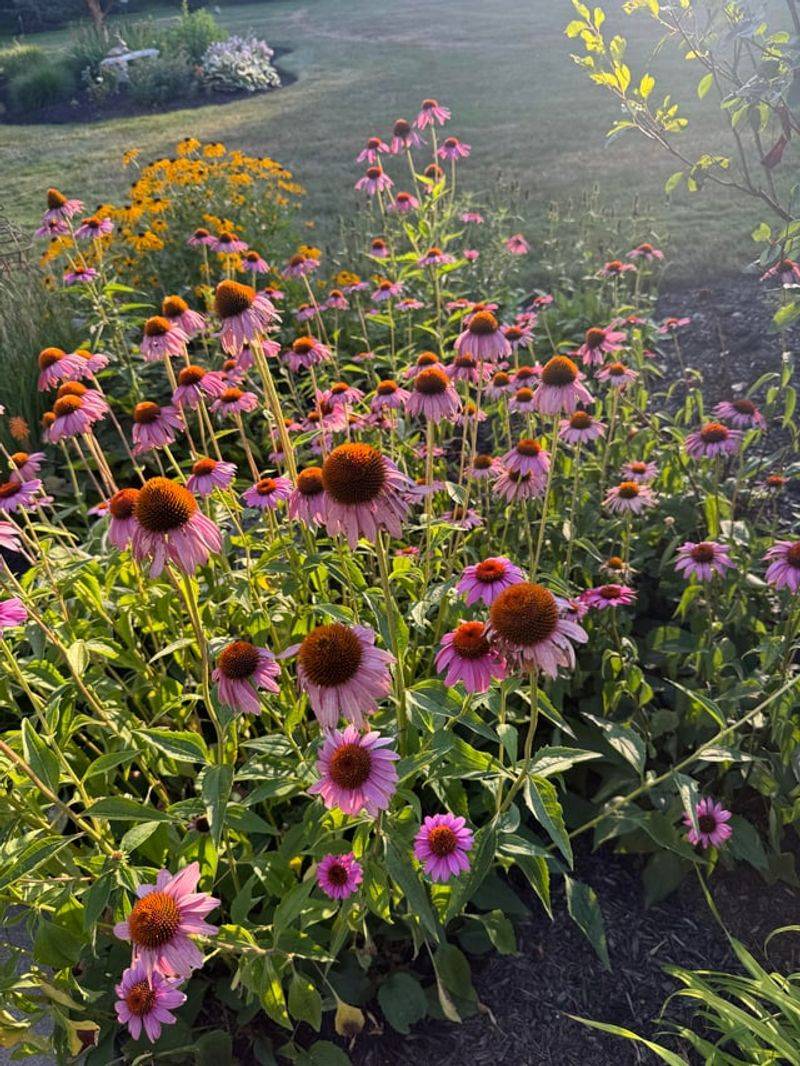
Reaching for a bag of high-nitrogen fertilizer to boost coneflower blooms can actually backfire. Too much nitrogen pushes plants to produce lush, leafy growth at the expense of flowers.
Stems can become tall and floppy, and the overall plant may look green and full but produce fewer blooms than a plant growing in leaner conditions. Coneflowers evolved in open, nutrient-moderate soils, so they are not heavy feeders by nature.
If your soil is genuinely poor, a light application of compost worked into the bed before planting or spread around established plants in spring can be helpful.
A balanced, slow-release fertilizer used sparingly and only when plants show signs of struggling is a more measured approach than routine heavy feeding.
Soil testing through your local extension office is the most reliable way to know what your beds actually need before adding anything.
Many gardeners find that coneflowers growing in average, unamended garden soil perform just as well as those in heavily fertilized beds, sometimes better.
Sturdy stems, upright habits, and consistent flowering tend to come from good drainage, full sun, and appropriate spacing rather than from extra nutrients.
Less really can be more when it comes to feeding these tough, adaptable native plants.
6. Give Plants Space Before Humidity Builds
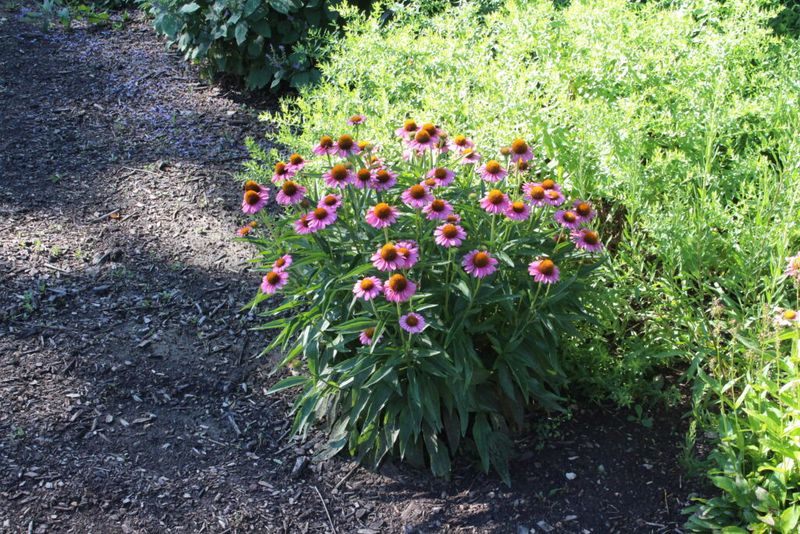
Summer in this state brings heat and humidity, and crowded plantings tend to feel the effects more than open, well-spaced ones. When coneflowers are planted too closely together, air cannot circulate freely between the stems and leaves.
That trapped moisture creates conditions where fungal issues are more likely to develop on the foliage, even though coneflowers are generally tough plants.
A spacing of roughly 18 to 24 inches between plants gives each clump enough room to breathe and spread naturally.
Removing weeds regularly from around the base of plants also helps, since dense weed growth can trap moisture and block airflow just as much as overcrowding.
Avoiding overhead watering when possible, and watering at the base of plants instead, reduces how long foliage stays wet after each watering session.
Good spacing has a practical bonus beyond airflow. When plants are spread apart with clear visibility around each clump, it is much easier to spot stems where blooms have faded and need trimming.
You can walk through the bed, check each plant quickly, and deadhead without having to reach through a tangle of overlapping stems and leaves.
Thoughtful spacing from the start makes every other part of summer care noticeably easier and keeps the whole planting looking its best.
7. Leave Some Seed Heads For Birds Later On
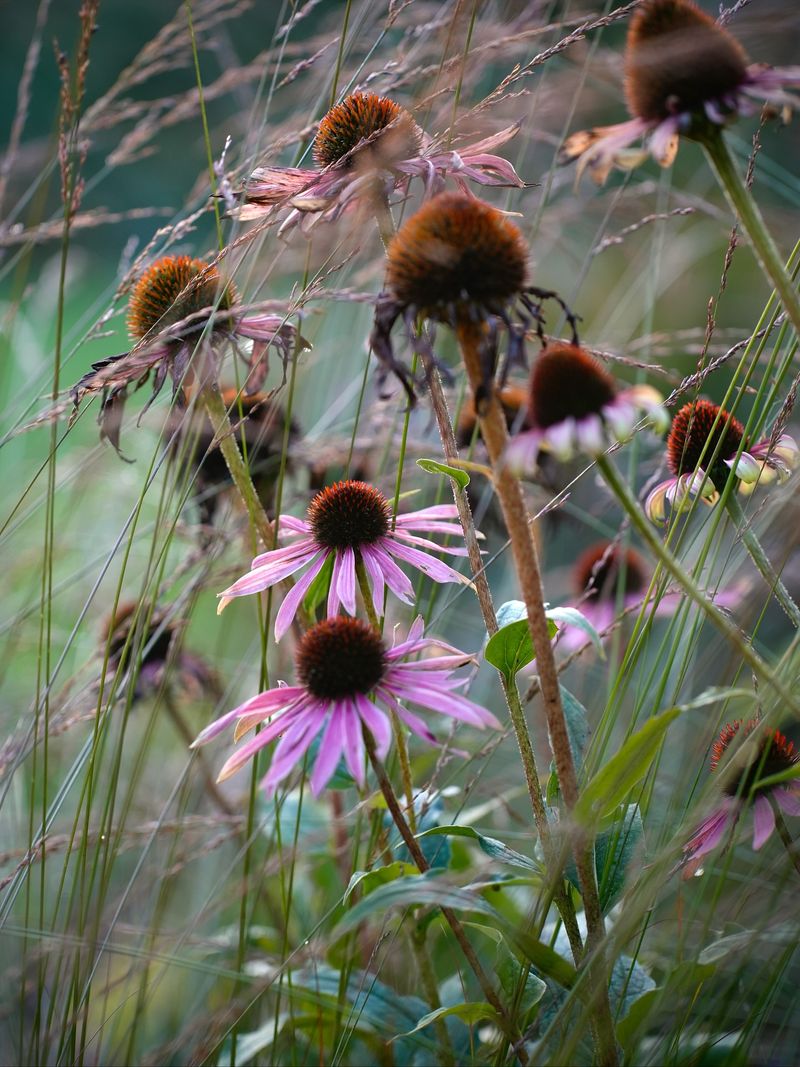
By late August and into September, shifting your deadheading routine can turn your coneflower bed into a mini wildlife feeding station.
Once the seed heads have dried and the spiky brown cones are fully formed, goldfinches in particular seem to find them irresistible.
Watching a bright yellow bird cling to a dried cone and pull out seeds is a simple backyard pleasure. It makes leaving a few stems standing completely worth it.
The practical approach is to deadhead some stems and leave others. Earlier in summer, removing spent blooms makes sense for encouraging new flowers.
Later in the season, letting a portion of the seed heads mature gives birds a natural food source right in your garden. You do not need to choose between more blooms and wildlife value.
You can have both by adjusting your timing as the season changes.
Leaving seed heads through fall and into winter also adds some visual structure to the garden during the quieter months. The dried brown cones stand up well through frost and look natural in a winter border.
Native plant gardeners and wildlife gardeners often point to coneflower seed heads as an easy, rewarding way to support local birds. It takes no extra effort or cost beyond stepping back and letting the plant finish its natural cycle.
8. Divide Crowded Clumps When Blooming Slows
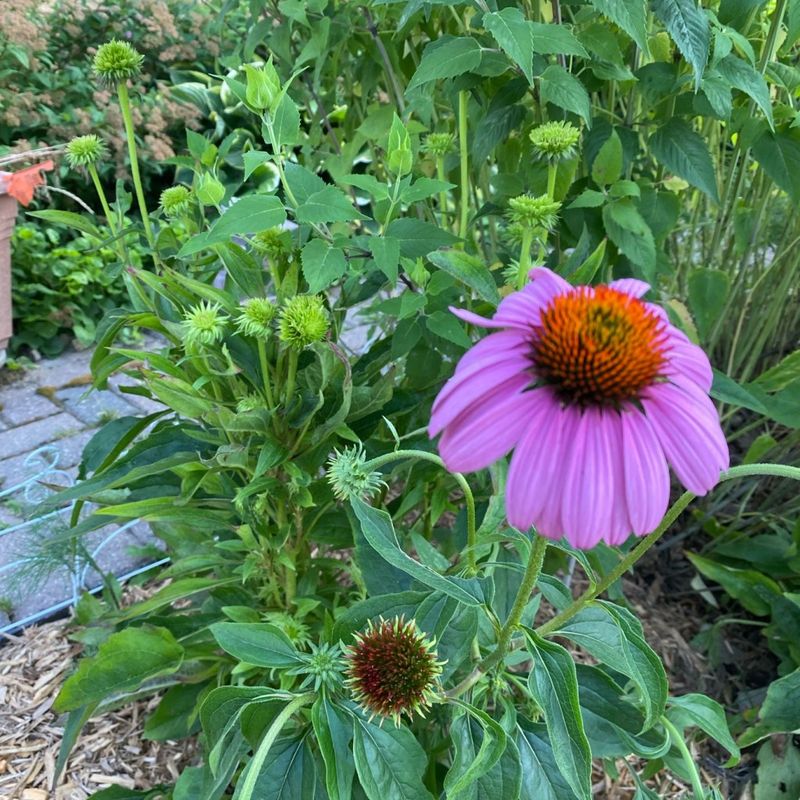
After several years in the same spot, a coneflower clump can become dense and congested at the center. Older, crowded clumps sometimes show fewer blooms, smaller flowers, or a hollow-looking center where new growth has stopped pushing through.
That slowdown is a signal that the plant could benefit from being divided and given fresh space to spread into.
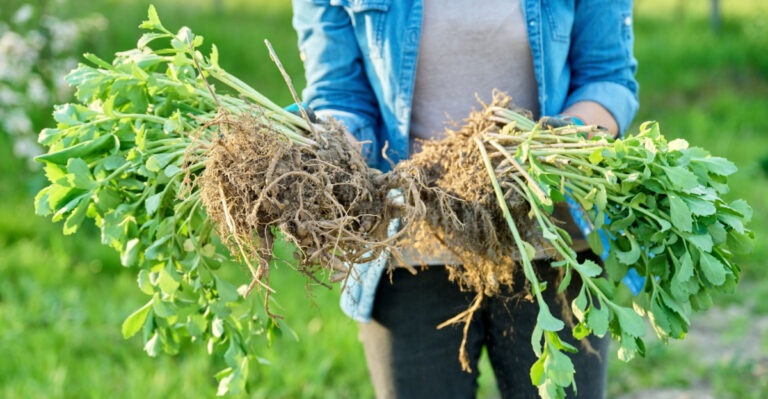
Division is a straightforward process. Dig up the entire clump, shake off loose soil, and separate it into smaller sections, each with healthy roots and some visible crown growth.
Replant the divisions at the same depth they were growing before, water them in well, and keep them consistently moist while the roots settle into their new location.
Dividing every three to five years is a reasonable general guideline, though some clumps go longer without needing it.
Spring and fall are both workable times for division in most parts of this state. Spring division works well when new growth is just starting to emerge and soil temperatures are mild.
Fall division gives plants time to root in before winter arrives, though divisions made late in the season benefit from a layer of mulch to protect the roots. Either way, dividing crowded clumps is one of the best long-term investments you can make.
It helps keep your coneflower planting vigorous, healthy, and full of blooms for years ahead.