What To Do With Potted Gardenias Before Ohio Nights Turn Cold
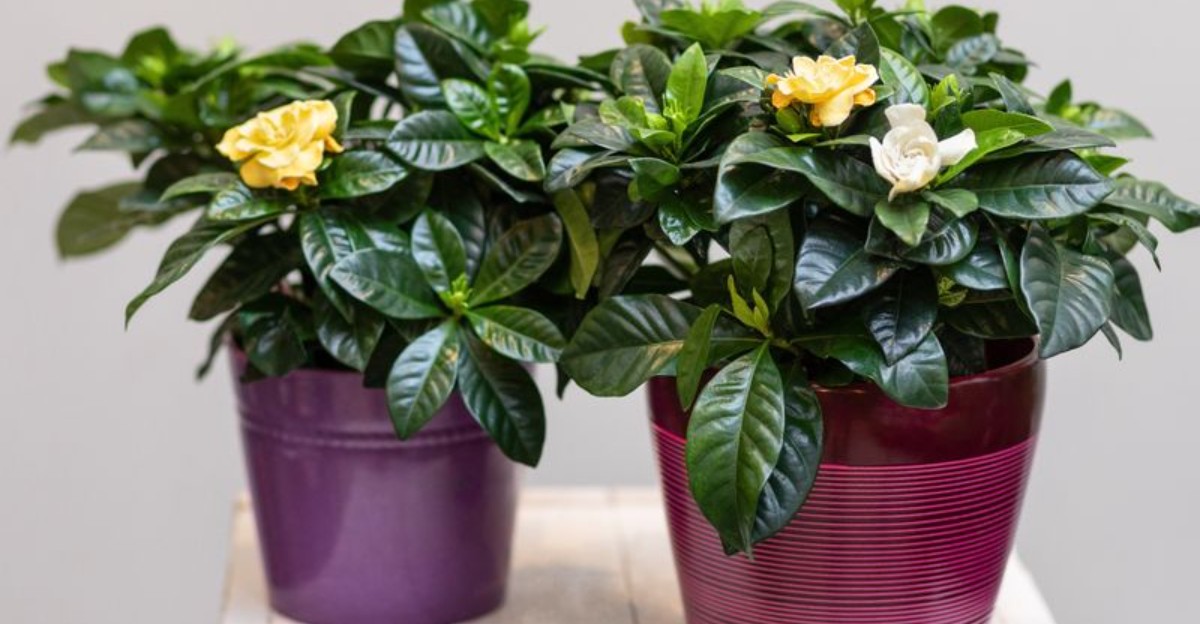
A single cold night could cost your gardenia every bud it’s been building toward, and most Ohio owners don’t realize the window is already closing.
Gardenias run on a shorter fuse than the other potted plants you might be watching this fall. One rough night outdoors can wipe out weeks of work in a way that catches people off guard, since nothing looks wrong until days later.
Getting it inside isn’t as simple as carrying the pot through the door either. A few small details around light and placement decide whether your plant holds onto its buds or drops them anyway.
Watch your nighttime forecast closely this week. The difference between blooms this winter and a bare, stripped plant might come down to timing you haven’t thought about yet.
1. Gardenias Need Protection Well Before Frost
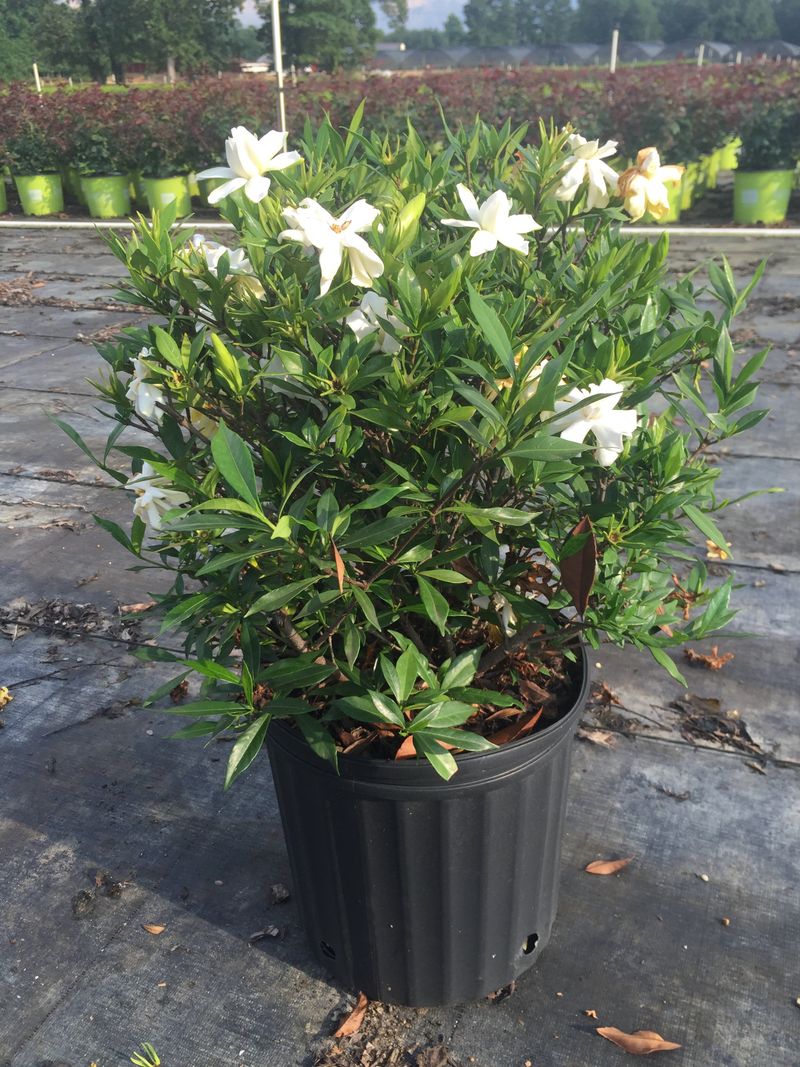
Tropical at heart, gardenias treat a chilly Ohio night the way most of us treat an ice bath. They tolerate it briefly, but they would rather not.
Watch your nighttime forecast more than the calendar. Once evening lows settle around 60 degrees Fahrenheit, start planning the move indoors.
Some experienced growers let their plants sit through one or two light fall frosts, believing the brief chill nudges buds along. That gamble works for hardy cultivars in mild spots, but it is risky in northern Ohio where a sudden hard freeze can arrive overnight.
A safer approach is to bring pots inside before temperatures approach the mid-40s, especially when colder weather is expected to persist.
Give yourself a weekend rather than a frantic evening. Rinse the pot, sweep off cobwebs, and check drainage holes for clogs or stray worms.
Lift with your knees, not your back, because a water-soaked ceramic container weighs far more than it looks.
Choose the moving day wisely. A mild, overcast afternoon when indoor and outdoor temperatures sit close together makes the shift easier on the plant.
Mark the date on your calendar each year. Gardeners often find mid-September through early October hits the sweet spot, though Lake Erie counties usually run a week or two ahead of Cincinnati.
2. A Bright Indoor Spot Matters Most
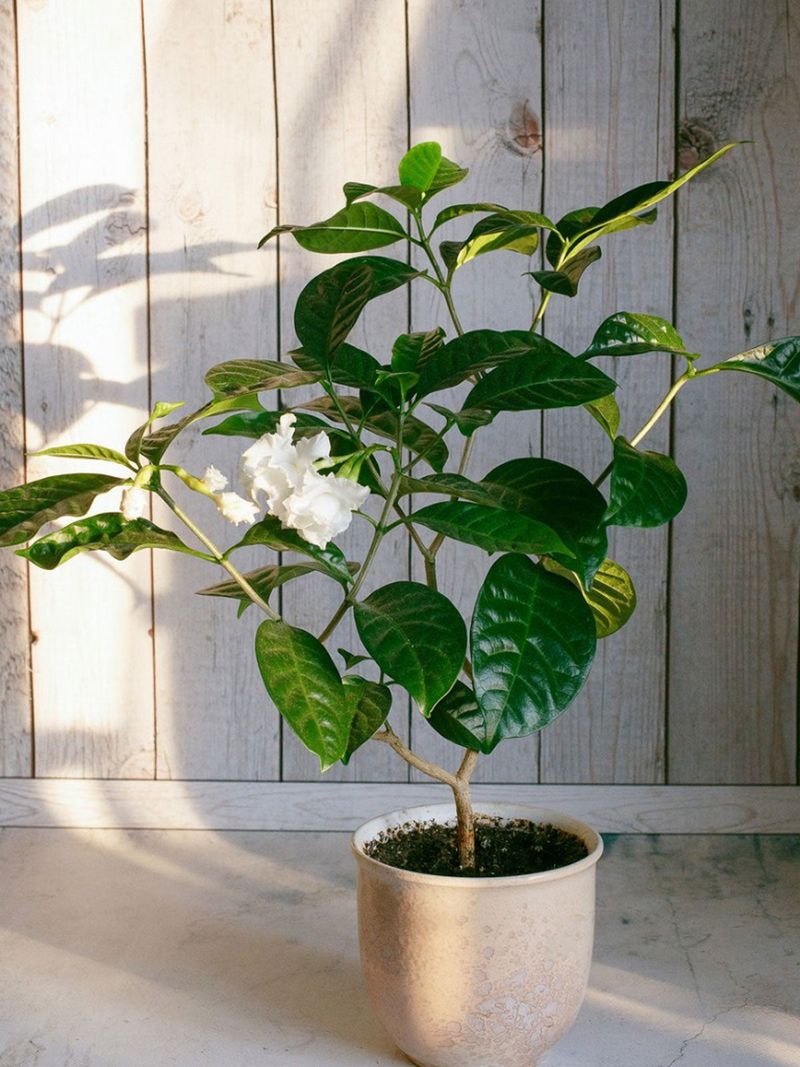
Light is the currency gardenias spend on flowers, and Ohio winters run a tight budget. Cloudy stretches from November through February are famous around the Great Lakes.
Aim for four to six hours of direct sun each day. A south-facing window usually delivers the most, with an unobstructed west window running a close second.
Pull back sheer curtains during daylight and clean the glass. Dust and grime on a window can steal a surprising share of the light your plant counts on.
If your rooms stay dim, a basic full-spectrum grow light solves the problem for the price of a few takeout meals. Position a full-spectrum grow light close enough to provide strong supplemental light without heating or scorching the foliage, and use a timer to keep the daily schedule consistent.
Spin the pot a quarter turn every week. Plants lean toward light, and rotating keeps growth even instead of lopsided and stretched.
Your Ohio Garden Changes Every Week. Your Plan Should Too.
Gardening in Ohio changes quickly throughout the season. Every Friday you’ll receive a simple weekly plan showing exactly what to plant, prune, fertilize, harvest, and protect so you never miss the right timing.
Watch the leaves for clues. Pale, widely spaced new growth usually means the plant wants more brightness, while crisp scorched edges suggest it sits too close to a bulb.
One more tip: keep foliage from pressing against cold glass overnight. Window panes in older Ohio homes get frigid, and touching leaves can chill quickly.
3. Sudden Changes Can Trigger Bud Drop
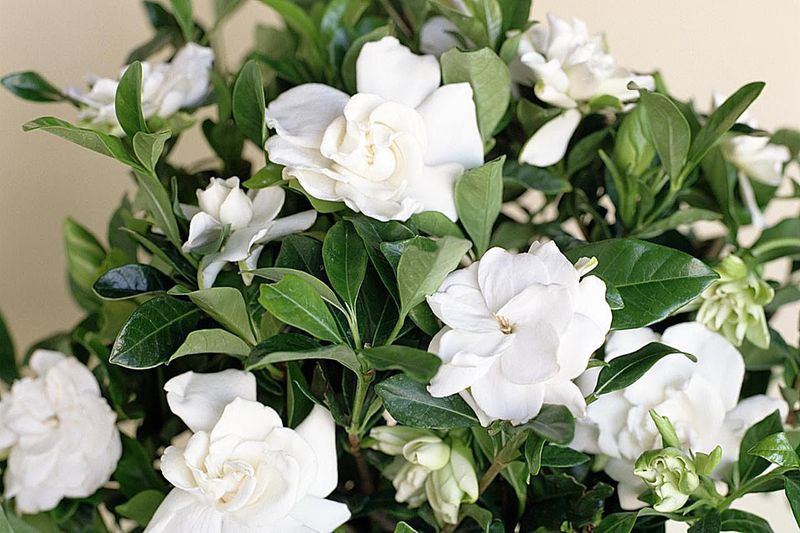
Few things sting like watching fat, promising buds turn brown and tumble onto the carpet. Gardenias are famously dramatic about change, and bud drop is their protest.
The move from a breezy patio to a heated living room counts as a major upheaval. Temperature, light levels, and air moisture all shift at once.
Soften the blow by timing the move when indoor and outdoor conditions overlap. The plant is happiest between 55 and 75 degrees Fahrenheit, so aim your transition inside that band.
Some gardeners ease the change by setting the pot in a garage or enclosed porch for several days first. That middle step gives the plant a gentler landing.
Placement matters enormously once the pot is inside. Keep it away from forced-air vents, radiators, wood stoves, and the front door your family opens forty times a day.
Blasts of hot dry air or cold gusts confuse a plant that craves steady conditions.
Resist fussing. Repotting, pruning, and relocating during the adjustment period stacks stress on top of stress.
Expect a few casualties anyway. Losing some buds and a handful of older leaves is a normal adjustment reaction, not a sign you ruined anything, and new growth typically follows once the plant settles in.
4. Humidity Becomes A Winter Challenge
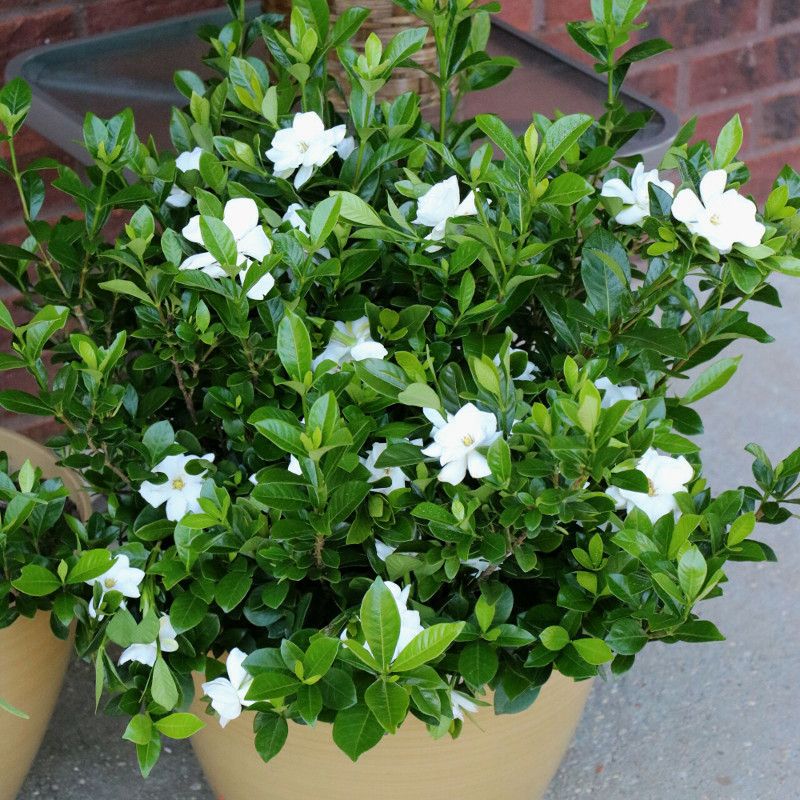
Turn on the furnace and your house quietly becomes a desert. Indoor humidity can become very dry during an Ohio winter, while gardenias prefer noticeably more humidity than most heated homes provide.
Dry air shows up as crispy leaf tips, shriveling buds, and a plant that seems thirsty no matter how often you water.
A pebble tray is the classic fix and costs almost nothing. Fill a shallow saucer with gravel, add water just below the top of the stones, and rest the pot on the dry surface.
Keeping the pot above the waterline matters. Roots sitting in standing water invite trouble you would rather skip.
Grouping plants together creates a small humid pocket, since each one releases moisture through its leaves. A cluster of three or four pots works better than a lonely gardenia on a windowsill.
For stubborn dryness, a small cool-mist humidifier running nearby handles the job with far less fuss. Place it a few feet away so moisture spreads rather than soaking the foliage.
Misting feels helpful, though the boost fades within minutes and damp leaves can encourage fungal spotting. Save the spray bottle for other chores.
An inexpensive hygrometer takes the guesswork out entirely and tells you whether your efforts are actually working.
5. Cool Nights Can Stress Gardenia Foliage
Here is a quirk worth knowing: gardenias actually set buds best when nights run a bit cooler than days. Roughly 65 to 70 degrees during daylight and 60 to 62 after dark hits the sweet spot.
They handle dips into the low fifties without complaint. Steady readings below 45 degrees are where real stress begins.
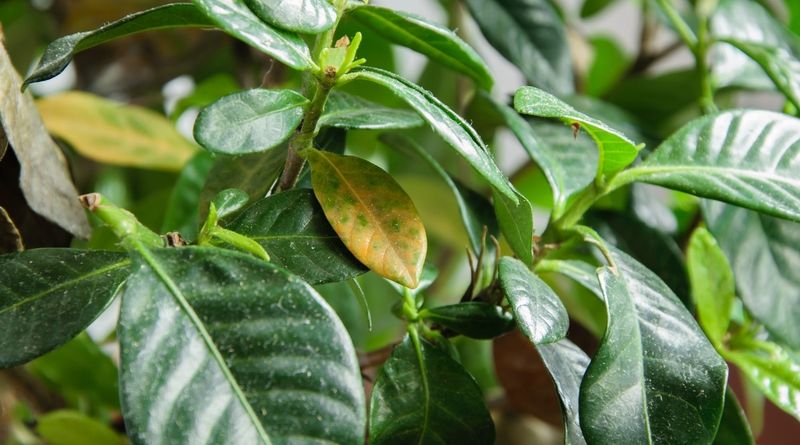
Yellowing leaves are the plant’s way of talking. A few older leaves turning gold and dropping during the first weeks indoors is simply the plant recalibrating to its new address.
Widespread yellowing tells a different story, often pointing to cold drafts, soggy roots, or wild temperature swings.
Check the sneaky cold spots in your home. Unheated sunrooms, drafty older windows, and rooms above an unfinished basement can run ten degrees colder than the thermostat suggests.
A cheap digital thermometer parked beside the pot for a week reveals more than any guess.
Avoid the temptation to crank the heat. Toasty rooms combined with bone-dry air stress the plant from the opposite direction.
Consistency beats perfection every time. A steady, slightly cool room keeps foliage glossy and encourages the flower buds that make all this effort worthwhile come late winter and spring.
6. Indoor Pests Often Arrive With The Plant
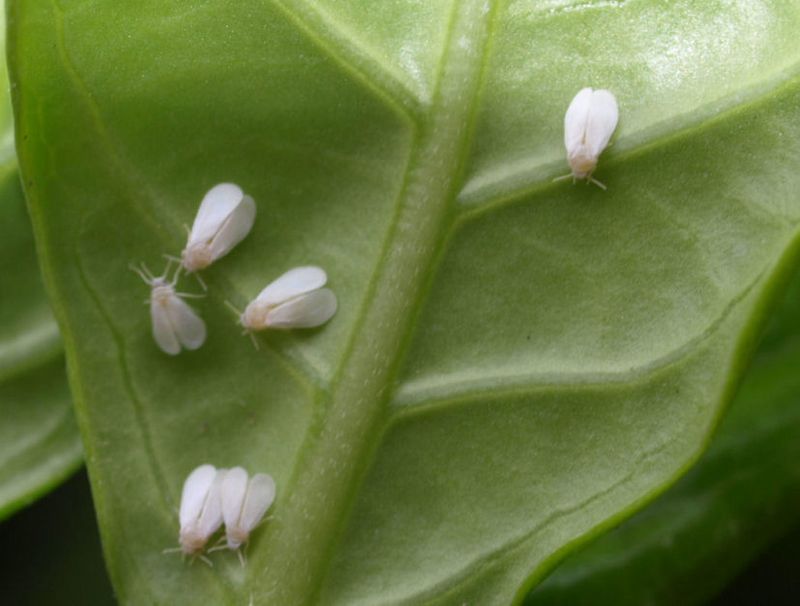
Hitchhikers are real. That pot coming in from the patio may be carrying a tiny crowd you did not invite.
Gardenias attract a familiar lineup indoors: whiteflies, aphids, spider mites, thrips, scale, and mealybugs. Warm dry rooms let their numbers climb fast without outdoor predators keeping order.
Inspect before the pot crosses your threshold. Flip leaves over, peer into leaf joints, run a finger along stems, and scan the soil surface.
Telltale signs include sticky honeydew, fine webbing, cottony white fluff, and stippled or speckled leaves. A magnifying glass helps, since spider mites are barely visible specks.
Start simple. A firm spray from the garden hose knocks off a good share of aphids and mites, and a damp cloth wipes scale from stems.
For anything stubborn, insecticidal soap or horticultural oil handles the job, applied to both leaf surfaces and repeated every week or two according to the label.
Quarantine is the step people skip and later regret. Park the newcomer in a spare room away from your other houseplants for two or three weeks.
Recheck weekly during that stretch. Catching a small outbreak early saves you from treating an entire indoor collection in February.
7. Winter Watering Requires A Lighter Touch
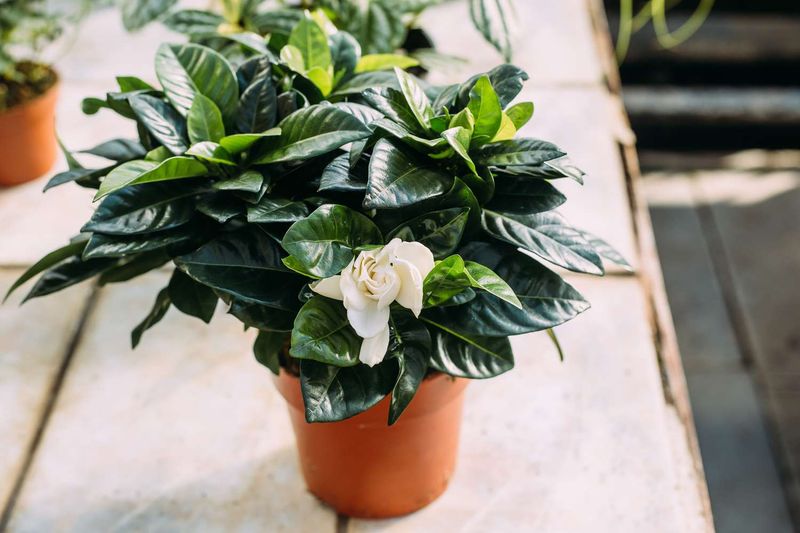
The fastest way to lose an overwintering gardenia is kindness with a watering can. Cool rooms and short days slow the plant down, so it sips instead of gulps.
A semi-dormant gardenia may need water half as often as it did in July.
Skip the schedule and test the soil instead. Push a finger an inch or two down, and water only when that depth feels dry to the touch.
Aim for evenly moist, not soggy. Waterlogged soil pushes air out of the root zone and leads to root problems that show up later as drooping leaves and yellowing.
Use room-temperature water, since ice-cold tap water straight from a faucet in January gives roots an unwelcome jolt. Letting a pitcher sit overnight also allows chlorine to dissipate.
Water thoroughly when you do water, until liquid runs out the drainage holes. Then empty the saucer after ten minutes so the pot is not sitting in a puddle.
Slightly moist soil holds warmth better than bone-dry soil, which helps on cold nights near a window.
Watch the plant, not the calendar. Small terracotta pots in sunny rooms dry quickly, while large plastic containers in dim corners stay damp for a week or more.
8. Skip Heavy Feeding During The Dark Months
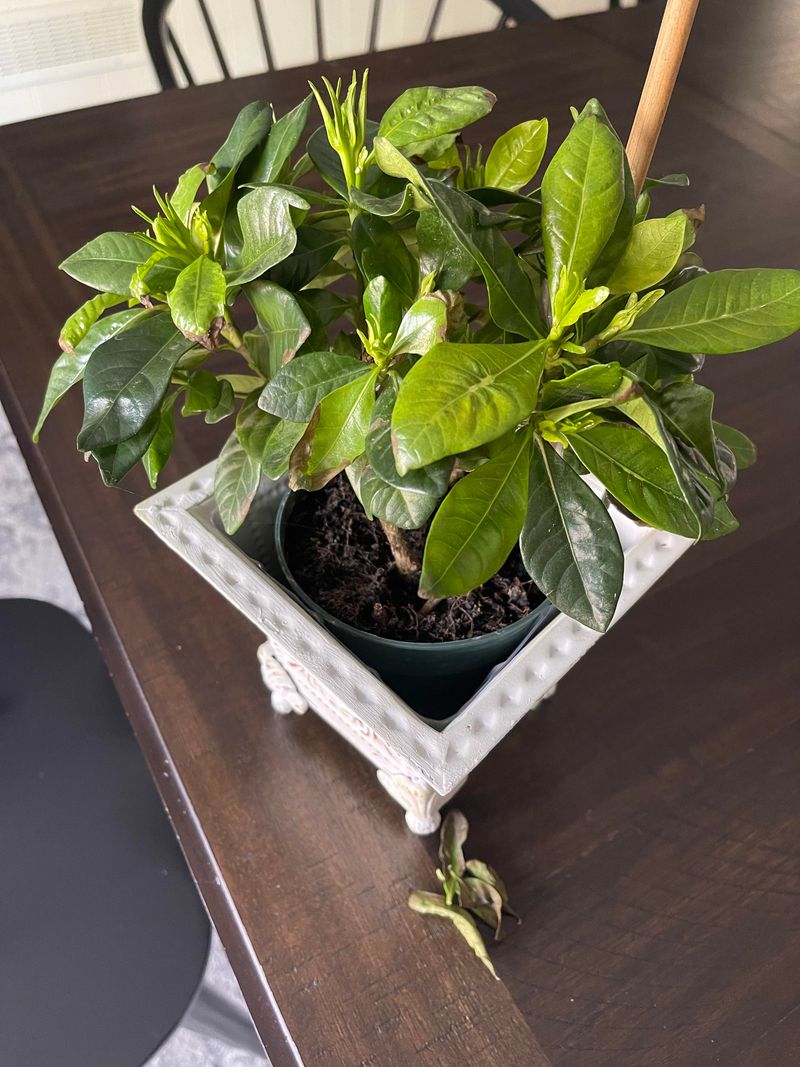
Feeding a resting plant is a bit like serving a giant dinner to someone already asleep. The food simply sits there.
Through late fall and the darkest part of winter, gardenias slow their growth and use very little in the way of nutrients.
Put the fertilizer away starting in early autumn. Extra salts building up in the potting mix can burn roots and leave a crusty white film on the soil surface.
If you see that crust, flush the pot with plain water a couple of times to rinse the excess through.
As February fades and days stretch longer, the plant wakes up. That is the moment for a light application of a slow-release fertilizer formulated for acid-loving plants, the same type sold for azaleas, camellias, and hollies.
Half strength is plenty for that first feeding.
Soil chemistry deserves attention even when you are not feeding. Gardenias take up iron and other nutrients best when pH stays between 5.0 and 6.5.
Ohio tap water often runs alkaline, which slowly nudges pot soil the wrong direction. A cheap pH test strip and an occasional watering with collected rainwater help keep things in the range gardenias prefer, and green leaves are your reward.
9. Spring Outdoors Requires A Gradual Transition
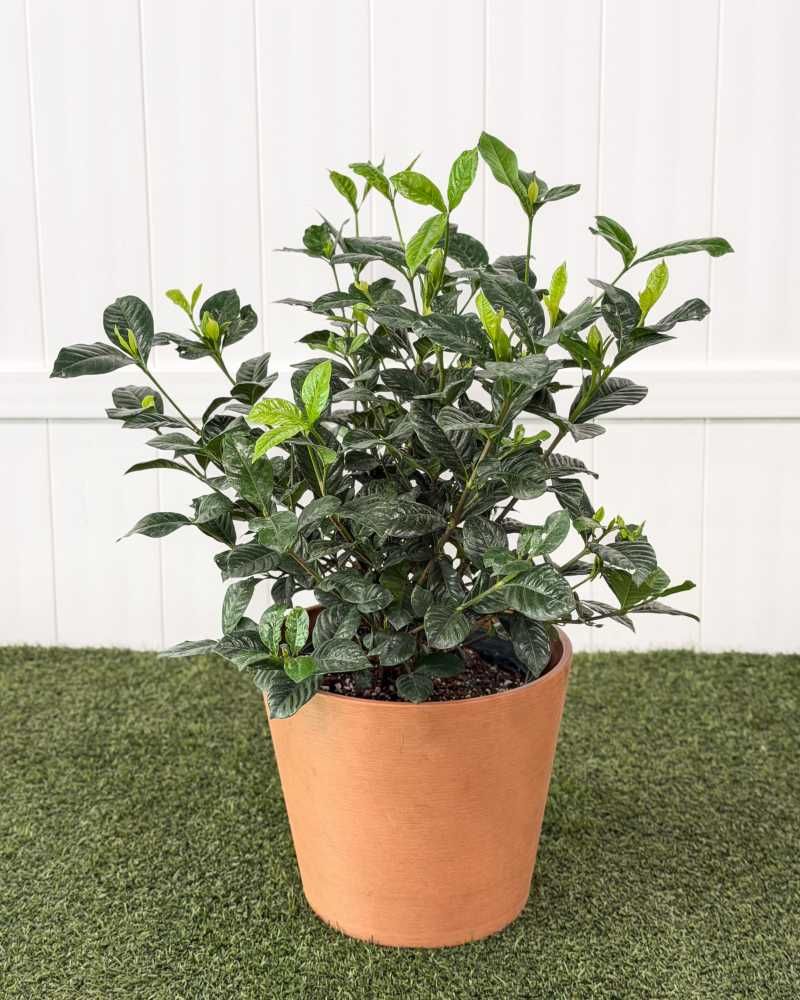
After months indoors, gardenia leaves are basically pale office workers stepping into a beach vacation. Full May sun on day one leaves them scorched and unhappy.
Hardening off solves the problem, and it takes about a week or two of patience.
Wait until nighttime temperatures are consistently mild and the threat of frost has passed before moving the plant back outside. Late frost has surprised plenty of gardeners around Mother’s Day.
Start in deep shade. A spot beneath a tree or on a covered porch for two or three hours the first day works well, then bring the pot back inside by evening.
Stretch the outdoor time each day and gradually shift toward brighter locations. By the end of two weeks, the plant can handle morning sun with afternoon shade, which suits gardenias nicely through an Ohio summer.
Resume regular watering as growth picks up, since outdoor pots dry far faster than indoor ones. This is also the right window to repot if roots are circling the container.
Give the plant a balanced acid formula feeding once new leaves appear. Before long, those white blooms will perfume the patio again, and the whole winter routine will feel worth it.