The Mulch Mistake Ohio Gardeners Make Right Now That Smothers Roots In Wet Soil
Tree roots breathe. Most of the fine, hungry ones live in the top 12 inches of soil, where they pull in oxygen much like we do.
That little fact changed how I look at every garden bed in my neighborhood. Once you notice it, you start seeing tall brown cones of bark piled around trees, shrubs, and even mailbox posts.
Ohio springs are soggy, and plenty of yards sit on heavy clay that holds water for days. Add a thick blanket on top, and the soil underneath can turn into a stuffy, airless sponge.
I believe most of us pile it on with the best intentions. It looks tidy, it smells earthy, and it feels like a gift to our plants. So why do some of the most carefully tended trees end up looking tired and thin a few summers later?
That Tall Cone Of Mulch Around Your Tree Trunk Is Hiding A Problem
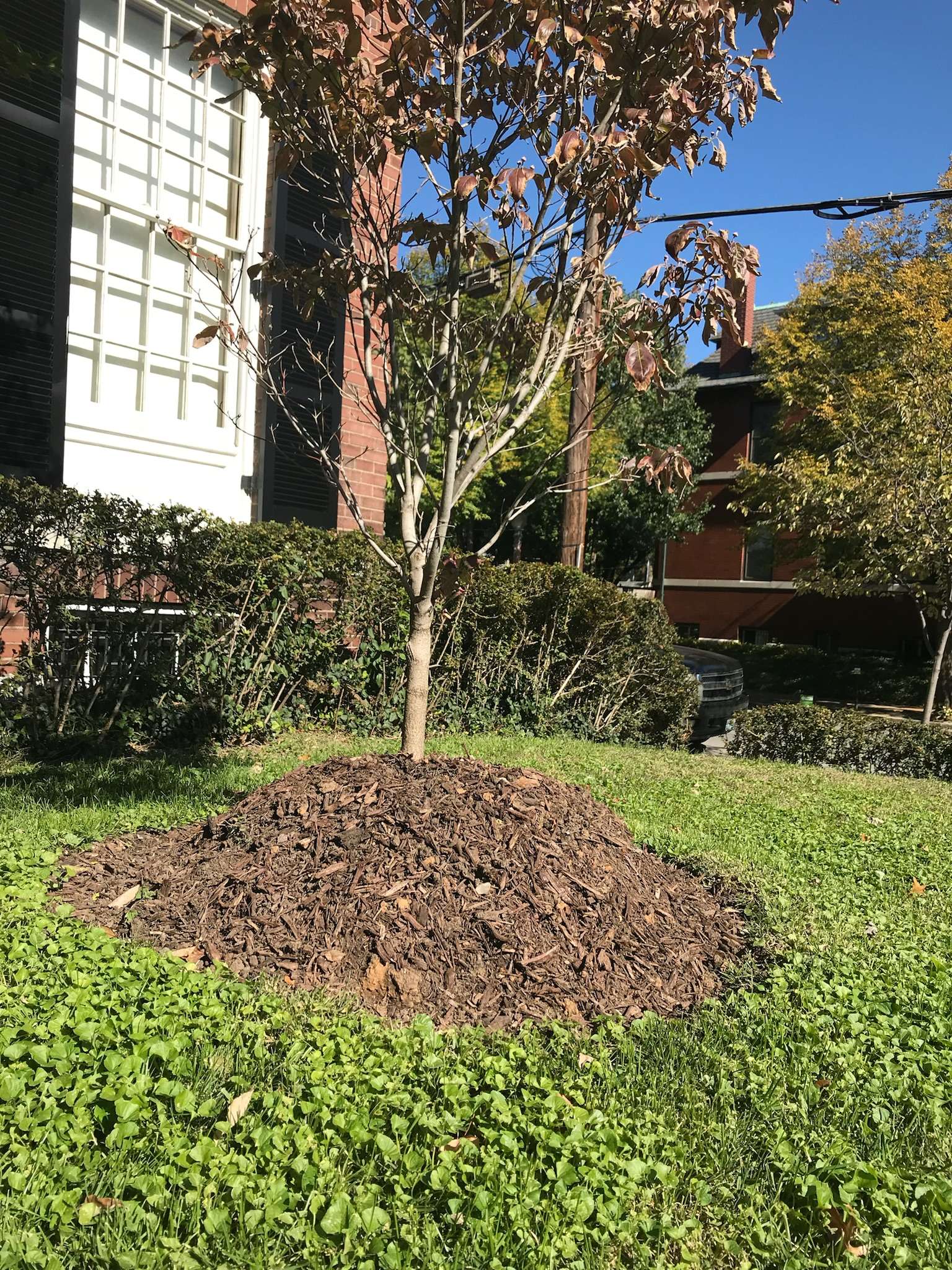
Landscapers have a nickname for it: the mulch volcano. You have probably driven past dozens of them, steep brown mounds climbing a foot up the trunk of a young tree.
The shape looks neat, but it buries the root flare. That flare is the spot where the trunk widens as it meets the soil, and it is supposed to stay visible. Bark at the base of a tree is built to handle air and sunlight, not constant moisture.
Extension experts at Ohio State, Rutgers, and NC State warn about this same habit. Deep mulch piled against bark holds water right against living tissue. In a wet stretch, that tissue stays soggy for weeks.
Moist bark is an open invitation to rot, fungi, and canker problems. Voles and mice also love hiding in deep mulch, and they sometimes chew on the bark they find there.
Personally, I walk my yard every spring looking for buried flares. If a trunk goes straight into the ground like a telephone pole, something is covering it.
A quick poke with your fingers usually tells the story. The problem starts small, but it builds quietly over several seasons, so catching it early makes a real difference.
Pull Mulch Into A Flat Donut Two To Three Inches Deep
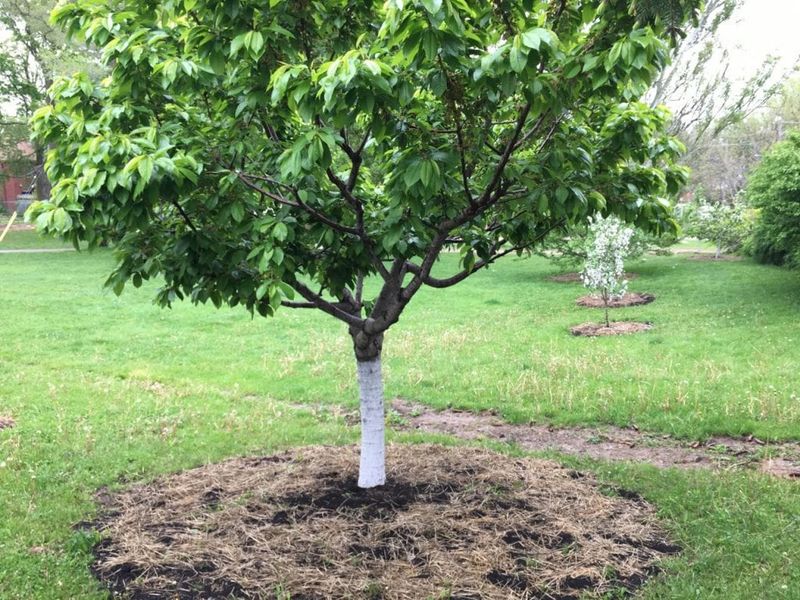
The fix takes about ten minutes and a garden rake. Think donut, not volcano.
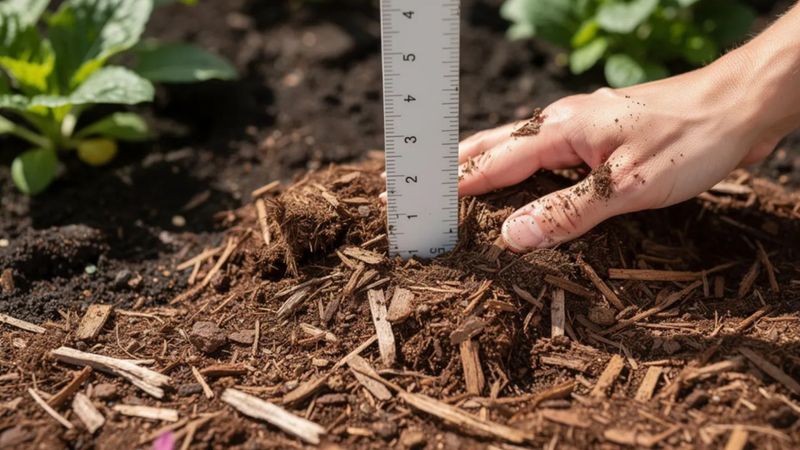
Most university extension guides, including Ohio State, recommend a layer two to three inches deep for most trees and shrubs. On heavy, poorly drained clay, staying closer to two inches is a smart move. Less material lets the soil dry out between rains and keeps air moving.
Keep mulch pulled back three to six inches from trunks. For shrubs and perennials, a couple of inches of open space around the stems works well. The root flare should look like the top of a foot peeking out of the ground.
Spread the ring wide instead of tall. A circle reaching out three feet or more from a young tree does far more good than a narrow pile, since feeder roots stretch outward.
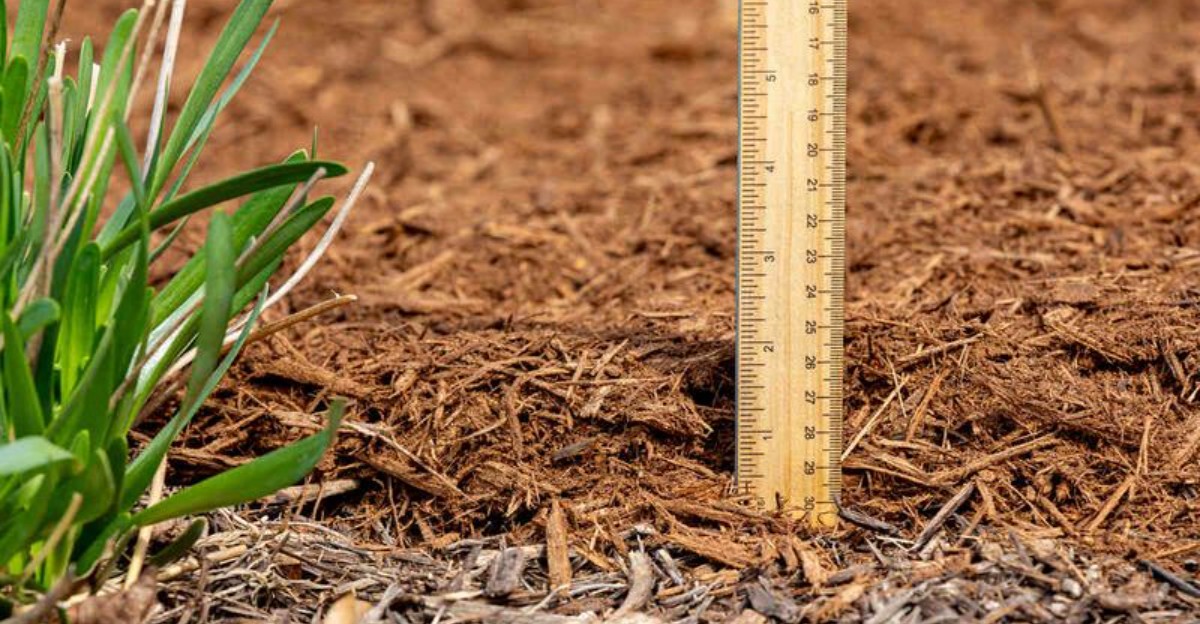
Here is my favorite trick for measuring. I push a ruler or a pencil straight down until it hits soil, then check the depth.
If you find more than three inches, rake the extra away and use it somewhere bare. Your plants get the moisture and weed control benefits of mulch without the soggy downside.
Soggy Ohio Clay Turns Deep Mulch Into An Airless Sponge
Roots need oxygen to work. They use it to turn stored sugars into the energy that powers water and nutrient uptake.
In healthy soil, tiny air pockets sit between the particles. When rain fills those pockets, roots wait for the water to drain so air can return. Clay drains slowly, and much of Ohio, especially the flat northwest and many suburban lots with compacted subsoil, has plenty of it.
Now stack five or six inches of mulch on top. That layer slows evaporation and reduces the air that can slip down into the soil.
The result can be low-oxygen conditions that roots simply cannot handle for long. Fine roots begin to decline first, and the plant loses its ability to drink, even though it sits in wet ground.
That is the strange part. A tree suffering from waterlogged roots can wilt and look thirsty, so people water it even more.
Spring and fall are prime times for this trouble because rainfall is steady and evaporation is slower. Southeast Ohio’s hilly ground often drains better, but low spots there can stay soggy too. Check where water lingers after a storm before adding a single bag.
Mushy Brown Roots And Thin Canopies Are Warning Signs
Plants rarely complain loudly. They drop hints, and those hints are easy to blame on something else.
Watch for leaves that yellow early, look smaller than usual, or wilt even when the soil feels wet. A thinning canopy and twig dieback from the top down can also point to root stress below.
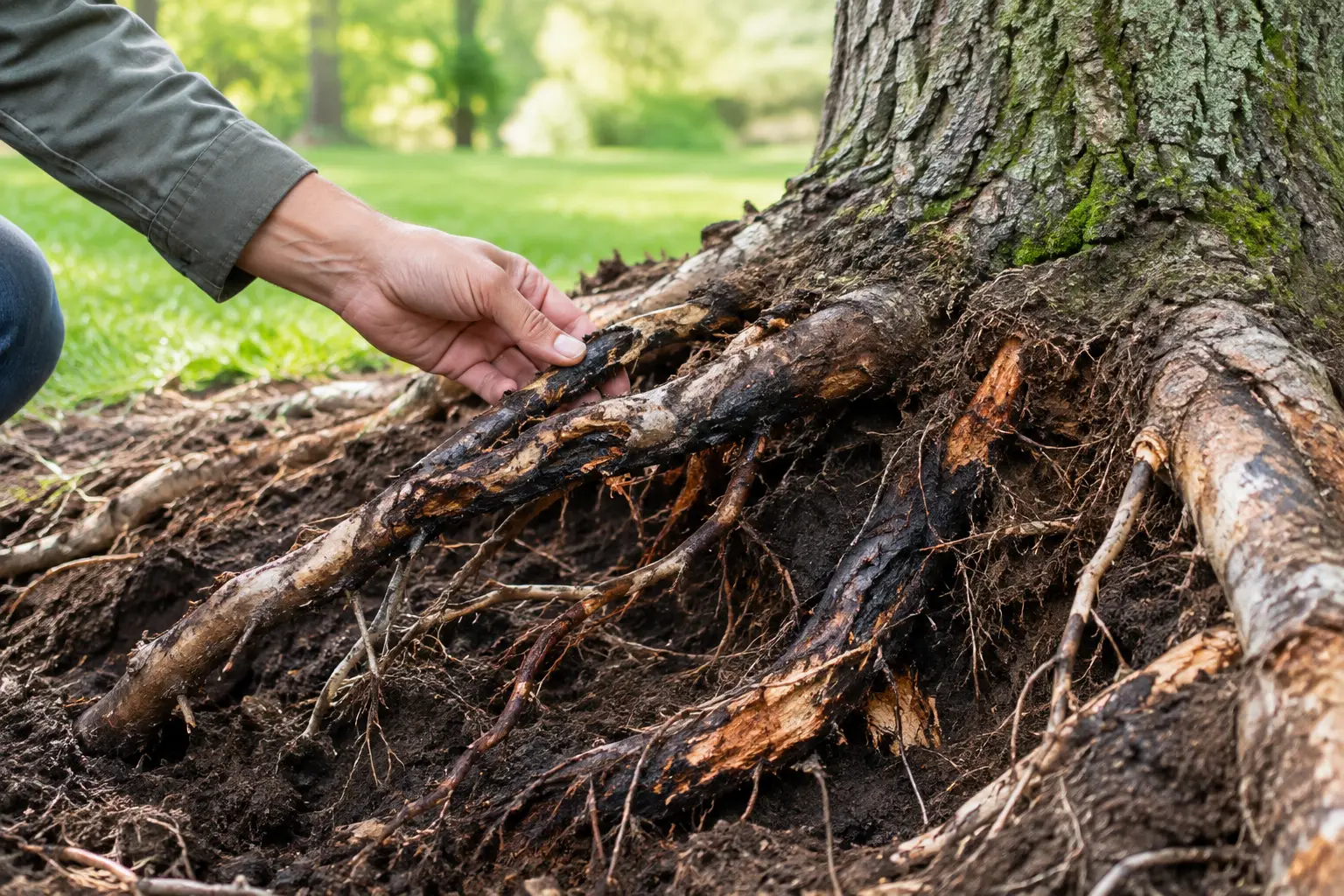
Pull back the mulch and look closer. Healthy roots are usually firm and light colored inside. Roots struggling with rot often feel soft and look brown or black, and the outer layer may slip off when you tug it.
Fungus-like organisms such as Phytophthora thrive in wet, low-oxygen soil. They can move into weakened roots and cause root rot in many common landscape plants.
A sour, swampy smell from the soil is another clue. That odor often comes from low-oxygen conditions underneath.
Fair warning, though. Drought, salt, construction damage, and other diseases can cause similar symptoms, so mulch is not the only suspect.
If a valuable tree looks rough, a certified arborist or your county OSU Extension office can help sort out the cause. Pinning down the real issue saves you from fixing the wrong thing.
Roots Climbing Into Deep Mulch Can Wrap Around The Trunk
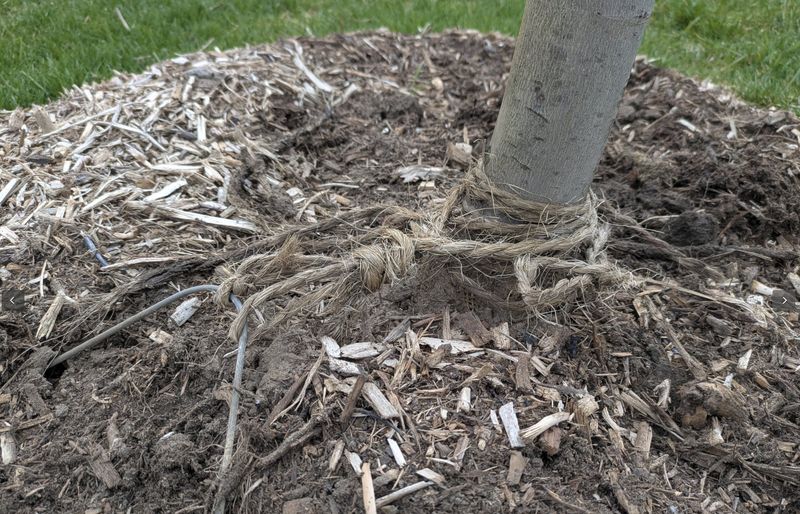
Some roots are opportunists. Give them a moist, loose layer of mulch, and they will happily grow up into it instead of down into the soil.
That sounds harmless at first. The trouble comes when those shallow roots start circling the base of the tree.
Arborists call these stem girdling roots. As the trunk and the root both thicken over the years, the root can press into the trunk and squeeze the tissues that carry water and sugars.
Deep mulch is not the only cause. Trees planted too deep, or ones left with circling roots from their nursery pots, often develop the same problem. Still, mulch volcanoes make conditions more inviting.
The damage moves in slow motion. A tree may look fine for years, then show a flat side at the base, a sparse canopy, or early fall color on one side.
I find this one of the sneakiest issues in the whole yard. Clearing mulch away from the flare lets you spot circling roots while they are still small.
Thin, young girdling roots can sometimes be cut. Larger ones are a job for a certified arborist, since removing them carelessly can cause more harm.
Azaleas, Yews, And Shallow Rooted Shrubs Hate Soggy Beds
Trees get most of the attention, but shrubs and perennials suffer from heavy mulch too. Some are fussier than others.
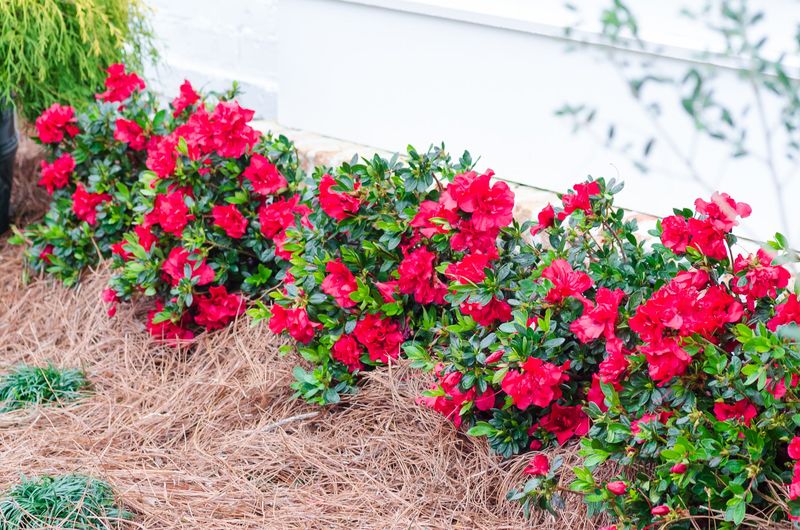
Azaleas and rhododendrons grow fine, shallow roots that crave air. In wet, heavy soil topped with thick mulch, they are prone to root rot. Yews are another classic Ohio foundation shrub that sulks in poorly drained spots.
Many perennials face a different risk. When mulch is piled against their crowns, the base can stay wet and start to rot, especially during cool, rainy weeks.
So what works better? Keep shrub beds at about two inches, and leave the crown of every perennial uncovered.
For acid lovers like azaleas, pine bark or pine needles make a nice match. They break down slowly and stay fluffier than finely shredded material.
Fine, dyed, or shredded mulches can mat down into a dense crust. Once that happens, water may run off the top while the soil below stays poorly aired.
If a bed stays wet no matter what, the plant choice might be the real issue. Moisture-loving natives like buttonbush, swamp milkweed, or winterberry handle damp ground far more gracefully.
Rake Out Old Mulch Before Adding A Fresh Bag This Season
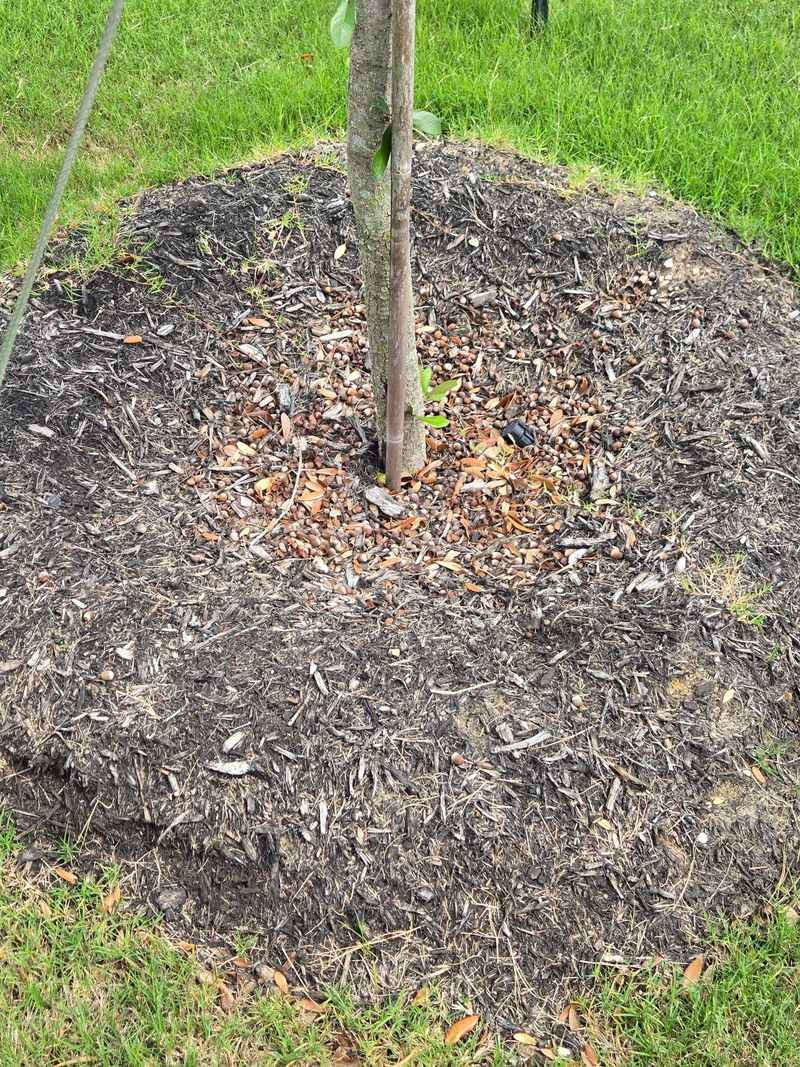
Every spring, the stores stack pallets of bagged mulch by the door. It is tempting to grab a dozen bags and pile them right on top of last year’s layer.
Resist that urge. Old mulch often breaks down slower than we expect, and yearly top-ups are exactly how beds creep to six inches deep.
Start by measuring. If you already have two or three inches, you may only need to rake the surface to loosen it and freshen its color.
Matted layers should be broken up or partly removed. Raking lets rain soak in instead of sliding off.
Timing matters as well. In spring, wait until the soil warms and dries a bit before adding anything. In fall, a light layer after the ground cools helps protect roots from freeze and thaw cycles that can heave young plants.
I like keeping the leftovers instead of trashing them. Older mulch works well on paths, in the compost pile, or in bare corners.
One last habit pays off big. Clear the trunk flares and plant crowns each time you mulch, and your roots will have room to breathe through every wet Ohio season.