What To Do With Woody Oregon Rosemary Before Fall Rain Returns
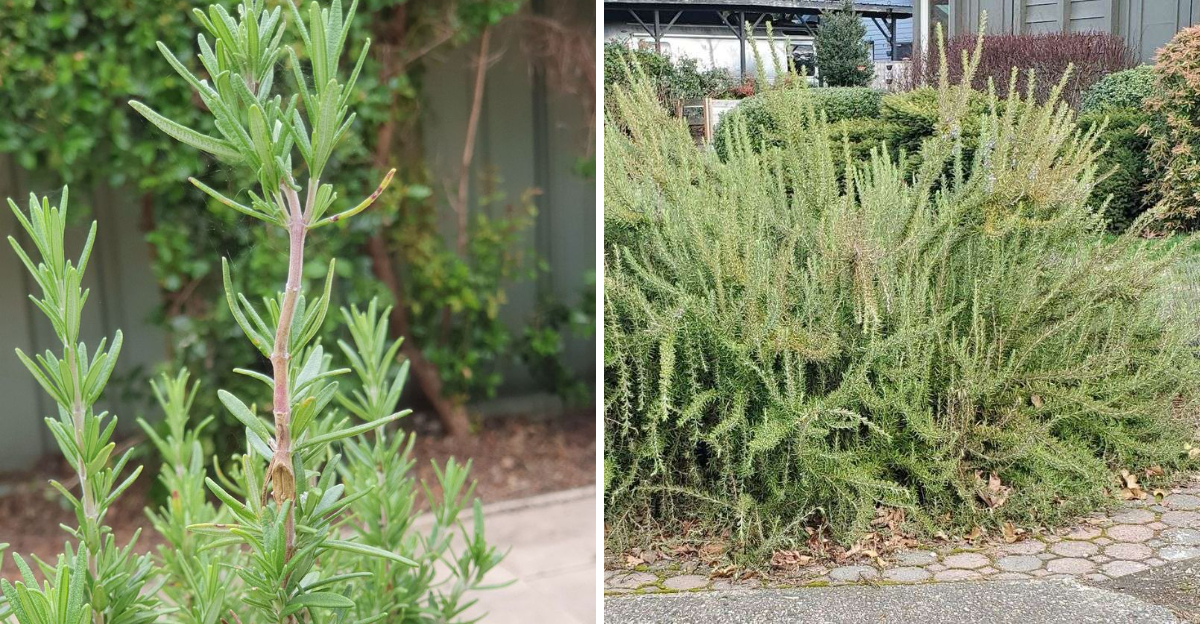
That rosemary by your kitchen door has changed.
Two years ago it was soft and fragrant, the kind of plant you brushed on the way past. Now it’s stiff. Bare brown stems at the bottom, green only at the tips, more shrub than herb.
The obvious move is to cut it back hard and start fresh.
That instinct will probably cost you the plant.
Here’s what makes Oregon different from where rosemary comes from. This is a Mediterranean plant built for dry summers and sharply draining rocky soil.
Seven months of rain is not in its programming.
So the woody growth is only half the problem. The real threat arrives with the first serious storms, and it happens below the soil where nobody looks.
There’s a narrow window right now to get ahead of it. Most of the work has nothing to do with pruning.
Curious what your plant actually needs before the rain settles in?
1. Trim Lightly To Encourage New Growth
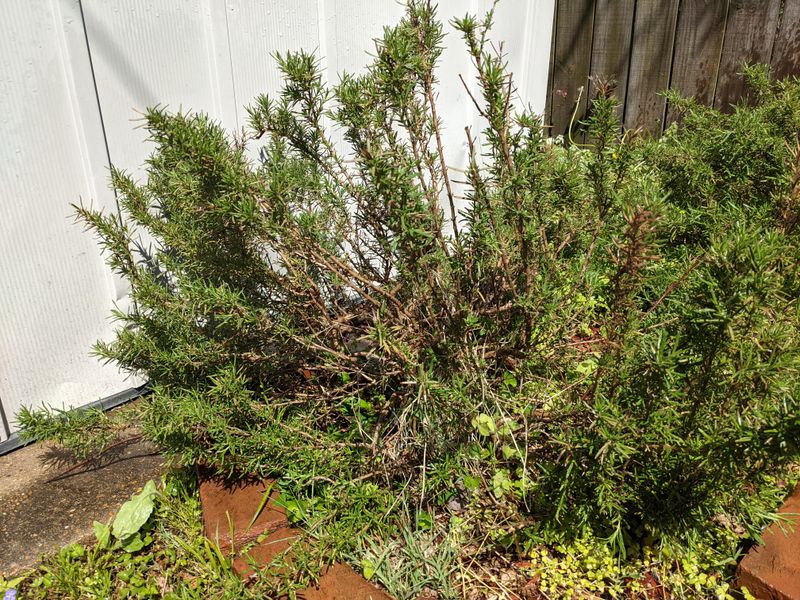
Late summer is when rosemary starts looking rough, with long stems sticking out and a woody base that seems harder each year.
A light trim improves appearance without pushing the plant into stress right before the wet season arrives.
Focus on soft green tips rather than thick brown sections lower down.
Rosemary handles shaping best when cuts stay in younger growth that still carries leaves and active buds.
Use clean hand pruners and remove a small amount from each stem, generally enough to shorten floppy shoots and even the shape.
Avoid taking more than a modest share at once, particularly as cooler wetter weather approaches.
Cut just above a leafy side shoot so the plant branches from that point.
That single detail keeps rosemary fuller and less leggy, which matters when gray skies slow growth and leave less recovery time.
A rounded open shape works better than a tight haircut. Enough leafy cover protects the plant while awkward stems that trap moisture get removed.
Timing helps too. Pruning at least a few weeks before consistent rain gives cuts time to seal.
After trimming, skip heavy watering unless soil is genuinely dry.
Balance is the goal rather than speed, since a lightly shaped plant enters fall in better condition than one pushed into tender new growth.
2. Avoid Cutting Back Into Bare Wood
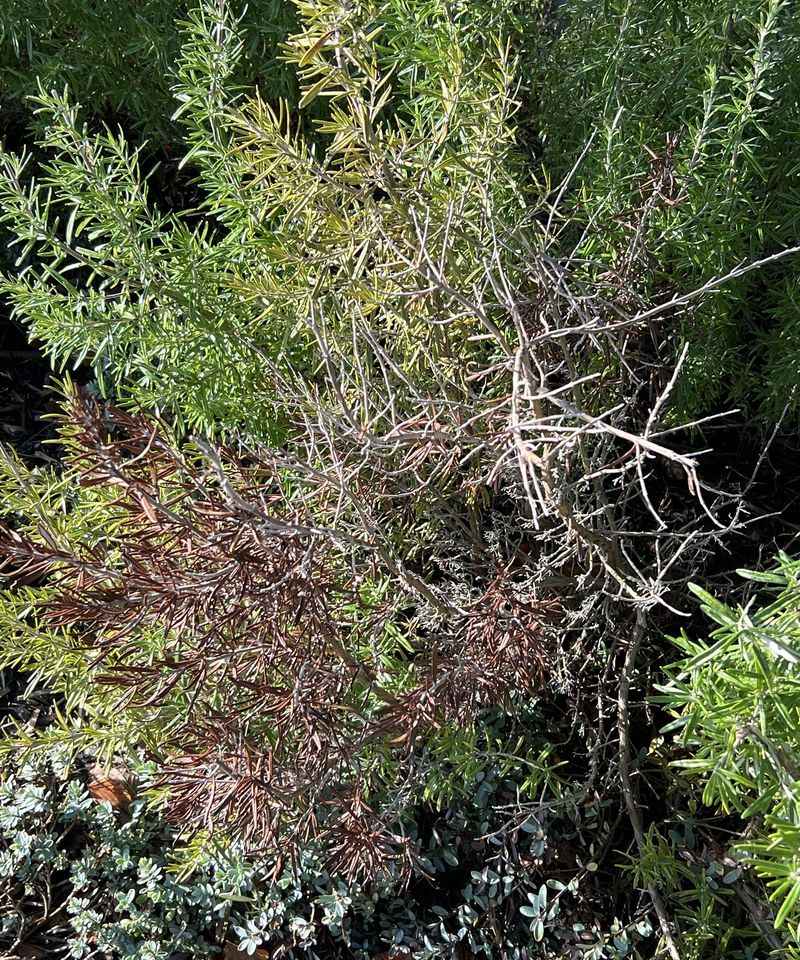
Plenty of gardeners want to chop a woody rosemary hard and hope it restarts as a fresh plant.
That gamble usually fails, since many rosemary varieties do not reliably regenerate from old bare wood once leaves are gone.
The reason is structural. Rosemary lacks the dormant buds along old wood that let plants like lavender’s tougher relatives resprout after hard cuts.
Pruning limits matter enormously in Oregon for that reason.
Cutting deep into thick leafless stems right before months of cool rain may leave the plant unable to replace what it lost, producing weak structure and greater risk of decline.
Look closely before making any cut. Brown stiff stems with no green needles are risky territory.
Leave those alone unless clearly broken or causing crowding you cannot solve another way.
Safer cuts happen where green growth still appears along the stem.
Shortening just above leafy sections keeps the plant’s working parts intact and gives it a real chance to stay full through winter.
Older plants sometimes have shapes that cannot be corrected in one season.
Patience beats a severe haircut here, since slow reshaping across several years protects the healthy outer growth keeping the shrub alive.
A rosemary that’s mostly bare wood already may be a replacement rather than a rescue.
3. Improve Drainage Before Rain Arrives
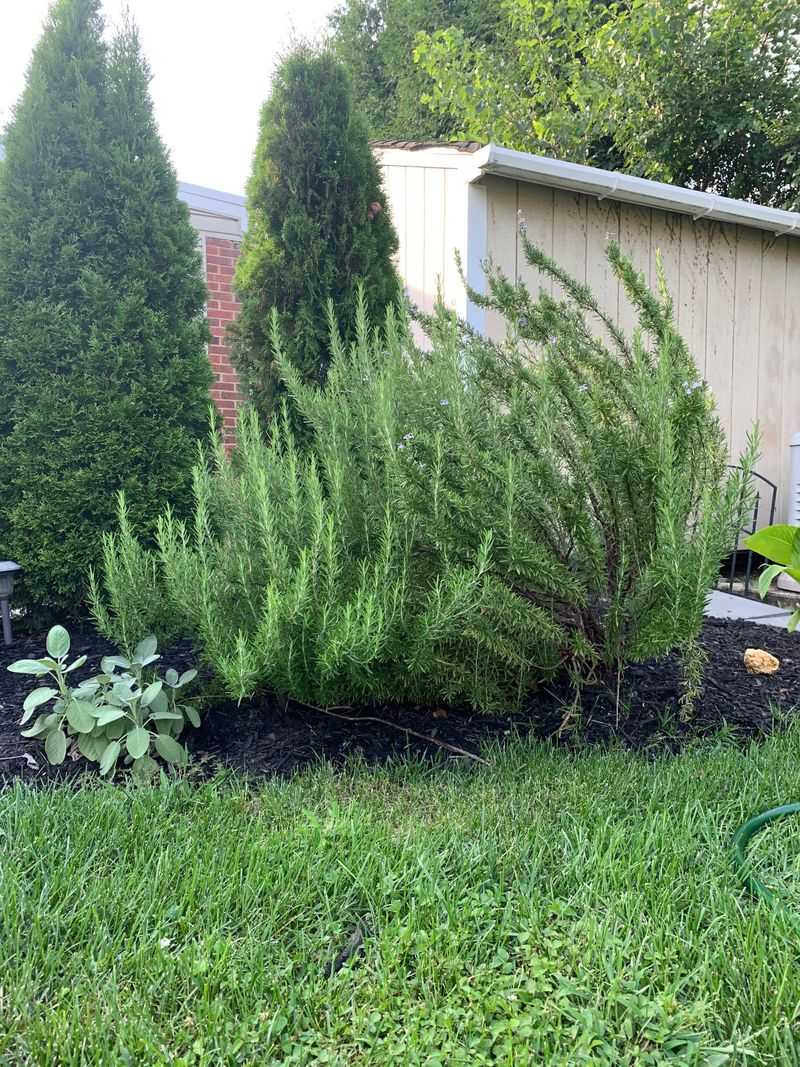
If one job matters most before Oregon rain returns, it’s drainage.
Wet roots threaten rosemary far more than shaggy growth does, since this plant is genuinely susceptible to root rot when soil stays saturated through cool weather.
Sharp drainage is the consistent recommendation for this Mediterranean herb.
A plant growing in heavy clay, a low pocket, or a bed where winter water collects faces substantially higher risk than one set high and dry.
Start by watching where water goes after irrigation or a storm.
Lingering puddles or soil that feels sticky and dense below the surface both signal work worth doing now rather than after storms arrive.
Mounding soil so the crown sits above surrounding grade is the most practical fix.
Raised beds and berms both help. Adding coarse material to the planting area can improve structure, though results depend on your native soil.
One caution worth knowing. Amending a small hole in heavy clay creates a basin that collects water rather than draining it, so amend a broad area or mound instead.
Keep mulch pulled back from the crown rather than packing damp material against the stems.
When a spot simply stays wet all winter, moving the plant beats leaving it in a location that becomes a root rot trap annually.
4. Raise Containers Off Wet Ground
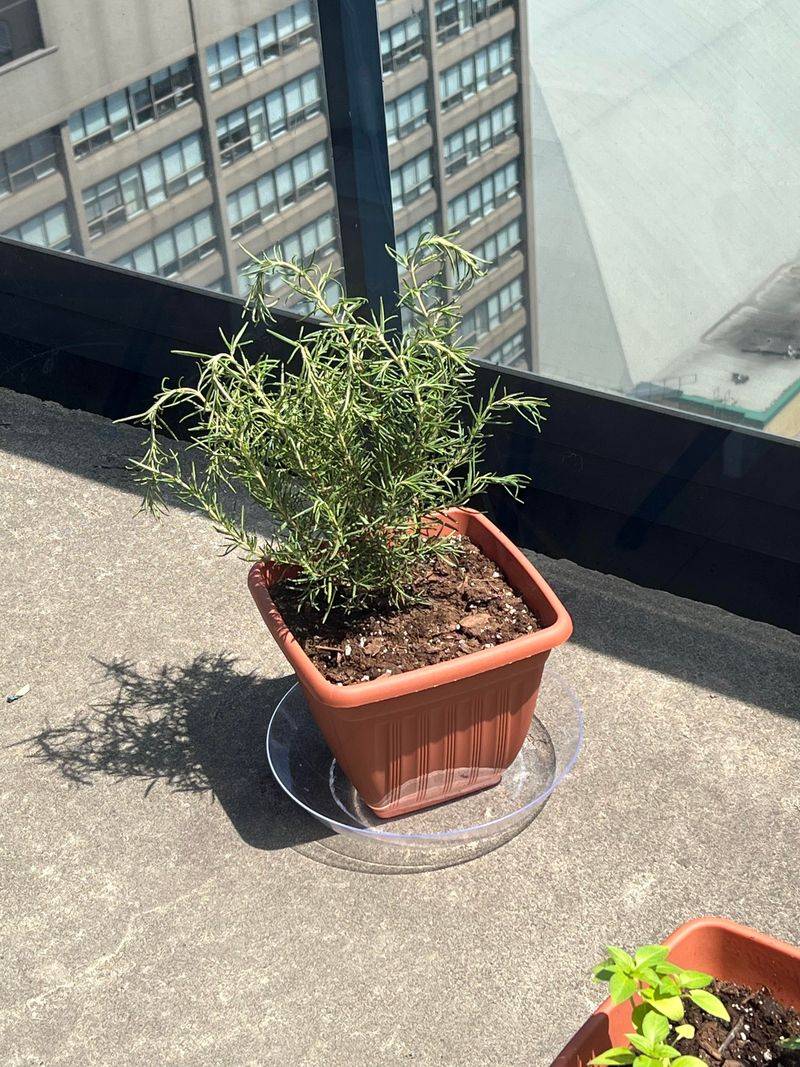
Container rosemary looks safer than in-ground plants and carries its own rainy season problems.
A pot sitting flat on concrete, deck boards, or compacted soil can have blocked drainage holes, leaving water around the roots.
That trapped moisture is exactly what rosemary struggles with as days shorten and evaporation slows.
Even excellent potting mix cannot compensate if the container never fully drains between rains.
Pot feet, bricks, strips of rot-resistant wood, or a sturdy stand all create an air gap underneath.
That small lift lets water escape and helps the root ball dry more evenly between wet spells.
Check that drainage holes are open before setting the pot back down.
Roots, fallen leaves, and old potting mix all clog holes, and one blocked opening keeps the lower portion of a pot soggy for days.
Choose a stable setup that won’t tip in wind, since a tall woody rosemary gets top-heavy.
Terra cotta actually helps here, since porous walls let moisture escape through the sides as well as the bottom.
Empty saucers regularly and skip decorative cachepots that trap runoff.
Oregon’s fall pattern turns one small drainage mistake into a long season of stress.
5. Thin Crowded Stems For Better Airflow
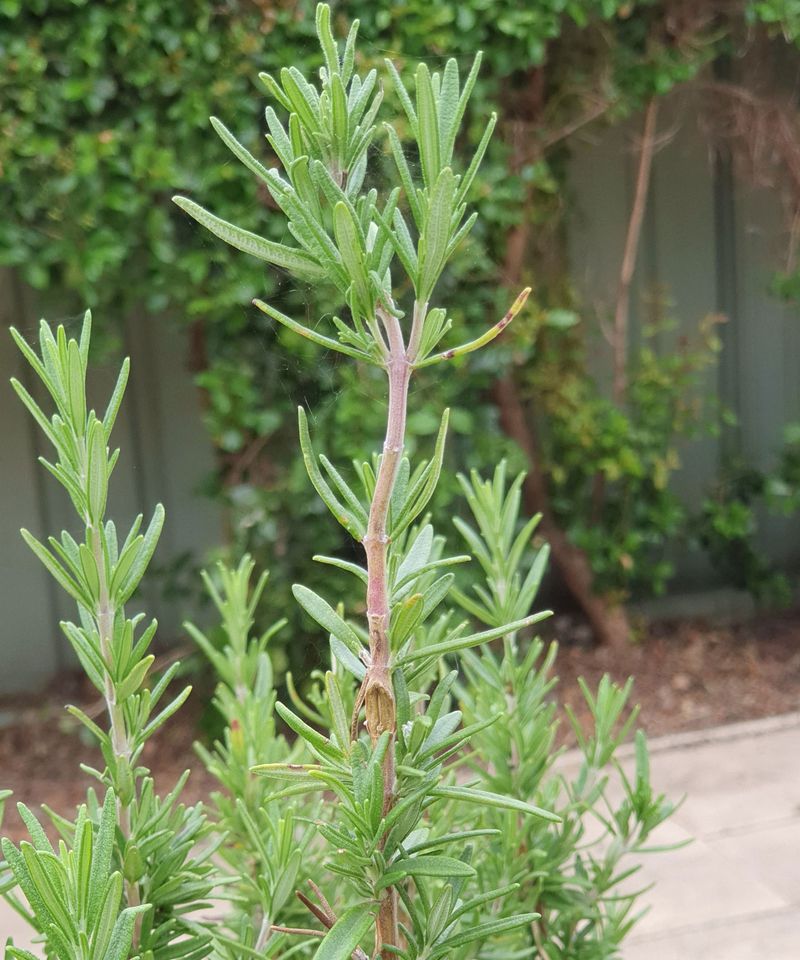
Rosemary becomes a tight bundle over time, particularly when years of tip growth accumulate around an older center.
In damp fall weather, that crowded middle holds moisture and creates poor conditions for healthy air movement.
Rather than shearing the outside, remove a few selected stems from the interior.
Thinning that way preserves the natural shape while opening pathways for light and breeze, which helps foliage dry after rain or heavy dew.
The comparison to opening a window in a stuffy room holds well.
You aren’t hollowing the plant out, just reducing congestion where stems rub, cross, or pack tightly enough to keep the center dark.
Use clean pruners and trace each stem back before cutting so you avoid leaving stubs.
Good thinning cuts are deliberate and preserve plenty of green growth while keeping the shrub balanced from every angle.
This step reveals hidden problems too. An open middle makes it easier to spot spent twigs, trapped leaves, and stems resting against wet soil.
Powdery mildew shows up on crowded rosemary in the Pacific Northwest, appearing as a dusty white coating, and better airflow is the main prevention.
Keep the adjustment modest on an older woody plant, since over-thinning before cool weather exposes stems too suddenly.
6. Hold Off On Heavy Feeding Now
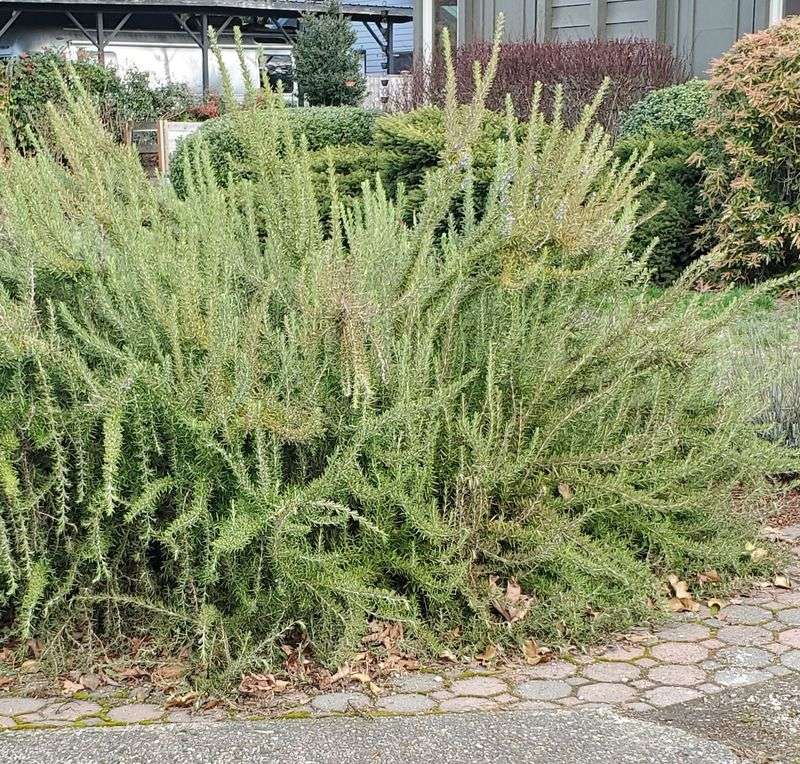
When rosemary looks tired and woody, fertilizer seems like a straightforward remedy.
Early fall in Oregon is usually the wrong moment, since the plant is heading toward slower growth as cool wet conditions take over.
A substantial dose encourages soft new shoots with little time to harden.
Tender growth is more vulnerable through the damp season, and it addresses nothing if drainage is the real problem.
Feeding should take a back seat to site conditions for that reason.
Rosemary evolved in lean rocky Mediterranean soils and genuinely needs less nutrition than most garden plants.
Well-drained soil and decent color usually mean the plant requires nothing at all.
Skip the urge to force late growth just because summer is ending.
A steadier plant with firm existing stems handles Oregon’s fall and winter pattern better than one carrying lush easily-damaged shoots.
Excess nitrogen also reduces the aromatic oil concentration that makes rosemary worth growing, so heavy feeding costs flavor as well as hardiness.
Pale leaves have several possible causes including drainage trouble, root stress, and cold damage.
Fertilizer addresses none of those, which is why diagnosis should come first.
Focus on drainage, airflow, and careful pruning instead.
7. Move Potted Rosemary Under Cover
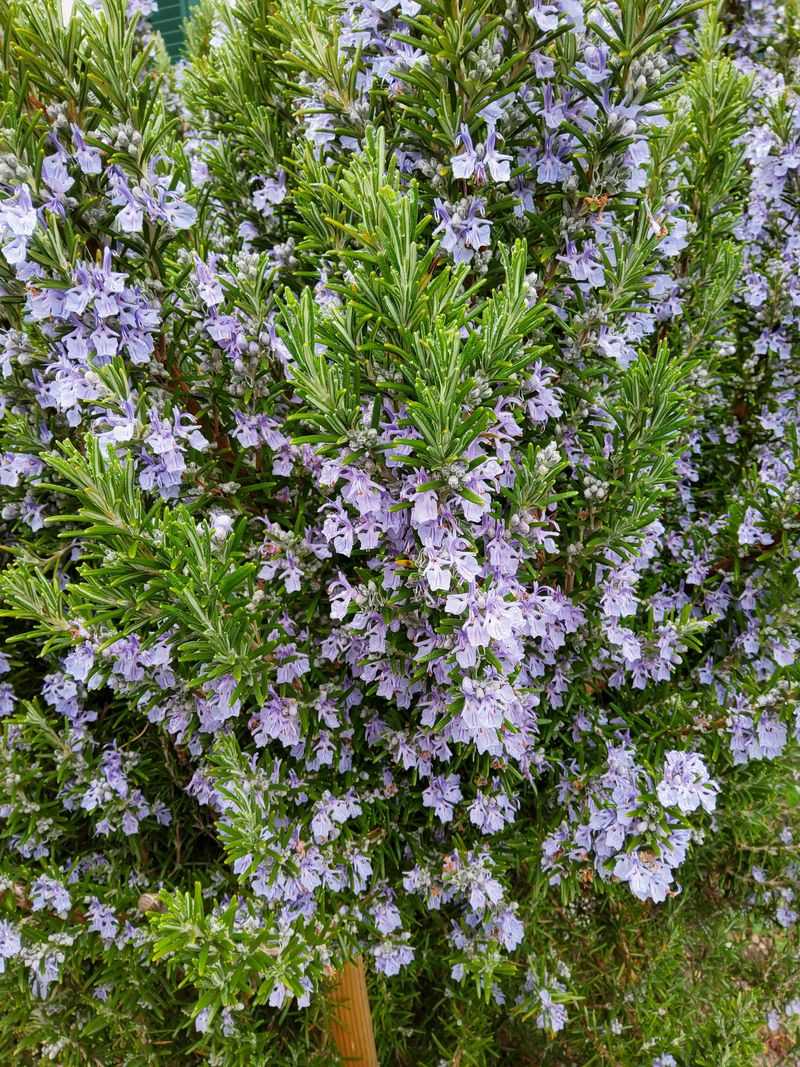
Some Oregon storms arrive back to back, and a potted rosemary can stay wet far longer than it should.
During those stretches, moving containers under an eave, covered porch, or similar bright shelter makes a real difference.
The goal isn’t tucking rosemary into a dark corner.
It still needs strong light and decent airflow, though overhead protection prevents the mix from being soaked again before it drains at all.
Watch both the forecast and your container size.
Small pots saturate quickly while large decorative containers hold moisture a long time, so shelter matters most when several rainy days line up.
In the coldest or wettest parts of the state, some gardeners bring pots indoors for stretches.
That approach works with a sunny window and restrained watering, since indoor rosemary dies from overwatering far more often than from neglect.
Reduced light indoors also causes leaf drop, so a bright cool spot beats a warm dim one.
Check the plant before moving it. Clear fallen leaves from the soil surface and confirm the pot drains freely.
Keep containers away from spots where roof runoff pours down, since that concentrated water is harder on a plant than open rain.
8. Choose Varieties Built For Wet Winters
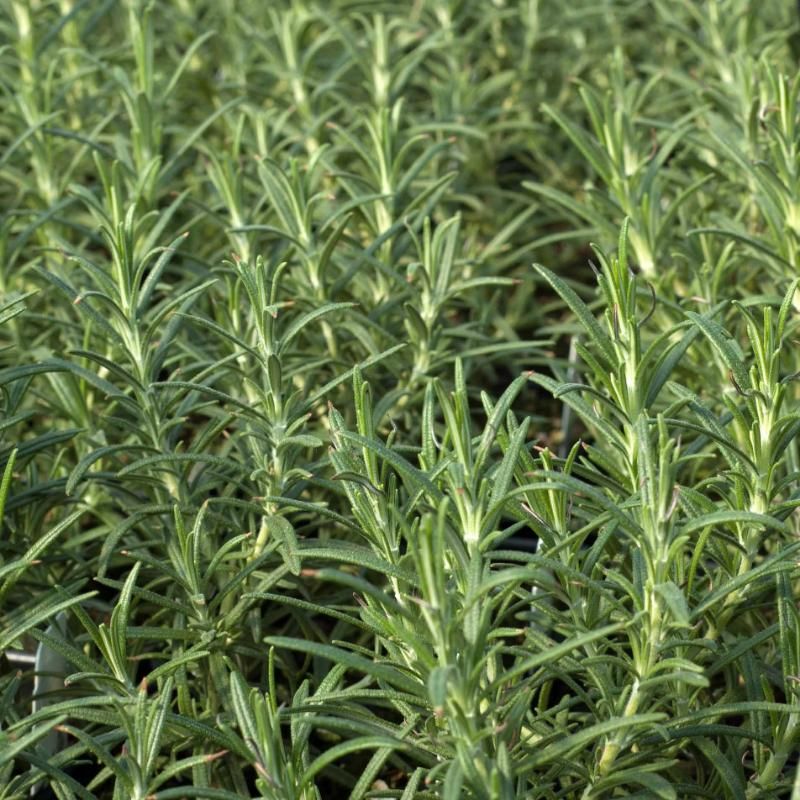
Not every rosemary handles Oregon the same way, and that difference matters for anyone replanting.
Arp is widely regarded as among the hardiest selections, tolerating colder conditions than standard types.
Hill Hardy, sometimes sold as Madalene Hill, has a similar reputation and holds up reasonably well in the Pacific Northwest.
Upright forms generally shed water better than prostrate types, since trailing growth sits closer to wet soil and holds moisture against stems.
That difference shows up over a long rainy winter more than during a single storm.
Tuscan Blue grows vigorously and reaches substantial size, which suits a well-drained sunny spot better than a cramped bed.
Prostrate varieties still work in Oregon, provided they hang over a wall or slope where water drains away rather than pooling underneath.
Container growing suits less hardy selections, since pots can move to shelter when conditions turn.
Hardiness ratings assume good drainage, so a variety rated for your zone may still struggle in heavy wet clay.
Local nurseries generally stock selections that perform in the region, which beats ordering something rated for a drier climate.
Replacement every several years is a reasonable strategy anyway, since young plants stay soft and productive while old ones turn woody regardless of care.