Why California Gardeners Refresh Mulch Under Trees Before September Heat
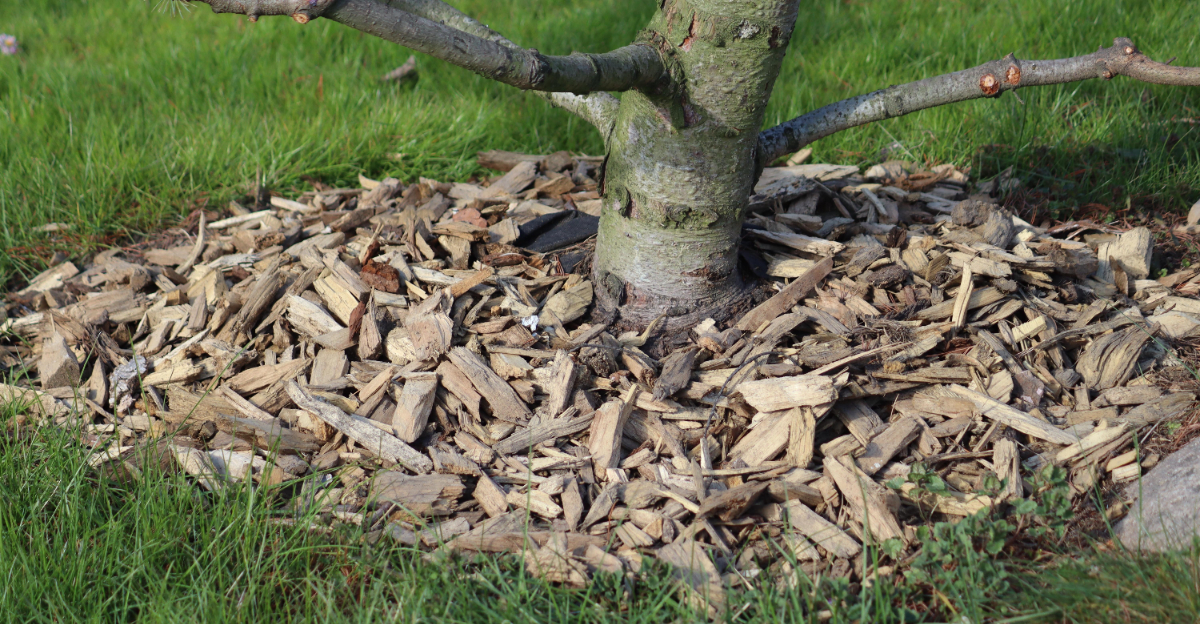
Late August in California has a certain smell to it. Dry grass, warm dust, and the faint scent of bark baking in the afternoon sun.
Walk out to your favorite shade tree around four in the afternoon and press a hand into the ground. If it feels like a cracker instead of a sponge, something under there is quietly struggling.
Most of the trouble is invisible. It happens a few inches below the surface, where fine roots do the hard work of keeping leaves green through the hottest stretch of the year.
The fix is old-fashioned, cheap, and surprisingly easy to get wrong. Timing matters more than most folks expect, and so does the spot where you place it.
Here is what seasoned California gardeners know about that last window before the September heat arrives.
California’s Hottest Stretch Comes Late
Newcomers to California often relax once August ends. Then September rolls in and often delivers one of the hottest stretches of the year for coastal and inland valley areas.
Coastal and inland valleys alike tend to peak late. Offshore wind patterns push warm, dry air toward the coast, and humidity drops into the teens. Soil that held together in July starts pulling apart into dusty clumps.
Trees feel that shift before you do. By September, they have already spent months pushing water from roots to leaves, and their reserves are thin. Fine feeder roots sitting in the top few inches of soil are the first to feel the squeeze.
Bare ground makes everything harder. Sun hits the surface directly, and soil temperatures near the top can climb well past comfortable levels for root tissue. Water applied in the morning can be half gone by mid-afternoon.
A refreshed layer of organic material acts like a hat for the ground. It blocks direct sun, slows evaporation, and keeps the root zone several degrees cooler than exposed dirt nearby.
Timing is the trick. Spreading material in late August gives it a week or two to settle and knit together before the real heat lands.
Wait until the heat wave is already on the calendar and you are playing catch-up. The soil is hot, moisture is gone, and you end up covering dry ground instead of protecting damp ground.
Getting ahead of that late-season spike is the whole point.
The Real Toll Rising Heat Takes On Bare Soil
Picture a parking lot in August. Now picture bare garden soil, which behaves more like that asphalt than most people realize.
Exposed dirt absorbs sunlight and heats up fast. Surface temperatures on unshaded ground can run twenty or thirty degrees above the air temperature on a clear afternoon.
Heat does not stop at the surface. It travels downward into the zone where a tree’s finest, most delicate roots live, and those roots are far less tough than the woody anchors deeper below.
Water loss speeds up at the same time. Warm soil pushes moisture into the air as vapor, so irrigation that should last five days may only last two.
Your California Garden Changes Every Week. Your Plan Should Too.
Gardening in California changes quickly throughout the season. Every Friday you’ll receive a simple weekly plan showing exactly what to plant, prune, fertilize, harvest, and protect so you never miss the right timing.
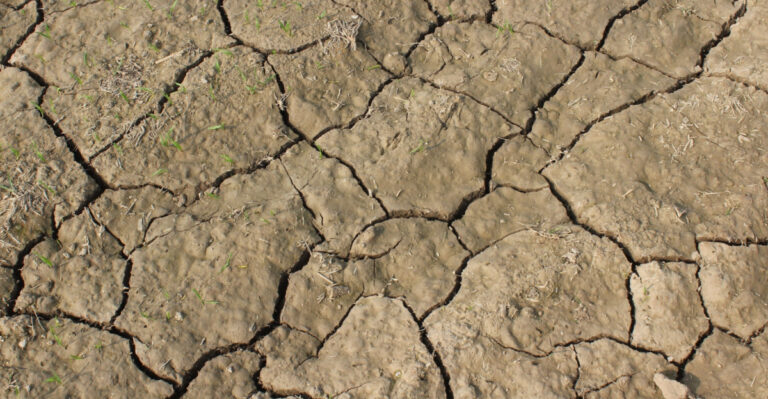
Cracking follows. Clay-heavy California soils shrink as they dry, opening gaps that let water run straight past the roots instead of soaking in evenly.
Soil life takes a hit as well. Earthworms retreat deeper, and the fungi and bacteria that help roots grab nutrients slow way down when things get hot and parched.
Covered soil tells a different story. Under three or four inches of coarse organic material, temperatures stay noticeably milder and moisture hangs around far longer.
That steadiness matters more than any single watering. Roots grow best when conditions stay fairly even, not when they swing from soaked to bone-dry every few days.
Think of the covering as insulation. It works in both directions, calming heat in September and holding warmth during chilly winter nights.
Old Mulch Breaks Down Faster Than You Think
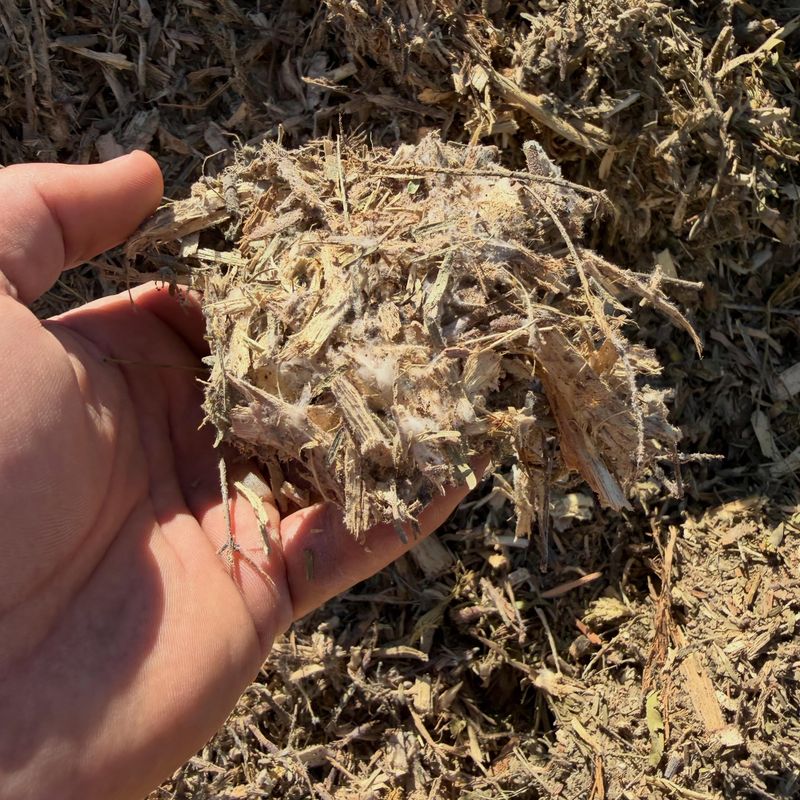
That thick blanket you spread back in spring? Go look at it. Odds are good it is now a thin, gray, crumbly memory of its former self.
Organic materials break down constantly. Wood chips, shredded bark, and leaf litter all feed soil organisms, and those organisms slowly turn the layer into humus.
Shrinkage is normal and honestly a good thing. The problem is that gardeners forget to account for it, so coverage quietly drops below the depth that actually protects anything.
Four inches in March can easily become one and a half inches by late summer. At that depth, sunlight reaches the soil, weed seeds sprout, and evaporation returns to full speed.
Wind and irrigation move it around too. Sprinkler spray scatters lighter material, and hillside yards lose coverage downhill after every deep watering.
Foot traffic compacts what remains. A pathway worn under a shade tree turns fluffy chips into a flat mat that sheds water rather than letting it soak through.
A quick check settles the question. Push a finger straight down through the layer until you hit soil, then measure what you pulled through.
Anything under two inches deserves a top-up. Adding an inch or two of fresh coarse material restores the barrier without smothering anything.
Fresh material also brings back the rough, chunky texture that traps air. Well-decomposed fines pack tight, while new chips stay loose and let rain filter down where roots can use it.
The Volcano Mistake That Undoes All The Good Work
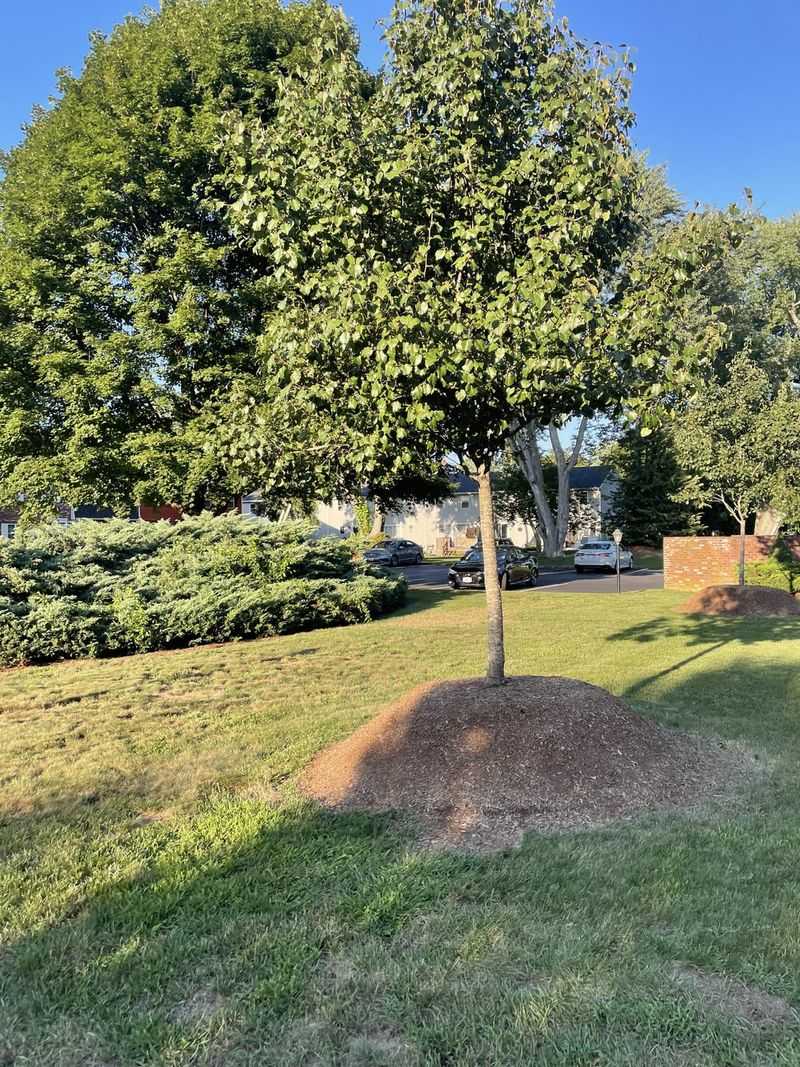
Drive through almost any neighborhood and you will spot them: trees standing in tidy cones of bark piled high against the trunk. Landscapers call these mulch volcanoes, and arborists wince at every one.
Bark on a trunk is built for open air. Pile damp material against it and the bark stays wet, softens, and becomes an easy entry point for decay-causing organisms and boring insects.
Rodents love the arrangement too. Voles and mice tunnel through the pile and gnaw bark at the base where nobody ever looks.
Roots get confused as well. Some trees respond by sending roots upward into the mound, and those roots can eventually circle the trunk and constrict its growth over time.
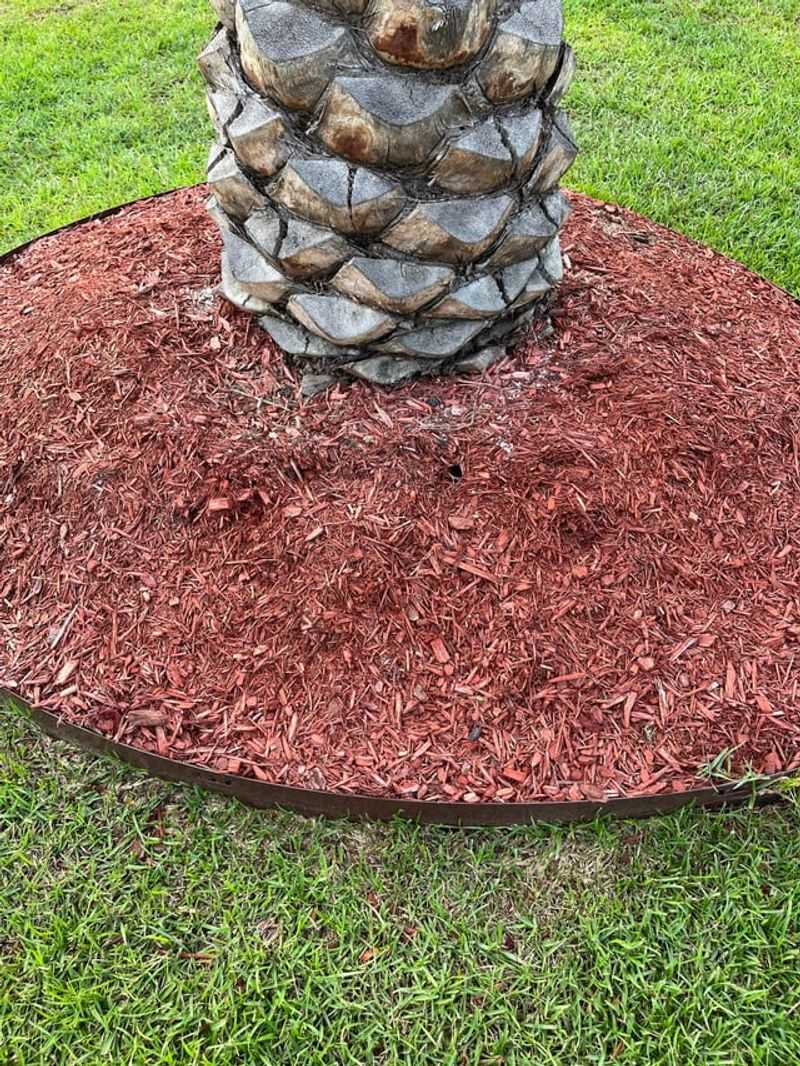
The correct shape is a donut, not a cone. Keep material six to twelve inches away from the trunk so the flare at the base stays visible and dry.
Spread it wide instead of deep. Extending coverage out toward the edge of the canopy protects far more feeder roots than heaping it near the trunk ever will.
Depth of three to four inches is plenty. Going much thicker can block air and water movement, especially on clay soils common across California valleys.
Rake out any existing mound before adding fresh material. Pull the old pile back, check that the root flare is showing, then even everything into a flat ring.
Small correction, big payoff. A properly shaped ring does its job for years without causing trouble.
The Order That Changes Everything
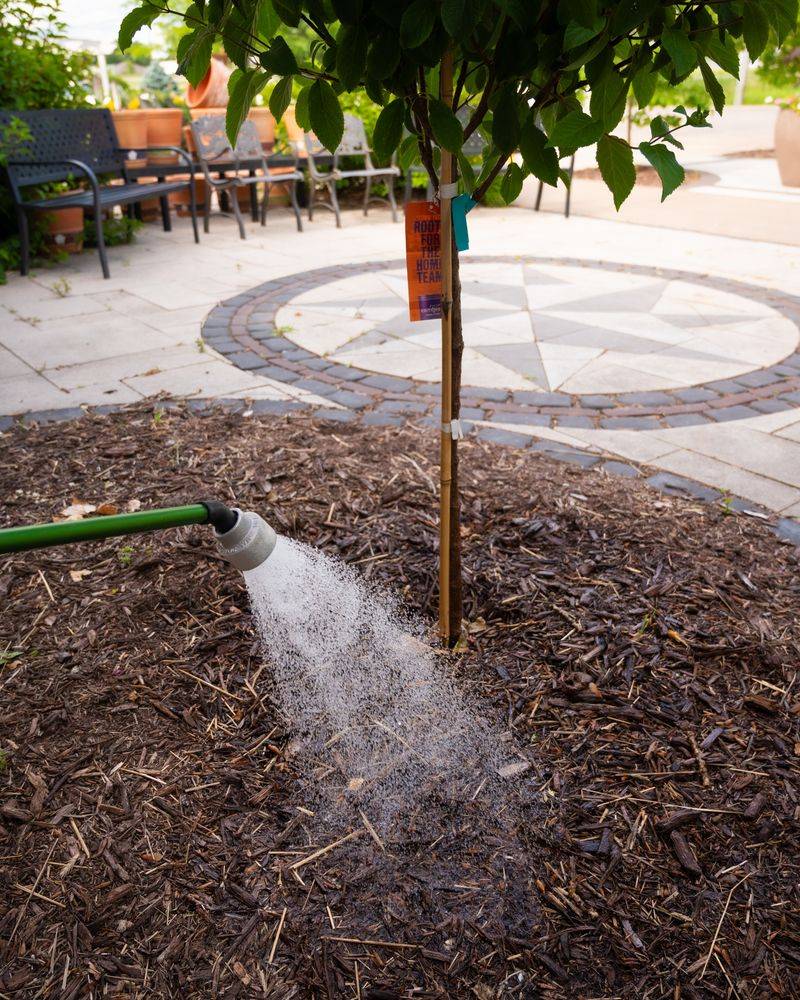
Here is the step that separates a helpful mulch job from a pointless one. Water goes down before the chips do, not after.
Coverage holds whatever moisture is already there. Spread it over dust and you have essentially sealed in the dust, and fresh material can absorb light watering before it ever reaches soil.
Deep soaking comes first. Run a soaker hose or a slow sprinkler under the canopy long enough to wet the top twelve inches or so, which often takes a few hours.
Check your work with a screwdriver. Push it into the soil, and if it slides in easily to the handle, you have reached the depth you want.
Give the surface an hour to drain. Spreading over standing puddles can create a soggy layer that stays too wet against the surface.
Then spread evenly. Rake the material into a smooth layer that reaches out under the branches, keeping that clear gap around the trunk.
Follow up with a light rinse. A short watering settles everything in place and keeps wind from scattering the lighter pieces.
Early morning is the friendliest window. Soil absorbs better before the sun climbs, and you avoid working in triple-digit afternoon air.
Once everything is set, adjust your irrigation. Covered soil holds moisture longer, so you can often stretch the gap between deep waterings and still keep roots comfortable through the worst September stretch.
Picking Material That Suits A Dry California Yard
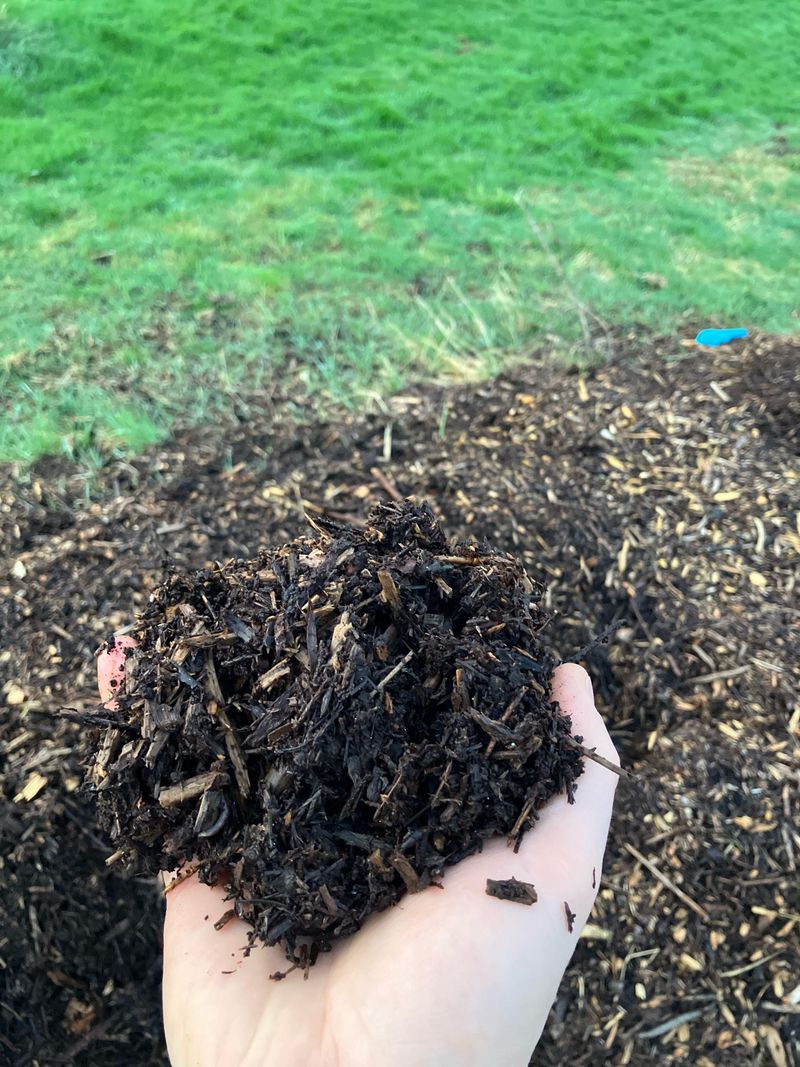
Not every bag at the garden center earns its price. Some of the best material in California arrives free on a truck driven by a tree crew working down the street.
Arborist wood chips top many pros’ lists. The mix of chipped wood, bark, and leaves breaks down at different rates, which builds a layer that stays chunky and breathes well.
Shredded bark works nicely on slopes. Its stringy pieces knit together and resist sliding downhill when water runs across the surface.
Coarse beats fine in hot weather. Fine, dusty products compact into a crust that sheds water, while chunky pieces leave air gaps that let rain soak through.
Skip fresh grass clippings in thick layers. They mat, get slimy, and can turn sour, though a thin scattering mixed with leaves is fine.
Rubber and plastic sheeting cause more headaches than they solve. Neither feeds the soil, and both trap heat instead of moderating it.
Rock has its place in desert-style designs but radiates heat back up into the canopy. Under a thirsty shade tree, organic material serves better.
Fallen leaves deserve more respect than they get. Raking them into a ring under the tree recreates what happens naturally in a forest, and it costs nothing.
Whatever you choose, buy or gather a bit more than you estimate. Coverage settles, and running short halfway around a large canopy is a frustrating way to spend a Saturday.