What To Do With Your Bird Of Paradise In Florida Before Summer Hits
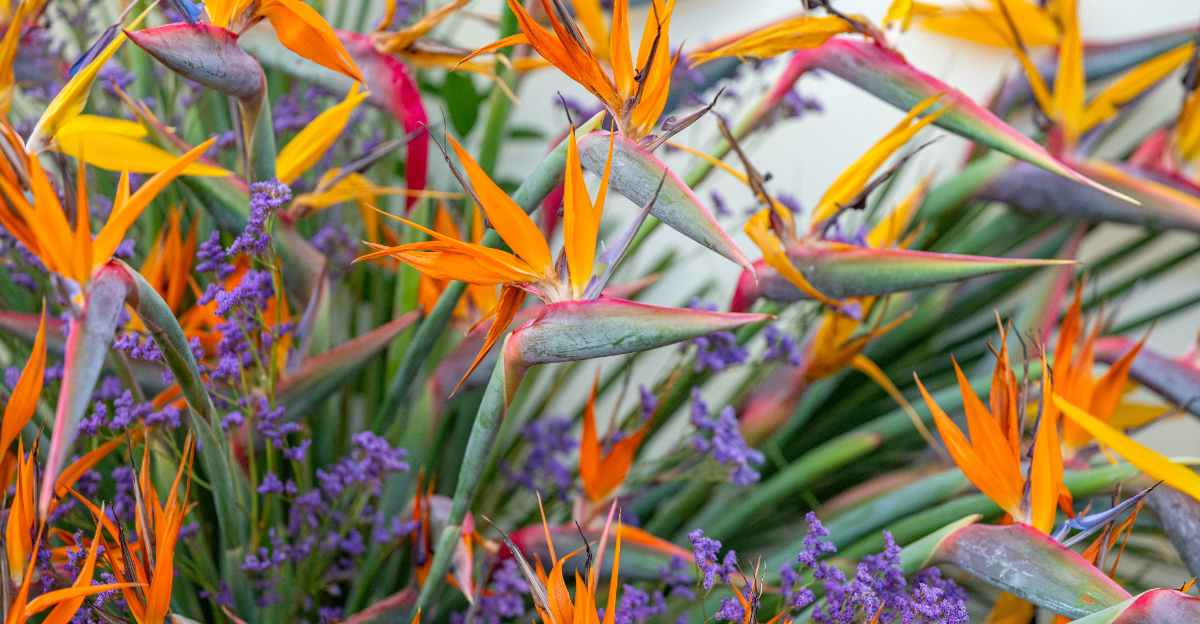
Florida summers arrive fast, and they do not ease in gently. One week you have comfortable spring mornings, and the next you are dealing with blazing heat, afternoon thunderstorms, and humidity that makes everything feel like a sauna.
If you grow Bird of Paradise in your yard or garden, late spring is the sweet spot for getting your plant in great shape before that intense summer weather rolls in.
A little attention now can mean the difference between a plant that struggles through summer and one that thrives, blooms beautifully, and comes out of the season looking stronger than ever.
1. Feed Your Bird Of Paradise Before Summer Takes Off
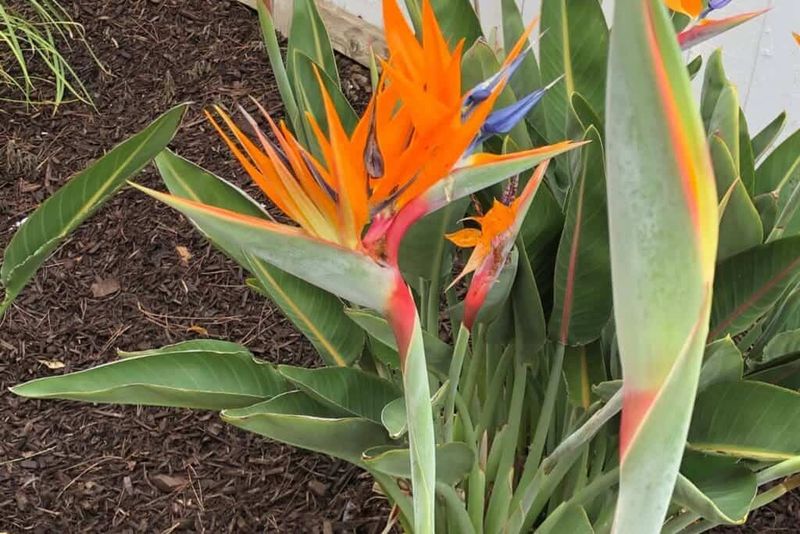
Late spring is genuinely one of the best windows you have all year to feed your Bird of Paradise, and here in Florida, timing that feeding correctly makes a real difference.
As temperatures climb and the plant starts pushing out new growth, it needs the right nutrients available in the soil to support that energy surge.
Feeding too late, after the heat has fully settled in, can stress the plant rather than support it.
A balanced, slow-release fertilizer works well for Bird of Paradise. Look for an NPK ratio around 8-6-8 or 10-5-10, which gives the plant a steady, even supply of nutrients without flooding the roots all at once.
Applying around early spring, before summer heat peaks, sets the plant up to use those nutrients efficiently as it grows through the warmer months ahead.
Overdoing fertilizer is a real trap that many gardeners fall into, especially when they want results fast. Dumping extra fertilizer on the roots does not speed up blooming.
Instead, it tends to push out a lot of leafy green growth while actually reducing flower production. Too much nitrogen is often the culprit, causing the plant to put all its energy into leaves rather than blooms.
Follow the package directions carefully and resist the urge to add more than recommended. Water the fertilizer in well after applying so it starts moving into the root zone.
One well-timed, correctly measured feeding in late spring gives your Bird of Paradise exactly what it needs heading into Florida’s demanding summer season.
2. Trim Worn Leaves Before Summer Arrives
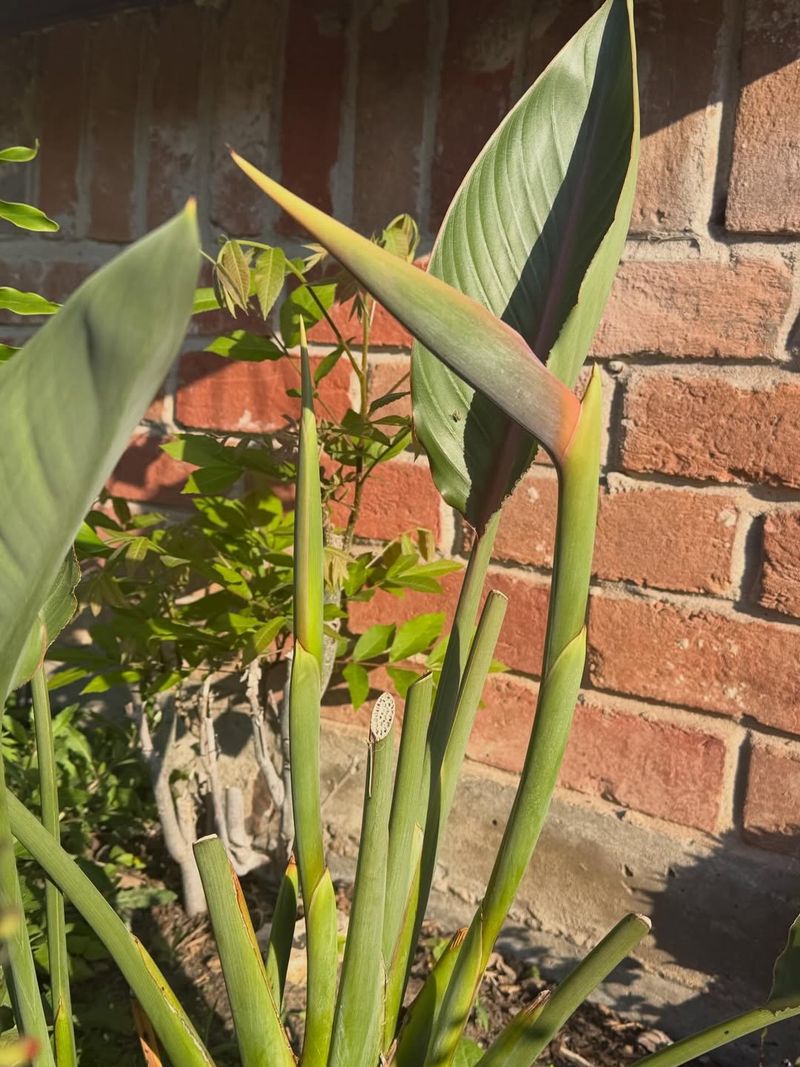
After a Florida winter and spring, Bird of Paradise leaves can look a little rough around the edges. Wind, cooler temperatures, and occasional dry spells leave behind foliage that is torn, yellowed, or streaked with brown.
Cleaning that up before summer is not just about making the plant look nice, though it does make a big difference in appearance.
Removing worn or damaged leaves helps the plant redirect its energy. Every leaf the plant maintains takes resources to keep alive, even if that leaf is no longer doing much useful work.
By cutting away foliage that is past its prime, you are essentially freeing up the plant to focus on producing healthy new growth once the growing season hits full stride.
Use clean, sharp pruning shears when trimming. A clean cut reduces the chance of introducing pathogens into the plant tissue, and a sharp blade makes the job faster and cleaner than struggling with dull tools.
Your Florida Garden Changes Every Week. Your Plan Should Too.
Gardening in Florida changes quickly throughout the season. Every Friday you’ll receive a simple weekly plan showing exactly what to plant, prune, fertilize, harvest, and protect so you never miss the right timing.
Cut the leaf stem down close to the base of the plant rather than leaving a jagged stub sticking out.
One thing worth noting is that Bird of Paradise leaves do not regenerate once removed, so only take what genuinely looks damaged or unhealthy. Healthy, full-sized leaves are still photosynthesizing and contributing to the plant’s overall vigor.
The goal is selective cleanup, not stripping the plant bare. A tidy, well-maintained plant heading into summer is far better positioned to handle Florida’s intense heat and humidity than one carrying a load of worn, struggling foliage.
3. Remove Old Flower Stalks For A Fresh Look
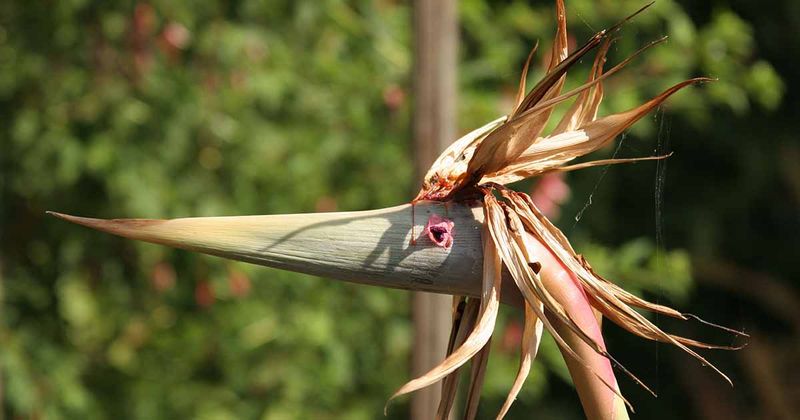
Spent flower stalks on a Bird of Paradise do not just look untidy. They linger on the plant long after the bloom is finished, taking up visual space and doing nothing productive for the plant.
Before summer gets going, taking a few minutes to remove those old stalks makes the whole plant look refreshed and ready for a new season of growth.
Once a bloom is fully finished and the stalk has started to dry out and brown, it is time to remove it. Use clean pruning shears and cut the stalk down as close to the base as you comfortably can without damaging surrounding healthy growth.
Some gardeners hesitate to cut too aggressively, but leaving a long, dried stub is not doing the plant any favors either aesthetically or structurally.
Removing old stalks also helps you get a clearer picture of what is happening inside the plant. With the clutter gone, you can better see new growth emerging, spot any potential pest issues earlier, and assess whether the plant needs thinning or dividing.
That kind of visibility is genuinely useful as you prepare for the months ahead.
There is also a practical reason to clear old stalks before Florida’s rainy season begins.
Decomposing plant material left on or near the base can create conditions that attract pests or harbor fungal issues, especially in the warm, wet environment that Florida summers bring.
A clean plant going into summer is a healthier plant, plain and simple, and this small step takes only a few minutes to accomplish.
4. Fix Watering Problems Before Heat Builds
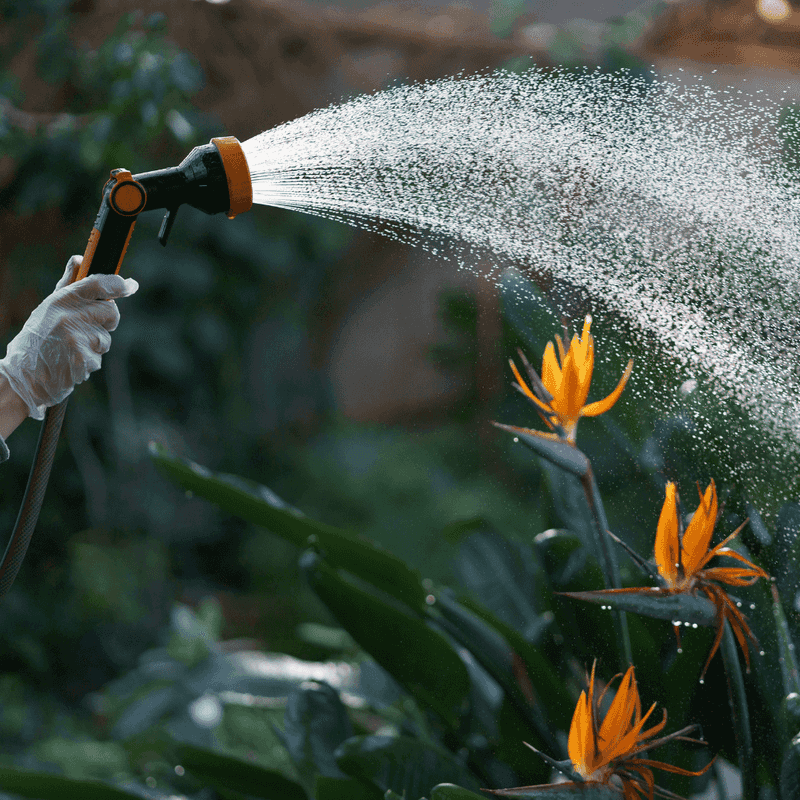
Watering a Bird of Paradise in Florida is not a set-it-and-forget-it situation, especially as seasons shift. Spring can be deceptively dry before the rainy season kicks in around June, and that transition period is when watering problems tend to develop.
Getting ahead of those issues now saves you from scrambling once the heat is fully on.
The general rule is to water deeply when the top two to three inches of soil feel dry to the touch. Bird of Paradise does not like sitting in soggy soil, and Florida’s naturally sandy soils can sometimes drain too fast, leaving roots dry between waterings.
Adding a layer of organic mulch around the base helps retain moisture and keeps soil temperatures more consistent, which the roots appreciate as air temperatures climb.
On the flip side, overwatering is a common mistake, particularly for gardeners who set irrigation systems and do not adjust them seasonally. Once Florida’s rainy season arrives, running irrigation on the same schedule as a dry spring month can lead to waterlogged soil and root rot.
Check your irrigation schedule and be ready to dial it back as rainfall increases.
Consistency matters more than volume. A plant that receives steady, appropriate moisture develops a stronger, deeper root system than one that swings between drought and flood.
Check the soil manually rather than relying purely on a schedule, because Florida weather is unpredictable. A few minutes of attention to watering habits before summer fully arrives can prevent a lot of unnecessary stress for both you and your plant.
5. Check For Scale Before It Spreads
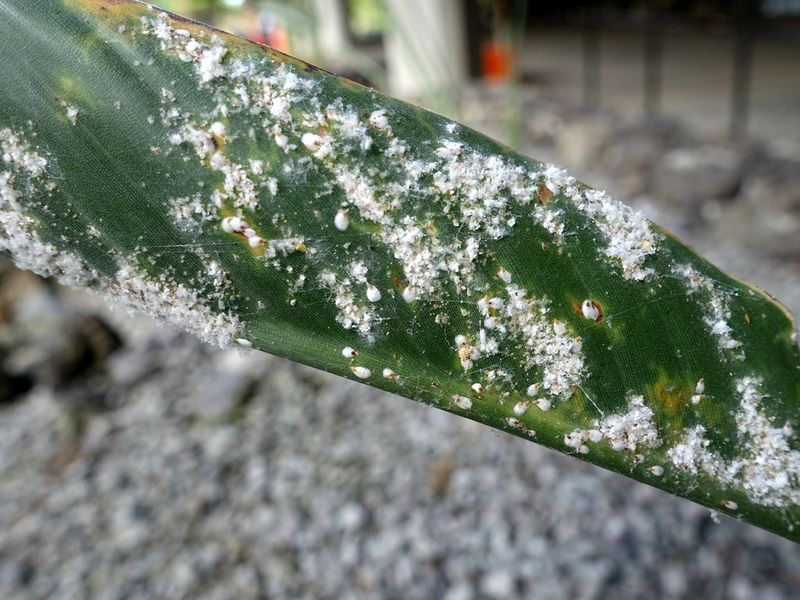
Scale insects are sneaky. They do not move around like other pests, and their hard, shell-like coverings make them easy to overlook until the infestation has already grown.
On Bird of Paradise plants in Florida, scale tends to appear along stems and on the undersides of leaves, and late spring is a smart time to do a thorough check before summer warmth helps populations expand rapidly.
What you are looking for are small, oval or round bumps that may appear brown, tan, or slightly waxy. They cling tightly to plant surfaces and can be mistaken for part of the plant itself if you are not looking carefully.
A strong sign of scale activity is a sticky residue on leaves or stems, which comes from the honeydew scale insects produce as they feed on plant sap.
Catching scale early makes management much more straightforward. A small infestation can often be addressed by scrubbing the affected areas with a soft brush and soapy water, or applying horticultural oil or insecticidal soap.
Both products work by smothering the insects and are widely available at garden centers. Follow label instructions carefully for application rates and timing.
Waiting too long to address scale can allow populations to spread to neighboring plants and weaken your Bird of Paradise significantly over a season.
Reduced vigor, yellowing leaves, and poor flowering are all signs that a pest problem may have been going on longer than you realized.
A quick inspection now, before conditions favor rapid pest growth, is genuinely time well spent in any Florida garden.
6. Divide Crowded Clumps Before Summer Stress
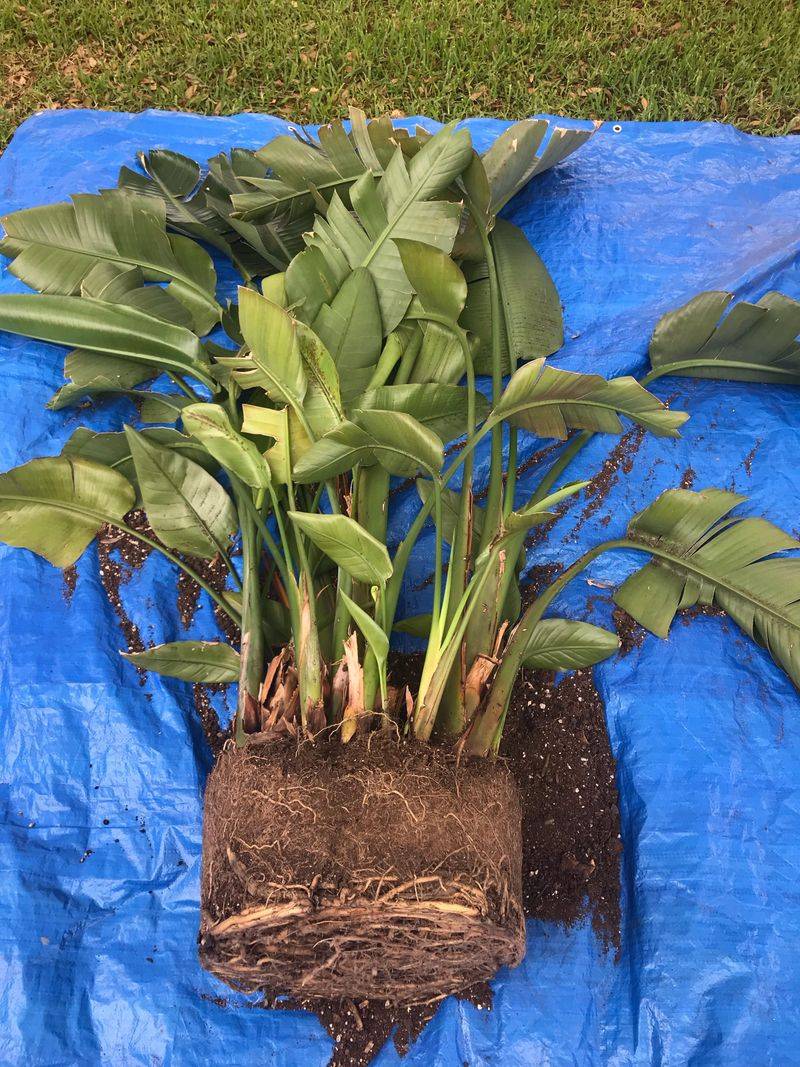
Over time, Bird of Paradise naturally produces offsets, which are smaller plants that emerge around the base of the main clump. This is completely normal and actually a sign of a healthy, established plant.
The problem comes when those offsets multiply and the clump becomes overcrowded, with plants competing for the same water, nutrients, and root space.
A crowded clump tends to produce fewer blooms and slower growth overall. When roots are packed tightly together and the canopy is dense, individual plants within the clump cannot access what they need to perform at their best.
Dividing the clump gives each section room to breathe and grow independently, often resulting in improved flowering within a season or two.
Late spring, before Florida’s summer heat fully settles in, is the right time to tackle division. The moderate temperatures give divided sections a chance to recover and establish new roots before they have to face the demands of intense summer heat.
Dividing in the middle of summer puts freshly separated plants under significant stress before they have had time to stabilize.
To divide, use a sharp spade or garden fork to carefully separate offsets from the main clump. Try to keep as much of the root system intact as possible on each section.
Replant divisions at the same depth they were growing at, water them in thoroughly, and keep the soil consistently moist for the first few weeks. Divisions established in spring tend to settle in quickly and are ready to grow strongly through the summer months ahead.
7. Give It The Sun It Needs To Bloom
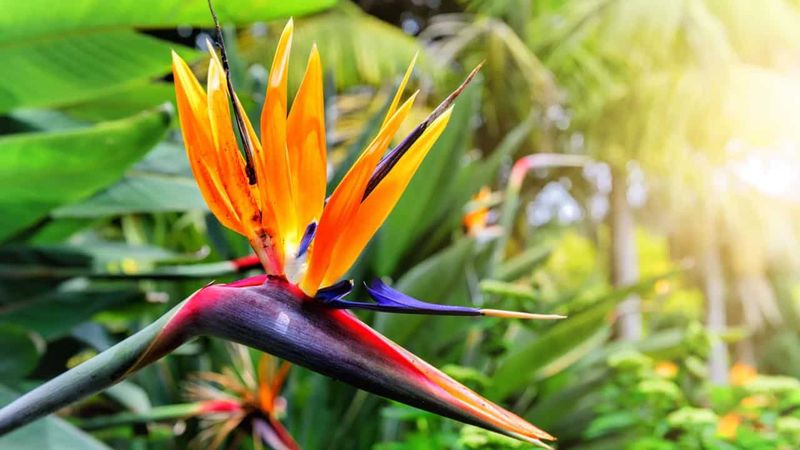
Sunlight is non-negotiable for Bird of Paradise flowering, and Florida gardeners have plenty of it to work with. The plant needs at least six hours of direct sunlight daily to produce blooms consistently.
Plants growing in too much shade may look healthy and produce plenty of leaves, but they rarely flower well, which is frustrating when you are growing this plant specifically for those stunning orange and blue blooms.
Before summer arrives, take an honest look at where your plant is positioned. Trees and shrubs that were small when you first planted your Bird of Paradise may have grown enough to cast significant shade over the spot.
Seasonal changes in sun angle can also shift how much direct light a location receives. What worked perfectly a few years ago may no longer be giving the plant the exposure it needs.
Florida’s midday summer sun can be intense enough to scorch foliage, so the ideal situation is a spot that gets strong morning sun with some relief from the harshest afternoon rays.
Eastern exposures often work well, providing bright light in the morning without the brutal heat of a full western afternoon exposure.
Southern exposures also tend to perform well throughout the year in Florida’s climate.
If your plant is in a container, now is a good time to reposition it before the heat makes moving plants more stressful. For in-ground plants, assess whether surrounding vegetation needs trimming back to open up more light.
Getting light right before summer is one of the most impactful things you can do for bloom production in the coming season.
8. Thin Crowded Growth For Stronger Summer Growth
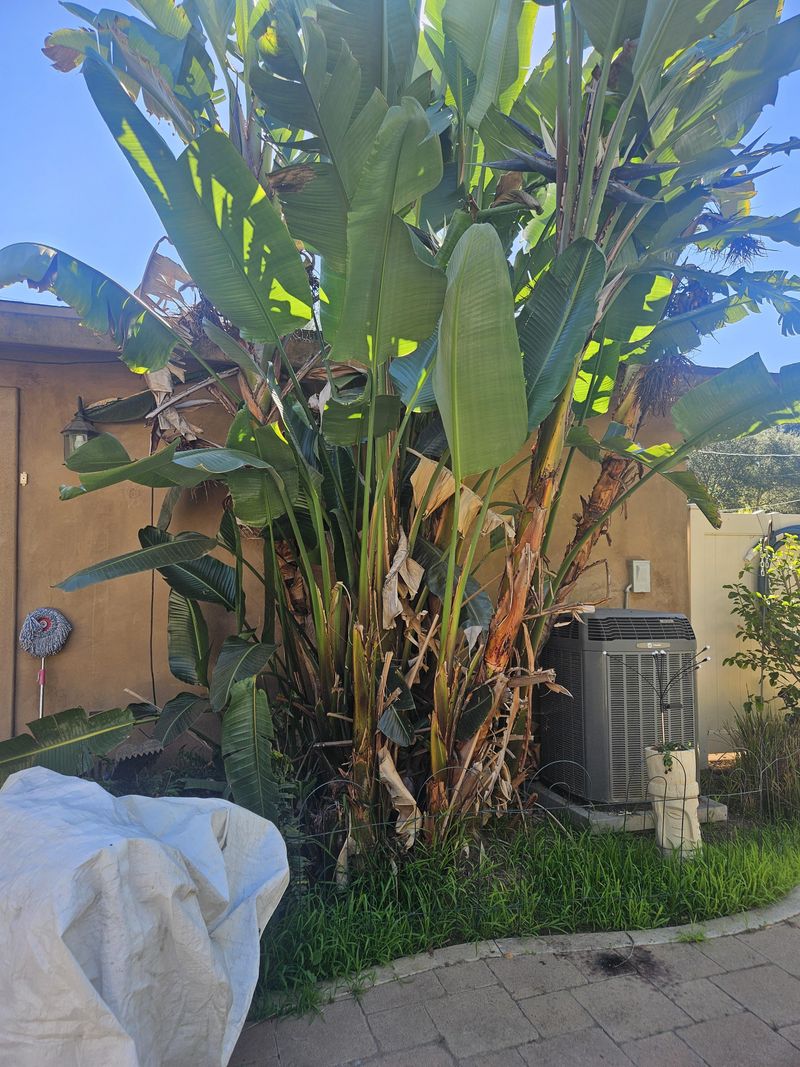
There is a difference between removing damaged leaves and thinning a plant that has simply become too dense.
Thinning is a more deliberate process of selectively removing healthy but overcrowded growth from the interior of the plant to improve airflow, light penetration, and overall structure.
For Bird of Paradise plants that have been growing for several seasons in Florida’s favorable climate, this kind of attention can make a meaningful difference.
When growth becomes too thick in the center of the plant, air circulation drops significantly. Poor airflow creates a microclimate that stays damp longer after rain or irrigation, which in Florida’s humid summer conditions can encourage fungal issues.
Thinning opens up the plant so air moves freely through the canopy, reducing that risk without requiring any chemical treatments.
Light penetration also improves with thoughtful thinning. Inner stems and leaves that are shaded by outer growth tend to be weaker and less productive.
Removing some of that crowded inner growth allows the remaining stems to receive better light, which supports stronger photosynthesis and overall plant vigor heading into the most demanding season of the year.
When thinning, step back regularly and assess the plant from a distance. The goal is to create a plant that looks full and healthy but not so dense that nothing can move through it.
Remove stems that are crossing, rubbing against each other, or growing in directions that crowd the center. A well-thinned Bird of Paradise going into Florida summer is set up for a season of strong, healthy growth rather than a season spent fighting preventable problems.