What Florida Gardeners Should Harvest Before May Heat Changes The Flavor
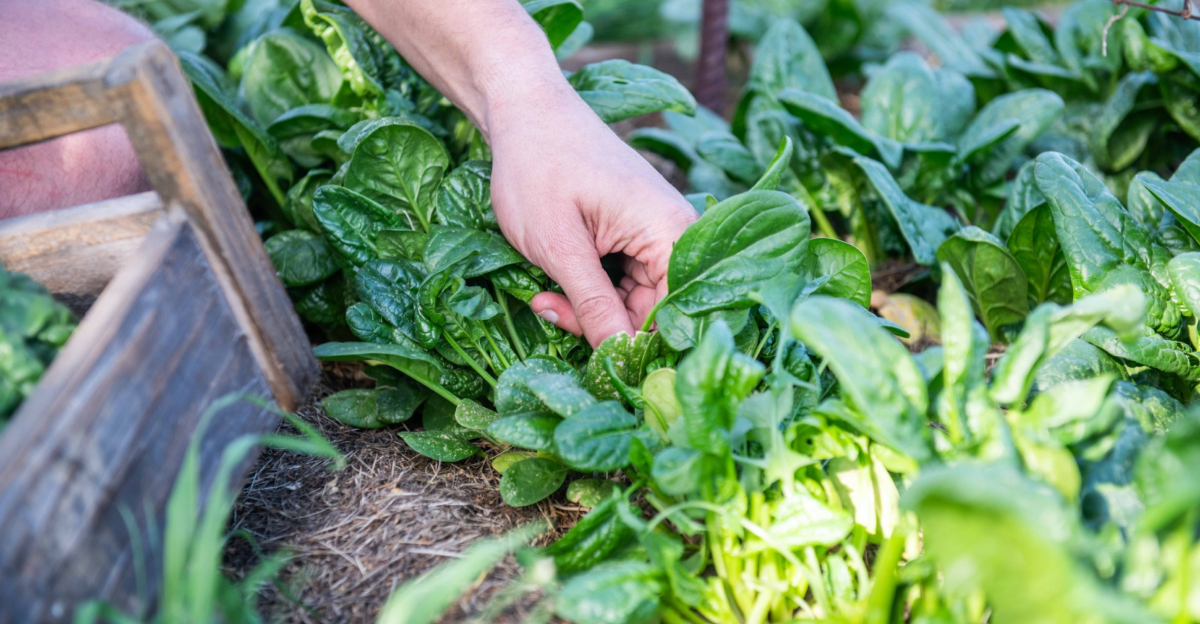
There is a moment every May in the Florida vegetable garden where things shift almost overnight. The greens that were lush and tender a few weeks ago start looking a little too tall, a little too eager, and suddenly that mild, sweet flavor you loved is gone.
Cool-season crops have a personality change when warm soil temperatures arrive, and in Florida, that change comes fast. Lettuce bolts, radishes get woody, herbs turn sharp, and leafy greens that once tasted fresh start leaning toward bitter.
It is nothing personal, it is just the season doing its thing.
Knowing which crops to harvest and pull before that window closes is really the key to getting the most out of everything you grew, and the timing can vary quite a bit depending on where in the state you garden.
1. Lettuce Turns Bitter As Heat Builds
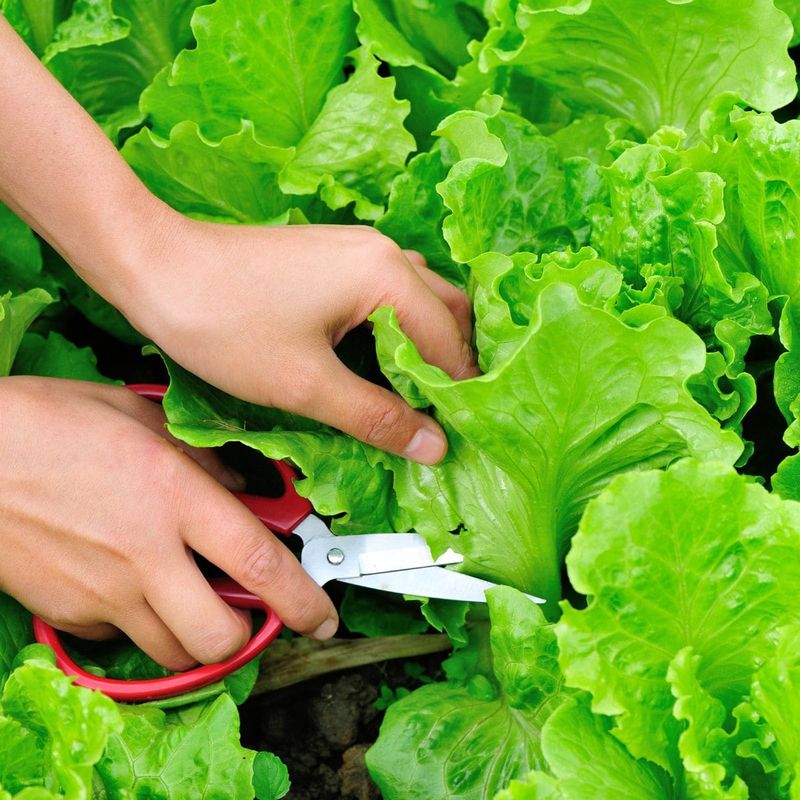
Warm nights are one of the first signs that your lettuce harvest window is narrowing fast. Lettuce is a cool-season crop, and as soil temperatures climb through April and into May, the plant begins shifting its energy from leaf production toward flowering and seed setting.
That shift is called bolting, and once it starts, the leaves can develop a noticeably bitter taste that most people find unpleasant.
In South Florida, this shift can happen earlier than gardeners in North Florida might expect. Central Florida gardeners often notice changes somewhere in between, depending on the variety planted and how warm the nights have been.
Loose-leaf types tend to hold up a bit longer than heading varieties, but no lettuce type is immune to heat-driven bitterness.
Harvesting outer leaves regularly while the plant is still actively growing can help extend your window a little. Look for the center of the plant beginning to elongate or stretch upward as a sign that bolting is starting.
Once the center stalk rises, bitterness usually follows quickly. Pulling entire heads before this happens, especially during a stretch of cooler morning hours, gives you the best flavor.
Refrigerating harvested lettuce promptly helps preserve that freshness a bit longer after picking.
2. Spinach Fades As Cool Weather Leaves
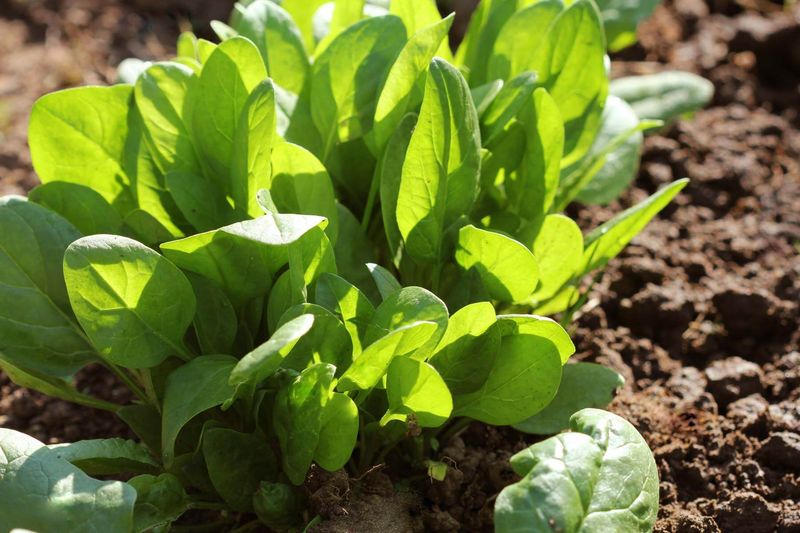
Few vegetables capture the freshness of a cool-season garden quite like spinach, but its window is shorter than many gardeners realize.
Spinach thrives when nights stay cool and days remain mild, which makes fall through early spring the prime growing season across much of Florida.
As late spring approaches and temperatures begin climbing, spinach tends to respond by bolting and producing smaller, less tender leaves.
Once spinach bolts, the leaves can become tougher and the flavor may take on a more pronounced edge that is less enjoyable raw.
Cooked spinach from bolted plants can still be useful in some recipes, but the tender, mild quality that makes fresh spinach so versatile tends to fade quickly with heat.
Gardeners in South Florida often find that spinach fades earliest, while North Florida growers may get a slightly longer window.
Harvesting the largest, most mature leaves first while leaving smaller inner leaves to continue growing is a practical approach as heat builds. Watch for flower stalks beginning to emerge from the center of the plant.
Your Florida Garden Changes Every Week. Your Plan Should Too.
Gardening in Florida changes quickly throughout the season. Every Friday you’ll receive a simple weekly plan showing exactly what to plant, prune, fertilize, harvest, and protect so you never miss the right timing.
That is your clearest signal to harvest what remains before quality drops further. Tropical spinach substitutes, such as Malabar spinach, are better suited to summers and can fill the gap once cool-season spinach is done for the season.
3. Radishes Get Sharper In Warm Soil
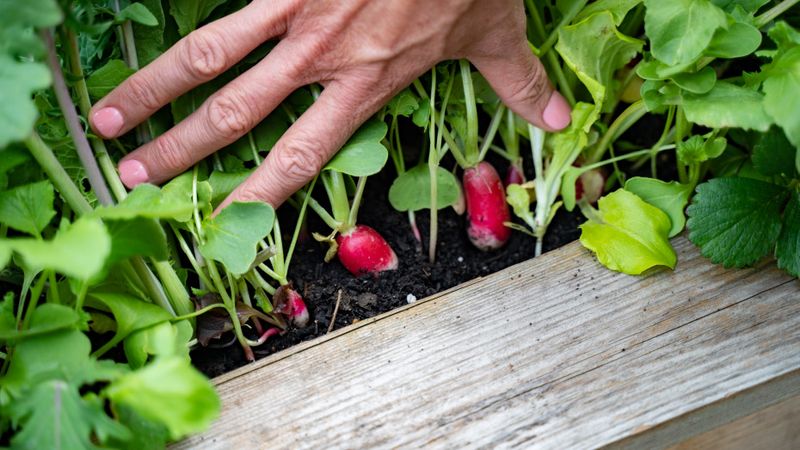
Radishes are one of the fastest-maturing vegetables a gardener can grow, and that speed works in your favor when spring heat starts building.
Most radish varieties are ready to harvest within three to four weeks of planting, which means a well-timed spring planting can still produce a satisfying harvest before warm soil temperatures push flavor in the wrong direction.
Cool soil tends to produce radishes with a crisp texture and a balanced, mildly spicy bite. As soil warms, radishes can become more intensely sharp and peppery, which some people enjoy but others find overwhelming.
Beyond flavor, warm soil can also cause radishes to become pithy or hollow inside, which affects texture in a way that makes them less enjoyable to eat raw.
Harvest radishes promptly once they reach their mature size, which is usually around three-quarters of an inch to one inch in diameter for most common varieties.
Leaving them in warm ground too long after maturity is one of the quickest ways to lose that crisp, fresh quality.
A simple test is to brush away a little soil near the base and check the size before pulling. In Florida, even a few extra days in warm spring soil can shift a radish from crisp and snappy to spongy and overly sharp, so checking the bed regularly is a helpful habit.
4. Mustard Greens Turn Bitter In Heat
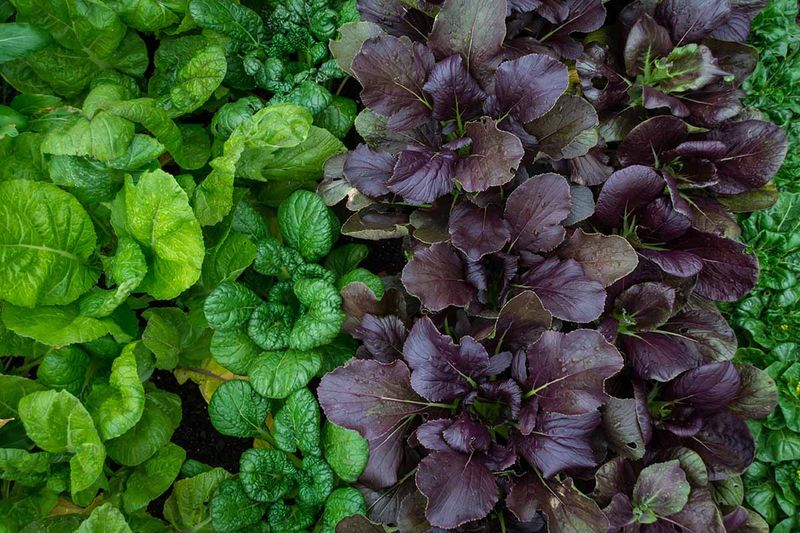
Mustard greens have a loyal following among gardeners who appreciate bold, peppery flavor with a slight bite.
From fall through early spring, mustard is one of the most productive and reliable cooking greens available, thriving in cool temperatures and tolerating mild frosts without much trouble.
As May approaches and warmth settles in, that familiar flavor can shift from pleasantly sharp to noticeably bitter.
The bitterness that builds in mustard greens during warm weather comes from the same compounds that give the plant its characteristic kick.
When temperatures rise, those compounds become more concentrated in the leaves, and the result is a flavor that can overpower dishes rather than complement them.
Younger, smaller leaves harvested during the cooler parts of the season tend to have a milder, more balanced taste.
Before heat fully takes hold, harvest the largest outer leaves while the inner leaves are still tender and actively growing. Blanching harvested mustard greens before freezing is a good way to preserve them if you have more than you can use fresh.
Once the plant begins sending up a flower stalk, the remaining leaves tend to be tougher and more intensely bitter.
In Florida, mustard greens are best treated as a fall-through-spring crop, and trying to stretch the harvest too far into warm weather usually results in greens that require heavy cooking to be enjoyable.
5. Turnips Lose Tender Texture When Overgrown
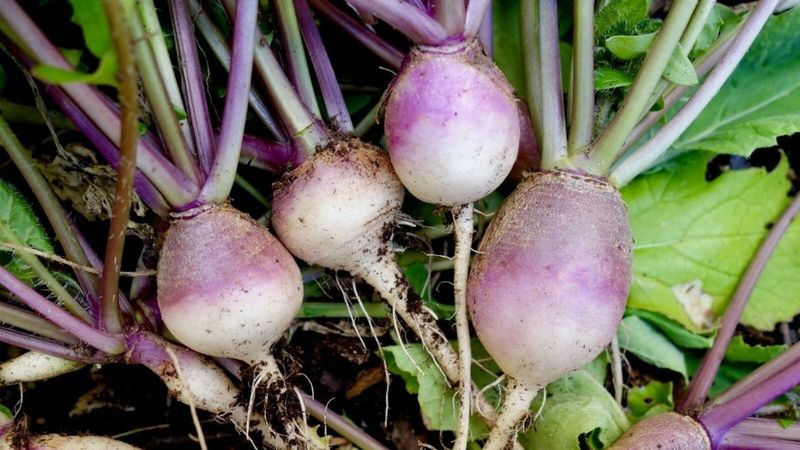
Turnips are a two-for-one crop that gardeners have relied on for generations, offering both tender roots and flavorful greens from a single planting.
As a quick-growing cool-weather vegetable, turnips can go from seed to table in about six to eight weeks, making them a practical addition to a fall or early spring garden across much of the state.
Harvest size matters as much as calendar timing when it comes to turnip quality. Roots that are pulled while still small, roughly two to three inches in diameter, tend to be sweeter, smoother in texture, and more versatile in the kitchen.
Roots left in the ground too long, especially as soil warms, can become pithy, stringy, or develop a strong, pungent flavor that is harder to balance in cooking.
The greens are worth harvesting early as well, since younger turnip tops have a milder, more tender quality that holds up well both raw and cooked. Older greens from overmature plants can become tough and more intensely flavored.
In Florida, the combination of warm soil and longer days can push turnips past their best eating stage relatively quickly in late spring.
Checking the bed every few days and pulling roots before they grow too large is a straightforward strategy for keeping turnip flavor and texture at their best through the end of the cool season.
6. Cilantro Bolts As Days Grow Warmer
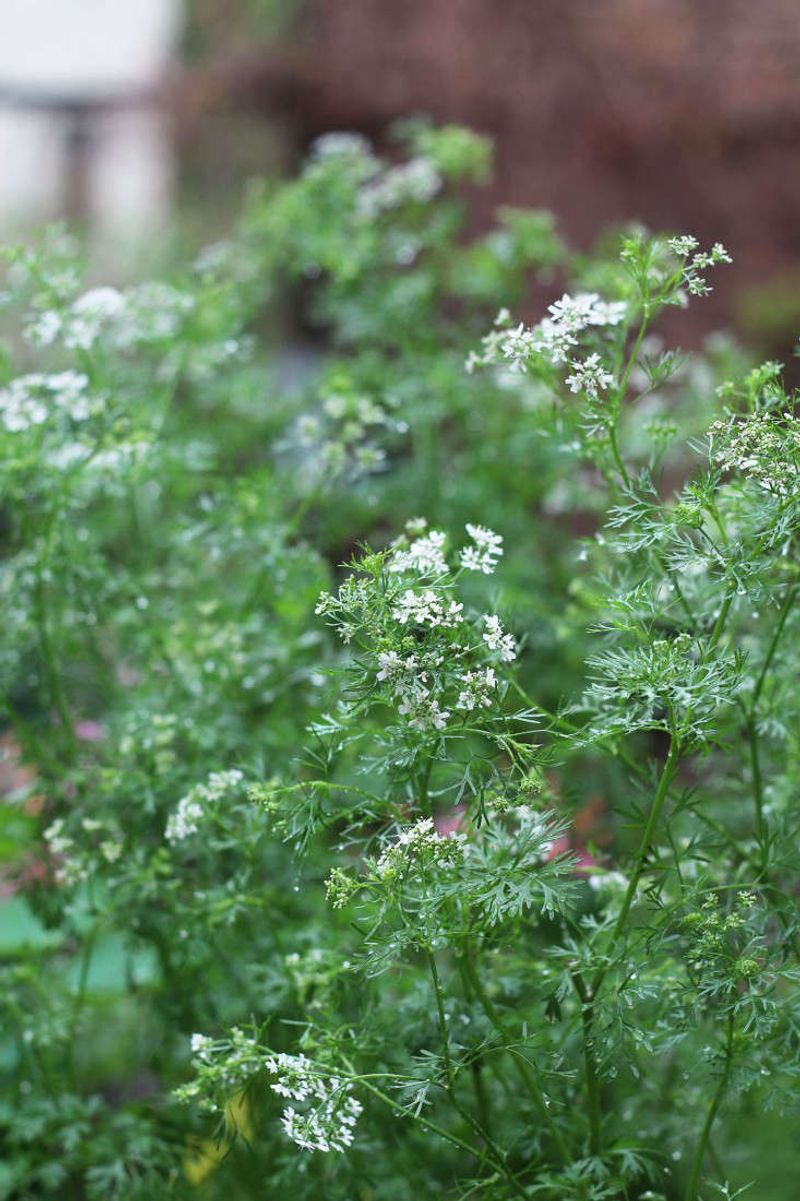
Cilantro is an herb that seems to disappear just when you want it most. In Florida, it grows beautifully through fall and winter, producing fragrant, tender leaves that are prized in salsas, soups, and countless other dishes.
But as days grow longer and temperatures rise, cilantro shifts its energy toward flowering and seed production with remarkable speed, a process gardeners call bolting.
Once cilantro bolts, the leaves become smaller, more feathery, and less flavorful for culinary use. The plant’s energy moves toward producing flowers and then coriander seeds, which have their own culinary value but are not what most herb gardeners are after.
Harvesting cilantro leaves frequently during the cooler months can slow bolting slightly, but once warm weather arrives in earnest, the process tends to move quickly regardless of how often you trim.
The practical approach for gardeners is to harvest generously while the weather is still mild, cutting stems regularly and using fresh leaves before the plant commits to flowering.
Cilantro leaves can be frozen or blended into herb pastes to preserve their flavor for later use.
Coriander seeds from bolted plants can be collected once dry and used whole or ground as a spice, so even a bolted plant is not entirely without value.
Fall is generally the better planting time for cilantro in Florida, as the crop tends to last much longer in cooler conditions.
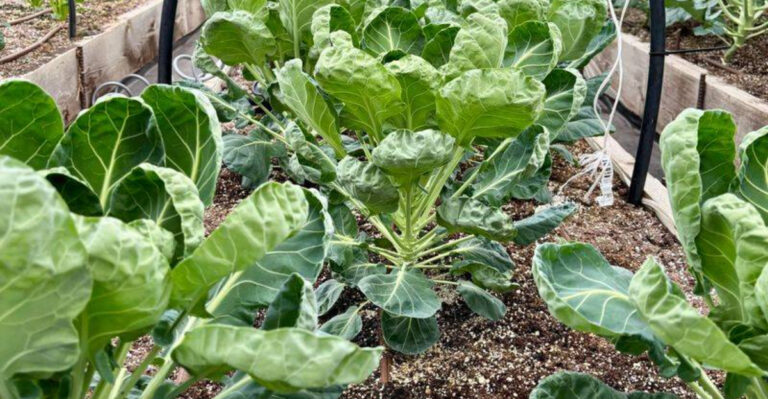
7. Kale Tastes Best Before Heat Builds
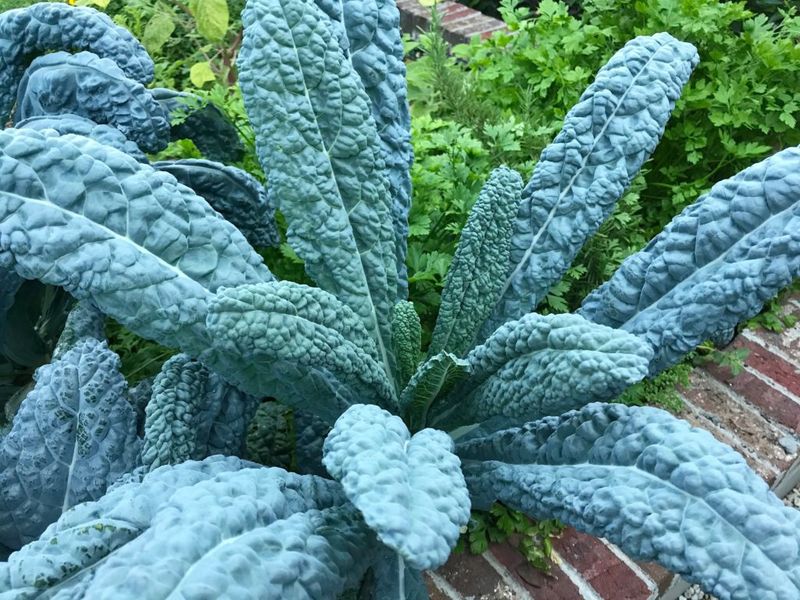
Kale has a well-earned reputation as a tough, cold-tolerant green, and in Florida, it delivers some of its best harvests from late fall through early spring.
In North and Central Florida especially, kale can produce steadily through the cooler months, offering tender leaves with a mild, slightly earthy flavor that works well in salads, smoothies, and cooked dishes alike.
As spring progresses and temperatures climb, kale leaves can become tougher and more strongly flavored, though the change tends to be gradual rather than sudden.
Unlike some cool-season crops that bolt quickly, kale may continue growing into warmer weather, but the eating quality of the leaves typically declines as heat builds.
Younger, smaller leaves from the upper part of the plant tend to stay more tender longer than the large lower leaves.
Harvesting from the bottom of the plant upward, removing older outer leaves while allowing the center to keep producing, is a practical method for extending your harvest window.
In South Florida, this window may close earlier in the season compared to northern parts of the state.
Watching for leaves that feel noticeably tougher or taste more bitter than earlier harvests is a useful signal that the plant is past its peak. Using harvested kale quickly or storing it in a cool refrigerator helps preserve texture and flavor after picking.
8. Arugula Brings Peppery Leaves Before Summer
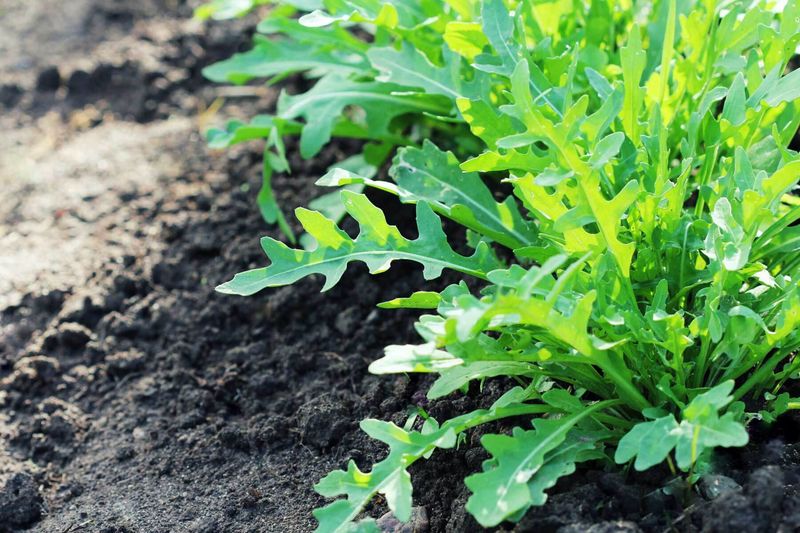
Arugula is one of those crops that rewards attentive gardeners with a steady supply of flavorful leaves through the cooler months. Its naturally peppery, slightly nutty taste makes it a favorite for salads, flatbreads, and simple dishes where a bold green can shine.
Grown as a cool-season leafy green from fall through spring in Florida, arugula is at its most productive and flavorful during mild weather.
As temperatures warm and days lengthen, arugula can bolt and begin producing flowers, which signals a shift in the plant’s priorities away from leaf growth.
Leaves from plants that are beginning to bolt may carry a more intense, sometimes sharp flavor that not everyone enjoys.
Harvesting regularly and cutting back the plant before flower stalks appear can help keep leaves coming for a bit longer as spring progresses.
Young, tender arugula leaves are the most prized for fresh eating, and harvesting them while still small gives you the mildest version of that characteristic pepperiness. Older or heat-stressed leaves can taste more aggressive and may have a slightly tougher texture.
In Florida, the exact timing of when arugula passes its prime depends on the region, the variety, and how warm the season has been.
Planting arugula in partial shade can sometimes extend the harvest slightly, but once summer heat settles in across Florida, cool-season arugula is generally done for the year.