What To Do With Your Florida Live Oak After Hurricane Isaias
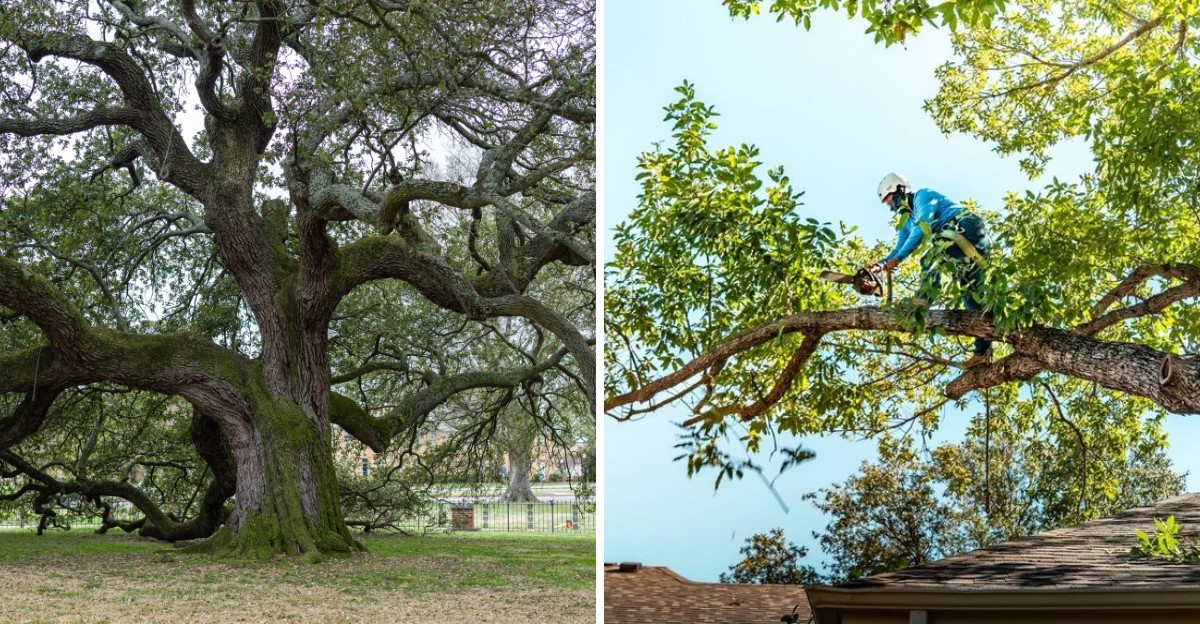
Live oaks have a reputation as storm survivors, and that reputation is mostly earned. Mostly.
Isaias raked the Florida Panhandle with winds that tested even the toughest trees. Yours might look fine from the driveway, with a full crown and a solid trunk.
Or it might wear a few scars that tell a different story, some obvious and some hidden where you’d never think to look.
What you do over the next few days matters more than what you do over the next few months. Hire the wrong crew, make the wrong cut, or wait too long, and a tree that could have bounced back ends up costing you thousands.
Neighbors will offer plenty of advice, and a good share of it will point you the wrong way.
Take a slow walk around that trunk before you call anyone. What you spot first could shape every decision after.
1. Live Oaks Are Among Florida’s Most Storm-Tough Trees
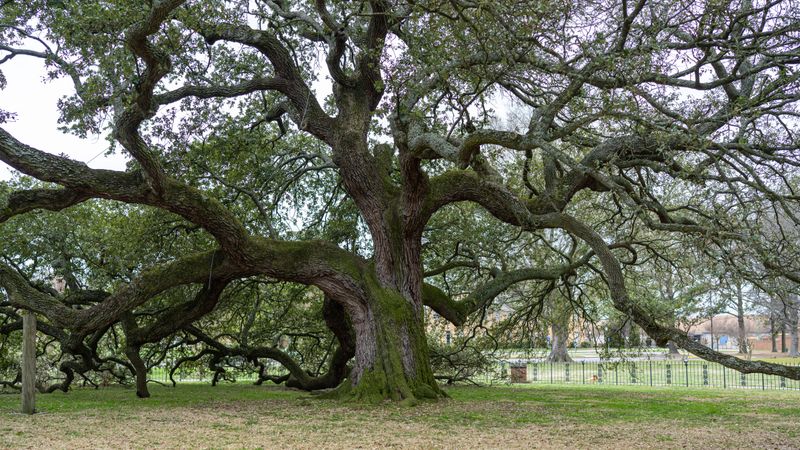
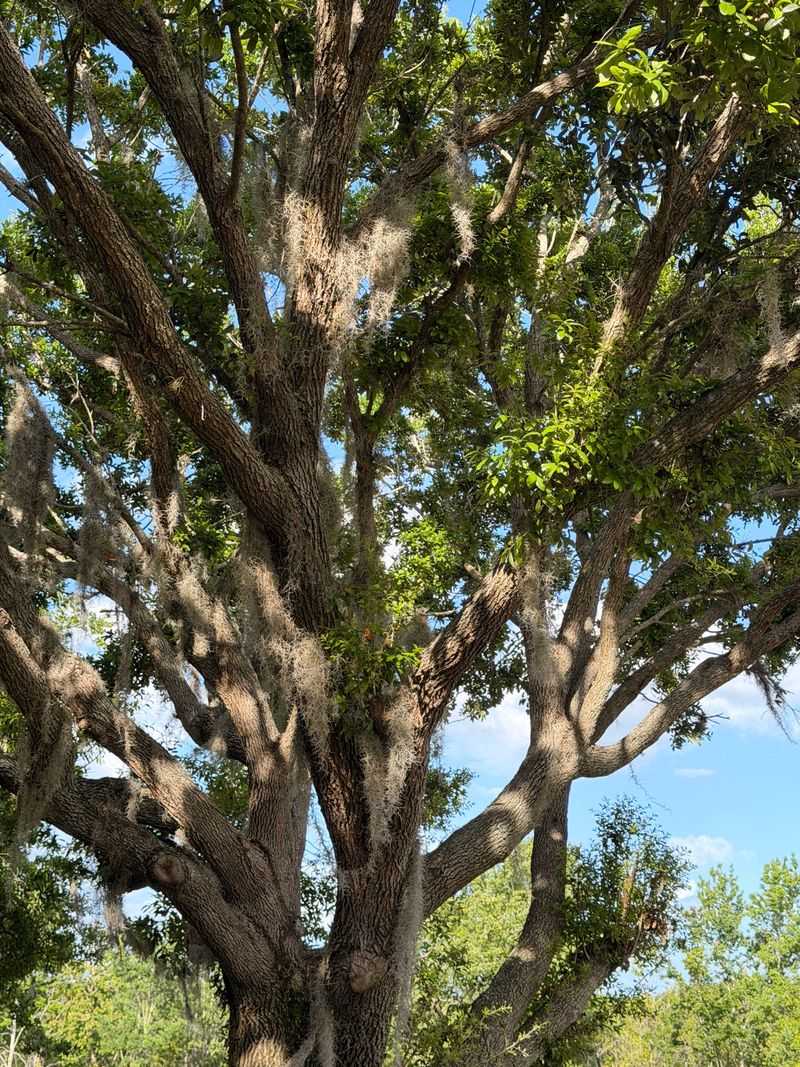
Some folks call the live oak nature’s masterpiece of hurricane engineering. After a storm like Isaias, that nickname starts to feel well earned.
Picture a tree built like a linebacker. Its wood is dense and heavy, and its branches flex instead of snapping when gusts slam into them.
Down below, the root system is just as impressive. Roots spread wide to the sides, while deeper anchor roots hold the whole tree in place like tent stakes.
The shape helps too. A low, wide canopy gives the wind less leverage, so the tree is harder to push over than a tall, skinny one.
Here is a fun bit of history. After Hurricane Andrew hit South Florida in 1992, live oaks had the best survival rate of any tree species studied.
Most of the harm those oaks suffered was on the outer branches. The trunks and main limbs usually held firm, which is great news for your own tree.
So take a deep breath before you panic. A few torn limbs and a messy lawn do not mean your oak is finished.
In most cases, your tree just needs careful cleanup and some time. The steps ahead will help you give it exactly that kind of care.
2. Stay Safe Before You Pick Up A Saw
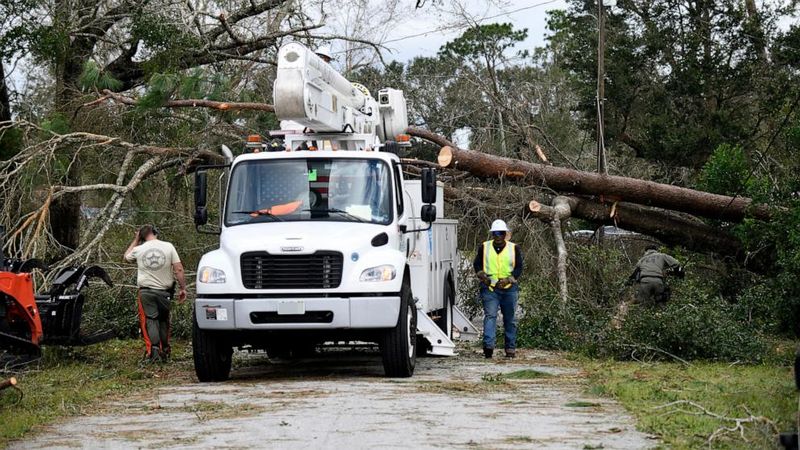
Your tree can wait a day, but your safety cannot. Hurricane Isaias left plenty of Florida neighborhoods with tangled wires and hidden hazards.
Start by scanning the yard from a safe spot. Look up into the canopy and down along the ground for any power lines.
If you see a wire touching branches, stay far away. Call your utility company right away and let their crew handle it.
Wet wood can carry electricity, and so can puddles. Even a line that looks harmless might still be live, so give it lots of room.
Next, think about who is with you. Working alone after a storm is risky, since a slip or a falling limb could leave you stuck without help.
Bring a buddy who can watch, hold the ladder, and call for help if needed. A second set of eyes catches dangers you might miss.
Your Florida Garden Changes Every Week. Your Plan Should Too.
Gardening in Florida changes quickly throughout the season. Every Friday you’ll receive a simple weekly plan showing exactly what to plant, prune, fertilize, harvest, and protect so you never miss the right timing.
Gear matters too. Wear sturdy boots, gloves, safety glasses, and a hard hat if branches are hanging overhead.
Use tools that fit the job and keep them sharp. A dull saw makes you push harder, and that is when accidents happen.
Finally, rest often and drink water. Florida heat after a storm can sneak up on anyone doing yard work.
3. Walk Around And Take Photos For Insurance
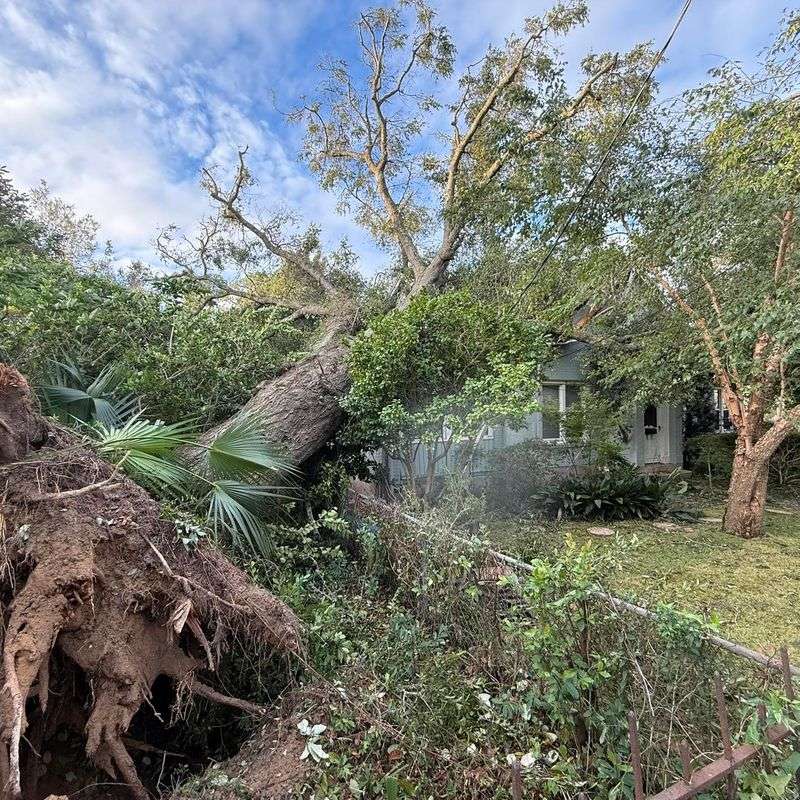
Before a single branch hits the curb, pull out your phone. Pictures you take today could make a big difference with your insurance company later.
Walk a slow loop around your tree. Snap wide shots that show the whole oak, then move closer for detailed photos of each broken limb.
Capture anything the tree touched. Dented roofs, crushed fences, scratched cars, and blocked driveways all belong in your photo album.
Try to include something for scale in a few shots. A person, a chair, or a garbage can helps show how big a fallen limb really is.
Write down notes as you go. Jot the date, the time, and a quick description of what you see in each spot.
Many Florida homeowners learned this lesson the hard way after past storms. Claims went smoother for people who had clear proof of the damage.
Save your receipts too. Tree service bills, rental tools, and even tarps might be covered, depending on your policy.
Call your agent and ask what they need. Some companies want to see damage before cleanup, while others are fine with good photos.
A little paperwork now saves a lot of stress later. Once your records are safe, you can move on to the real work.
4. Clear Away Cracked And Hanging Limbs First
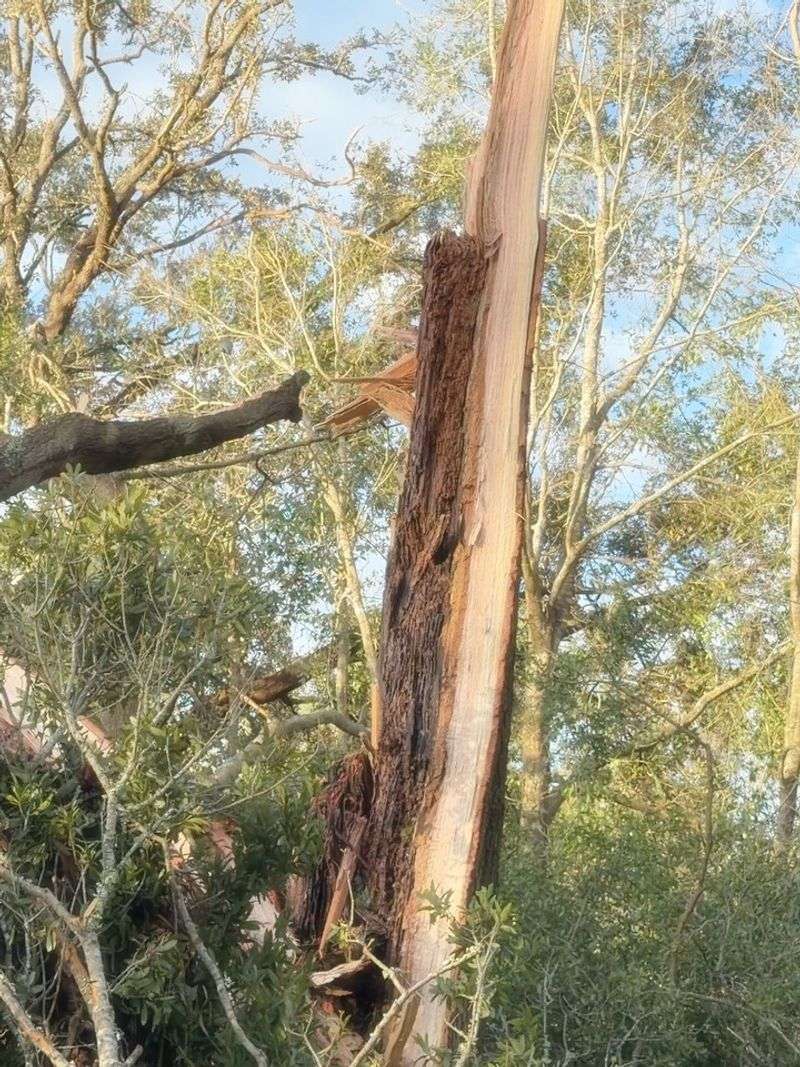
Arborists have a spooky nickname for broken branches stuck up in a tree. They call them widowmakers, and they earn that name by falling without warning.
That is why cracked and hanging limbs come first. These pieces are the biggest danger to people, pets, cars, and roofs.
Look for branches that are split, twisted, or dangling by a strip of bark. A breeze or a squirrel can bring them down at any moment.
Keep kids and dogs out of the area under the canopy. Mark the zone with rope or lawn chairs until the hazard is gone.
Small hangers within easy reach might be a safe homeowner job. Anything high, heavy, or tangled is better left to a pro with proper gear.
As you haul debris, watch where you drive. Heavy trucks and machines on soggy lawns squash the soil around the roots.
Packed soil makes it tough for roots to get air and water. That can slow your oak’s recovery for years, so use plywood paths or wait for drier ground.
Pile debris away from the trunk. Your tree’s roots will thank you for keeping the weight off them.
5. Check The Trunk And Roots For Hidden Trouble
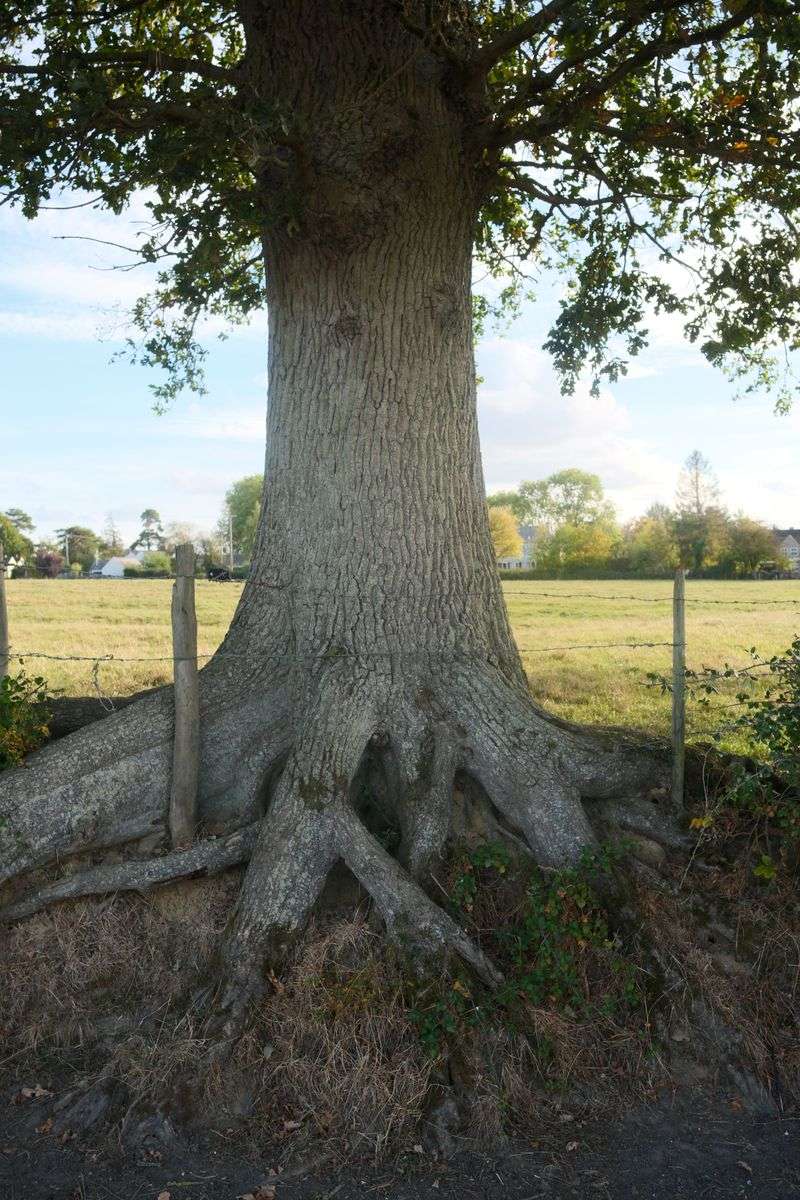
Broken branches grab all the attention, but the quiet clues matter too. A careful look at the trunk and roots tells you a lot about your oak’s health.
Start at the bottom. Check for soil that has heaved up, cracked, or lifted on one side of the tree.
Raised soil can mean roots shifted during the storm. A tree that suddenly leans after Isaias deserves a professional look right away.
Next, run your eyes up the trunk. Watch for long vertical cracks, peeled bark, or splits where big limbs meet the main stem.
Small scrapes are usually no big deal. Deep cracks or splits that open and close in the wind are a different story.
Peek at exposed roots too. Some torn surface roots are common, and the tree can often handle them just fine.
A handy trick is to compare the tree to old photos. Scroll back through your phone and see if the lean or shape looks different.
If anything worries you, write it down and snap a picture. Those notes will help a certified arborist make a smart call.
Hidden problems are easier to manage when caught early. A quick check today keeps surprises away later.
6. Call A Certified Arborist For The Big Jobs
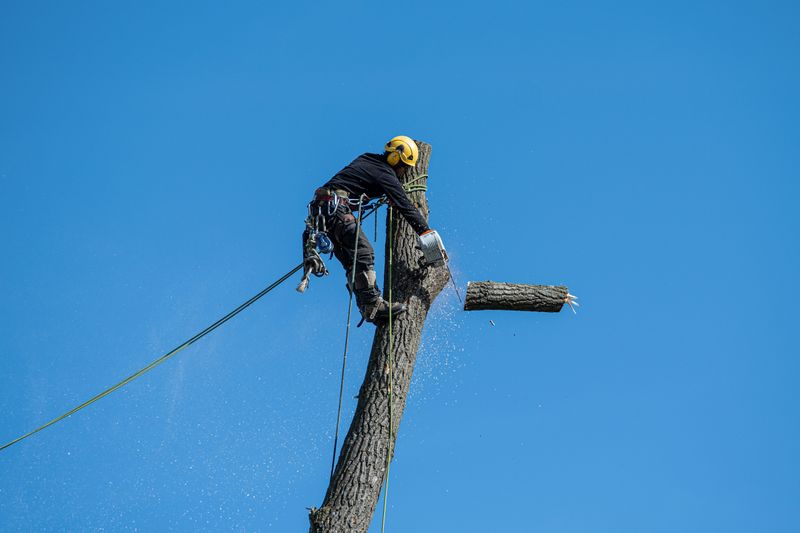
After a big storm, trucks with ladders seem to appear on every street. Some are skilled pros, and some just showed up hoping for quick cash.
For large limbs, high work, or anything near power lines, hire a certified arborist. These folks have training in tree biology, not just chainsaws.
Look for credentials from the International Society of Arboriculture. You can search their website to confirm a person’s certification.
Ask for proof of insurance too. If a worker gets hurt or a limb crashes through your roof, you do not want to be stuck with the bill.
Get more than one quote when you can. Prices vary a lot after hurricanes, and a little patience can save real money.
Listen to how each company talks about your tree. A good arborist will mention careful pruning cuts, not chopping the whole top off.
Be wary of anyone who pushes you to pay cash upfront. Door knockers who pressure you to decide today are a red flag.
A trusted pro can also set up a long-term care plan. That kind of partner is worth gold for a tree as valuable as a mature oak.
7. Cut Broken Branches Back To A Healthy Side Branch
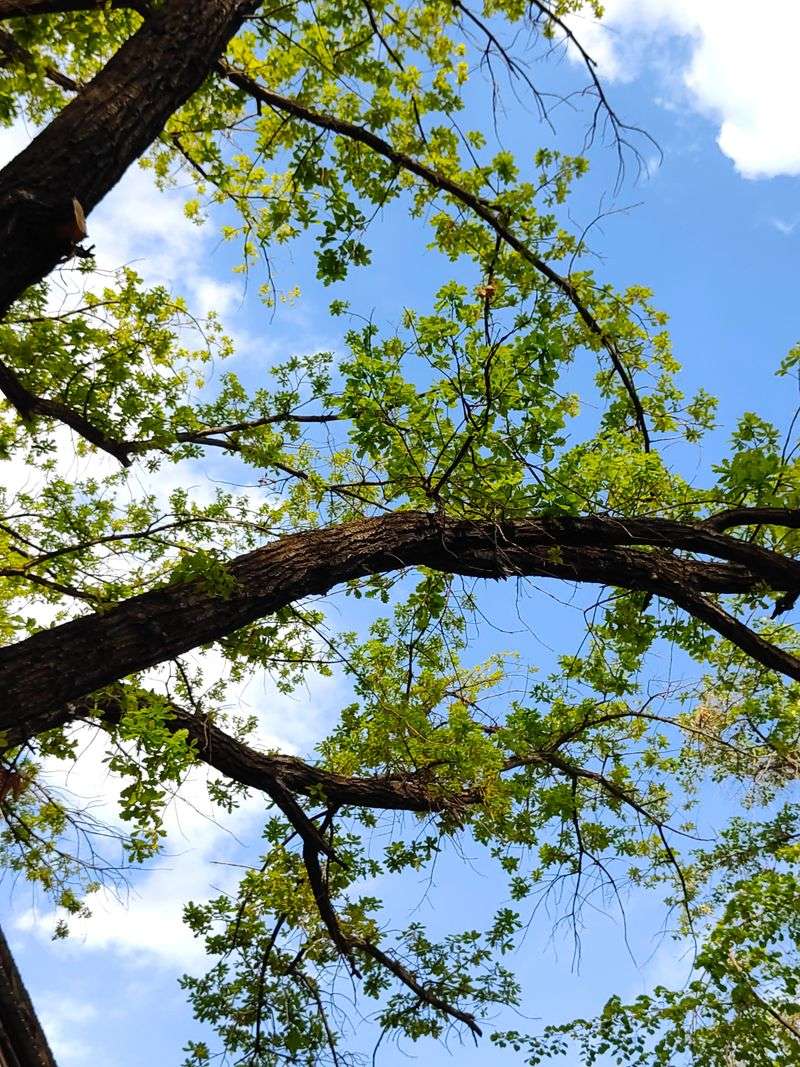
Think of a broken branch like a frayed rope. The smartest fix is to trim back to a strong spot, not to leave a ragged end flapping around.
For storm-damaged oaks, that strong spot is usually a healthy side branch. Arborists call this a thinning cut, and it is the gold standard for recovery.
Find where the broken limb meets a smaller, sturdy branch growing in a similar direction. Make your cut just above that junction.
When removing a whole branch, look for the branch collar. That is the slightly swollen ring where the limb joins the trunk or a larger limb.
Cut just outside that collar, not flush against the trunk. The collar holds special tissue that helps the wound seal over time.
Skip the stubs. A stub sticks out with nothing to feed it, and it often rots, inviting decay deep into the tree.
For heavy limbs, use the three-cut method. Undercut first, then cut from the top farther out, and finish with a clean final cut.
These careful cuts lighten the canopy and help the tree stand steady. Your oak gets to keep its natural shape while it heals.
8. Use A Clean Heading Cut When No Side Branch Exists
Sometimes a storm snaps a limb in the worst possible spot. You look for a nice side branch to cut back to, and there just is not one.
That is when a heading cut can help. It means cutting the branch at a point between side branches to tidy up torn, shredded wood.
Most arborists treat heading cuts as a backup plan. They are not the first choice, but they beat leaving jagged, splintered ends behind.
A clean surface heals better than a ragged one. Torn bark and splintered wood give water and decay organisms an easy way in.
Use a sharp saw and cut straight through in one smooth motion. Take off only what is needed to reach solid, healthy wood.
Expect the tree to push out new shoots near the cut. You will manage those later, so do not worry about them right now.
Here is the big warning. A small heading cut on one broken limb is not the same as topping the whole tree.
Topping uses heading cuts on many large branches at once. That approach causes serious harm, so if anyone suggests topping your oak, find a different crew.
9. Remove As Little Living Wood As Possible
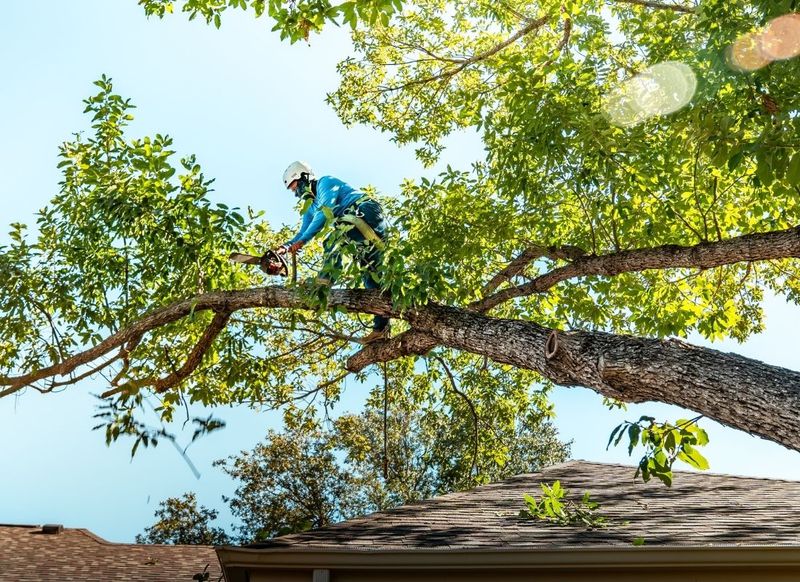
Every green leaf on your oak is a tiny solar panel. Right now, your tree needs all the power it can make to heal.
So here is a simple rule. Take off only the wood that is broken, hanging, or truly unsafe, and leave the rest alone.
Experts suggest removing no more than 25 to 30 percent of the canopy at one time. Going beyond that puts heavy stress on an already tired tree.
Big cuts also leave big wounds. Large wounds take longer to close and give decay and insects more time to move in.
Overpruning can even make the tree weaker in the next storm. Fewer leaves mean less energy, and less energy means slower, weaker growth.
It helps to step back often while you work. Walk across the yard, look at the whole tree, and ask if each cut is really needed.
A slightly uneven tree is fine for a while. Your oak can fill in gaps over the coming seasons as it regrows.
Patience pays off here. A light touch now keeps more of that beautiful canopy you love, and it gives the tree a stronger comeback.