The Arizona Wildflowers You Sow Once That Bloom Again Every Spring Without Help
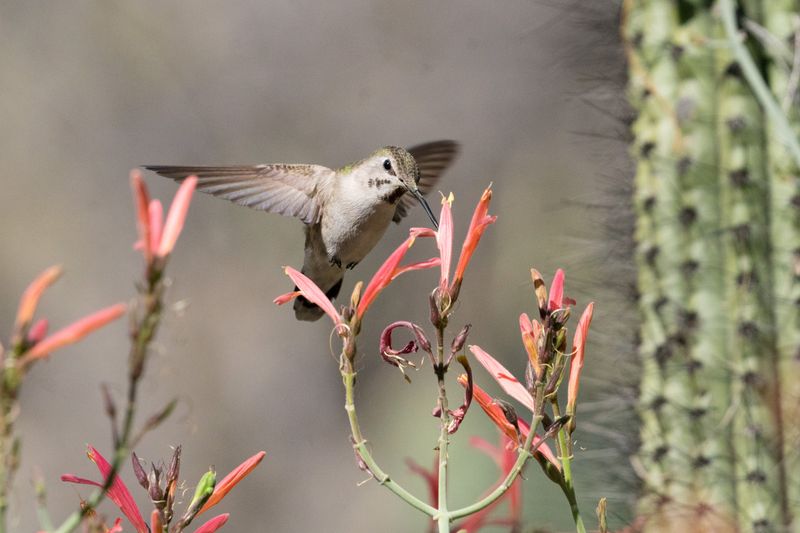
Imagine scattering a handful of seeds in October and getting flowers back every spring for years. In the low desert around Phoenix and Tucson, a group of tough native wildflowers does exactly that, either by living for years or by dropping seeds that sprout on their own.
They sip very little water, shrug off brutal heat, and feed bees, butterflies, hummingbirds, and birds that help keep your yard in balance. Here are ten that earn their spot by coming back with almost no work from you.
1. Parry’s Penstemon
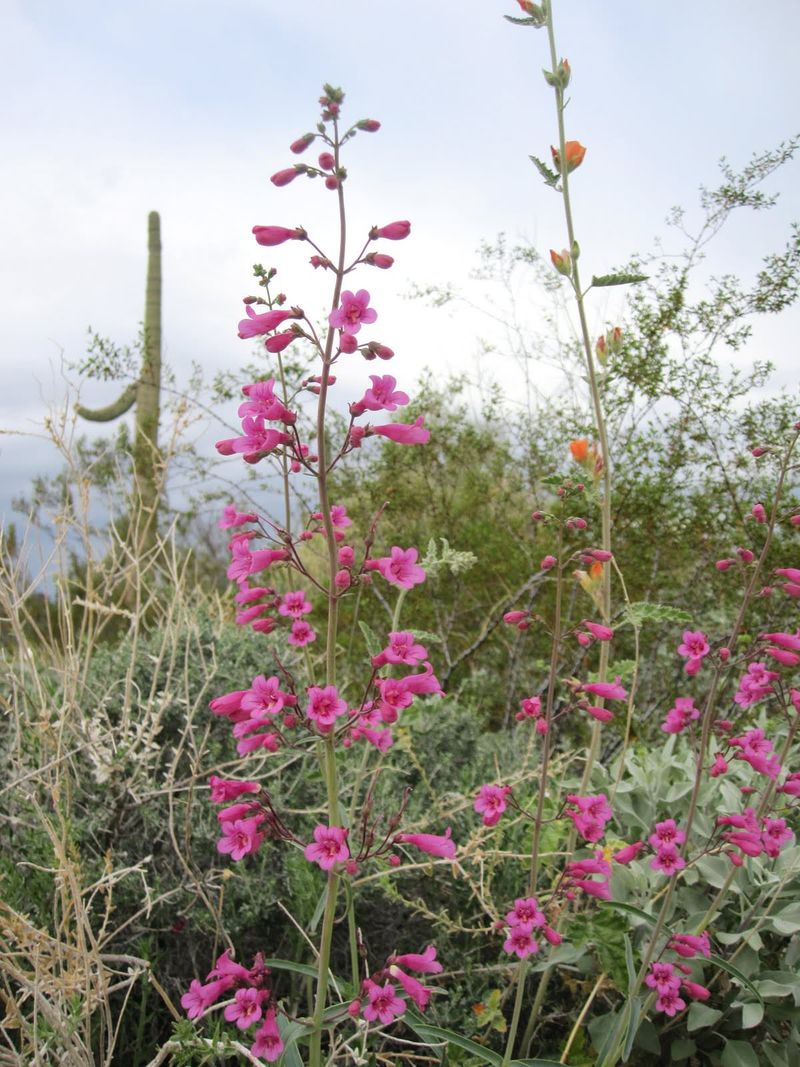
Hummingbirds seem to know the exact week Parry’s Penstemon opens. One March morning the stalks are bare green, and by lunch tiny birds are zipping between rose-pink bells like they had it on their calendar.
Native to the Sonoran Desert of southern Arizona, this perennial blooms from March into May on stems that can reach three feet tall. Plants live several years, and spent stalks scatter seed that sprouts in gravel and along walkways.
Leave a few stalks standing after bloom and you will likely find baby plants popping up the next winter.
Sow seed in fall, from late September through November, so cool weather and winter rain can wake it up. Pick a spot with full sun or light afternoon shade and soil that drains fast.
Heavy, soggy ground is about the only thing that troubles it, so skip the compost and fertilizer.
Once established, it gets by on occasional deep watering and natural rainfall. Beyond hummingbirds, native bees and butterflies work the flowers, which may help pull more beneficial insects into your yard.
It handles temperatures down near 0 degrees, so a rare Phoenix frost is no worry at all.
2. Globe Mallow
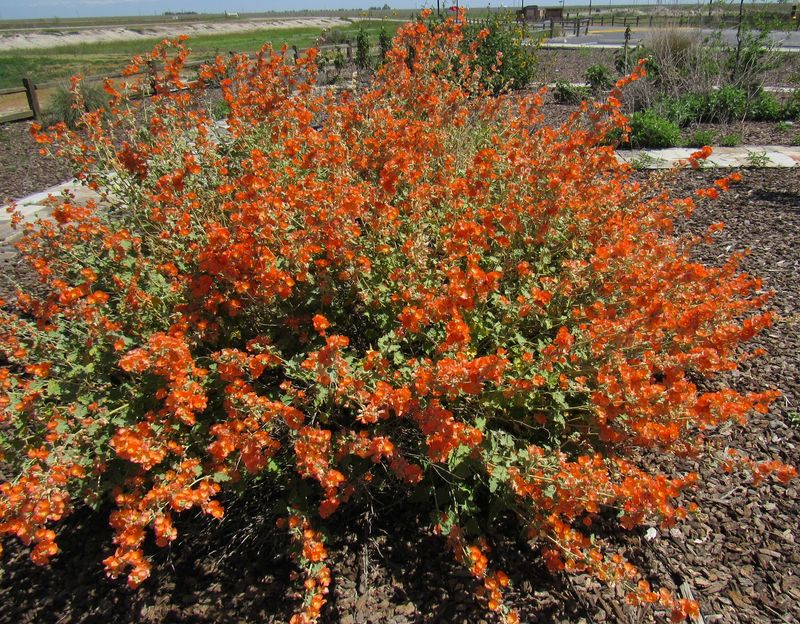
Caliche, alkaline dirt, blazing west-facing walls? Globe mallow treats all of that like a welcome mat.
Few wildflowers handle Arizona’s worst soils with such a cheerful attitude.
Its cupped blossoms come in apricot orange most often, though pink, red, and lavender forms show up too. Flowers appear in heavy waves from late winter into early summer, then pop up off and on through fall.
The fuzzy gray-green leaves reflect sunlight, a clever trick that helps the plant hold onto moisture during 110-degree afternoons.
Here’s the fun part: globe mallow reseeds freely. Plant one patch, and within a couple of years you may spot seedlings tucked into cracks and along the edges of gravel beds.
Pull the extras or let them fill in bare ground for you.
Native bees adore it, including specialist bees that rely on mallow pollen. Supporting those bees can mean better fruit set on nearby citrus or vegetables.
Scatter seed in fall, rake it lightly into the soil, and keep the area damp for two or three weeks. After the first year, rain plus an occasional summer soak is usually plenty.
A hard trim in late summer keeps plants tidy and encourages fresh fall growth.
3. Desert Marigold
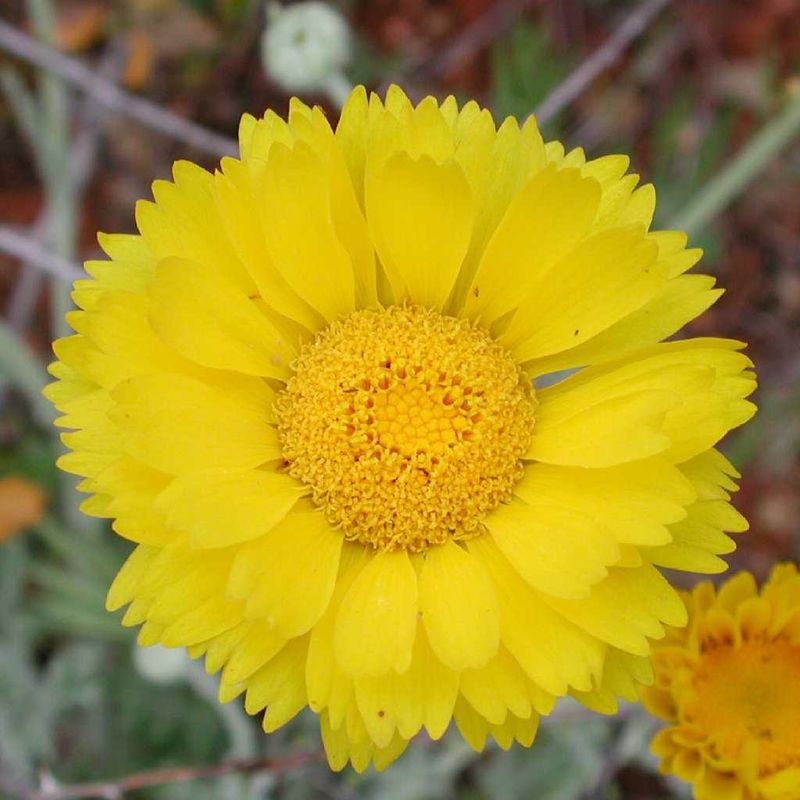
Drive almost any Arizona highway in April and you’ll see golden buttons lining the shoulders with zero help from anyone. That roadside toughness is exactly why desert marigold belongs in your yard.
Your Arizona Garden Changes Every Week. Your Plan Should Too.
Gardening in Arizona changes quickly throughout the season. Every Friday you’ll receive a simple weekly plan showing exactly what to plant, prune, fertilize, harvest, and protect so you never miss the right timing.
Soft, woolly gray leaves form low mounds topped with sunny yellow daisies. Blooming can stretch from spring through fall when a little rain shows up, and the plant reseeds itself readily in open, sunny ground.
Some plants live a few years, while their offspring keep the show going long after.
Desert marigold is a quiet engine for backyard wildlife. Its flowers draw a wide mix of small insects, which become meals for lizards, birds, and other creatures.
A yard full of lizards and insect-eating birds can be less inviting to some pests, since those hunters tend to patrol the ground daily.
Lean, fast-draining soil suits it best. Rich garden beds and frequent sprinklers actually shorten its life, so place it where irrigation stays light.
Sow seed on the soil surface in fall and press it in gently rather than burying it. Keep it away from pastures, since it can be unsafe for grazing sheep and goats.
Otherwise, it is about as carefree as wildflowers get.
4. Desert Zinnia
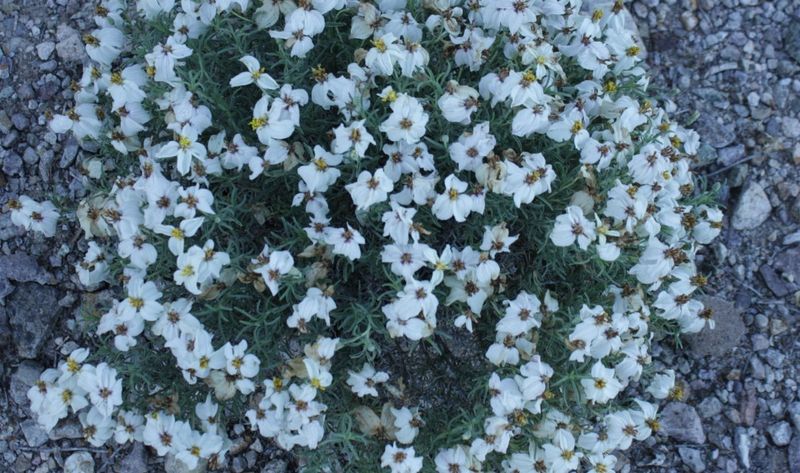
When July pushes past 112 degrees and nearly everything else in the yard looks miserable, desert zinnia just keeps flowering. It’s the little plant that refuses to quit.
Small and shrubby, it grows only six to ten inches tall and spreads into a tidy mat of needle-thin leaves. White petals surround buttery yellow centers, and blooms appear from spring well into fall.
Unlike many wildflowers here, it handles full reflected heat from rocks, sidewalks, and block walls with ease.
Desert zinnia is a true perennial that slowly widens over time, and it can drop seed that sprouts nearby in open gravel. Think of it as a groundcover that happens to flower for months.
It works beautifully tucked between boulders or along the hot edge of a driveway.
Give it lean, gritty soil with excellent drainage. Once roots settle in after the first year, it may need water only every two or three weeks in summer and almost none in winter.
Butterflies and small native bees visit the blossoms regularly. Fall planting from seed or a small nursery plant is the best route, giving roots a full cool season to grow before the first heat wave arrives.
5. Arizona Poppy
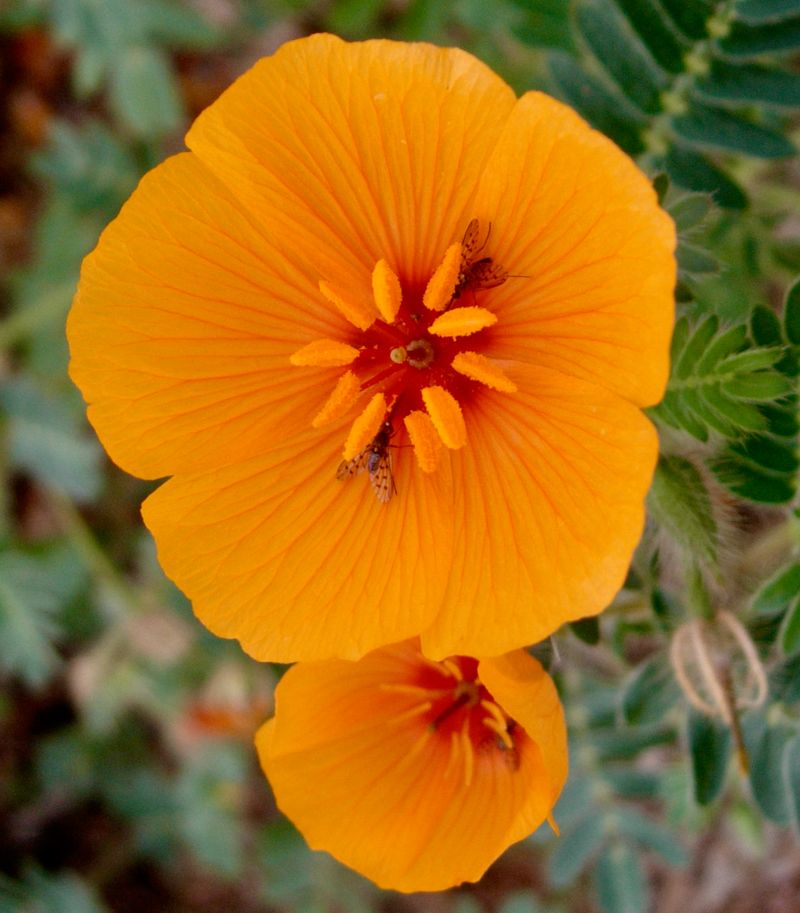
Not every self-sowing wildflower waits for spring. Arizona poppy, which isn’t a true poppy at all, takes its cue from monsoon storms and paints bare ground orange in late summer.
Fun fact: it belongs to the caltrop family, and its flowers are a glowing orange with a red eye at the center. Trailing stems spread across sandy soil in just weeks after the first big summer rains.
Each plant lives one season, but it drops plenty of seed that sits patiently through winter and spring until warm rain arrives again.
Why include it on a spring-focused list? Because it fills the summer gap.
Pair it with your spring bloomers and the same patch of ground carries color nearly year-round, which keeps pollinators coming back instead of drifting off to the neighbor’s yard.
Sow seed in early summer, right before monsoon season, on loose, sunny ground. You don’t need to water much at all if storms cooperate.
Bees and butterflies work the blossoms in the morning, and seed-eating birds like quail pick through the plants later. After the first year, simply avoid heavy mulch over that spot so new seedlings can find light.
6. Mexican Gold Poppy
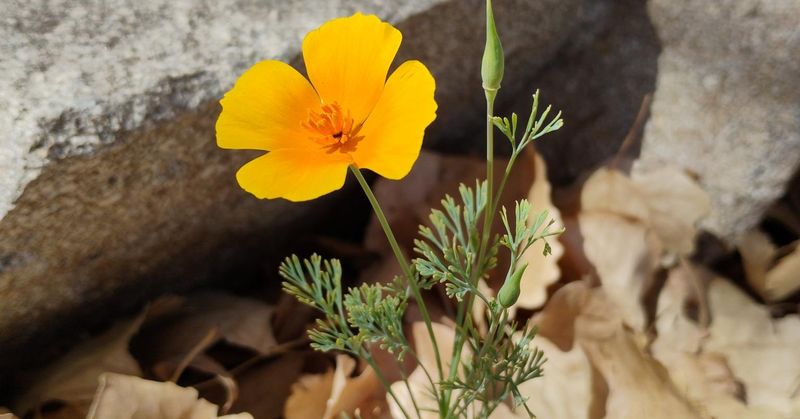
Picture Picacho Peak in a wet March, hillsides glowing orange like someone spilled paint. That’s the Mexican gold poppy, and you can recreate a smaller version right by your front walk.
Each plant lives just one cool season, but don’t let that fool you. Seed pods split open in late spring and fling seed across the soil, where it rests through the summer heat.
When fall and winter rains return, a fresh crop sprouts, and the cycle carries on year after year without replanting.
Timing makes or breaks the first sowing. Scatter seed between October and early December on bare, raked soil, then water gently every few days until sprouts appear.
After that, winter rain usually handles the job, with an extra drink only during long dry spells.
The silky cups open in sunshine and close on cloudy days, a quirky habit kids love watching. Early-season bees depend on them when little else is blooming.
Avoid thick bark mulch, since seeds need contact with soil to come back. Leave plants in place until pods dry and brown.
Once they’ve dropped seed, pull the faded plants and enjoy knowing next spring is already planted.
7. Arizona Lupine
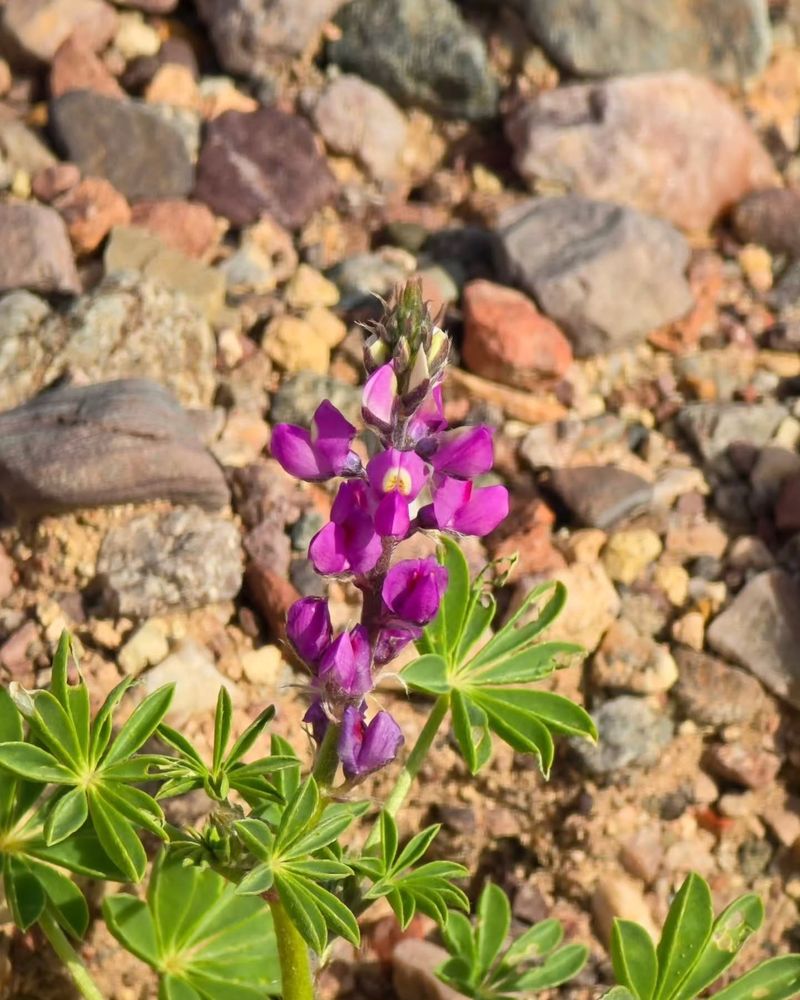
Purple spikes rising beside orange poppies make one of the classic Sonoran Desert pairings. Arizona lupine supplies the cool color, and it quietly improves your soil while it’s at it.
Like other members of the pea family, lupine partners with soil microbes to pull nitrogen from the air. That means it can enrich poor, sandy ground a bit each year, giving neighboring wildflowers a small boost.
It’s a helpful roommate that pays more than its share of the rent.
Seeds have a hard coat, so give them a head start. Soak them overnight in warm water or rub them lightly with sandpaper before sowing in fall.
Plant about a quarter inch deep in full sun, keep moist for a few weeks, and then let winter rain take over.
Bumblebees and other larger native bees love the flowers, since they’re strong enough to pry open the blooms. Seed pods pop open as they dry, tossing seeds several feet.
Some years you’ll get a thick stand, and in drier winters fewer seeds wake up. Those that wait in the soil may sprout the following year, so the patch tends to keep itself going over time.
8. Desert Bluebells
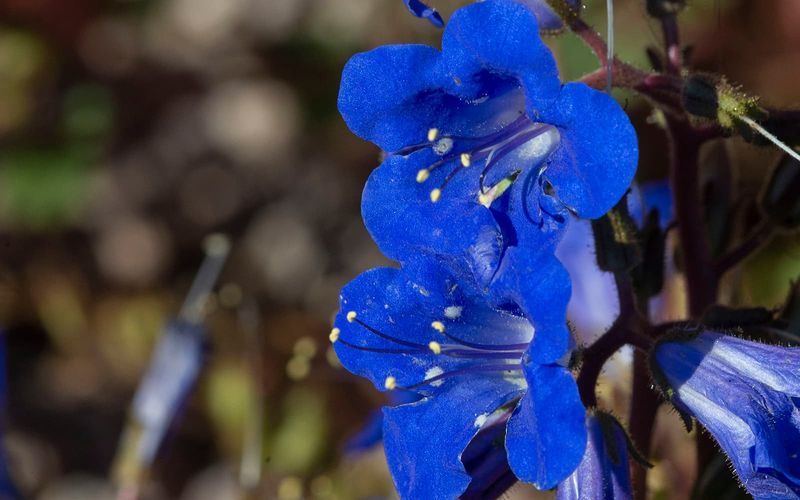
Few colors stop people in their tracks like the electric blue of desert bluebells. Neighbors walking by will almost certainly ask what they are.
Each bell-shaped flower is a deep gentian blue with pale stamens poking out the front. Plants stay low, usually under a foot tall, and bloom from late February into April.
They grow as cool-season annuals, finishing by the time May heat arrives and leaving behind seed that returns with the next fall rains.
Native bees, including tiny specialist bees, are frequent visitors. A steady stream of pollinators in early spring may help set the stage for a lively, balanced garden through the warmer months.
Butterflies stop by too, especially on calm, sunny mornings.
Plant seed in October or November in loose soil that drains well. A partially sunny spot near a palo verde or under light filtered shade can help them through warm late-spring days.
Water lightly until seedlings appear, then back off. One heads-up: the leaves can irritate sensitive skin, so wear gloves when weeding nearby.
Leave plants standing until they dry so seed falls naturally, and you’ll likely see blue again next year.
9. Firecracker Penstemon
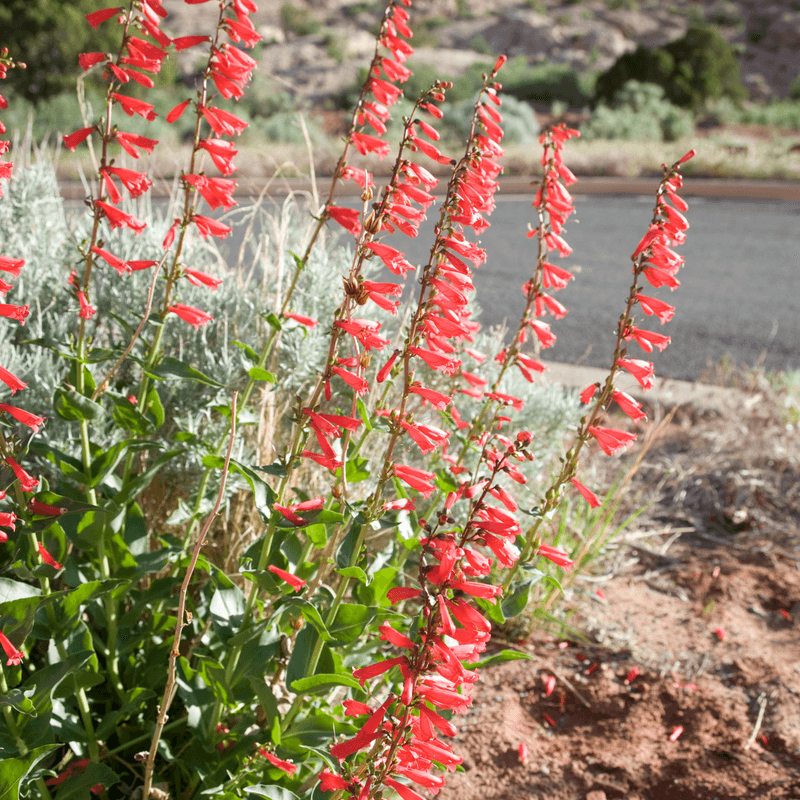
Scarlet tubes that look like tiny lit fuses give firecracker penstemon its name, and hummingbirds treat each stalk like a refueling station.
Where Parry’s penstemon brings pink, this one adds a hot red that blooms a bit earlier, often starting in late February in the low desert. Grow both and you stretch hummingbird season by several weeks.
The plant forms a low clump of thick, bluish-green leaves that stay attractive through winter.
Firecracker penstemon is a short-lived perennial, usually lasting three to five years. The secret to keeping it around is simple: let some flower stalks ripen and drop seed.
New plants tend to appear nearby, so the colony shifts around the yard on its own schedule.
Plant seed or small starts in fall in a sunny bed with gritty, quick-draining soil. Raised spots or slopes work well, since roots dislike sitting in water.
During the first summer, water deeply about once a week, then taper to every few weeks once established. Mature plants get by on very little.
Skip the fertilizer entirely, because extra nitrogen leads to floppy leaves and fewer of those bright red blooms the birds are looking for.
10. Chuparosa
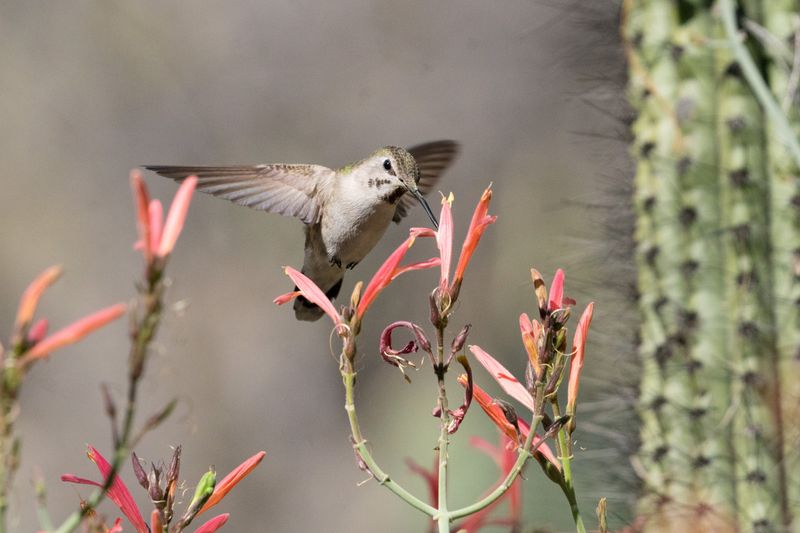
Its Spanish name roughly means “rose sucker,” a nod to the hummingbirds that practically live in it. Chuparosa closes this list because it’s the backbone that ties a self-sowing wildflower bed together.
Technically a shrub, it grows three to five feet tall with leafless-looking green stems covered in red tubular blooms from winter into spring. While annual poppies and bluebells come and go, chuparosa stays put year after year, giving the bed structure and shelter.
That shelter matters. Quail, small lizards, and songbirds duck under its tangled stems to escape hawks and summer sun.
More lizards and birds hanging around usually means more insect hunting in your yard, which can make the space less inviting to some crawling pests. It’s a living hideout that works hard.
Plant chuparosa in fall from a nursery container, since seed is slow and tricky. Full sun or reflected heat along a wall suits it.
Deep watering every week or two during the first summer helps it settle, and after that it often thrives on rain plus an occasional soak. Hard frost may nip stem tips, but it bounces back quickly once warm weather returns.