What To Grow Instead Of Mums In Ohio Pots – And Why They’ll Actually Come Back
Mums in Ohio pots are a fall ritual that ends the same way every year. The color peaks, the frost arrives, and the plant goes in the compost.
Next October, the same purchase happens again. Nobody questions it.
There is a better arrangement. Ohio native perennials in containers bring the same fall color.
They return every season. They build more presence each year instead of starting over from scratch every October.
The upfront cost pays for itself within two seasons. Then it keeps paying.
A container that comes back is a different relationship with fall than one that gets composted and replaced. Ohio has natives that make that possible without sacrificing any of the color mums were providing.
1. Aromatic Aster Keeps The Fall Flower Show Going
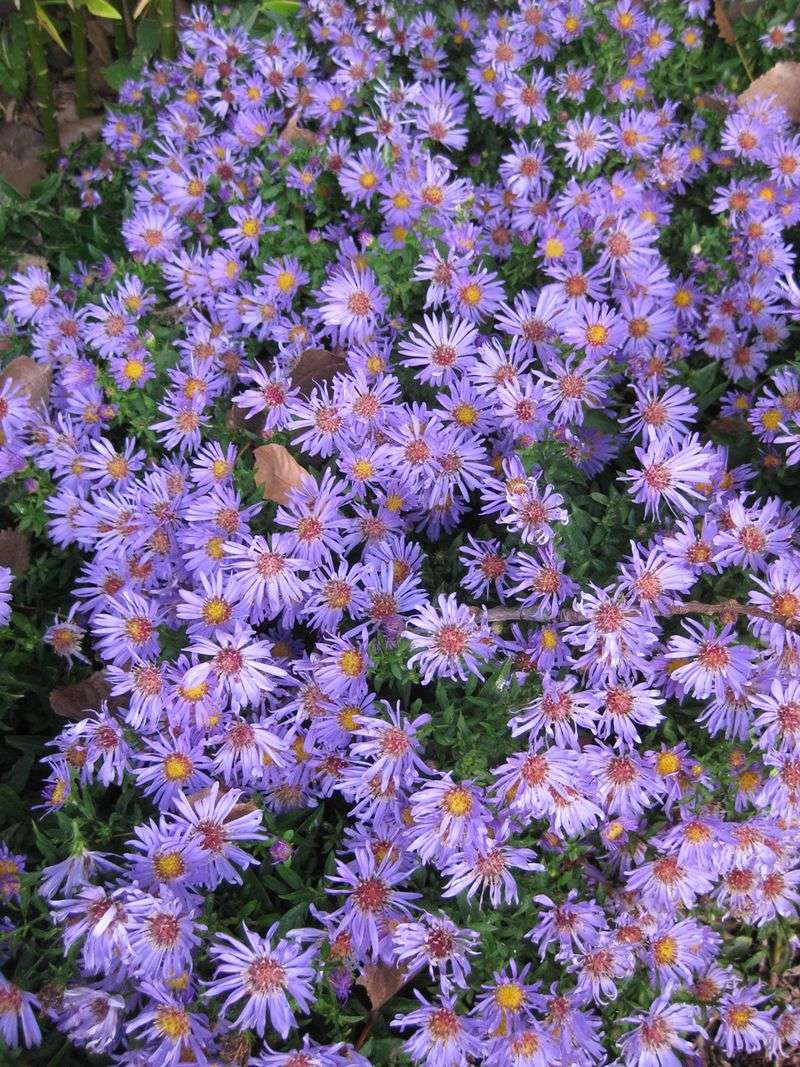
Compact and covered in small purple-blue blooms, aromatic aster brings a cheerful late-season show that rivals almost any fall container plant.
Symphyotrichum oblongifolium is native to central and eastern North America and carries a USDA hardiness rating of zones 3 to 8.
That range suggests it can handle Ohio winters with proper care, though roots in a container face harsher conditions than roots in the ground.
The straight species can spread to three feet or wider, which makes it a tight fit in most patio pots. A compact cultivar like ‘Raydon’s Favorite’ stays closer to two feet tall and wide, making it a more practical container choice.
Verify the cultivar’s exact size before buying, since nursery tags sometimes vary.
Aromatic aster blooms from late summer into October, and the flowers carry a faint pleasant scent when brushed. The plant is deciduous, so the foliage will retreat after the season ends.
Leaving the stems standing gives the pot some winter texture, but do not expect green growth through the cold months.
For overwintering, move the pot to a sheltered spot out of harsh wind, or sink it into a garden bed so the soil around it adds insulation. Use a large frost-safe container with drainage holes, and avoid letting the potting mix stay soggy through freeze-thaw cycles.
Good drainage is as important as cold hardiness here.
2. Autumn Joy Sedum Brings Color Without The Fuss
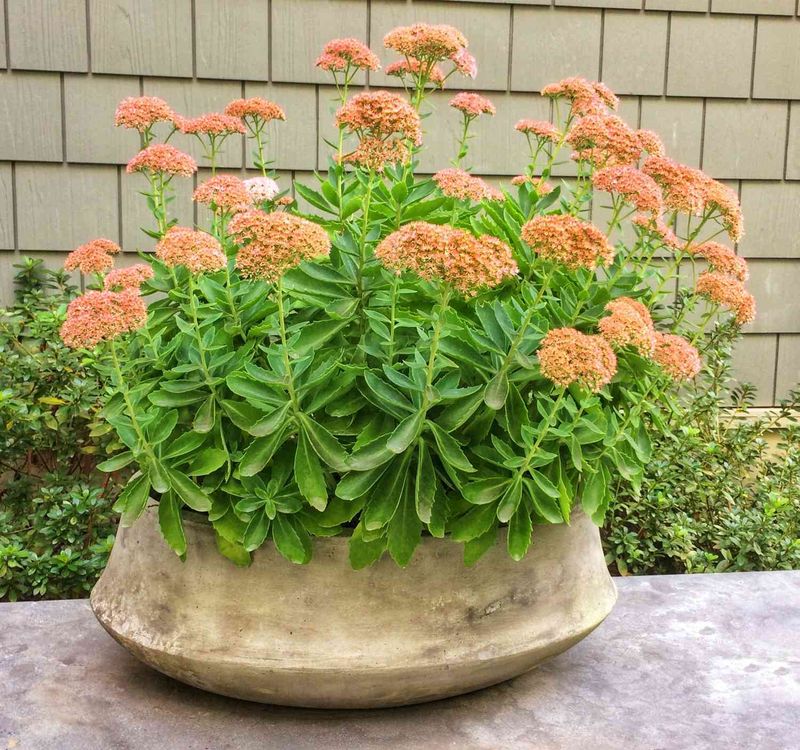
Few perennials move through as many seasonal looks as Autumn Joy sedum. Sold for decades under that name, it is now correctly placed in the genus Hylotelephium, with the cultivar name ‘Herbstfreude’ used in some references.
Older tags and catalogs may still list it as Sedum, so either name can appear in stores. The plant is hardy in USDA zones 3 to 9, which covers all of Ohio with room to spare.
Fleshy blue-green leaves emerge in spring, flower buds form by midsummer, and the heads shift from pale pink to dusty rose to copper-bronze by fall.
Those faded flower heads are not living winter flowers, but they hold their shape well and give a container quiet structure through the cold months.
Leaving them standing until spring is a reasonable choice.
Drainage is the most important factor for this plant in a pot. Succulent roots sitting in wet potting mix during winter can break down quickly, so choose a container with large drainage holes and a gritty, fast-draining mix.
Your Ohio Garden Changes Every Week. Your Plan Should Too.
Gardening in Ohio changes quickly throughout the season. Every Friday you’ll receive a simple weekly plan showing exactly what to plant, prune, fertilize, harvest, and protect so you never miss the right timing.
Avoid overwatering once the plant goes dormant.
A pot at least 12 inches wide and deep gives the roots enough room to stay stable through temperature swings.
Moving the container to a protected area, such as against a sheltered wall or inside an unheated garage, improves the chances of seeing new growth the following spring.
3. Coral Bells Keep Their Foliage Working Past Fall
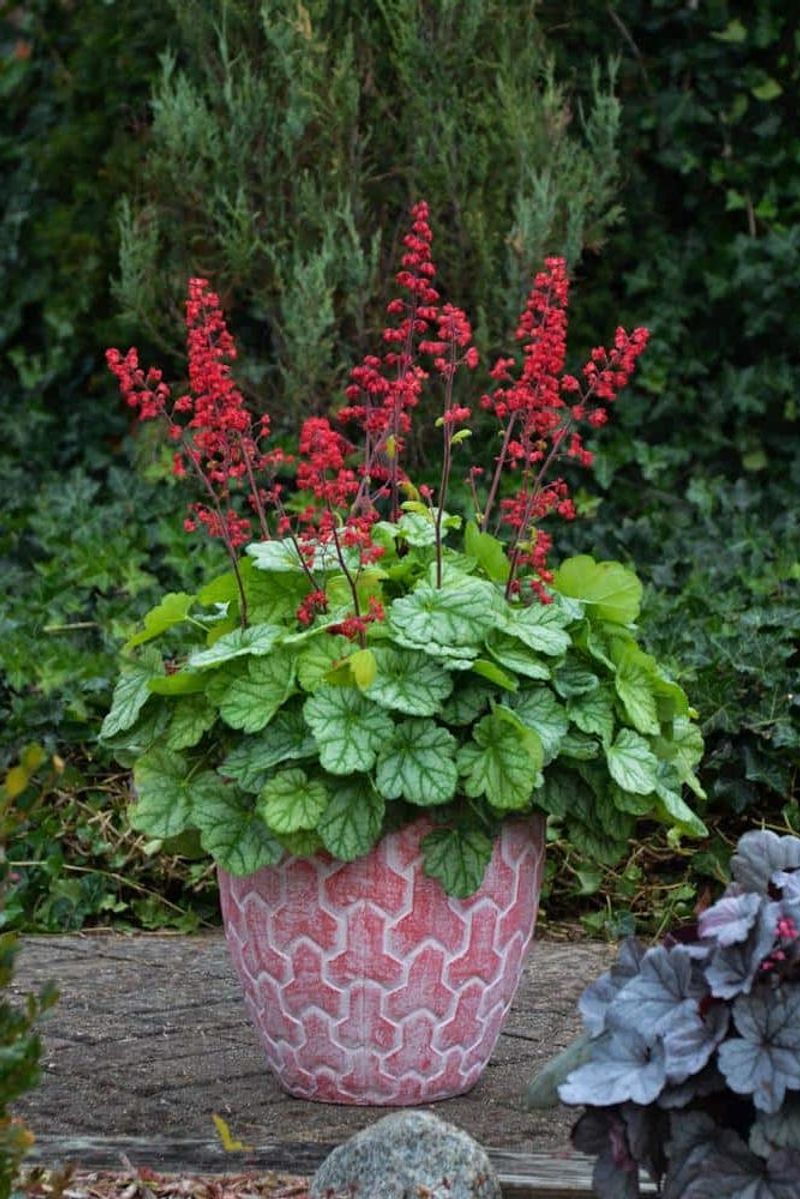
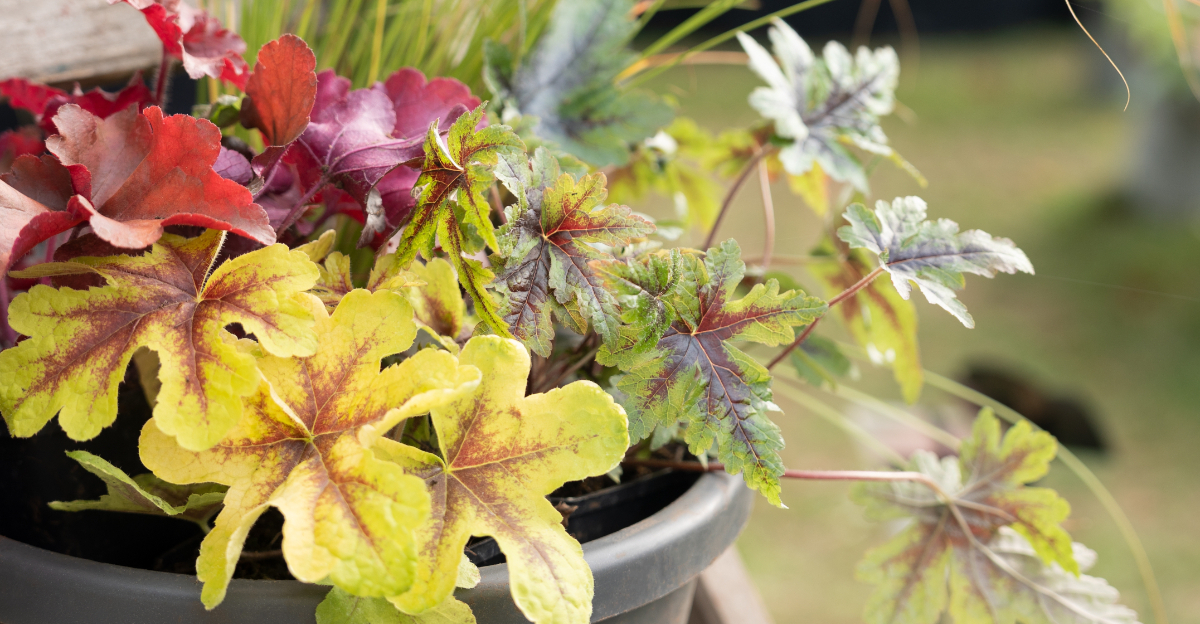
Bold foliage that lasts well into autumn is the main reason to reach for a Heuchera when building a fall container. Coral bells offer leaves in shades ranging from lime green to deep burgundy, caramel, and near-black, depending on the cultivar.
That range of color gives a pot visual interest even after most flowering plants have faded.
Hardiness varies widely across the Heuchera world. Some cultivars are reliably hardy to zone 4, while others perform best in zones 6 and warmer.
Check the cultivar tag carefully before assuming any Heuchera will sail through an exposed Ohio winter in a pot. Choosing one rated for zones 4 or 5 gives the roots more buffer when temperatures drop.
Light needs also shift by cultivar. Darker-leaved types often tolerate partial shade, while brighter selections may fade without enough sun.
Read the label and place the pot accordingly for the best foliage color through fall.
Winter heaving is a real concern for Heuchera. Freeze-thaw cycles can push the crown up out of the potting mix, exposing roots to cold air.
Planting the crown at the right depth and using a container large enough to buffer temperature swings helps reduce that risk. Do not guarantee evergreen foliage through every Ohio winter, since an unusually harsh season can damage even a hardy cultivar.
Shelter the pot near a wall or in an unheated space to improve its odds.
4. Little Bluestem Turns Copper As Nights Cool
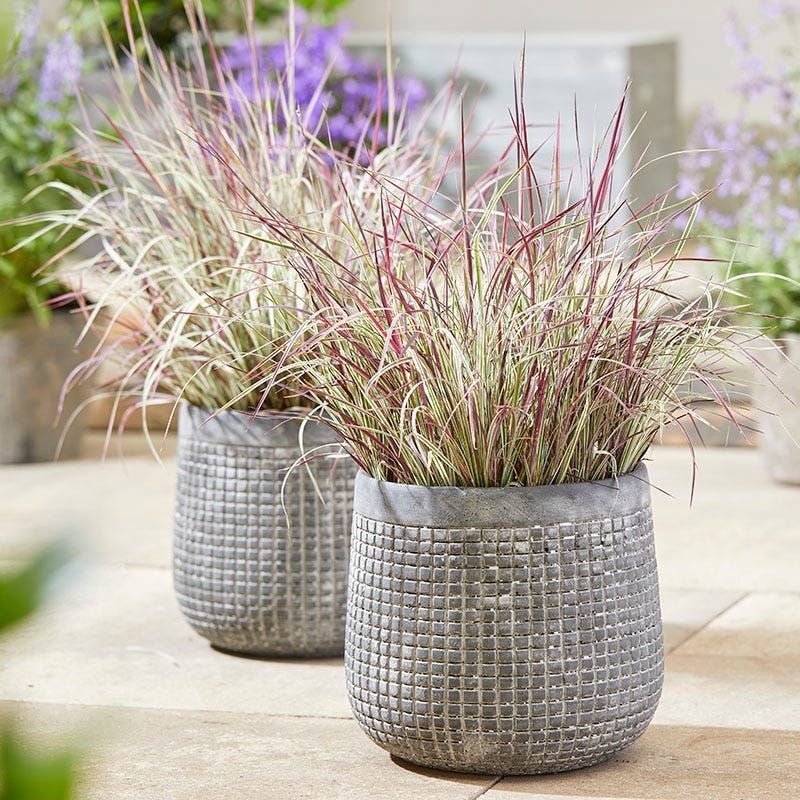
Native Ohio landscapes have relied on little bluestem for centuries, and this tough grass earns its place in a fall container too. Schizachyrium scoparium is hardy from USDA zones 3 to 9, which means its cold hardiness is not the limiting factor for most Ohio gardeners.
The bigger question is whether the pot and site can support it well enough to survive winter.
During the growing season, little bluestem stands upright with blue-green foliage. As temperatures drop in autumn, the leaves shift to shades of copper, orange, bronze, and reddish-brown.
That color change is one of its best features, and it develops most vividly in full sun. A deeply shaded porch will not bring out the color, and the plant may also grow loosely and lean without adequate light.
Mature height ranges from two to four feet depending on the cultivar. Compact selections like ‘The Blues’ or ‘Carousel’ therefore work better in containers than the straight species.
Choose a pot at least 12 to 14 inches wide with good drainage, and use a well-draining mix rather than a heavy moisture-retaining blend.
Stems and fluffy seed heads remain standing through much of winter, adding texture to the pot long after other plants have gone quiet. Avoid cutting everything back until late winter or early spring.
Moving the container to a sheltered spot before hard freezes reduces the temperature swings that strain container roots most.
5. Purple Coneflower Trades Petals For Winter Seed Heads
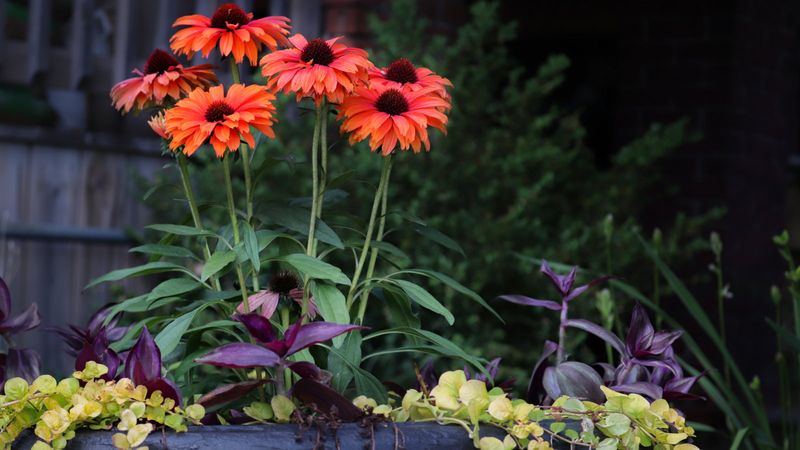
Purple coneflower spends summer putting on a bold show, but its second act in fall and winter may be just as valuable for a container gardener.
Once the petals drop, the dark, spiky seed heads of Echinacea purpurea stand firm on upright stems and give the pot real structure through the colder months.
Some birds visit the seed heads, though that is not guaranteed for every garden or every season.
This plant is hardy in USDA zones 3 to 9, making it one of the more cold-tolerant options for Ohio containers. Mature plants typically reach two to four feet tall and about two feet wide, so the container needs to match that scale.
A pot smaller than 14 inches wide and deep will not give the root system enough room to establish properly.
Full sun and sharp drainage are non-negotiable. Potting mix that stays wet through winter can cause the roots to break down before spring arrives, so choose a container with large drainage holes and a gritty mix.
Echinacea purpurea goes fully dormant after the growing season, so do not mistake the quiet for failure.
Leaving the seed heads standing through winter adds visual interest and reduces the shock of early spring cleanup. For overwintering, group the pot with others against a sheltered wall, or sink it into a garden bed to buffer the roots from extreme cold.
Realistic expectations and good drainage go a long way here.
6. Yarrow Keeps A Pot Full Without Starting Over
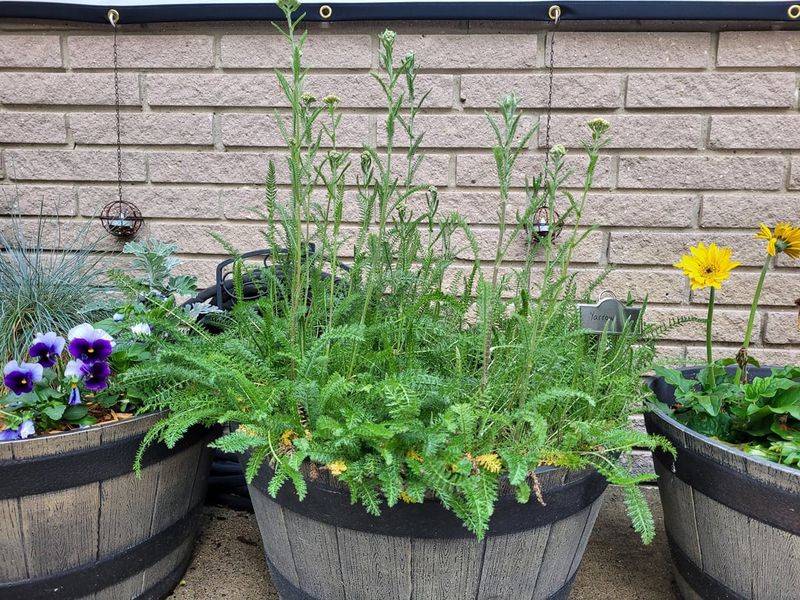
Yarrow earns its place in a container through sheer toughness and a season-long presence that few plants can match. Achillea millefolium and its garden selections are generally hardy in USDA zones 3 to 9, covering all of Ohio.
The finely cut, fernlike foliage stays attractive from spring through fall, even when blooms are not present, giving the pot a soft, textured look throughout the season.
Flower color depends on the cultivar, ranging from white to yellow, pink, and red. Blooming typically peaks in summer, and some selections rebloom into early fall with trimming.
Do not count on heavy late-fall flowering from every yarrow, since most cultivars slow down significantly as days shorten.
Yarrow performs best in full sun with sharp drainage. Rich, wet soil tends to produce weak, floppy growth rather than the compact, sturdy plants that look best in pots.
Use a lean, well-draining mix and resist the urge to fertilize heavily. Compact cultivars like ‘Moonshine’ or shorter selections from the Milly Rock series work better in containers than tall straight-species plants.
Yarrow is not a no-maintenance plant over the long term. After two or three seasons, a container plant may become crowded and bloom less.
Division or replacement at that point is a practical step rather than a setback. For winter, move the pot to a sheltered spot and keep the potting mix barely moist rather than wet or bone dry.
7. Coreopsis Returns With Another Season Of Color
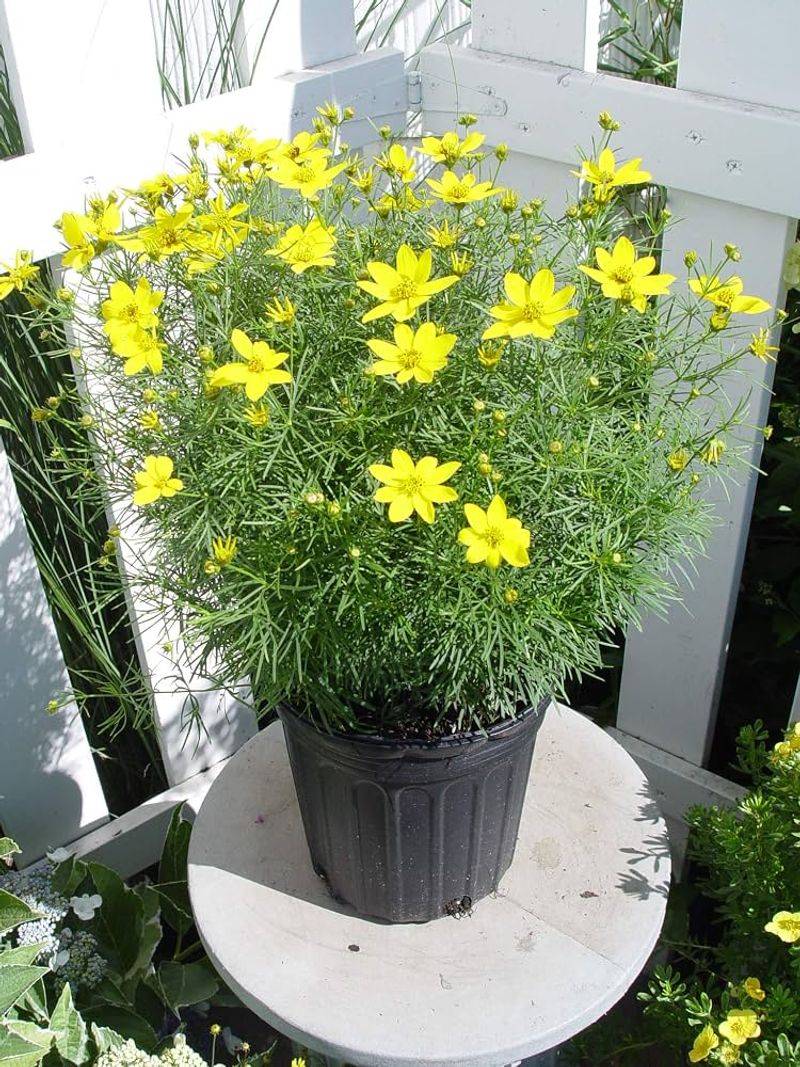
Threadleaf coreopsis, specifically Coreopsis verticillata, is a reliable perennial. It is worth considering if you are tired of starting over with annual container plants every year.
The cultivar ‘Moonbeam’ is one of the most widely grown selections, producing soft pale yellow flowers on fine, feathery foliage from early summer into fall. It is hardy in USDA zones 3 to 9, which puts it well within Ohio’s range.
Mature plants reach about 18 to 24 inches tall and wide, making ‘Moonbeam’ a reasonable fit for a medium to large container. A pot at least 12 inches wide and deep gives the roots room to spread without becoming rootbound too quickly.
Full sun and excellent drainage are the two conditions this plant needs most.
Trimming spent blooms can encourage additional flowering, though the plant naturally produces flowers over a long season without constant attention. Do not expect continuous blooms through the first hard frost on every plant in every year.
Unlike annual coreopsis varieties, Coreopsis verticillata is a true perennial that can return if the container roots survive winter. That return is not automatic.
Moving the pot to a sheltered location, choosing a frost-safe container, and maintaining good drainage all increase the likelihood of seeing new growth in spring. Overwatering a dormant pot is one of the most common mistakes.
Check moisture levels carefully through winter instead of following a fixed watering schedule.
8. Goldenrod Gives Fall Pots A Native Finale
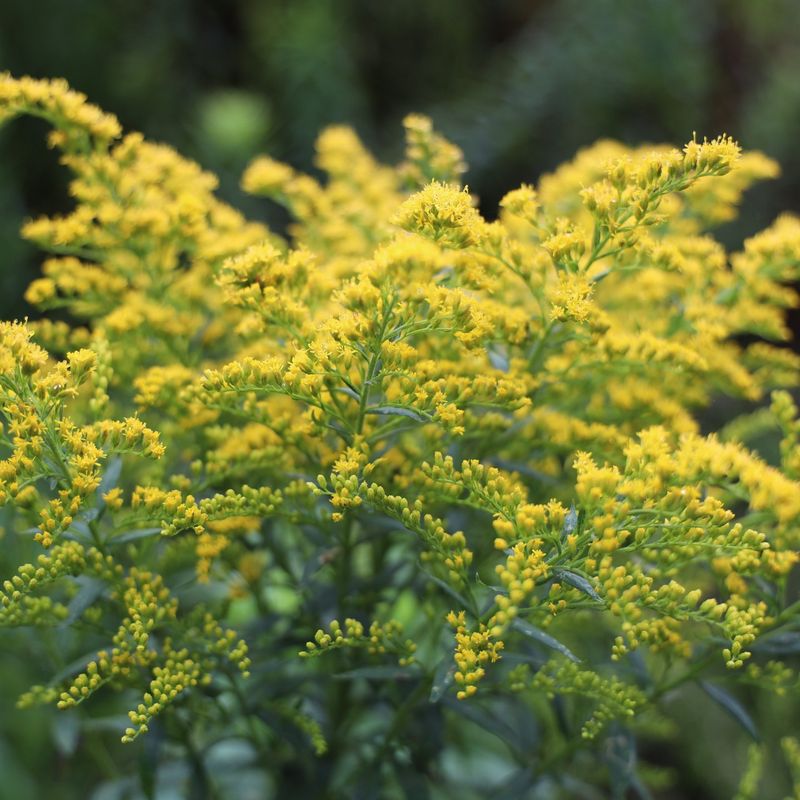
Goldenrod gets an unfair reputation, partly because it blooms at the same time as ragweed. Ragweed produces the light, airborne pollen that causes seasonal hay fever.
Goldenrod pollen is heavy and sticky, carried mainly by insects rather than wind, and it is not a significant source of airborne irritants. Clearing up that confusion matters because goldenrod is genuinely one of the best native plants for a fall Ohio container.
For pots, skip the tall field species and choose a compact cultivar. Solidago ‘Fireworks’ is a selection often attributed to Solidago rugosa, native to eastern North America including Ohio.
It typically reaches three to four feet tall with arching, feathery yellow plumes that bloom from late summer into October. Hardy in USDA zones 4 to 8, it fits well within Ohio’s climate range.
Pollinators visit goldenrod heavily during its bloom period. This makes it a practical choice for anyone who wants a container that supports local insects through fall.
Verify this by observing the plant in your own garden, since activity will vary by location and year.
Choose a pot at least 14 inches wide, use a well-draining mix, and place it in full sun for the best bloom display. After flowering, the plant goes dormant and the stems can be left for winter interest before cutting back in early spring.
Move the container to a sheltered spot before the hardest freezes. Choosing plants for more than one season can make a container garden genuinely rewarding over time.