The Florida Fence Line Habit That Makes Roach Problems Around The House Significantly Worse
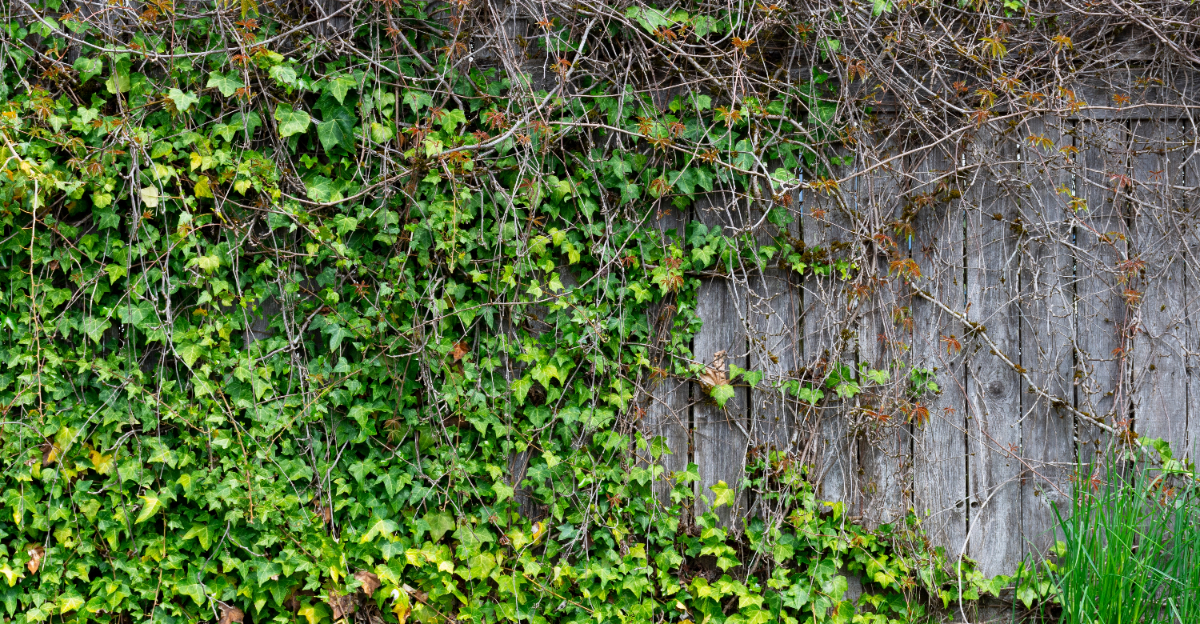
Florida roaches don’t wait around, and they definitely don’t play by the rules you’d expect. The moment you think you’ve sealed one gap, they’ve already found another.
Most homeowners approach this problem from the wrong angle entirely, pouring effort into the wrong corners of the property. The real trouble is quietly building somewhere they rarely even glance at.
One ordinary yard habit is doing more damage than any crack in your foundation ever could. Fixing it costs nothing upfront and takes less effort than you’d expect. Just a shift in how you treat one overlooked corner of your property.
Dense Vegetation Along Fence Lines Shelters Roach Colonies
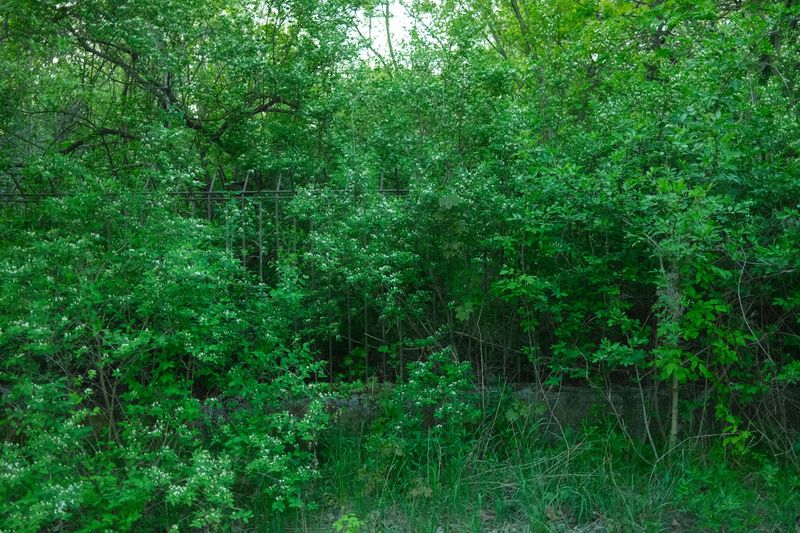
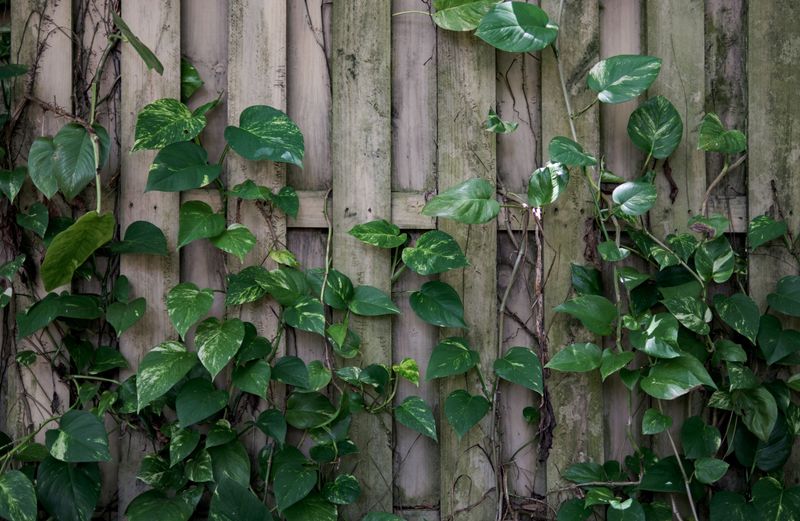
Thick plants piled against a fence create ideal shelter for roaches. It usually starts with letting greenery grow wild and unchecked along the fence line.
Roaches love tight, dark spaces where they feel hidden and protected. Dense shrubs, vines, and ground cover pressed against a fence give them exactly that kind of shelter.
Leaf litter collects at the base of overgrown plants. That decomposing material becomes food, nesting material, and moisture all in one spot.
American cockroaches, one of the most common species in Florida yards, prefer outdoor habitats before moving indoors. A lush fence line gives them a reason to stay close to your house for months.
Yards with mature trees or privacy hedges along the fence line often see the heaviest activity. The extra shade and root moisture only make the shelter more attractive to a growing population.
The colony grows steadily as long as conditions stay comfortable. More roaches in the yard means more pressure pushing toward your home’s walls, doors, and foundation.
Trimming plants away from the fence base removes the cover roaches depend on. Even a few inches of clearance between plants and the fence structure makes the area far less appealing to nesting insects.
Bright, open, dry spaces are roach repellents by nature. Keeping fence line vegetation thinned out is one of the simplest steps you can take to shrink the local roach population before it ever reaches your front door.
Warm Humid Conditions Behind Overgrown Fences Speed Up Breeding
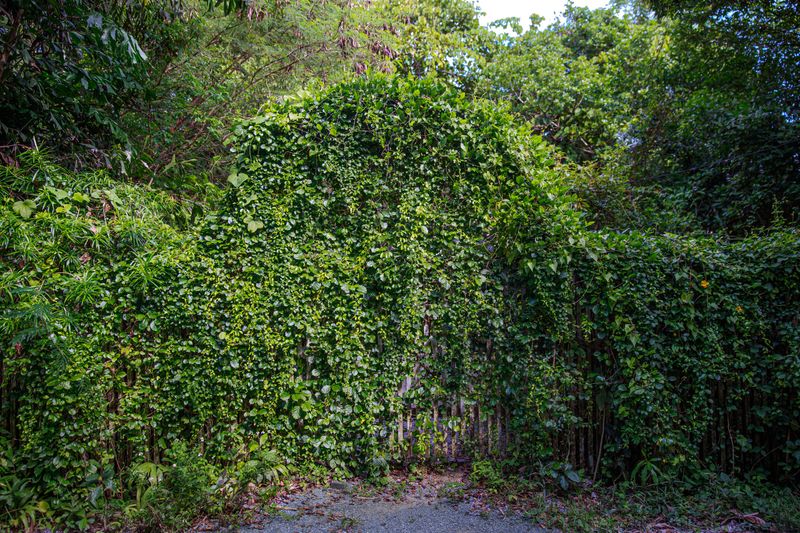
Florida heat is relentless, and the humidity makes everything feel heavier. Behind an overgrown fence, that heat and moisture get trapped, creating a warm pocket where roaches thrive.
Roaches breed faster in warm, wet conditions. In Florida’s climate, a small group of roaches can grow into a large colony within just a few months when conditions are right.
The shaded, damp zone behind dense fence vegetation rarely dries out. Even on sunny days, the ground beneath thick plant growth stays moist because sunlight cannot reach it.
Female roaches carry egg cases called oothecae, each holding more than a dozen eggs at a time. Warm, humid shelter accelerates how quickly those eggs hatch and develop into adults.
Most pest control treatments work best in dry, exposed conditions. When roaches breed inside a dense, humid fence line, treatments applied elsewhere in the yard often miss the source entirely.
Your Florida Garden Changes Every Week. Your Plan Should Too.
Gardening in Florida changes quickly throughout the season. Every Friday you’ll receive a simple weekly plan showing exactly what to plant, prune, fertilize, harvest, and protect so you never miss the right timing.
Reducing moisture is just as important as reducing cover. Pulling back overgrown plants lets air circulate and sunlight reach the soil, naturally drying out the area roaches prefer.
A dry fence line is not just cleaner looking, it is actively hostile to roach breeding. Breaking the humidity cycle behind your fence is one of the fastest ways to slow down population growth before it spirals out of control.
Untrimmed Growth Creates A Direct Path Toward The House
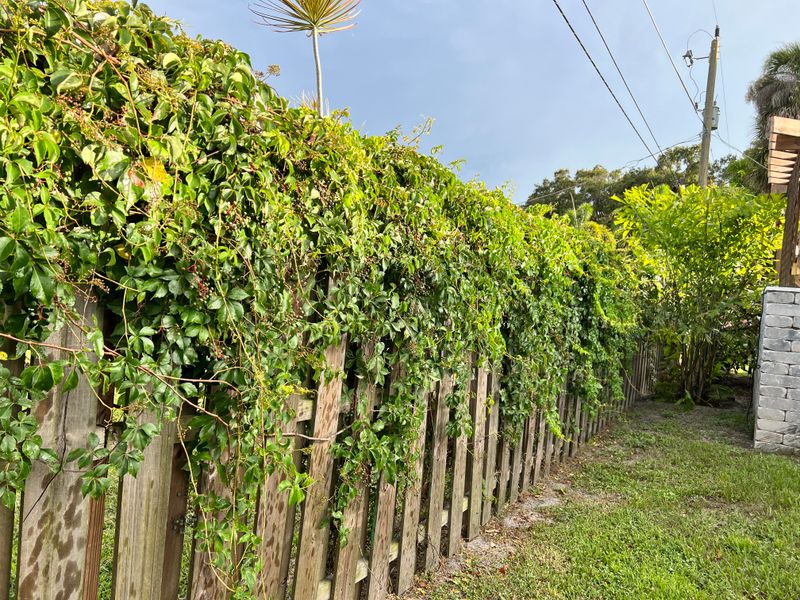
Roaches do not wander randomly. They follow food, moisture, and shelter in a fairly straight line from one safe zone to the next.
When plants grow continuously from the fence all the way to the house, roaches have a covered travel route the whole way. Untrimmed growth acts like a green hallway connecting the colony to your foundation.
Ground cover plants are especially problematic in this regard. Species like Asian jasmine, ivy, and torpedo grass hug the ground and give roaches low cover as they move closer to the structure.
Once roaches reach the foundation, they probe for gaps around pipes, vents, and utility lines. A single crack near a water line is all they need to get inside.
Trimming vegetation so there is a clear, open gap between your fence line and your house removes that covered pathway. Roaches are much less likely to cross open ground where they feel exposed and vulnerable.
A gravel or mulch-free buffer zone around the base of your house adds another layer of protection. Roaches crossing open terrain are exposed to predators and dry air, both of which discourage travel.
Think of your yard in zones: the fence line, the middle yard, and the foundation. Keeping each zone trimmed and open breaks the chain that leads roaches straight to your front door.
Common Florida Yards Repeat This Habit Without Realizing The Risk
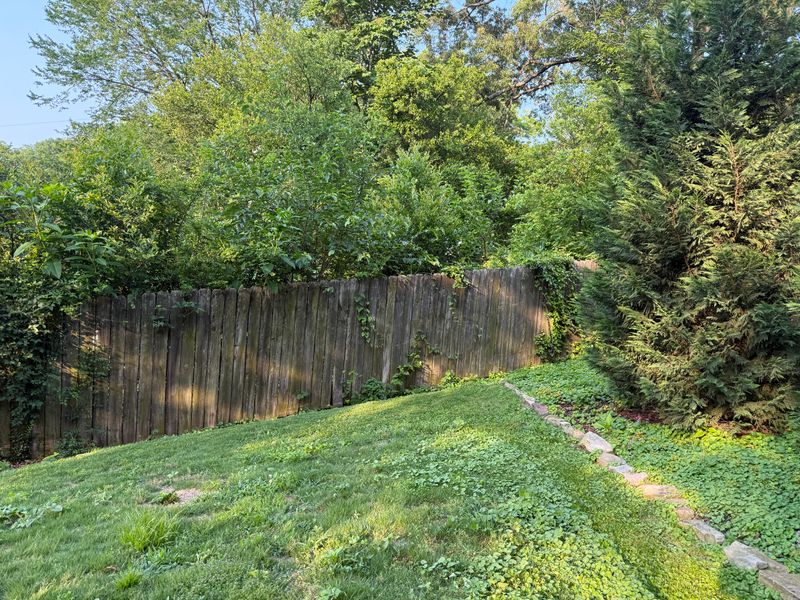
Walk down almost any Florida neighborhood street and you will spot it. Fences buried under layers of bougainvillea, palm fronds, and mystery vines that have not been touched in years.
The habit is so common that most homeowners assume it is harmless. Lush greenery looks tropical and appealing, so the roach risk hiding inside it rarely gets considered.
Many Florida homeowners also use fences as a base for privacy plants. Clusia, podocarpus, and areca palms are popular choices, and they grow dense and fast against fence lines.
These same plants line driveways, pool cages, and property borders across the state. Their popularity is exactly why this habit shows up in so many yards without anyone connecting the dots.
The problem is not the plant itself. The problem is letting the base of those plants accumulate dry leaves, moisture, and undisturbed ground cover for months or years without maintenance.
Dense fence line vegetation is consistently ranked among the top outdoor roach harborage sites found during residential inspections. Most homeowners are surprised when it is pointed out.
The fix does not mean ripping everything out. Selective trimming at ground level, removing leaf litter, and keeping the base of fence plants open and airy makes a significant difference.
Recognizing this habit as a real risk is the first step. Once you see your fence line through a pest-control lens, the changes you need to make become obvious and surprisingly manageable.
Small Gaps In Fencing Make The Problem Worse Over Time
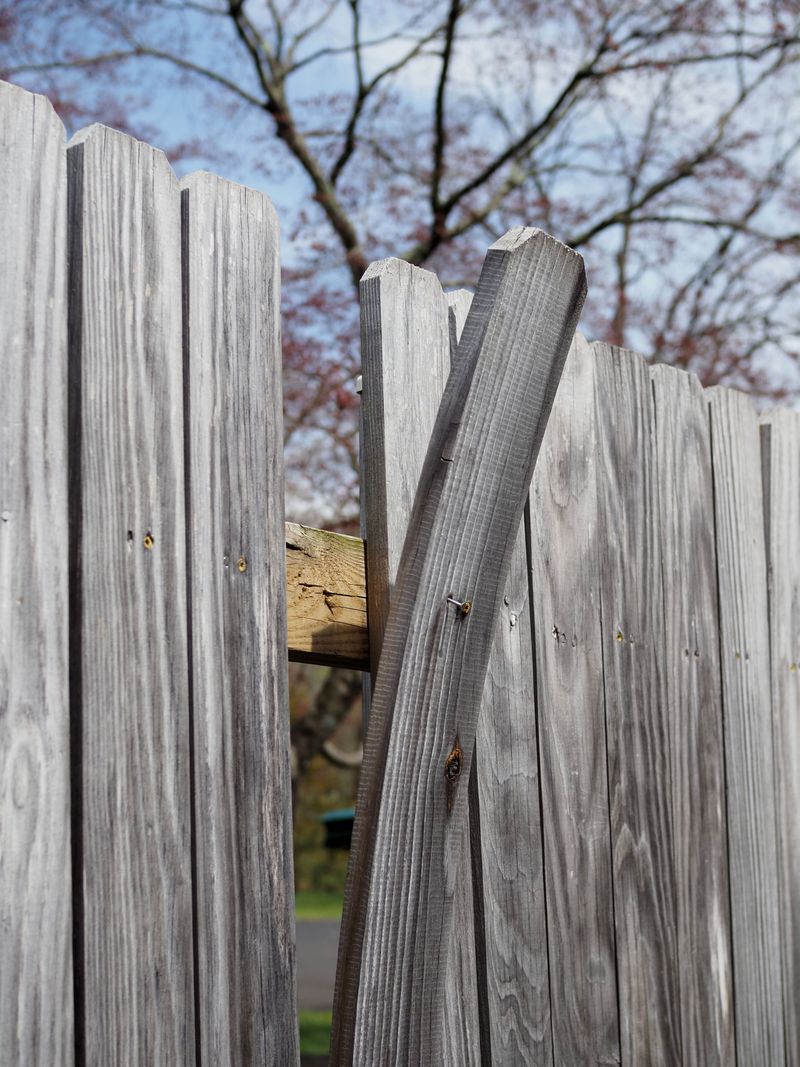
Fencing that has been up for a few years starts to shift, warp, and crack. Florida’s heat and humidity speed up that deterioration faster than in most other states.
Small gaps at the base of a fence panel might seem harmless. To a roach, though, a gap the width of a quarter is a perfectly usable doorway into a new territory.
When dense vegetation grows along both sides of a fence with gaps, roaches can move freely between neighboring yards and your property. The fence stops being a barrier and starts being a bridge.
Overgrown plants also speed up fence damage. Roots press against fence posts, moisture trapped by leaves accelerates wood rot, and vines pull at panels until gaps open up wider over time.
Inspecting your fence line twice a year for structural damage is a smart habit. Look specifically at ground-level gaps, rotted boards, and any spots where vegetation has pushed against the structure.
Filling gaps with steel wool or hardware cloth stops roach movement without requiring a full fence replacement. These are inexpensive fixes that make a real impact on pest pressure.
A well-maintained fence with no vegetation pressing against it stays intact longer and keeps roaches from using it as a passthrough. Small repairs made early prevent the kind of infestation that takes months to solve.
Clearing Vegetation Regularly Cuts Off Roach Access Points
Grab a pair of gloves and a set of pruning shears, because this is where things actually get better. Regular clearing of fence line vegetation is one of the most effective roach-reduction steps a Florida homeowner can take.
The goal is not a bare, lifeless fence. The goal is a maintained fence line where plants are trimmed, debris is removed, and the base stays dry and open to sunlight.
Clearing should happen at least once every six to eight weeks in Florida. The growing season here is long, and plants that look tidy in April can become a roach haven by June.
Start by pulling dry leaves and organic debris from the base of any fence-side plants. That layer of rotting material is the first thing roaches colonize, so removing it disrupts the habitat immediately.
Next, trim the lower branches and ground-level growth so there is at least six inches of open space between the plant base and the soil. Air and light reaching the soil changes the microclimate dramatically.
Pair your clearing routine with a perimeter spray of a residual insecticide labeled for roaches. Apply it along the fence base after clearing so it reaches the soil without plant material blocking it.
Staying consistent with this reversal breaks the cycle before it ever reaches your foundation, keeping your yard working for you instead of against you.