What To Plant In California In September For A Strong Fall Garden
September in California has a special feel in the garden. The light softens, the soil still holds warmth, and the air hints that a new growing season is sneaking in through the back gate.
Summer beds may look tired, but the show is far from over. In many parts of the state, this month opens a sweet spot for quick sprouts, crisp leaves, and roots that swell with better flavor.
That mix of warm days and cooler nights can make planting feel almost magical. Seeds wake up fast, young plants settle in nicely, and your yard can shift from dusty to fresh in a matter of weeks.
A strong fall garden starts with smart timing and the right picks for the season. Keep reading for crops that handle California’s September rhythm beautifully and can fill your kitchen with color, crunch, and plenty of homegrown bragging rights.
1. Lettuce
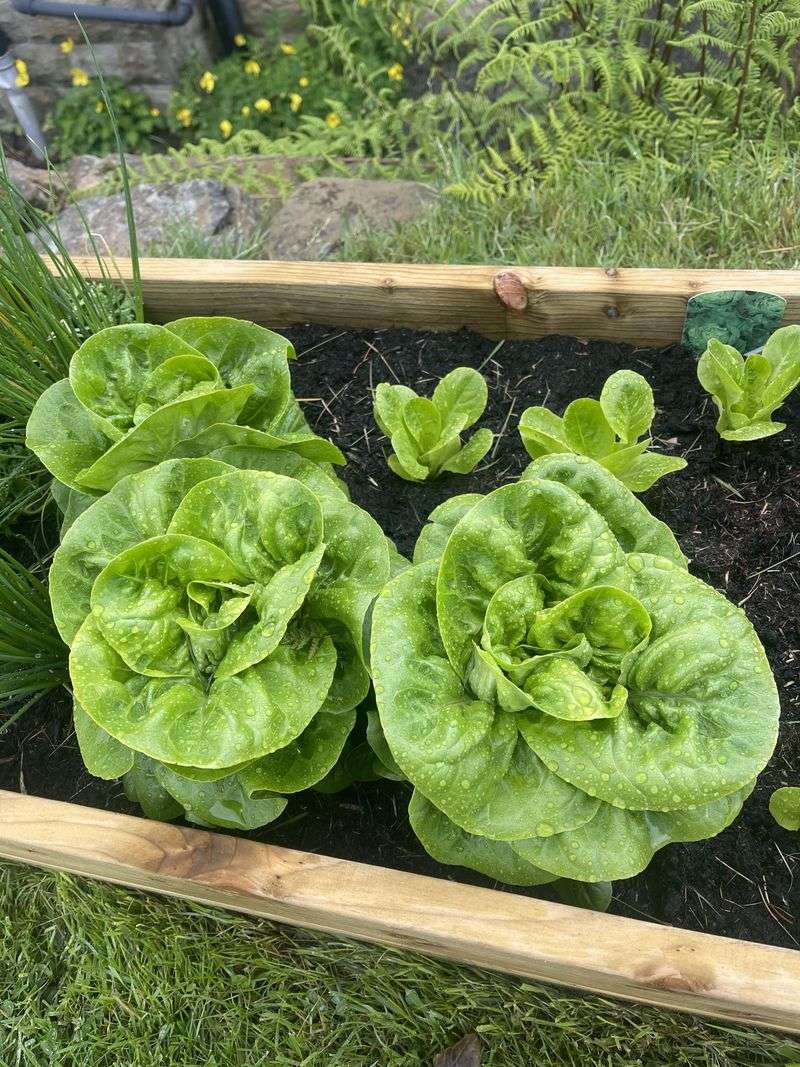
Lettuce thrives in California’s September climate, when soil stays moist and afternoons lose their summer intensity. Seeds sprout within days under these milder conditions, giving gardeners quick results early in the season.
Loose-leaf varieties suit fast, frequent picking, while romaine forms sturdier heads for later salads. Morning sun paired with light mulch keeps roots cool and moisture levels consistent through warm afternoons.
Regular watering supports steady growth, particularly as temperatures shift between day and night this time of year. A light mulch layer also helps keep the soil from drying out too quickly.
Sowing small batches every one to two weeks extends the harvest window well past a single planting. This staggered approach means fresh lettuce keeps arriving even as earlier rows are used up.
Coastal regions often support lettuce growth well into the cooler months ahead without much trouble. Inland gardens benefit from partial afternoon shade, which helps prevent leaves from turning bitter in lingering heat.
Aphids and slugs can appear as nights cool and moisture lingers in the bed overnight. Checking the undersides of leaves regularly helps catch problems before they spread through the row.
Harvesting outer leaves first allows the center of the plant to keep producing for weeks. This approach stretches productivity from a single planting far longer than a one-time harvest would.
A little consistency in watering and spacing turns these early plantings into a steady stream of crisp bowls well into autumn across most of California.
2. Spinach
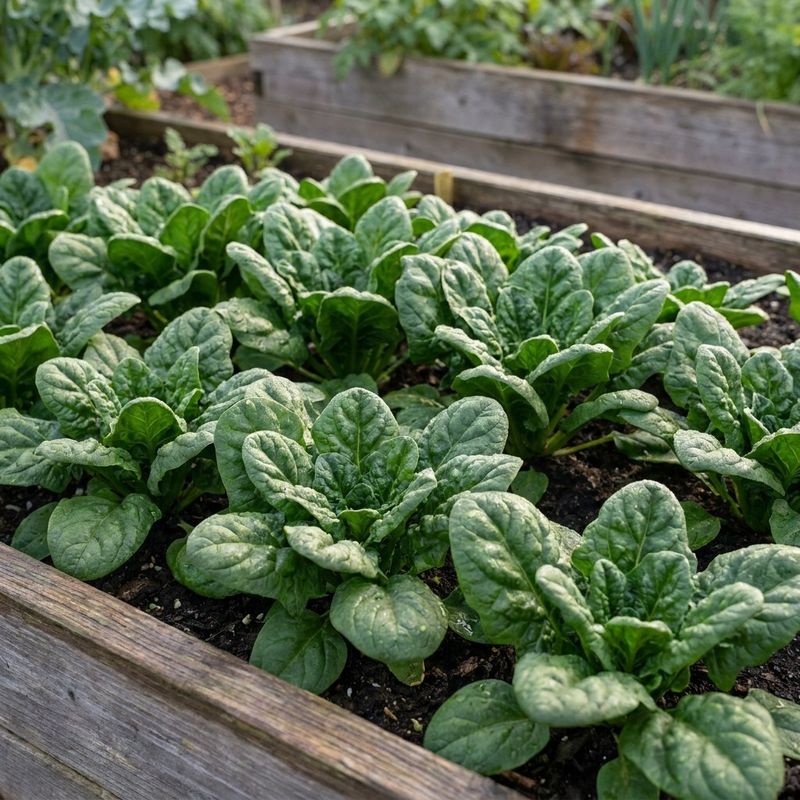
Spinach performs well in California once fall temperatures settle in, producing leaves with a milder, sweeter taste. Many gardeners notice better results now than during spring planting, especially where summer heat lingers late.
Sow seeds directly into rich, well-worked soil and keep the bed evenly damp until sprouts appear. Consistent moisture during germination makes the biggest difference in how evenly the row fills in.
Afternoon shade benefits inland gardens where heat can still build during the day. Coastal areas typically handle more direct sun without the leaves suffering or slowing their growth.
Spacing seedlings a few inches apart gives each plant enough room to develop full leaves. Crowded rows tend to produce thinner growth and are more prone to fungal issues in damp conditions.
Your California Garden Changes Every Week. Your Plan Should Too.
Gardening in California changes quickly throughout the season. Every Friday you’ll receive a simple weekly plan showing exactly what to plant, prune, fertilize, harvest, and protect so you never miss the right timing.
Picking outer leaves first lets the center continue producing over several weeks. This method draws out the harvest instead of pulling entire plants at once.
Cooler fall weather also slows the tendency of spinach to bolt, which shortens the picking season considerably. Gardeners in warmer inland valleys benefit most from this shift as temperatures drop.
A balanced fertilizer applied at planting supports steady leaf growth throughout the season. Mulching around the base helps retain moisture and keeps soil temperatures more even overnight.
California’s fall window is generous enough that a single well-timed sowing can keep spinach on the table from October through early winter in most coastal areas.
3. Kale
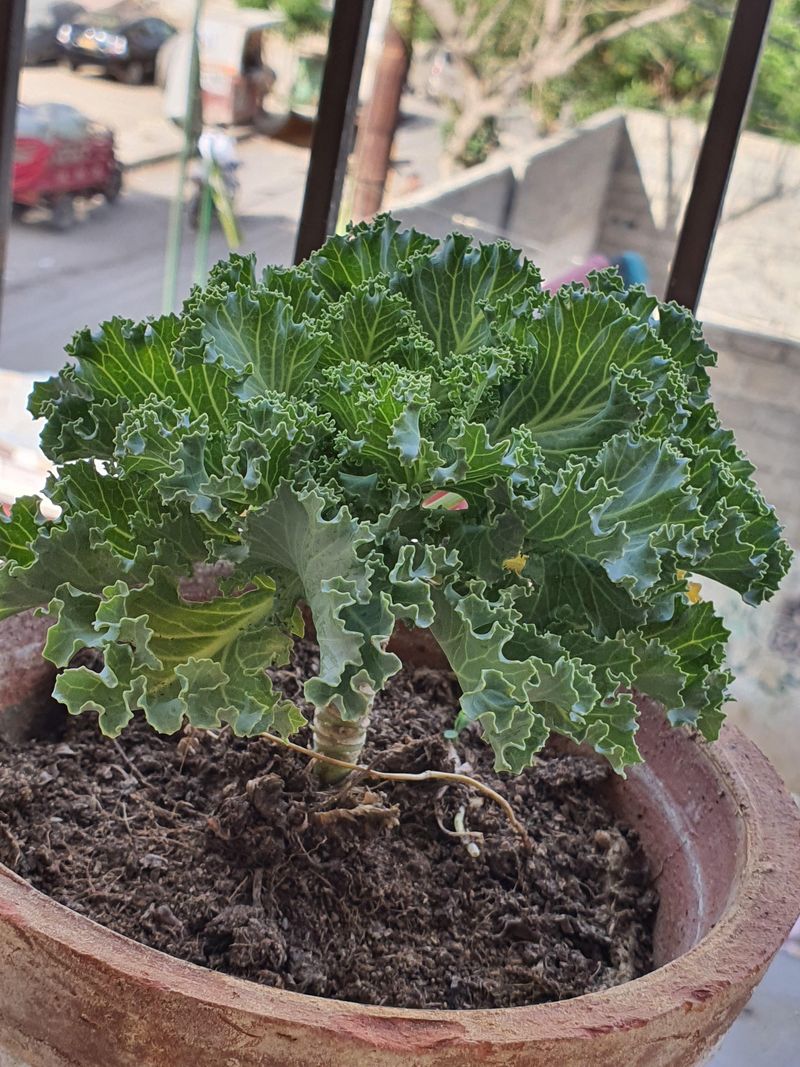
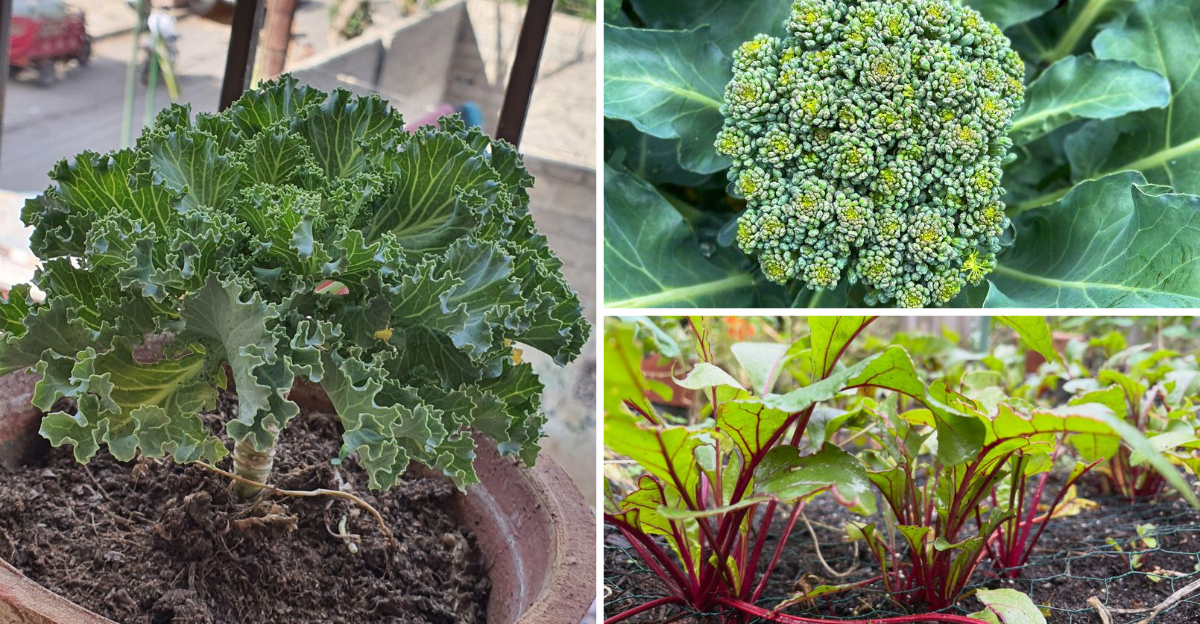
Kale grows noticeably better once nights turn cooler, with California’s September conditions giving roots time to settle before deeper fall chill sets in across the state. Cooler weather also tends to improve the flavor of the leaves.
Starting from seedlings speeds up the process, though direct sowing works well in loose soil mixed with compost. Either method benefits from consistent moisture during the first few weeks of growth.
Caterpillars and other leaf-eating pests can appear on the undersides of kale leaves as the season shifts. Regular inspection helps catch infestations early before they spread across the bed.
Watering at the base rather than overhead keeps foliage drier and reduces the chance of fungal problems. This habit matters more as humidity rises with cooler fall nights.
Baby leaves work well in fresh salads, offering a milder texture than mature growth. Full-size leaves hold their structure in soups, sautés, and other cooked dishes.
Spacing plants far enough apart allows for good airflow, which further limits disease pressure. Crowded rows tend to trap moisture and slow overall growth.
A layer of compost worked into the soil before planting supports steady development through the season. Side dressing with additional compost partway through the season can extend productivity further.
Kale rewards this kind of routine care by continuing to produce fresh leaves long after many other fall crops in the garden have slowed down for the season.
4. Broccoli
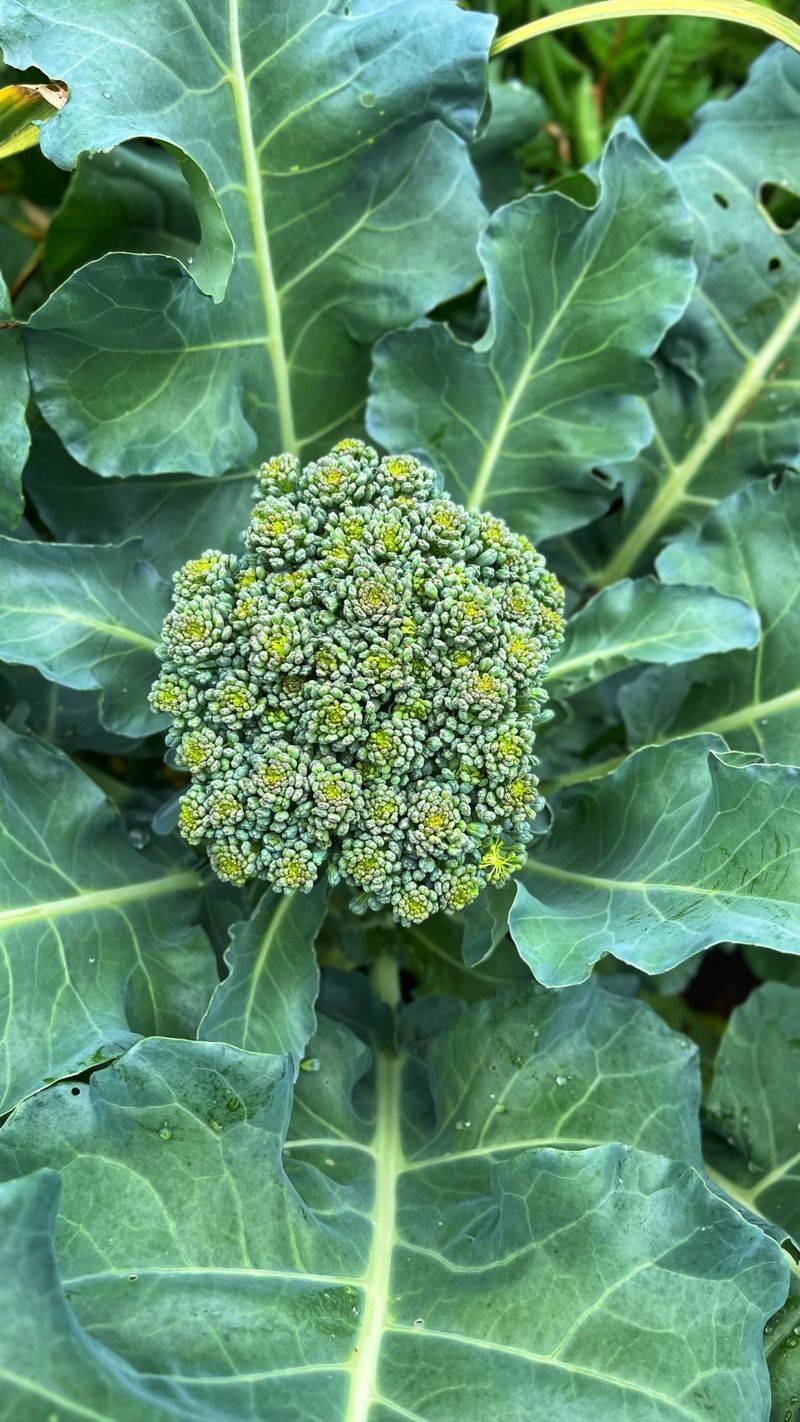
Broccoli generally performs better in fall than in summer, since warm soil combined with cooler air helps heads form with firmer, more consistent texture. September planting in California takes advantage of this seasonal shift in conditions.
Transplants should be set deep enough to anchor sturdy stems as the plant matures. Feeding the bed with compost or a balanced fertilizer at planting supports strong early growth.
Consistent moisture matters throughout the growing period, especially during dry, windy stretches common in Southern California this time of year. Uneven watering can lead to smaller or looser heads.
Spacing plants with enough room between them allows heads to develop fully without competing for nutrients. Crowded plantings often produce smaller central heads overall.
After the main head is harvested, side shoots typically continue forming for several more weeks. This extends the total harvest well beyond the first cutting.
Watching for aphids and cabbage worms helps prevent damage to developing heads. These pests tend to hide within the tight clusters of florets, so close, regular inspection matters most.
A layer of mulch around the base helps regulate soil temperature and retain moisture during warm afternoons. This becomes especially useful as inland regions continue experiencing warm spells into fall.
Gardeners who stay on top of watering and spacing this month often end up cutting broccoli heads well into the much cooler weeks that follow into late fall.
5. Carrots
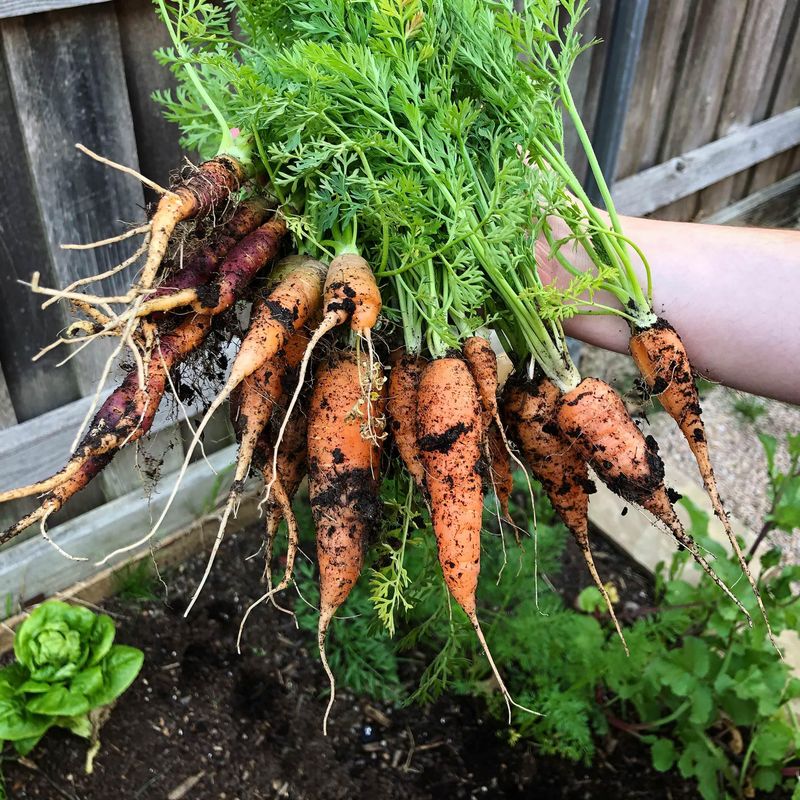
Carrots develop slowly and quietly, with roots sizing up underground while very little changes above the surface. September sowing in California often leads to sweeter flavor as nights cool and days grow noticeably shorter.
Loose, stone-free soil matters more than any particular tool, since rocks and compacted clumps can twist developing roots. Working the bed deeply before sowing makes a noticeable difference later.
Keeping the seed row consistently damp is essential, since carrot seeds can take longer to germinate than many other vegetables. A light mulch layer helps retain moisture during this stretch.
Thinning seedlings early gives remaining roots enough room to size up properly. Crowded rows tend to produce thin, misshapen carrots regardless of soil quality.
Coastal gardens can sow carrots later into the season, while inland areas benefit from earlier September planting before soil temperatures drop too far. Timing adjustments help account for these regional climate differences across the state.
Carrot tops are edible and work well in pesto, soups, or as a garnish. Using the greens reduces waste and adds a fresh, herbal flavor to simple dishes.
Regular watering throughout the growing period prevents roots from cracking or turning bitter. Consistency matters more for carrots than for many other fall vegetables.
The wait tends to pay off, since properly prepared beds this month usually produce some of the very sweetest, most reliable carrots of the entire year.
6. Beets
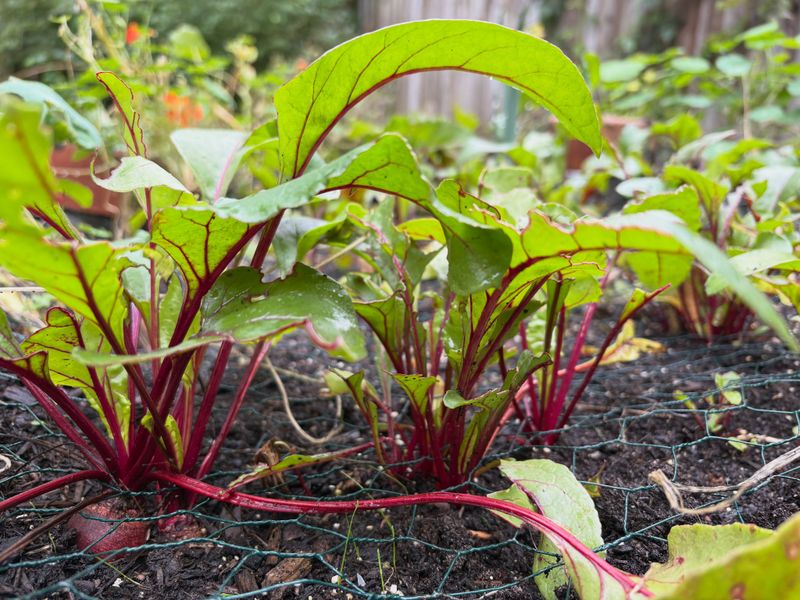
Beets bring quick color to the garden and produce two harvests from a single planting, since both the roots and the leafy tops are edible. California’s mild fall climate supports steady growth for both parts of the plant.
Seed clusters typically sprout several seedlings at once, so thinning becomes part of the early routine. Removing extra seedlings gives remaining plants enough space to develop properly.
Full sun works well for beets grown near the coast, while inland gardens may benefit from some afternoon relief if temperatures remain high. Adjusting placement helps roots develop more evenly across the bed.
Consistent watering supports steady root development throughout the growing season. Uneven moisture can lead to roots that grow tough or develop cracks near the surface as they mature.
Roasting brings out natural sweetness in the roots, while sautéing the greens with garlic makes a simple, flavorful side dish. Both parts of the plant offer distinct uses in the kitchen.
Spacing plants a few inches apart prevents overcrowding as roots expand underground. Crowded beds tend to produce smaller, less uniform beets overall.
A balanced fertilizer at planting supports healthy leaf growth, which in turn feeds root development below. Mulching around the base helps retain moisture during warmer fall days.
Because both roots and greens come from the same planting, a modest September bed can stretch surprisingly far in the kitchen throughout the fall.
7. Radishes
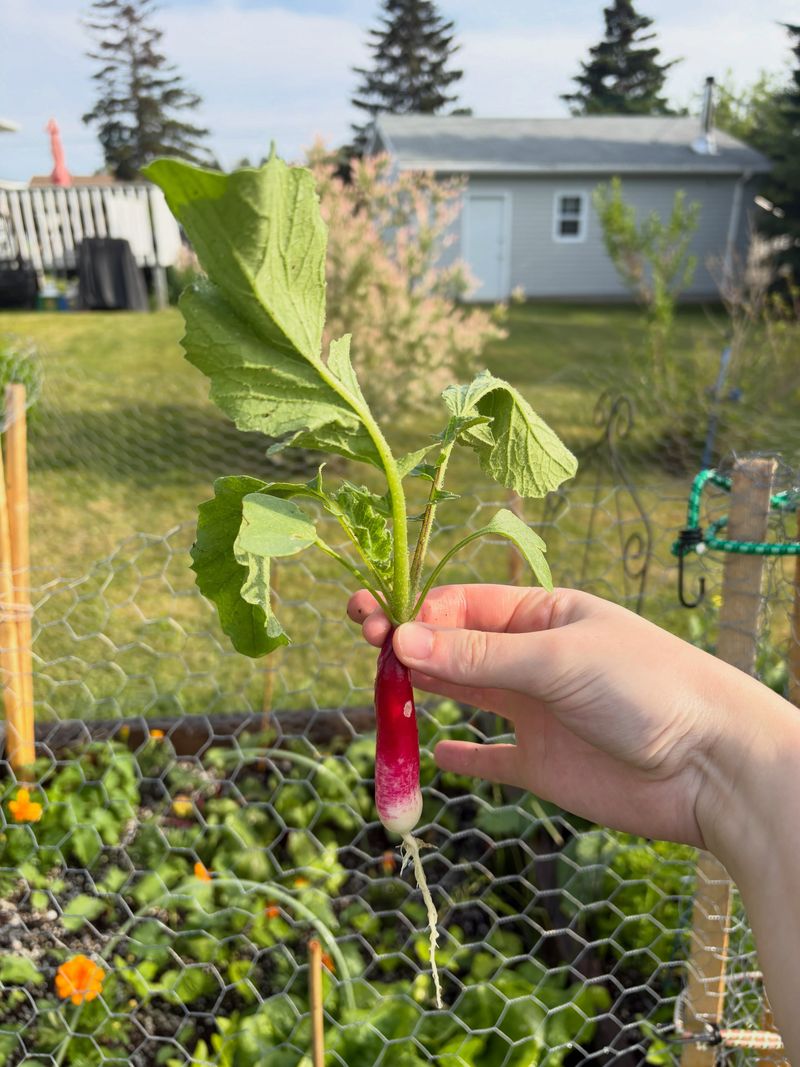
Radishes move from seed to harvest faster than almost any other fall crop, making them a practical choice for California gardeners planting in September. Quick results make radishes especially appealing for beginners testing out a new garden bed.
A well-draining bed matters significantly, since soggy soil can soften roots and affect their crisp texture. Raised beds or well-amended soil help maintain the steady drainage radishes need throughout growth.
Sowing every ten days keeps a steady supply coming rather than one large harvest all at once. This staggered method suits radishes well given how quickly they mature.
Harvesting before roots grow too large keeps the texture crisp and the flavor mild. Left too long in the ground, radishes can turn woody or develop an overly sharp taste.
The leafy tops are edible as well, adding a peppery note to stir-fries, salads, or tacos. Using the greens instead of discarding them reduces waste from each planting.
Consistent moisture throughout growth helps prevent roots from splitting or developing a hollow center. Dry spells followed by heavy watering tend to cause the most noticeable cracking.
Spacing seeds properly at planting reduces the need for thinning later on. Crowded rows often produce smaller, less evenly shaped roots with uneven coloring.
Few other vegetables reward a September planting this quickly, which makes radishes an easy way to see results while slower crops are still settling in.
8. Peas
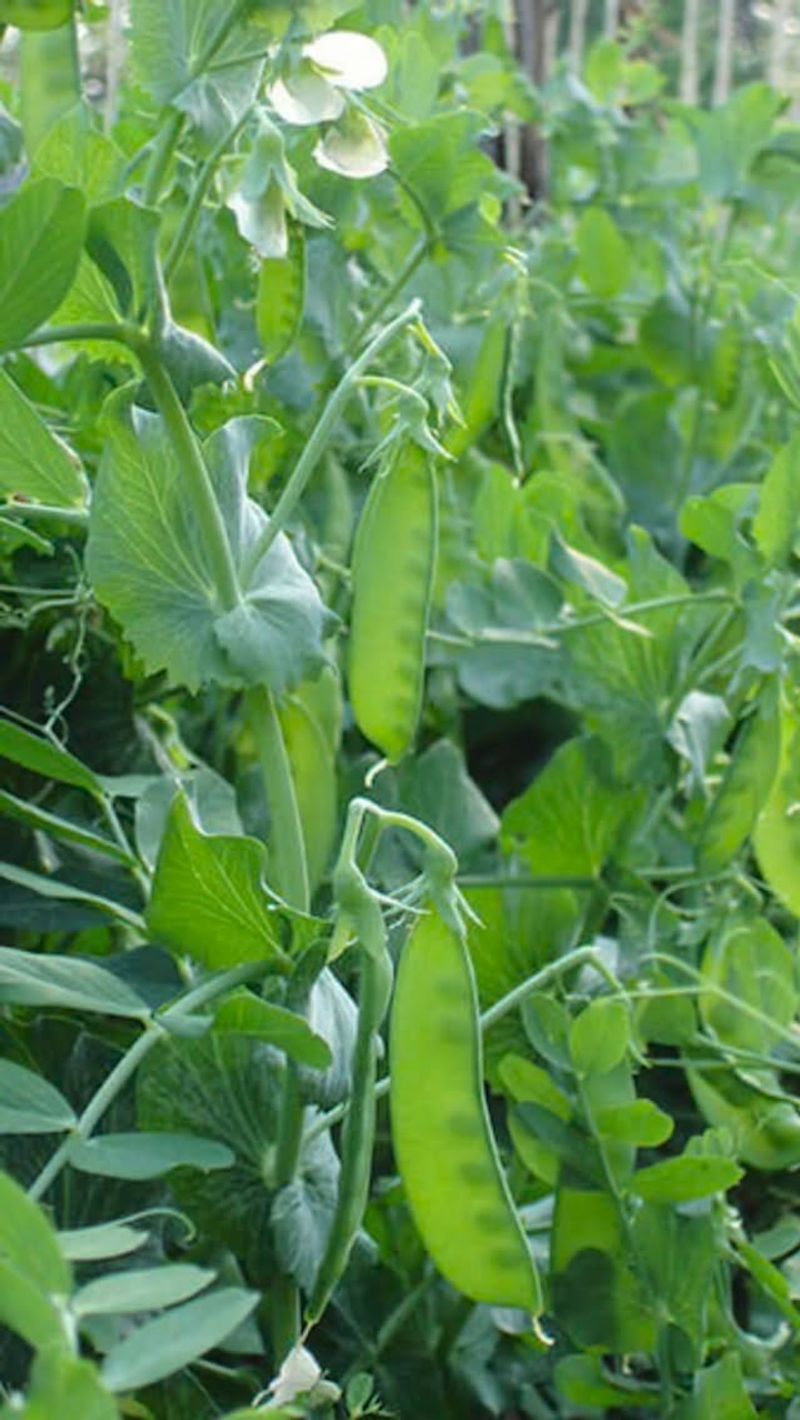
Peas suit California’s cooler September conditions well, forming sweet pods as temperatures ease and nights lengthen. This timing gives vines a full stretch of the season to develop before winter chill arrives in most regions.
Shorter varieties work well in tight spaces, while taller types benefit from a trellis or other support structure. Choosing the right variety depends largely on available garden space.
Seeds prefer consistently moist soil at planting, though good airflow around growing vines helps prevent fungal issues later. Overhead watering can increase humidity around foliage, so watering at the base is often preferred.
Harvesting pods regularly once they appear encourages the plant to keep producing more flowers. Letting pods sit too long on the vine tends to slow overall yield.
Full sun supports the strongest pod production, though light afternoon shade can help in warmer inland areas. Coastal gardens generally provide ideal conditions without much adjustment needed.
A layer of mulch around the base helps retain soil moisture as fall days remain warm in some regions. This also helps moderate soil temperature swings between day and night.
Spacing plants properly along the trellis or row allows for good airflow and easier harvesting access. Crowded vines tend to trap moisture and slow pod development.
Regular picking keeps vines productive for weeks, so a September sowing can end up supplying pods well past the point most summer crops have finished.