The Real Reason California Geranium Leaves Turn Yellow
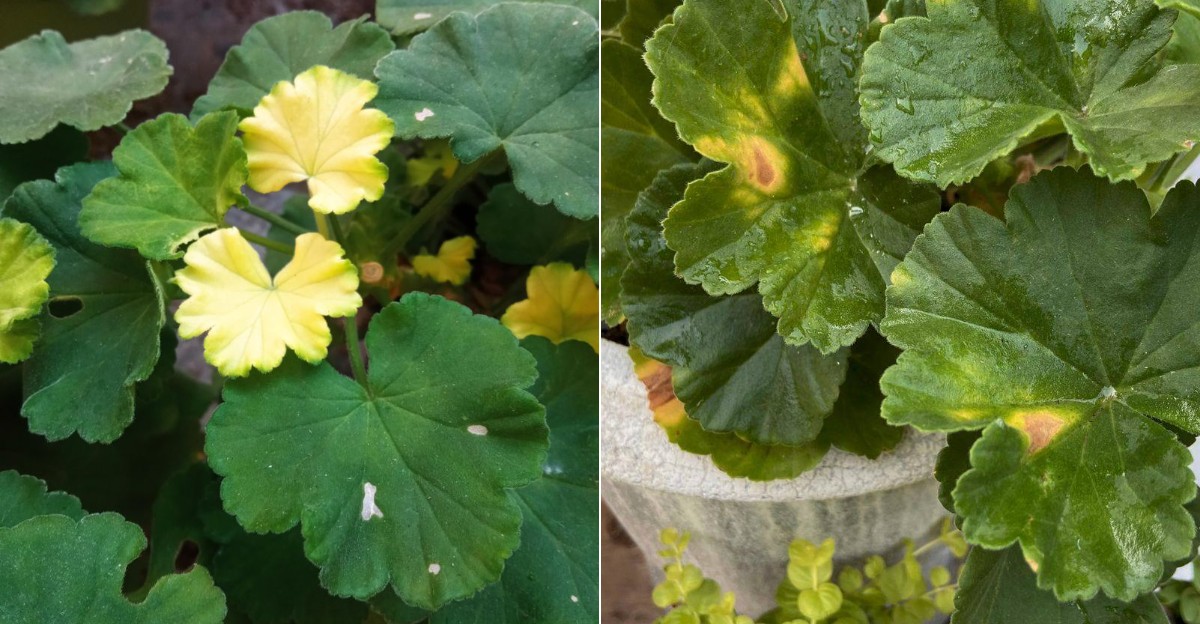
Yellow geranium leaves can make an otherwise healthy California garden look like something has gone wrong. It is easy to blame the weather, pests, or a lack of fertilizer, but the real cause is not always the one you expect.
A few yellow leaves may be a normal part of the plant’s cycle, while widespread discoloration can point to a problem with how the plant is growing.
Watering habits, soil conditions, sunlight, and other factors can all affect the way your geranium looks.
You can often find clues by paying attention to where the yellowing starts and how quickly it spreads. Figuring out what your geranium is trying to tell you can help you fix the issue before the plant loses its strength.
1. Overwatering Is A Common Cause
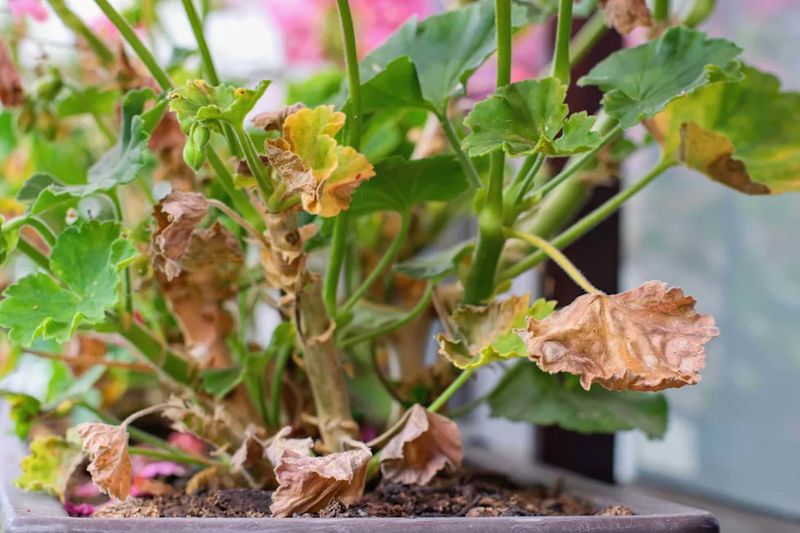
Believe it or not, kindness can backfire in the garden. Giving your geraniums too much water is one of the top reasons their leaves fade to yellow.
When soil stays soggy, roots cannot breathe. They sit in water and slowly lose their ability to pull up nutrients. The lower leaves usually turn yellow first, feeling soft and limp.
California gardeners sometimes water on a strict schedule out of habit. But geraniums prefer soil that dries out a bit between drinks. Poke your finger about two inches into the dirt.
If it feels wet, wait a day or two before watering again.
Containers make this trickier because water can pool at the bottom. Always use pots with drainage holes so extra moisture escapes.
A helpful trick is watering deeply but less often. This encourages roots to grow strong and reach downward instead of staying shallow.
During cooler months, your plants need even less water. Cut back in fall and winter when growth slows down.
If you already spot yellow leaves and mushy soil, stop watering right away. Let the plant recover and trim off the worst leaves. With patience, new green growth should appear and your geranium will bounce back beautifully.
2. Poor Drainage Can Stress The Roots
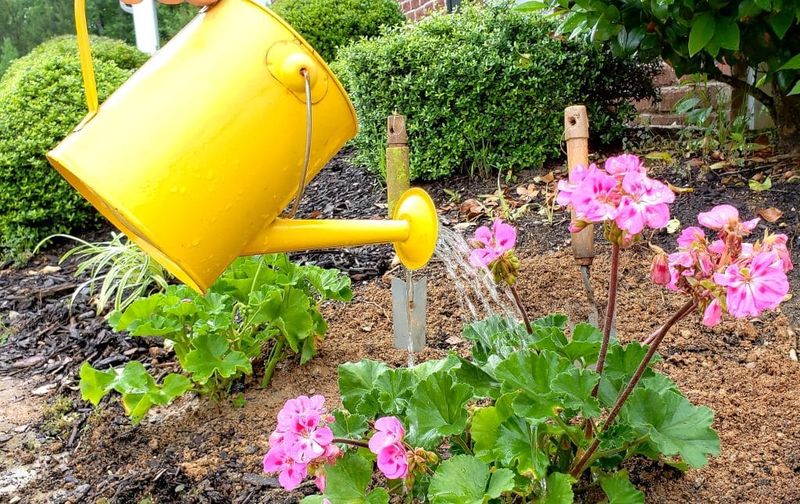
Water needs somewhere to go, and when it gets trapped, trouble starts. Poor drainage keeps roots swimming in moisture long after you finish watering.
Heavy clay soil is common in many parts of California. It holds water like a sponge, which sounds nice but actually smothers geranium roots over time.
Stressed roots cannot deliver food to the leaves. That stress often shows up as yellow patches, especially near the base of the plant.
To improve things, mix compost or perlite into your garden beds. These loosen the soil and let water flow through more easily.
For potted geraniums, choose a light, well-draining potting mix instead of regular garden dirt. The difference is huge.
Check that drainage holes are not blocked by dirt or roots. Sometimes a quick cleaning solves the whole issue.
Raised beds are another smart option if your yard tends to stay wet. They lift roots away from standing water.
You can test drainage by pouring water into a hole and timing how fast it disappears. If it lingers for hours, your soil needs help.
Your California Garden Changes Every Week. Your Plan Should Too.
Gardening in California changes quickly throughout the season. Every Friday you’ll receive a simple weekly plan showing exactly what to plant, prune, fertilize, harvest, and protect so you never miss the right timing.
Fixing drainage may take a little effort, but your geraniums will reward you with greener leaves and fuller blooms once their roots can breathe again.
3. Yellow Leaves Can Signal Nutrient Problems
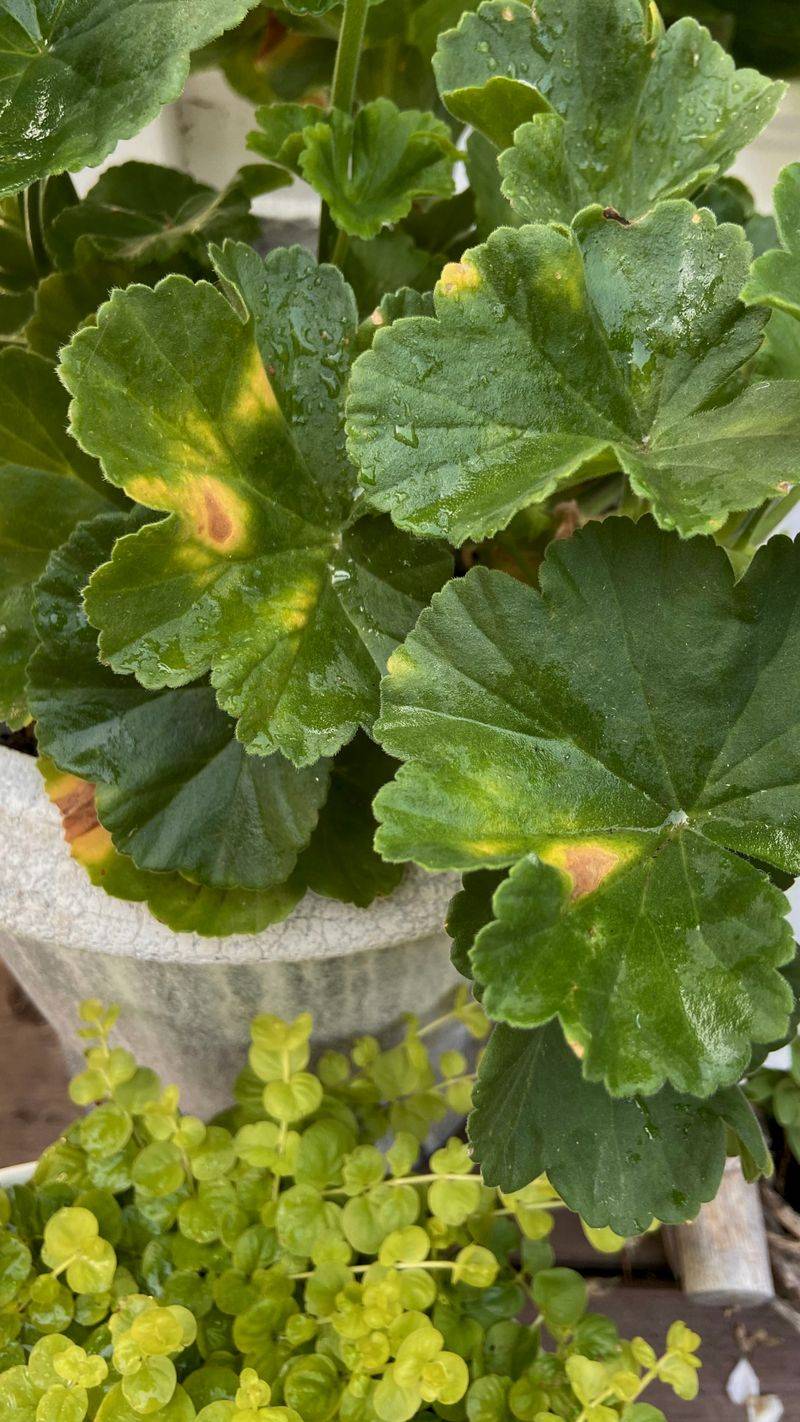
Sometimes a hungry plant is trying to send you a message. When geraniums run low on key nutrients, their leaves lose that rich green color.
Nitrogen shortages often turn older leaves pale and yellow all over. Iron shortages, on the other hand, make new leaves yellow while the veins stay green.
California’s frequent watering can wash nutrients out of the soil faster than you might expect. Over time, the ground simply runs out of food.
A balanced fertilizer made for flowering plants helps refill what is missing. Look for one with equal parts nitrogen, phosphorus, and potassium.
Feed your geraniums every few weeks during spring and summer when they grow the most. Follow the label so you do not overdo it.
Yellowing between the veins usually points to iron or magnesium needs. A little Epsom salt mixed with water can boost magnesium quickly.
Slow-release fertilizer granules are handy for busy gardeners. They feed the plant steadily over many weeks.
Keep an eye on which leaves turn yellow first. The pattern gives you clues about exactly what your plant craves.
With the right feeding routine, faded leaves often perk up, and fresh growth comes in strong, deep green, and full of energy.
4. Old Leaves Naturally Change Color
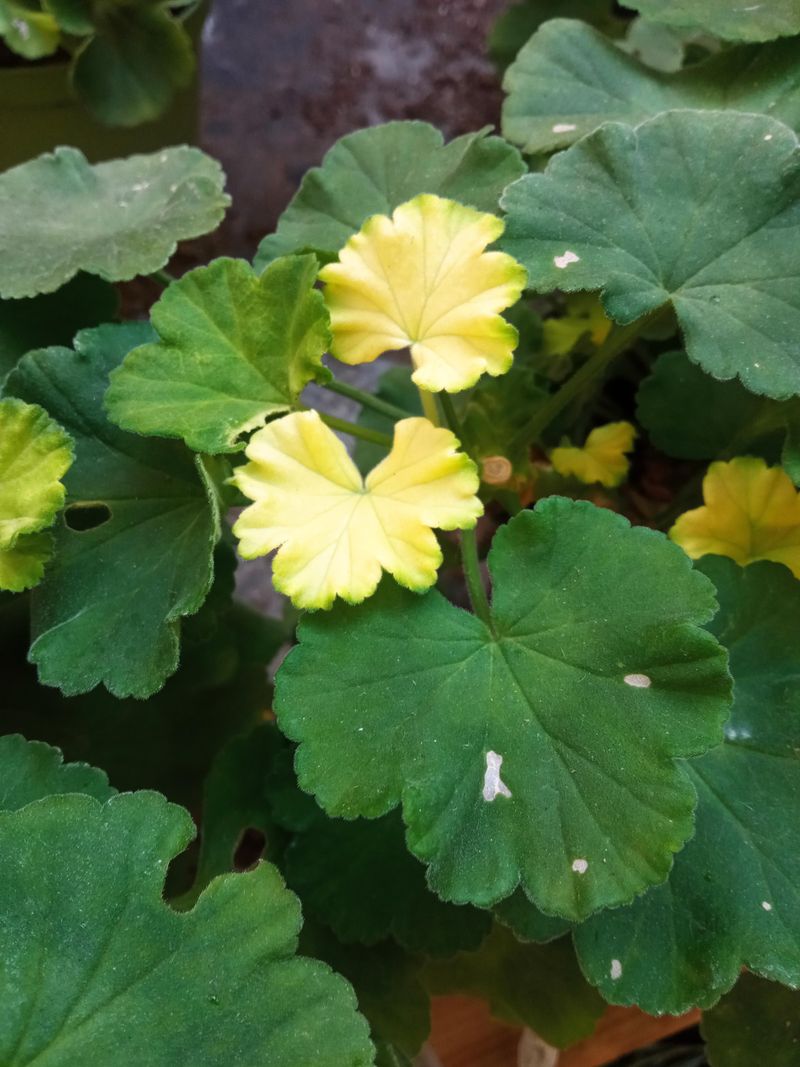
Not every yellow leaf means something is wrong. Plants age just like everything else, and old leaves eventually fade as part of normal life.
The oldest leaves sit near the bottom of the plant. As geraniums grow taller and produce fresh foliage up top, they let go of the lower ones.
This natural shedding lets the plant focus its energy on new growth and flowers. It is actually a sign of healthy progress.
You can spot the difference pretty easily. Aging leaves turn yellow slowly, usually one at a time, while problem leaves spread quickly in patches.
Gently pinch or snip off these tired leaves. Removing them keeps your plant looking neat and helps air move freely.
Regular grooming also prevents old leaves from rotting on the soil, which could invite pests or mold.
Do not panic if you see a few yellow leaves each month. That is completely normal for a growing geranium.
Focus instead on the overall picture. If most of the plant looks vibrant and only a few bottom leaves fade, you have nothing to worry about.
Think of it as the plant tidying up after itself. Trimming away the old makes room for bright new leaves and cheerful blooms to shine.
5. Too Much Shade Weakens Growth
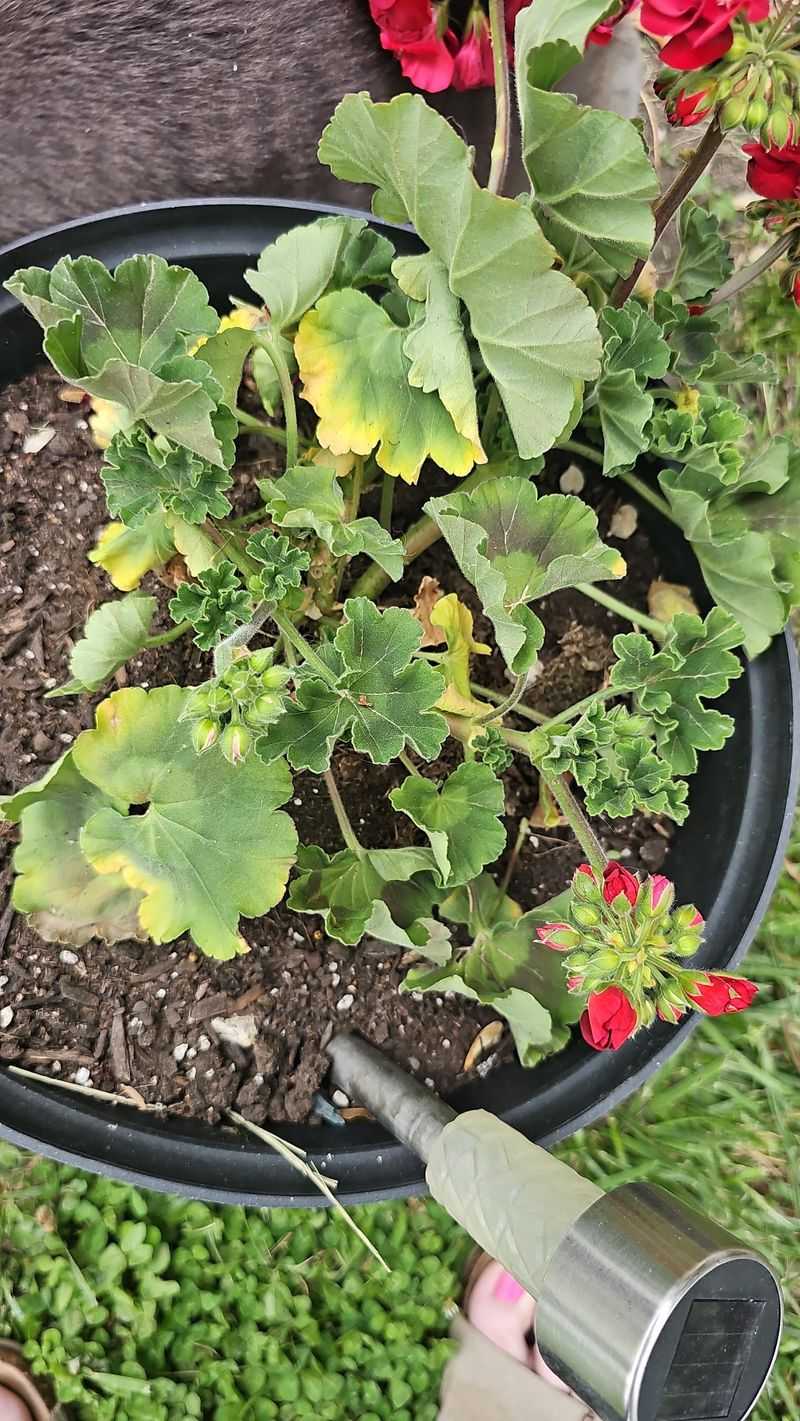
Sunshine is fuel for geraniums, and without enough of it, they start to struggle. Too much shade leaves them weak, leggy, and pale.
These plants love bright light. Most types want at least six hours of sun each day to stay healthy and bloom well.
When tucked into a dim corner, leaves often turn yellow and stems stretch out searching for light. The whole plant looks thin and tired.
California offers plenty of sunshine, so the fix is often simple. Move potted geraniums to a sunnier spot on your patio or porch.
For plants in the ground, trim back overhanging branches that block the sun. A little pruning can open up the space nicely.
Watch how the light moves across your yard during the day. Some areas get morning sun but sit in shade by afternoon.
South-facing spots usually offer the steadiest light. East-facing areas give gentle morning rays that geraniums enjoy too.
If summer heat gets intense, a bit of afternoon shade actually helps prevent scorching. Balance is the goal here.
Give your geraniums the bright light they crave, and you will notice sturdier stems, greener leaves, and more of those colorful flowers you planted them for.
6. Heat Stress Can Affect Geraniums
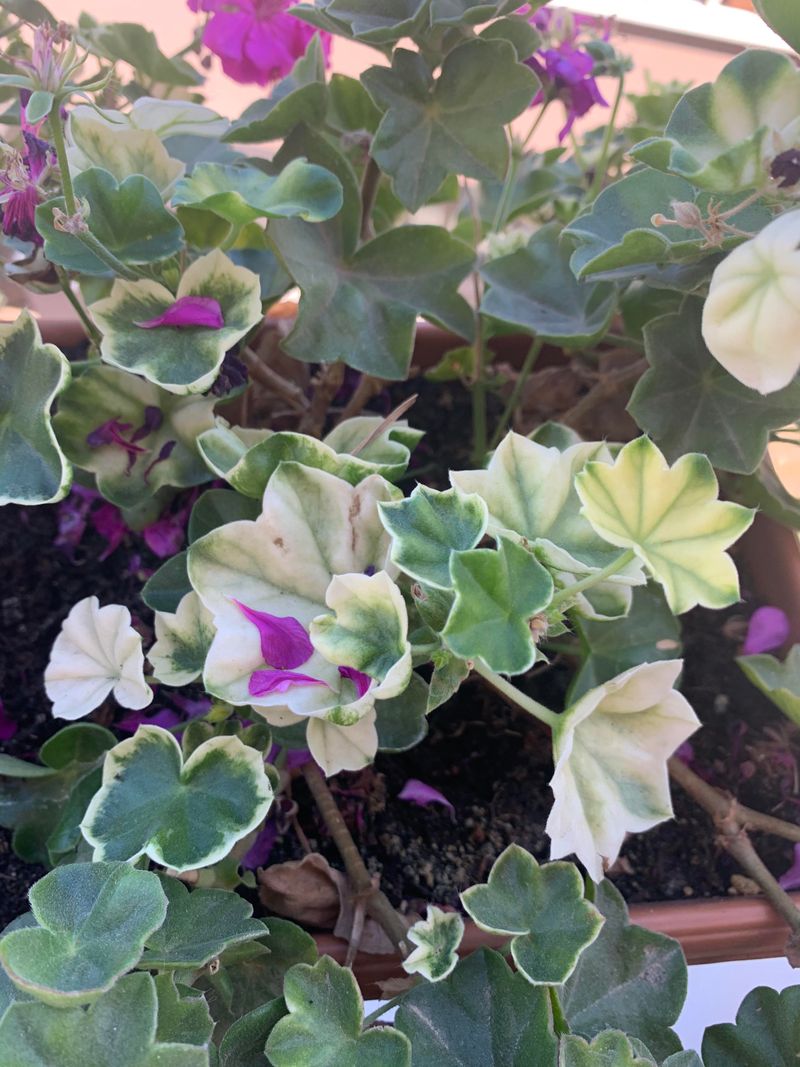
California summers can turn brutal fast. When temperatures soar, even sun-loving geraniums can feel the strain and start showing yellow leaves.
During heat waves, plants lose water through their leaves faster than roots can replace it. The result is wilting, curling, and fading color.
Leaf edges may turn crispy and brown while the rest yellows. That combination usually means the plant is baking under too much heat.
To help, water in the early morning so plants have moisture ready for the hot afternoon ahead. This timing makes a big difference.
A layer of mulch around the base keeps soil cooler and holds moisture longer. Bark or straw both work great.
Moving containers to a spot with afternoon shade gives your geraniums a break from the strongest rays.
Grouping potted plants together also helps. They create a little humid pocket that eases the stress of dry heat.
Avoid fertilizing during extreme heat, since feeding a stressed plant can do more harm than good. Wait for cooler days.
Once temperatures settle down, damaged leaves can be trimmed away. Fresh growth usually follows quickly.
With a few smart habits, your geraniums can ride out even the hottest stretches and keep looking lovely through the whole season.
7. Check The Soil Before Adding Fertilizer
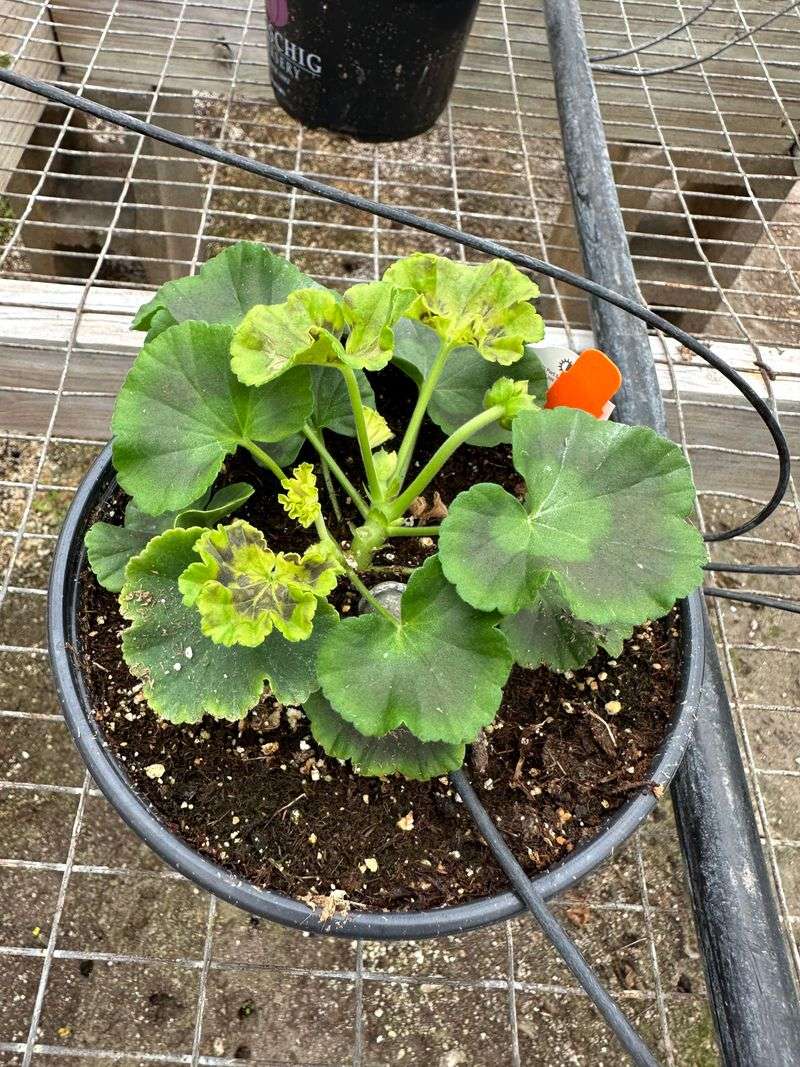
Reaching for fertilizer at the first yellow leaf is a tempting move. But smart gardeners pause and check the soil first.
Adding food to already rich soil can actually harm your geraniums. Too many nutrients build up and burn the roots.
A simple soil test tells you what your dirt already has. Kits are cheap and available at most garden stores.
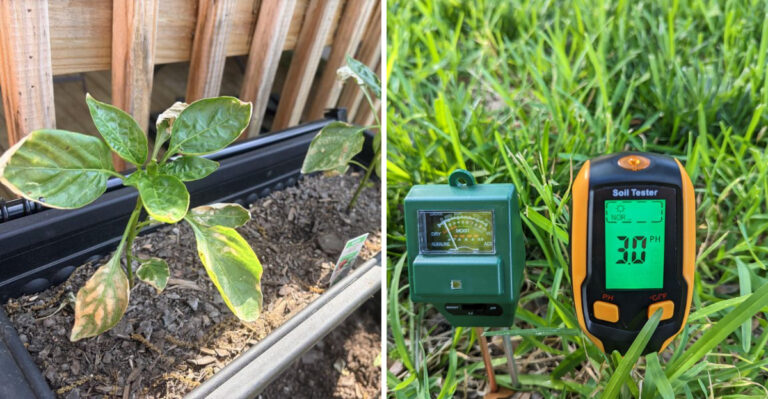
The test reveals pH levels and nutrient amounts. Geraniums like slightly acidic to neutral soil, around 6.0 to 7.0.
If the pH is off, plants struggle to absorb food no matter how much you add. Fixing that comes first.
Checking moisture matters too. Yellow leaves from wet soil will not improve with fertilizer, only with better watering habits.
Look closely at the whole plant before deciding. The cause might be light, water, or roots instead of hunger.
Once you know the soil is truly lacking, then feeding makes sense. You will apply the right amount at the right time.
Keep records of what you find each season. Over time you will understand your garden’s needs without guessing.
Testing takes just a few minutes but saves you money and frustration. A quick check keeps your geraniums balanced, happy, and far less likely to fade.
8. Root Problems Often Show Up In Leaves
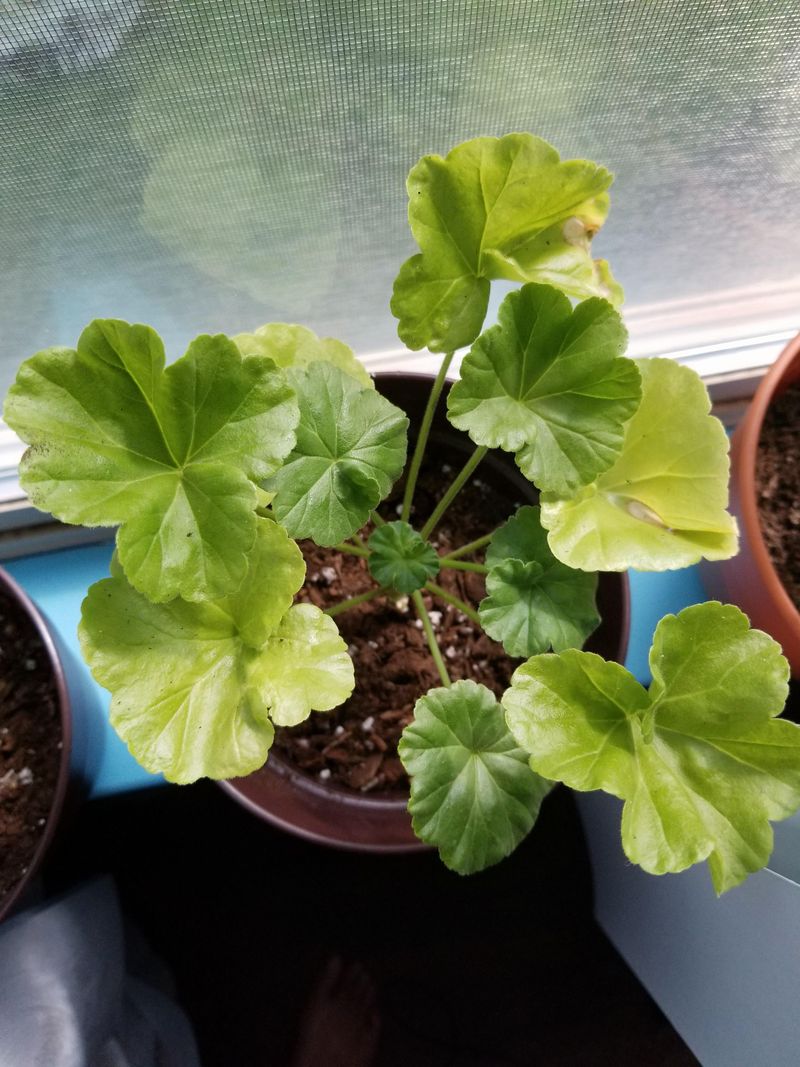
What happens underground shows up above the soil. When roots run into trouble, the leaves are often the first place you notice.
Root rot is a big culprit. It happens when roots sit in wet soil too long and start to break down.
Healthy roots look firm and white. Rotting roots turn brown, mushy, and give off a sour smell.
Crowded roots cause problems too. When a plant outgrows its pot, roots circle around with nowhere to go.
This crowding, called being root-bound, blocks the plant from taking up water and food. Yellow leaves soon follow.
Gently slide the plant out of its container to check. If roots wrap tightly around the shape of the pot, it needs a bigger home.
Repot into a container one size larger with fresh, well-draining mix. Loosen the roots a little before placing it in.
For rot, trim away the damaged brown roots with clean scissors. Then replant in dry, fresh soil.
Pests like root aphids can also cause hidden damage. A close look at the roots helps you catch them early.
Caring for what you cannot see keeps the visible parts thriving. Healthy roots mean green leaves, strong stems, and a geranium that blooms proudly all season long.