Pennsylvania Native Trees Worth Planting Before Fall That Establish Best In Summer Heat
Planting trees in summer feels counterintuitive to a lot of Pennsylvania gardeners. The conventional wisdom says spring or fall, and for many species that advice is sound.
Native Pennsylvania trees play by slightly different rules though, and several of them actually establish more effectively when planted before fall arrives, using the remaining heat of summer to push root growth in ways that cooler soil simply does not support as well.
Getting these trees in the ground now means they go into their first winter with a root system that is already developing and anchored, giving them a real advantage over spring planted trees that spend their first summer just trying to get established.
Pennsylvania’s predictable late summer rain patterns also help, reducing the watering burden during a critical window. If you have been putting off adding native trees to your yard and waiting for a better season, this might be the moment to stop waiting.
1. River Birch
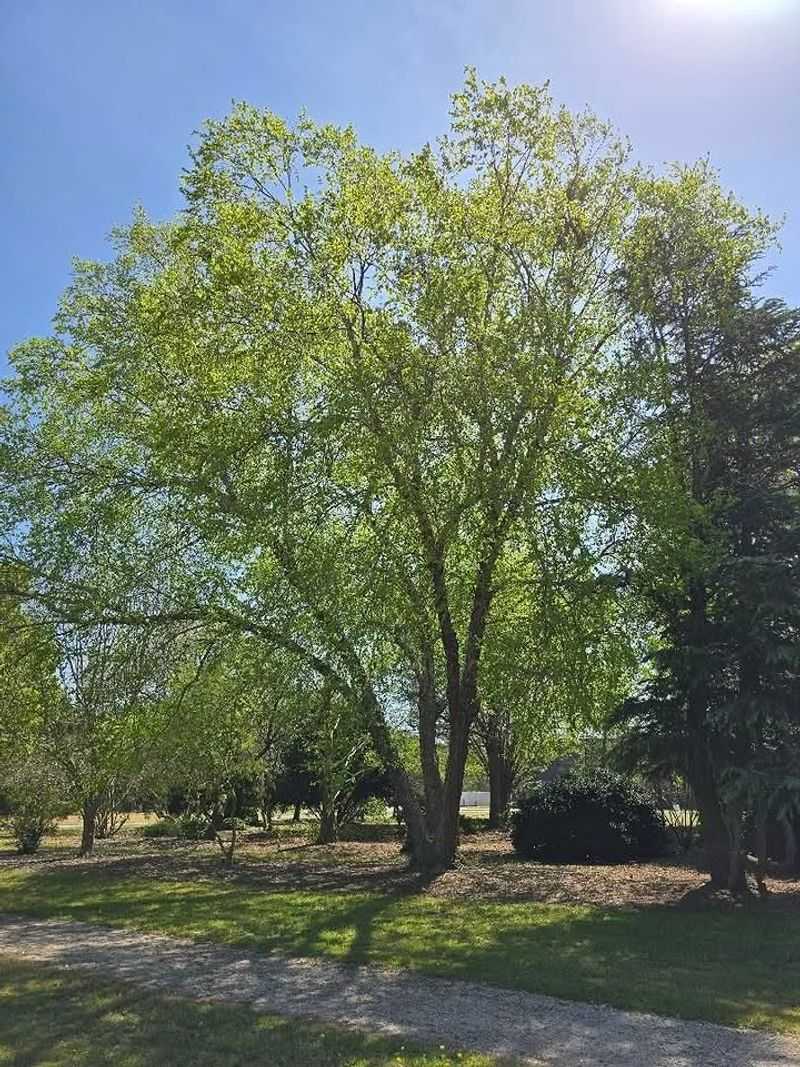
Few trees wear their character on the outside quite like the river birch. That peeling, cinnamon-colored bark is one of the most eye-catching features in any Pennsylvania yard, and it looks stunning year-round, even in winter when everything else looks bare.
River birch is a tough, reliable native that thrives in spots other trees would struggle with. What makes river birch special for summer planting is its love of warm, moist soil.
It roots aggressively when soil temperatures are high, which means planting it in summer actually gives it a head start.
Choose a spot with access to consistent moisture, like near a downspout, a rain garden, or a low-lying area of your yard.
When planting, dig a wide hole rather than a deep one. Spread the roots outward and make sure the root flare sits right at or slightly above the soil surface.
Water deeply right after planting, then continue watering every two to three days during dry spells throughout summer and early fall.
Mulch is your best friend with river birch. Apply a three-inch ring of wood chip mulch around the base, keeping it a few inches away from the trunk. Mulch holds moisture, keeps roots cool, and reduces competition from grass and weeds.
River birch grows quickly, often adding two or more feet per year once established. It also supports hundreds of caterpillar species, making it a powerhouse for birds and backyard wildlife.
If you want a fast-growing, beautiful, and ecologically valuable tree that handles Pennsylvania summers like a champion, river birch is hard to beat.
2. Serviceberry
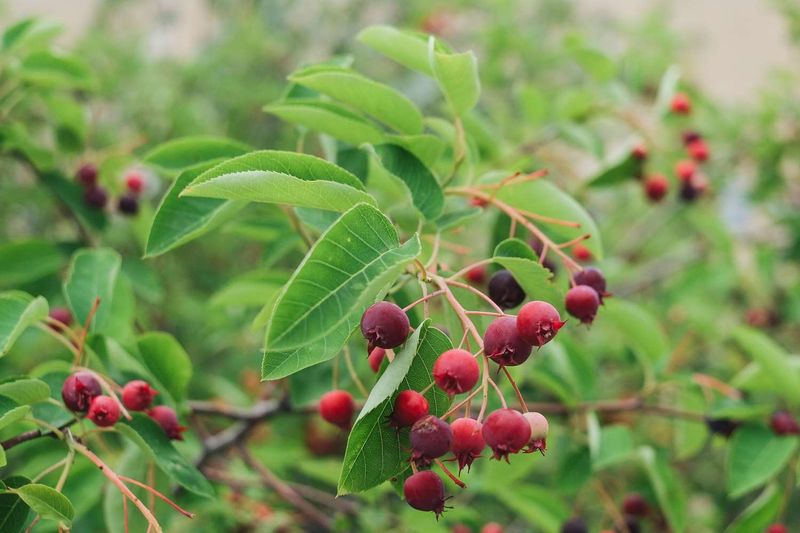
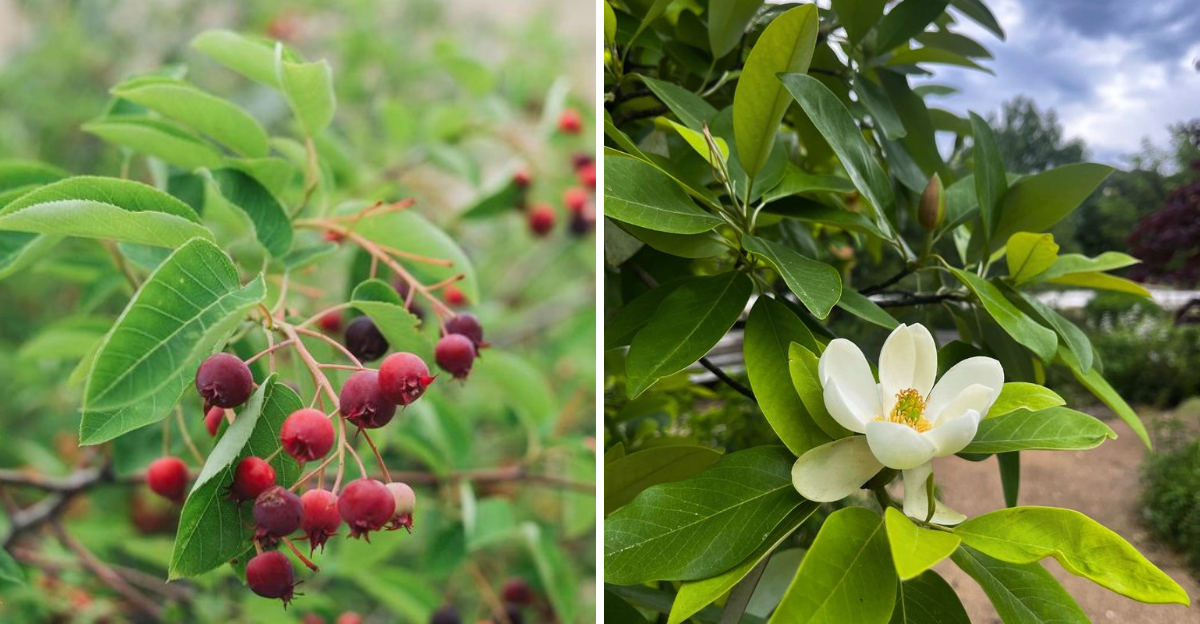
Serviceberry might just be the most underrated native tree in Pennsylvania. It blooms in early spring before most other trees even wake up, produces sweet edible berries that birds absolutely love, and then delivers a fiery show of orange and red fall color.
Getting all three seasons of interest from one small tree is a pretty remarkable deal. Planting serviceberry in summer works well because its compact root system adjusts quickly to new soil. It does not need a large planting hole or a huge amount of space.
Your Pennsylvania Garden Changes Every Week. Your Plan Should Too.
Gardening in Pennsylvania changes quickly throughout the season. Every Friday you’ll receive a simple weekly plan showing exactly what to plant, prune, fertilize, harvest, and protect so you never miss the right timing.
Most serviceberry varieties stay under 20 feet tall, making them a great fit for smaller yards, foundation areas, or spots near patios and walkways.
Pick a location with full sun to partial shade. Serviceberry is flexible and adapts well, but it produces the most berries and the best fall color when it gets at least four to six hours of direct sunlight daily.
Well-drained, slightly acidic soil is ideal, though it tolerates average yard soil without much fuss.
Water newly planted serviceberry trees every two to three days for the first month, then taper off as the tree begins to show new growth. That new growth is your signal that roots are settling in and the tree is adjusting to its new home.
One fun fact: early settlers in Pennsylvania relied on serviceberry fruits as one of the first fresh foods available each spring.
The berries taste similar to blueberries and are wonderful for jams, pies, or simply leaving for the birds. This tree earns its place in any native landscape without question.
3. Eastern Redbud
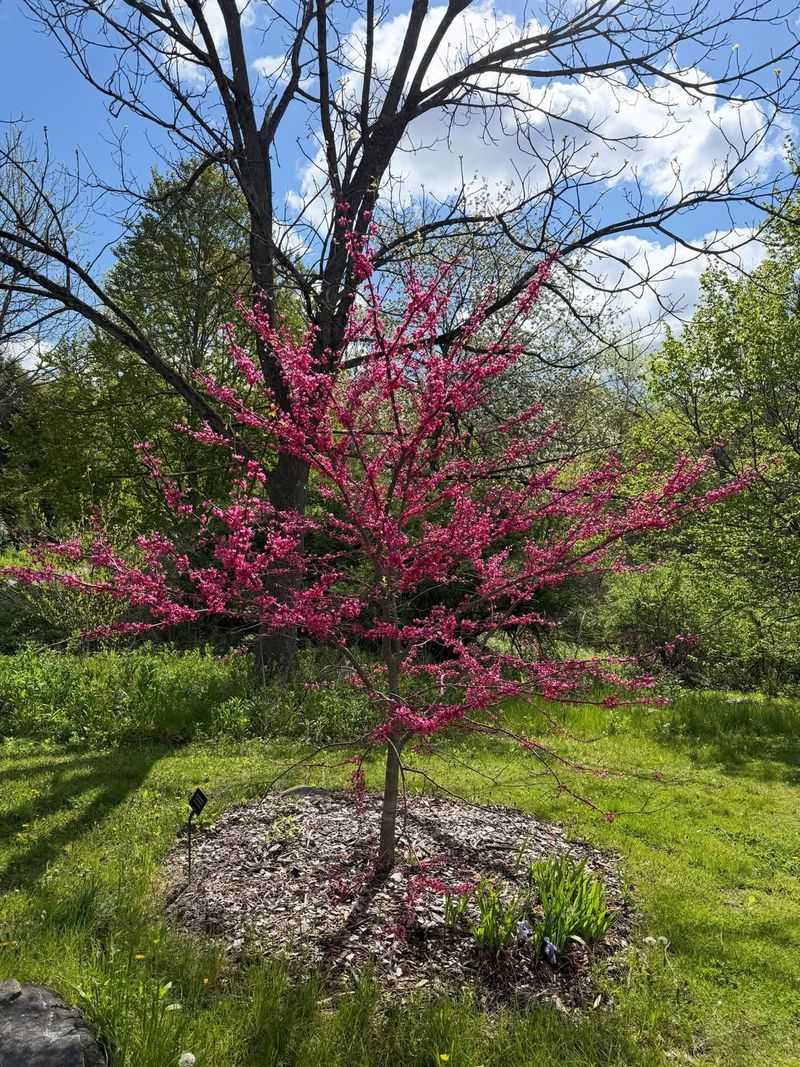
Imagine a tree that explodes with bright pink and purple blossoms directly on its bare branches every spring, before a single leaf appears. That is exactly what eastern redbud delivers, and it is one of the reasons this native Pennsylvania tree has so many fans.
The show it puts on in early spring is genuinely breathtaking, and the heart-shaped leaves that follow are just as charming.
Planting redbud in summer requires a little extra attention, but it is absolutely doable. The key is consistent watering.
Redbud has a moderate taproot that needs time to settle, and warm summer soil actually encourages that root development. Just make sure you do not let it dry out completely during the first few weeks after planting.
Choose a spot with full sun or light afternoon shade. Eastern redbud is native to woodland edges, so it is comfortable with a mix of sun and shade throughout the day.
Avoid low spots where water pools after rain, as redbud does not tolerate soggy roots for long periods.
Dig the planting hole two to three times wider than the root ball but no deeper than the root ball itself. Backfill with the original soil, tamp gently, and water thoroughly. Add a layer of mulch to lock in moisture and regulate soil temperature during hot weeks.
Eastern redbud also feeds early pollinators like native bees and butterflies, which emerge before many other flowers bloom.
The tree typically reaches 20 to 30 feet tall and wide, creating a rounded canopy that offers nice shade and visual interest throughout every season of the year.
4. Black Gum
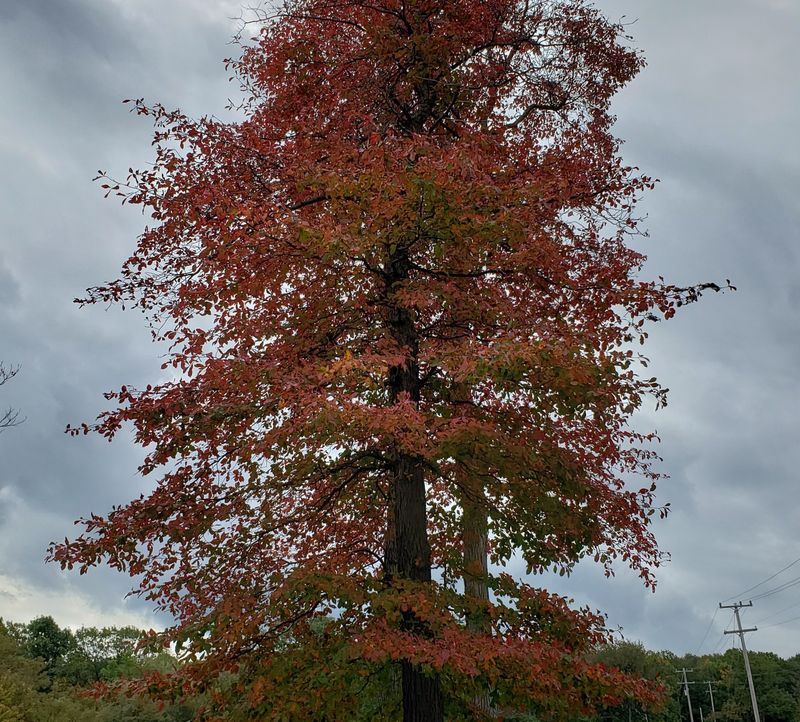
Ask any Pennsylvania naturalist which native tree puts on the most spectacular fall color show, and black gum will almost always come up.
The leaves shift from deep, glossy green to brilliant shades of scarlet, orange, and burgundy, often all on the same tree at the same time. But fall color is only part of the story with this tough and dependable native.
Black gum, also called black tupelo, handles heat surprisingly well once its roots get a foothold. Planting it in summer gives those roots exactly the warm conditions they need to start spreading.
It grows naturally in a wide range of Pennsylvania habitats, from upland forests to moist bottomlands, which tells you just how adaptable it really is.
When choosing a planting spot, aim for full sun to partial shade with soil that holds some moisture. Black gum does not like to dry out completely, especially during its first summer in the ground.
Deep, infrequent watering encourages the roots to reach downward, which builds long-term drought resilience as the tree matures.
One thing to know about black gum is that it has a taproot system, which means it does not love being transplanted once it gets large.
Planting it while young, ideally from a container rather than a balled-and-burlapped specimen, gives it the best chance of adjusting smoothly.
Wildlife absolutely depends on black gum. Its small dark fruits ripen in early fall and are eaten by dozens of bird species, including wood thrushes, robins, and warblers.
Planting one now means you will be supporting local wildlife for generations while enjoying one of Pennsylvania’s most visually stunning native trees.
5. American Hornbeam
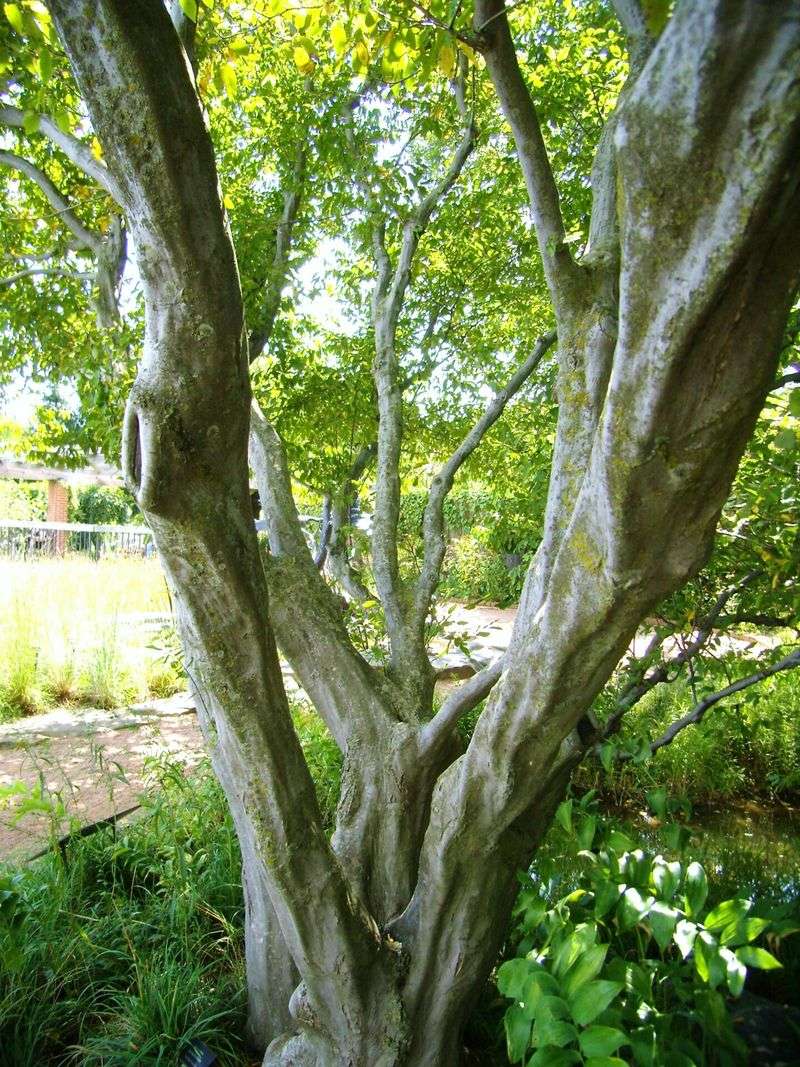
There is something quietly remarkable about American hornbeam. It does not shout for attention the way a redbud or serviceberry does, but once you know what to look for, its smooth, rippling gray bark and dense, finely textured leaves become genuinely beautiful.
Gardeners who appreciate understated elegance tend to fall hard for this tree once they discover it.
American hornbeam, sometimes called musclewood because of that distinctive bark, is a slow and steady grower that suits Pennsylvania’s woodland landscapes perfectly.
It naturally grows as an understory tree, meaning it thrives beneath taller trees where sunlight is filtered. If you have a shady corner that feels empty, hornbeam is built for that spot.
Summer planting works well for hornbeam because its fibrous root system adapts quickly to new surroundings. Unlike trees with taproots, fibrous roots spread broadly and anchor well in a single growing season.
Water consistently during the first summer, aiming for deep soakings twice a week rather than shallow daily sprinkles.
Hornbeam prefers moist, well-drained soil with a slightly acidic pH, which is common throughout much of Pennsylvania. It tolerates clay soil better than many other native trees, making it a practical choice for yards where drainage is less than perfect.
Did you know that hornbeam wood is one of the hardest of any North American tree? Early American settlers used it for tool handles, mallets, and even ox yokes because of its incredible density.
Today, the tree earns its place in modern landscapes by supporting native caterpillars, providing nesting cover for birds, and offering reliable, low-maintenance beauty season after season.
6. Sweetbay Magnolia
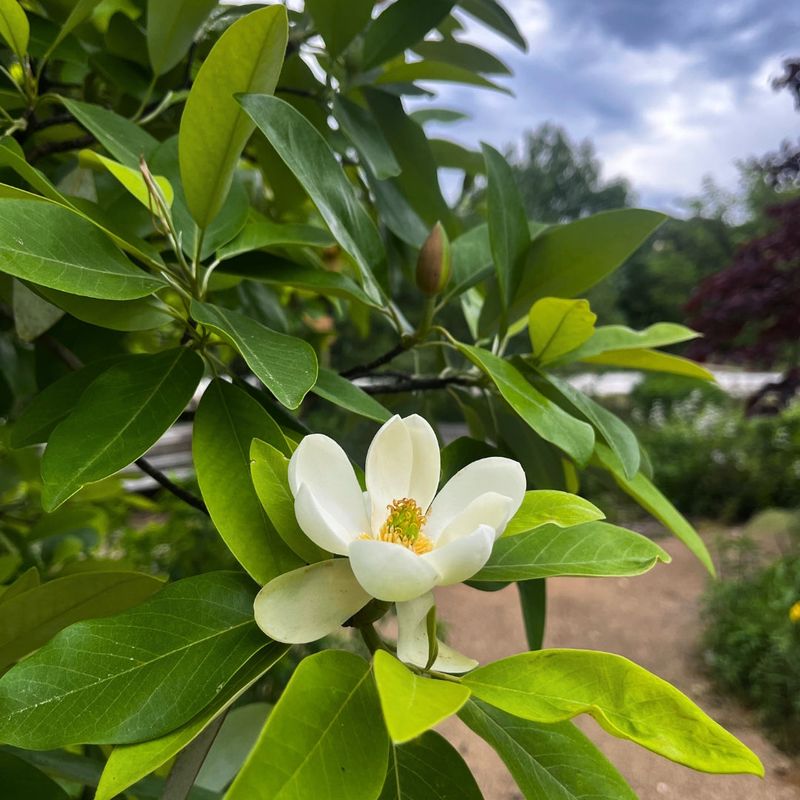
Walk past a sweetbay magnolia on a warm summer evening and the fragrance will stop you in your tracks.
The creamy white flowers smell like a mix of vanilla and lemon, and they keep blooming through much of summer, long after most flowering trees have finished for the year. For a native tree that delivers sensory pleasure all season long, sweetbay is hard to top.
Native to the eastern United States, sweetbay magnolia is perfectly suited to Pennsylvania’s humid summers.
It actually prefers the kind of warm, muggy weather that makes some gardeners groan, using that heat and humidity to push out new growth and flowers at the same time. That makes summer the ideal window for getting one established in your yard.
Sweetbay magnolia loves consistently moist soil and does particularly well near rain gardens, pond edges, or low areas that collect runoff.
It tolerates standing water better than most ornamental trees, which makes it a fantastic solution for problem spots in Pennsylvania yards where drainage has always been a challenge.
Plant it in full sun to partial shade and water deeply every two to three days during the first six weeks. The root system is fleshy and somewhat fragile, so handle the root ball carefully during planting.
Avoid breaking or bending roots, and get the tree in the ground the same day you bring it home if at all possible.
Sweetbay magnolia typically grows 10 to 20 feet tall in Pennsylvania, staying semi-evergreen in mild winters and fully leafing out again in spring.
Its tidy size, remarkable fragrance, and tolerance for wet conditions make it one of the most practical and rewarding native trees you can plant this summer.