What To Stop Cutting Back In Your Georgia Garden To Help Fall Pollinators
You reach for the pruners on a cool Georgia morning with a plan.
Everything brown comes down. Every faded stem, every dry seed head, the whole bed cleared before the weather turns.
Most of that is fine. Some of it will empty out a habitat you didn’t know you had.
Here’s the part that surprises people. Plenty of what looks finished in October is still working.
Hollow stems hold overwintering bees. Seed heads feed goldfinches through January. Leaf litter shelters butterfly and moth pupae that will emerge in spring.
Cut it all in fall and none of that survives to next year.
The tradeoff is real though. A habitat garden looks messier than a tidy one, and nobody wants a front bed that reads as neglect.
The workable answer involves knowing which specific plants earn a pass and which can come down now.
Curious what to leave standing?
1. Purple Coneflower
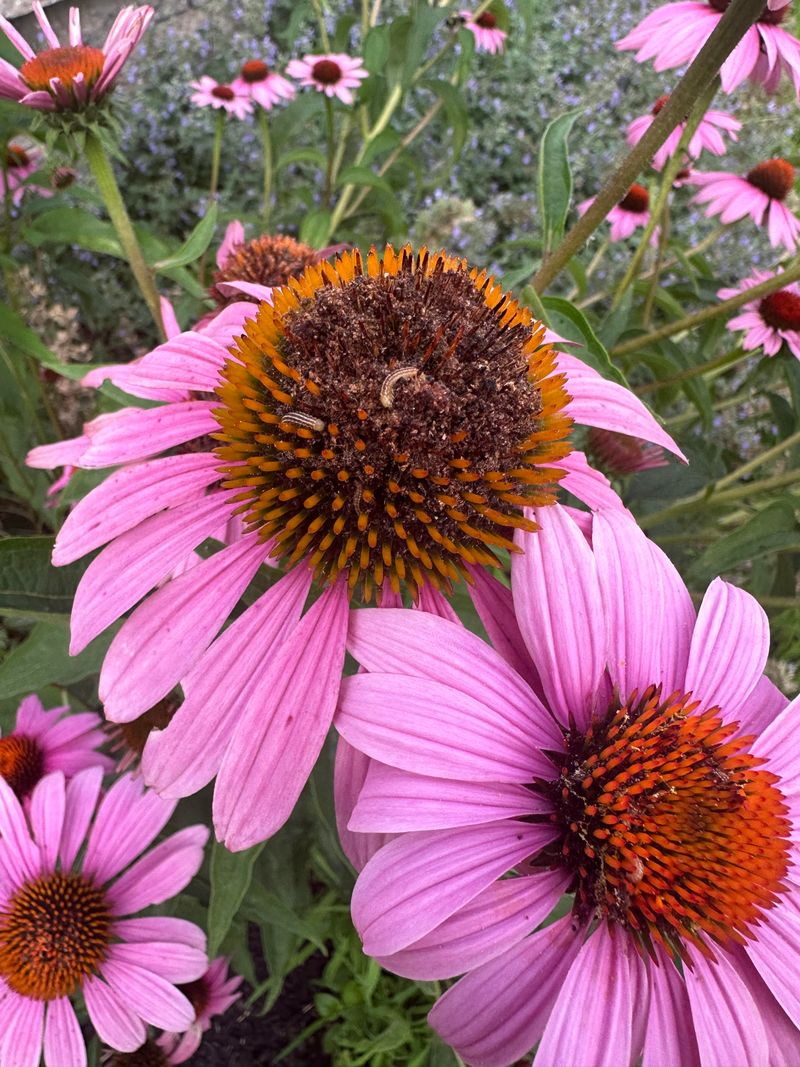
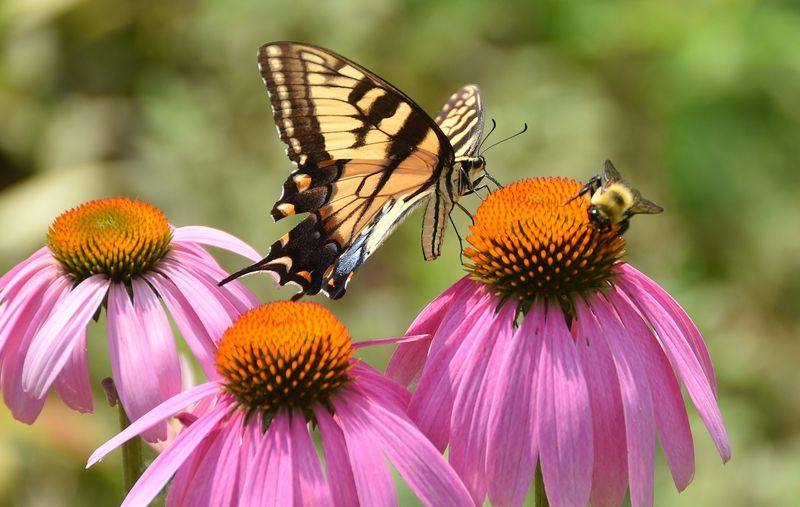
Plenty of gardeners snip coneflowers as soon as the petals drop, and those rough spiky seed heads still have work to do.
Leaving them standing through fall and winter gives goldfinches and other small birds an accessible meal when natural food thins out.
That bird activity keeps the garden active after summer color disappears.
Lighter fall cleanup suits coneflower particularly well.
The stiff stems stay upright for months, which keeps seeds available rather than dumping them in a pile after the first storm.
Volunteer seedlings turn up later, and those transplant easily or go to neighbors.
There’s an honest tradeoff. Seed heads look dry and somewhat unkempt compared with a freshly trimmed border, especially in a front yard.
Many Georgia gardeners solve that by keeping coneflower clumps in back borders, wildlife corners, or mixed native beds.
Cut them down in spring once warm weather arrives and insects have emerged.
For the best balance, wait until late winter or early spring, then cut stems and shake the seed heads over the soil before hauling anything away.
That single step feeds birds now and helps next year’s plants return.
Native bees also nest in coneflower stems, which adds a second reason beyond seed.
A plant that looks finished to us may still be serving the garden through a season we’re not watching.
2. Ornamental Grasses
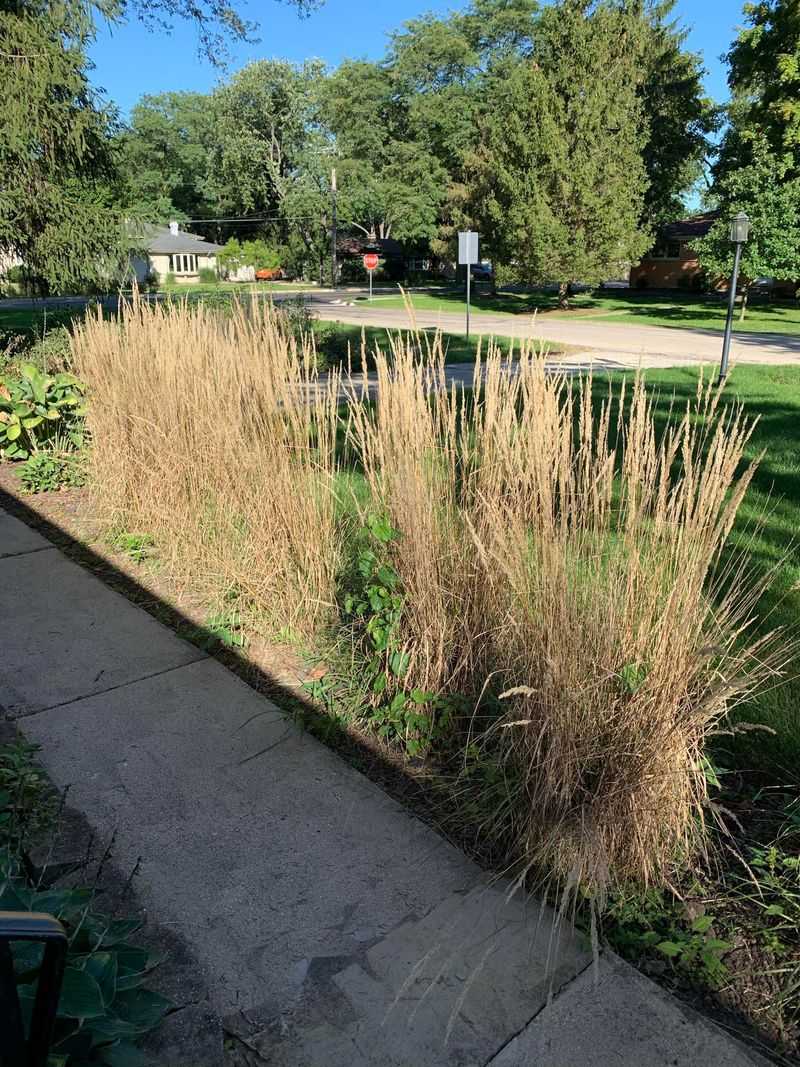
Walk past a stand of ornamental grass on a frosty morning and the argument makes itself.
Those upright blades and plumes catch light, soften bare beds, and give small creatures somewhere to shelter from wind.
A tidy October haircut removes both the habitat and the winter interest simultaneously.
Habitat deserves consideration before clearing every bed, and grasses matter here.
Dense clumps protect beneficial insects during cold spells, while older stems create calmer conditions near the ground.
Not every insect using grasses is a pollinator, and a garden sheltering beneficials generally runs healthier overall.
Standing grasses also make a garden look intentional when flowers are gone.
Tan, copper, and burgundy blades move in winter wind and keep beds from reading as empty.
Your Georgia Garden Changes Every Week. Your Plan Should Too.
Gardening in Georgia changes quickly throughout the season. Every Friday you’ll receive a simple weekly plan showing exactly what to plant, prune, fertilize, harvest, and protect so you never miss the right timing.
Front entries needing a neater look can get partial treatment. Trim only the outer edges, or tie the clump loosely rather than shearing the whole plant.
Muhly grass, switchgrass, and little bluestem all hold their form well through Georgia winters.
Come spring, wait until temperatures stay consistently warm before cutting old growth.
That delay lets hidden insects leave and extends the structural interest a few weeks longer.
Once new green shoots reach several inches, trim the previous season’s blades without worrying you rushed.
3. Bee Balm
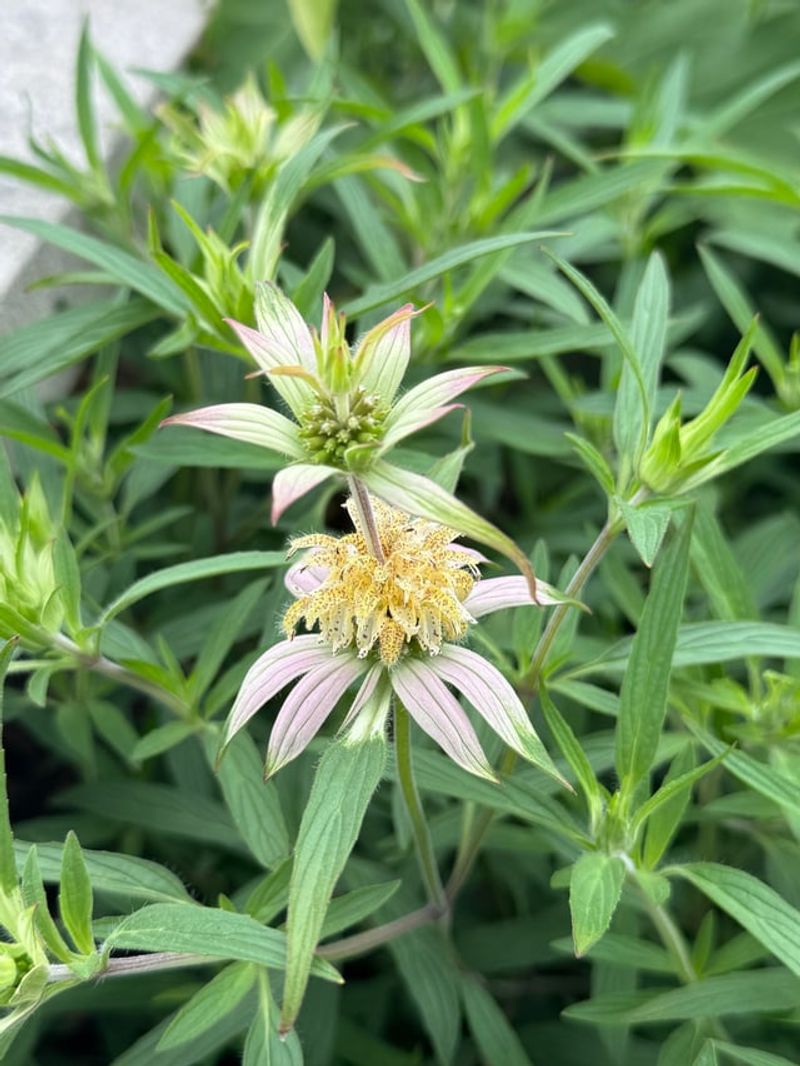
Bee balm produces exactly the kind of stem native bees look for.
Hollow and pithy stems serve as nesting sites, and some beneficial insects overwinter inside them.
A stem that looks spent to you can function as small-scale housing through the cold months.
Delaying stem removal gives cavity-nesting bees a chance to use what’s already there.
Rather than cutting everything low in autumn, leave the stems standing until spring.
Bee balm spreads by runners and often has plenty of stems, which makes it an easy plant to be generous with.
The plant also tends to look rough by fall anyway, since powdery mildew hits it regularly in Georgia humidity.
That appearance argues for placement in a back border where standing stems don’t bother anyone.
Stems flopping across a path can be shortened without removing the whole plant.
Cut only what’s causing trouble and leave the rest upright.
Come late winter or early spring, cut stems to roughly twelve to eighteen inches rather than right at soil level.
Those remaining sections still get used by bees, and new growth hides them within weeks.
Small choices like that keep the bed looking managed while preserving the nesting value.
4. Joe Pye Weed
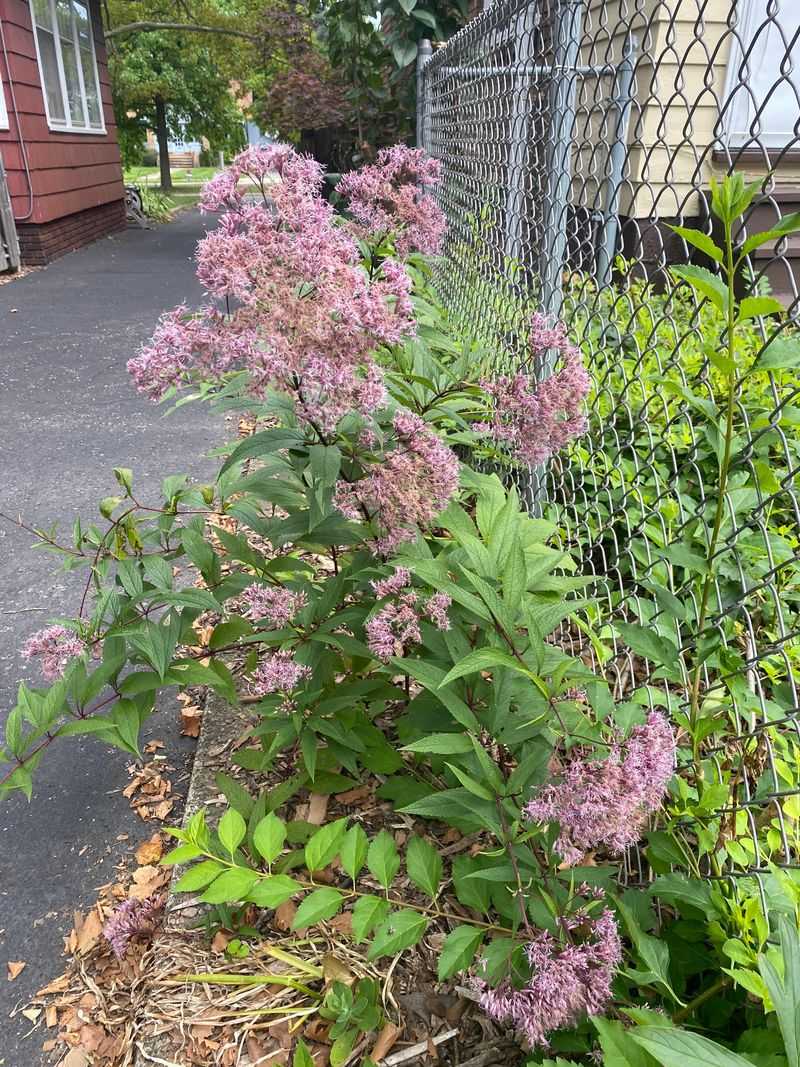
Joe pye weed is a natural fit for the leave-it-standing approach.
Tall sturdy stems remain upright through much of a Georgia winter, and those stems provide the hollow cavities native bees use.
Height works in your favor here.
A five to seven foot plant creates real structure in a winter bed rather than looking like leftover debris.
Seed heads add texture too, and small birds work them for seed.
The plant belongs in a back border anyway given its size, which means standing stems sit where they cause the least visual concern.
Cutting in fall removes both the nesting cavities and the winter structure at once.
Late winter is the better timing.
Cut stems to twelve or eighteen inches rather than ground level, since those stubs continue serving as nesting sites while new growth comes up around them.
Joe pye weed is a substantial late-season nectar plant while blooming, drawing butterflies heavily in August and September.
That earlier value is another argument for leaving it alone until the season genuinely ends.
Sweet joe pye and spotted joe pye both work similarly in Georgia gardens.
Divide the clump in spring if it has spread further than you want, which handles size without sacrificing habitat.
5. Elderberry
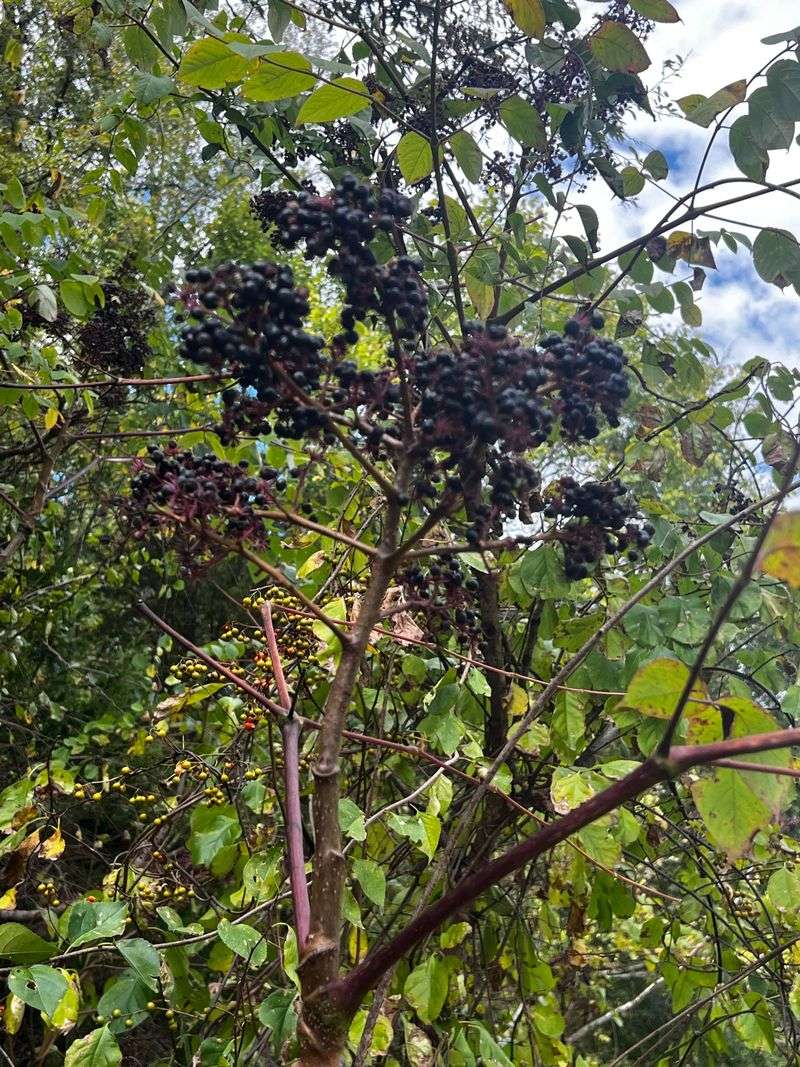
Elderberry contributes on several fronts, and pruning timing determines whether you get all of them.
The stems are pithy rather than truly hollow, and native bees use that soft center for nesting readily.
Leaving canes standing through winter preserves those sites.
Fruit is the other consideration.
Birds work elderberry heavily through late summer and fall, and any remaining clusters keep feeding them into the cold months.
Structure holds up reasonably well too, since the arching canes provide cover at a useful height.
Elderberry benefits from renewal pruning, and late winter is the appropriate window rather than fall.
Remove the oldest canes at the base then, keeping a mix of ages so the plant stays productive.
That timing accomplishes the maintenance without eliminating winter habitat.
Elderberry also spreads by suckers, which means you usually have more canes than you strictly need.
Being generous with the older ones costs almost nothing.
Cut stems left at twelve to eighteen inches continue serving as nesting cavities through the following season.
Worth noting that raw elderberries and other plant parts contain compounds causing nausea, so cooking is required for any harvest.
6. Fallen Leaf Litter
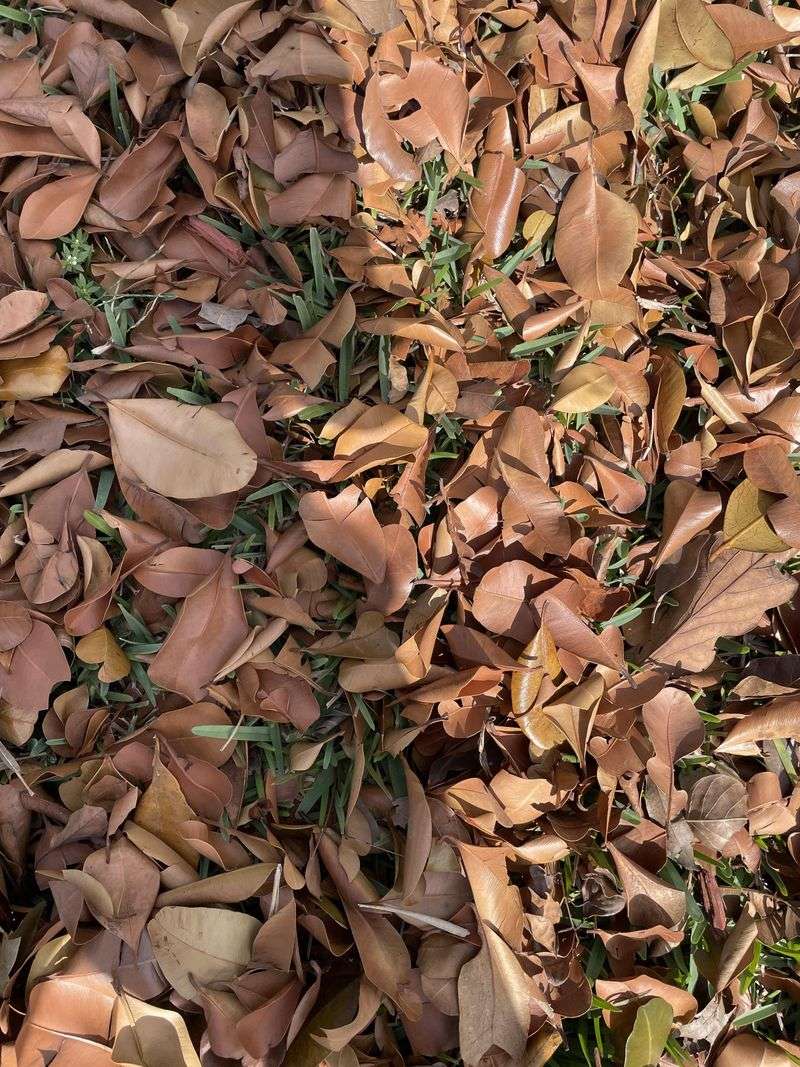
One quick pass with a rake clears a bed and removes hidden life along with the leaves.
Butterflies and moths overwinter in leaf litter and nearby debris as eggs, caterpillars, pupae, or chrysalides depending on species.
That layer functions as insulation and shelter precisely when insects need both.
Lighter fall cleanup fits especially well in beds containing trees, shrubs, and perennials.
Rather than stripping every leaf, move thick piles off lawns and paths and let a thinner layer stay under plants.
That compromise keeps walkways safe while preserving habitat where overwintering insects concentrate.
Leaf litter does more than shelter insects.
It holds moisture, moderates soil temperature swings, and gradually feeds the soil as it decomposes.
Appearance concerns have a workaround. Running a mower over leaves and spreading them as mulch looks tidier while retaining most of the benefit.
Keep some whole leaves in quieter corners where life stages may be tucked in.
Spring finishes the job, and patience matters.
Wait until temperatures stay consistently warm before a full rake-out, giving insects time to emerge and move on.
Luna moths and several swallowtail species overwinter in leaf litter in Georgia, which makes the timing genuinely consequential.
7. Goldenrod
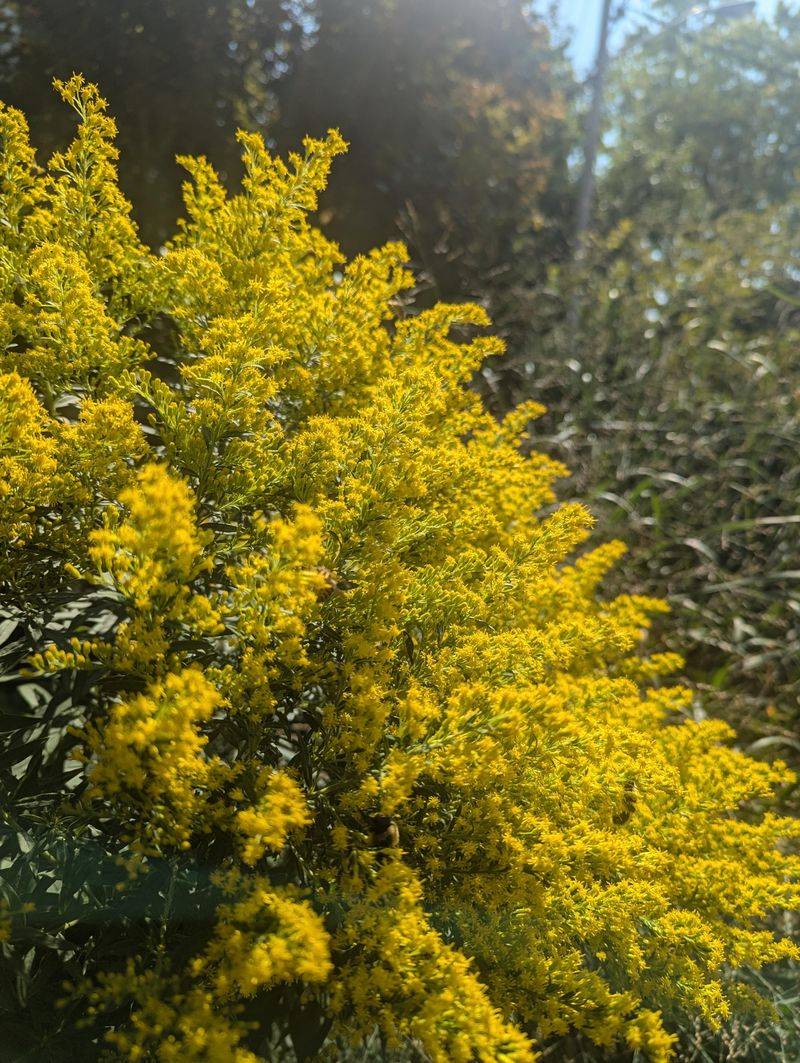
Just as summer flowers finish, goldenrod arrives like a closing act.
Those yellow plumes carry heavy insect traffic on warm Georgia fall days.
Late nectar matters because insects are still fueling up, and some are preparing for migration or reproduction.
Fall bloomers belong in any pollinator-friendly planting, and goldenrod is among the most valuable.
The allergy reputation is undeserved. Goldenrod pollen is heavy and insect-carried rather than wind-borne, and ragweed blooming at the same time causes most of the trouble people blame on goldenrod.
Leaving these plants uncut keeps flowers available longer and supports a busier garden when other beds slow down.
A clean clipped bed in September accidentally shuts down one of the richest food sources of the entire year.
Trim only plants genuinely needing control and let goldenrod patches continue blooming.
Spread is the common complaint, and some species run aggressively by rhizome.
Mark the clumps now and divide or edit in spring rather than cutting off their value in fall.
Wreath goldenrod and stiff goldenrod behave more politely than tall goldenrod if spread concerns you.
Seed heads also feed birds through winter, extending the plant’s usefulness well past bloom.
8. Native Asters
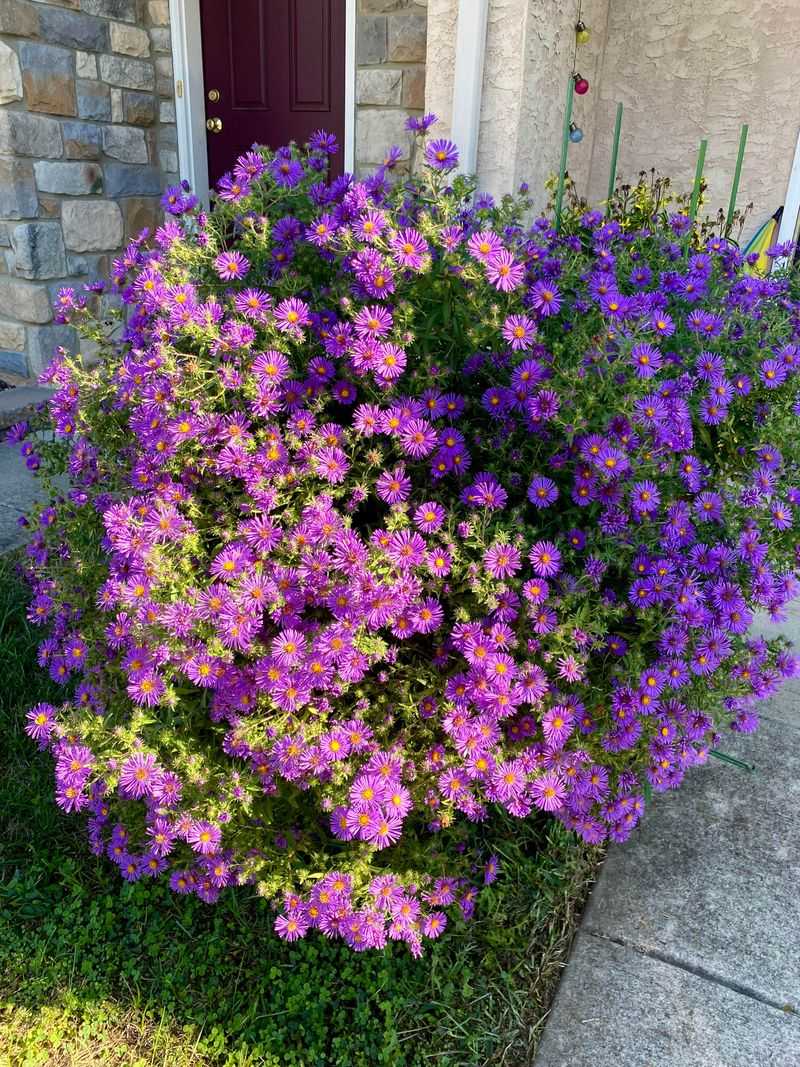
Asters carry a Georgia garden further into fall than almost anything else.
Purple, blue, pink, and white blooms open when little else does, and pollinator traffic runs heavy on warm afternoons.
Monarchs moving through on fall migration use asters regularly, which gives those late flowers real weight.
Leaving them uncut keeps nectar available as long as weather permits.
That matters more than it sounds, since insects finding food in October are considerably better positioned than those that don’t.
Cutting asters in September removes the exact resource the season depends on.
Aromatic aster, smooth aster, and New England aster all perform well in Georgia and bloom into October or later.
After flowering finishes, seed heads feed small birds through winter.
Stems provide overwintering shelter too, adding a third reason to delay.
Spread and flopping are the usual complaints.
Cutting plants back by a third in early summer produces shorter sturdier growth, which addresses both without touching fall bloom.
Division in spring handles clumps that have expanded too far.
Wait until warm weather holds steadily before cutting old growth, then trim once new shoots appear at the base.
9. Selective Cleanup That Still Looks Cared For
Picture a Saturday cleanup with bags open and every brown stem looking like yard waste.
A complete fall bed clearing removes shelter, nesting sites, and food simultaneously.
Moderation works better, since what looks untidy to us often remains useful habitat through winter.
Selective delay beats total neglect as an approach.
Leave standing stems, seed heads, ornamental grasses, and some leaf litter through winter, particularly in quieter beds.
Meanwhile clear diseased plant material, pull weeds before they set seed, and keep entrances, sidewalks, and lawn edges neat.
That combination keeps a garden looking intentional rather than abandoned.
Diseased material deserves removal regardless of season, since leaving it invites the same problem next year.
Front beds can get standard treatment while back borders go wild, which satisfies both neighbors and pollinators.
Timing the eventual cleanup matters most.
Wait until spring temperatures hold consistently warm before cutting back most stems and raking deeply, giving insects time to emerge.
Watch weather rather than the calendar in Georgia, then handle pruning in late winter or early spring.
A messier winter garden tests patience and gives a considerable number of living things a real chance at spring.